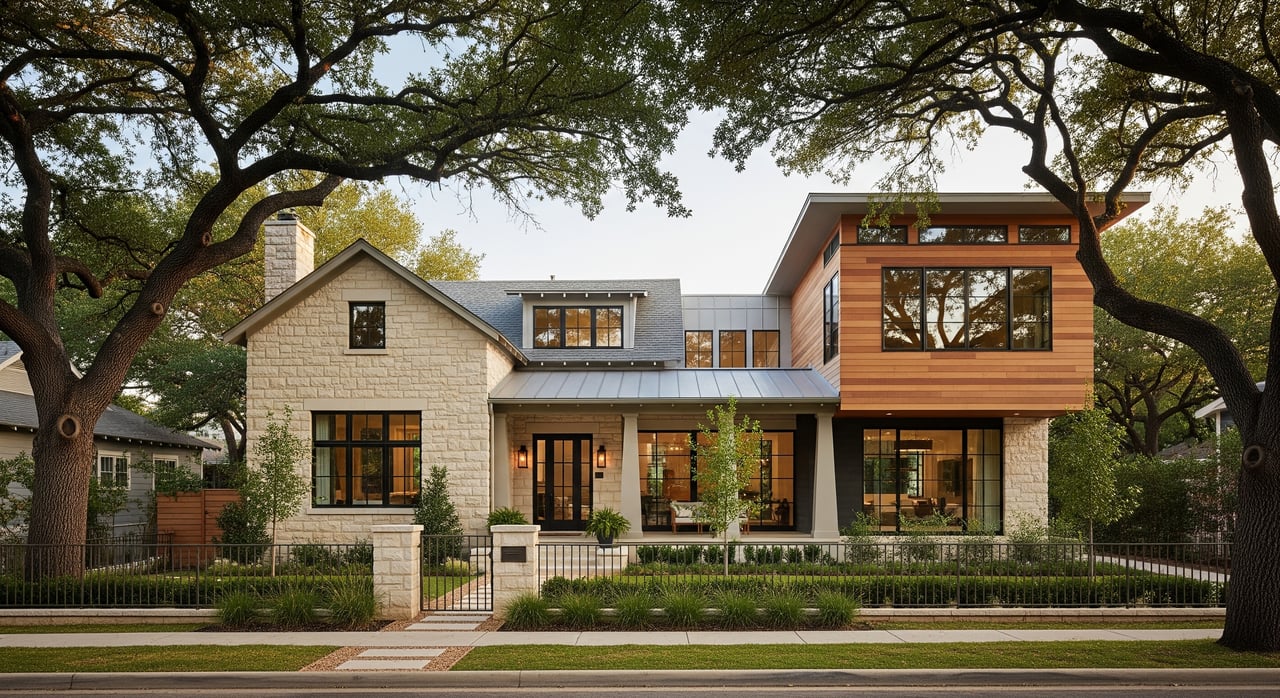
A listing in Bouldin or Travis Heights can carry a pitch that sounds almost like a bonus round: two years of five-star reviews, a rate calendar booked through festival season, an income statement attached to the disclosure packet. The number looks real because it is real. According to IMC Capital TX, the seller's license does not travel with the deed.
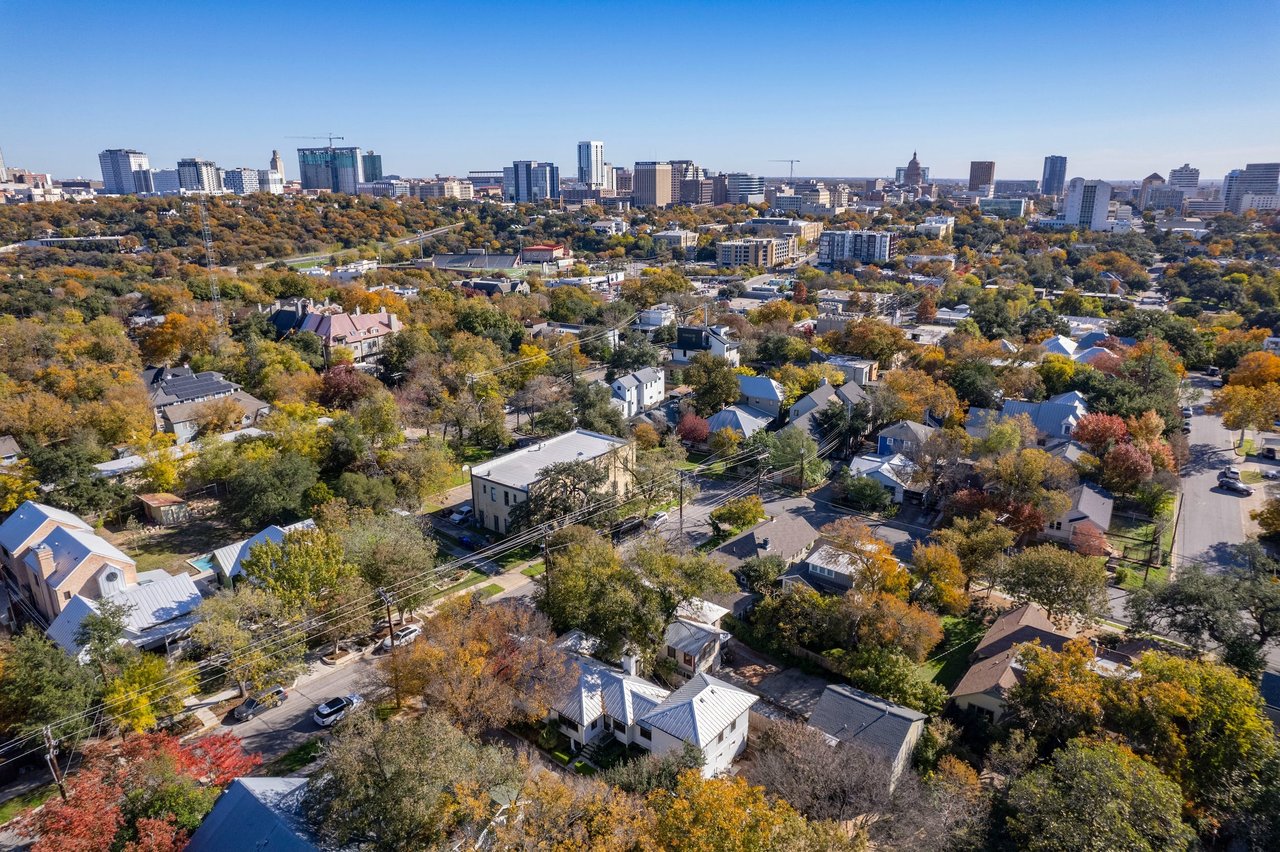
That distinction matters more in the 78704 zip code, which covers Zilker, Bouldin Creek, Travis Heights, Barton Hills, and South Congress, than almost anywhere else in Austin. The zip has been named repeatedly among the city's top three or four best-performing short-term rental markets, alongside downtown's 78701 and East Austin's 78702. It is also, as of this year, one of the most regulated. A buyer who treats an active listing as a feature of the house, rather than a feature of the previous owner's paperwork, is pricing the wrong thing.
When a home sells, the license does not transfer to the new owner.
That timeline is not instant. According to Stress-Free Co-Hosting, Type 1 and Type 2 licenses take four to six weeks to process, while Type 3 licenses take eight to ten weeks. Every category carries the same fee structure: $836.30 for a new license and $385.30 to renew, valid for up to two years rather than the single year required before the 2025 rewrite.
| License Type | Processing Time |
|---|---|
| Type 1 | 4 to 6 weeks |
| Type 2 | 4 to 6 weeks |
| Type 3 | 8 to 10 weeks |
A buyer who closes expecting the listing to keep earning the day after signing is looking at a gap measured in weeks, not days, before a license of their own is even active. Whether that gap can be bridged in a way that keeps a listing bookable is a question for a licensed attorney reviewing the specific property, since the city's own guidance treats an expired or absent license the same as no license at all.
Austin has required short-term rental licenses since 2016, but enforcement was historically complaint-driven. Someone had to call, and a code compliance officer had to catch a violation in progress. That system left plenty of room for a property to operate for years without ever holding a valid license.
The city's Ordinance No. 20250911-012, adopted in two phases across February and September of 2025, rewrote that arrangement. Structural zoning changes took effect first, moving short-term rentals from the land development code into the business regulations title. Operator and licensing reforms followed on October 1, 2025. Then, beginning July 1, 2026, the enforcement mechanism shifted from the city to the platforms themselves. Airbnb, VRBO, and other booking sites are now required to display a valid Austin license number on every listing and to remove any listing within ten days of receiving a city delist notice. According to HostStarter, there is no grace period built into that ten-day window.
The scale behind that deadline is worth sitting with. A city implementation memo dated April 30, 2026 found roughly 2,785 unlicensed addresses in Austin against roughly 2,400 properties holding an active license, close to a one-to-one ratio of unlicensed inventory to licensed inventory. As Austin Development Services assistant director Daniel Word told Austin Current in March, the city now has the ability to request that unlicensed listings be pulled until a license is in hand.
For a buyer evaluating a Bouldin or Zilker property that has been operating without documentation of a current license, the question is not whether enforcement will eventually reach that address. It is whether it reaches it before or after closing.
Density limits changed too, and they changed in a way that matters block by block rather than city-wide. According to Austin Monitor, the old separation rule measured 1,000 feet between individual short-term rental units. The new rule measures site to site instead, which means a property owner can now operate up to two short-term rentals on a single lot as long as that lot sits 1,000 feet from the next licensed site. In multifamily buildings, the share of units allowed to operate short-term dropped from 25 percent to 10 percent, unless the building includes a commercial use, in which case the 25 percent cap still applies.
In a dense, walkable pocket of 78704 where lots sit close together and licensed rentals already cluster near South Congress and South First, that separation math is not abstract. A buyer weighing a property for its rental potential should find out, before writing an offer, whether a licensed short-term rental already sits within that 1,000-foot radius. If one does, the property in question may not be eligible for a license at all, regardless of how the seller marketed it.
The tension in 78704 is that it can be true at the same time that this is one of Austin's strongest short-term rental markets and that the market is oversupplied. Licensed inventory across the city grew faster than demand from 2022 through 2025, which compressed both occupancy rates and average nightly rates even in the zip codes still considered top performers. A seller citing income figures from two or three years ago is citing numbers from a different supply environment than the one a new license would enter today.
Home prices in the underlying neighborhoods add another layer. One January 2026 market snapshot put Bouldin Creek at roughly $875,000 and Travis Heights at roughly $950,000, a premium that reflects proximity to Lady Bird Lake, South Congress, and Zilker Park as much as any rental use. A buyer running the numbers on a short-term rental purchase in this price range is not just underwriting occupancy and rate. They are underwriting a license application, a separation check, and a licensing timeline against a purchase price set largely by owner-occupant demand, not investor demand.
Is the seller's license active right now, and in whose name? A license that lapsed months ago, even if the listing still appears live on a booking platform, does not establish that a new license is available for that address.
What sits within 1,000 feet? The site-to-site rule means a neighbor's existing short-term rental can determine whether this specific lot qualifies for a license at all.
A buyer who answers these questions before closing is buying the property with clear eyes about what it can earn under today's rules, not under the rules the previous listing was built on.
If you are weighing a purchase in Bouldin, Travis Heights, or Zilker with rental income in mind, Anna Morrison Lee can walk through what a specific address's license history and separation distance actually look like before you write an offer.
This article is general information, not legal, tax or financial advice. Consult a qualified professional about your situation.

3825 Lake Austin Blvd Ste 501 Austin TX 78703
3825 Lake Austin Blvd Ste 501 Austin TX 78703