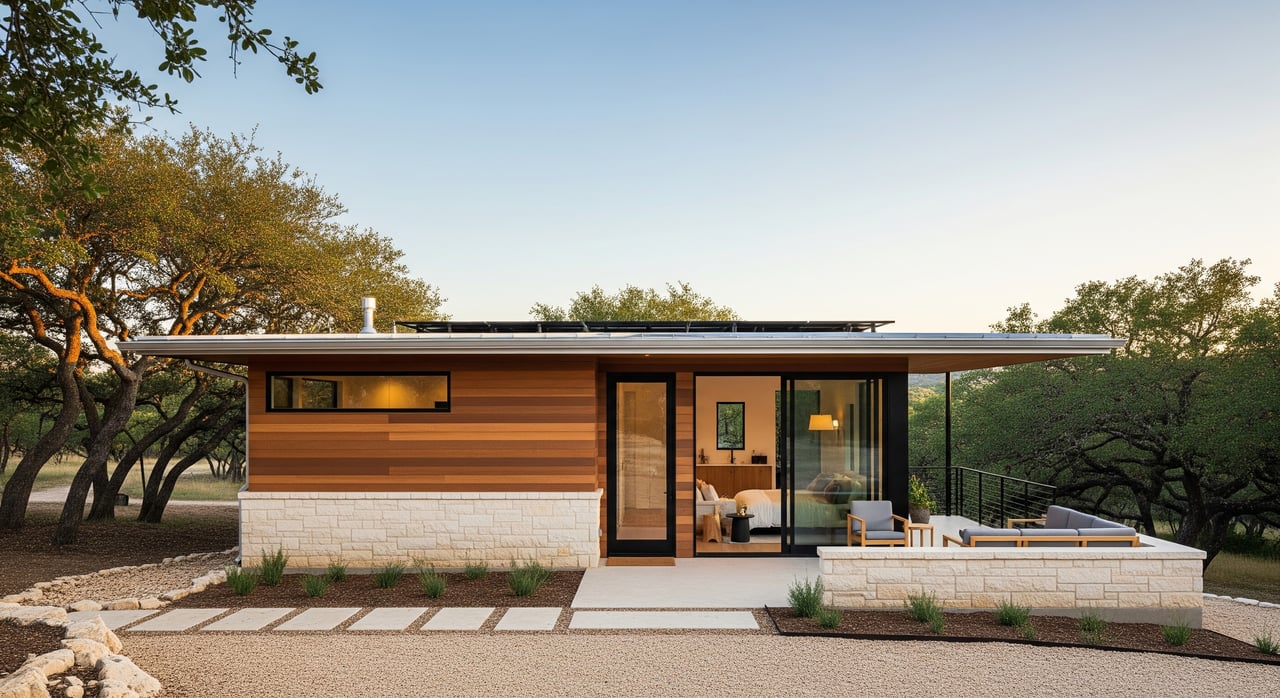
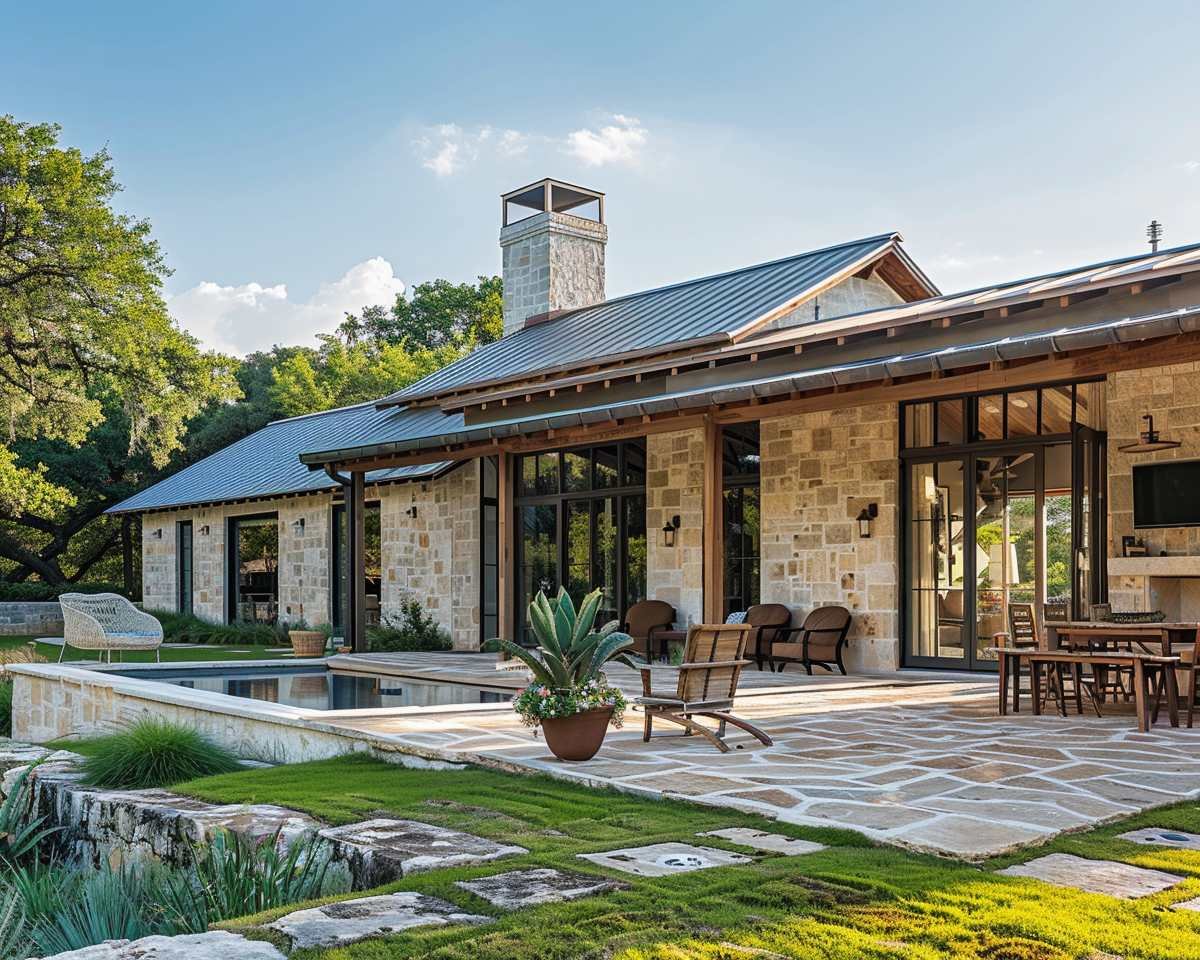
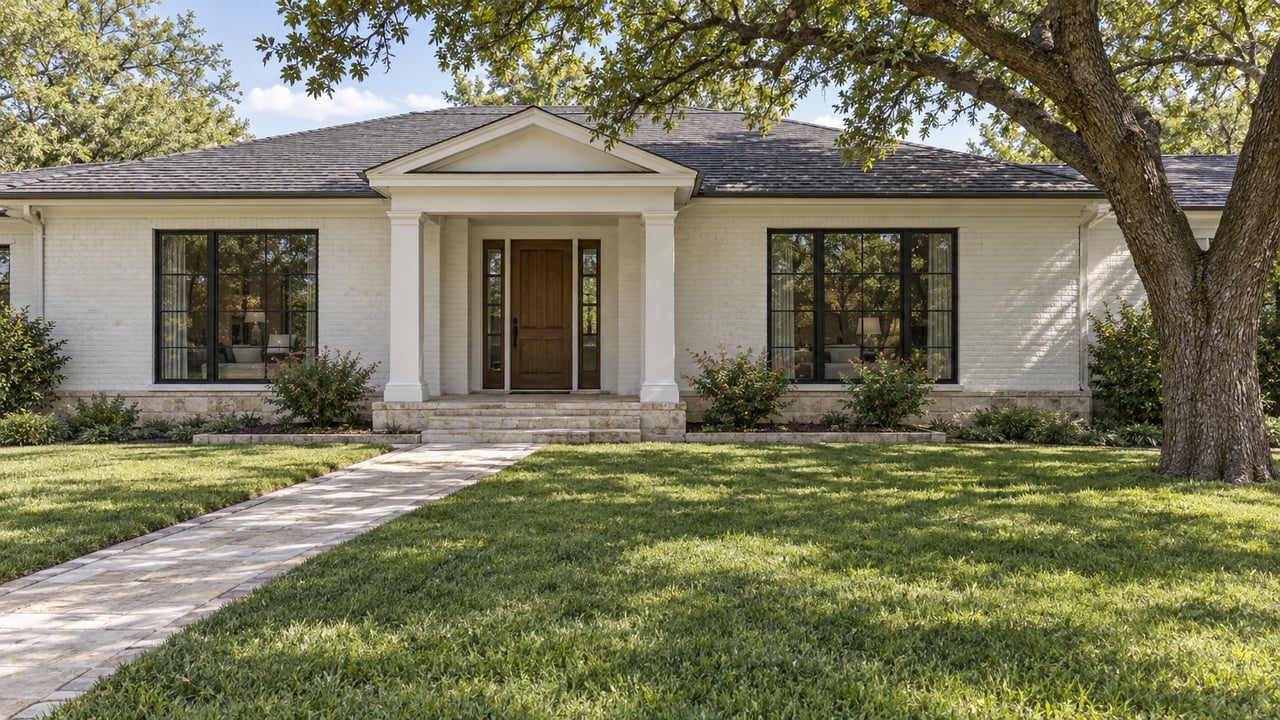
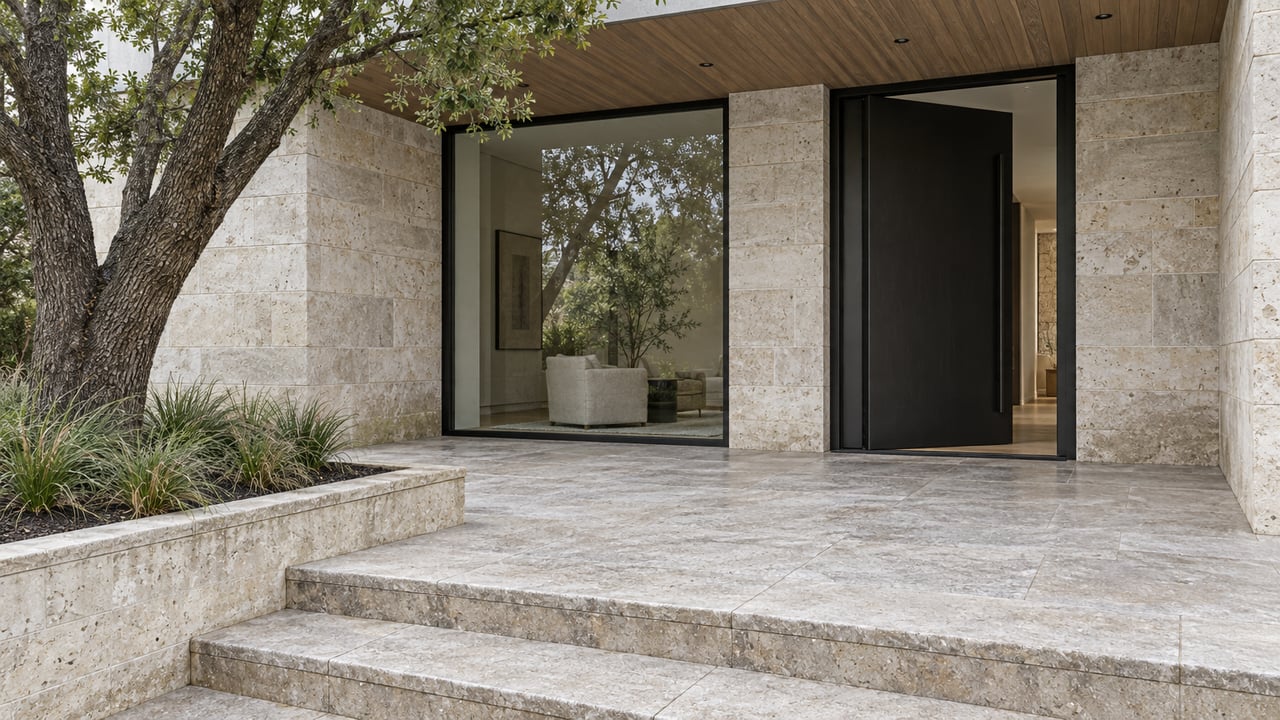
Thinking about adding a backyard cottage or turning extra space into a rental in Northwest Hills? You are not alone. With rising home costs and changing family needs, ADUs are a smart way to add flexibility, create income, or plan for loved ones. In this guide, you will learn the basics, what ADUs cost in Austin, how long they take, how permits work, and what to expect on a Northwest Hills lot. Let’s dive in.
What counts as an ADU
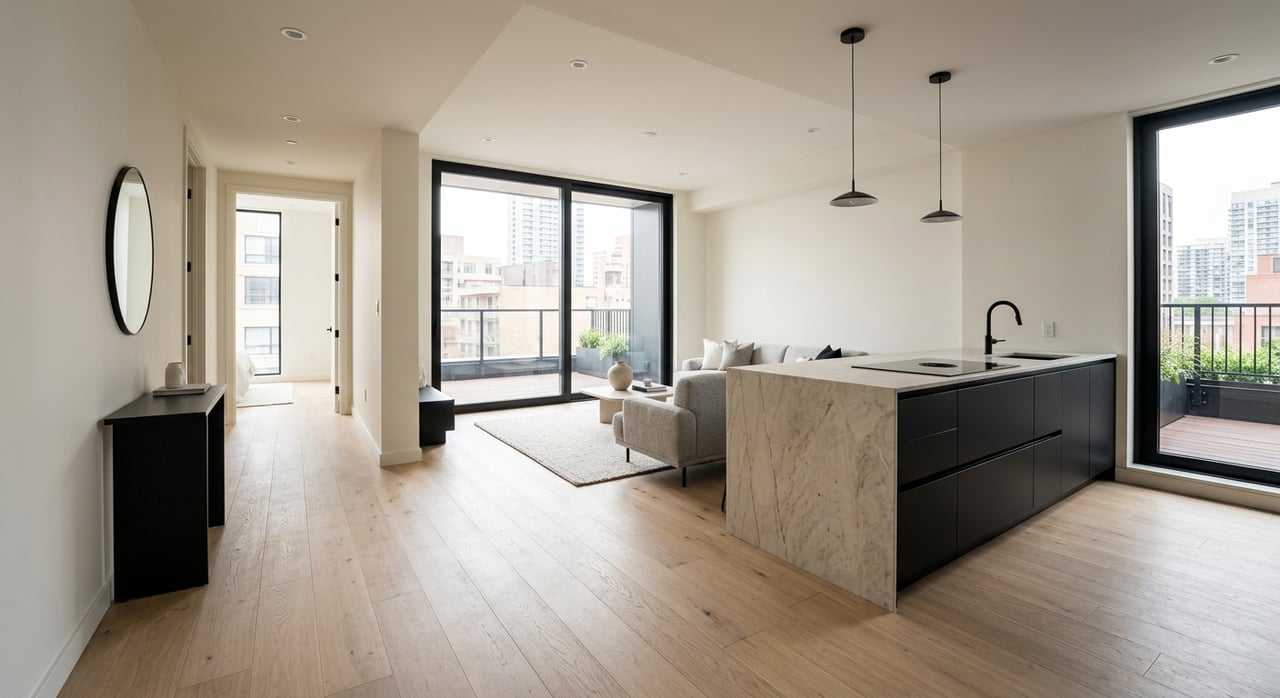
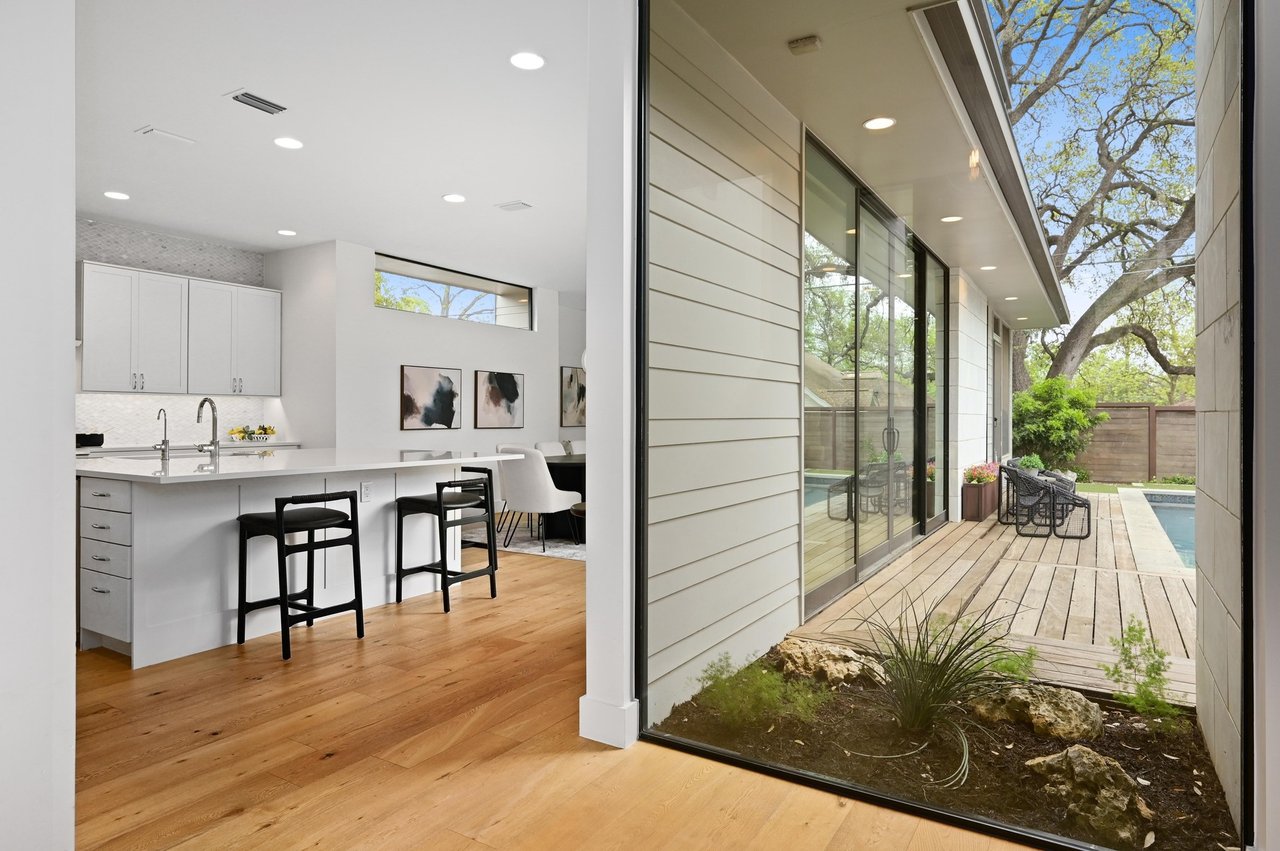
An accessory dwelling unit is a secondary living space on the same lot as your main home. It can be inside your current house, attached to it, or a detached cottage in the yard. The key is that it functions like a small home with sleeping, cooking, and bathroom areas.
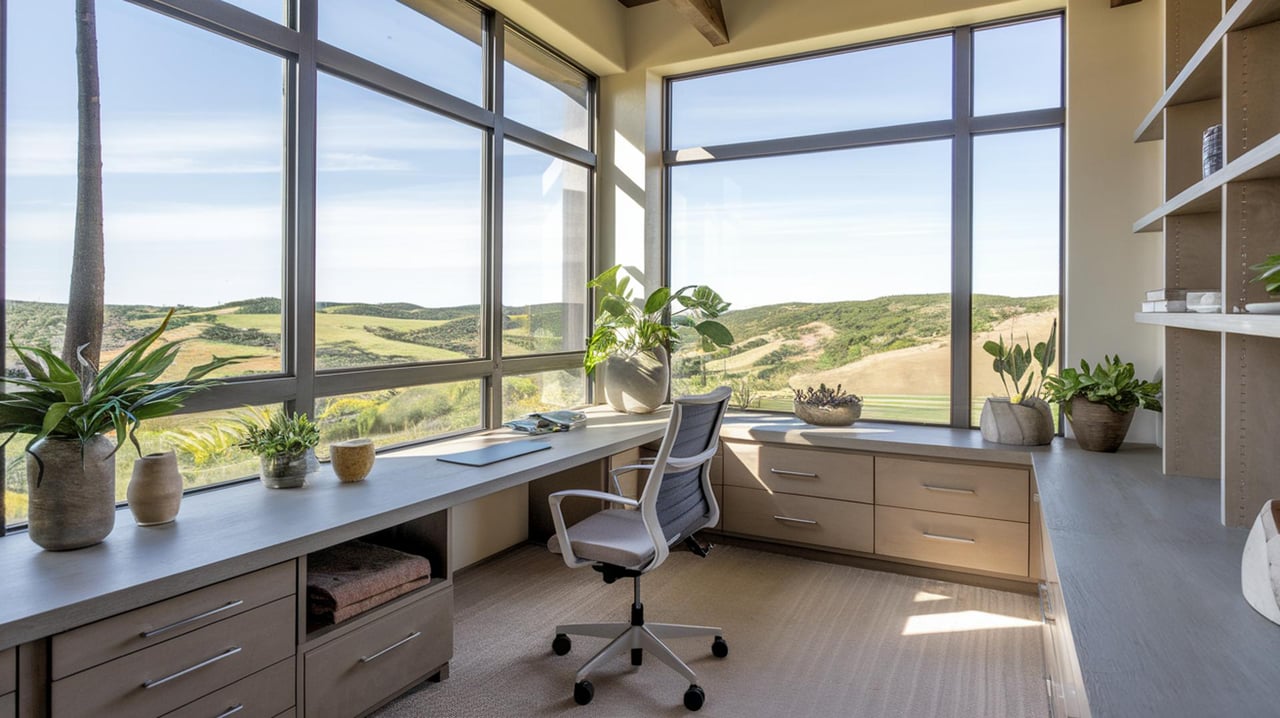
Common uses include multigenerational living, an in‑law or caregiver suite, long‑term rental income, a home office or studio, or a place for guests. In Austin, ADUs must follow City of Austin Development Services rules for design, placement, and permits. Utility connections typically run through Austin Water and Austin Energy, and improvements are assessed by the Travis County Appraisal District.
Why ADUs fit Northwest Hills
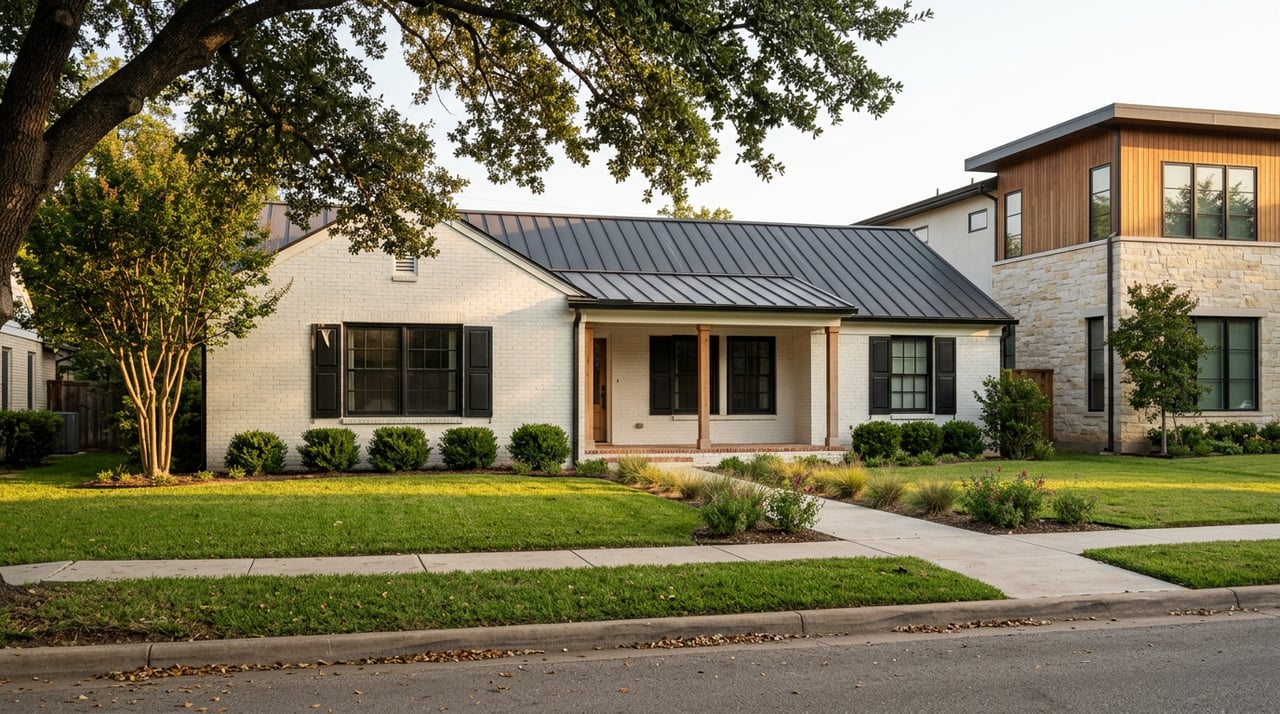
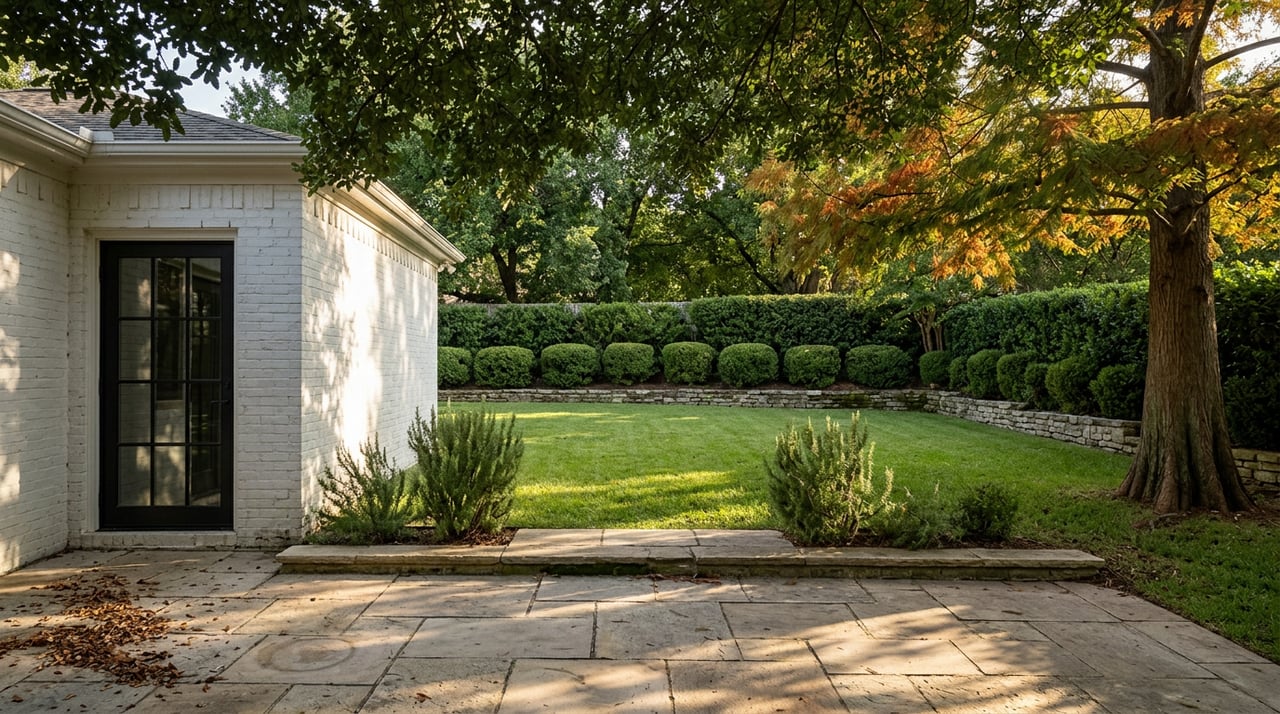
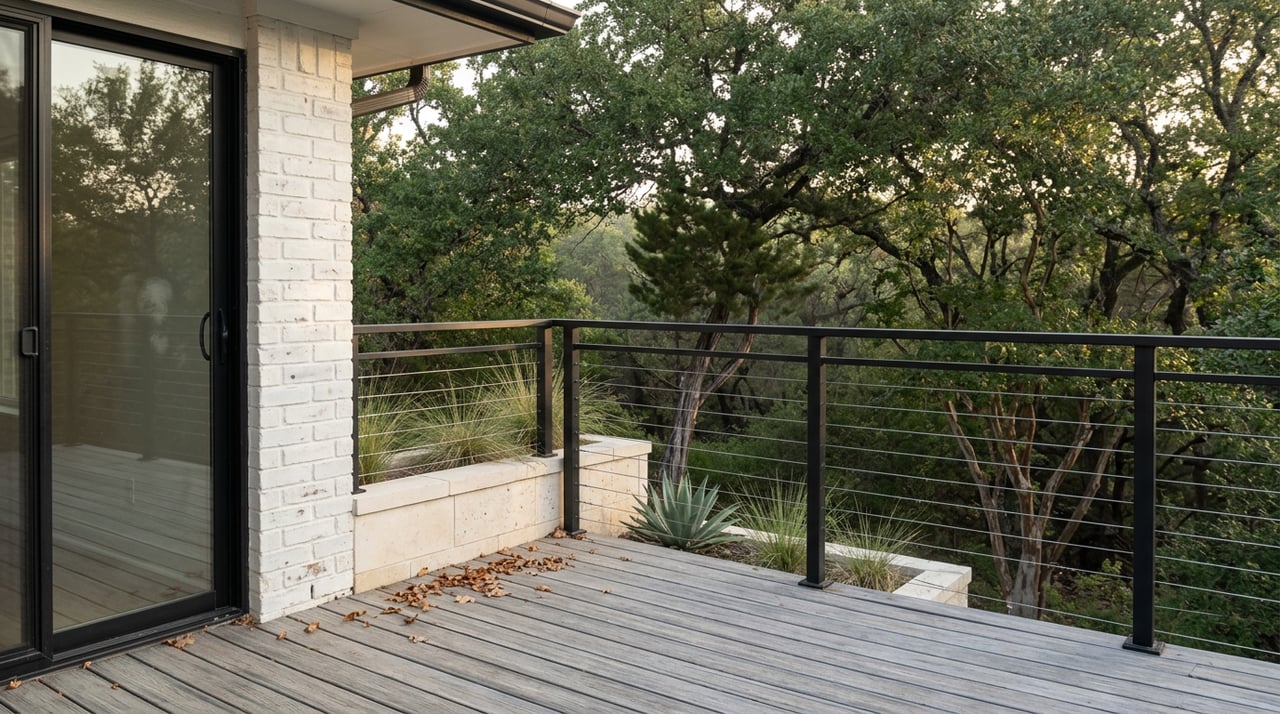
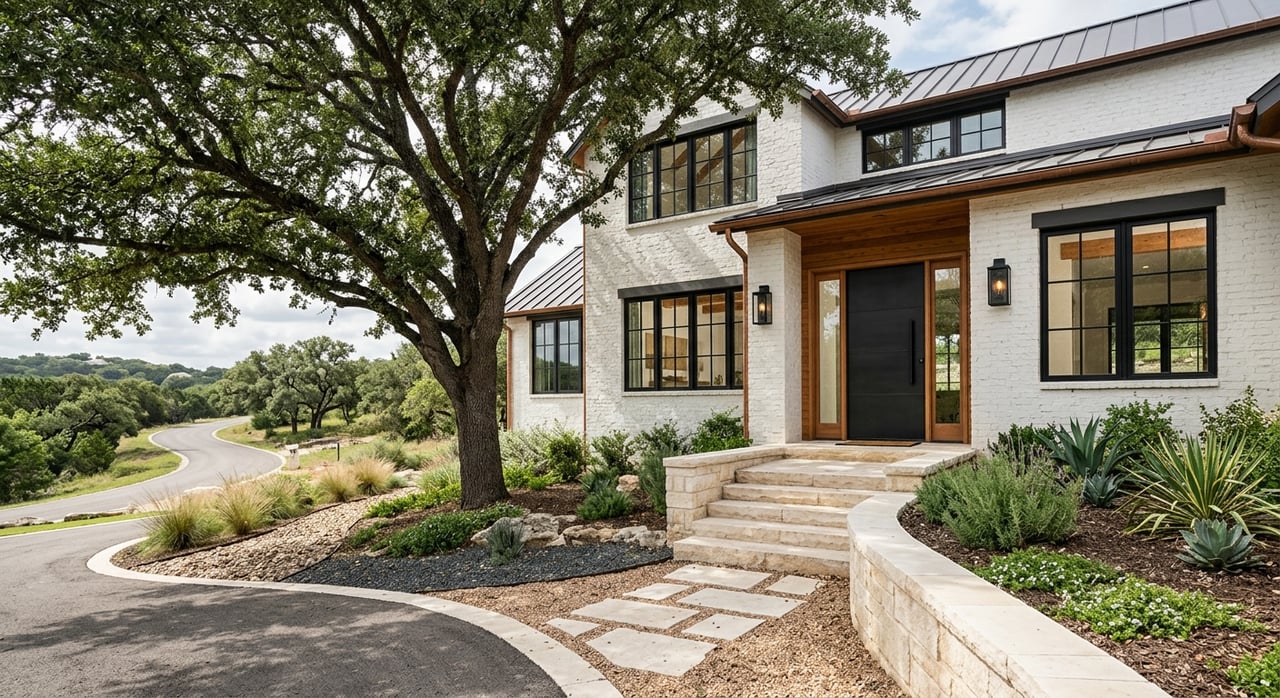
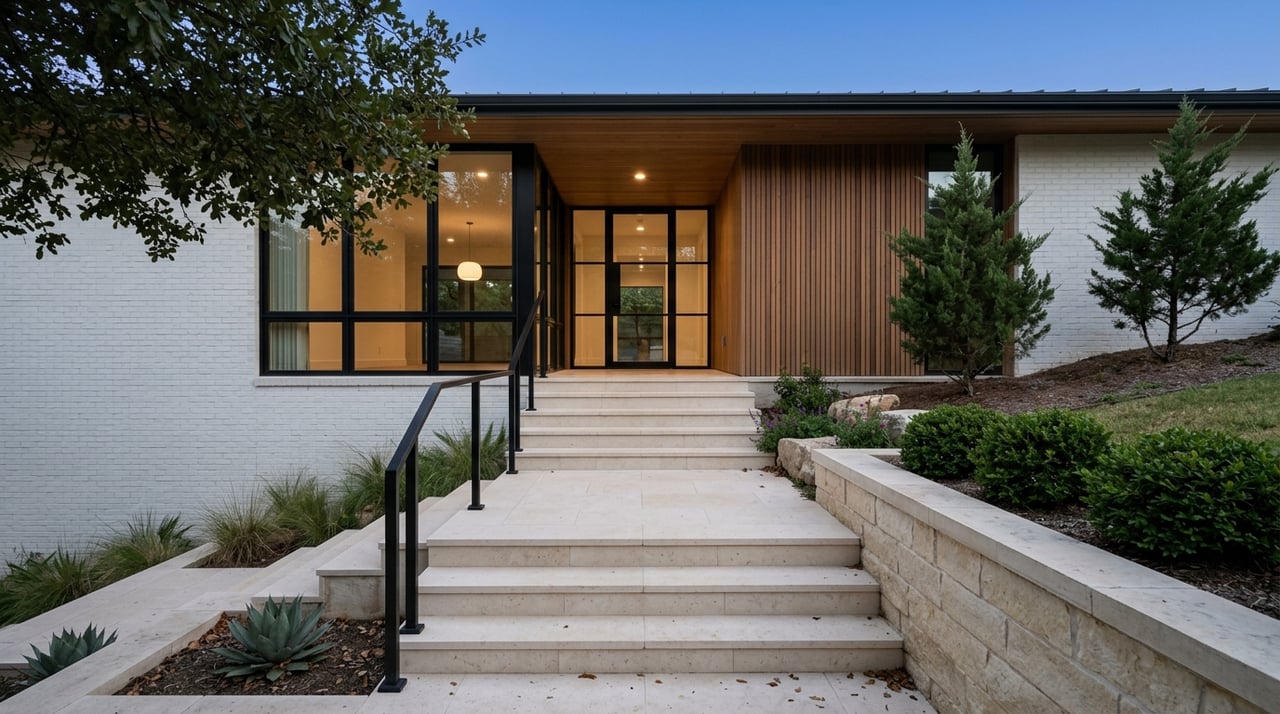
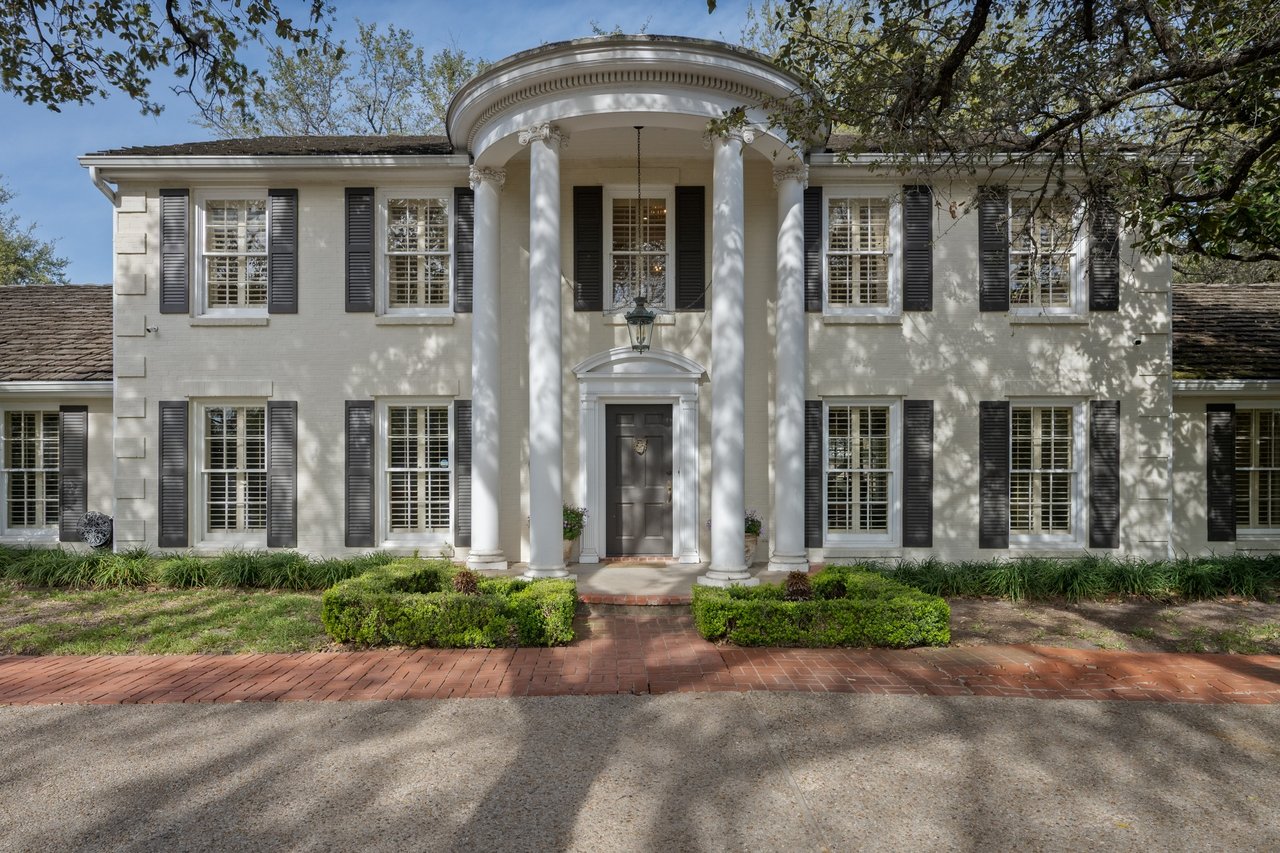
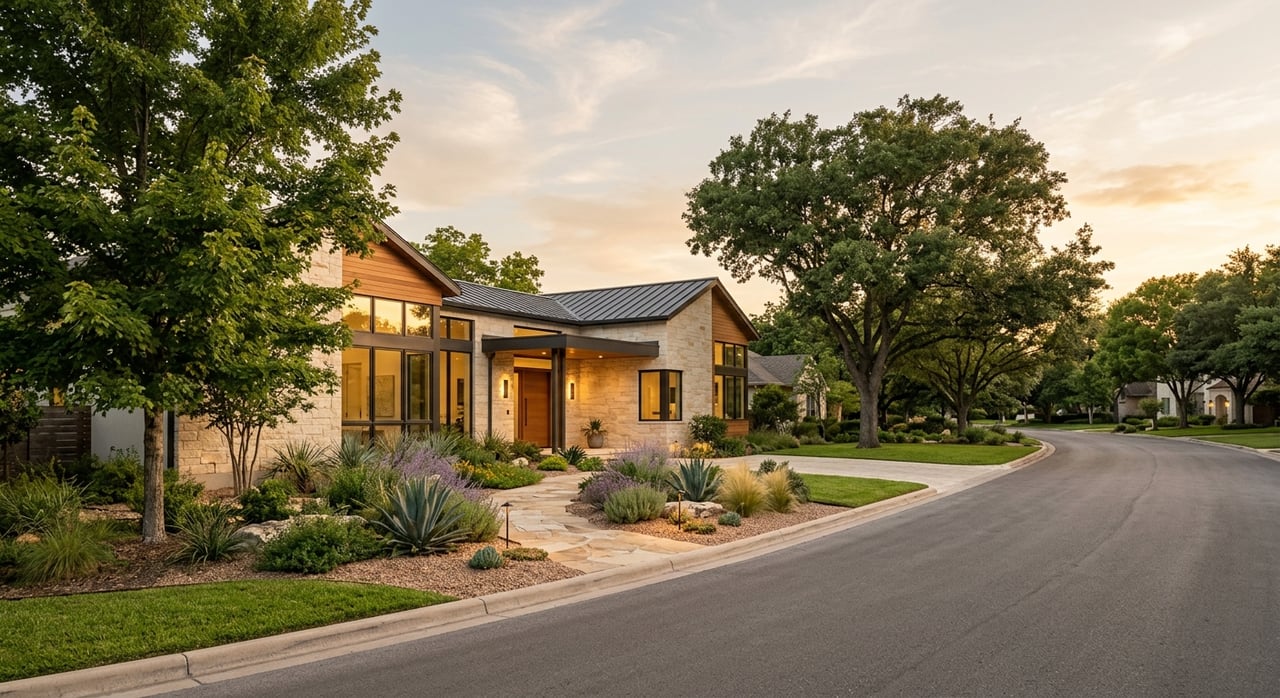
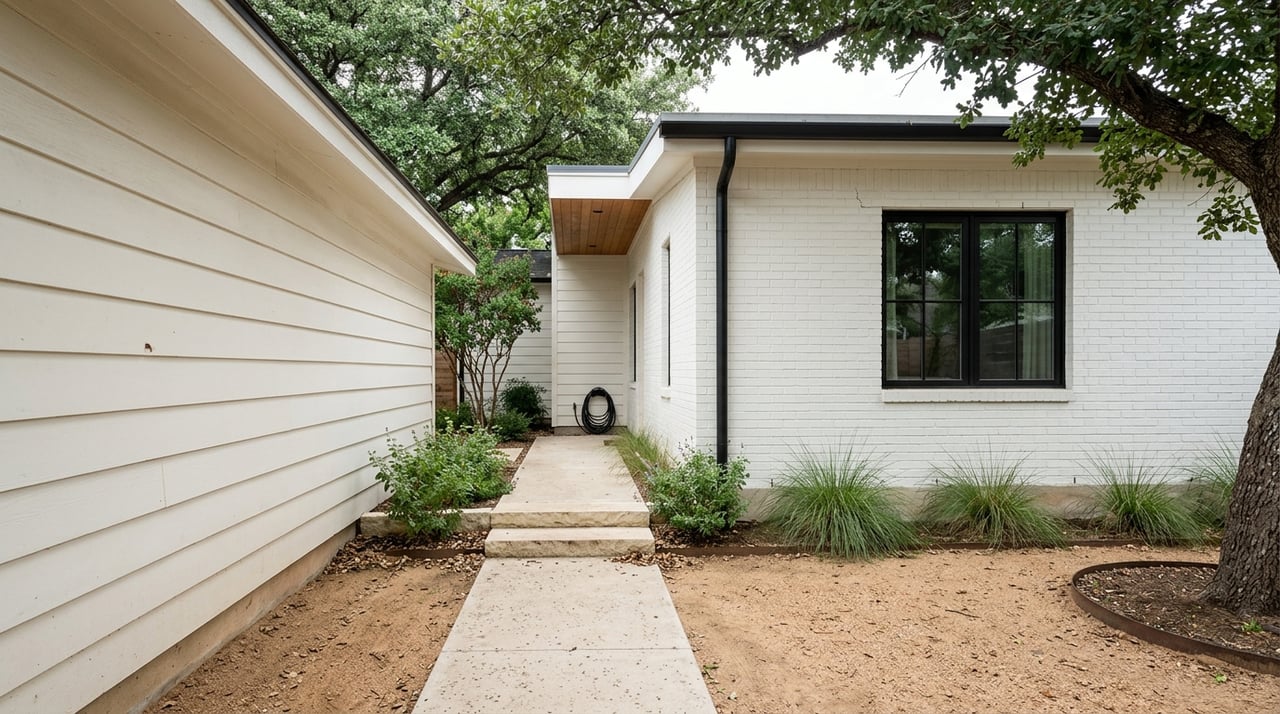
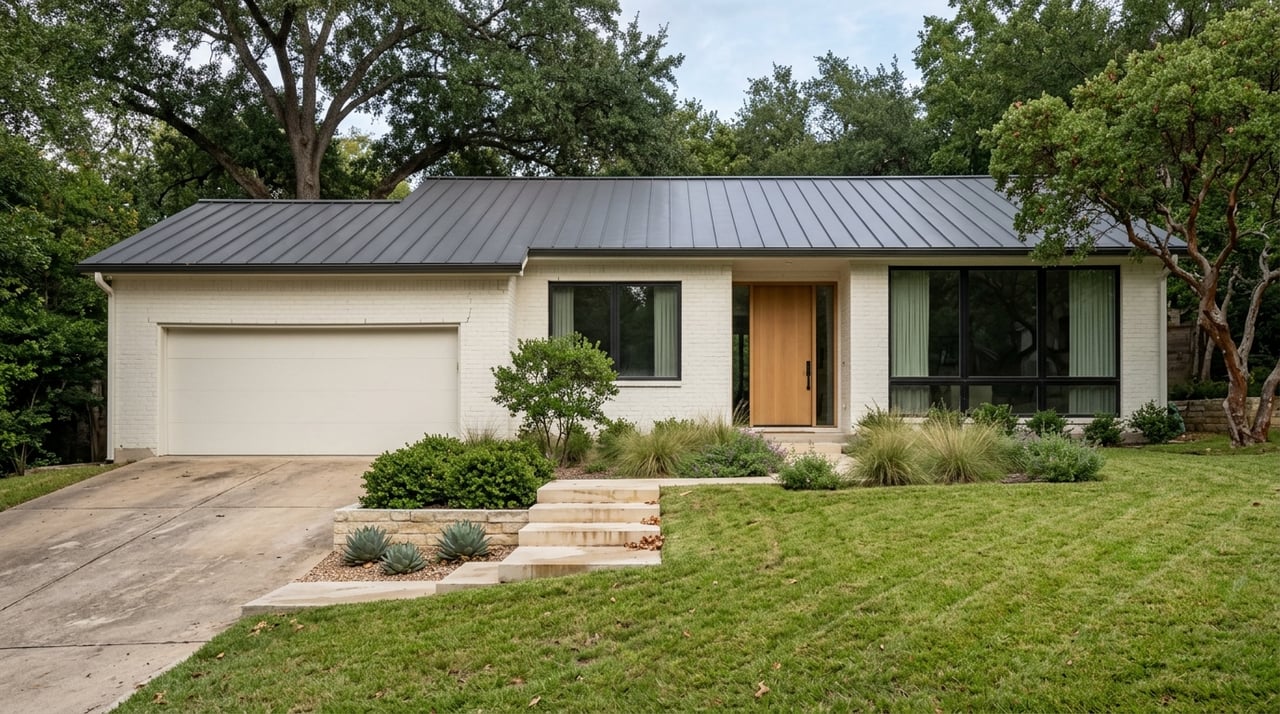
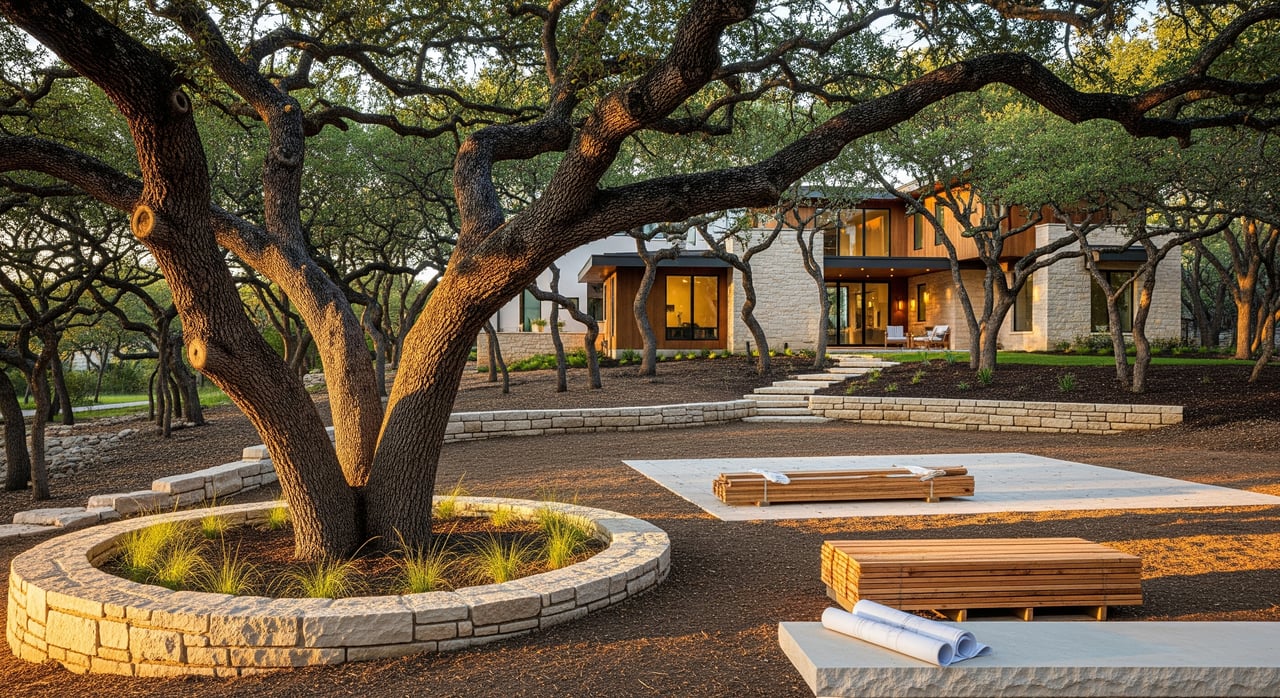
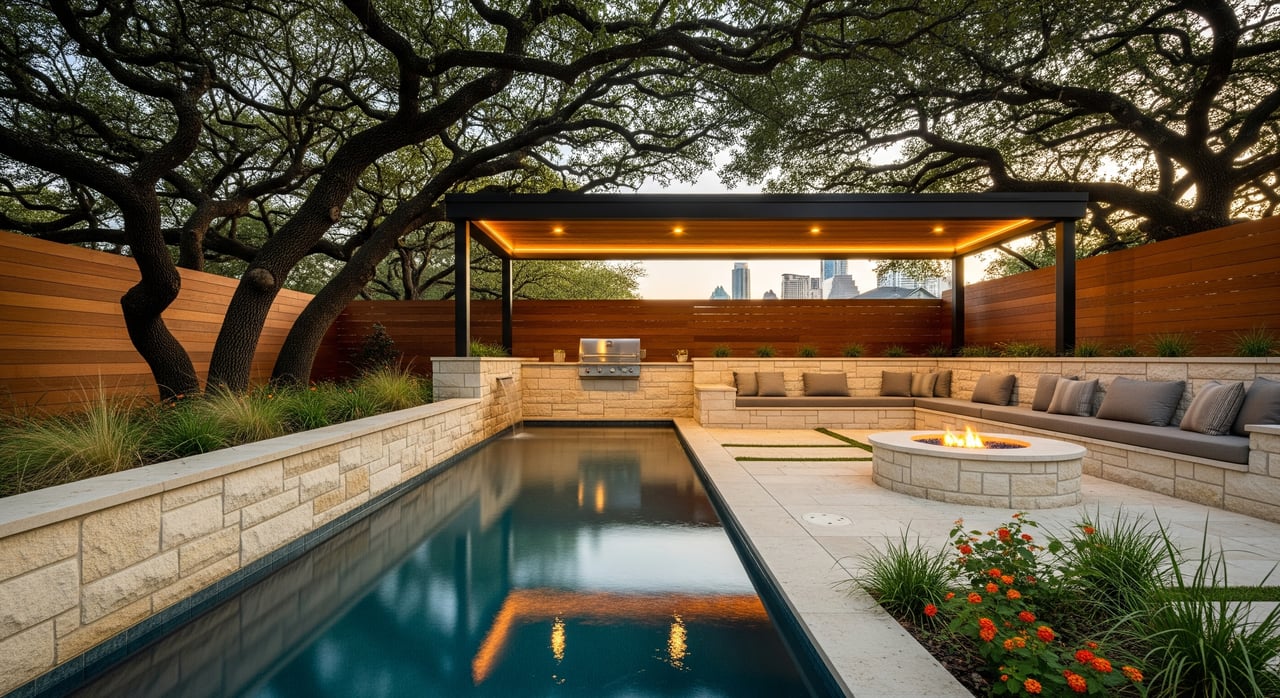
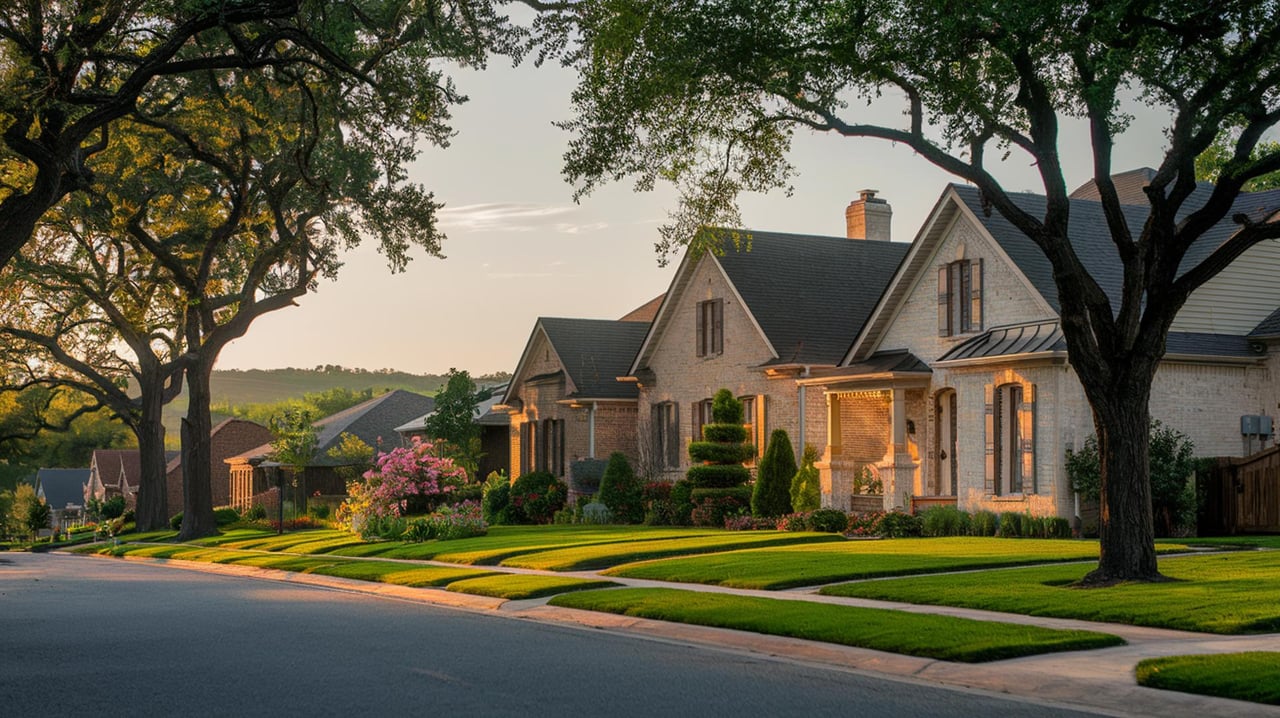
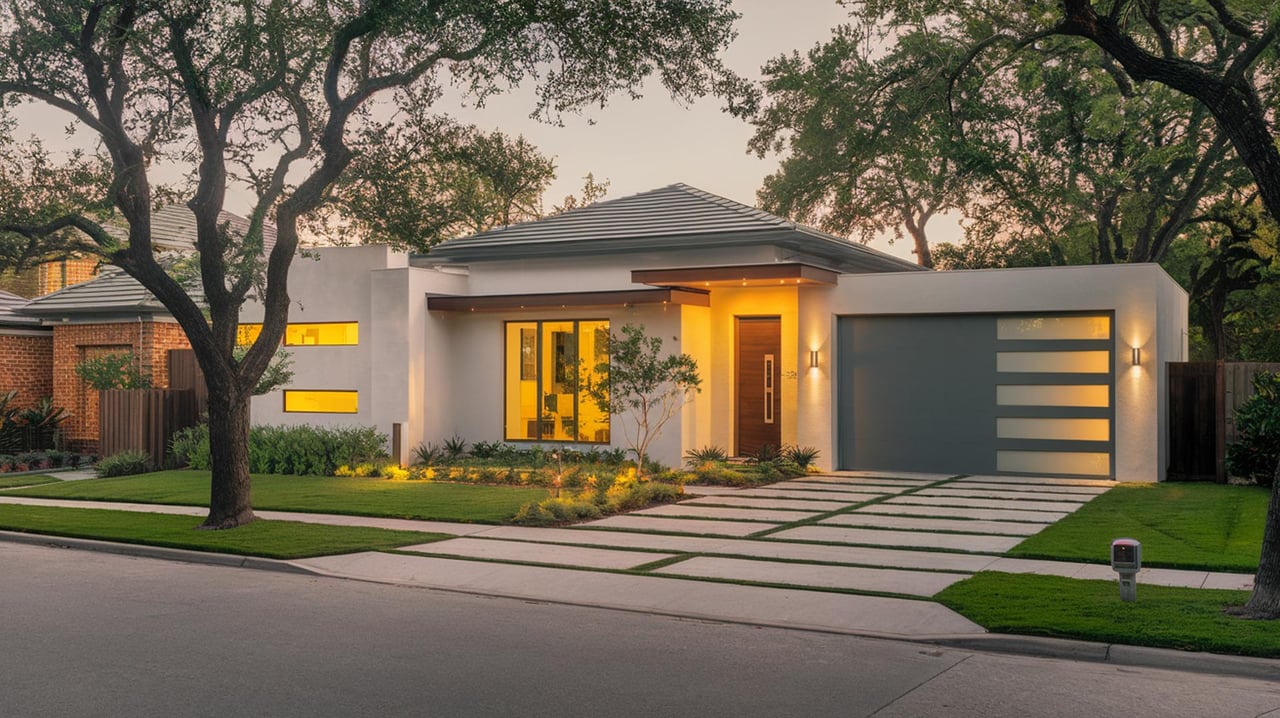
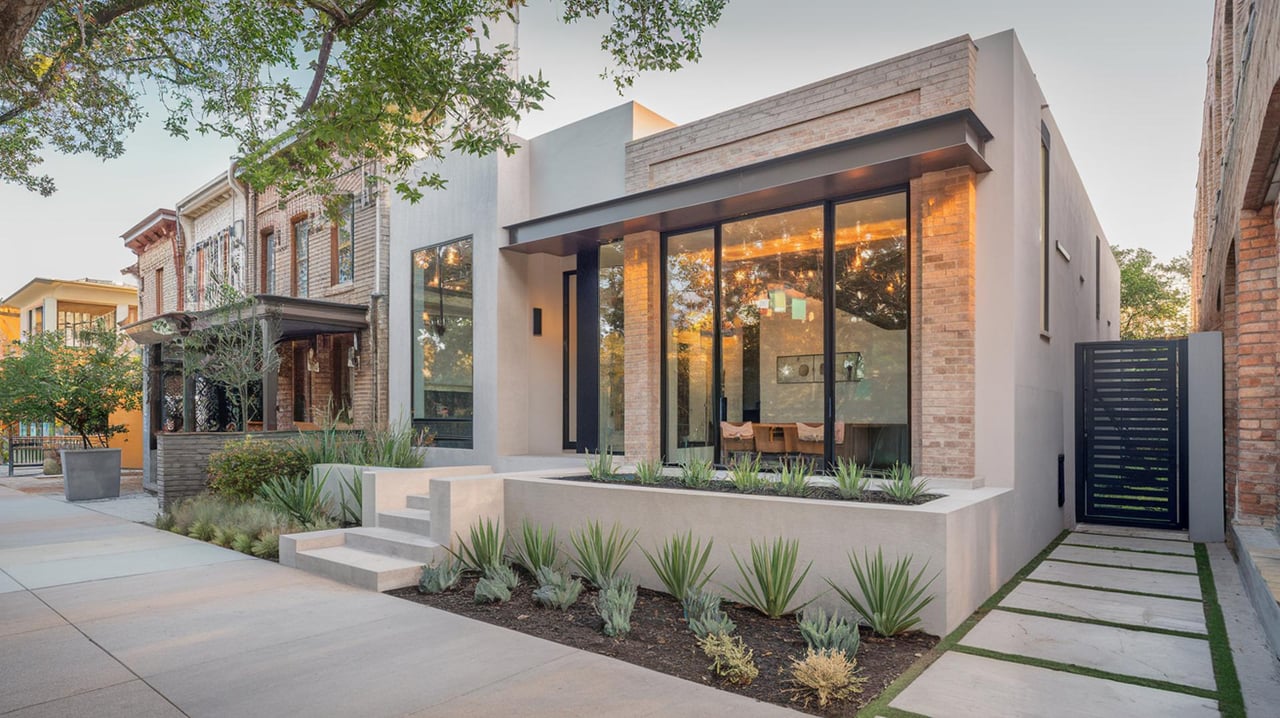
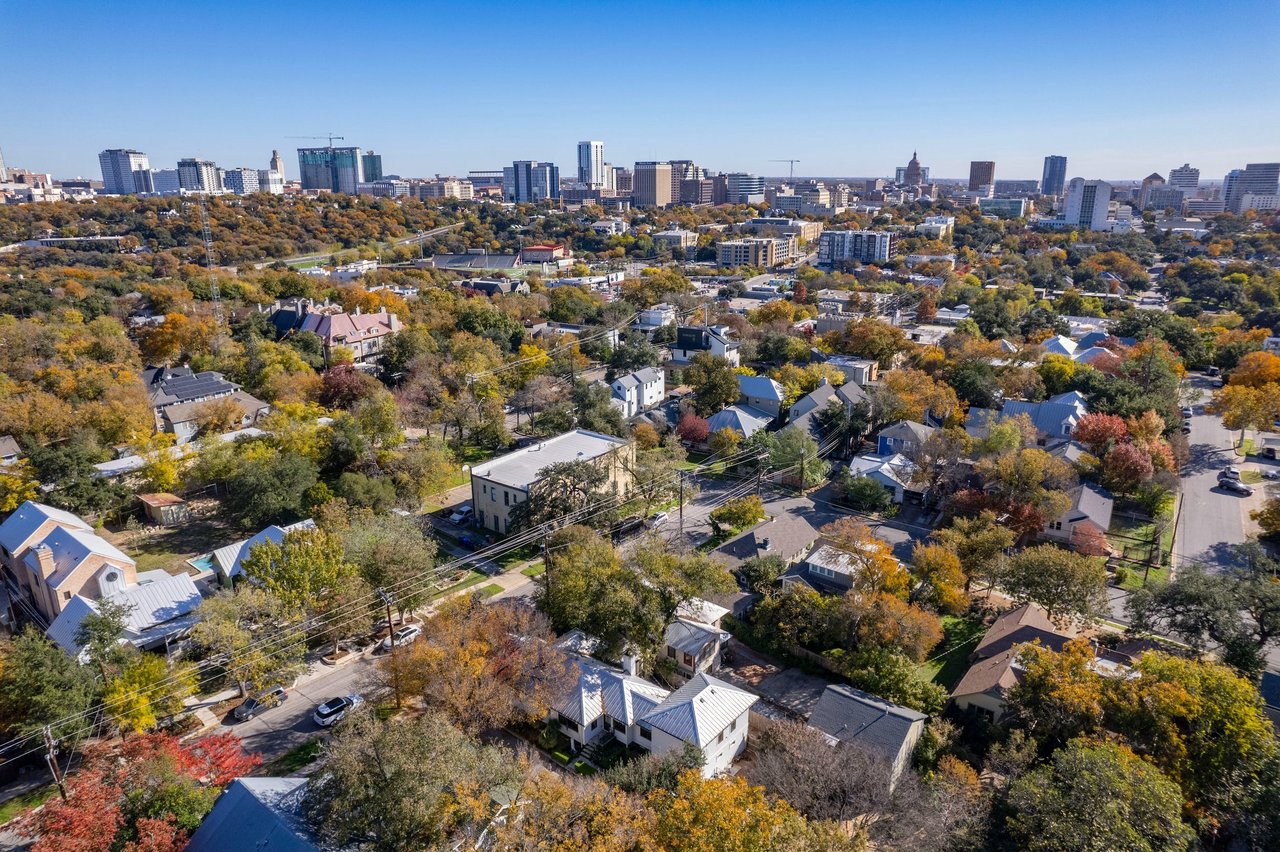
Northwest Hills offers large lots, established tree canopy, and homes from the mid‑20th century onward. Many properties have slopes or retaining walls, which can shape where an ADU fits and how much it costs. Some lots are ideal for a backyard cottage or a conversion of an existing garage. Others work better with an interior or attached addition that avoids heavy site work.
If you want space for a parent, a college graduate returning home, or a reliable long‑term rental, an ADU can add both function and value. With careful planning for slope, trees, and utilities, you can design an ADU that blends into your property and serves your goals.
ADU types and costs
Costs vary by ADU type, site complexity, and finish level. Northwest Hills lots with slope, rock, or mature trees can add cost for grading, utility runs, and tree protection.
Garage conversion
- Typical cost: $30,000 to $120,000
- Build time after permits: 1 to 3 months
- Notes: Works well if your garage is structurally sound and near utilities. Full kitchens and baths add cost. Older garages may need structural and electrical upgrades.
Interior conversion
- Typical cost: $20,000 to $150,000
- Build time after permits: 1 to 4 months
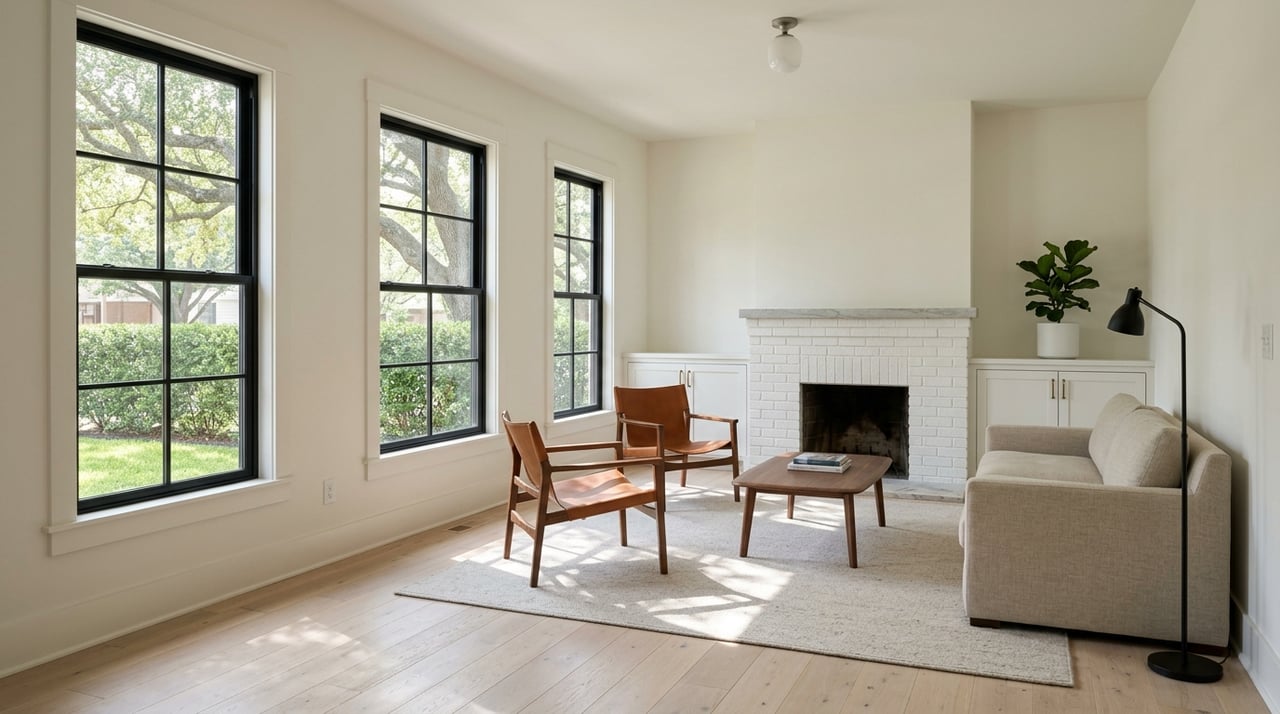
- Notes: Converting an attic, basement, or other space can be efficient. Plan for egress windows, fire separation, HVAC capacity, and plumbing routes.
Attached ADU or addition
- Typical cost: $100,000 to $300,000
- Build time after permits: 3 to 7 months
- Notes: An addition that shares a wall with the main home. Expect more complex design and plan review for structural tie‑ins and rooflines.
Detached ADU or backyard cottage
- Typical cost: $150,000 to $450,000+
- Build time after permits: 4 to 12 months
- Notes: Offers the most privacy and rental flexibility. On sloped Northwest Hills lots, you may need grading, retaining walls, or longer utility runs, which can push costs to the higher end.
Why ranges vary
- Site work for slope, rock, and tree protection
- Utility distance and capacity upgrades
- Finish level, custom cabinetry, and separate HVAC or electric meter
- Professional design, engineering, and permitting complexity
Timeline: plan to keys
Your ADU project moves through research, design, permits, and construction. Expect the process to run several months, especially for detached builds.
- Feasibility and design: 1 to 3 months for survey, preliminary design, and early code checks
- Plan production and engineering: 1 to 3 months for architectural, civil, and energy code details
- City plan review and permit issuance: 1 to 4 months, often with a few review cycles
- Construction: 1 to 12 months depending on type and site
Total time from first steps to move‑in is typically 3 to 12+ months, with detached units on sloped lots trending longer.
Permits and site rules
The City of Austin Development Services team oversees plan review and inspections. A typical path includes feasibility checks, a current survey with tree locations, full plans, and scheduled inspections through completion.
Key items to verify early:
- Setbacks and impervious cover that shape ADU placement
- Tree preservation and any required mitigation for mature oaks and other protected trees
- Utility access and distance to water, sewer, and electric
- Easements in rear yards that can limit building area
- Driveway and fire access for detached units
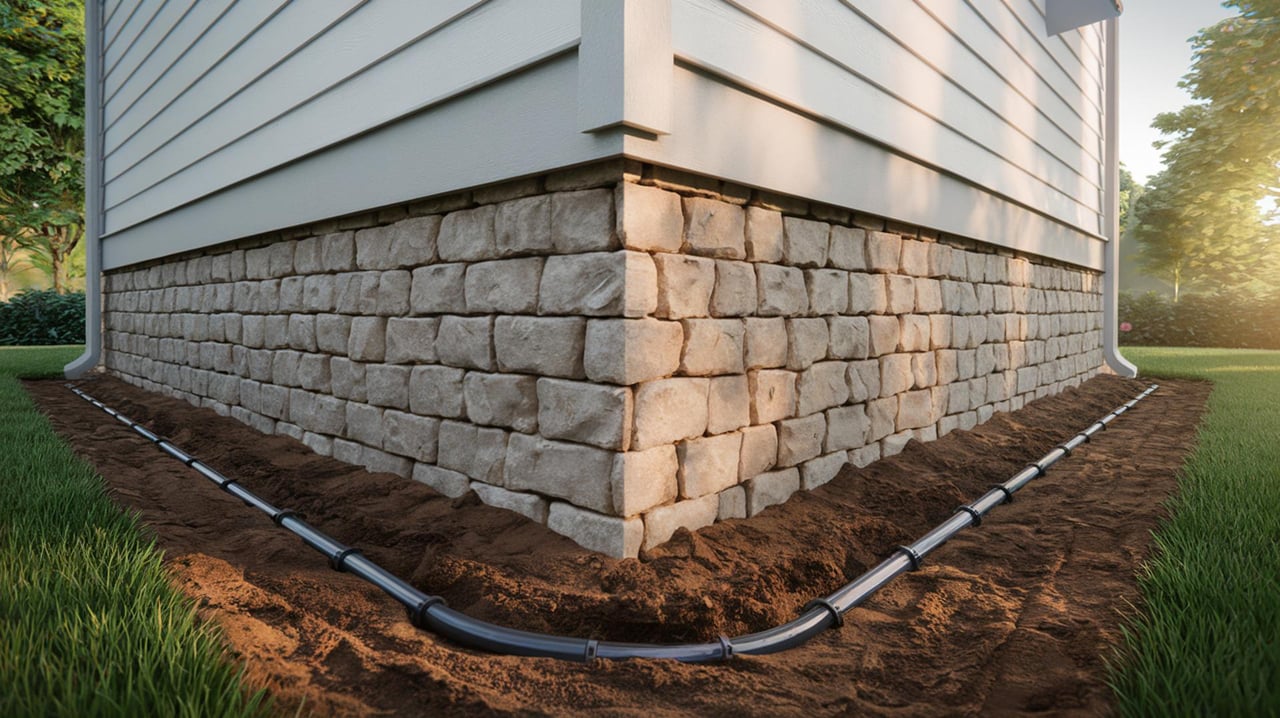
- Topography that may require civil engineering, drainage plans, and retaining walls
- Historic or neighborhood overlays that add design controls
- Parking requirements and how they apply to your ADU type
- Short‑term rental rules if you plan to pursue STR use
Inspections cover building, electrical, plumbing, and mechanical work, and your ADU can be occupied after final approval and a certificate of occupancy.
Financing your ADU
Your best financing option depends on your equity, credit profile, project scope, and timing.
Cash or savings
- Pros: Simple and fast with no interest charges
- Cons: Ties up capital you might want for other uses
Home equity loan or HELOC
- Pros: Common for renovations and often lower rates than unsecured loans
- Cons: Uses your home as collateral and requires sufficient equity
Cash‑out refinance
- Pros: Converts equity to cash and can adjust your mortgage rate
- Cons: Closing costs and a new mortgage term to consider
Renovation mortgages
- Options can include FHA 203(k), Fannie Mae HomeStyle Renovation, and Freddie Mac CHOICERenovation
- Pros: Finance purchase and renovation together or refinance with construction funds
- Cons: Specific underwriting rules and not all lenders offer them for ADUs
Construction or construction‑to‑permanent loan
- Pros: Designed for new detached builds with draws during construction
- Cons: Higher rates during construction and more documentation
Personal loan or unsecured financing
- Pros: No home equity required and simpler qualification in some cases
- Cons: Higher interest rates and shorter terms
Energy or incentive programs
- Some programs may help with efficiency upgrades tied to construction. Availability varies, so confirm current offerings early.
Tip: Speak with a lender who understands ADUs. Appraisals for renovation loans may need to reflect the projected value of the completed ADU.
Value, taxes, and rent
- Property taxes: Adding an ADU is a new improvement and will likely increase your assessed value. The Travis County Appraisal District determines valuations.
- Rental income: Long‑term rentals in Northwest Austin often support healthy rents. Base your assumptions on current local listings and factor in vacancy and operating costs.
- Short‑term rentals: Austin has separate and often restrictive STR rules with permits and operating standards. Verify requirements before designing for STR use.
- Return on investment: Consider total build cost, expected rent, maintenance, insurance, utilities, and higher property taxes. Many owners also value the flexibility of multigenerational living and future resale appeal.
Northwest Hills lot scenarios
These examples show how site features can shape scope, cost, and timeline.
Scenario A: Rear yard with detached garage
- What fits: Garage conversion or a new detached studio behind or in place of the garage
- Budget guide: $40,000 to $120,000 for conversions; $150,000 to $300,000 for detached new build
- Watch‑outs: Utility distance, impervious cover, and tree protection if a mature tree is near the garage
Scenario B: Sloped lot with retaining walls and oaks
- What fits: Interior conversion, split‑level attached addition, or a terraced detached ADU with retaining walls
- Budget guide: Detached ADU can rise to $250,000 to $500,000+; plan and build often 6 to 12+ months
- Watch‑outs: Geotechnical input, drainage and erosion control, tree mitigation, and civil design
Scenario C: Larger mid‑century parcel with wide rear yard
- What fits: Detached backyard cottage with private entry or a unit above a detached garage
- Budget guide: $180,000 to $350,000 for a well‑equipped detached ADU
- Watch‑outs: Setbacks, utility extension length, and any historic or neighborhood overlay
Smart next steps
- Order a current survey and gather plats and utility records.
- Check zoning, setbacks, easements, and any overlays with the City of Austin.
- Engage an architect or experienced builder for a feasibility review and preliminary budget.
- Speak with a lender about the best financing path and how your ADU will be valued.
- If you have mature trees, get an arborist assessment before you finalize design.
- Decide on your operating plan, such as long‑term rental or family use, and confirm any related rules.
If you want a clear path from idea to keys, tap into local expertise early. For tailored referrals to vetted architects, builders, lenders, and arborists in Northwest Hills, and to align your ADU plan with your property goals, Schedule a private consultation with Anna Lee.
FAQs
What is an ADU in Austin and how is it used?
- An ADU is a secondary home on your lot that can serve as multigenerational space, a caregiver or guest suite, a long‑term rental, or a home office or studio.
How much does an ADU cost in Northwest Hills?
- Costs typically range from about $20,000 to $150,000 for interior conversions, $30,000 to $120,000 for garage conversions, $100,000 to $300,000 for attached additions, and $150,000 to $450,000+ for detached units.
How long does an ADU take in Austin?
- From feasibility to move‑in, plan for 3 to 12+ months depending on design, permits, and site complexity, with detached builds on sloped lots taking longer.
Do I need separate utility meters for an ADU in Austin?
- Not always; requirements vary by setup and intended use. Check Austin Water and Austin Energy guidelines during design to avoid costly changes later.
Will an ADU raise my property taxes in Travis County?
- Most likely yes, since new improvements increase assessed value. Travis County Appraisal District sets valuations, so plan for a higher tax bill.
Can I rent an ADU short‑term in Austin?
- Short‑term rentals are regulated and can be restrictive. You will need to verify current City of Austin STR rules before planning an STR use.