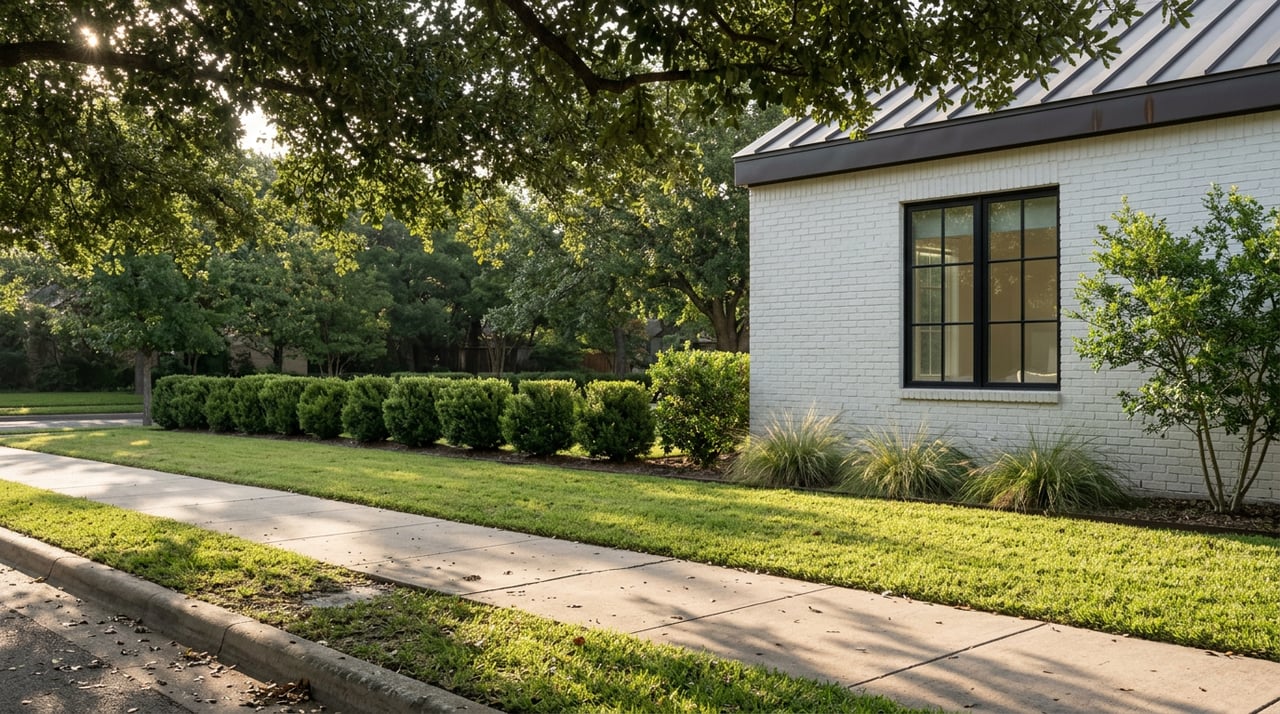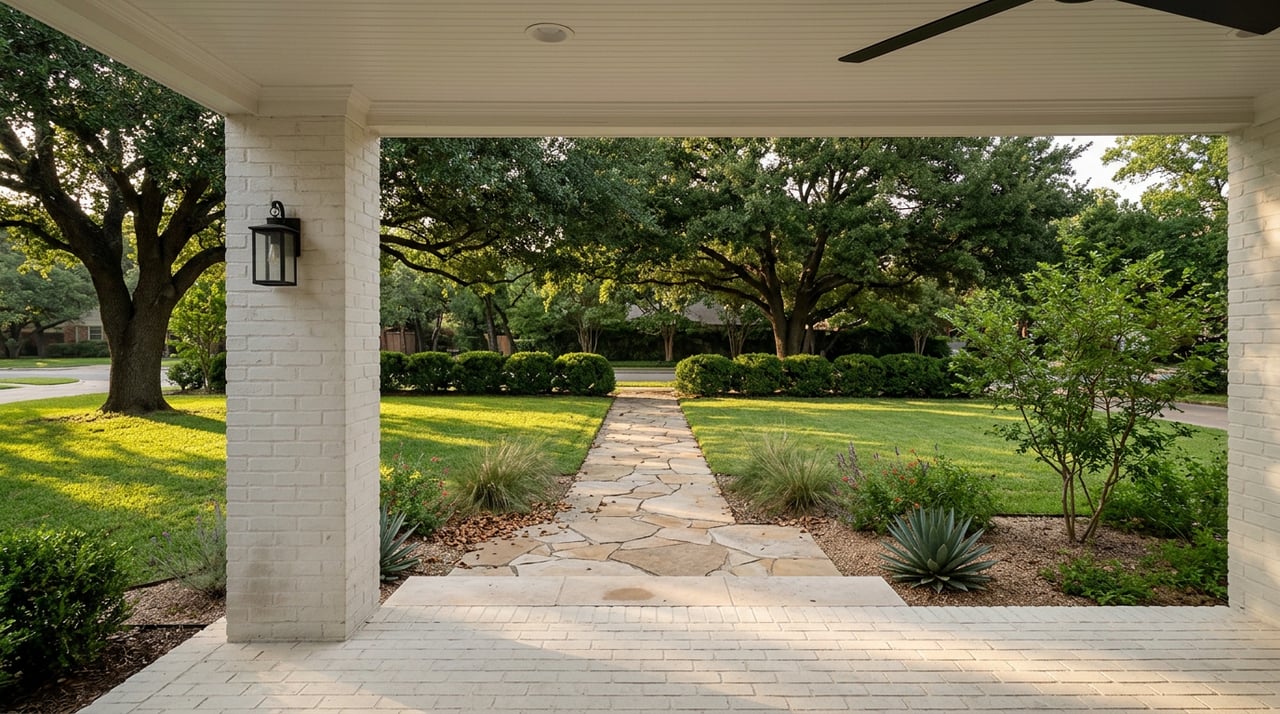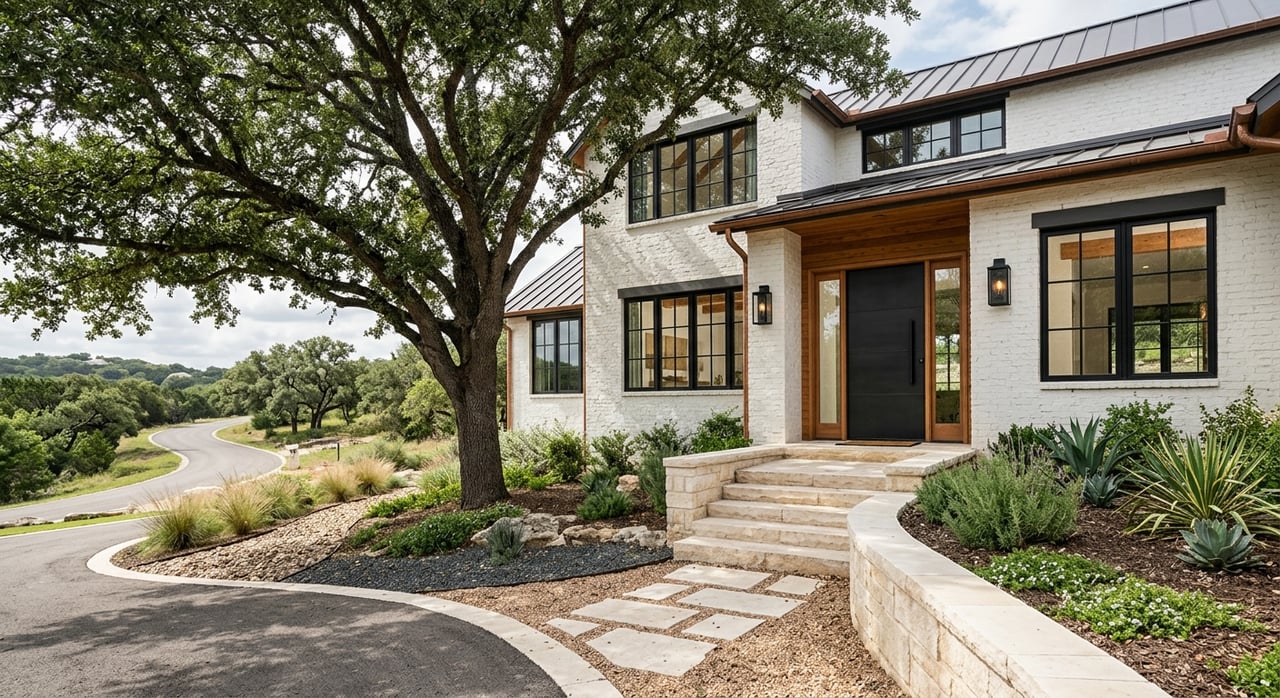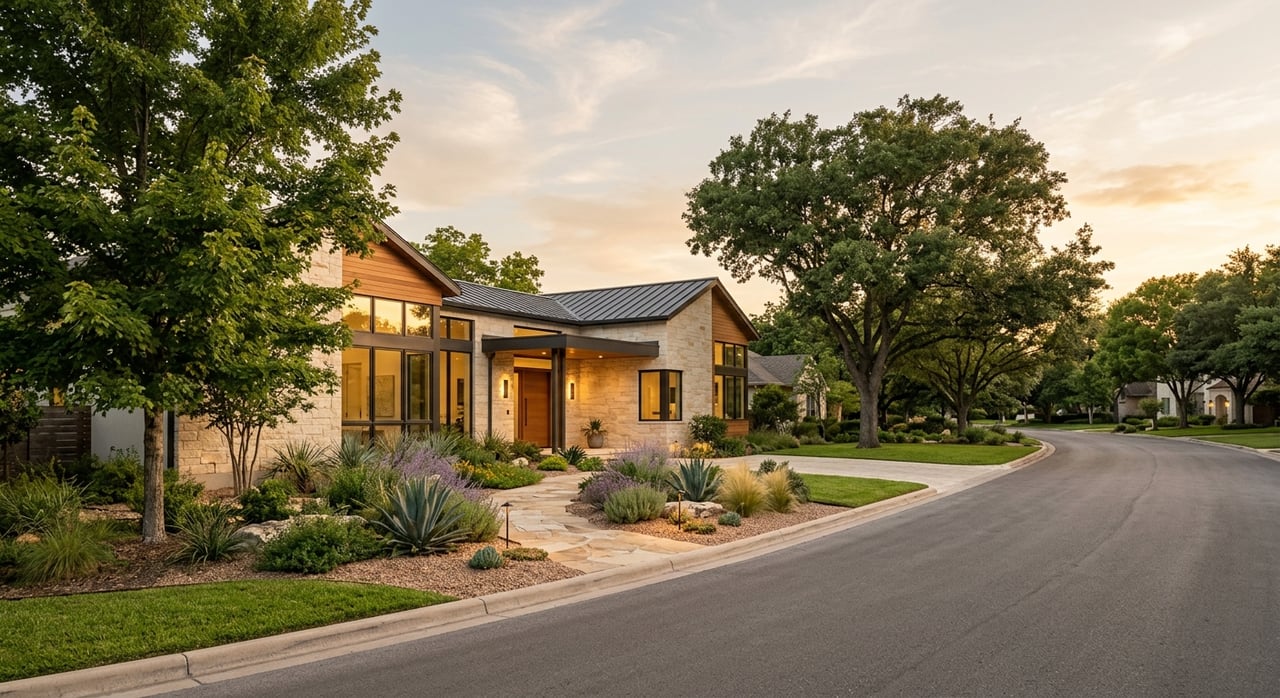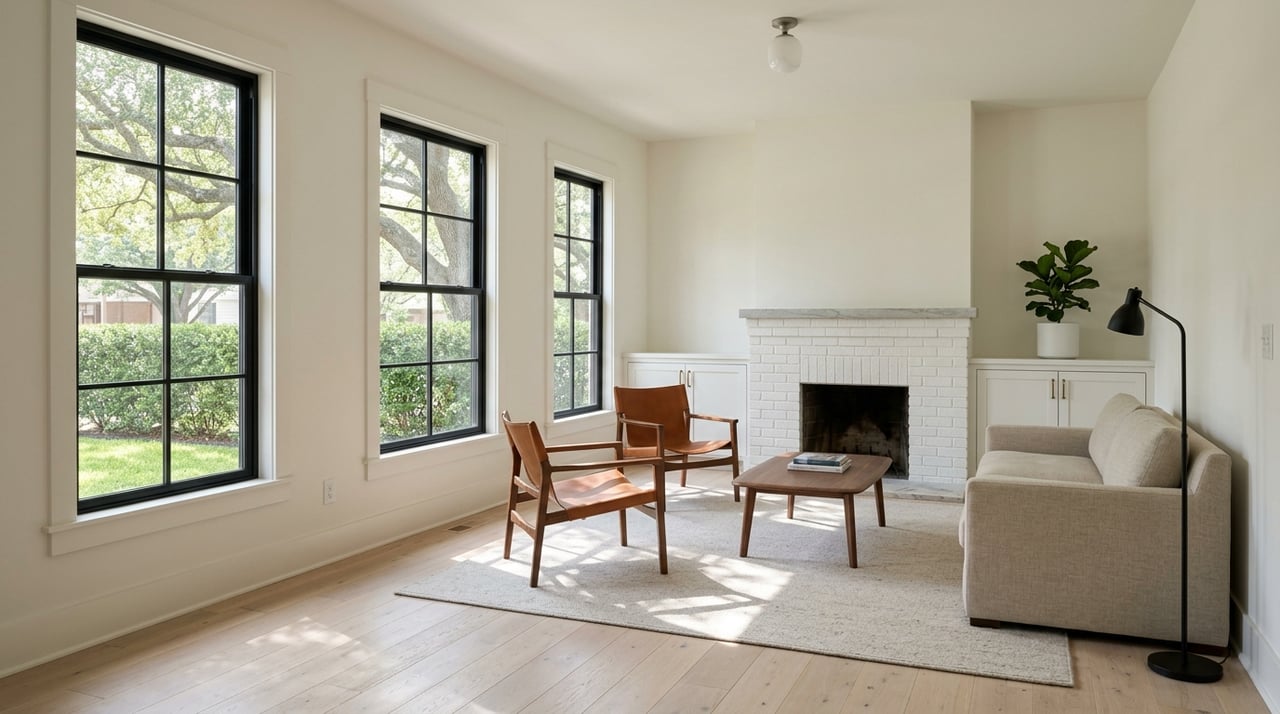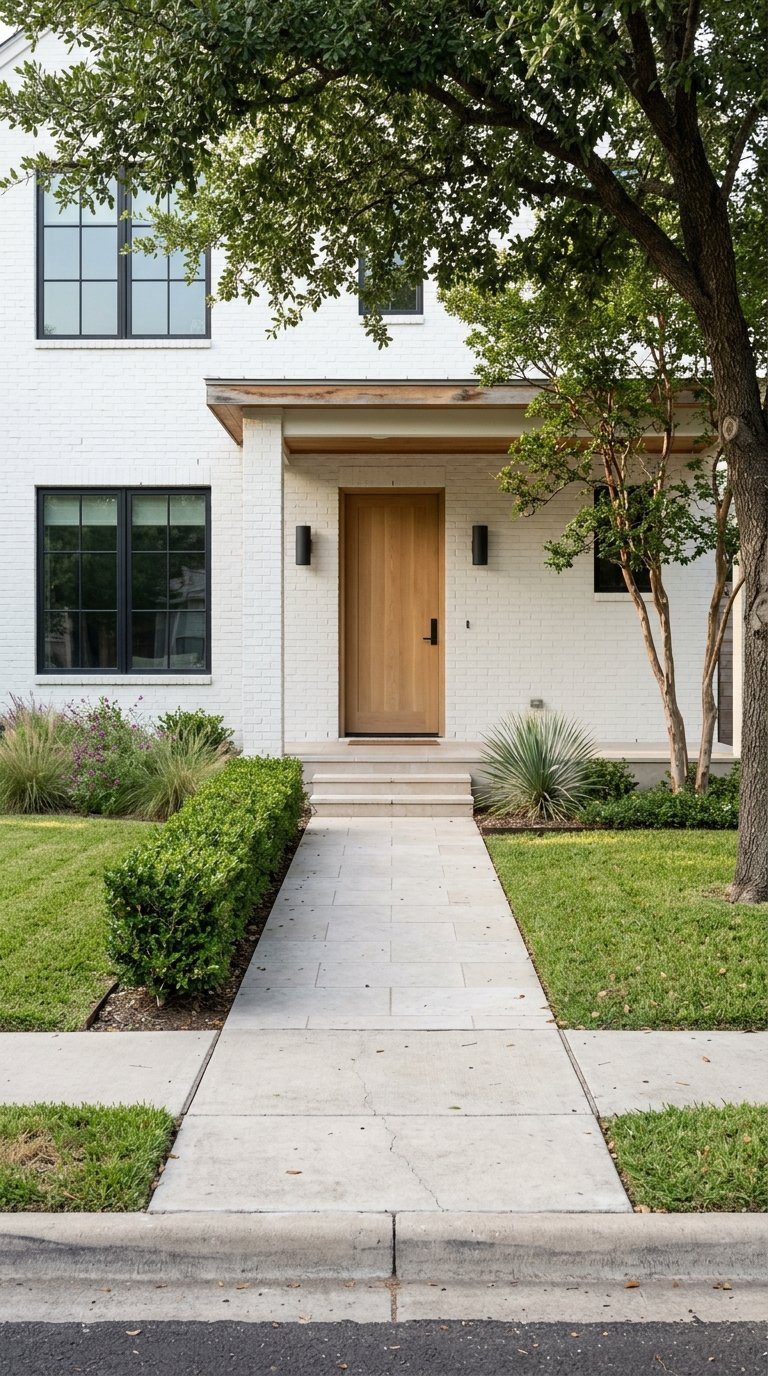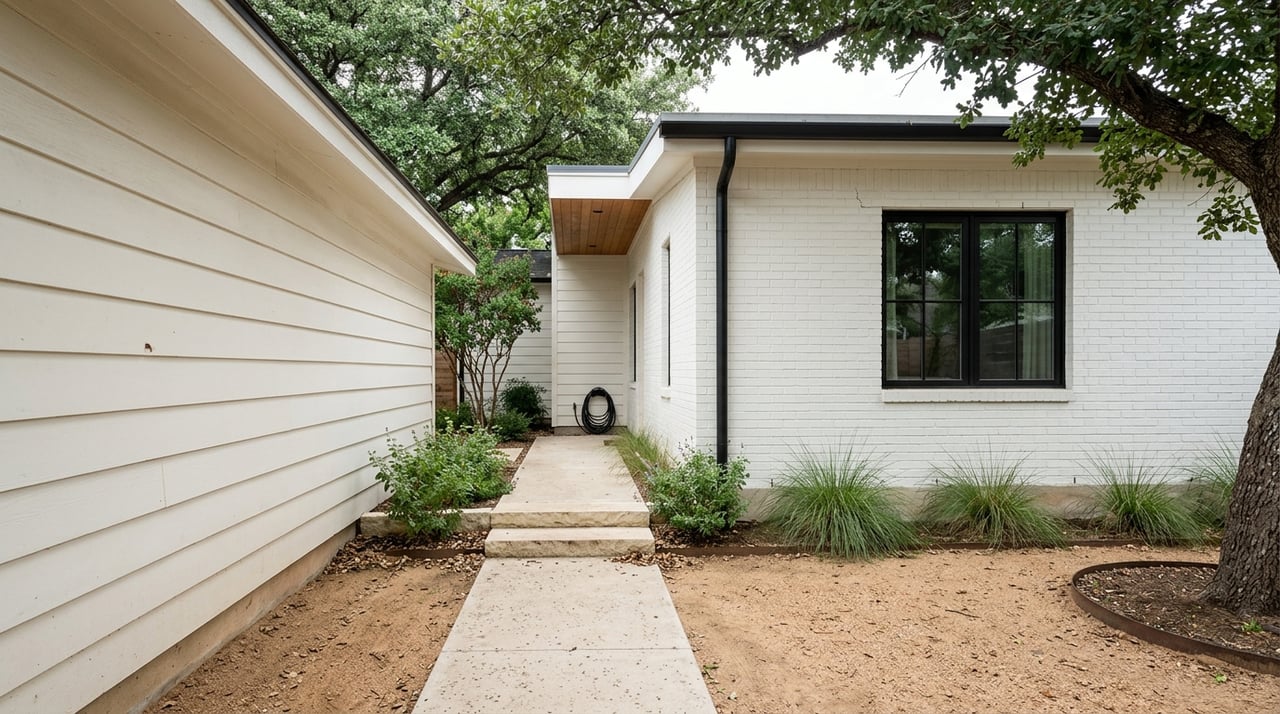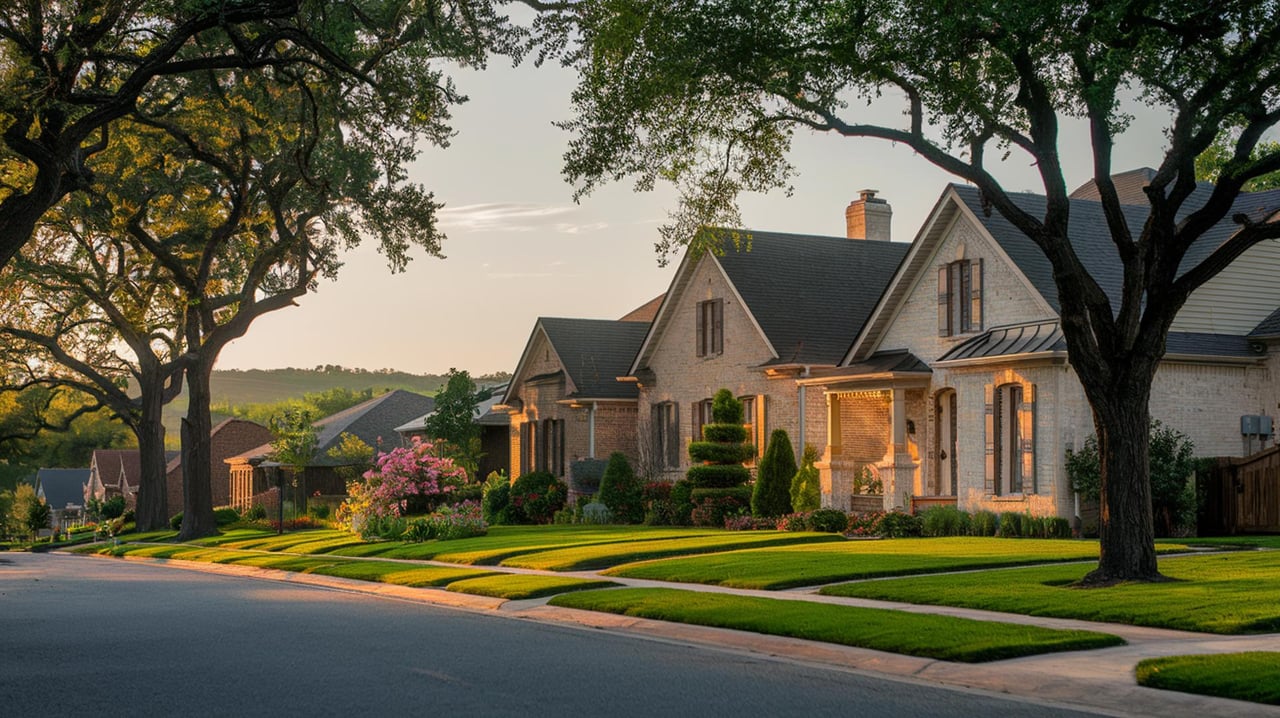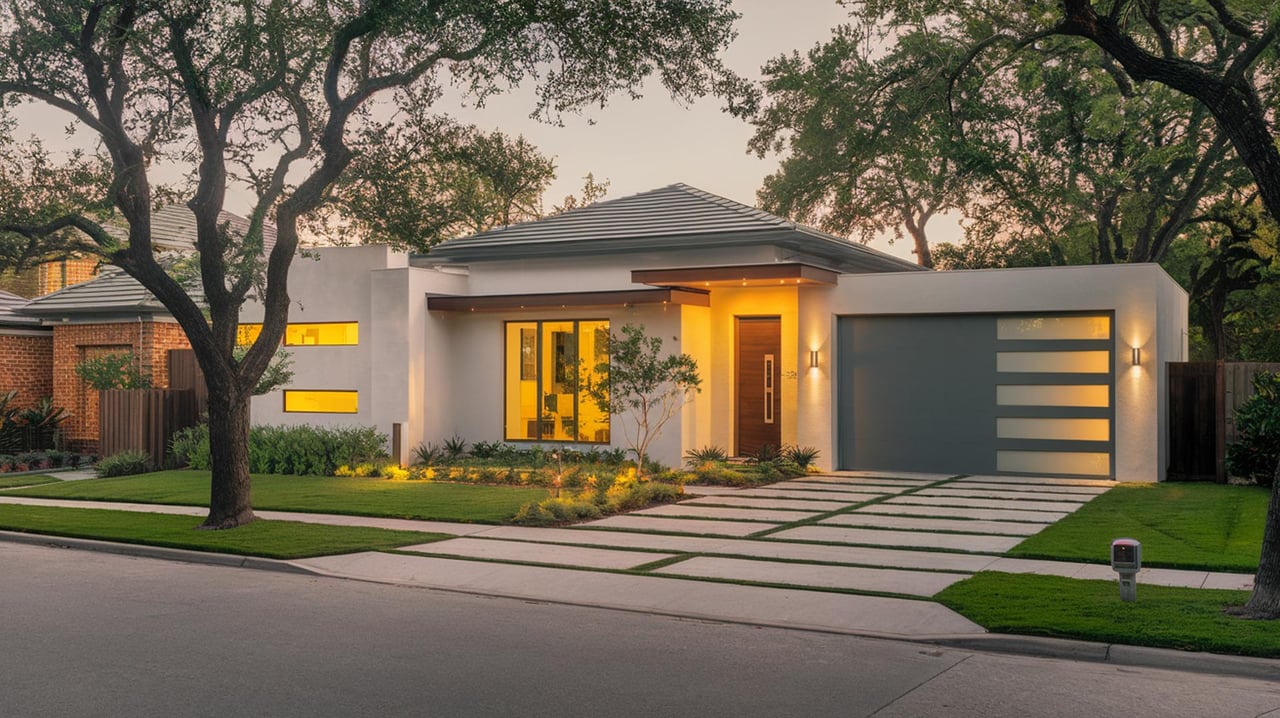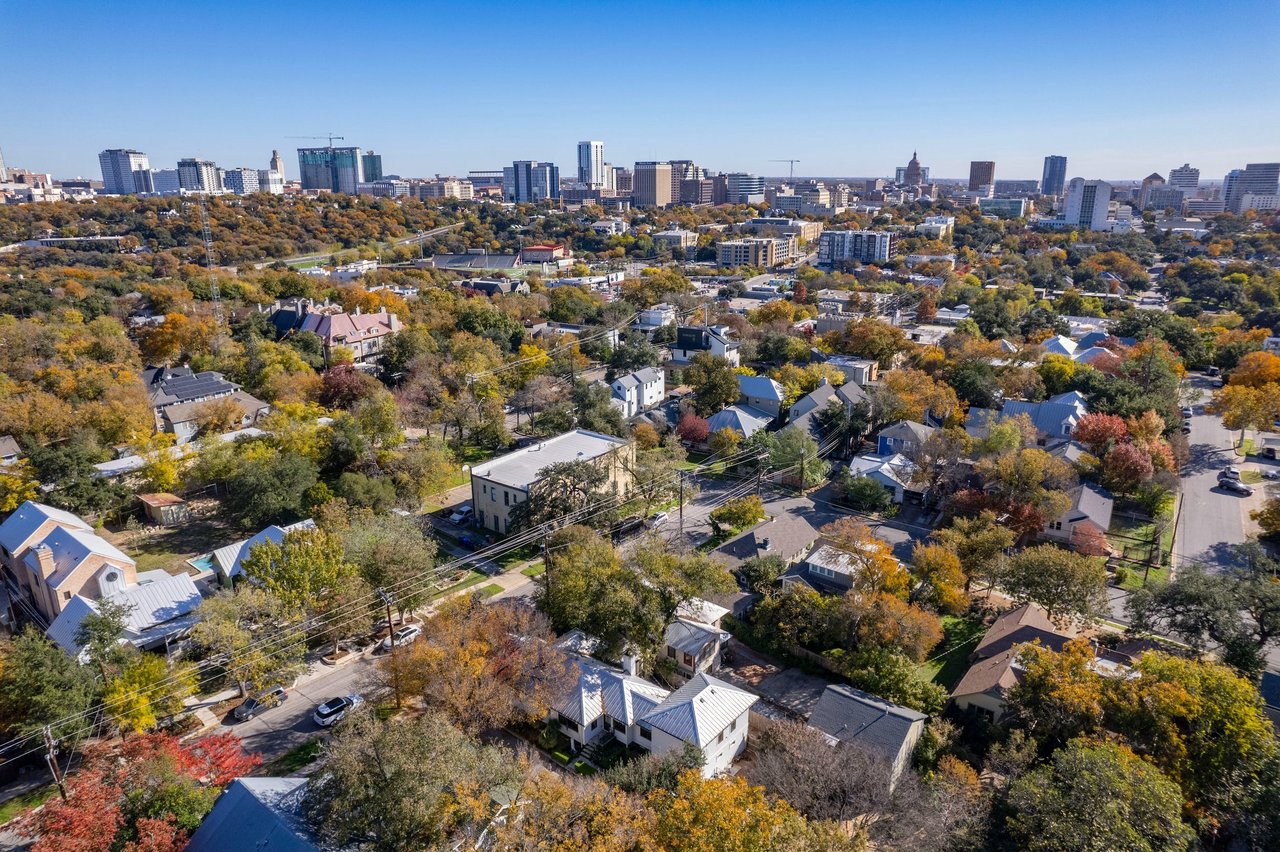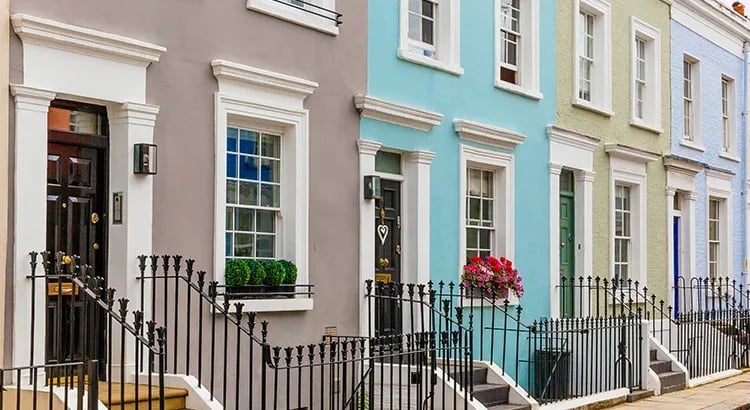
Fallen for Travis Heights and its canopy streets, only to wonder what those trees, slopes, and quirky lots mean for your remodel plans? You are not alone. Buying in this South Austin classic often involves site rules that shape what you can build, where you can add, and how long permits might take. In this guide, you will learn how to read the lot, respect the trees, and navigate permits with confidence so you can plan your purchase and project timeline wisely. Let’s dive in.
Travis Heights has many older, irregular lots with narrow frontages, corners, and nonstandard depths. These shapes influence where a home, addition, pool, or ADU can sit. Setbacks, lot coverage, and any recorded private restrictions often control what is possible, and they do not always match modern suburban norms.
Start by confirming three things early: the recorded plat, any restrictive covenants, and the zoning designation tied to the legal description. The plat and covenants reveal setbacks and easements that constrain buildable area. Zoning tells you maximum height, coverage, and uses. For code guidance and contacts, use the City’s central hub at Austin Development Services.
Parts of Travis Heights slope toward Blunn Creek and Lady Bird Lake. If a property sits near a creek or mapped floodplain, your design and permitting may require extra watershed review, flood-resistant construction, or elevation documentation. Before you commit to a design, check both federal and local maps and budget time for engineered drainage solutions if needed.
Do three things during your option period:
These steps help prevent surprises like required compensatory storage or detention.
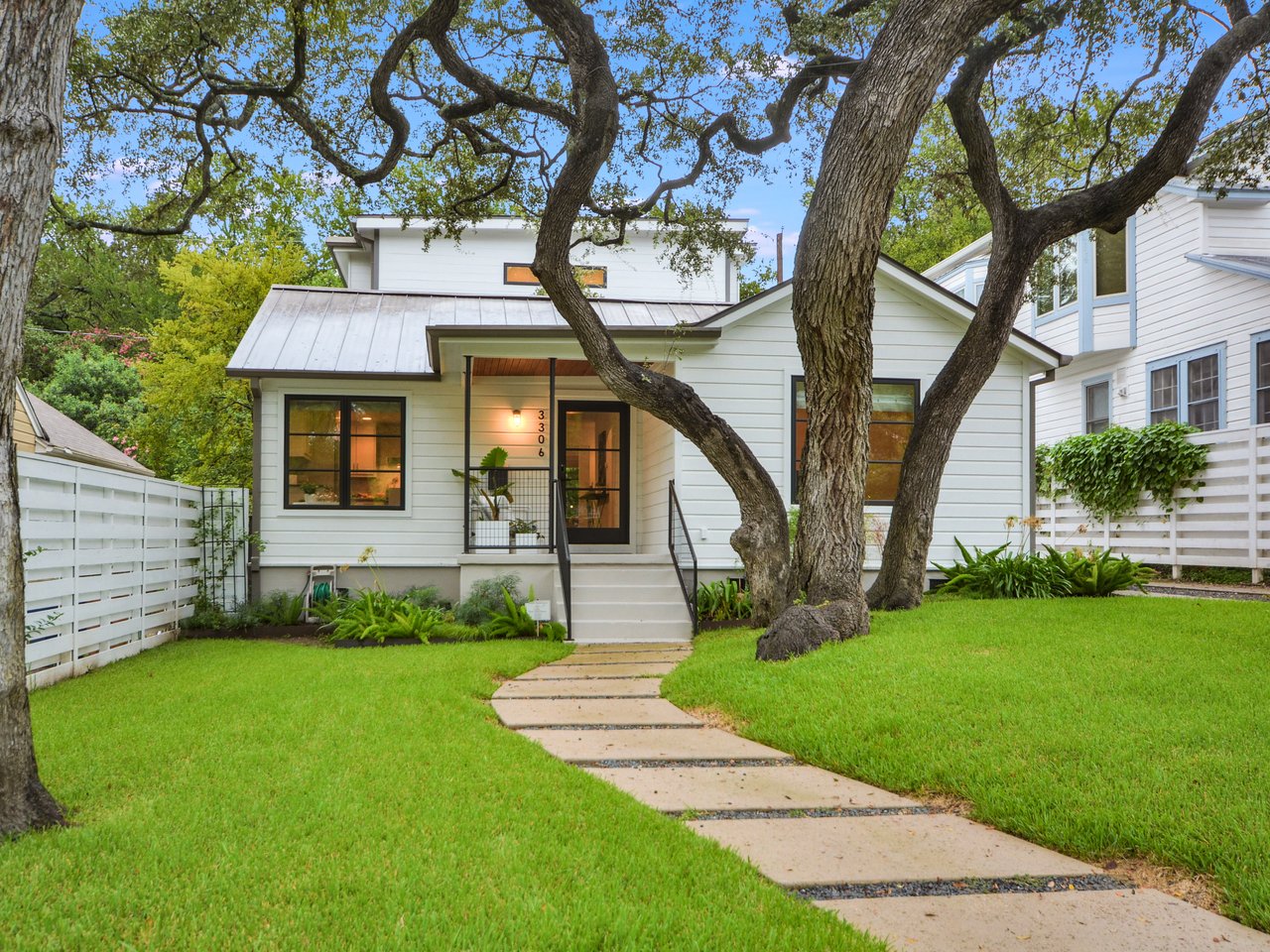
Mature trees define Travis Heights, and many are regulated. In Austin, larger trees can be protected or heritage status, which means you will likely need tree review and a permit to remove them. In addition, trees in the public right of way are managed by the City and require separate approval to remove or prune.
Tree canopies and roots can limit where you place a driveway, addition, pool, or even utilities. Order a tree inventory and a report from an ISA certified arborist during the option period. Start with Austin Trees and Tree Protection for program details, and find credentialed professionals through the International Society of Arboriculture. Expect preservation plans, protection fencing, and possible mitigation such as replacement planting or fees.
Older central neighborhoods often have utility easements across front, side, or rear yards. You usually cannot build permanent structures over these areas. Utility layouts also affect sewer tie-ins, driveway placement, and accessory structures.
To protect your plan:
Parts of Travis Heights fall within local or National Register historic districts, and some homes carry individual landmark status. If your property is in a local historic district or is a designated landmark, exterior changes or demolition can trigger a review and may require a Certificate of Appropriateness before permits are issued.
Confirm status early with the City’s Historic Preservation Office. Historic review can influence exterior design, tree decisions, and timeline.
Austin regulates setbacks, height, and impervious cover. Impervious cover is the percentage of your lot covered by roofs, paving, and other non-porous surfaces. Your zoning category determines these limits and may also control floor area or building form. The exact standards vary by zone and lot size and affect how large an addition, ADU, or hardscape you can approve without a variance.
Confirm zoning and applicable code provisions through Austin Development Services, then test your program against impervious cover and setbacks before you finalize the design.
Most substantial residential work in Travis Heights requires City permits. Knowing your pathway up front helps set expectations for timing and sequence.
Typical timelines vary by scope and City workload. Simple remodels can sometimes clear building permit review in a few weeks. Projects with historic review, tree mitigation, complex drainage, or a Site Plan can run several months with multiple review cycles.
Use your option period to confirm feasibility before you lock in a design or price. A focused checklist saves time and reduces surprises later.
In Travis Heights, the right team makes all the difference. Here are the roles most buyers end up using:
A clear workflow keeps your option period efficient and your plans realistic.
Travis Heights rewards buyers who do their homework on lots, trees, and permits. With the right prep, you can protect the character you love while creating the spaces you need. If you want a guided, concierge approach to due diligence and permitting strategy tailored to your goals, connect with Anna Lee to schedule a private consultation.
3825 Lake Austin Blvd Ste 501 Austin TX 78703
3825 Lake Austin Blvd Ste 501 Austin TX 78703