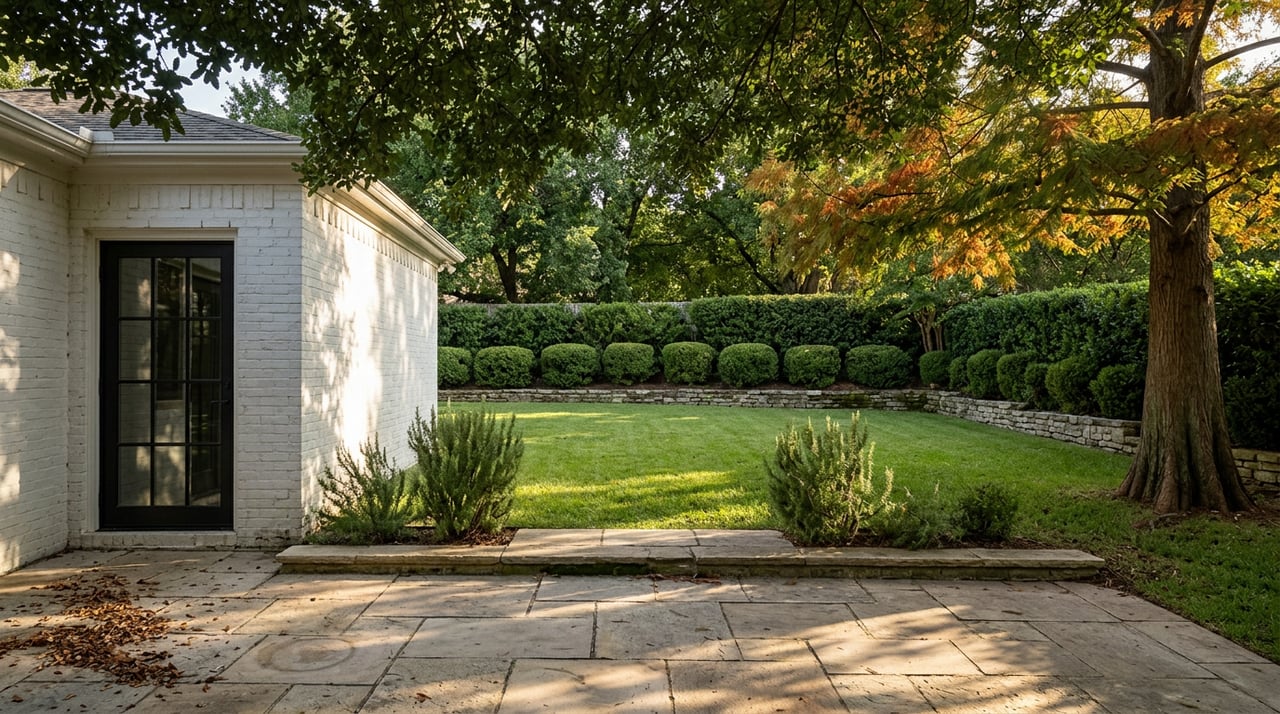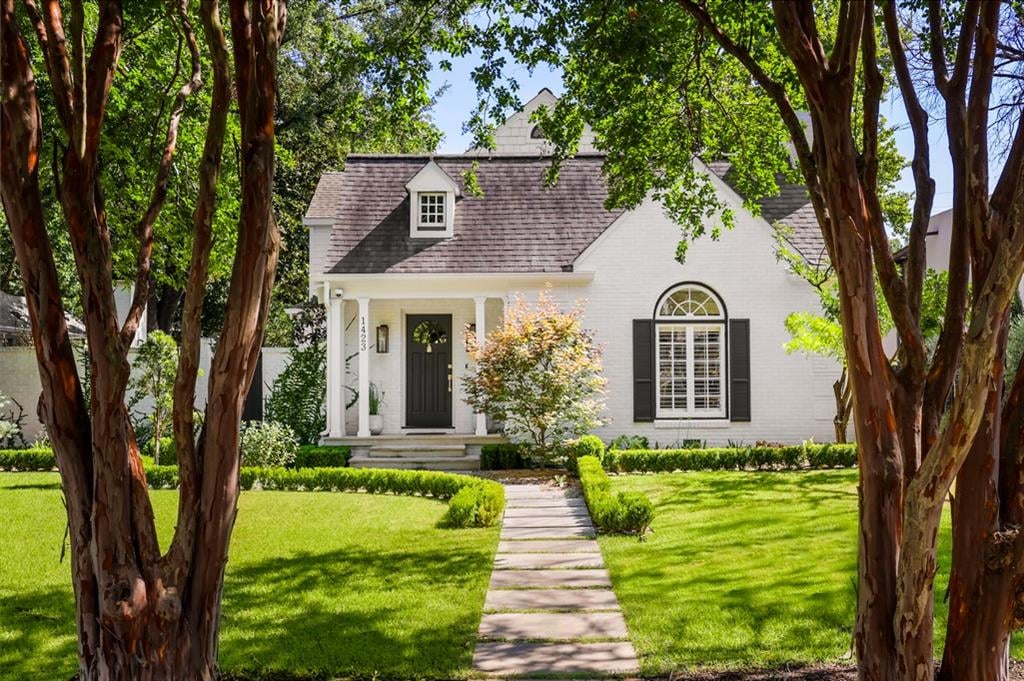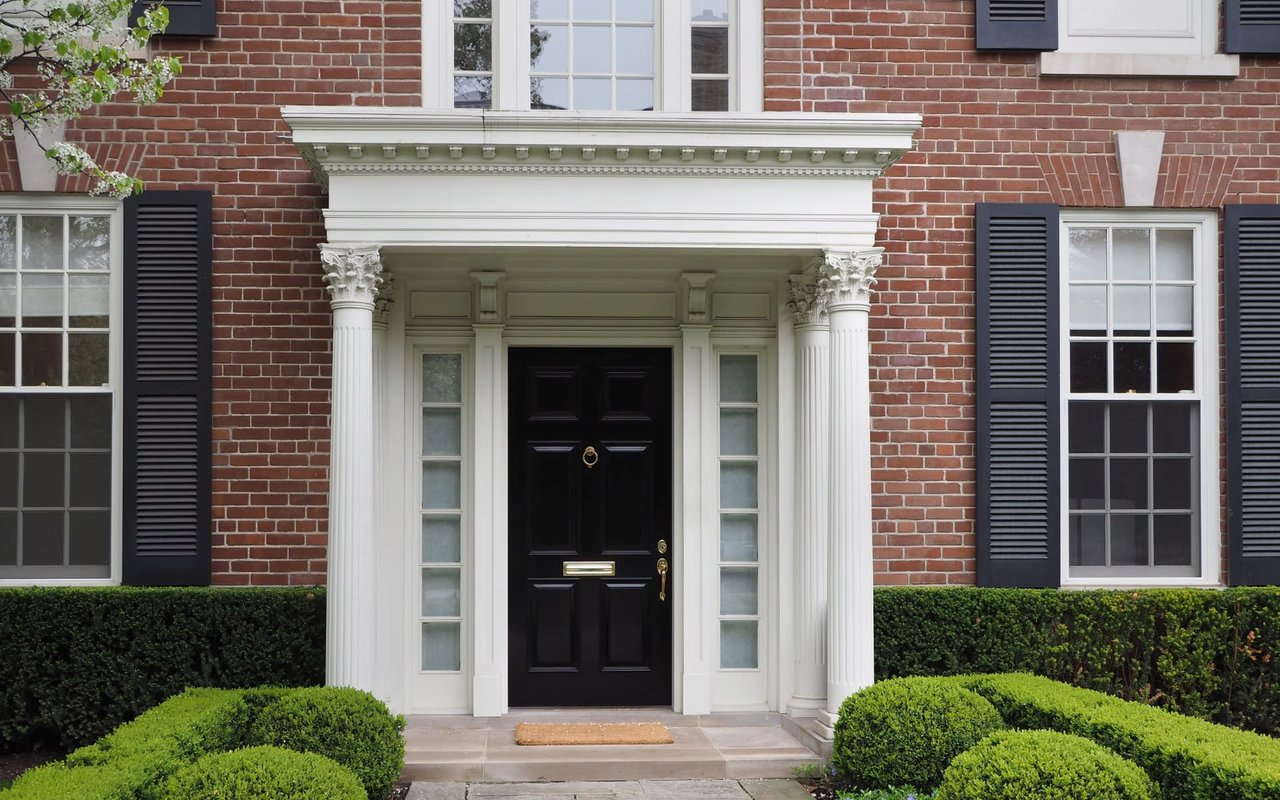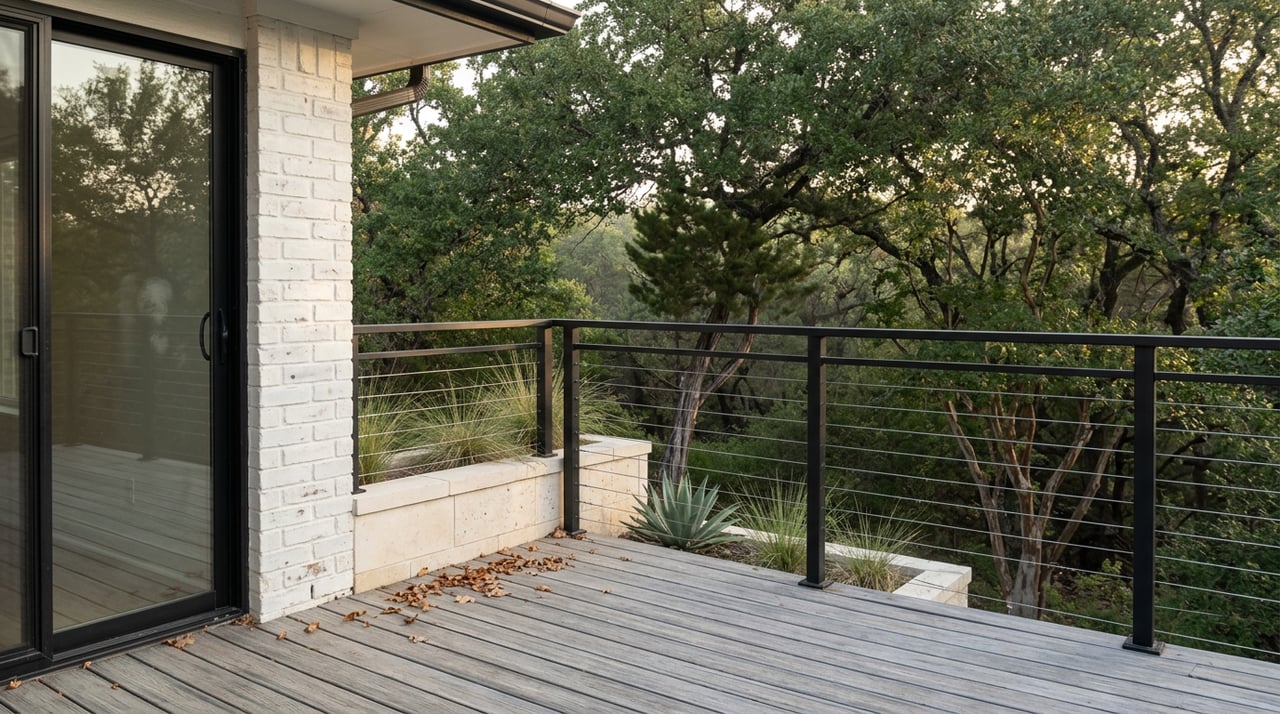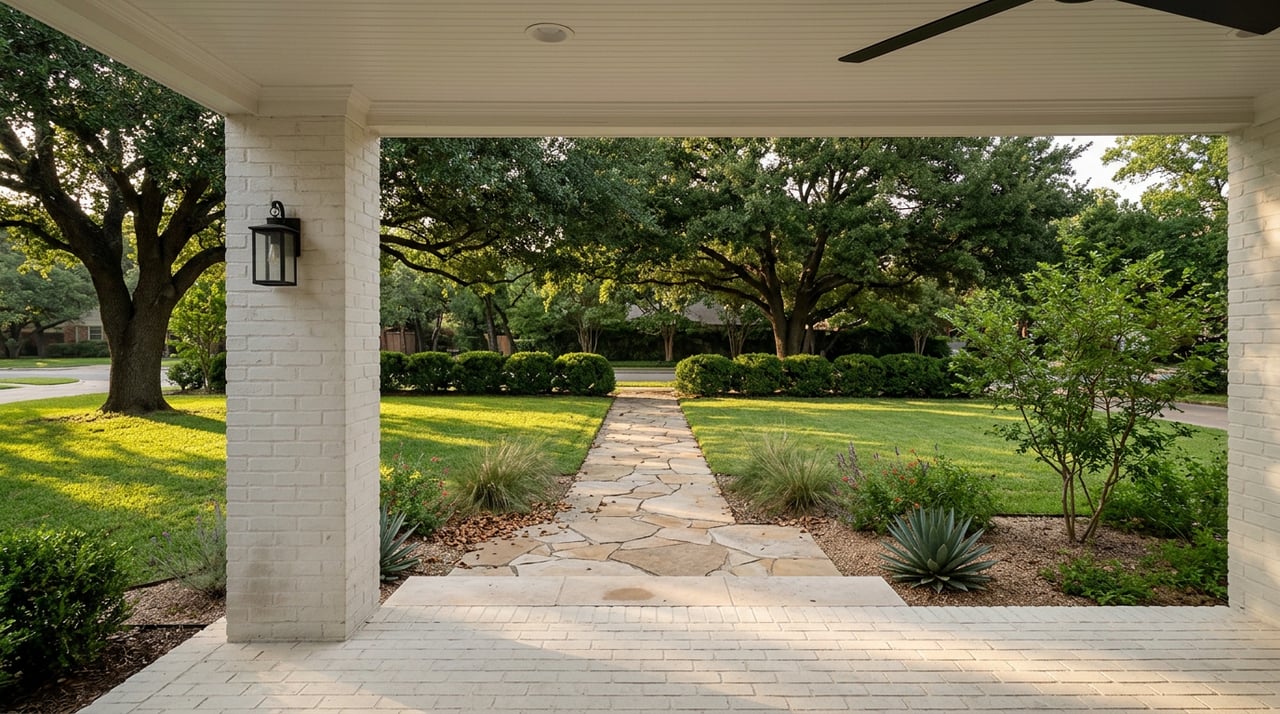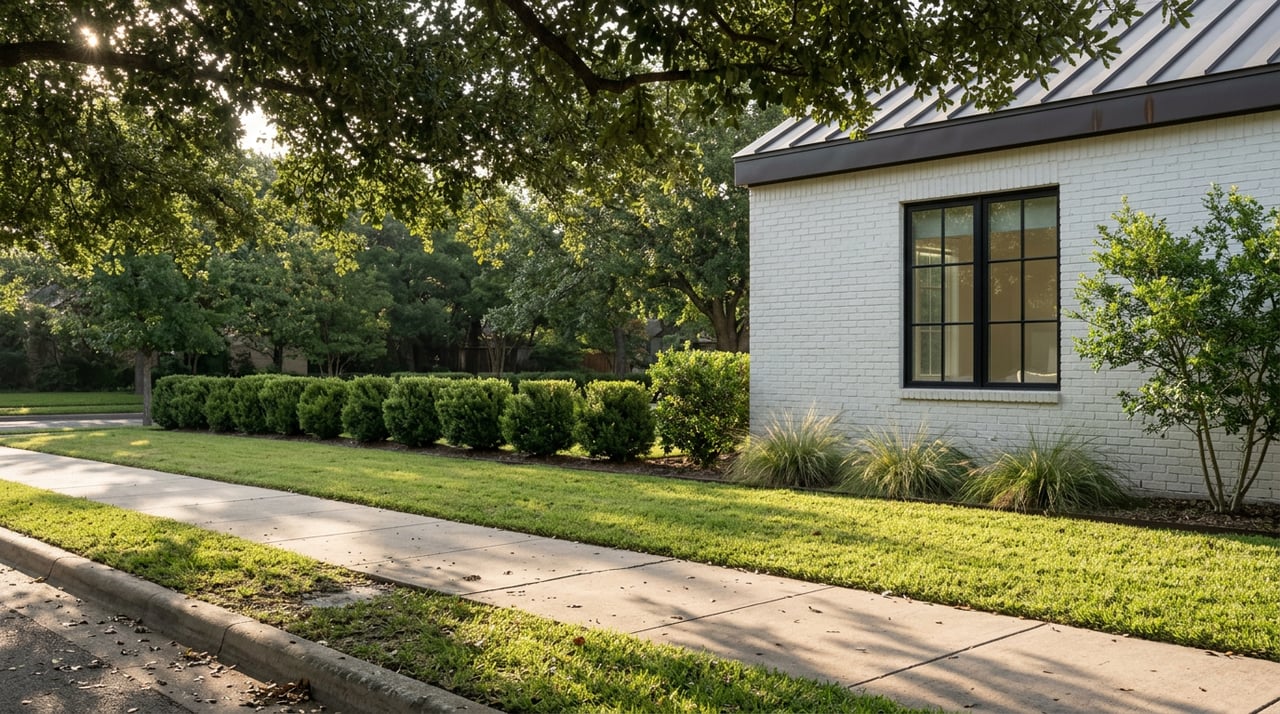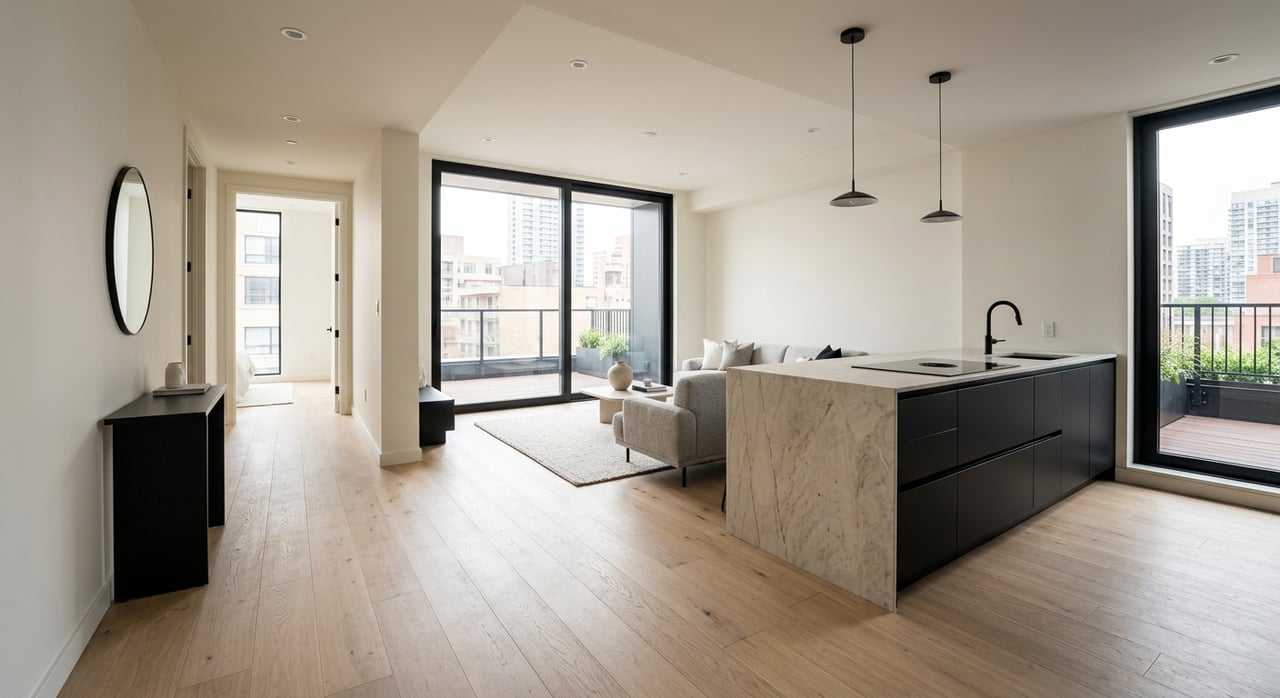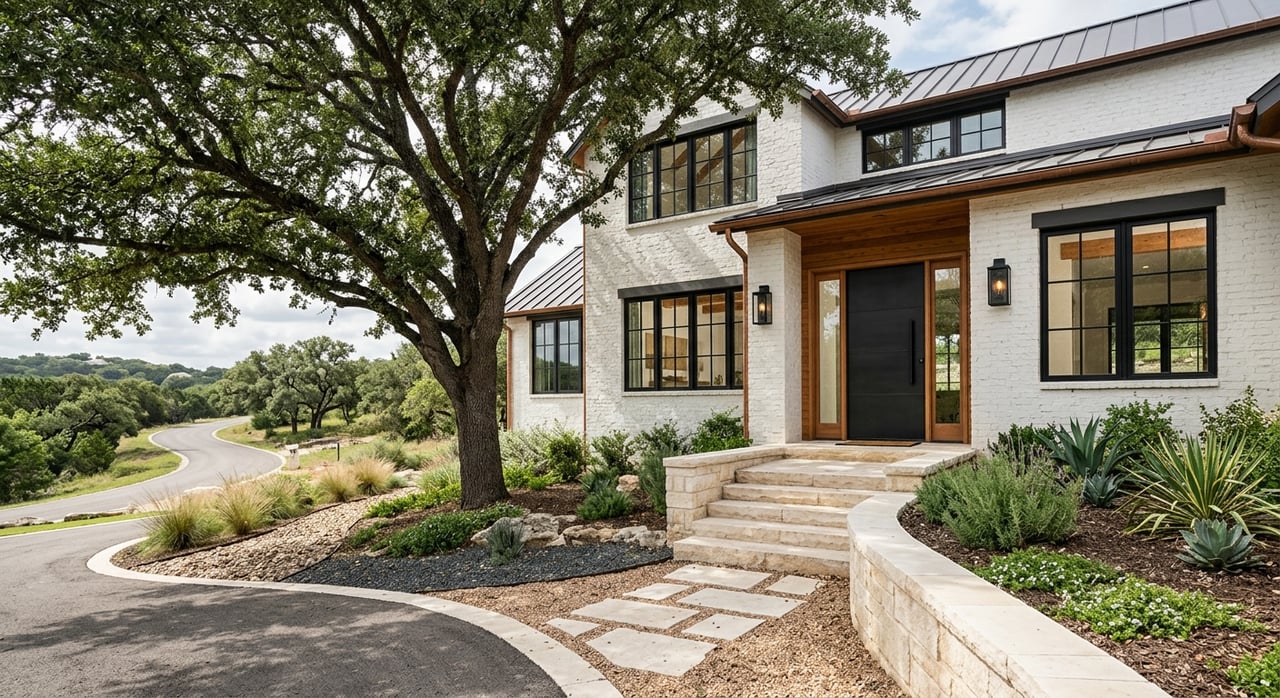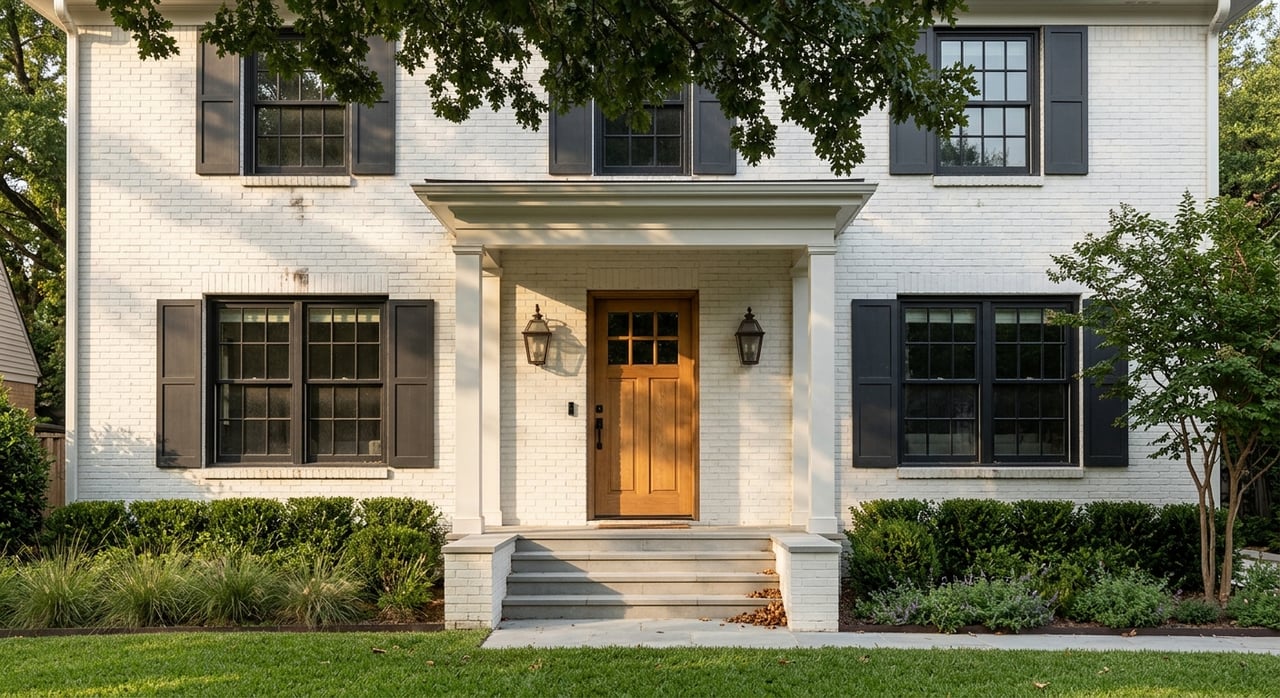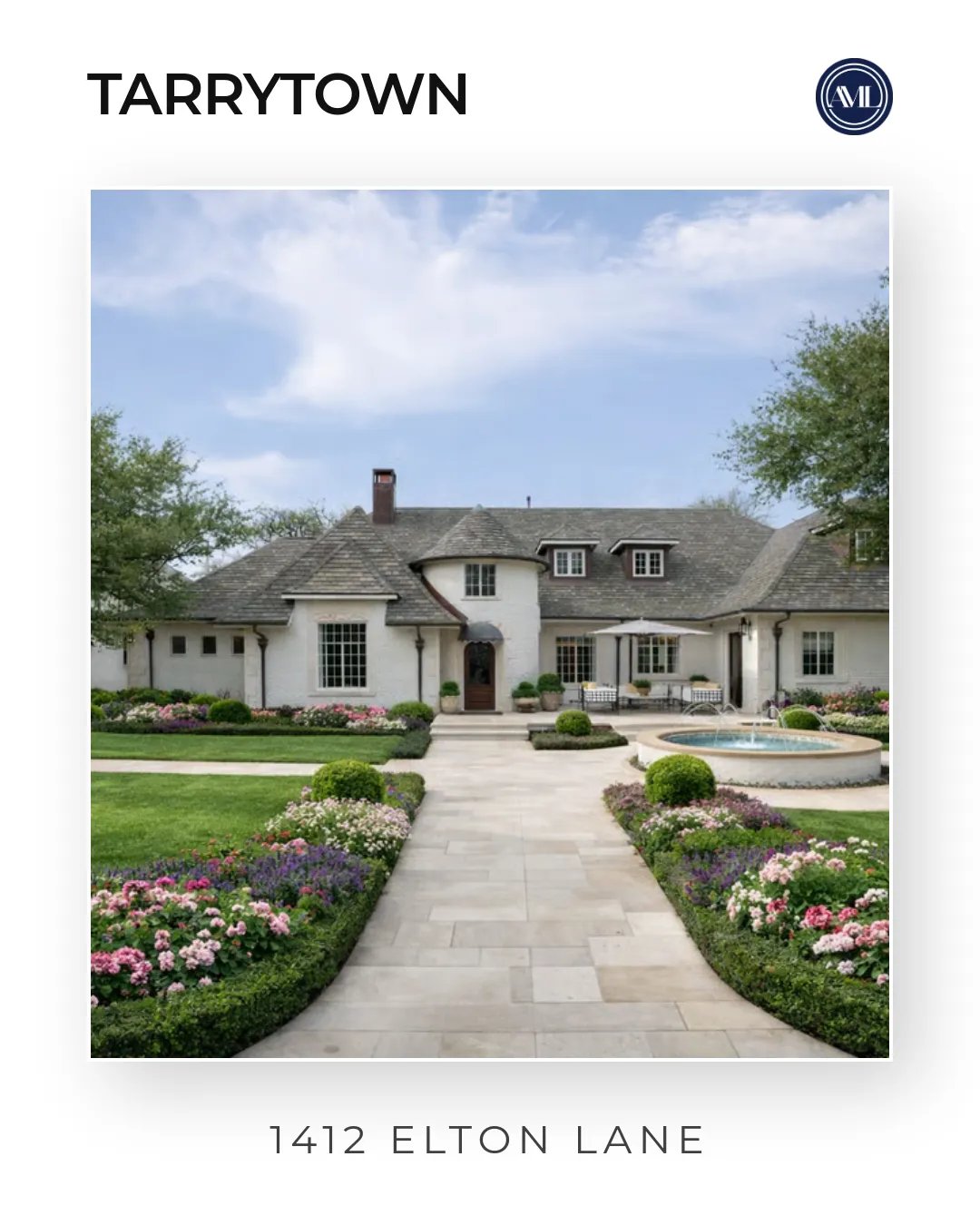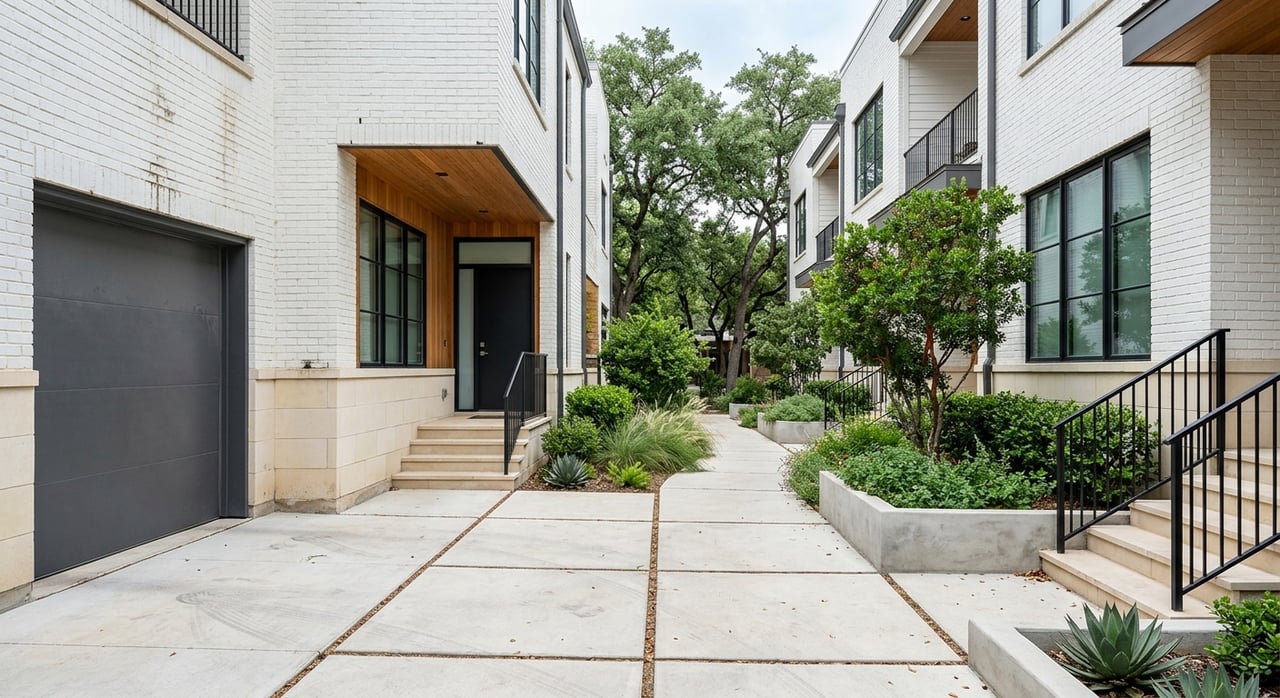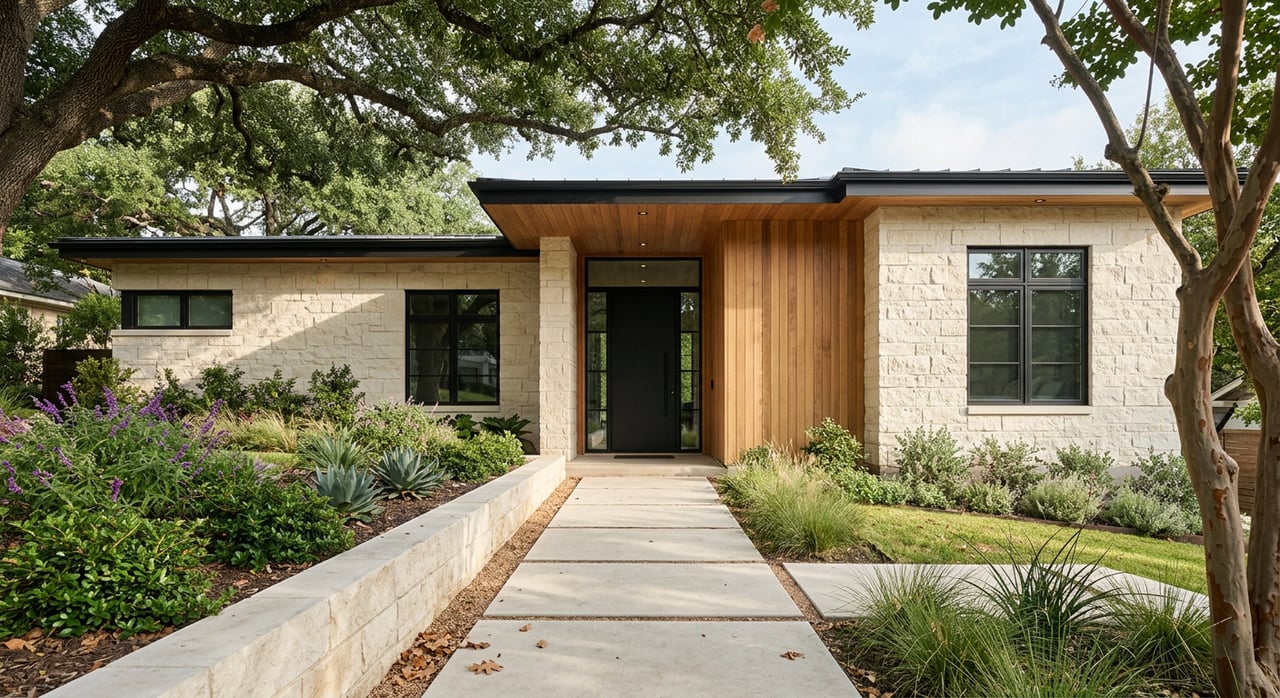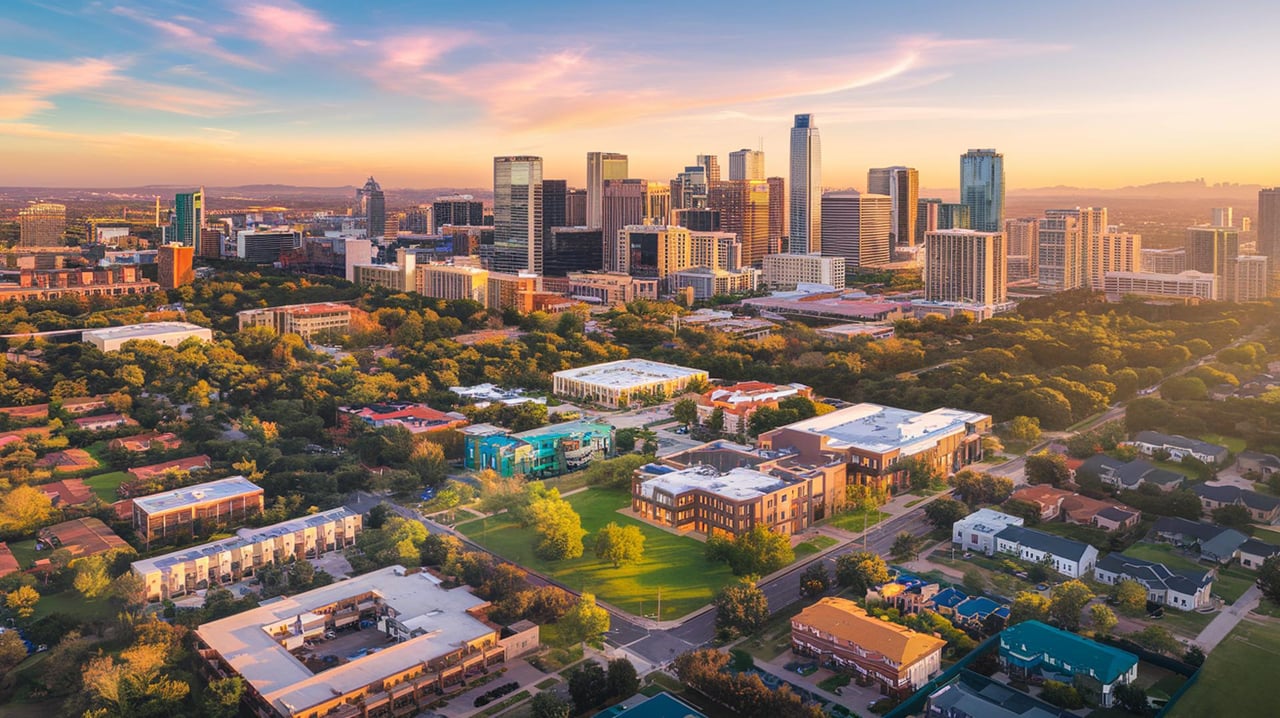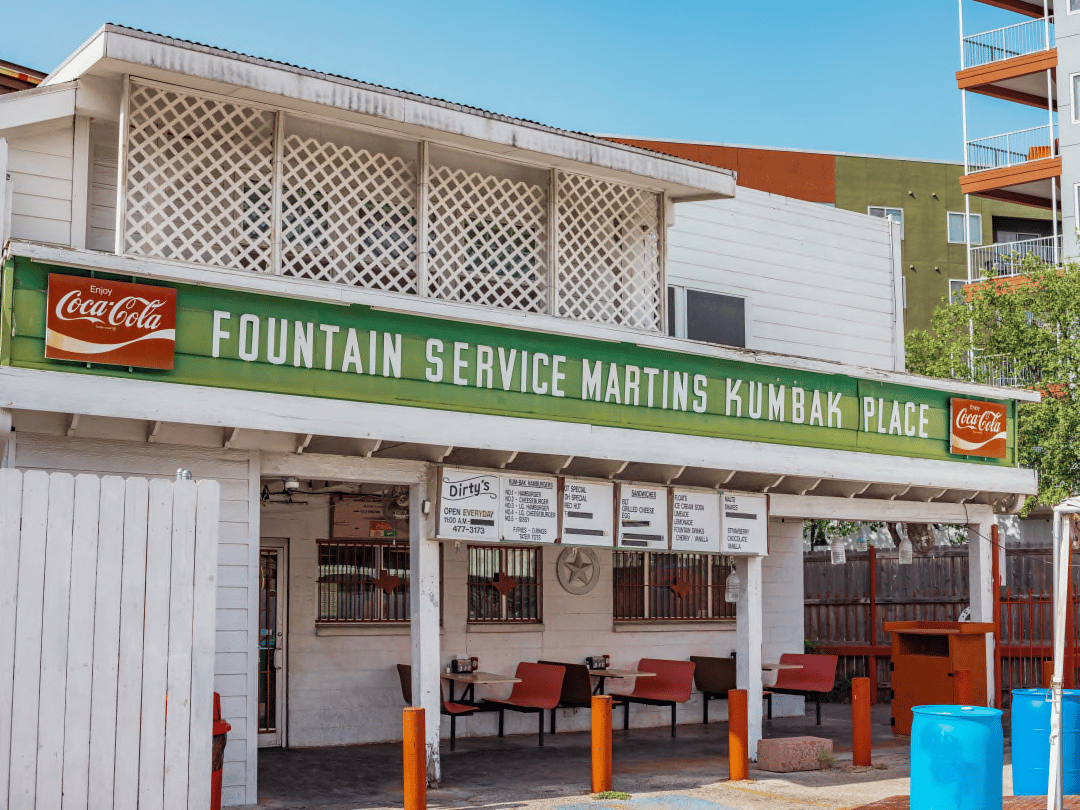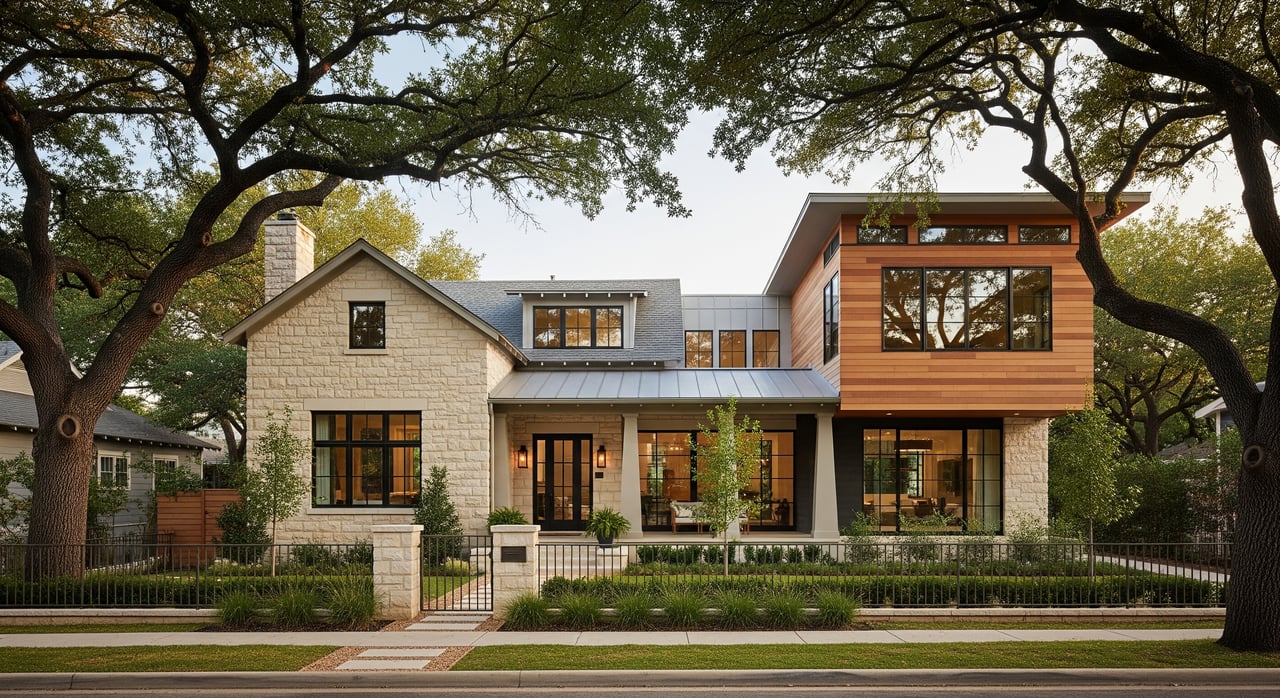
Drawn to Clarksville’s charm but noticing how every block feels a little different? You’re not imagining it. This historic Austin neighborhood blends early cottages, classic bungalows, and striking modern builds in a way that shapes how you live day to day. In this guide, you’ll learn how to recognize the key styles, what those features mean for daily life, and what to consider if you plan to buy or renovate. Let’s dive in.
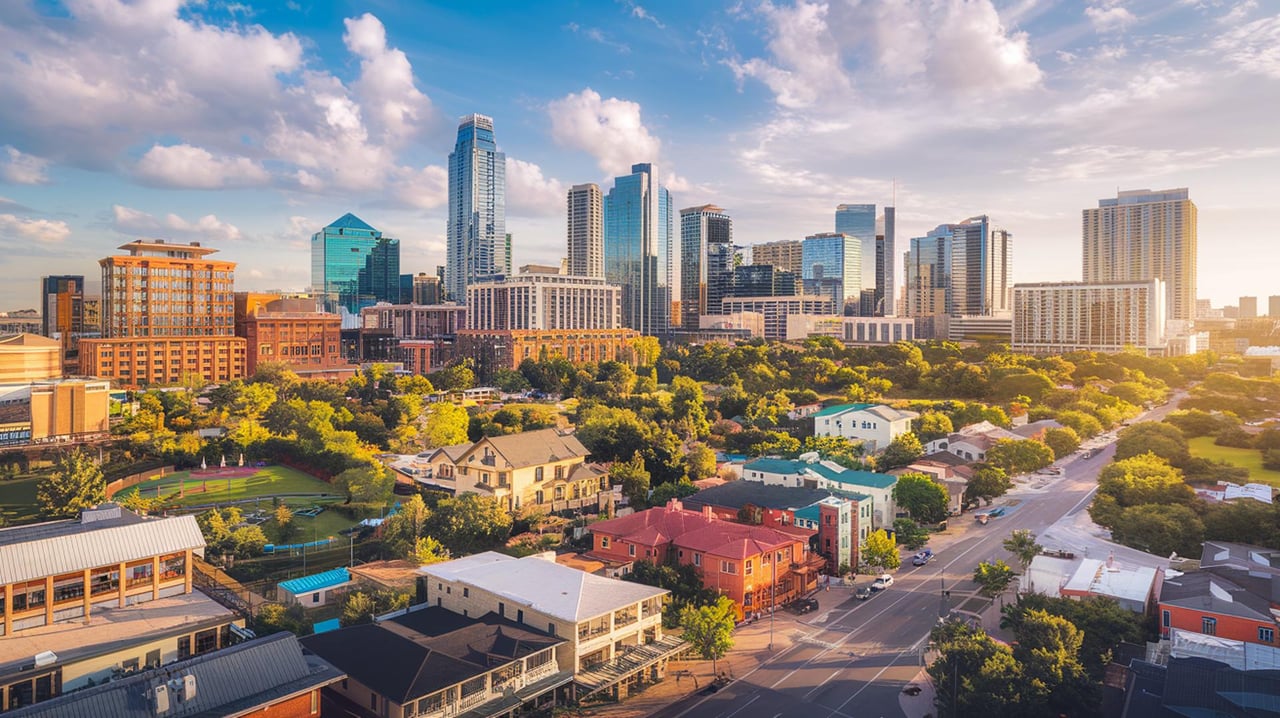
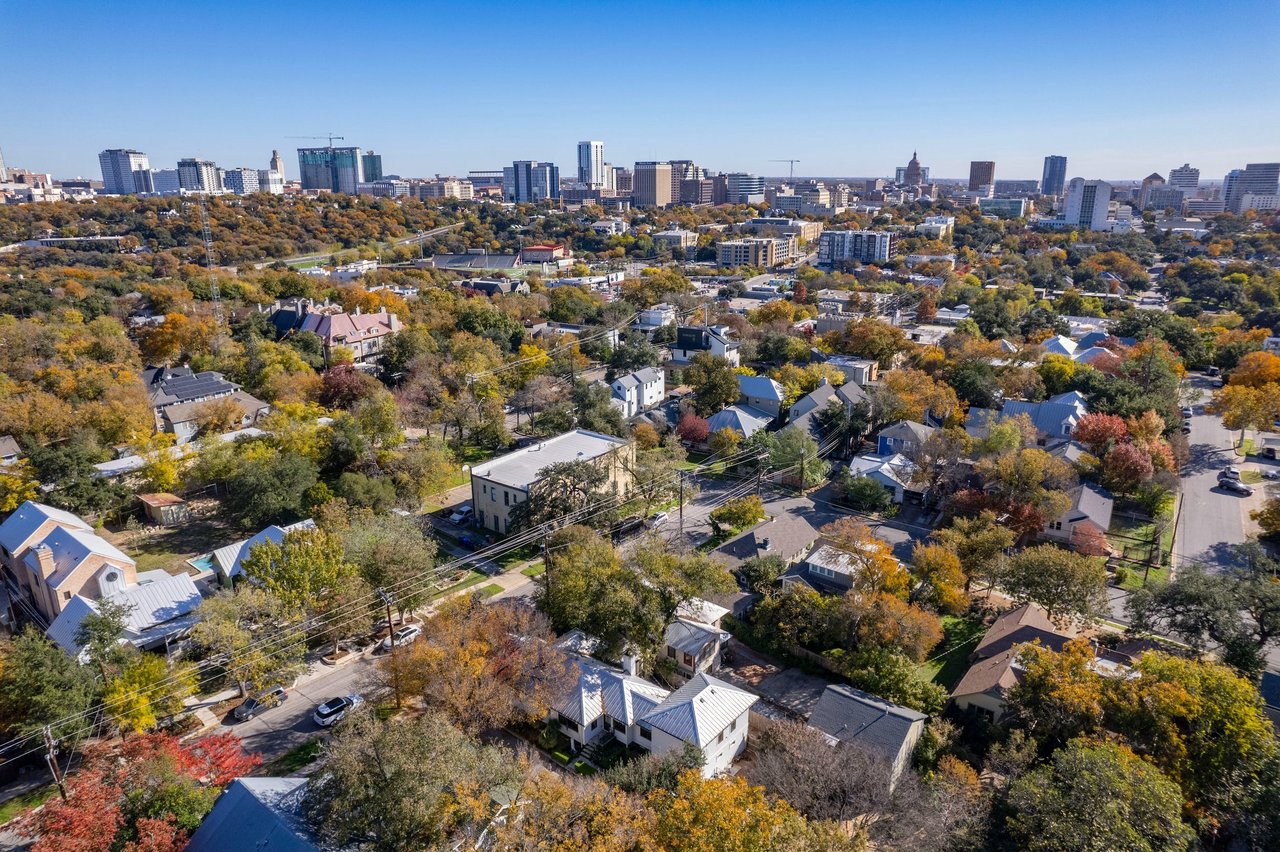
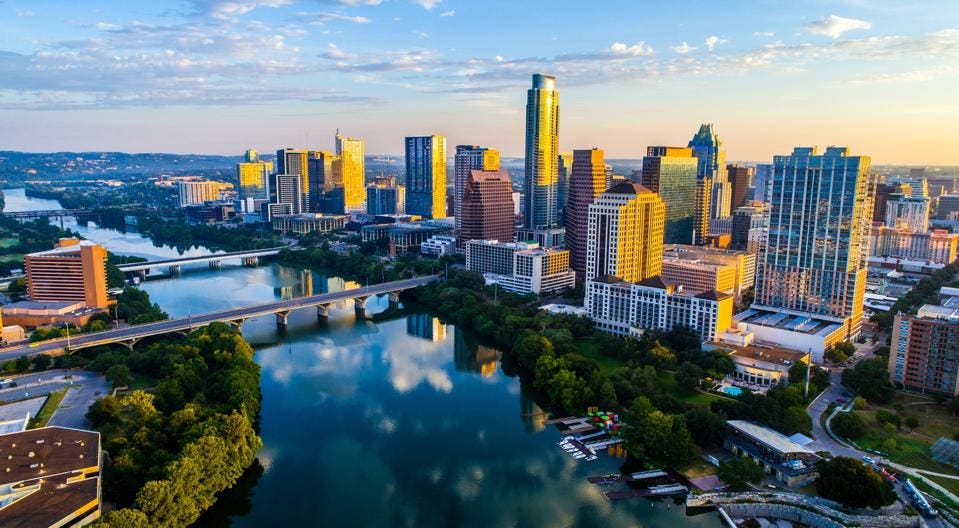
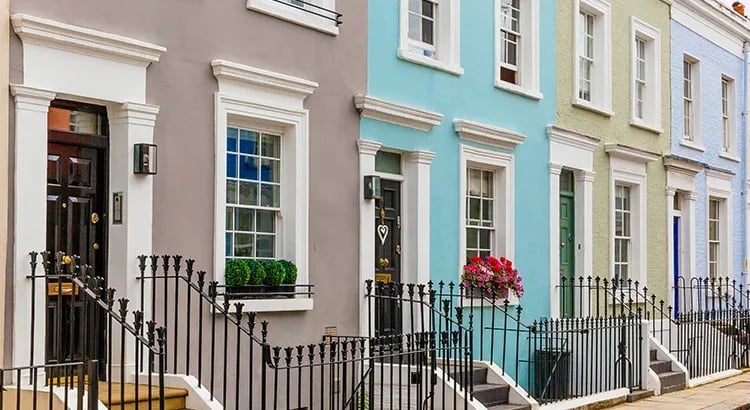
Clarksville sits close to downtown and grew from late 19th-century roots as a small, close-knit community. That history shows up in the lot patterns, modest footprints, and porch-forward streetscapes that many buyers love. Over time, you’ll also see newer homes and thoughtful infill, which add modern amenities while changing scale and yard space.
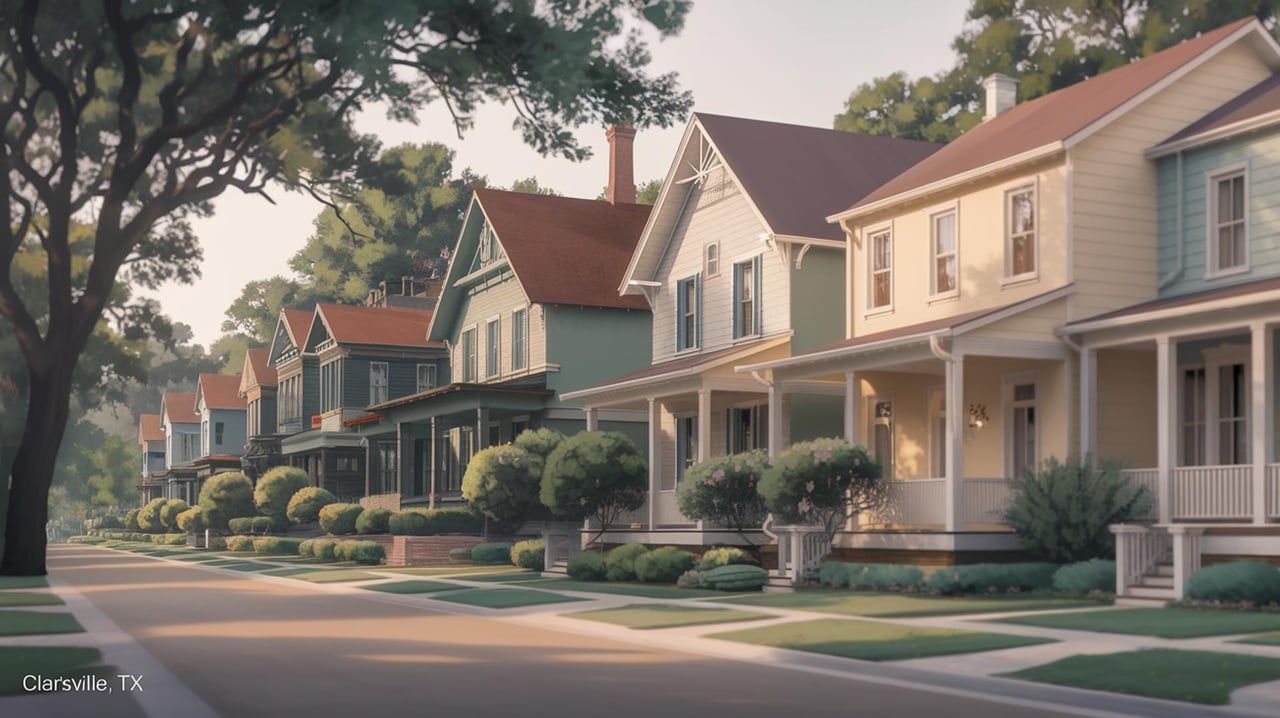
Clarksville began as one of Austin’s historically Black communities in the late 1800s. Early homes were simple wood-frame cottages built for working families on narrow lots. Through the early and mid 20th century, bungalows and small vernacular houses filled in. In recent decades, redevelopment and renovations have introduced contemporary homes, duplexes, and a mix of adaptive types, reflecting demand near the urban core.
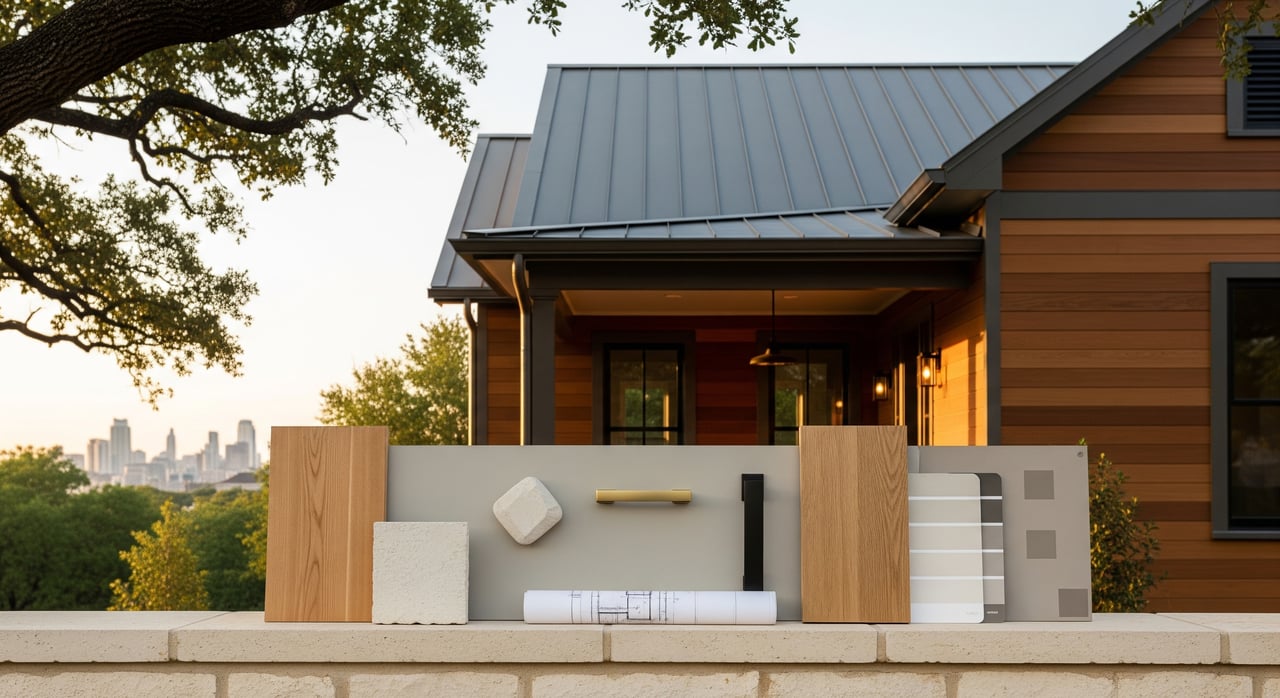
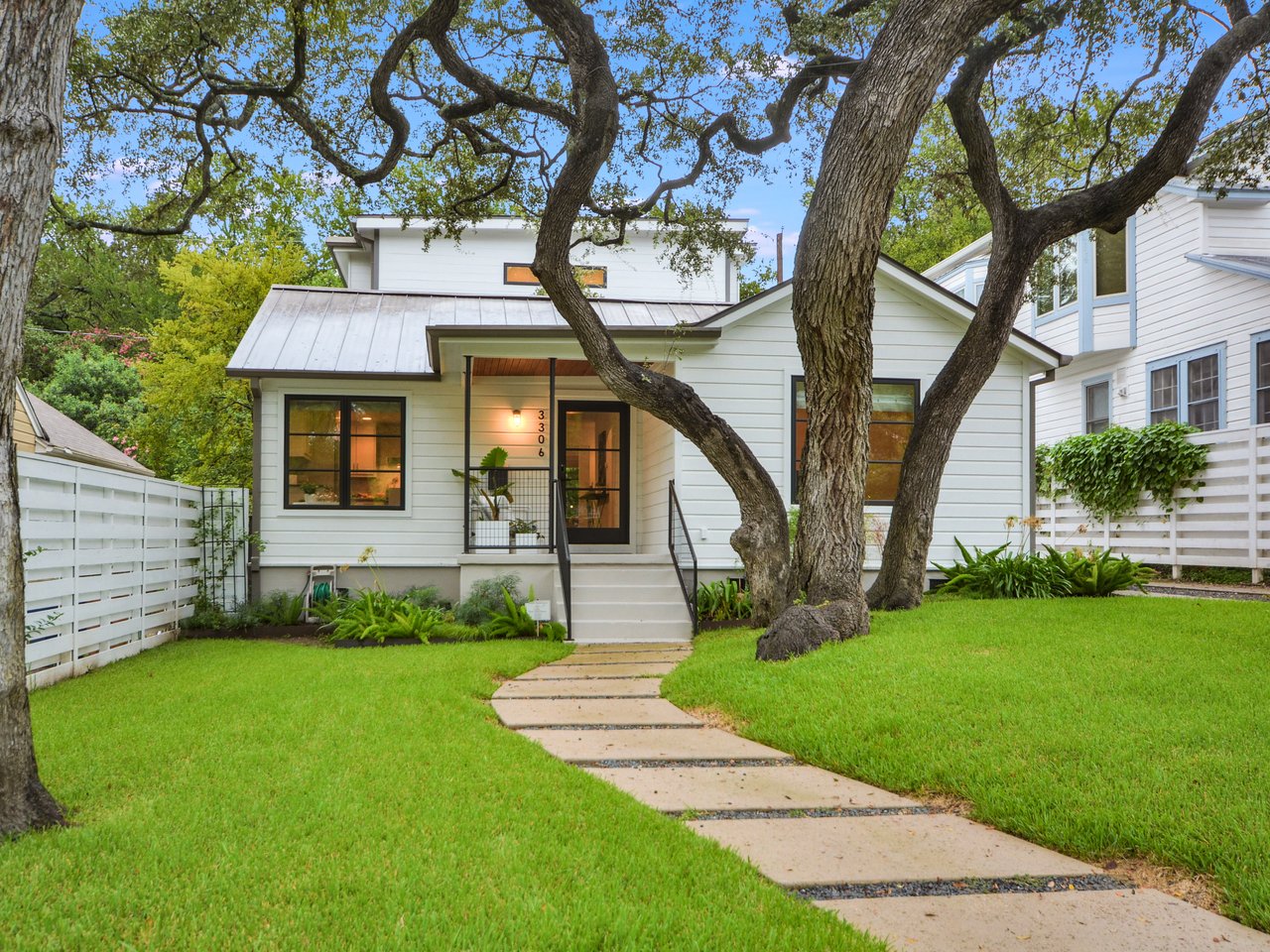
These modest, wood-frame houses set the neighborhood’s original tone.
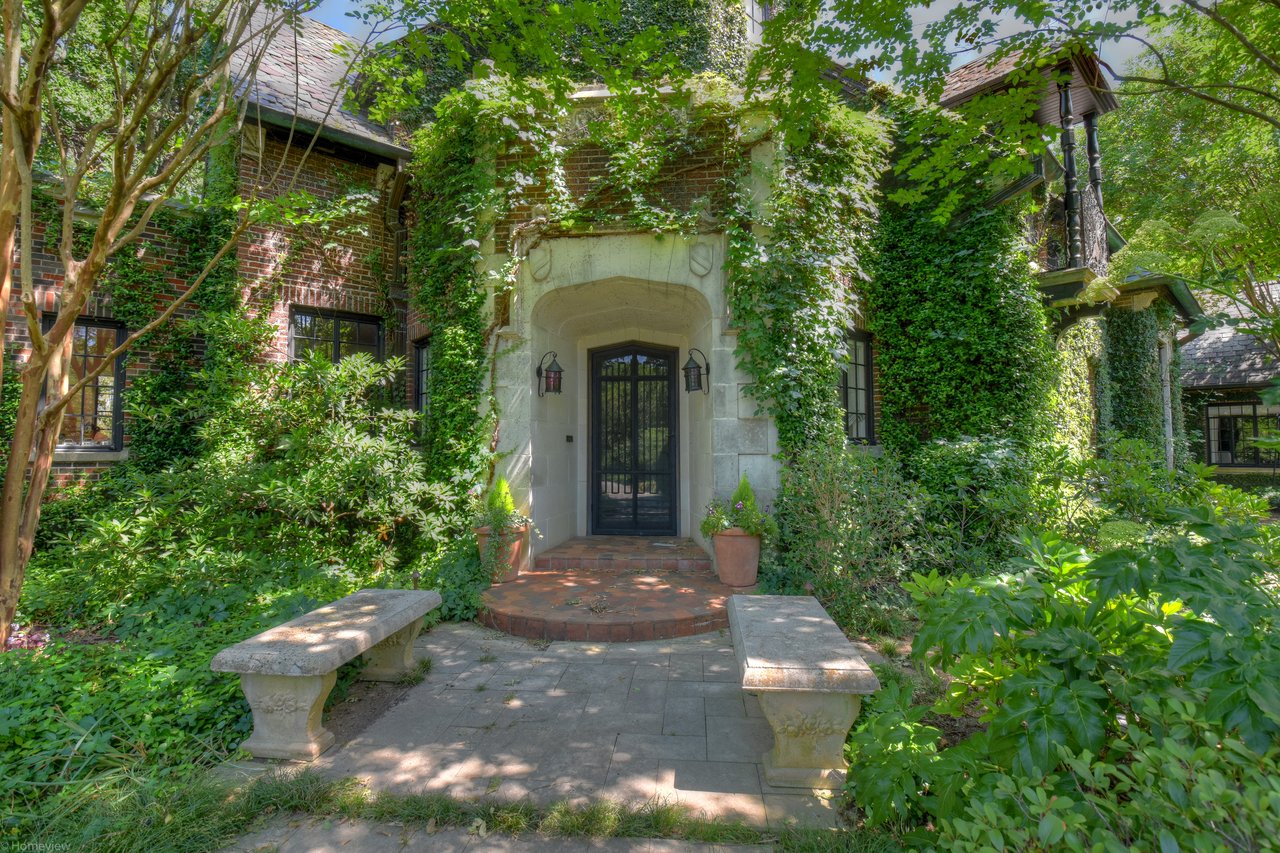
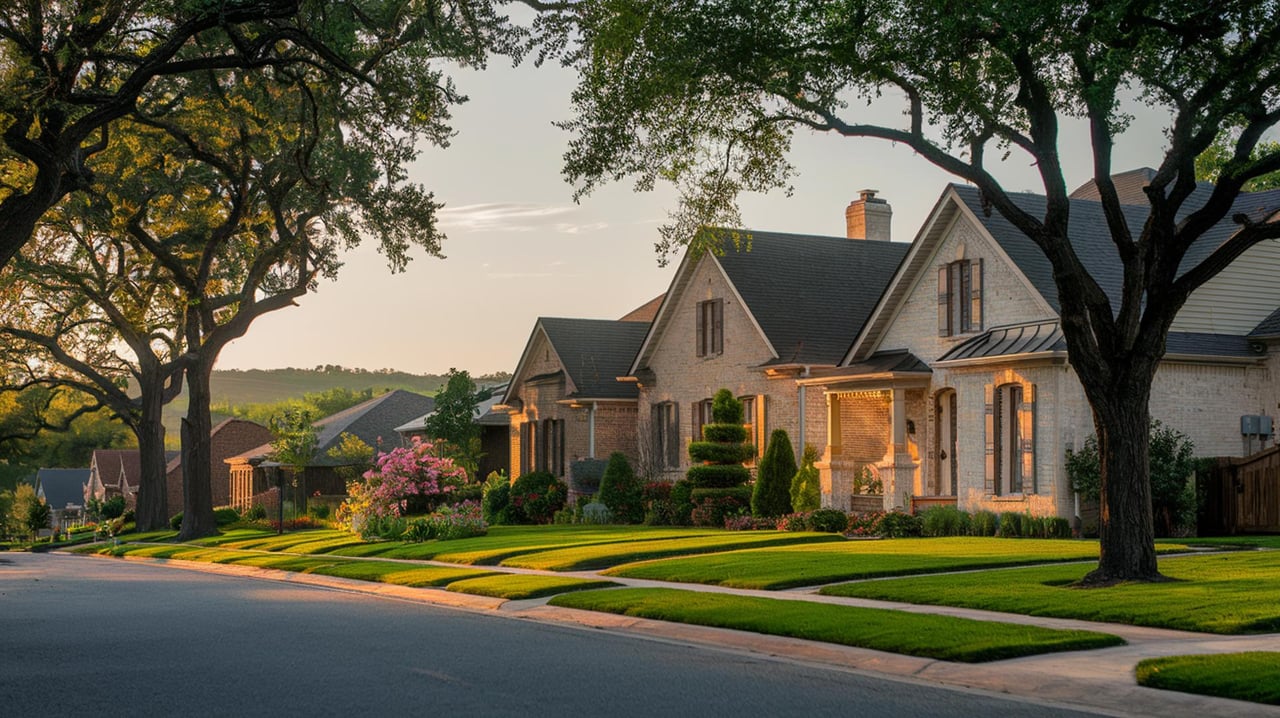
A favorite for character and craftsmanship from the early 20th century.
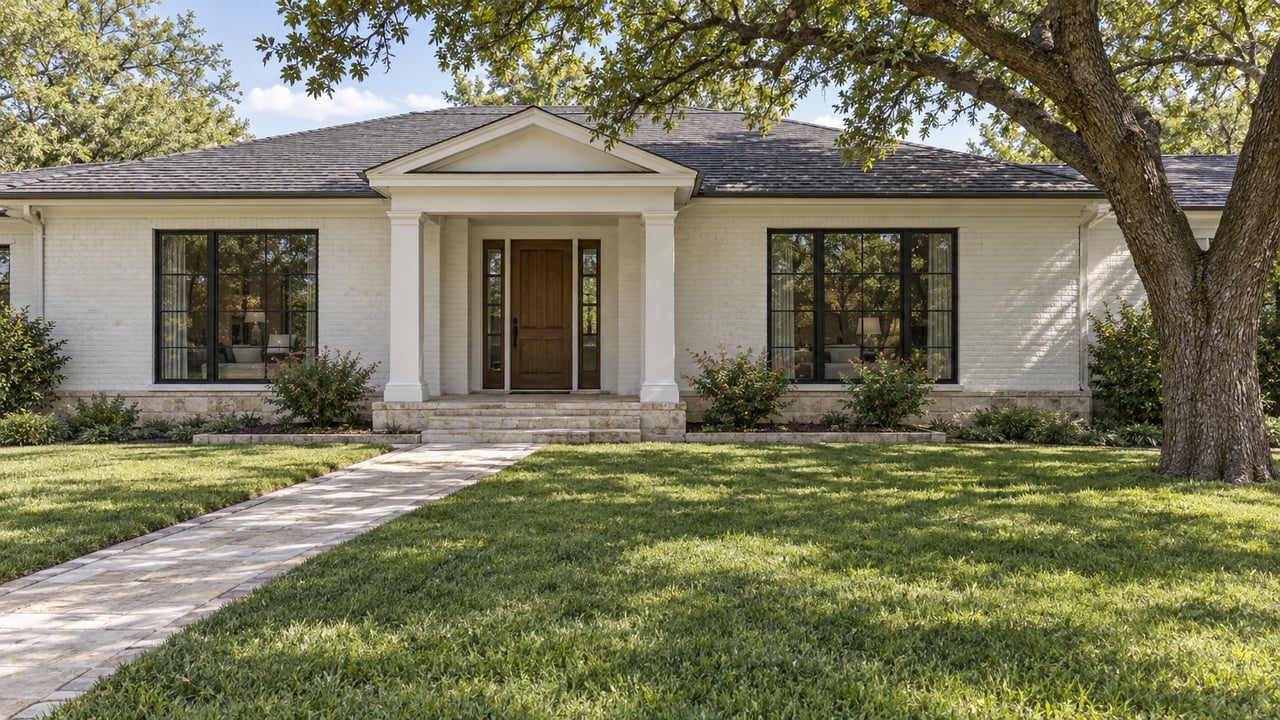
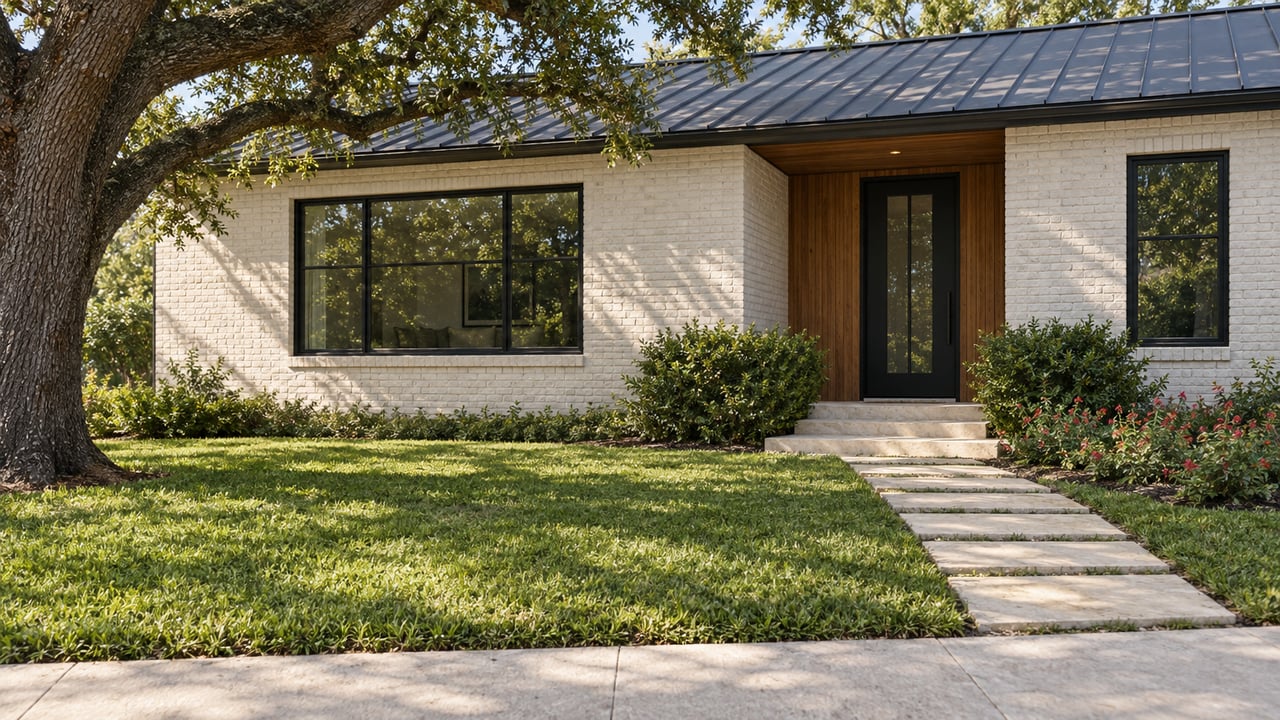
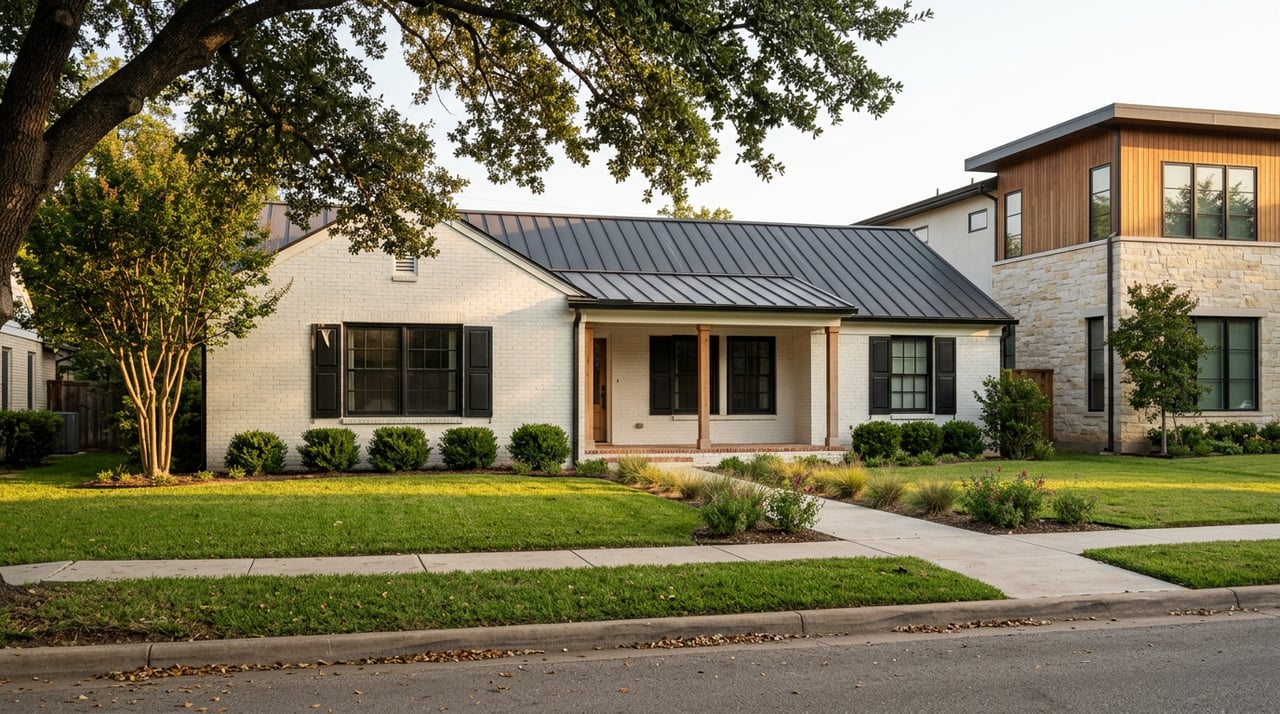
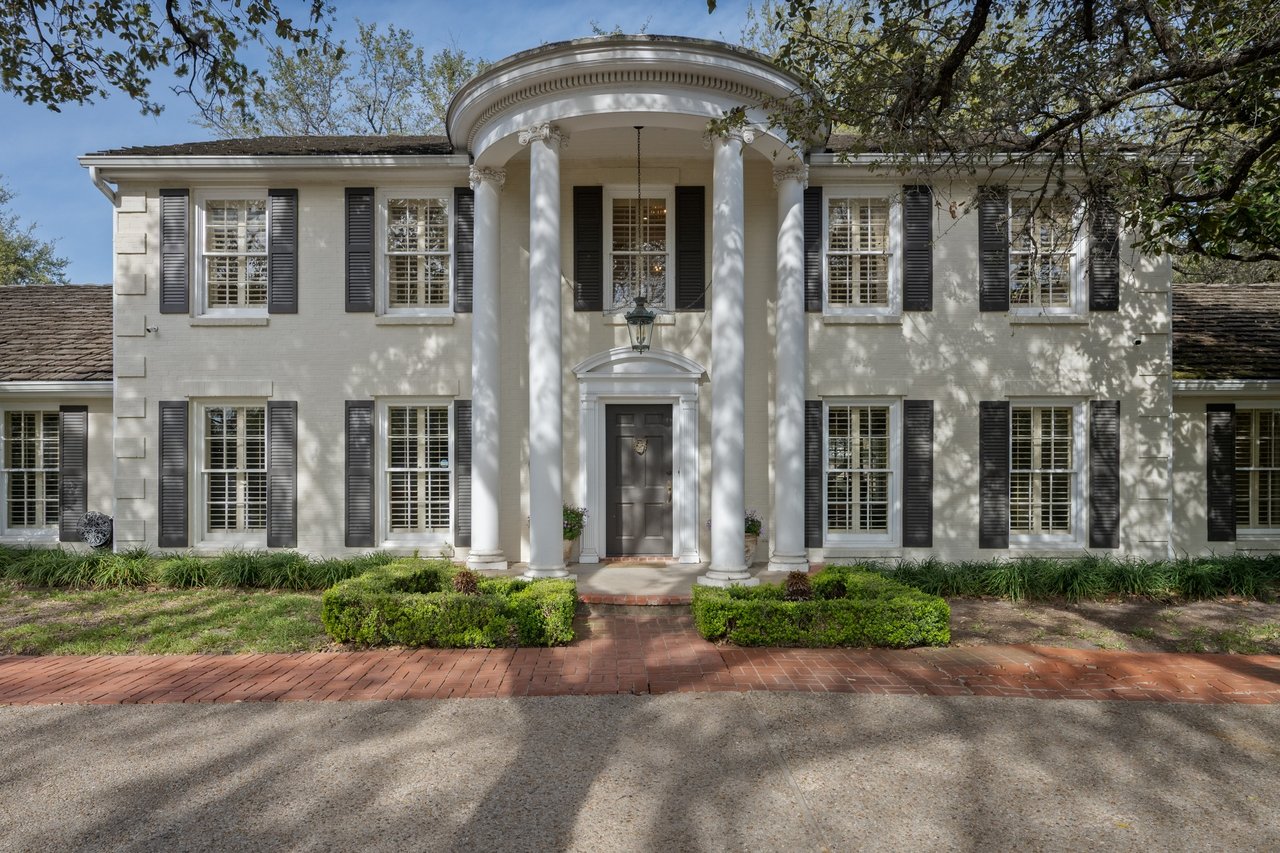
These 1930s–1950s forms bridge older cottages and later suburban types.
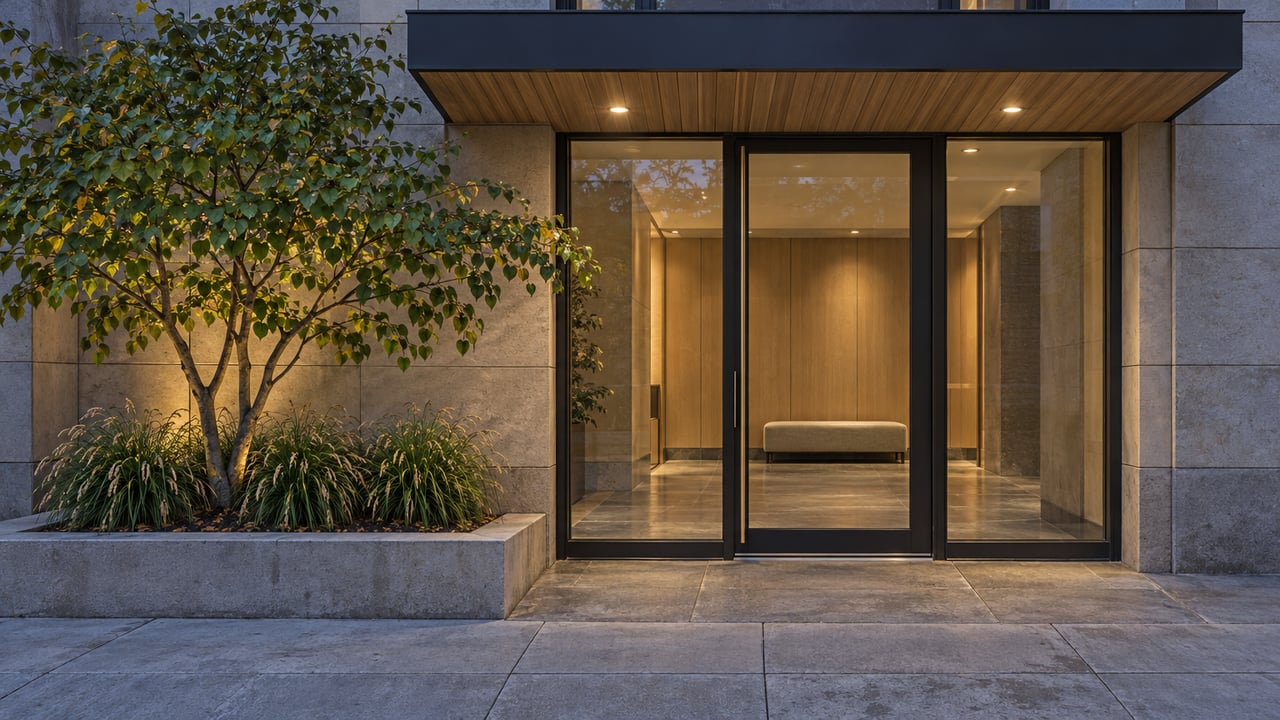
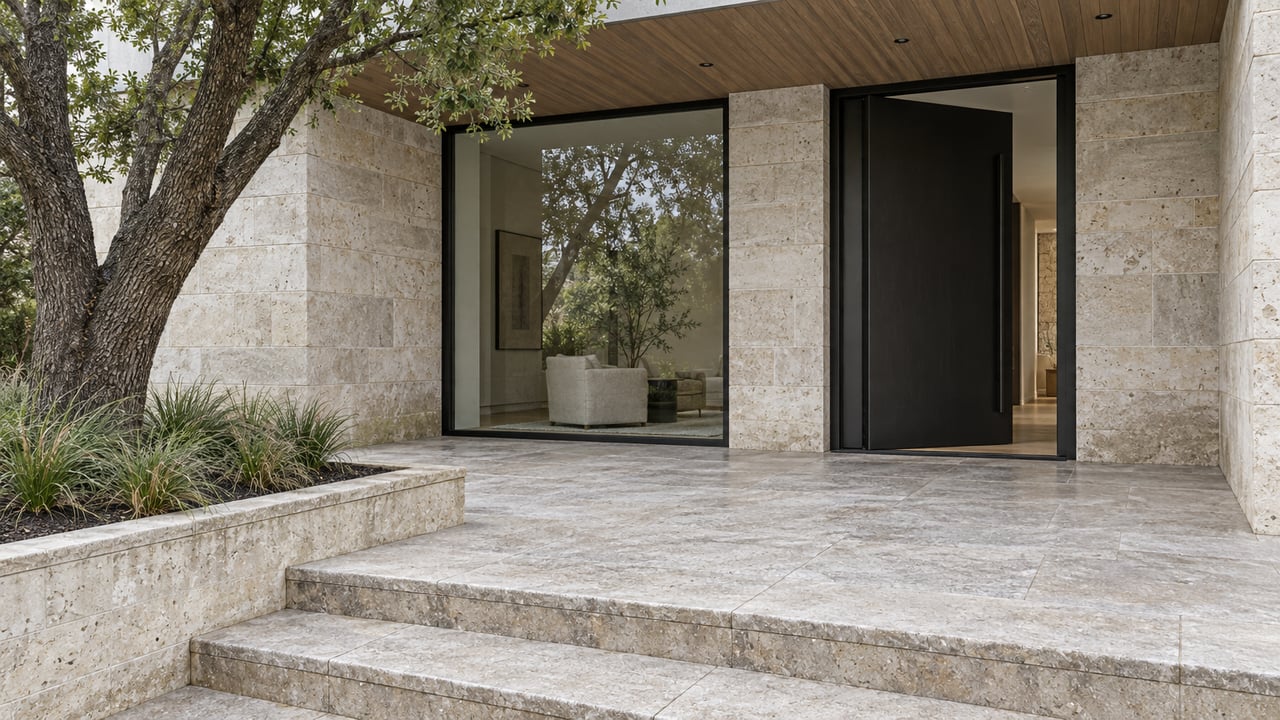
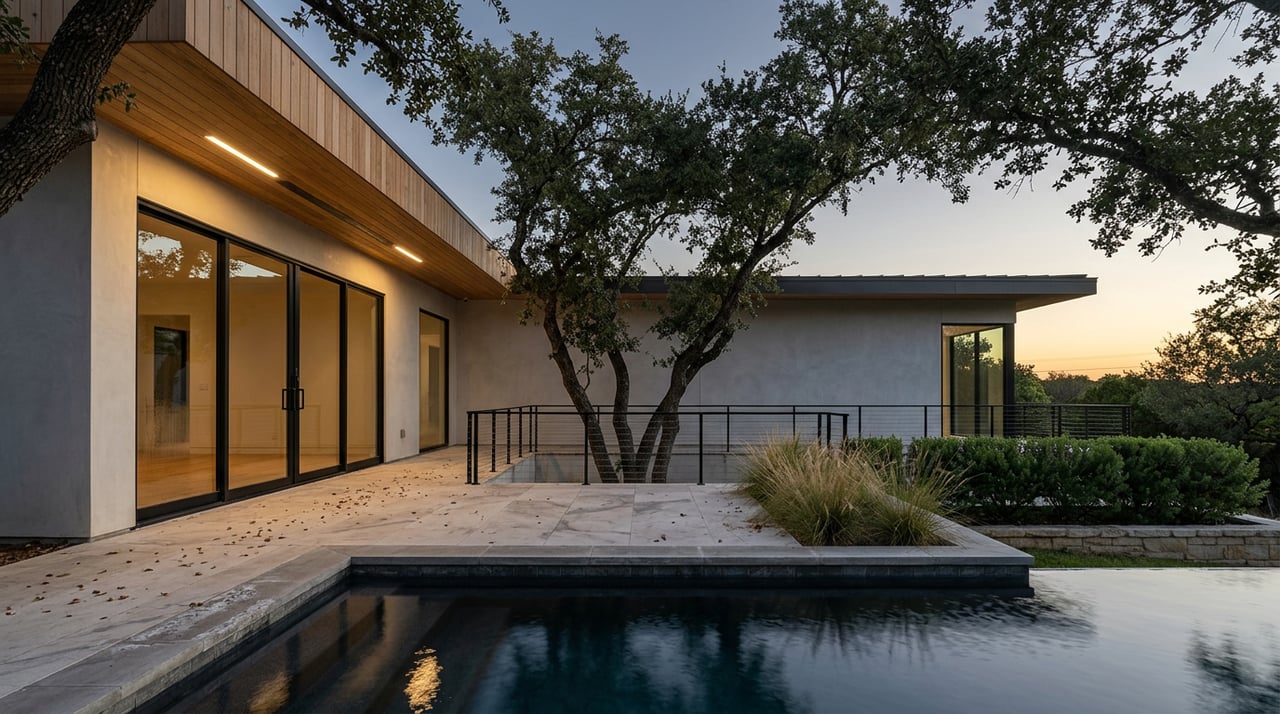
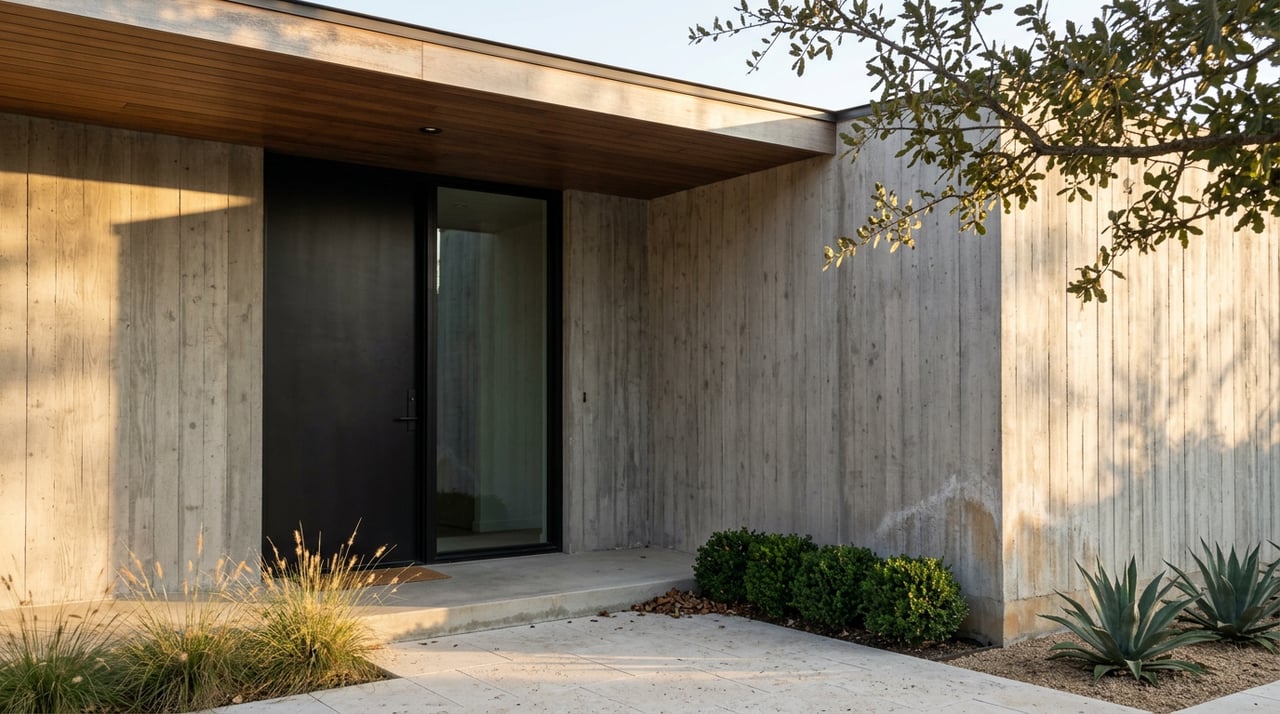
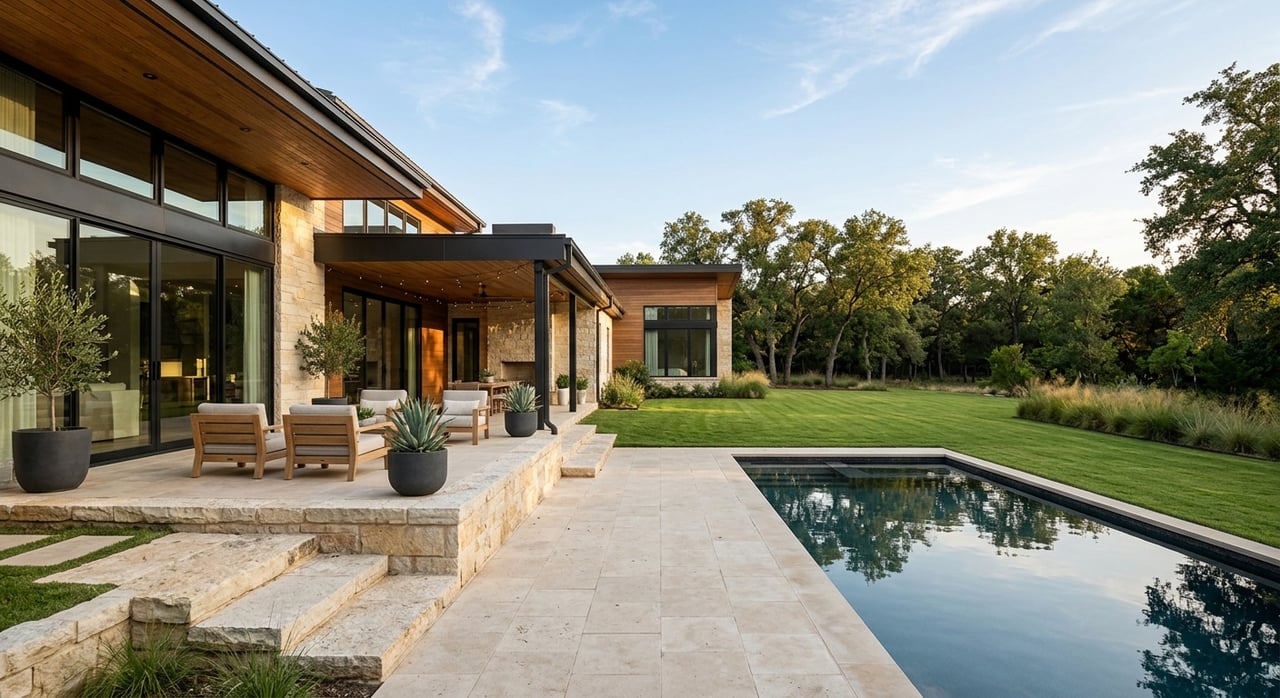
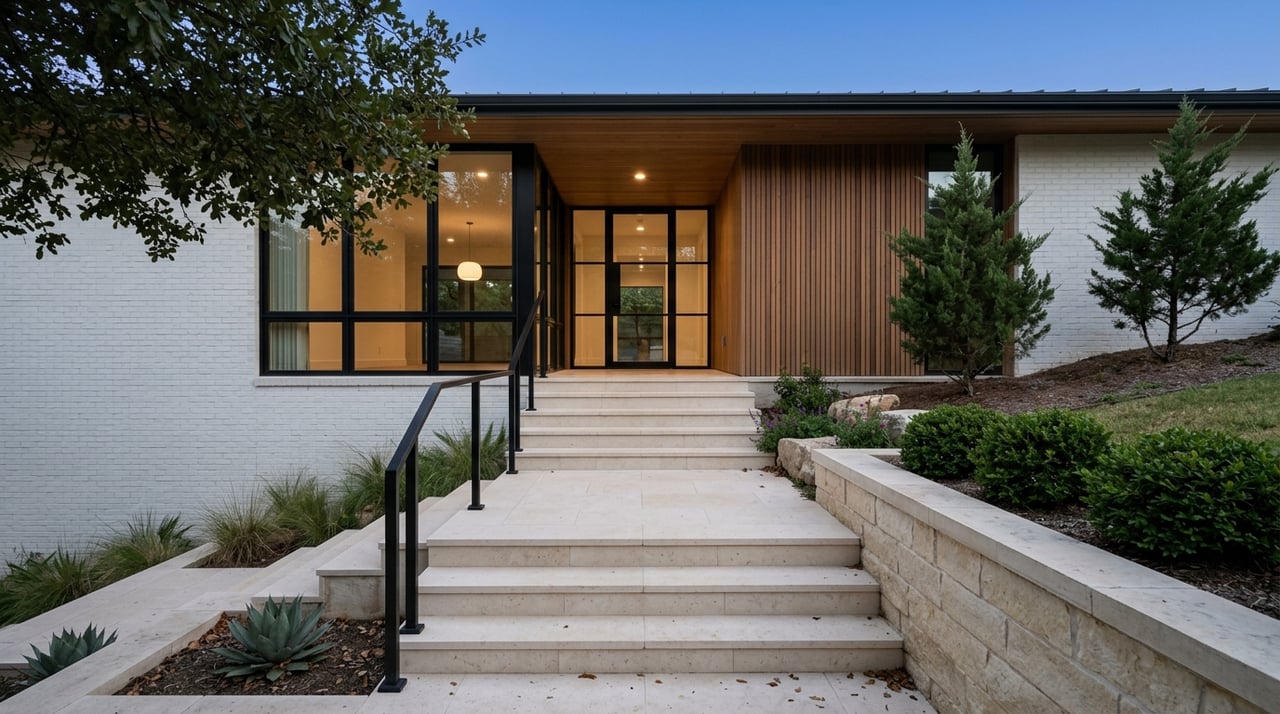
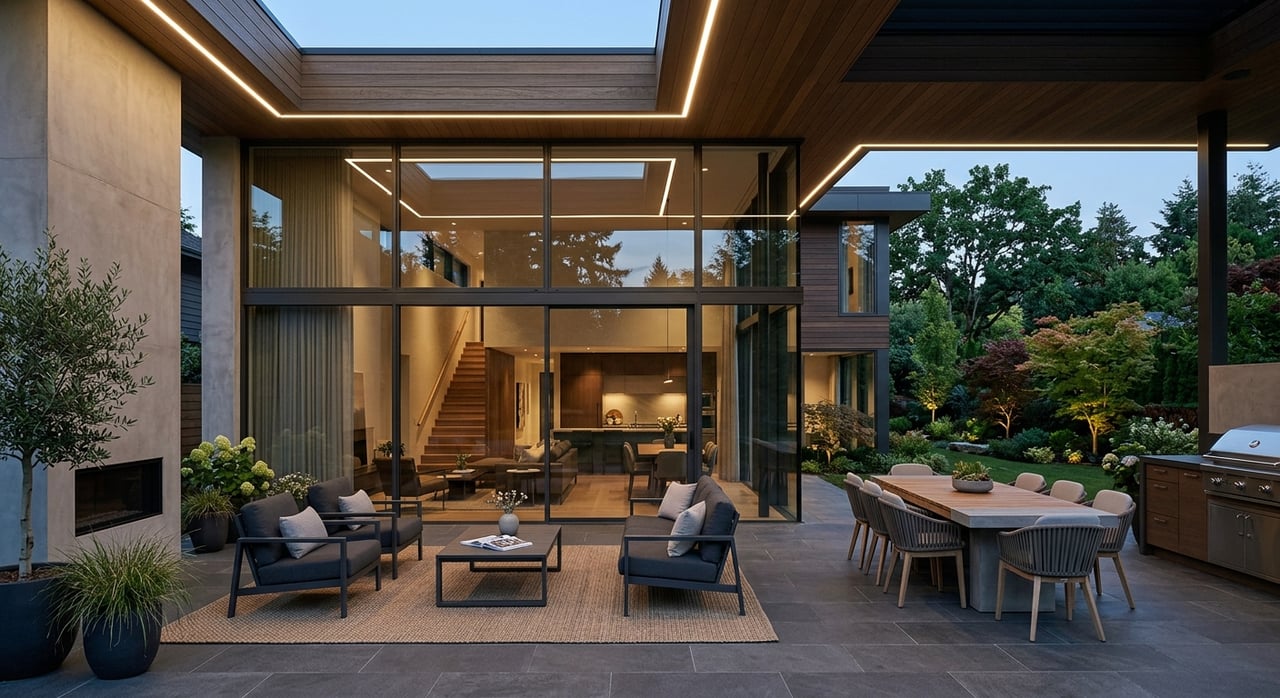
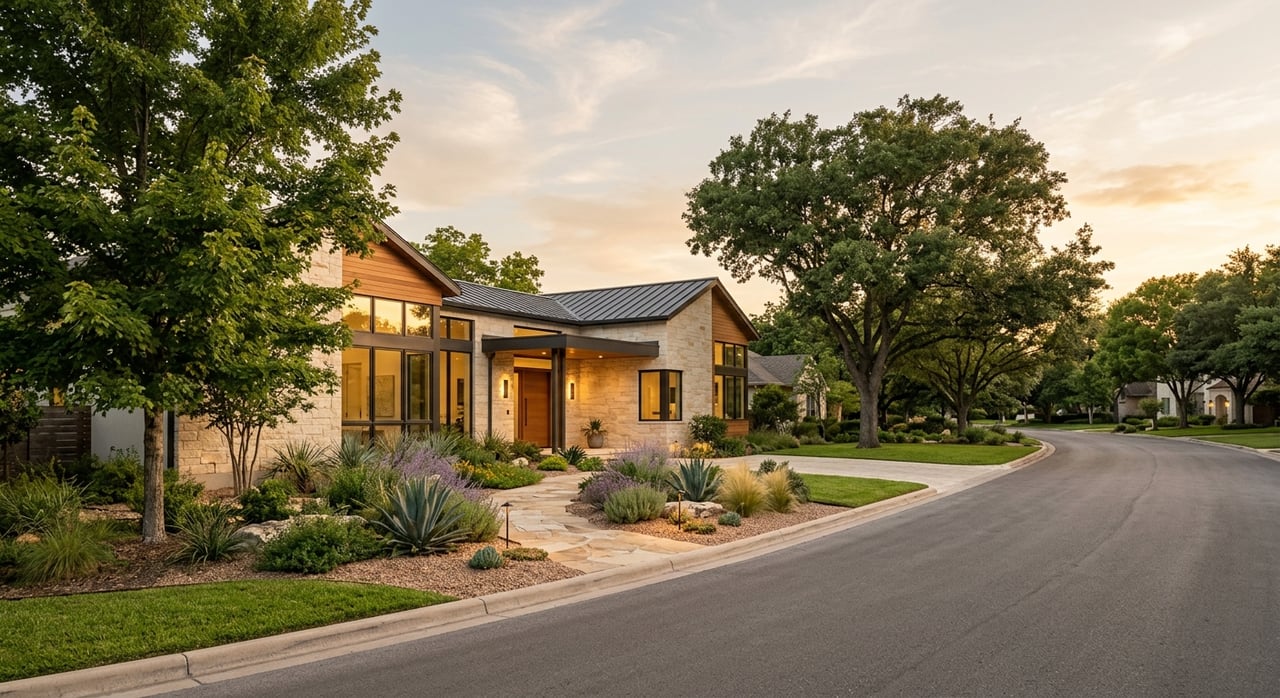
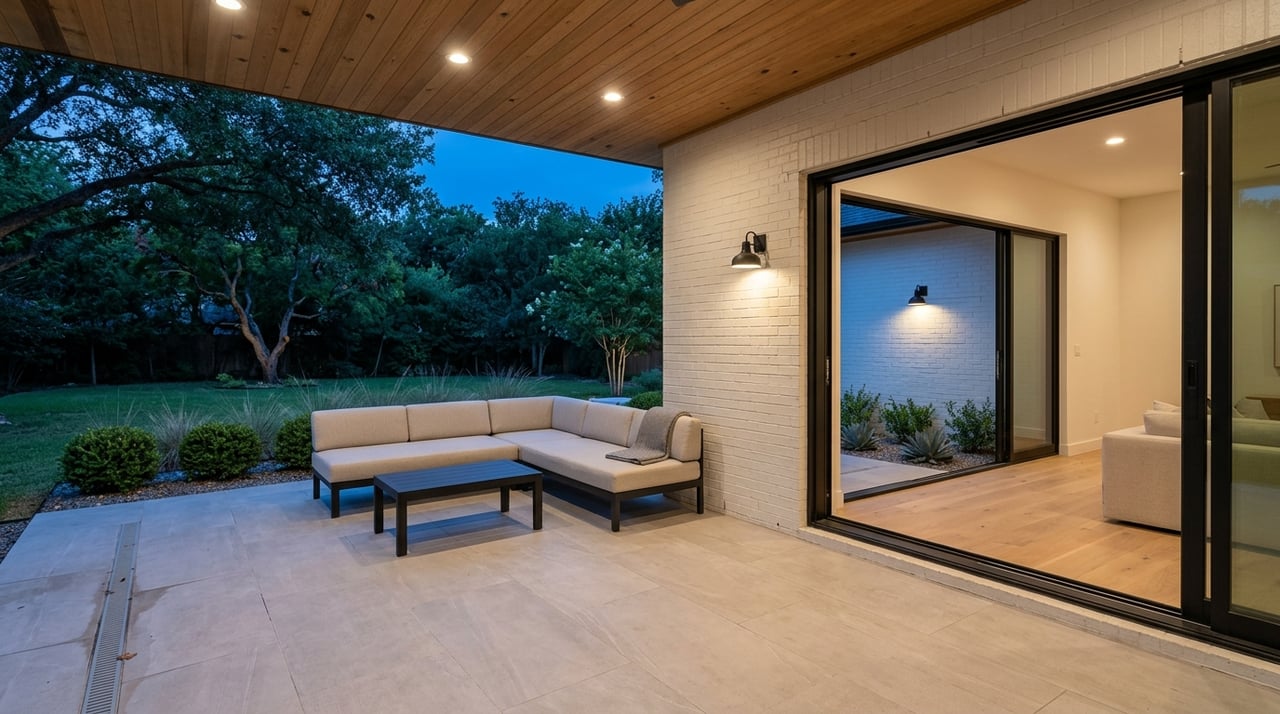
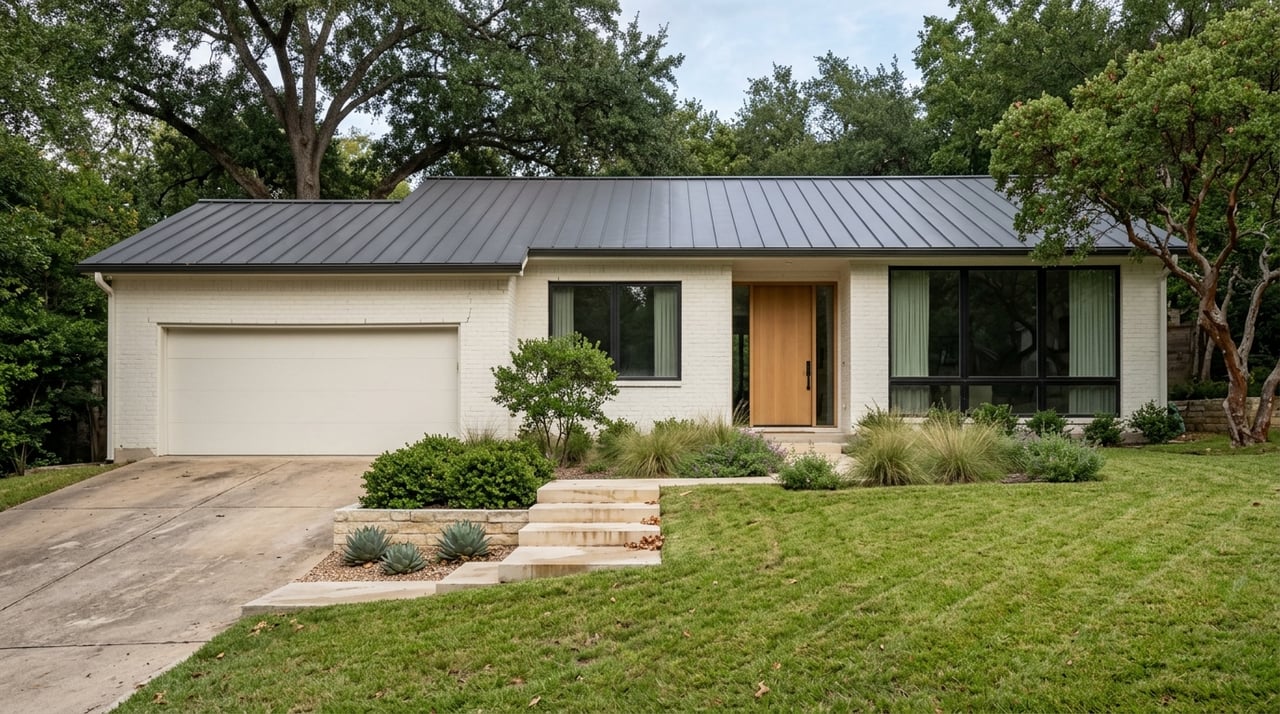
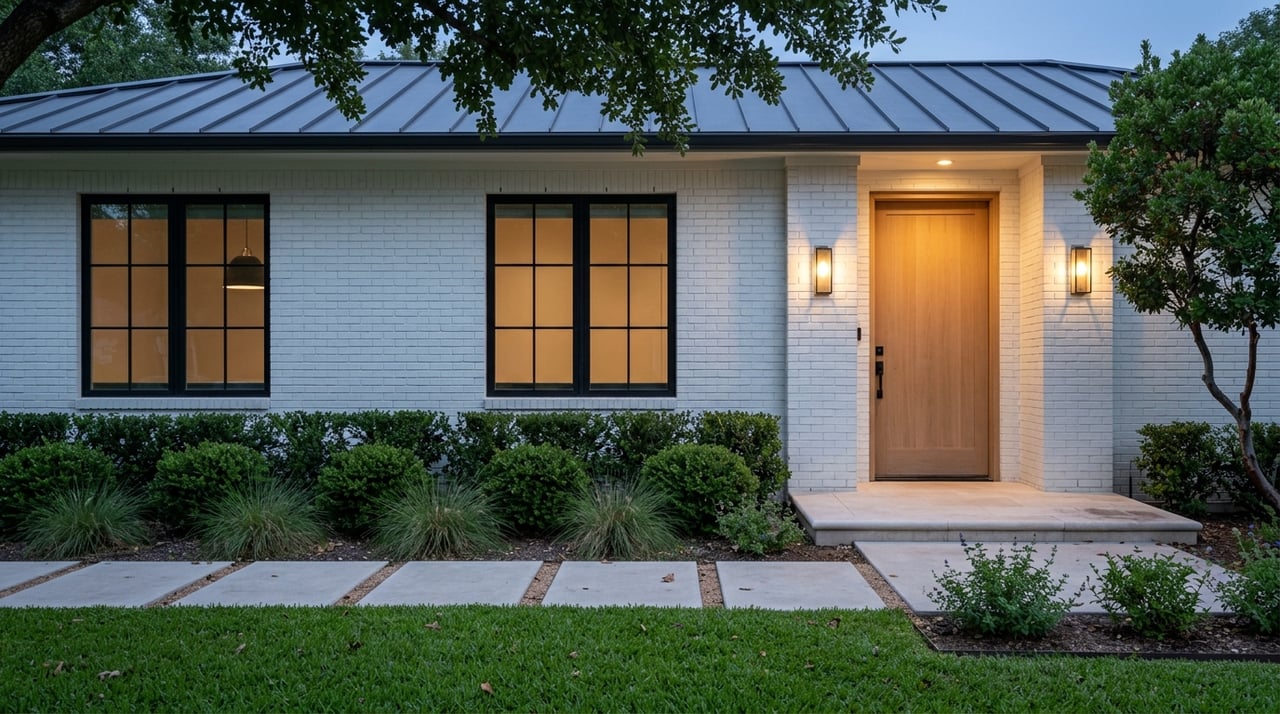
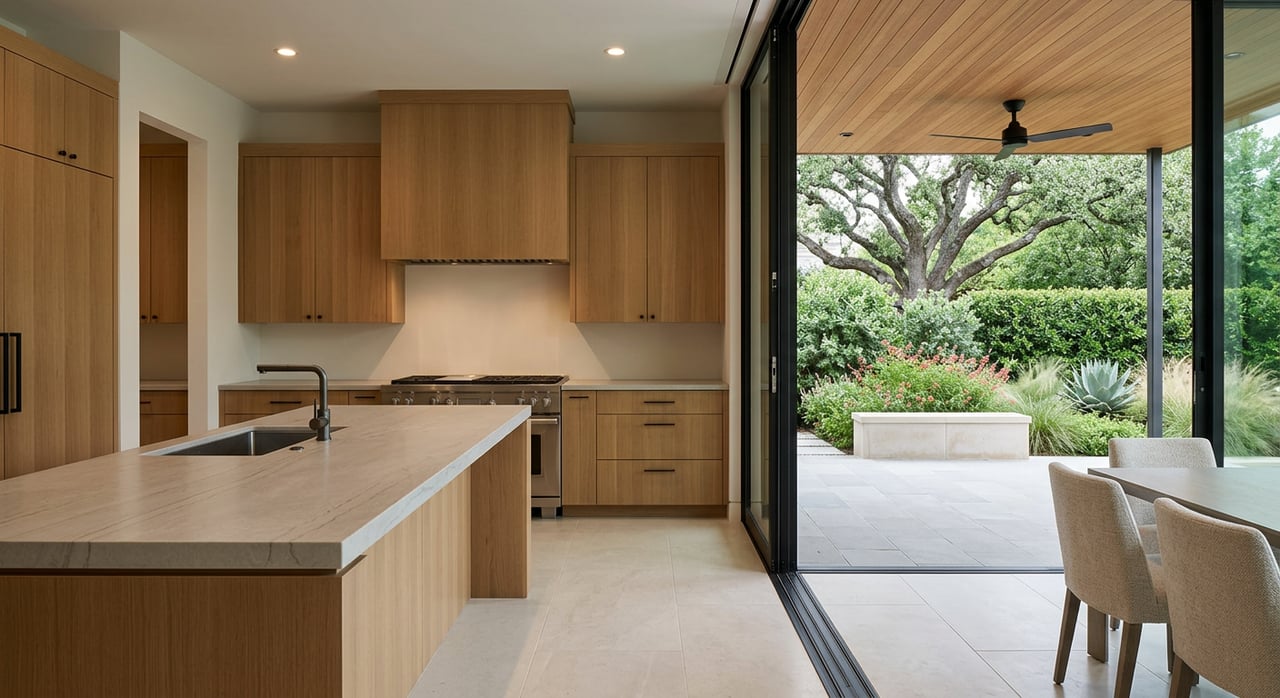
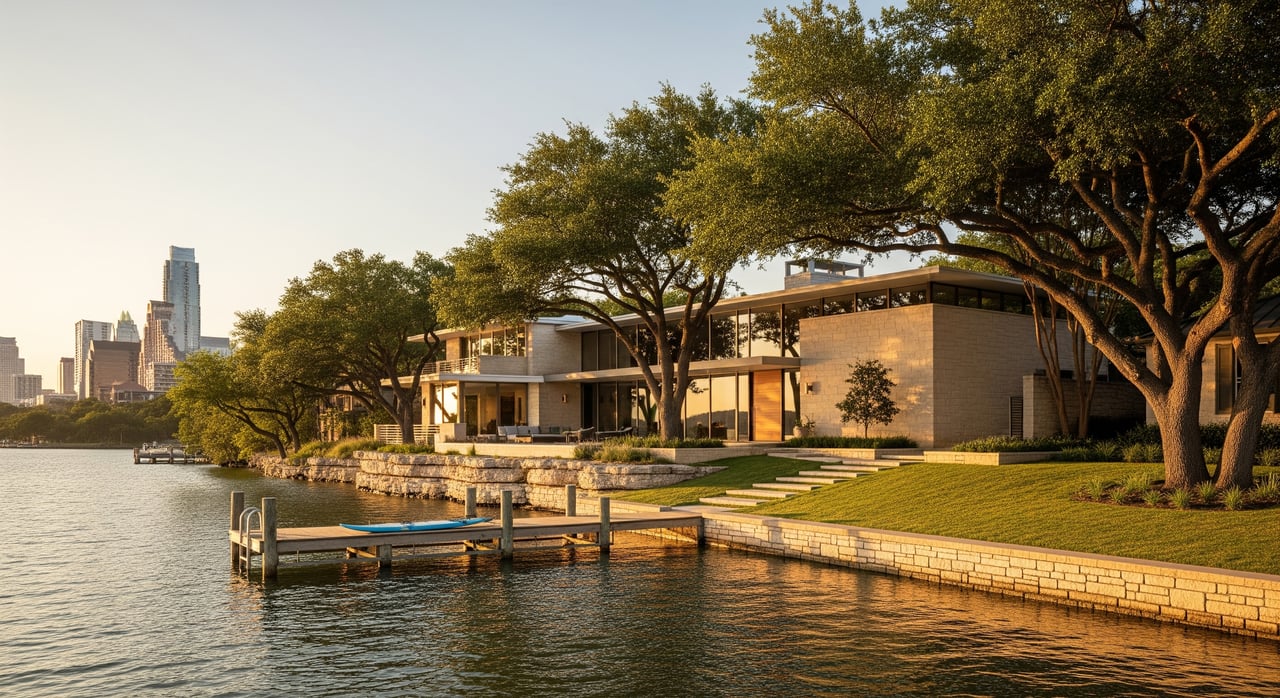
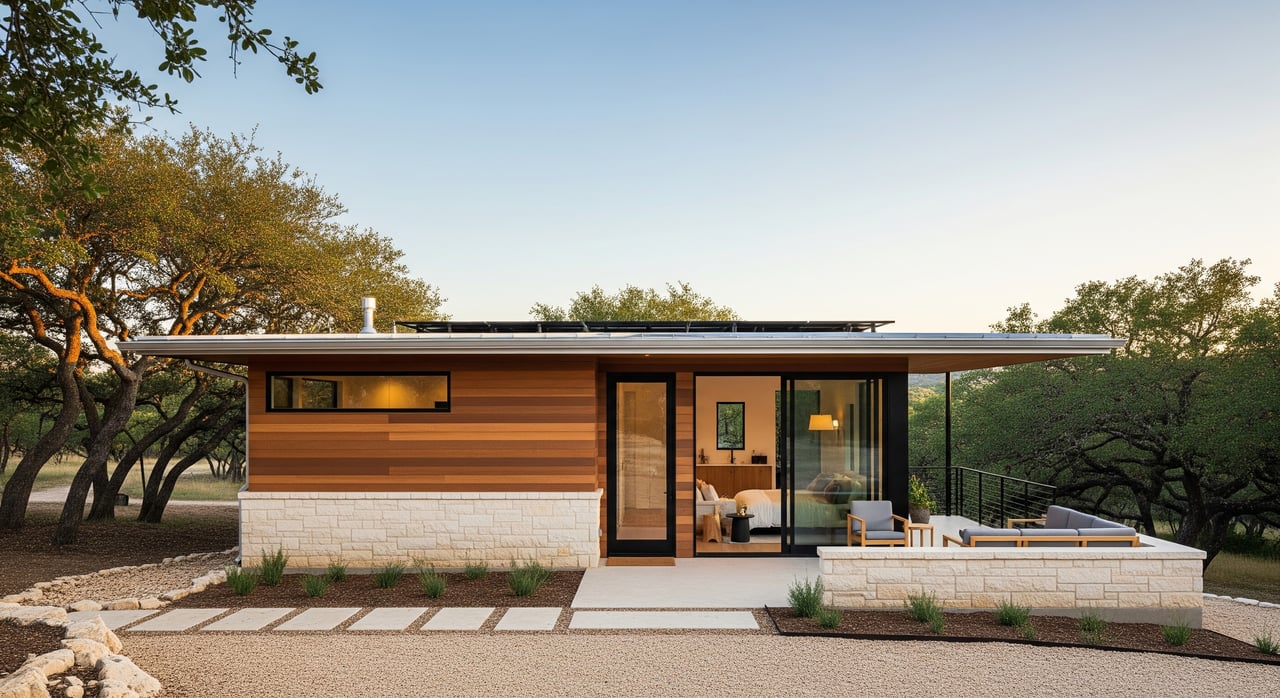
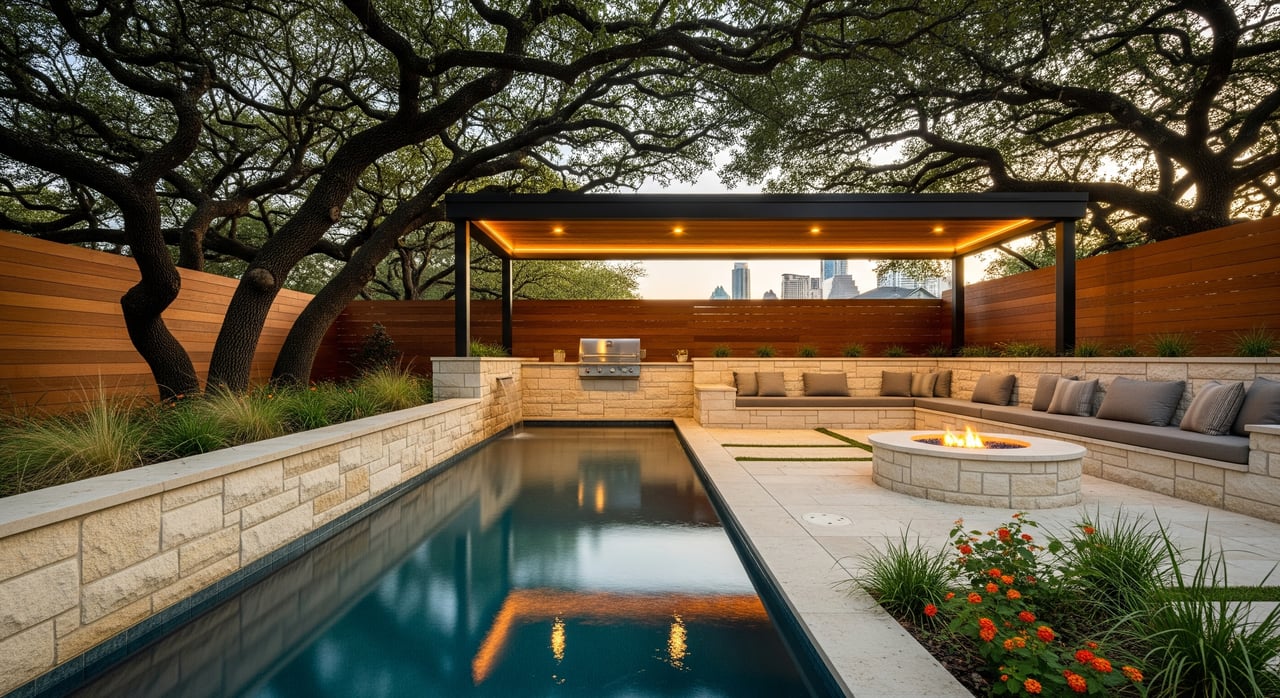
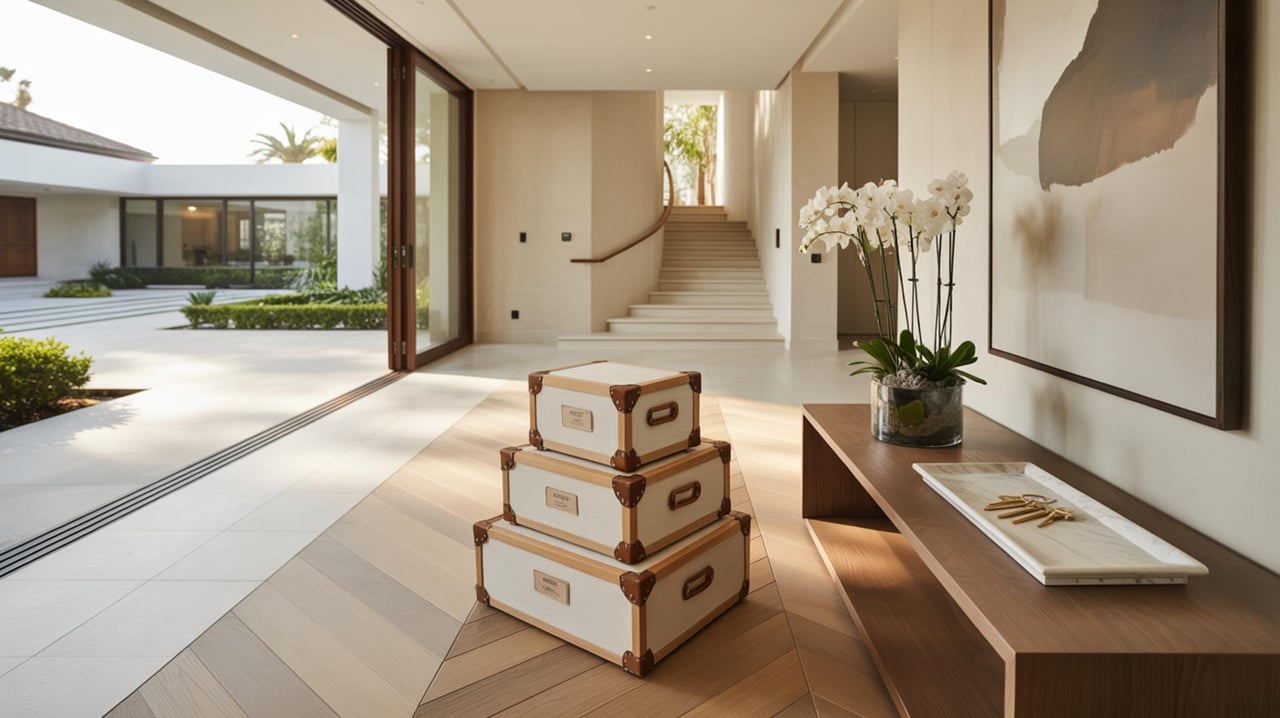
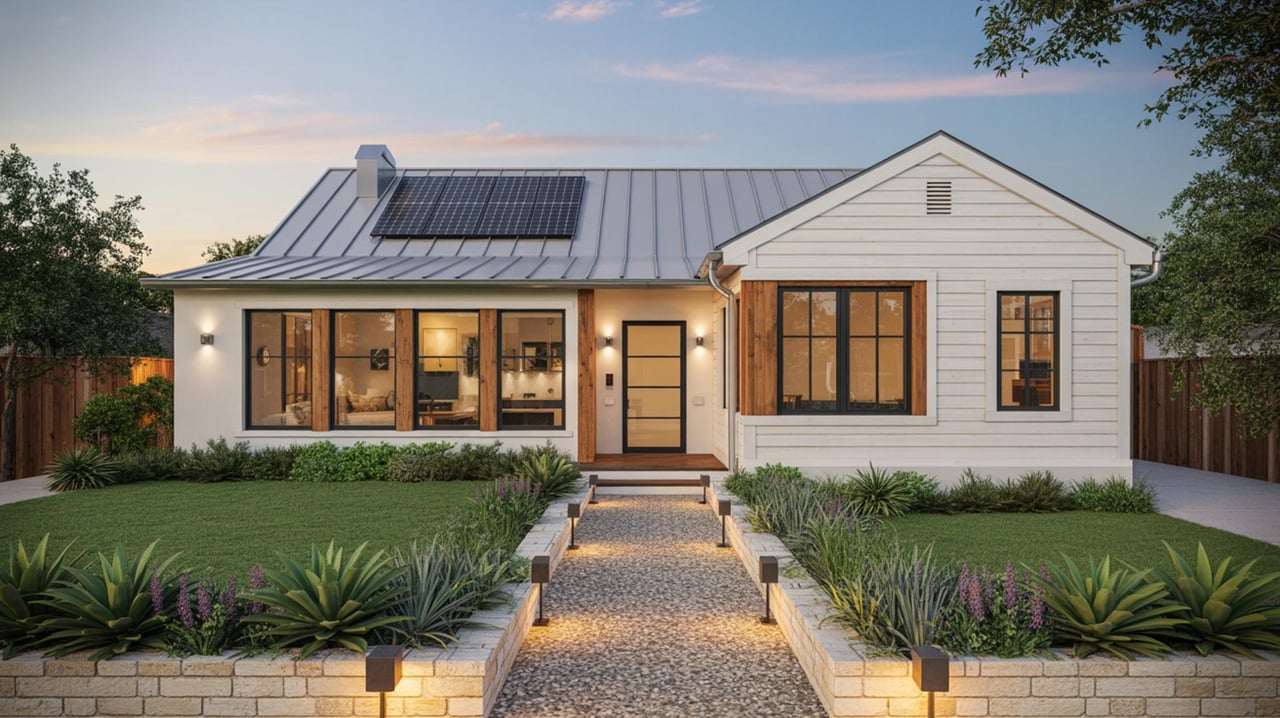
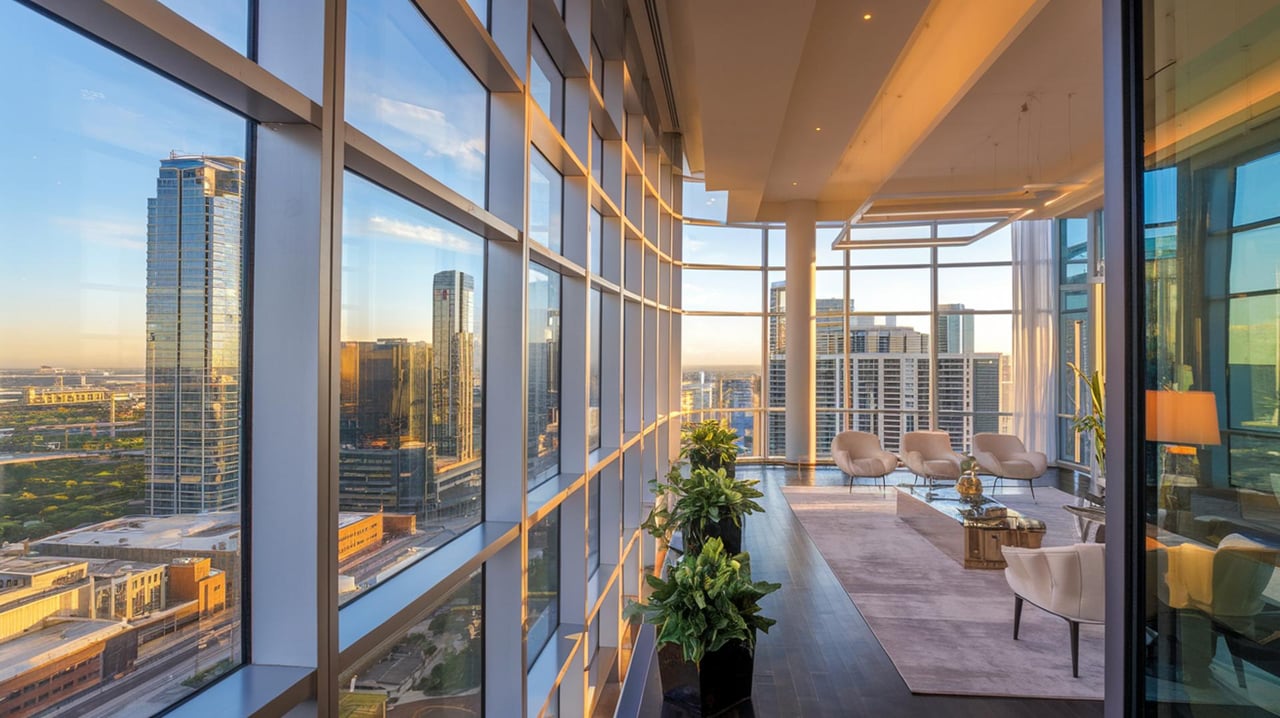
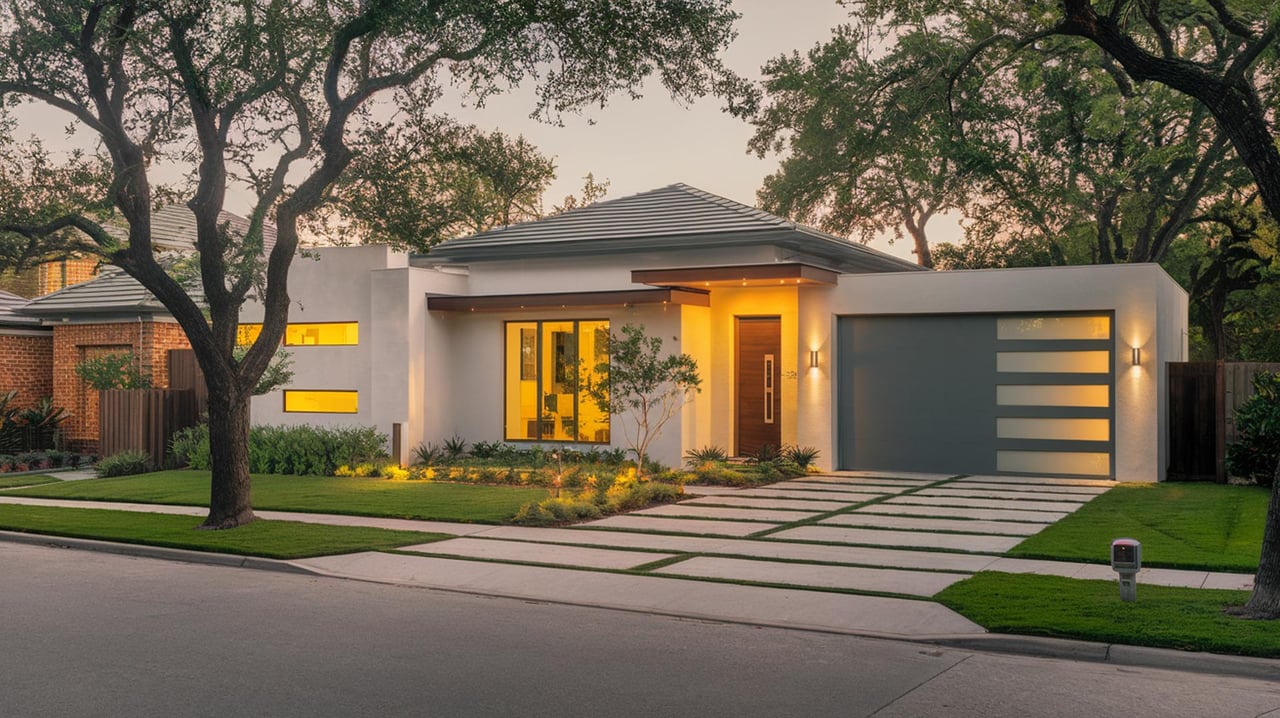
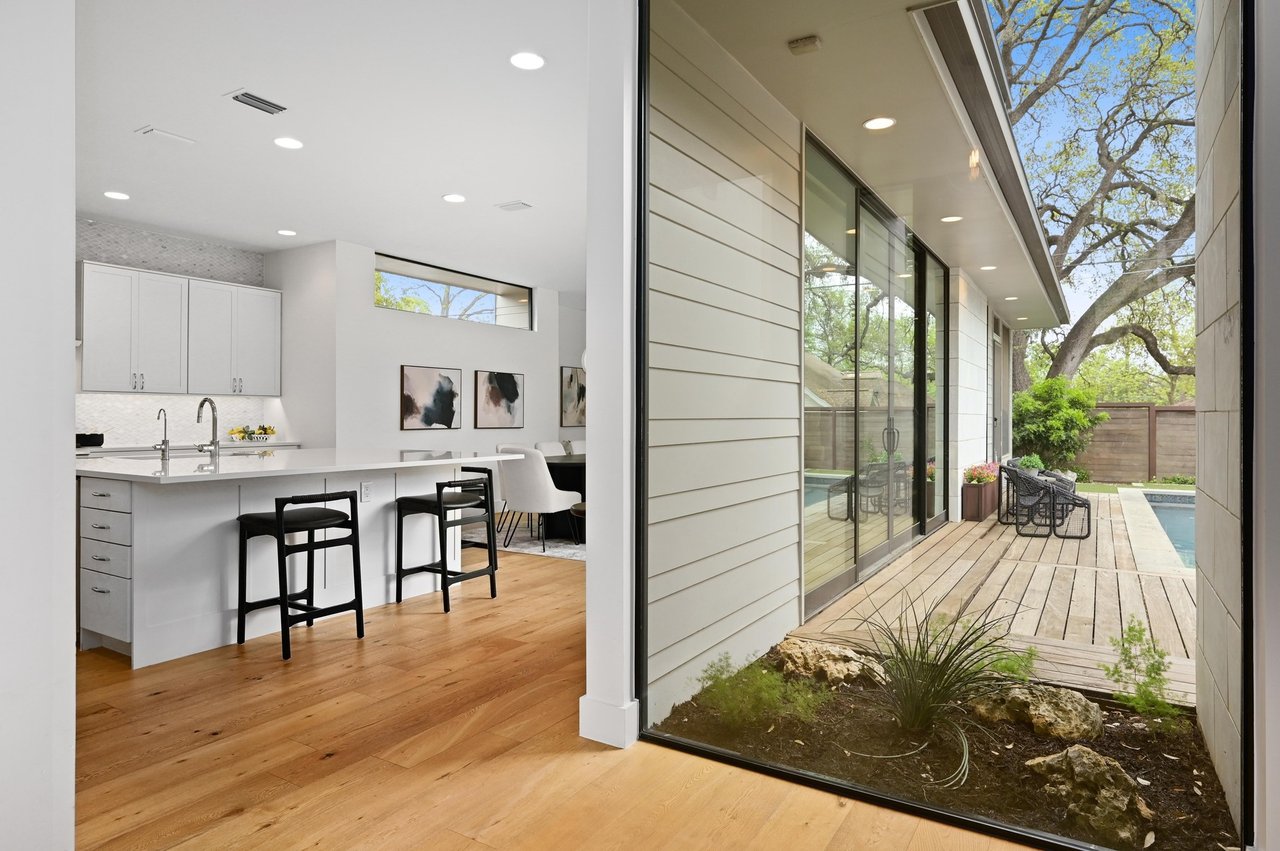
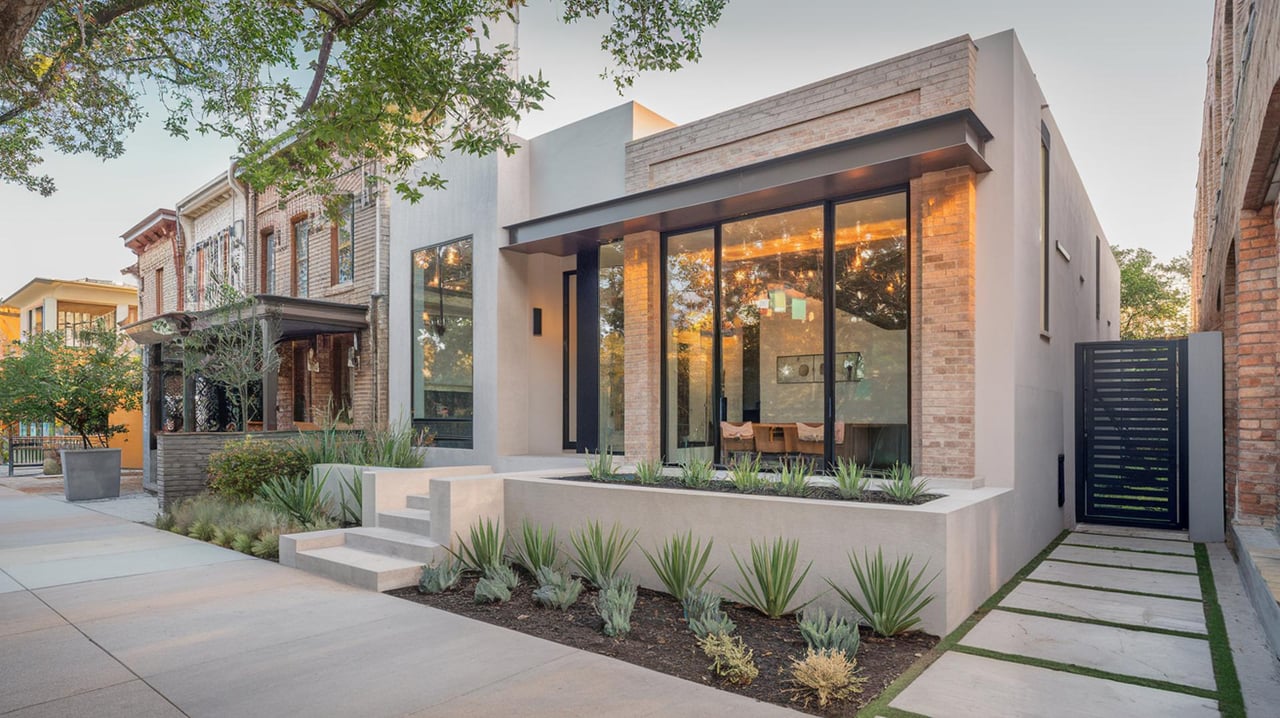
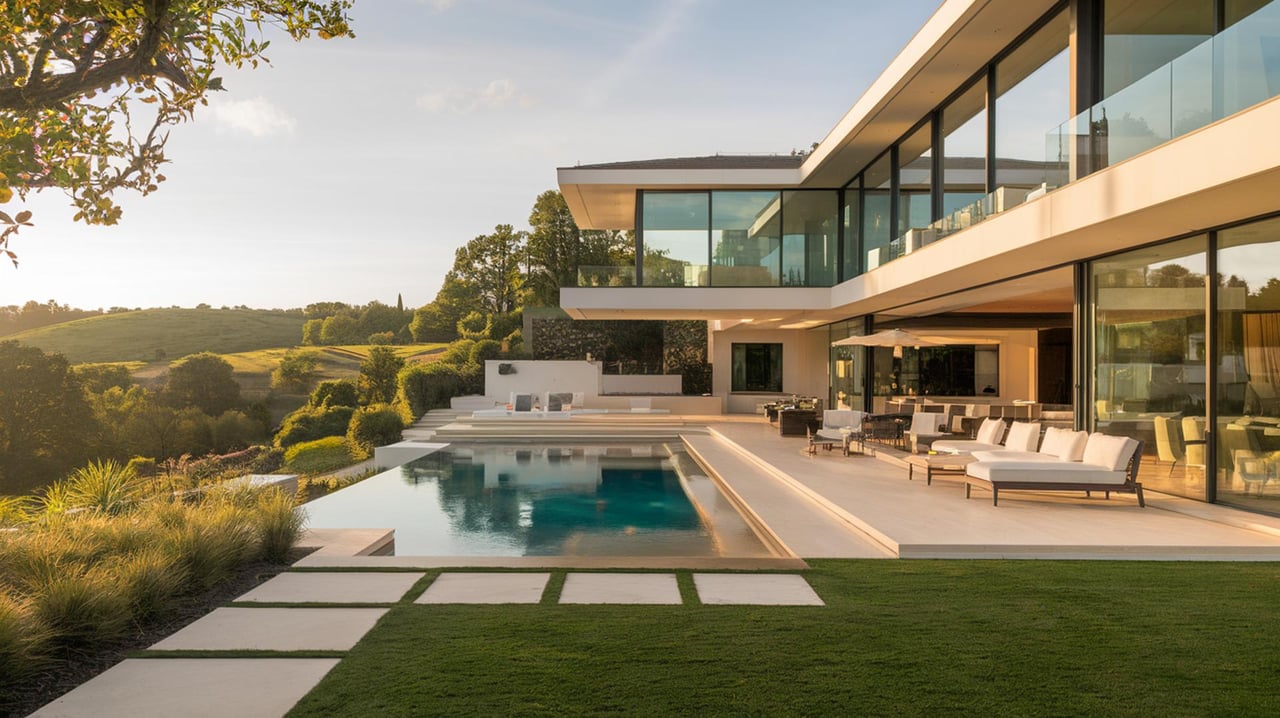
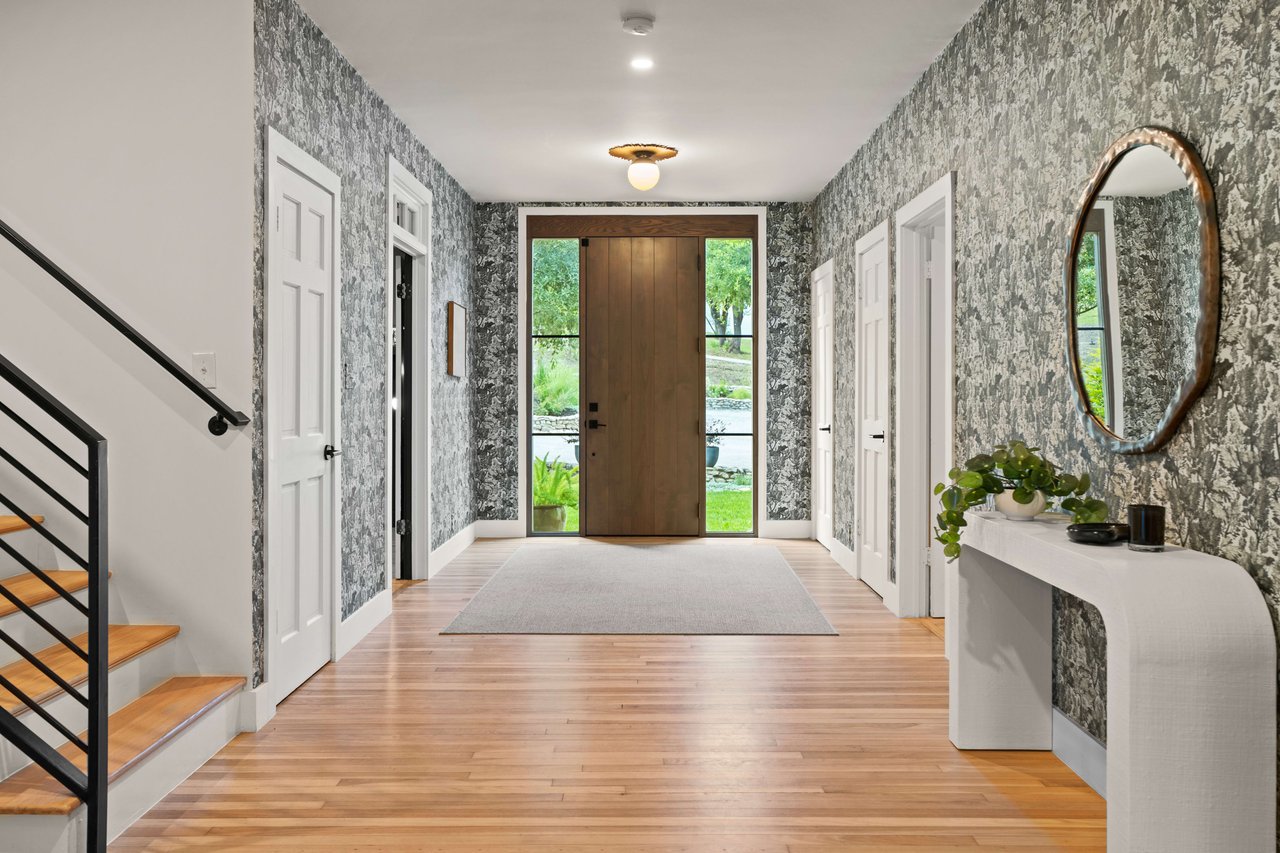
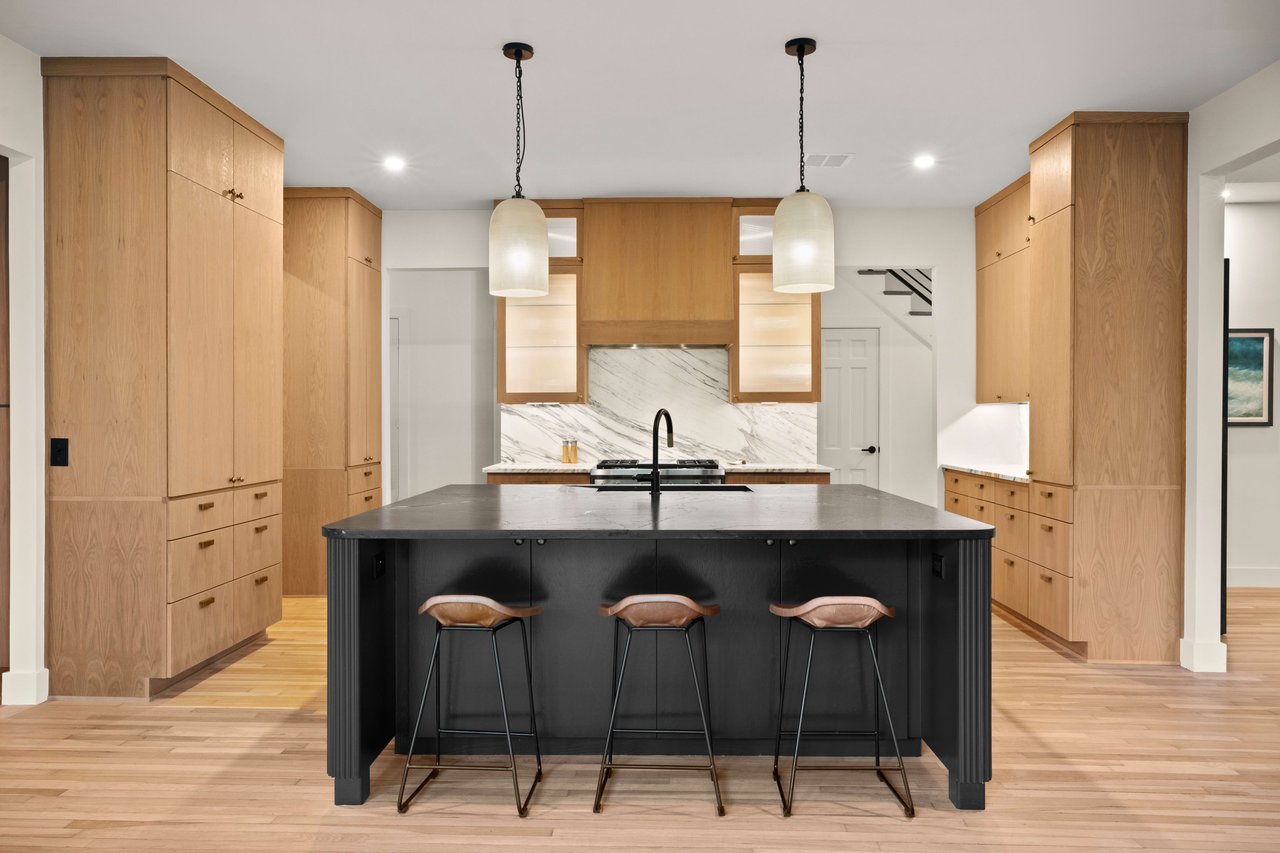
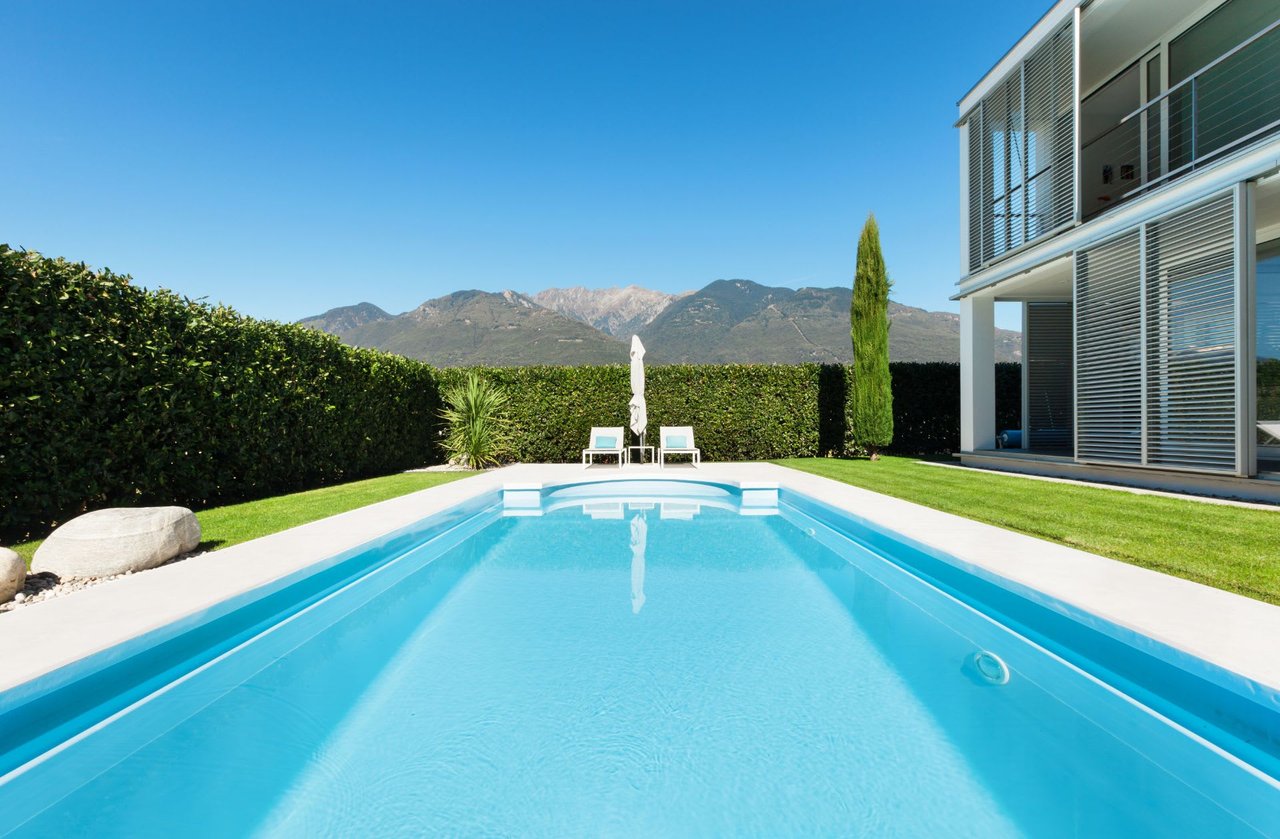
Recent homes often step up in size and bring streamlined design.
You’ll also see duplexes, small multi-unit conversions, and ADUs. These options increase housing choice and density on compact lots. Design quality and siting matter for how they feel on the street and how they fit into the neighborhood rhythm.
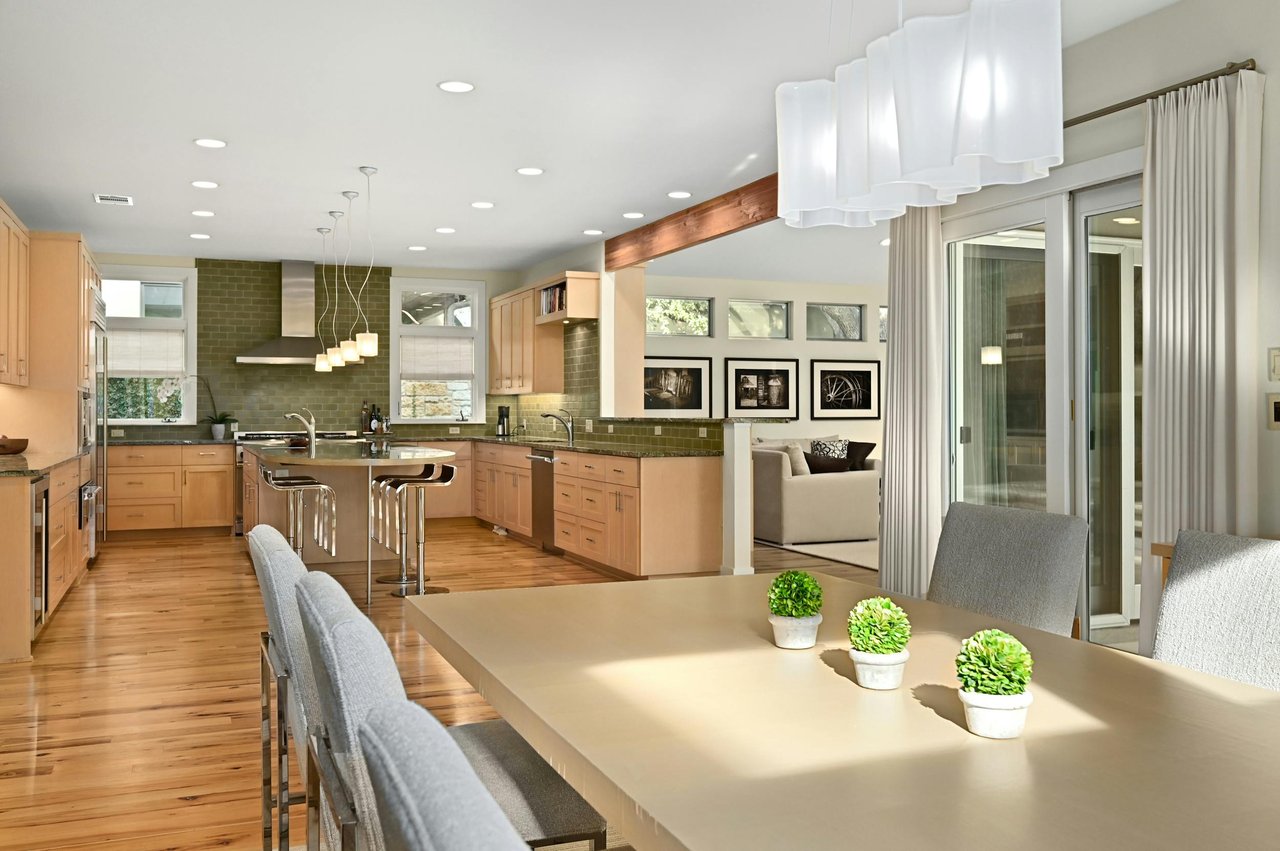
Older cottages and bungalows typically have smaller footprints, which can mean lower exterior maintenance and cozy interiors. They also require creative storage and smart furniture choices. Newer builds deliver larger bedrooms and flexible spaces, often with a vertical layout that trades yard area for interior volume.
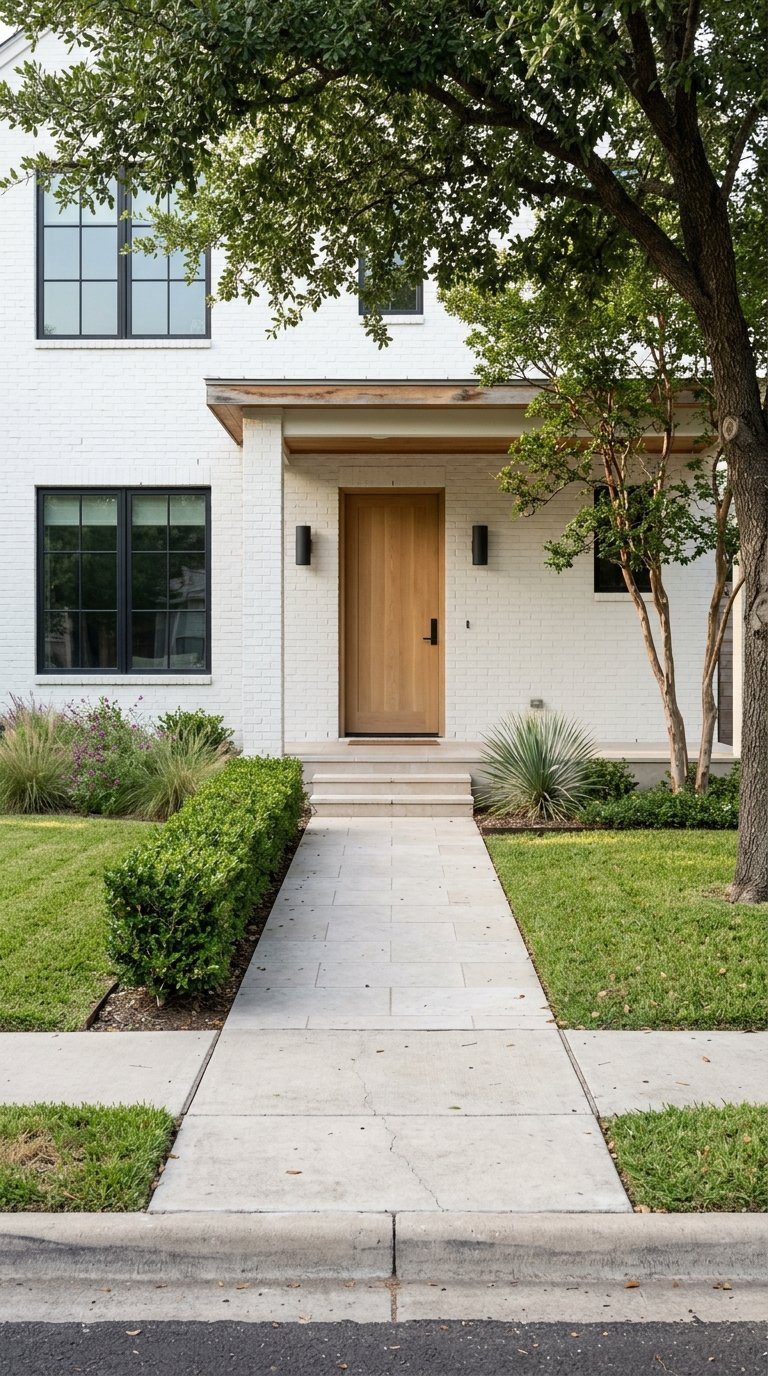
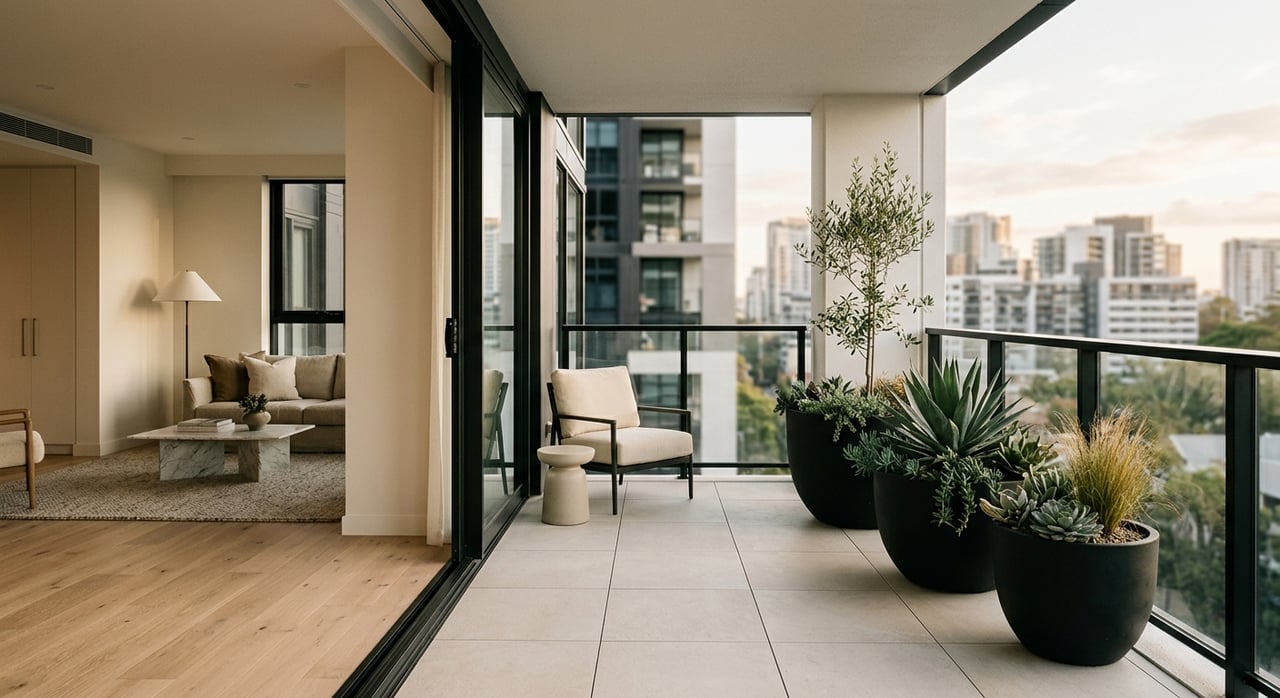
Traditional front porches bring neighbors together and support easy, walkable connections. Preserving a porch keeps that street-level social life in play. Modern homes often pivot to private outdoor spaces, with rear patios or rooftop decks that create a more inward lifestyle.
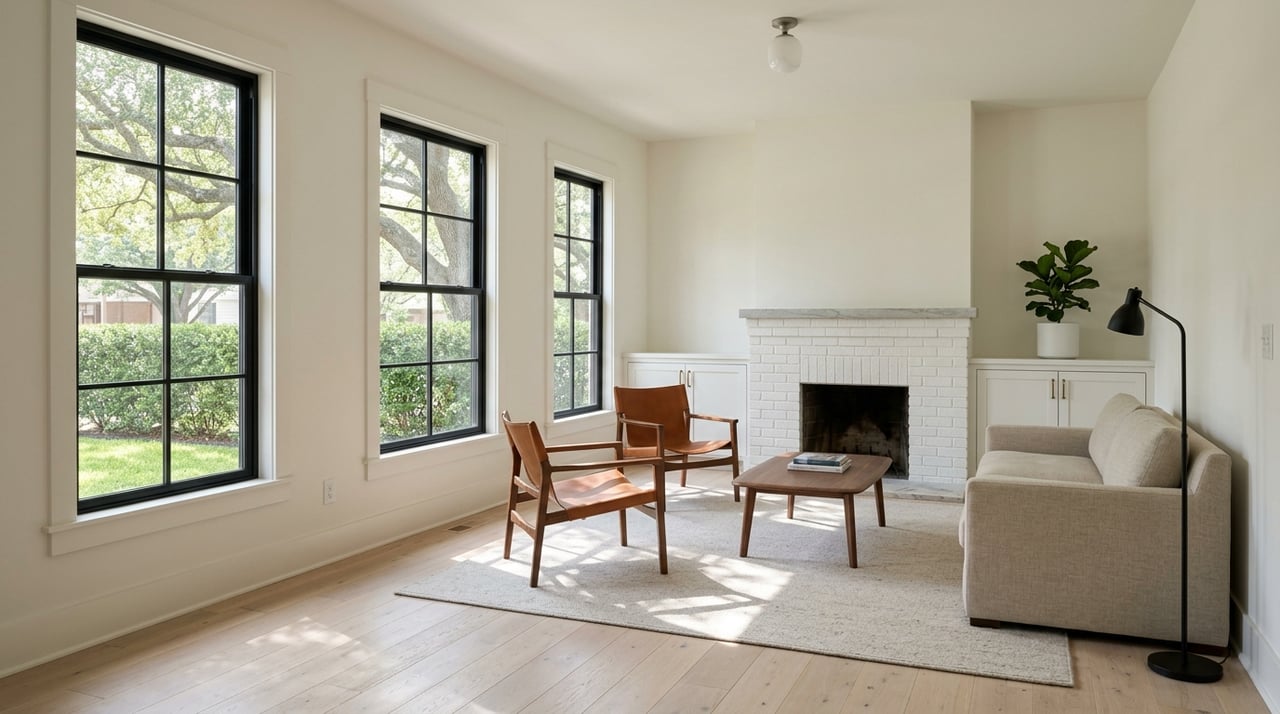
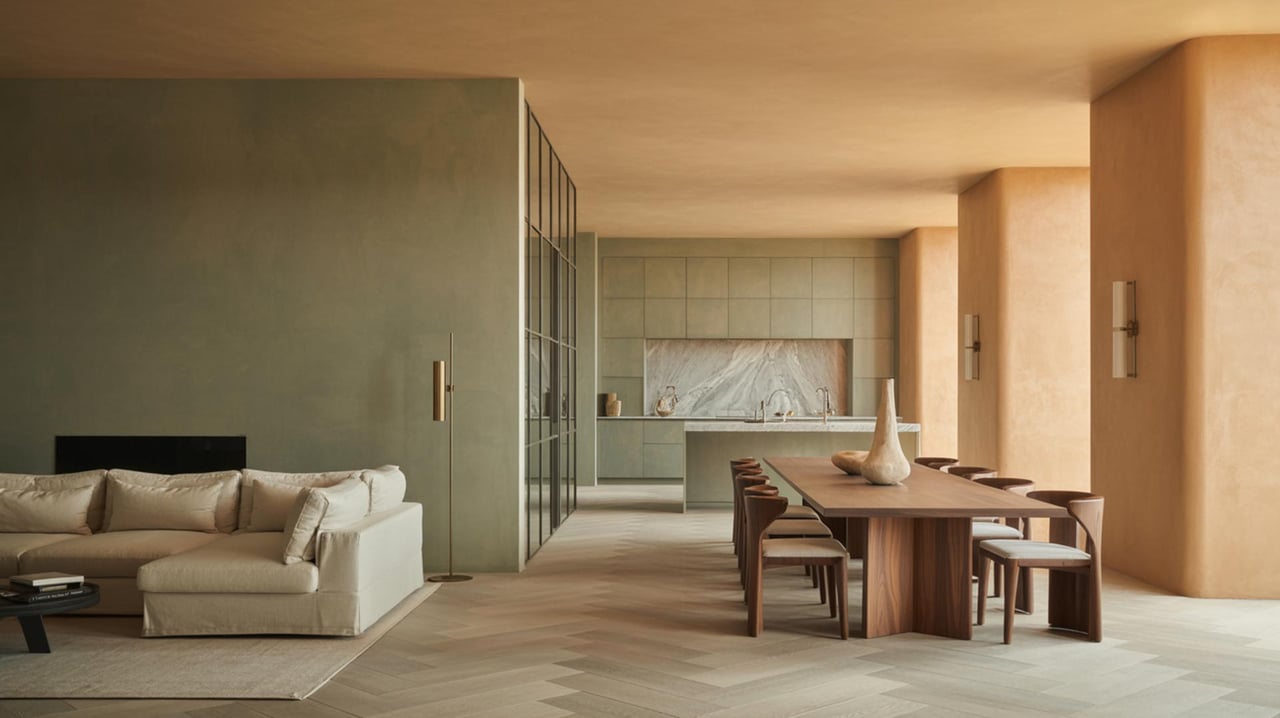
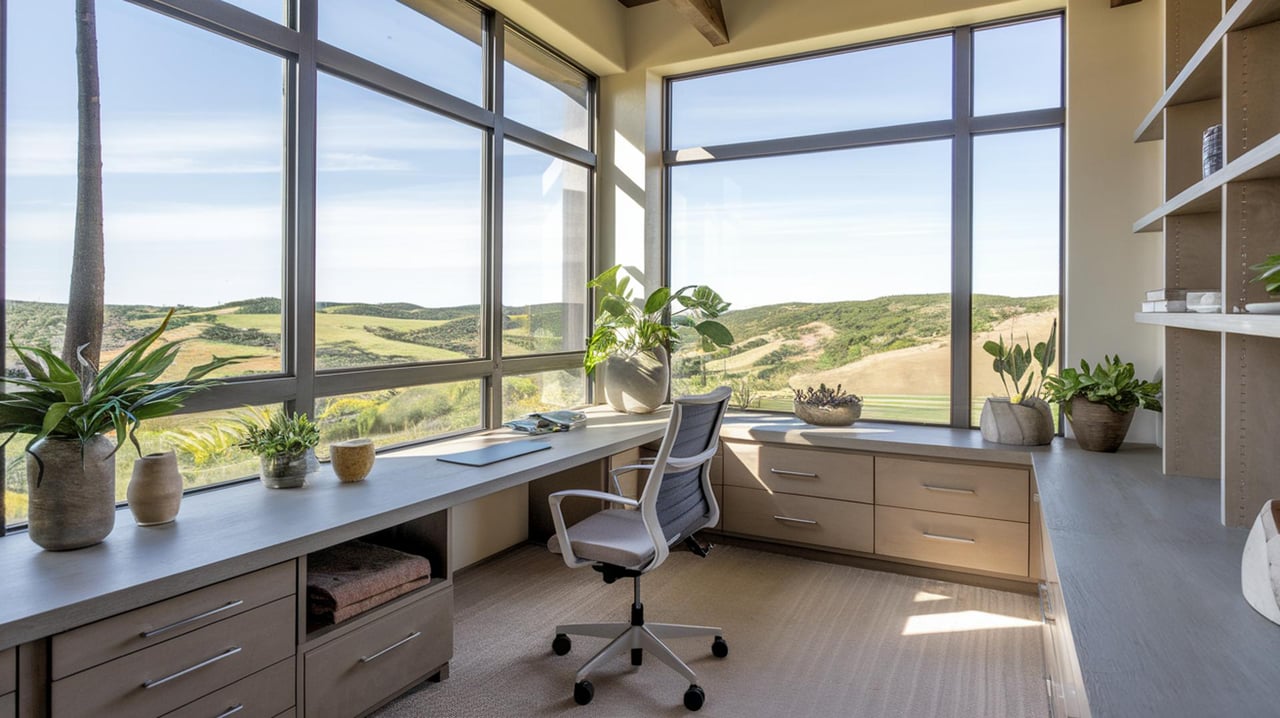
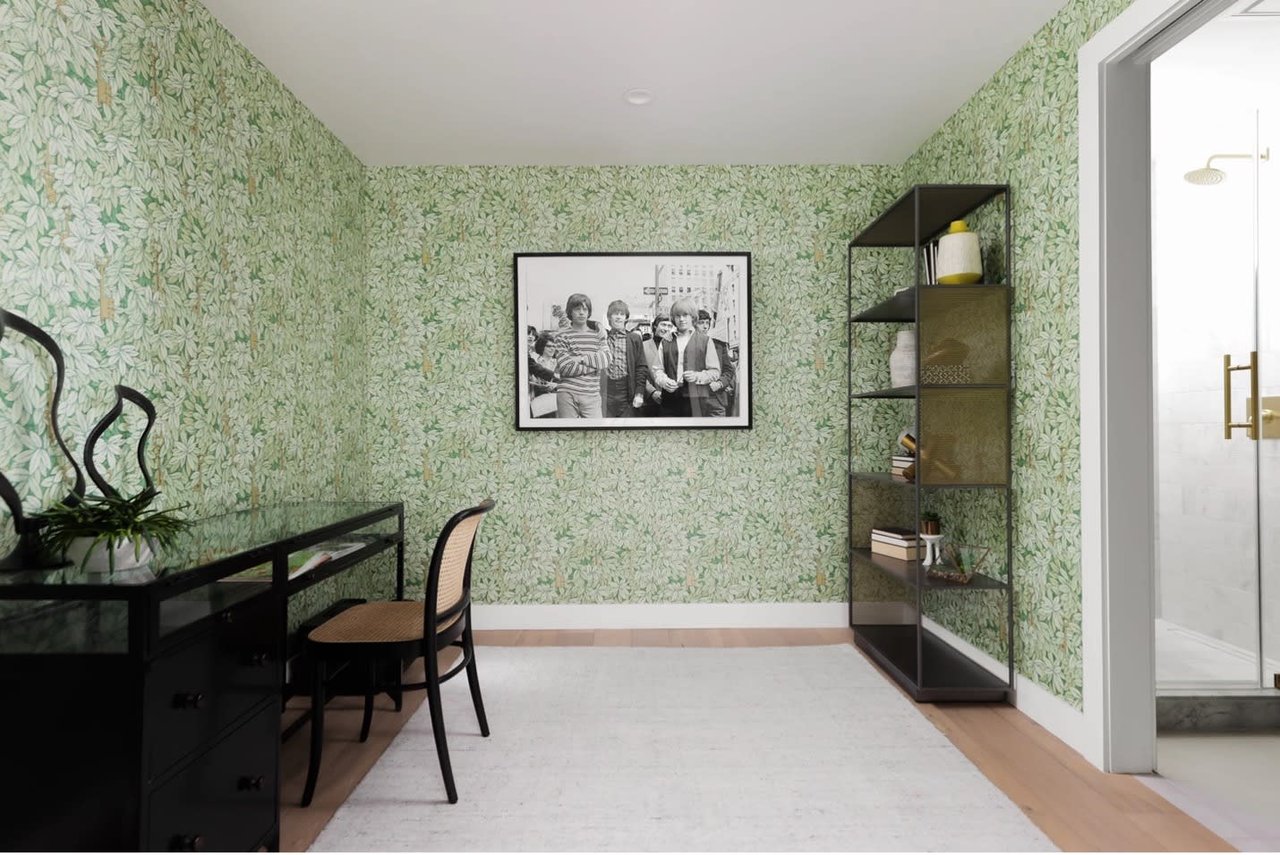
Historic homes tend to have smaller windows and more defined rooms. Many renovations open up sightlines and enlarge window openings to introduce more daylight. If you love original built-ins and moldings, you can keep them while adjusting walls and lighting for a brighter, more connected feel.
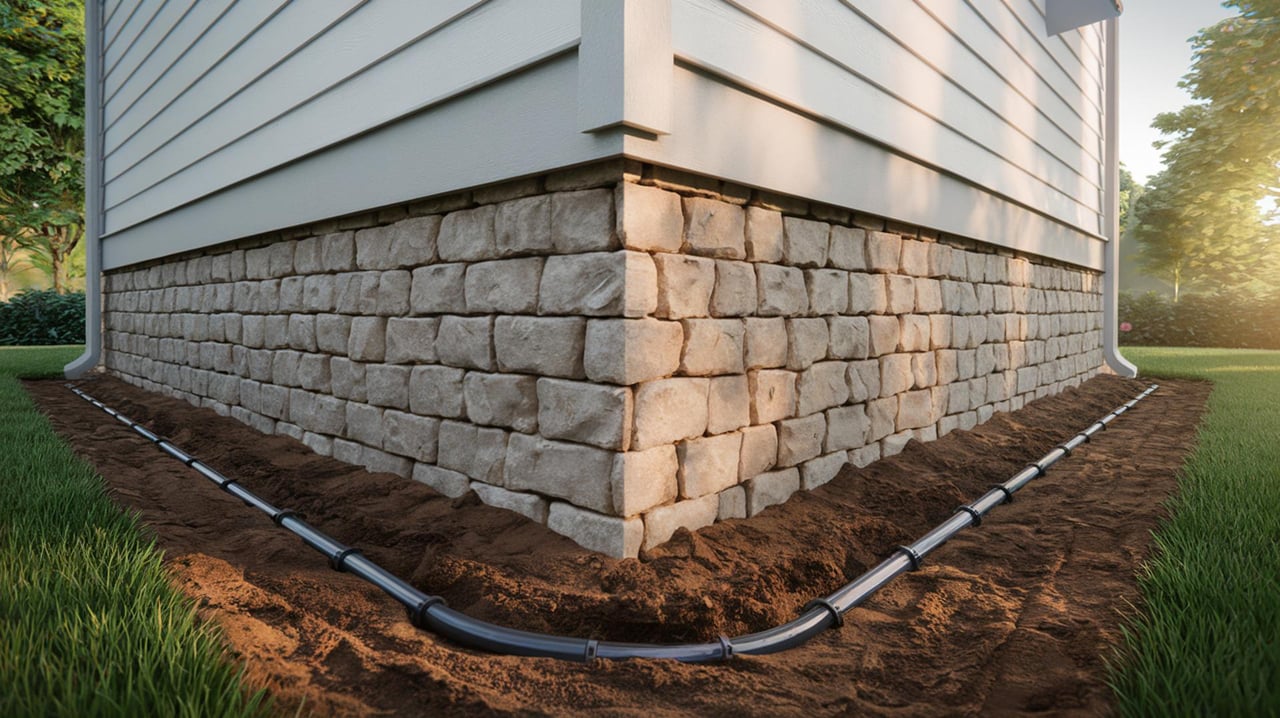
Older houses may need attention to electrical, plumbing, foundations, insulation, and original wood elements. Restoring historic materials properly can cost more than replacing them, so plan for specialized work. Modern infill usually includes energy-efficient systems and glazing, though compact lots may require careful planning for drainage, shading, and stormwater.
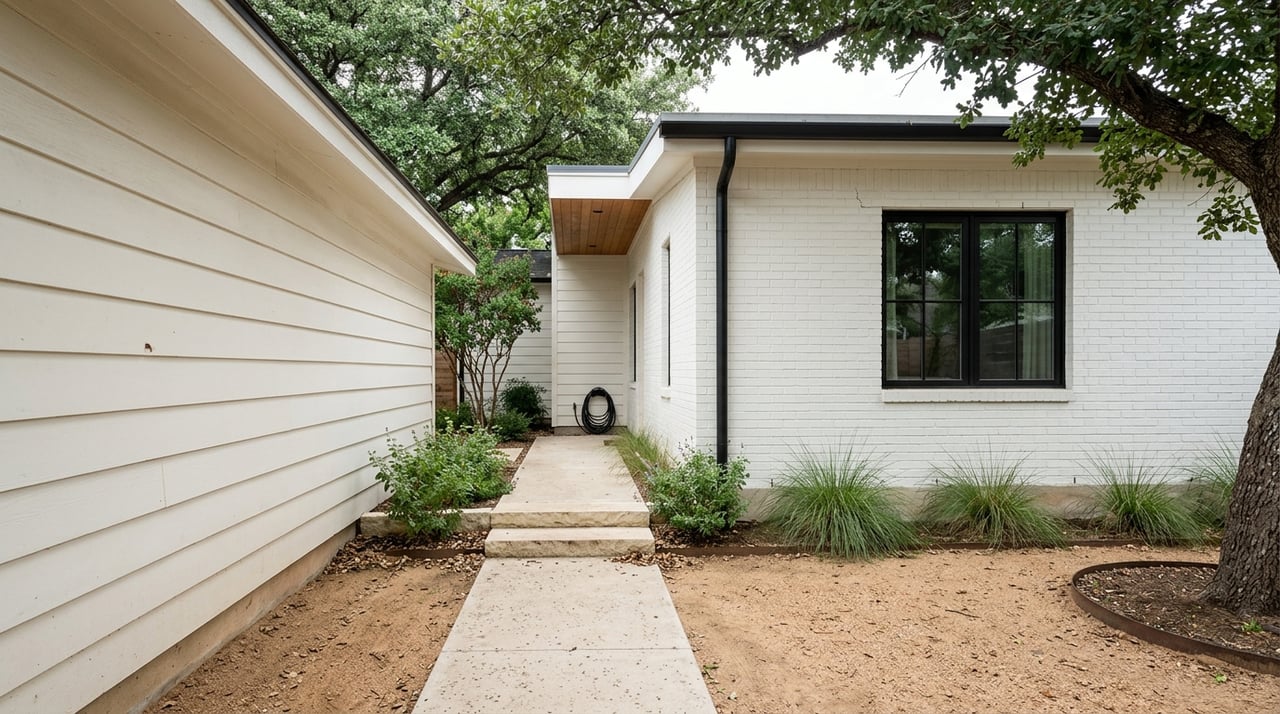
Early lot patterns did not anticipate today’s car needs. Expect narrow driveways, detached rear garages, or reliance on street parking. If you want an attached garage or multiple spaces, you may need to evaluate zoning, setbacks, or alternative configurations like ADUs alongside a parking plan.
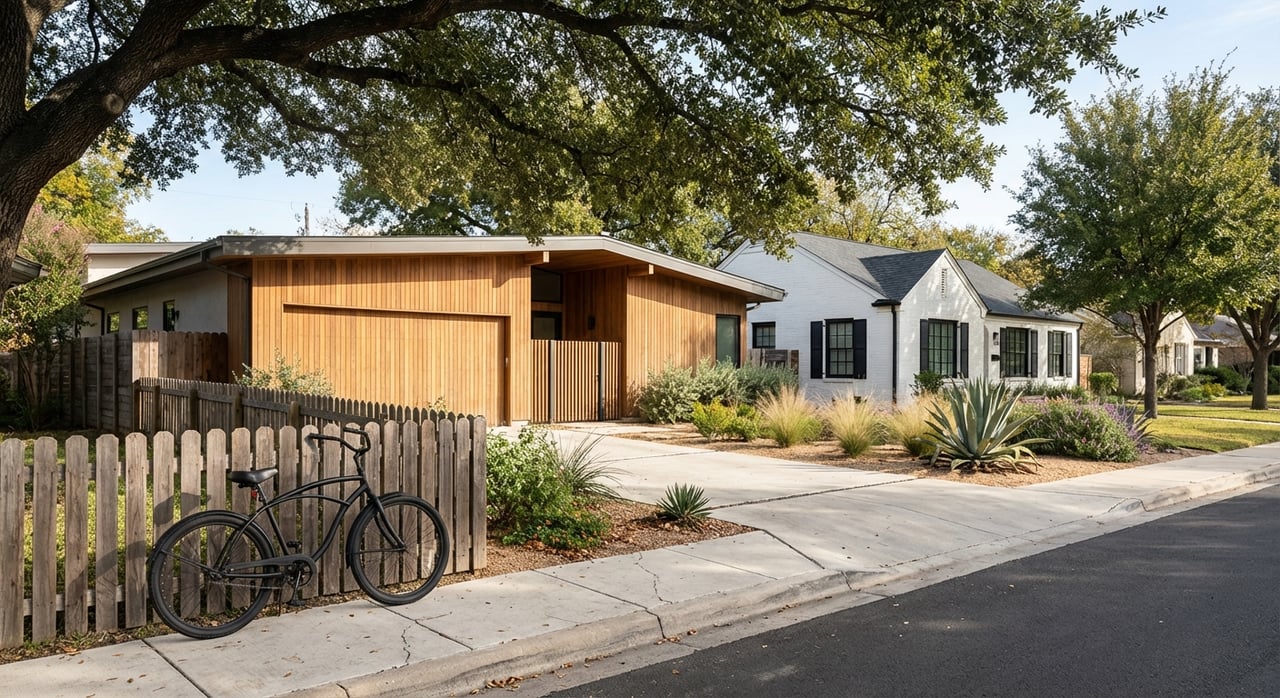
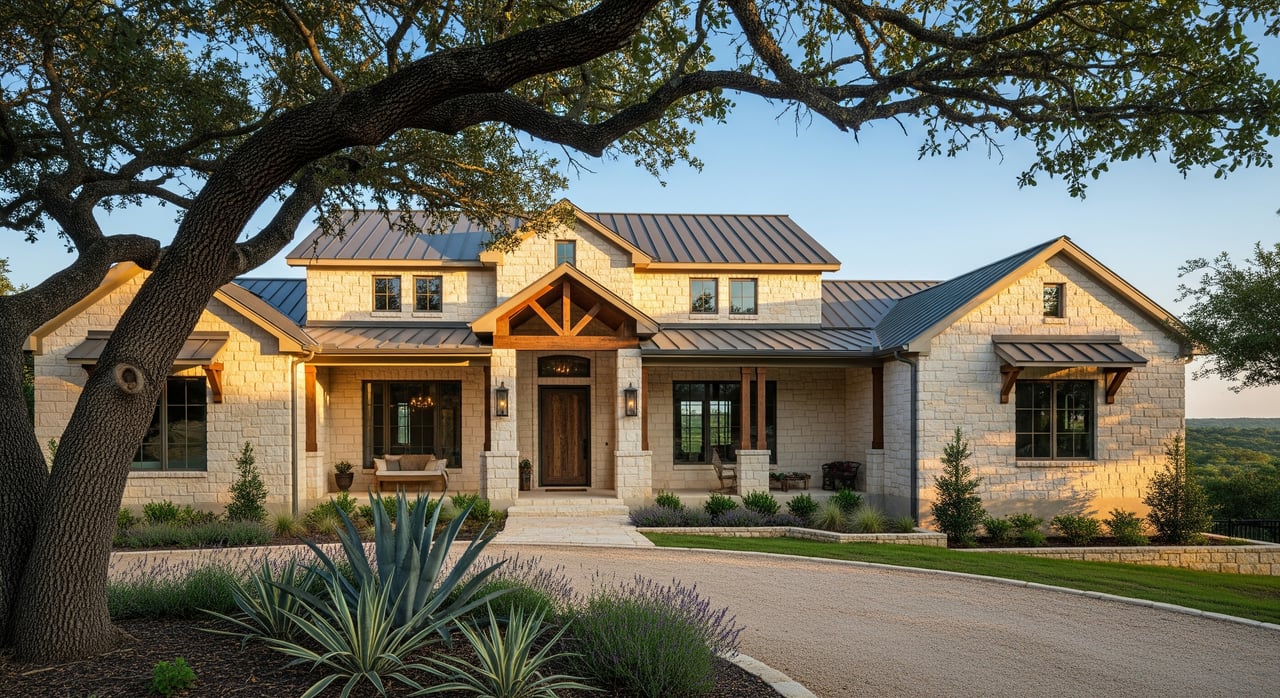
Preserved clusters of cottages and bungalows create a cohesive identity that appeals to buyers seeking character. Contextual modern infill can complement that identity, while poorly scaled construction can feel disruptive. Thoughtful siting, height transitions, and porch alignment help newer homes fit the rhythm of the block.
Before you plan exterior changes or a demolition, confirm whether a property sits in a historic overlay or has landmark status. Historic designation can affect design review, allowable changes, and permit timing. The City of Austin’s preservation staff and guidelines are the place to start for process steps and any incentives or abatements.
Zoning category and lot coverage rules control height, setbacks, additions, and overall impervious cover. These details determine whether a second story, a new garage, or an accessory unit is viable. For accurate guidance, check current city planning resources and verify your parcel’s specifics.
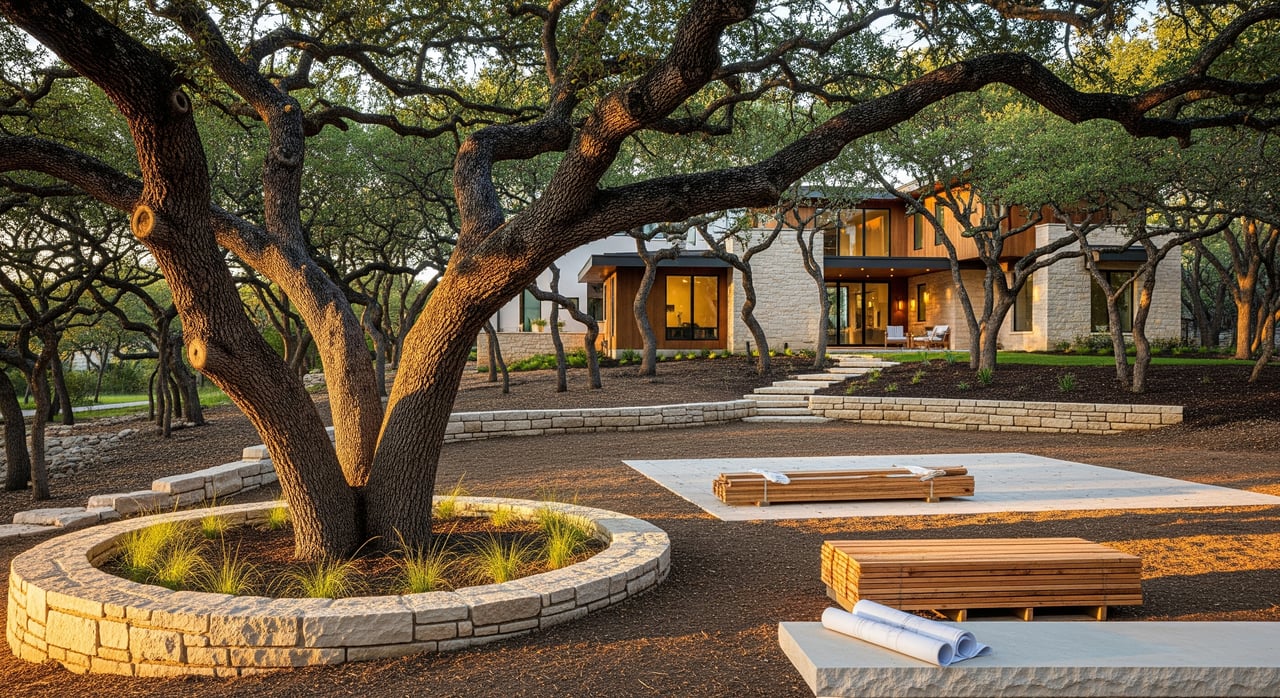
It pays to assemble the right team.
If you want original character, focus on intact cottages and bungalows, and plan for restoration of windows, siding, porches, and trim. If you prefer open-plan living and larger bedrooms, newer infill or a sensitive addition may be a better fit. Many buyers land in the middle, keeping the front porch and street presence while modernizing interiors and expanding at the rear.
Whether you are drawn to a classic bungalow, a streamlined modern, or a blend of both, you deserve guidance that understands the neighborhood’s history, design language, and regulatory landscape. If you want a clear plan for what to buy, what to upgrade, and how to protect long-term value, reach out to Anna Lee. Schedule a private consultation.
3825 Lake Austin Blvd Ste 501 Austin TX 78703
3825 Lake Austin Blvd Ste 501 Austin TX 78703