Are you picturing early mornings on Lake Austin or slow walks to a favorite café? In Tarrytown, both lifestyles are possible, but each feels different day to day. You want clarity before you commit, and you deserve a plan that fits your routines, budget, and long‑term goals. This guide lays out what life looks like on the water versus on the interior, walkable blocks, plus the costs, rules, and due diligence that matter. Let’s dive in.
Daily life: lakefront vs walkable interior
Lakefront rhythm
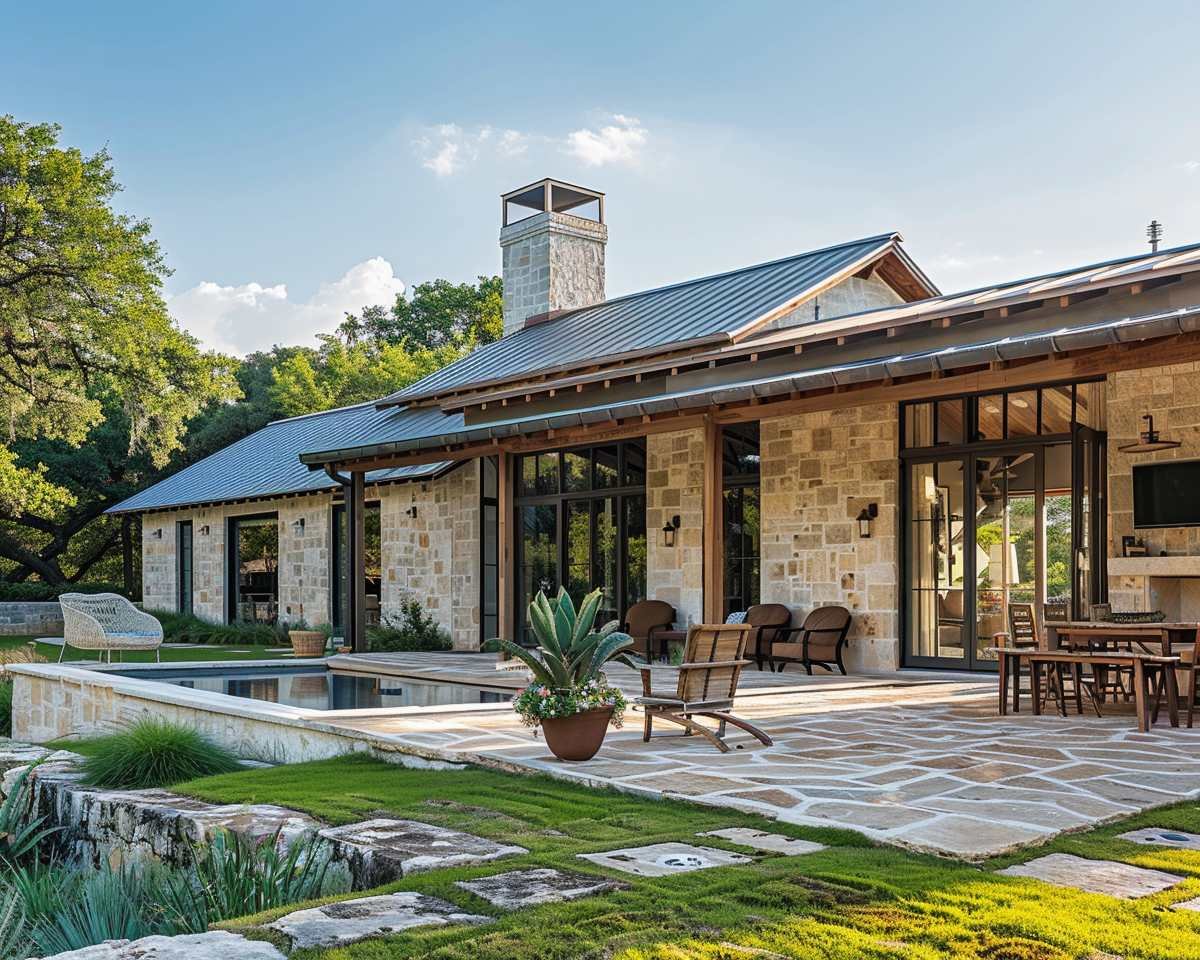
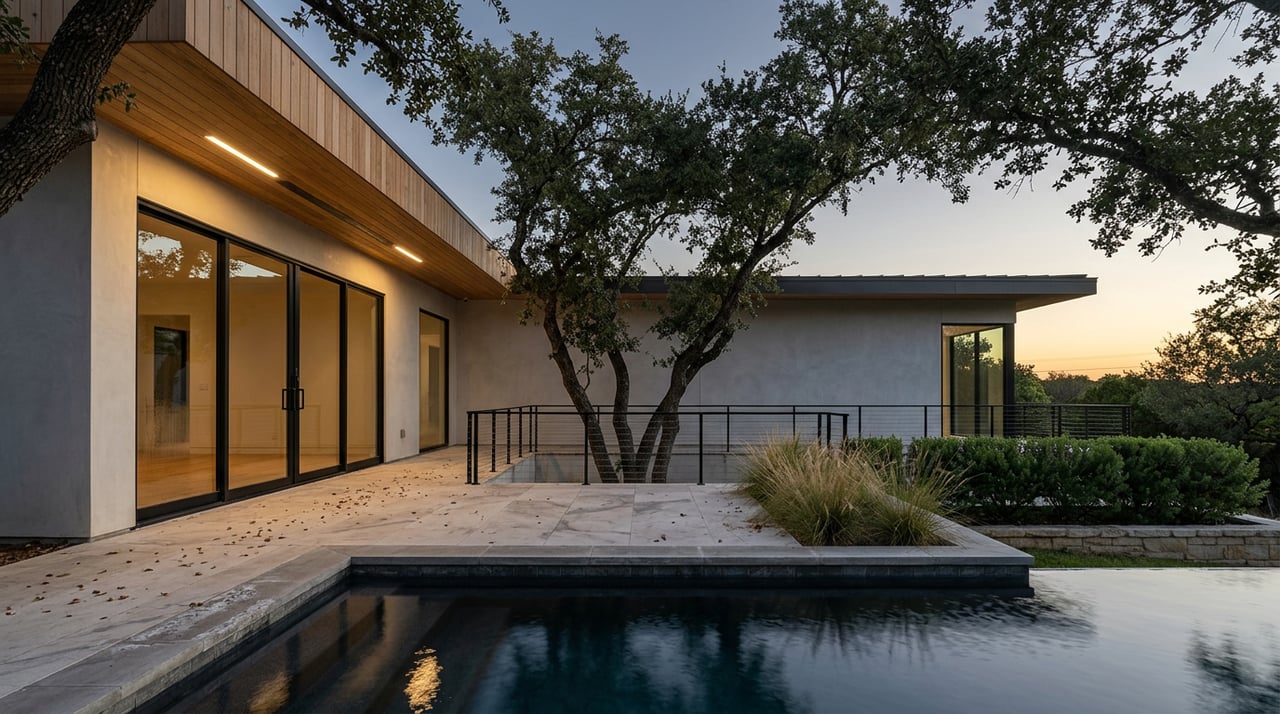
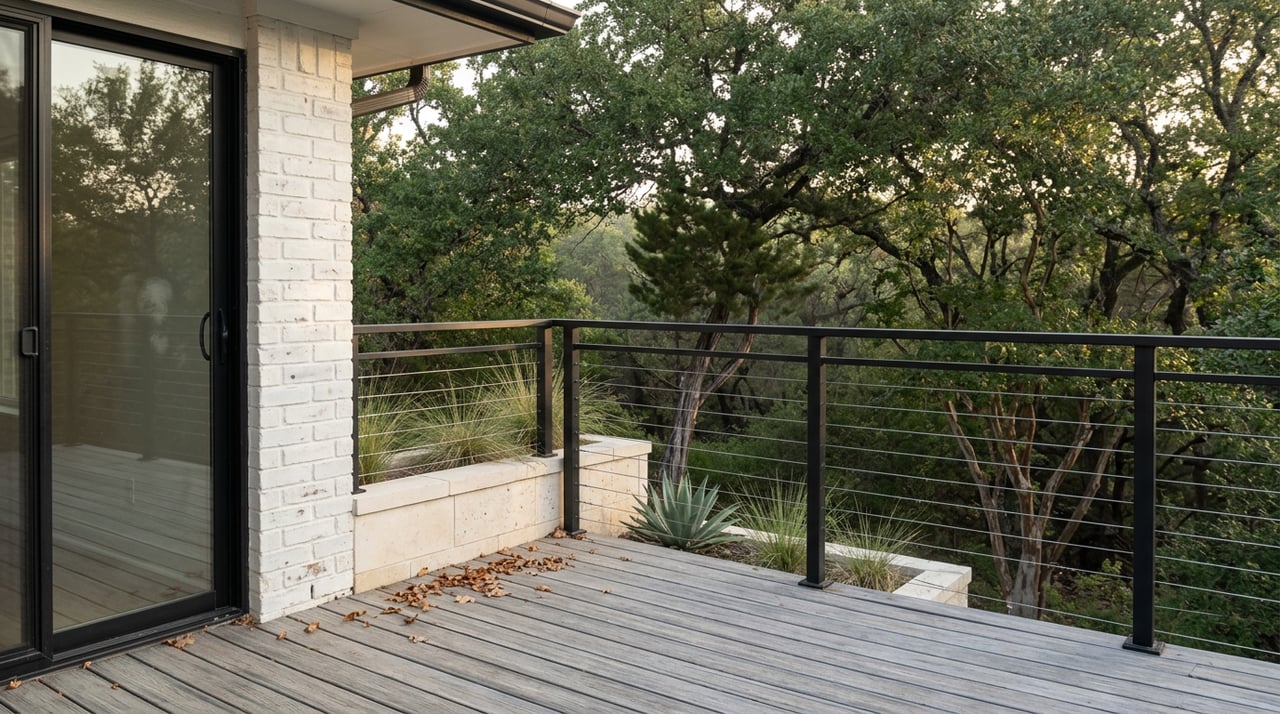
If you live on or near the water, your weekends often center on boating, kayaking, and lakeside entertaining. Some homes have private docks if rights are deeded and permits are in place. You get sunsets over the water and a yard that may run deep toward the shoreline. Most errands still happen by car, though the drive downtown can be quick depending on your exact location.
Walkable interior rhythm
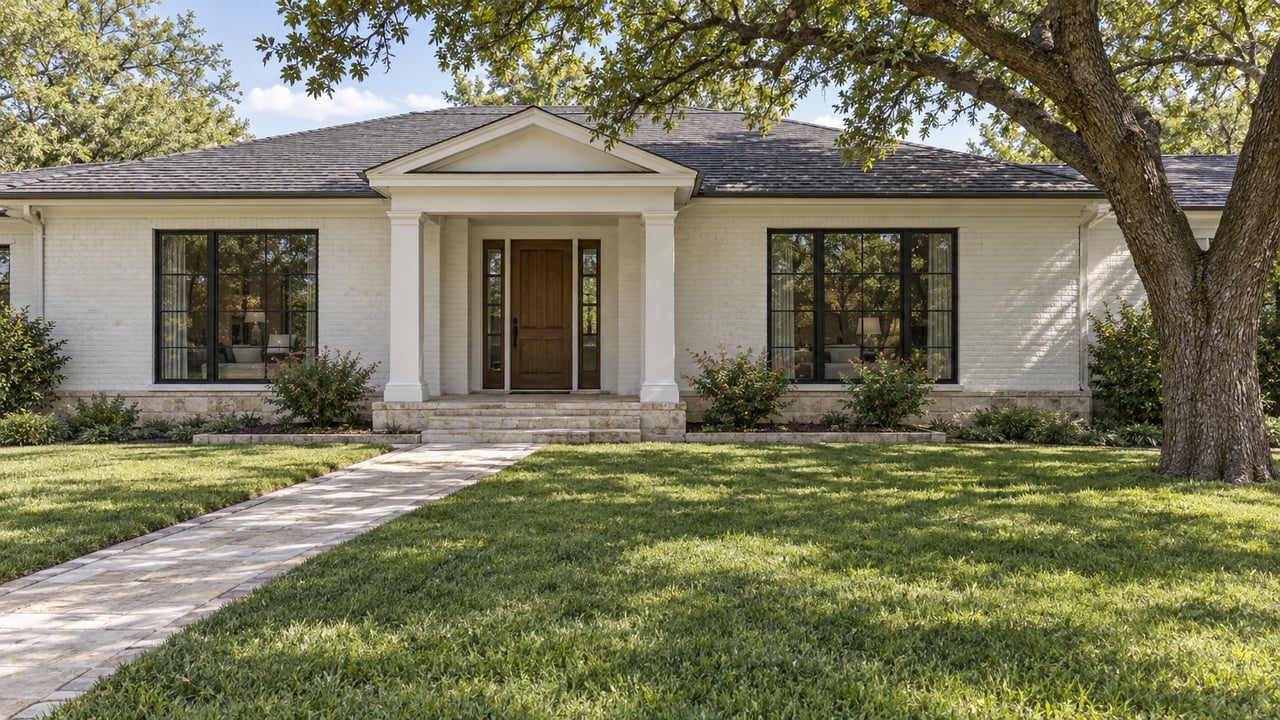
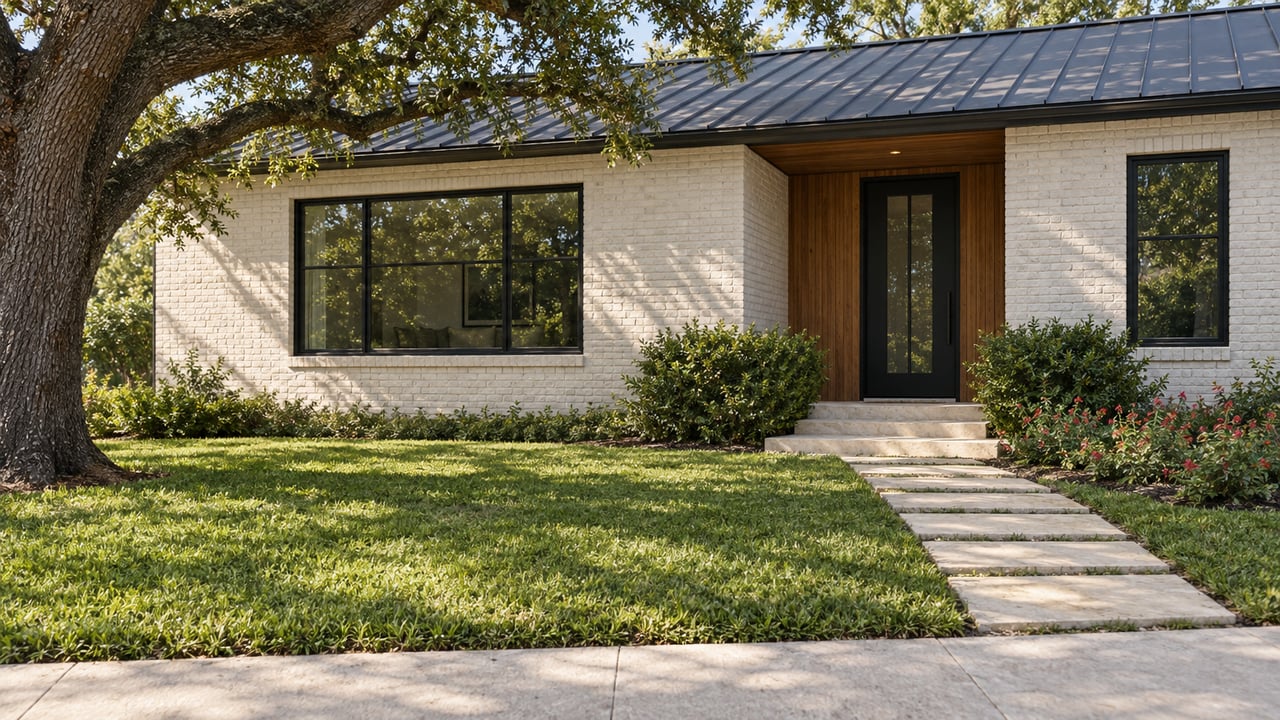
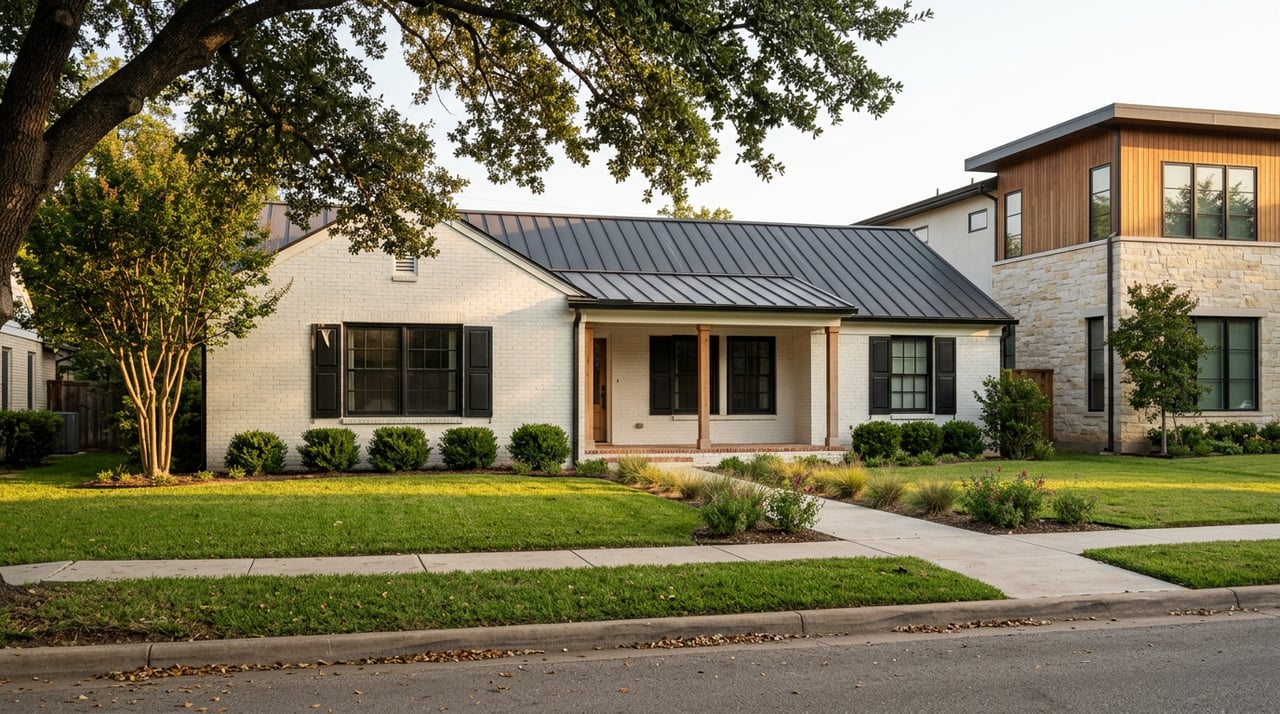
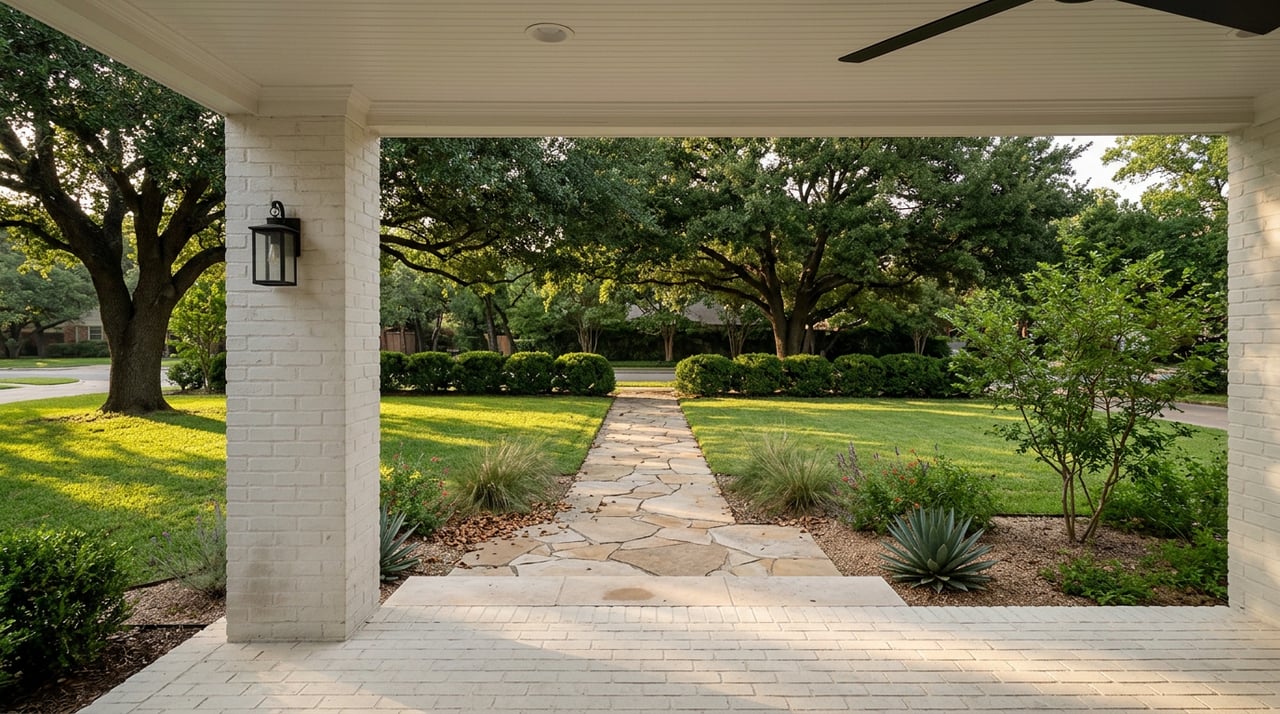
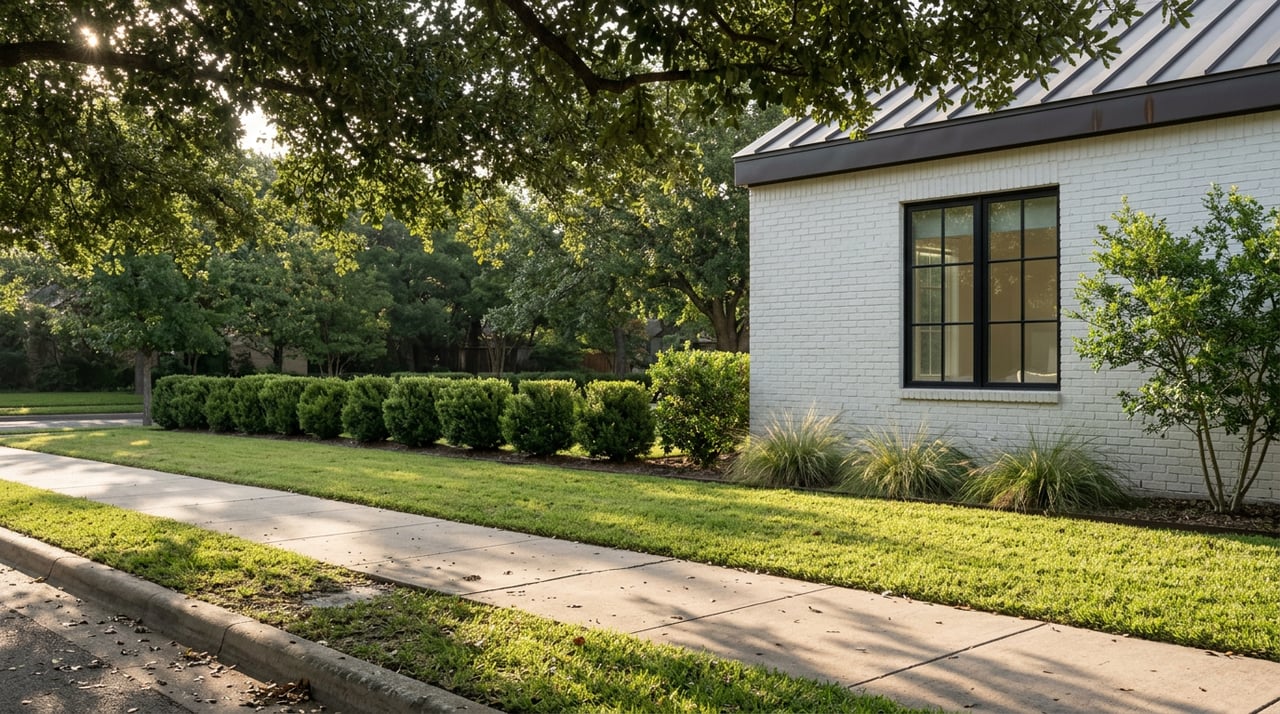
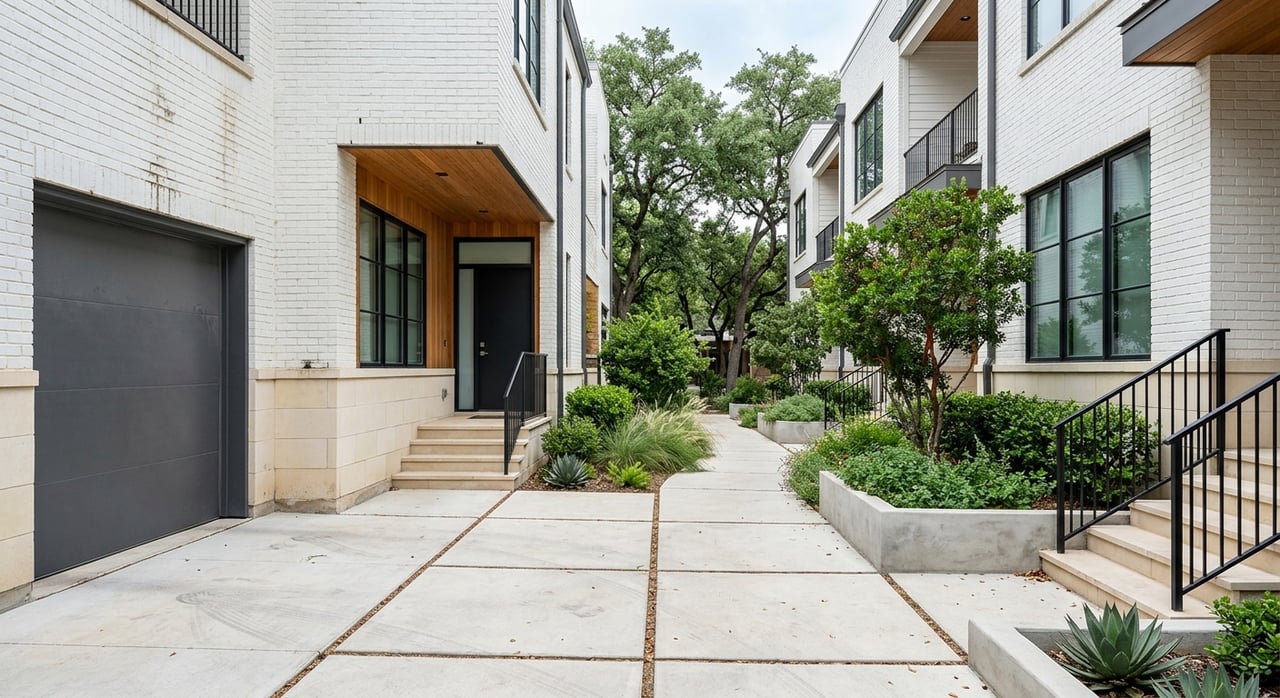
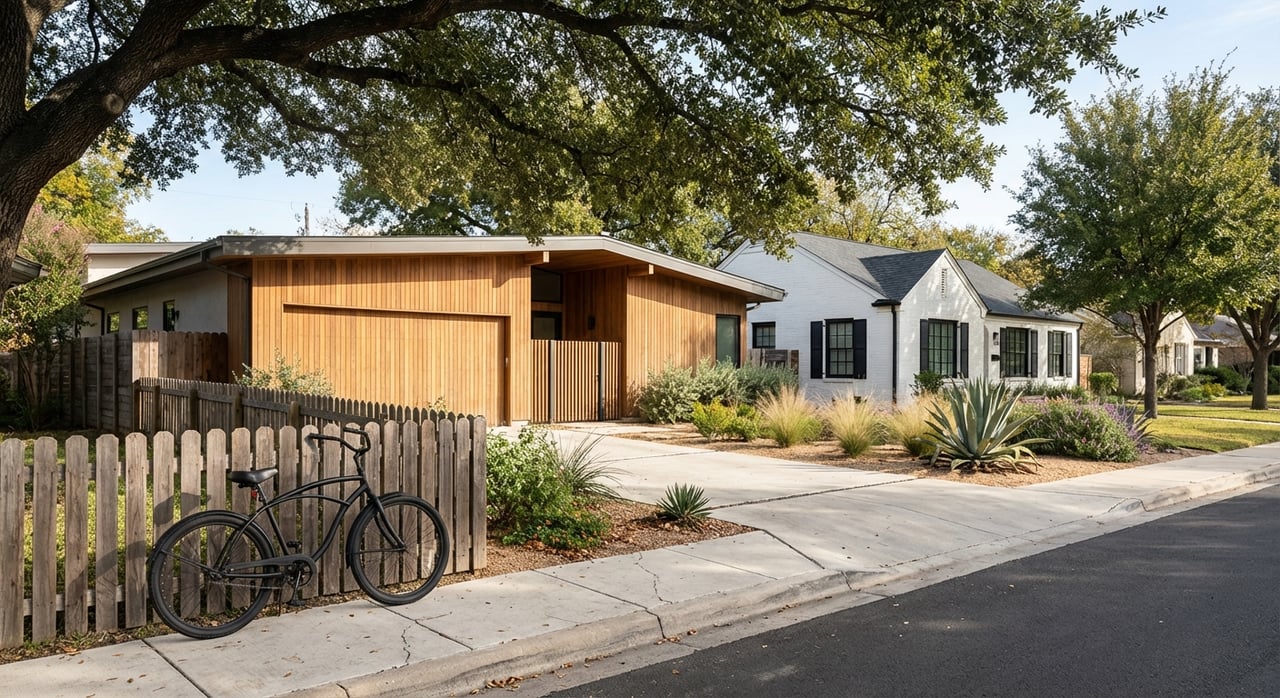
On the interior streets, your days are about convenience. You can stroll to neighborhood cafés, parks, and small retail. Sidewalks and mature trees make daily dog walks or quick coffee runs easy. These blocks can also offer better pedestrian and bicycle access to downtown depending on where you are in the neighborhood.
Noise, privacy, and activity patterns
On the water
Expect boat traffic and engine noise to pick up on warm weekends and holidays. Public access points can add people activity nearby. Some lakefront homes on quieter coves feel more private, but exposure varies by micro‑location. Plan your expectations around the exact waterfront setting and nearby boat ramps.
On interior streets
You will notice normal neighborhood life: people on sidewalks, café chatter, and school drop‑off activity on certain corridors. Mechanical noise is generally lower since there are no boats. Privacy depends on lot size, landscaping, and your home’s position on the street.
Kids, pets, and green space
Lake-oriented homes
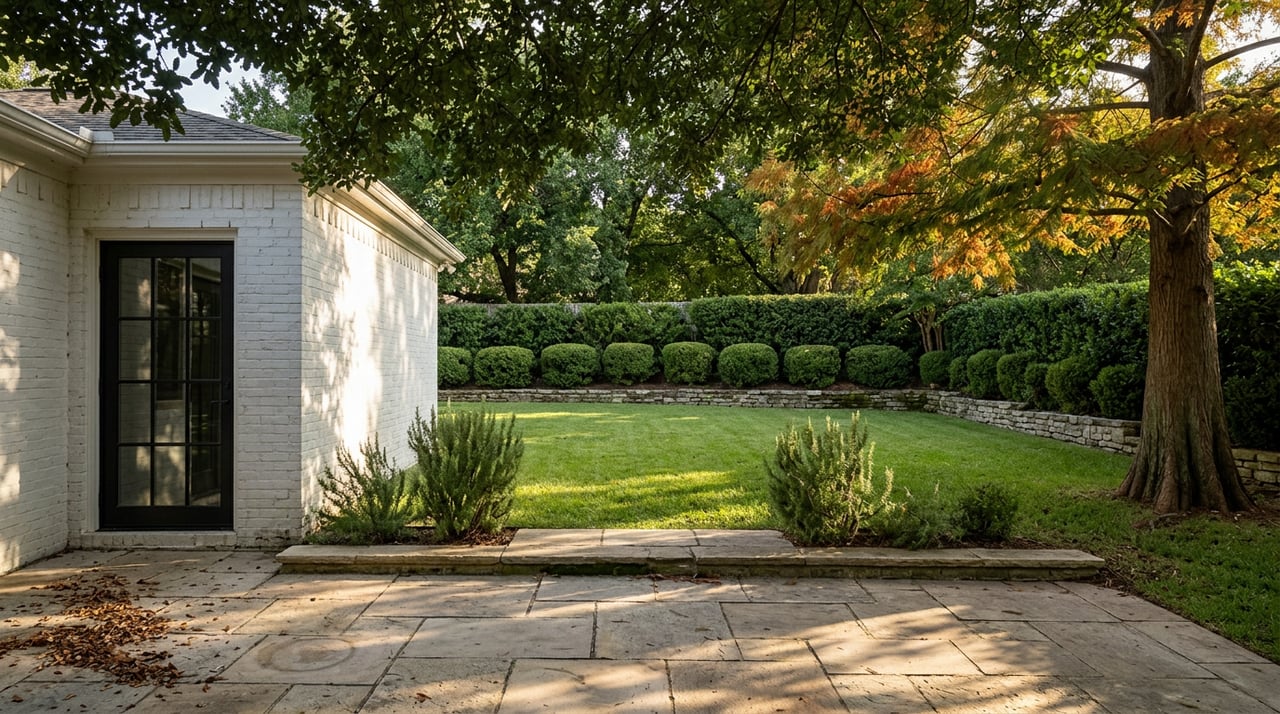
Water access can be a highlight for active households that enjoy boating and paddling. It also requires strict safety planning, from fencing to door alarms, especially if the lot slopes to the water. Yards can be larger near the lake, which is useful for play and pets.
Walkable interiors
Being close to parks and everyday amenities can simplify after‑school routines and quick outings. Sidewalk access supports short walks or bike rides with more predictable street activity.
Cost drivers and regulations to understand
Choosing between lake access and walkability is not just about lifestyle. It also affects your budget, permitting path, and maintenance.
- Property values: Lakefront lots commonly carry a premium because of limited supply and direct water access. Walkable interior homes can also command premiums due to daily convenience. Exact differences vary by street and recent comparable sales.
- Flood risk and insurance: Proximity to Lake Austin can place a property in a floodplain. Always check FEMA flood maps for Travis County, review the property’s elevation certificate, and confirm the flood‑zone designation. Lenders may require flood insurance based on the designation and elevation.
- Dock and shoreline rules: Not every home on the water has dock rights. Some have riparian rights or private easements, and some do not. Shoreline structures often require permits from multiple entities. On Lake Austin, the Lower Colorado River Authority is a key authority for structures and leases, and the City of Austin may also be involved, along with state or federal agencies depending on the work.
- Environmental protections: Shoreline stabilization, vegetation removal, and tree removal are tightly regulated. City of Austin tree protection rules apply across much of the neighborhood and can influence remodeling or redevelopment plans.
- Utilities and systems: Most of Tarrytown is served by City of Austin utilities. If you are buying an older home, verify service connections and any lateral replacement obligations.
- HOA or covenants: Some streets or subdivisions may have property‑owner rules that address boat storage, fencing, paint colors, or parking. Review all covenants for restrictions that could affect your plans.
Maintenance realities: lakefront vs interior
Lakefront upkeep
Plan for dock maintenance, including hardware, float, and cleat repairs. Shoreline improvements such as seawalls or bank stabilization require periodic attention and permits. Larger lakeside yards may drive higher irrigation and landscaping costs. Budget for inspections and reserve funds to address erosion, anchoring systems, and any electrical or utility lines to the dock.
Interior upkeep
Interior homes typically avoid specialized water‑related expenses. You still have standard yard, tree, and exterior maintenance. Sidewalk maintenance can be a local responsibility in some cases, so confirm who maintains them for your block.
Commute, mobility, and access
- Lakefront: You trade daily walkability for waterfront recreation. Car access remains primary for groceries, schools, and services. Depending on your specific location, the drive to downtown can be direct.
- Walkable interior: You gain shorter walks to neighborhood spots and smoother bicycle access on certain routes. If you prefer to leave the car parked for quick errands, these blocks deliver that routine ease.
Renovation and development considerations
- Waterfront lots: Expect stricter permitting and environmental limitations when expanding or adding structures. Shoreline, tree, and stormwater rules can shape your design choices and timeline.
- Interior lots: Renovations may be more flexible, but you will still navigate City of Austin land‑use rules and tree protection. Always confirm permit history and feasibility early.
Market and resale dynamics
- Lakefront homes: Demand remains strong among buyers who prioritize water access and views. Interest can be seasonal, with more activity in spring and summer. Limited supply supports long‑term value in most cycles.
- Walkable interiors: Broad appeal across many buyer groups who want convenience and low specialized maintenance. Year‑round demand can be steadier because daily walkability is not seasonal.
Quick decision guide: which fit is yours?
- Choose lakefront if you plan to boat or paddle often, want to entertain on the water, value views and privacy, and accept higher maintenance and possible noise on busy weekends.
- Choose walkable interior if you prioritize everyday convenience, shorter errands on foot, predictable ambient noise, and lower specialized maintenance.
Buyer due diligence checklist
Request and review these items during the option period to reduce surprises:
- Property deed and plat, including any recorded easements or leases that define lake access or dock rights.
- Title report detailing encumbrances that affect shoreline use or access.
- Current survey and elevation certificate to understand lot lines, setbacks, and grades.
- FEMA flood‑zone status for the property and any past flood claims.
- City of Austin permit history for docks, seawalls, additions, and tree removals.
- HOA or neighborhood covenants, especially boat, dock, parking, and exterior rules.
- Recent utility bills, including irrigation and water usage for larger lakeside yards.
- Insurance quotes for homeowners and flood coverage from local agents.
- Professional inspections focused on shoreline, dock condition, drainage, foundation exposure from lake level changes, and tree root impacts.
What to have professionally inspected
- Dock structure, anchoring, floats, cleats, and any electrical or utility lines.
- Seawall or bulkhead integrity and signs of erosion.
- Lot slope toward the water and any pooling or drainage risk.
- Evidence of past water intrusion in crawl spaces or basements.
- Vegetation health and major tree root systems near foundations.
- Sidewalks and curbs on interior blocks to clarify maintenance responsibility.
How to compare two homes quickly
Use this fast filter when touring two strong options.
- Lifestyle: Will you use the lake several times a week, or do you walk to coffee and parks every day?
- Noise: Are you comfortable with weekend boat activity, or do you prefer steady sidewalk-level buzz?
- Budget: Have you priced flood insurance, dock upkeep, and shoreline work where relevant?
- Permits: Do you know the status of dock rights, shoreline permissions, and past tree removals?
- Resale: Which micro‑location aligns with the widest pool of future buyers for your price point?
Your next step
If you lean lakefront, line up the right inspections and confirm every shoreline right and permit before you fall in love with a view. If you lean walkable, test the routes you plan to use and compare interior streets at different times of day. In either case, your best outcome comes from property‑specific documents, smart inspections, and guidance tailored to Tarrytown’s micro‑markets.
When you are ready to explore on the ground, schedule a private tour plan and due diligence roadmap with Anna Lee. Her neighborhood knowledge and principal‑level service help you move forward with clarity and confidence.
FAQs
In Tarrytown, does “lake access” guarantee a private dock?
- No. Lake access and dock rights are not the same, and dock construction or transfer typically requires confirming deeded rights and applicable permits from the appropriate authorities.
Will I need flood insurance for a Tarrytown lakefront home?
- Possibly. It depends on the FEMA flood‑zone designation, the property’s elevation, and lender requirements, so always run a flood‑zone check and get quotes during due diligence.
Are lakefront homes noisy in summer?
- They can be, especially on warm weekends and holidays when boat traffic increases; noise varies by exposure to open water, nearby coves, and public ramps.
What extra maintenance should I budget for on the lake?
- Plan for dock repairs, potential seawall or bank stabilization, shoreline vegetation management, and possibly higher insurance compared to interior homes.
Which is better for everyday convenience with kids and pets?
- Interior walkable blocks typically offer shorter trips to parks and local spots, while lakefront living prioritizes water access and requires additional safety planning near the shoreline.
Can I renovate freely on a waterfront lot in Tarrytown?
- Expect stricter permitting, environmental rules, and tree protections on the water; interior lots can allow more flexibility, but City of Austin regulations still apply.