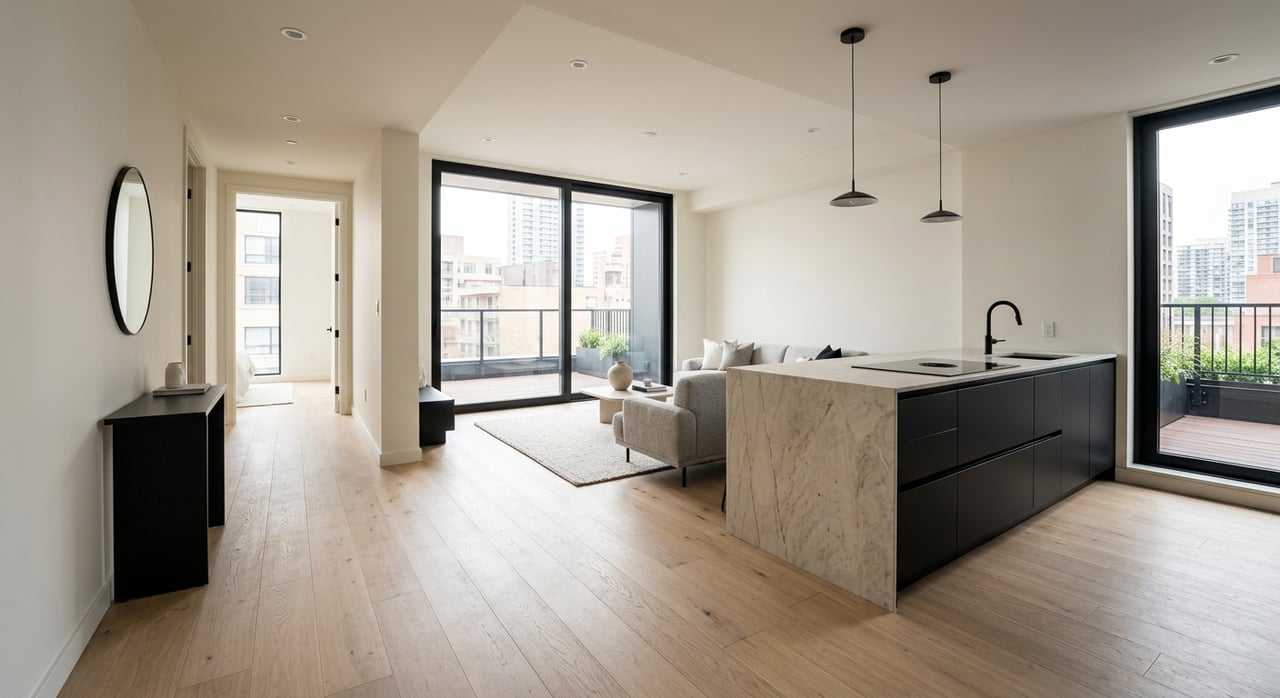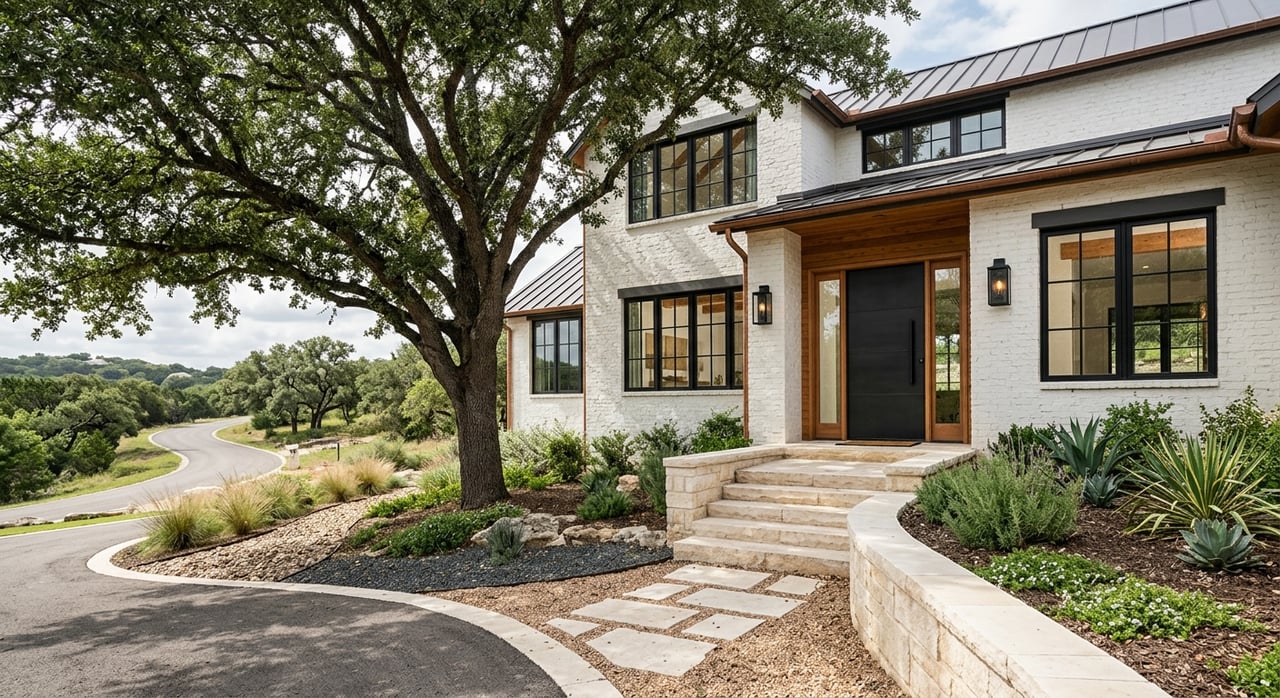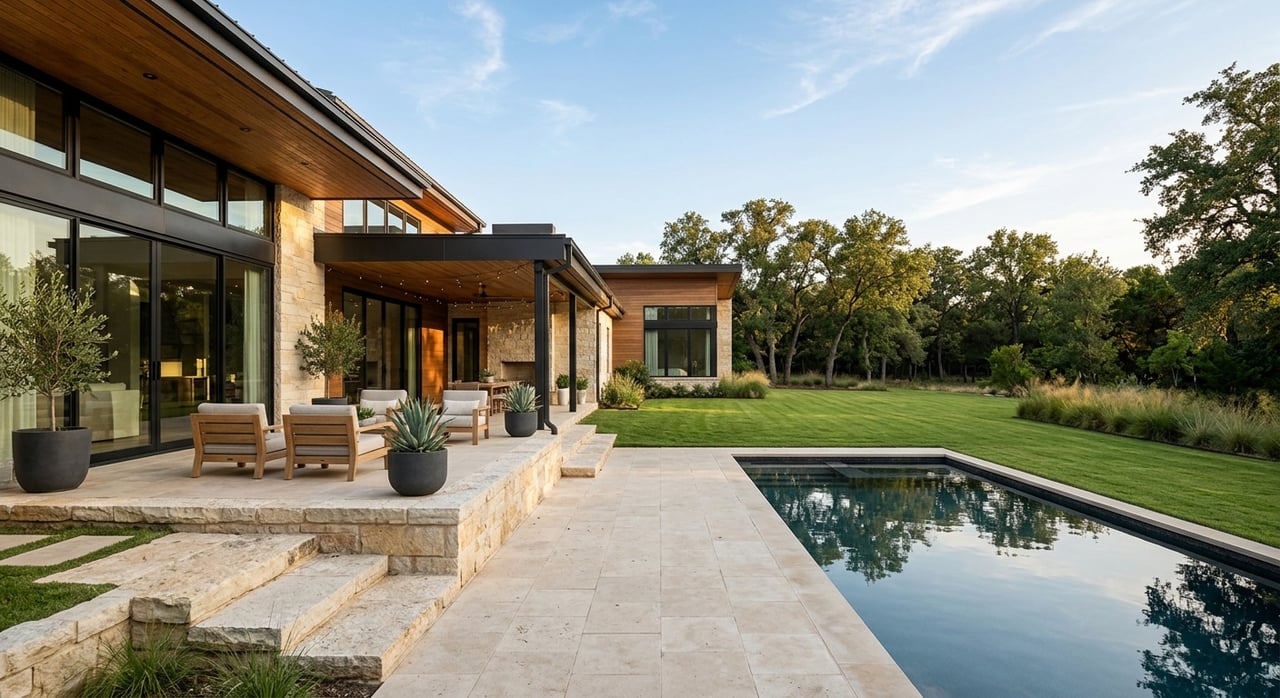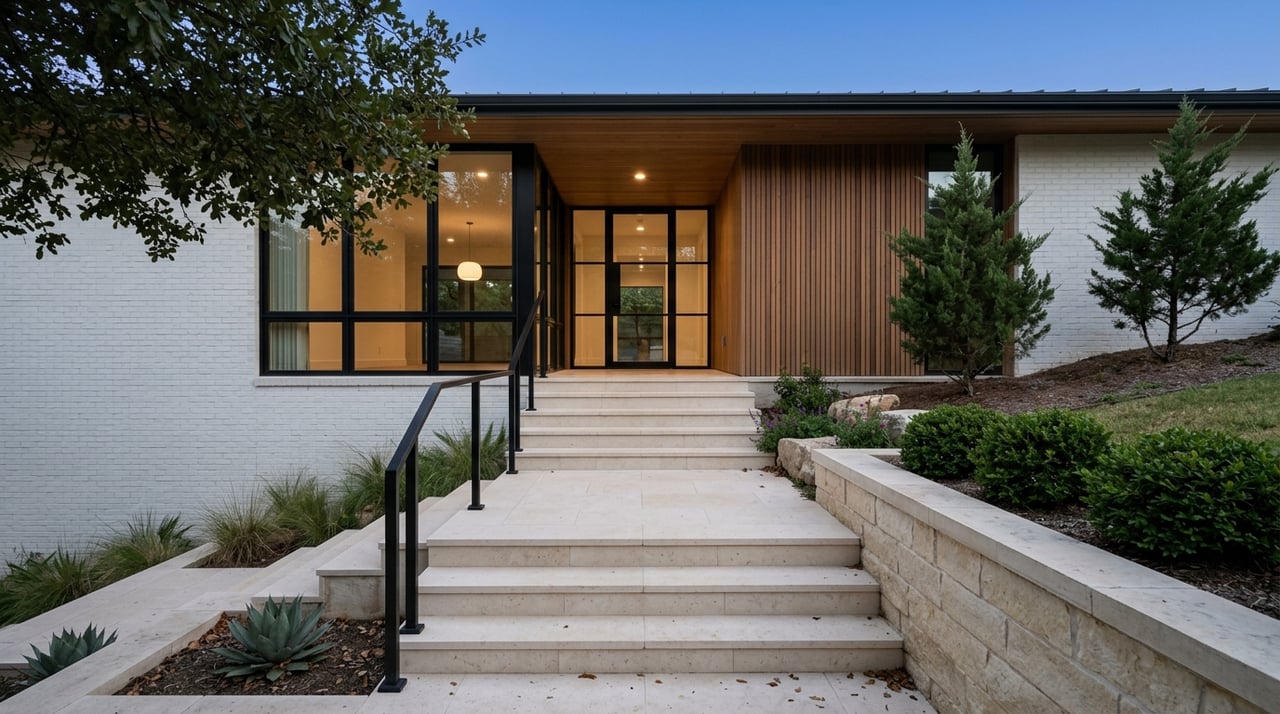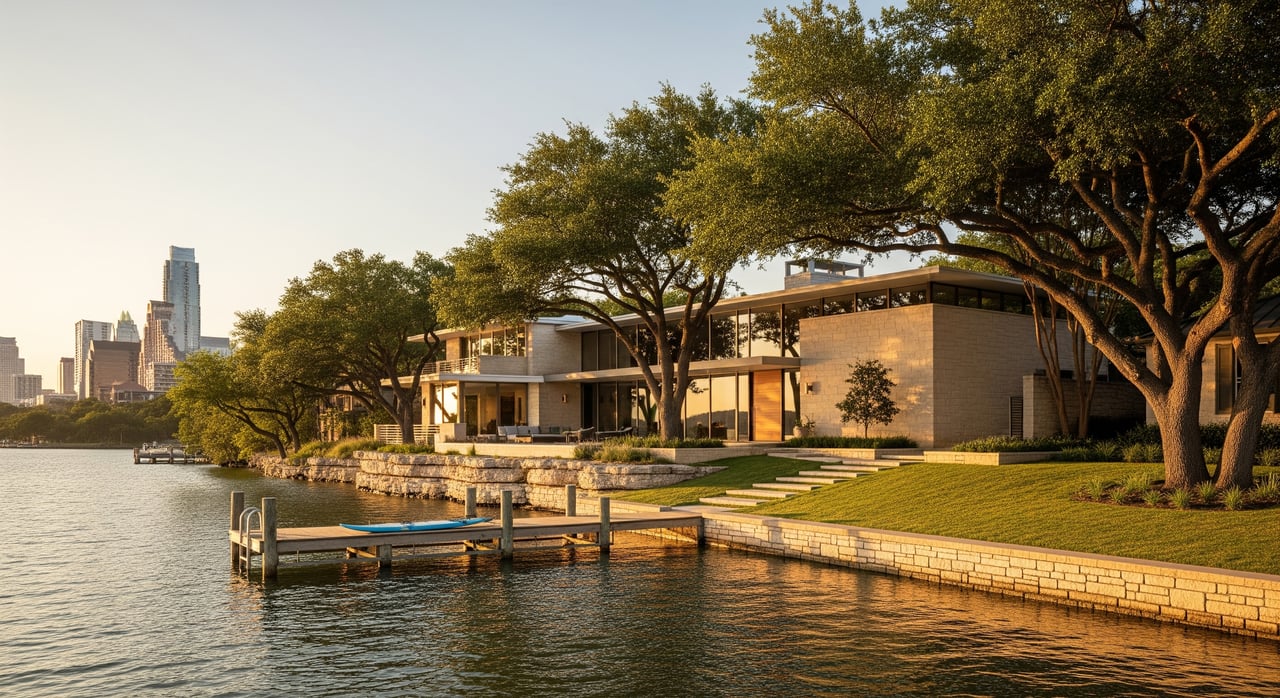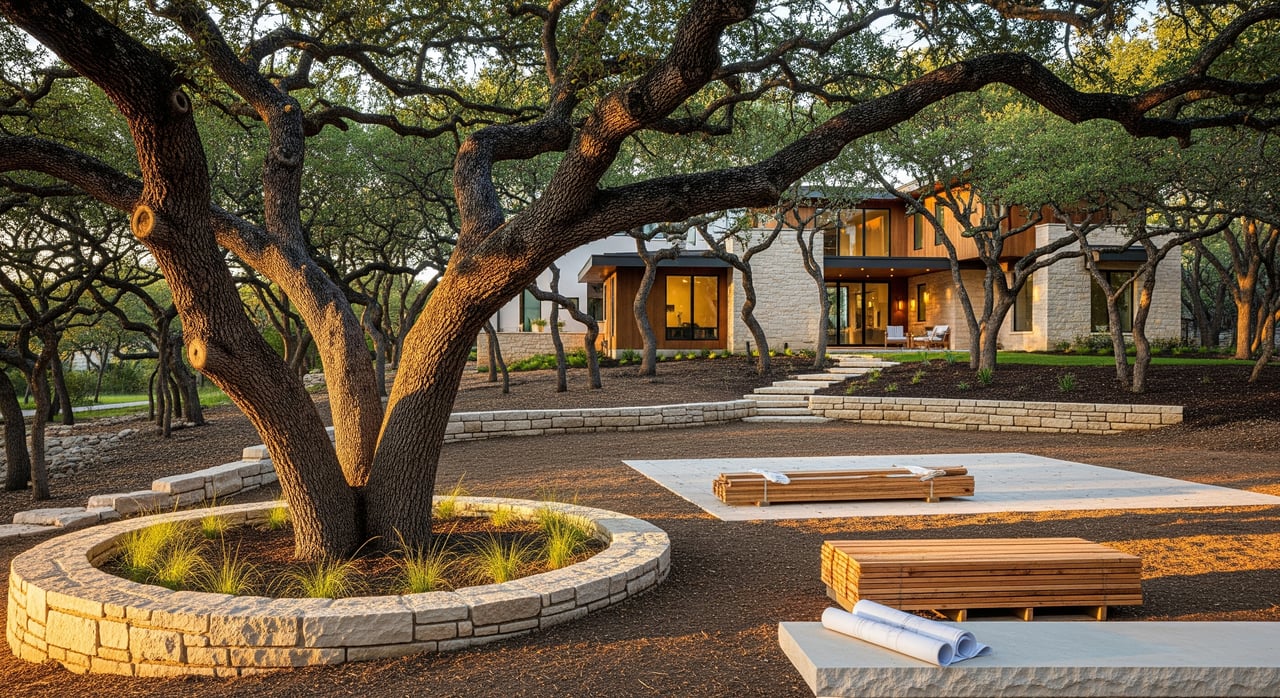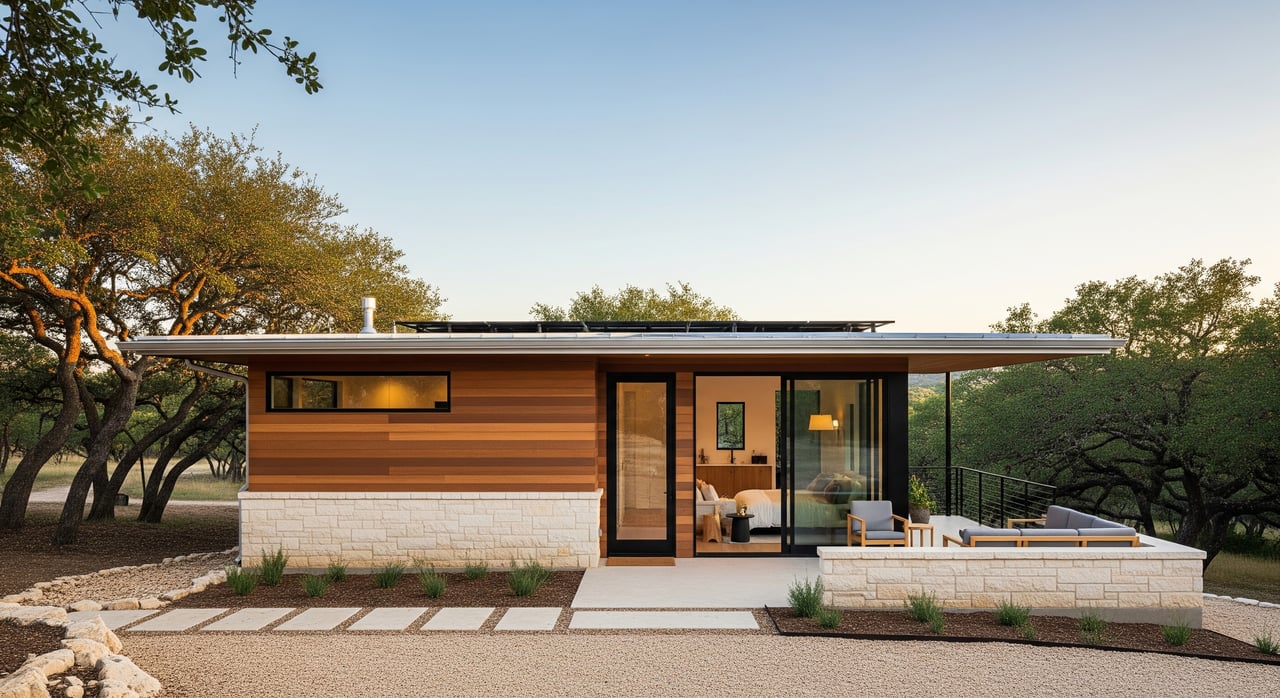
If you are thinking about Westlake, you are probably asking a bigger question than just where to live. You are weighing privacy, commute, setting, and long-term fit in one of Austin’s most established luxury areas. This guide will help you understand what Westlake really offers, who it tends to suit best, and what tradeoffs to expect so you can make a confident decision. Let’s dive in.
In everyday conversation, “Westlake” often refers to the close-in west Austin luxury area anchored by West Lake Hills and Rollingwood, not one single uniform neighborhood. That matters because your experience can vary quite a bit depending on the exact address, lot, and city regulations.
West Lake Hills is a small city of about four square miles with 3,444 residents, about 1,000 homes, and 200 businesses. The city’s planning priorities focus on low density, native vegetation, scenic wooded character, and privacy. Rollingwood is a separate city between West Lake Hills and Austin, on the west bank of Lady Bird Lake, and describes itself as walkable and close-knit.
For you as a buyer, that means Westlake is best viewed as a lifestyle cluster rather than a one-note suburb. The appeal is often about land, mature trees, quiet streets, and close access to central Austin as much as it is about the home itself.
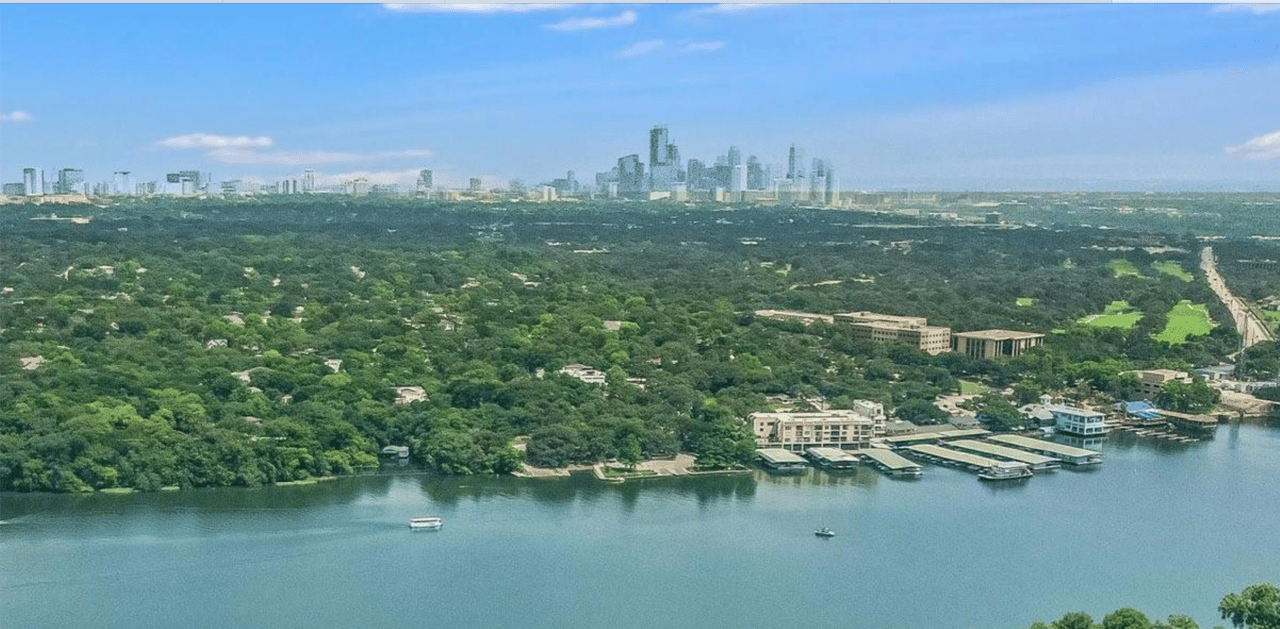
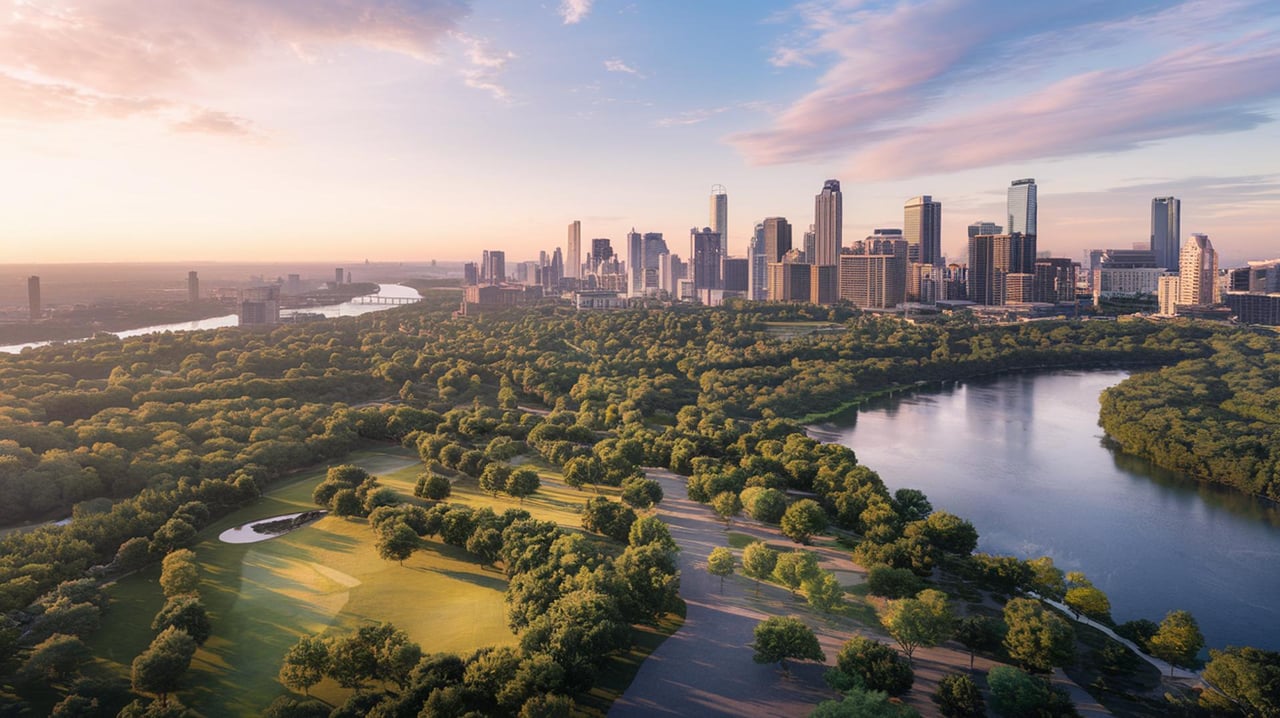
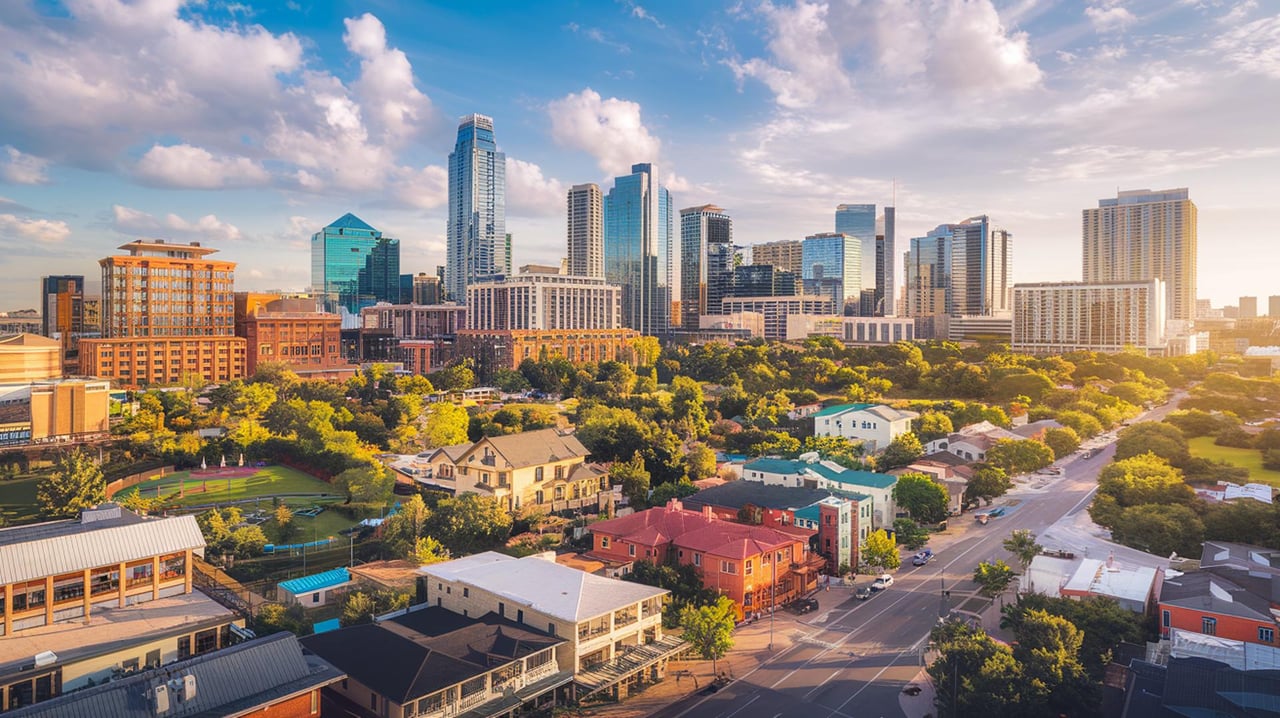
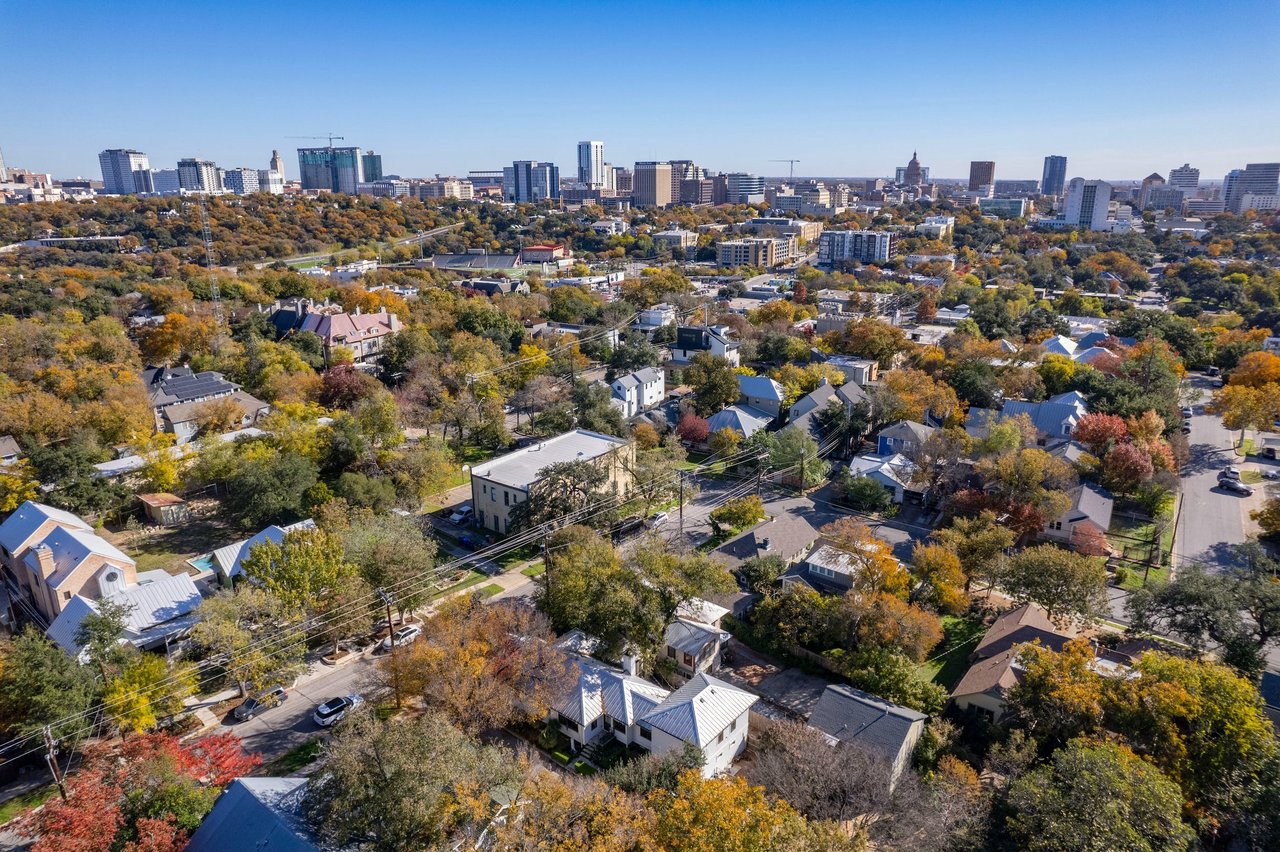
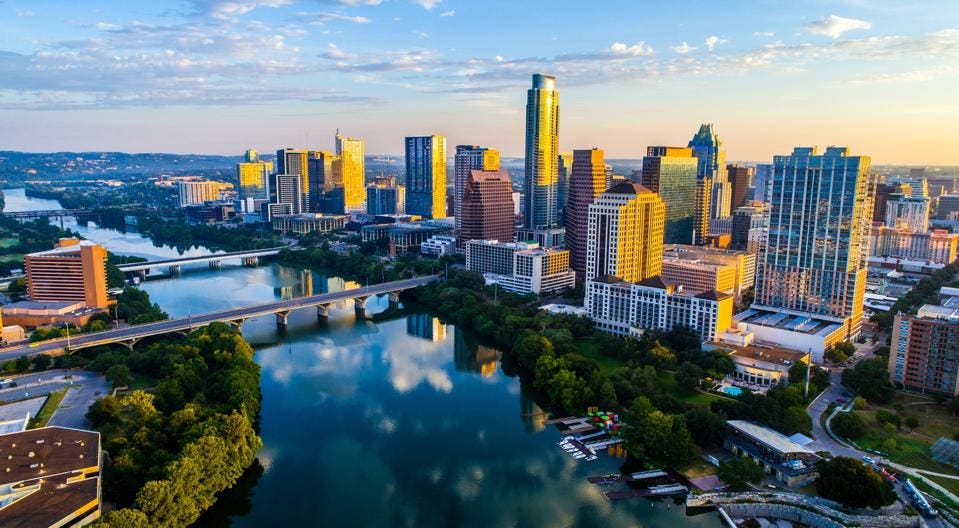
Westlake stands out because it offers a rare mix of privacy and proximity. West Lake Hills is about six miles west of downtown Austin, which keeps you close to the city while still feeling removed from it.
That close-in location has shaped the area for decades. Travis County’s historical survey describes West Lake Hills and Rollingwood as places that drew buyers looking for quieter, more pastoral settings with good transportation routes into Austin.
If you want a home that feels tucked away without giving up easy access to work, dining, and daily errands in central Austin, Westlake checks that box better than many other west-of-Austin luxury options. It is not urban in feel, but it is highly connected by car.
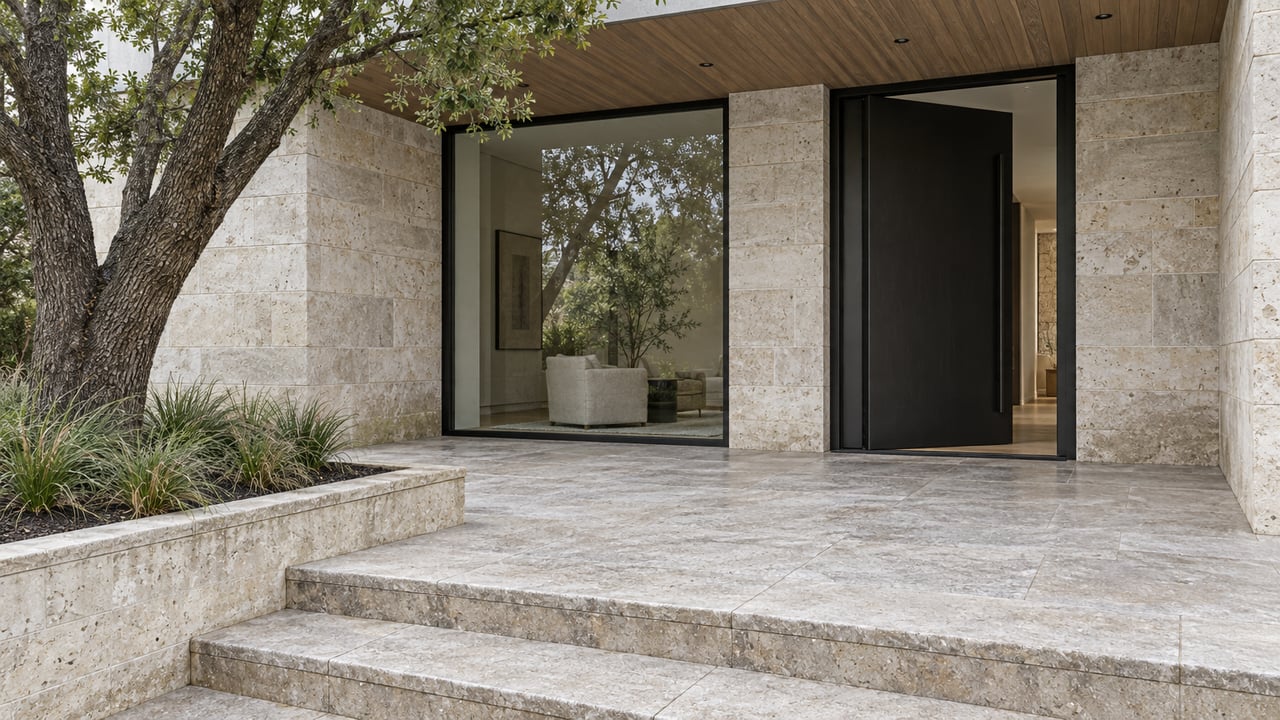
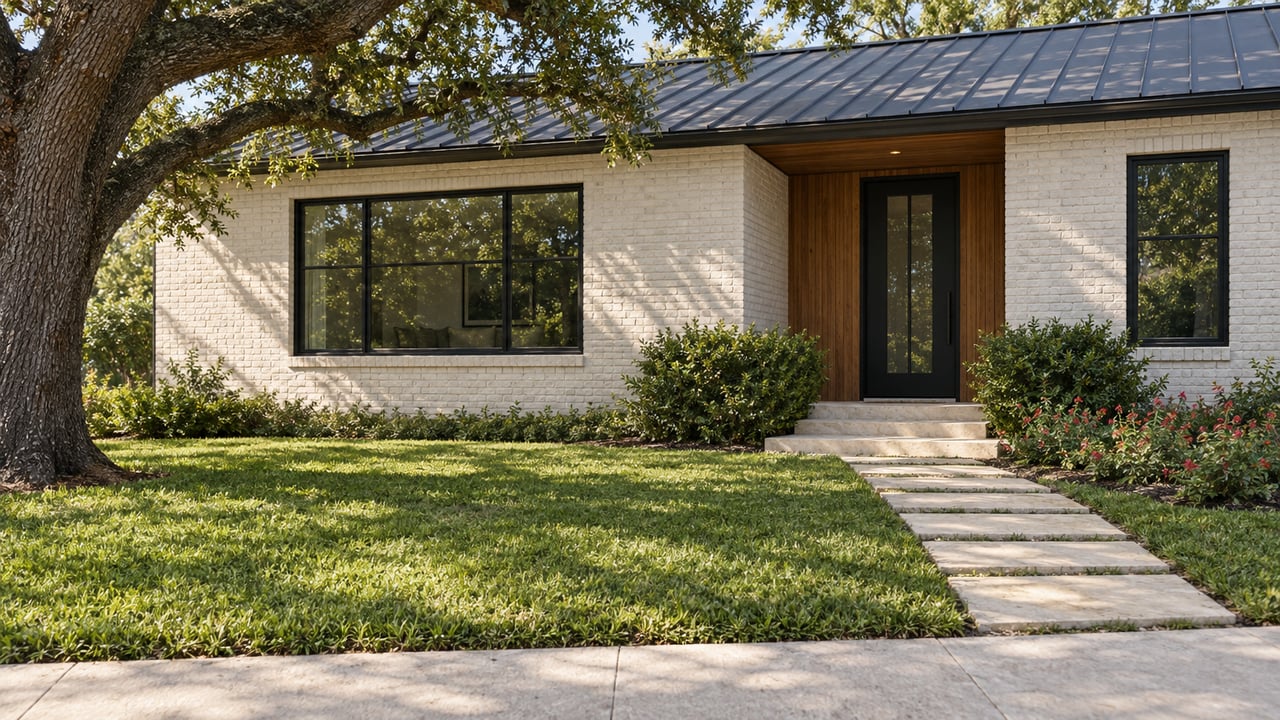
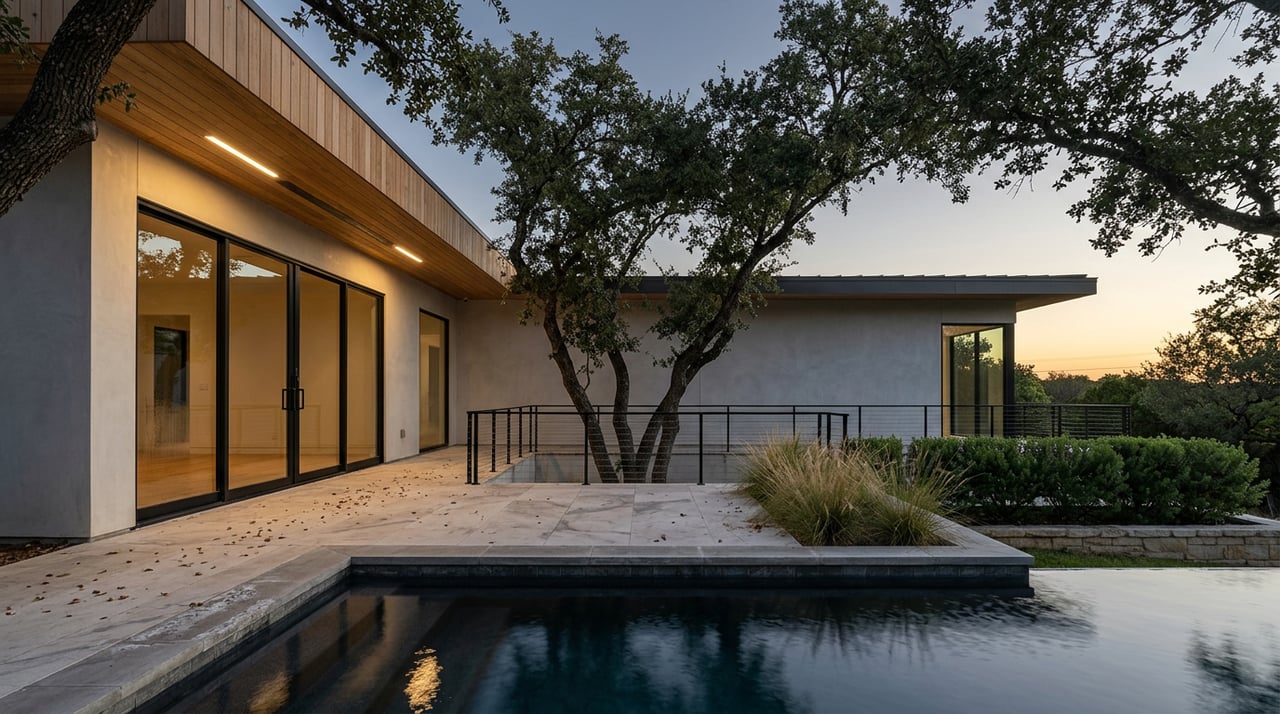
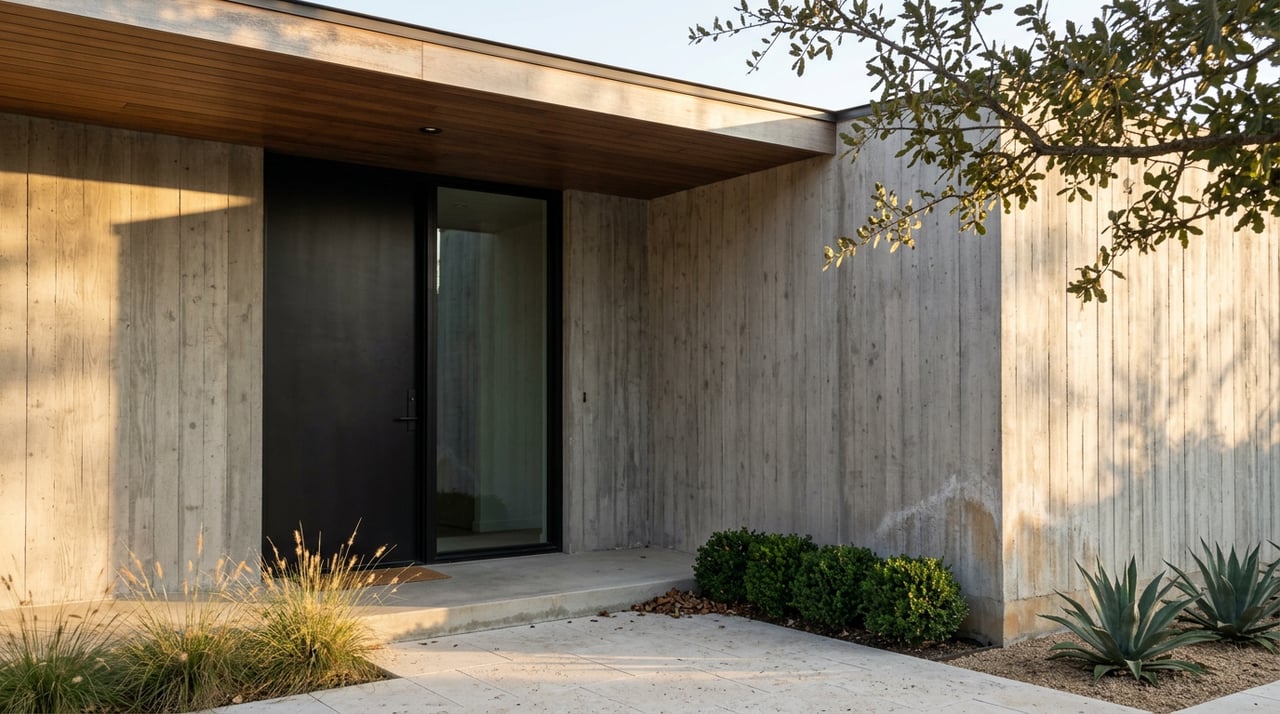
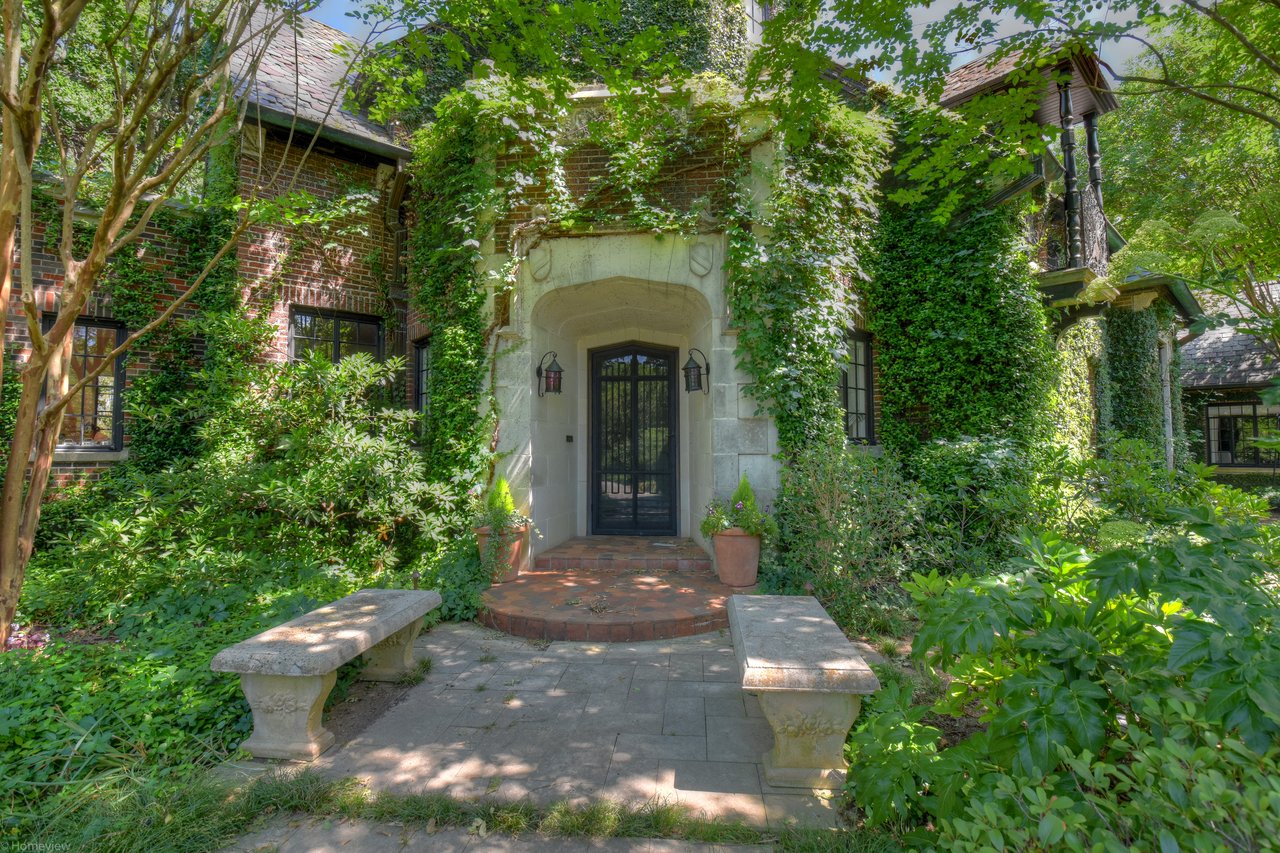
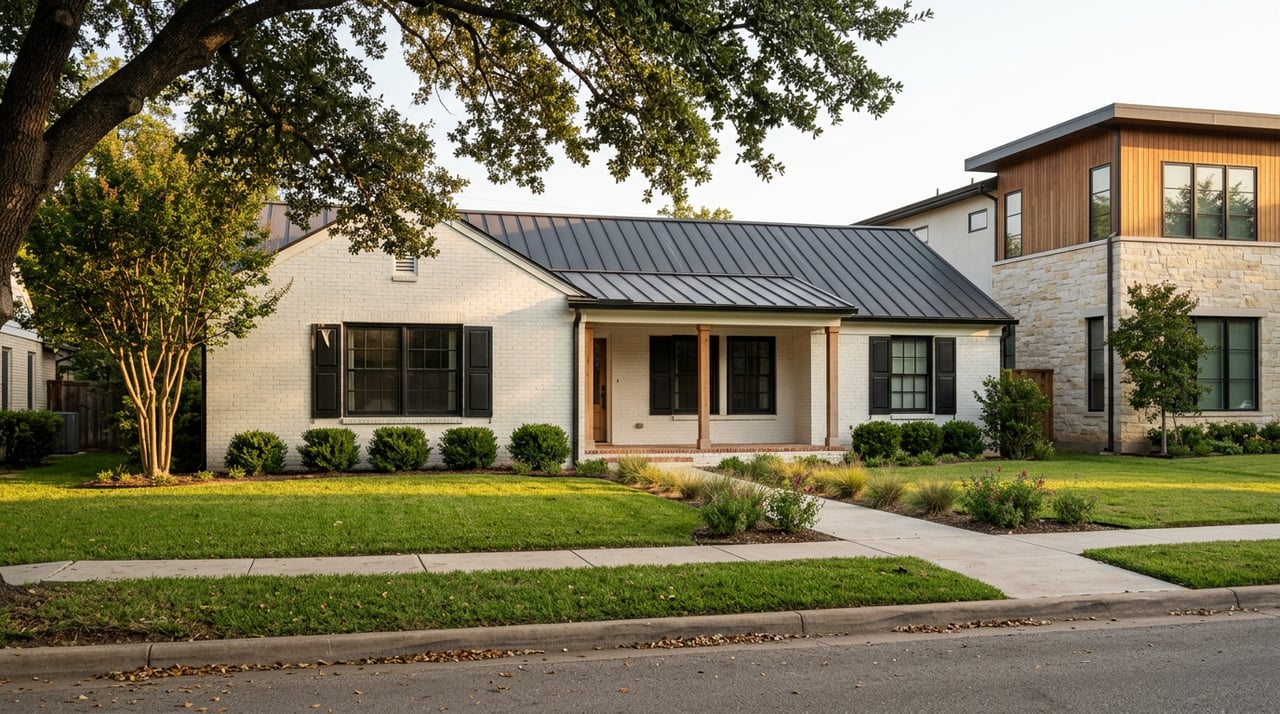
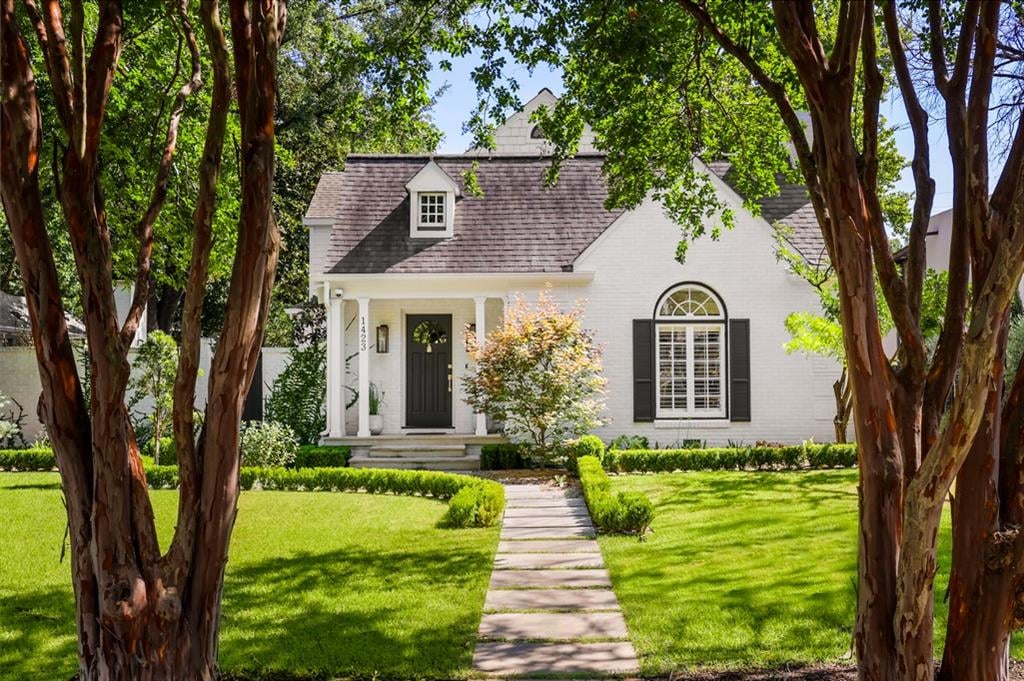
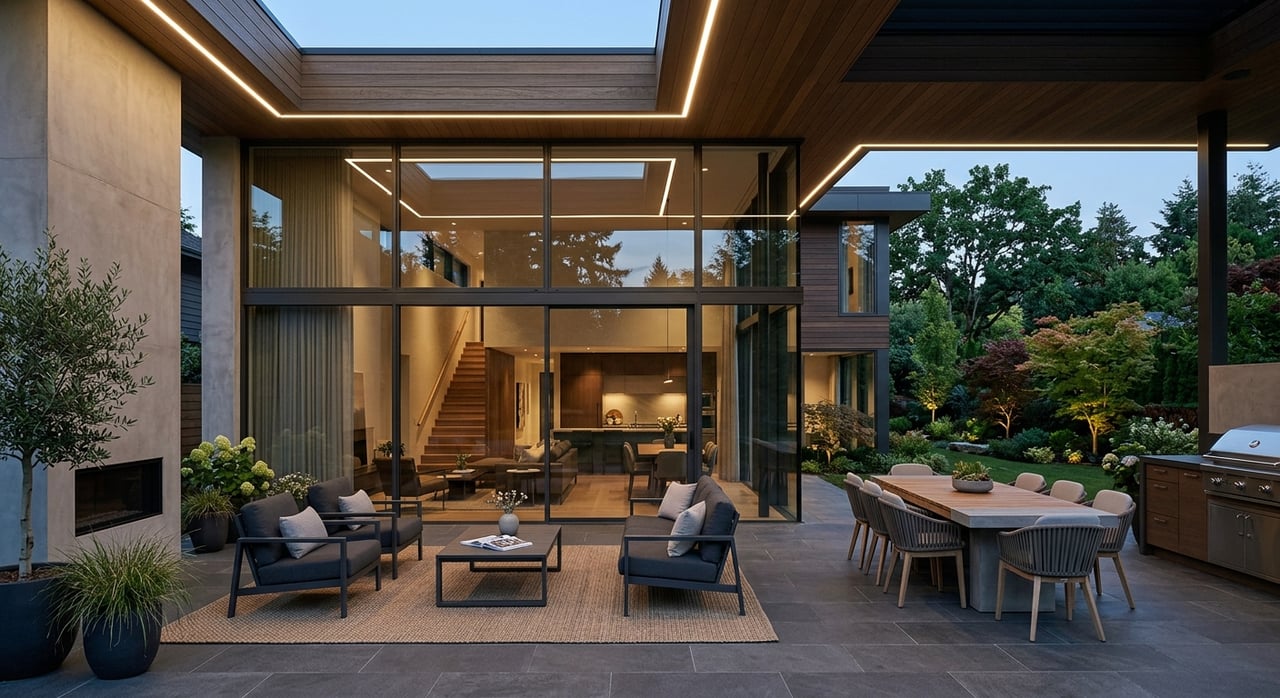
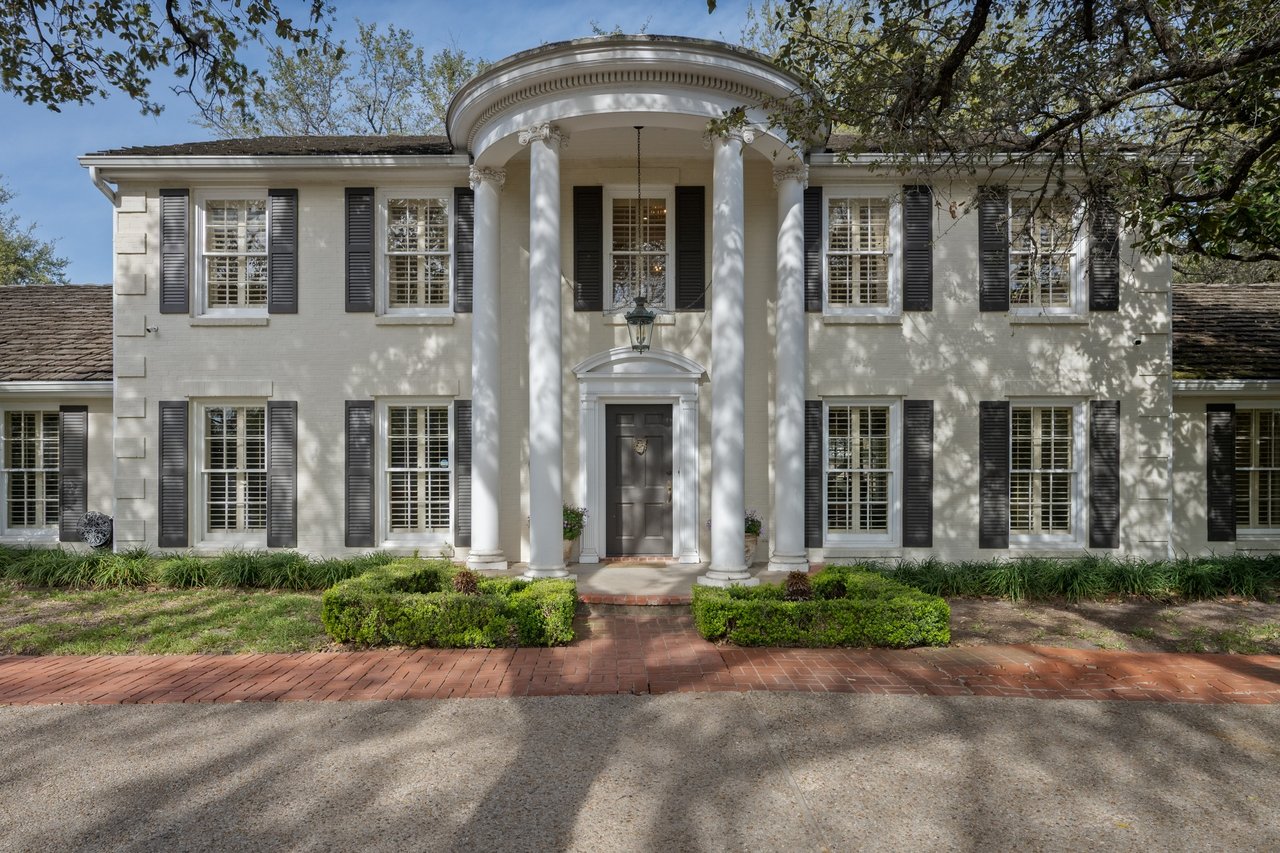
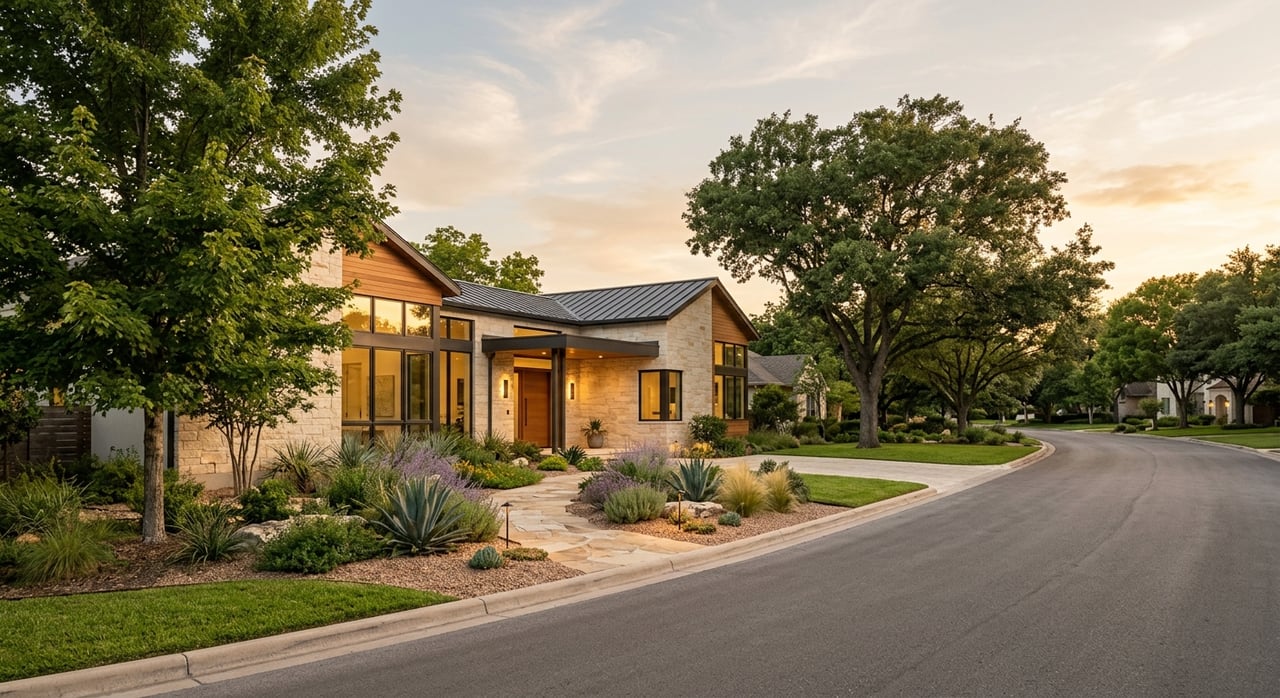
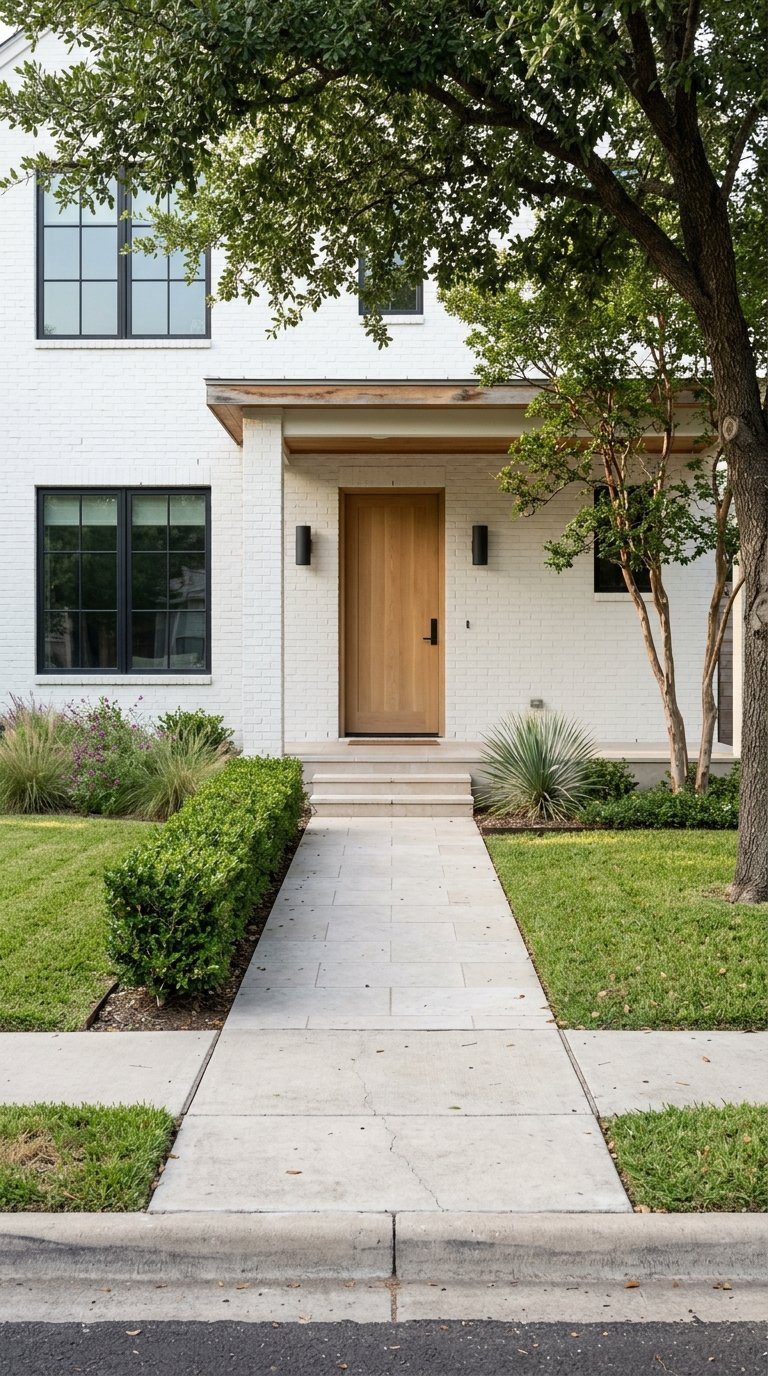
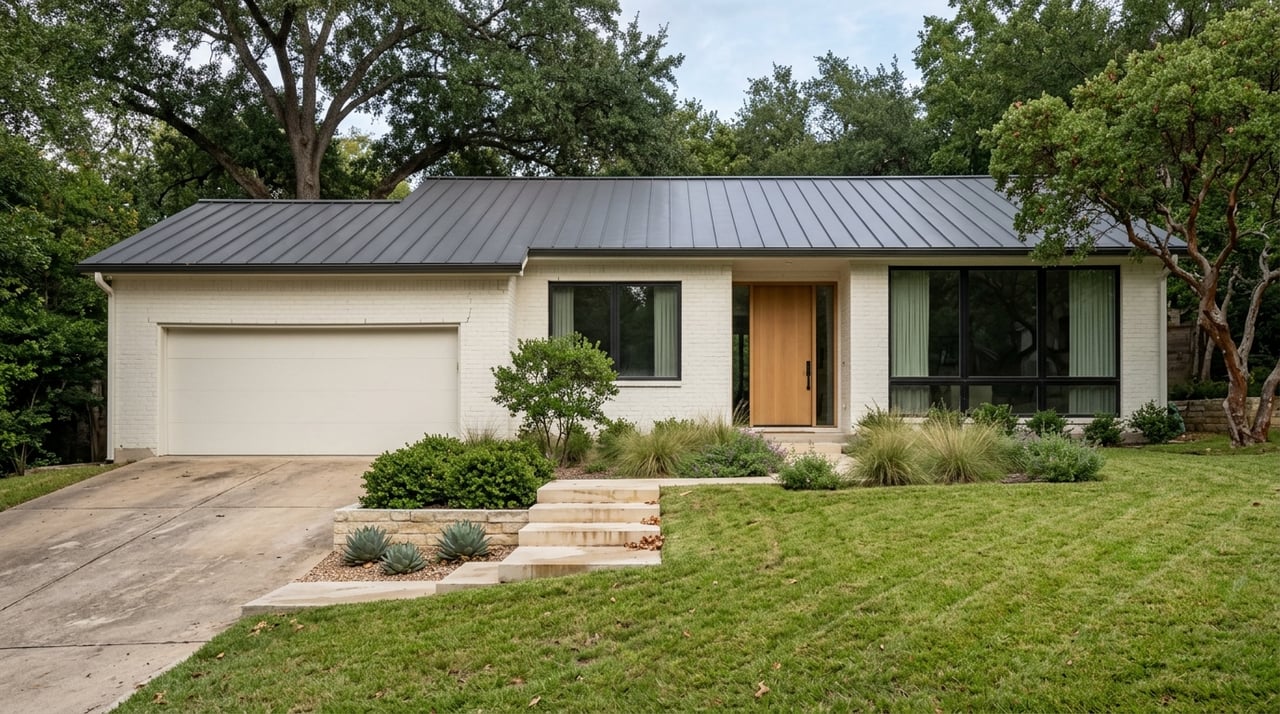
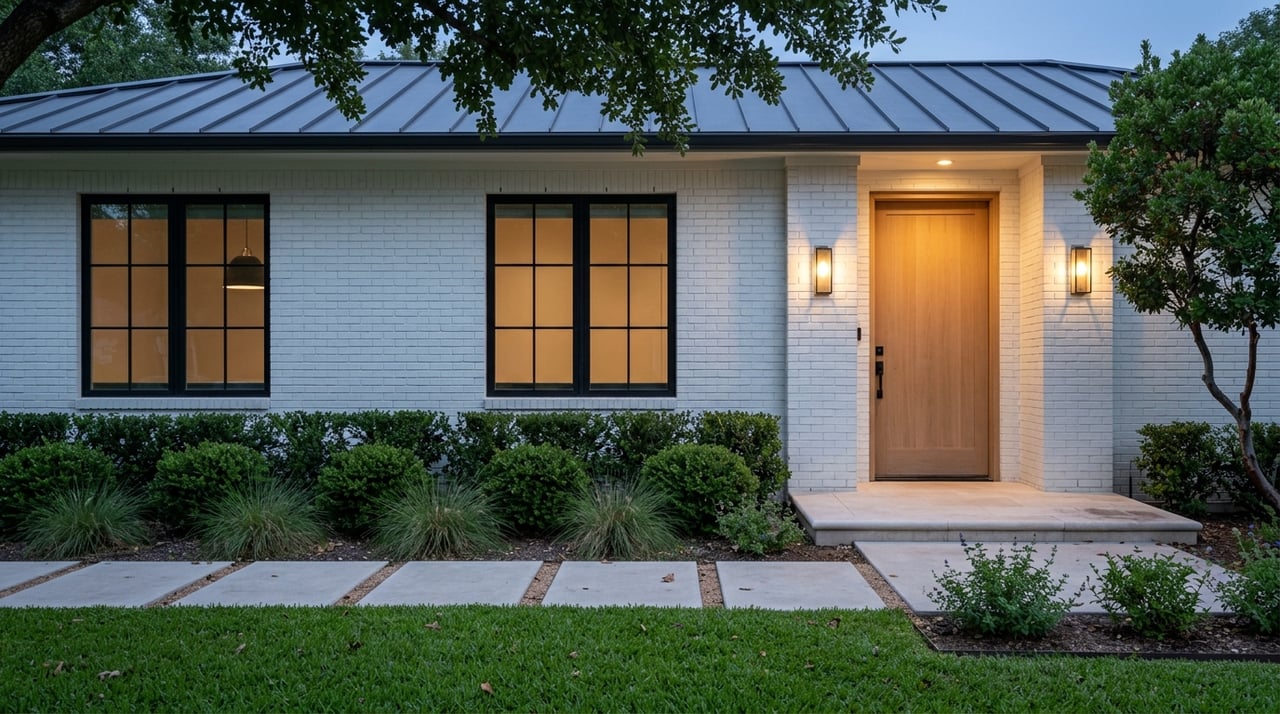
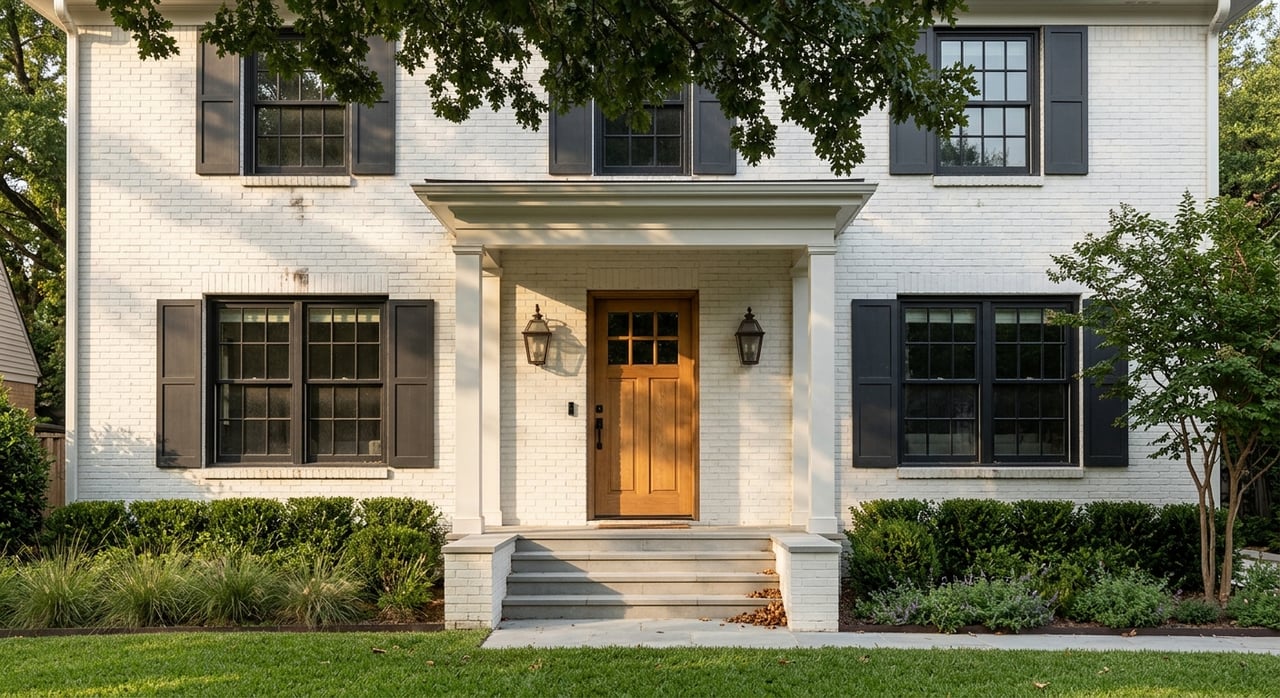
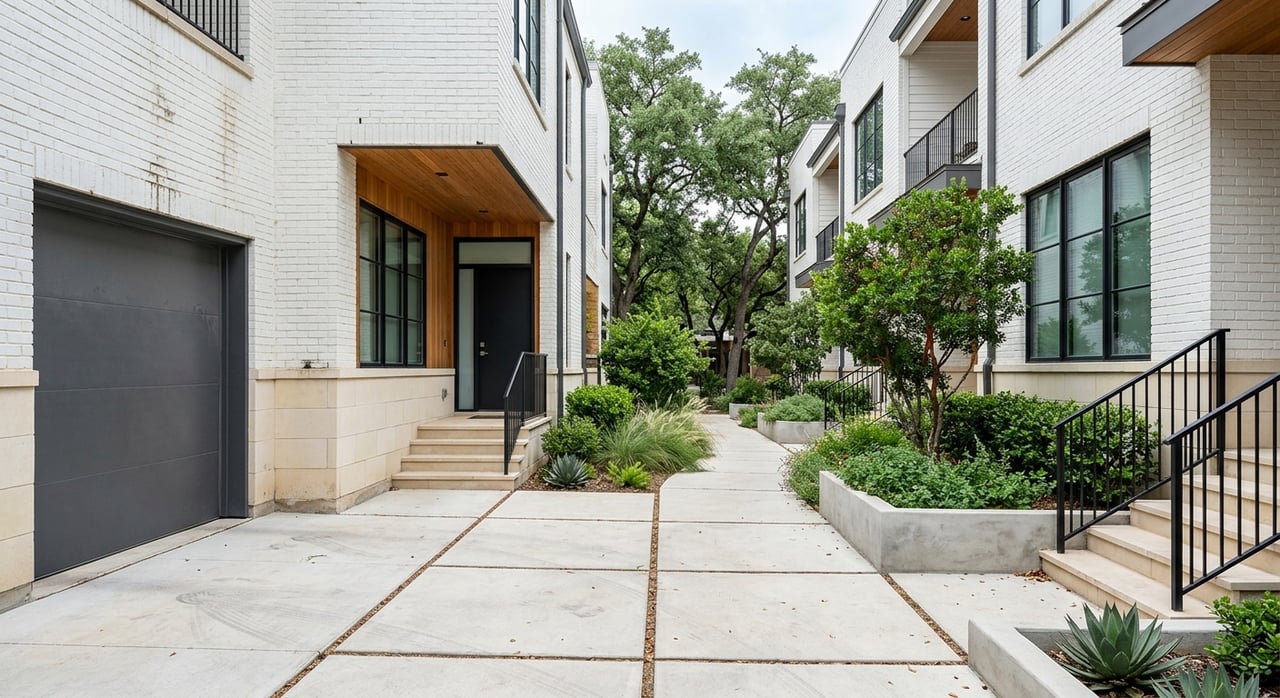
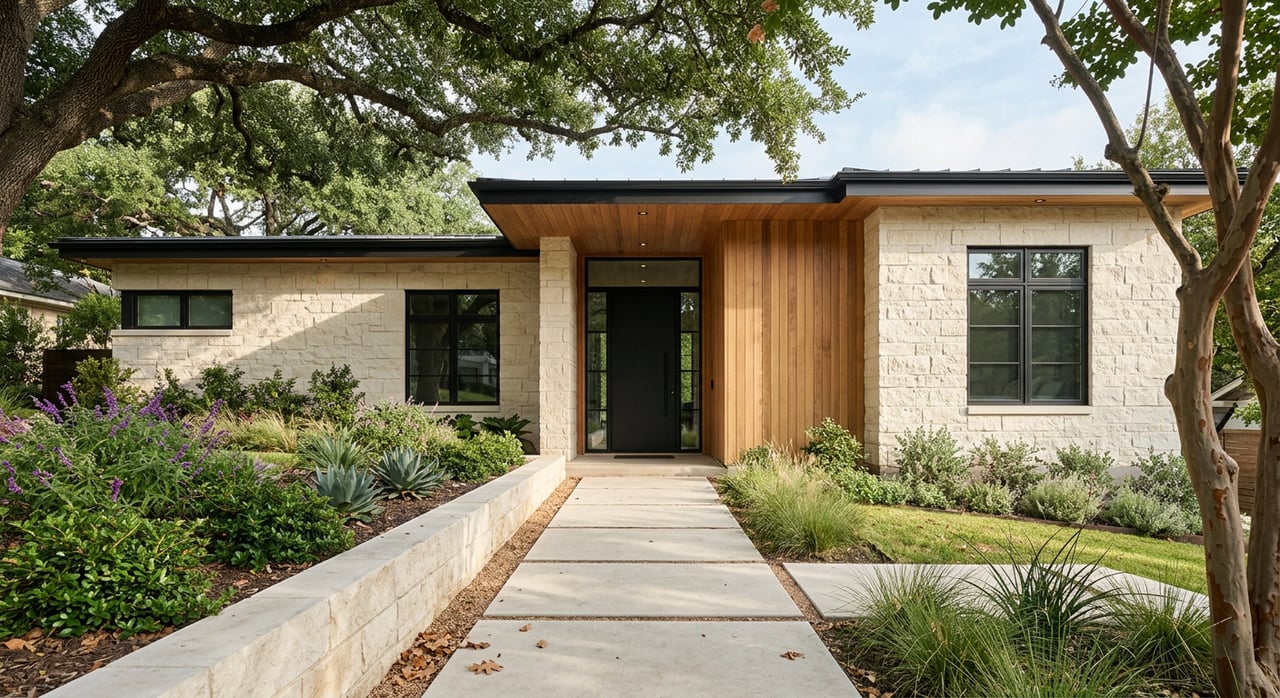
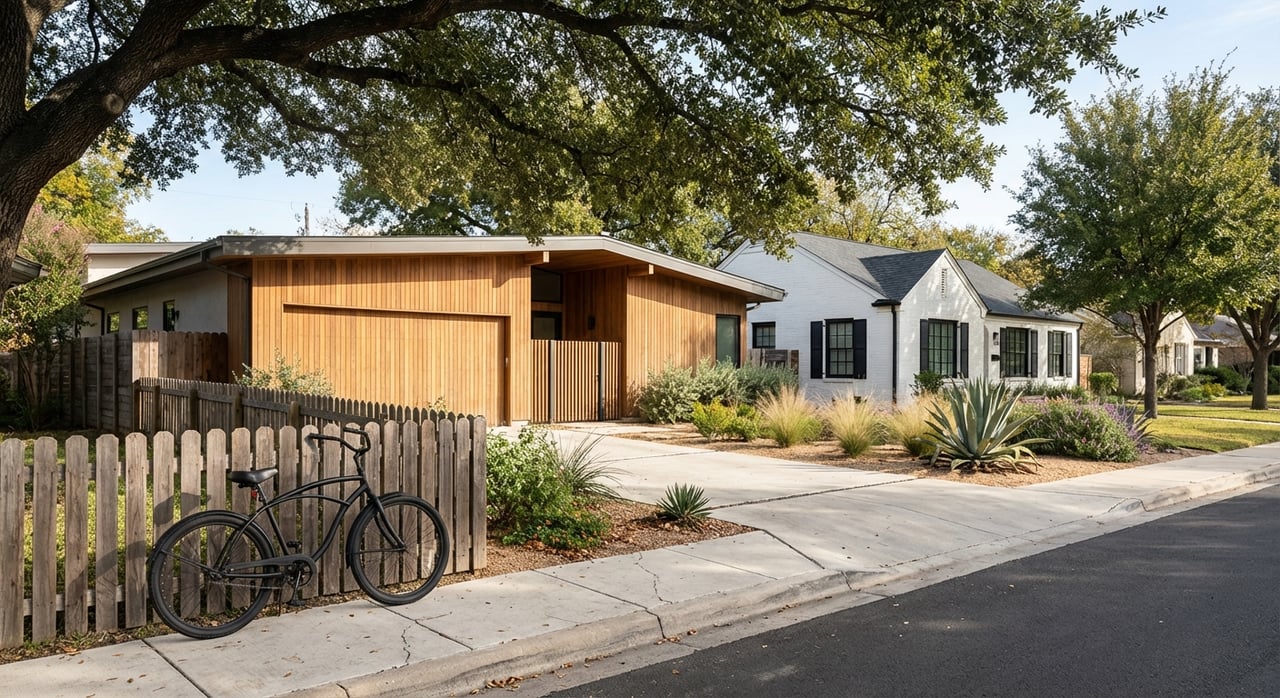
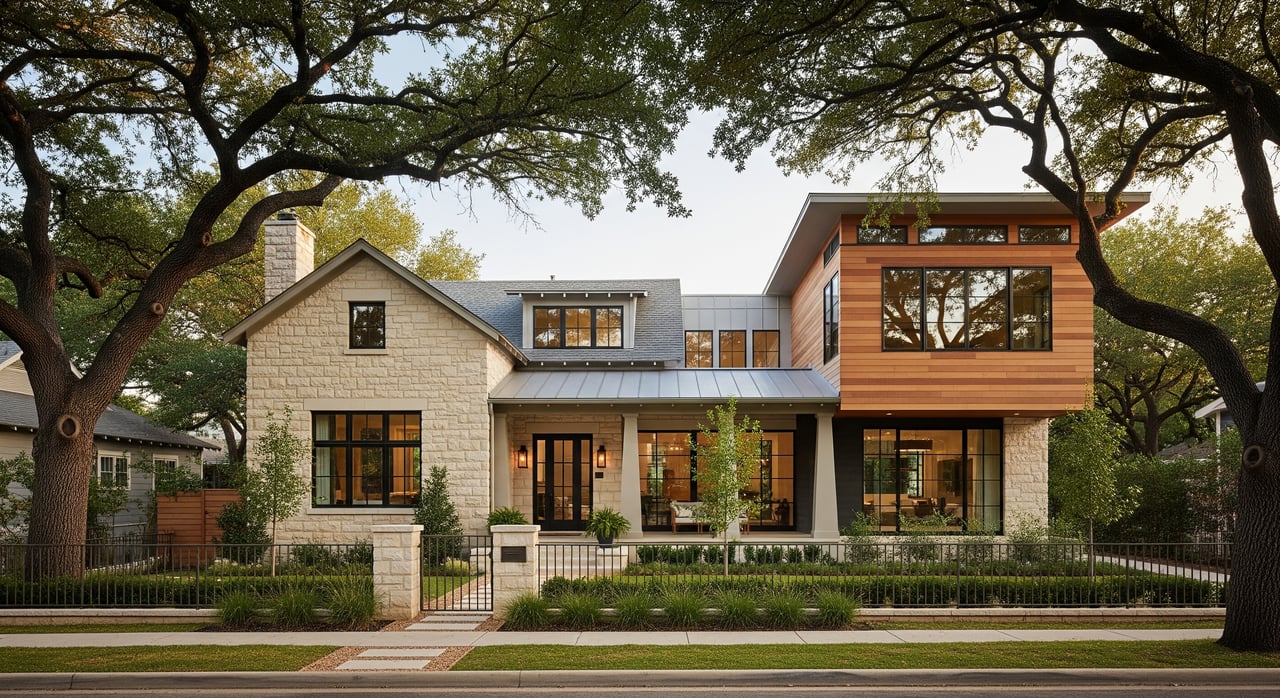
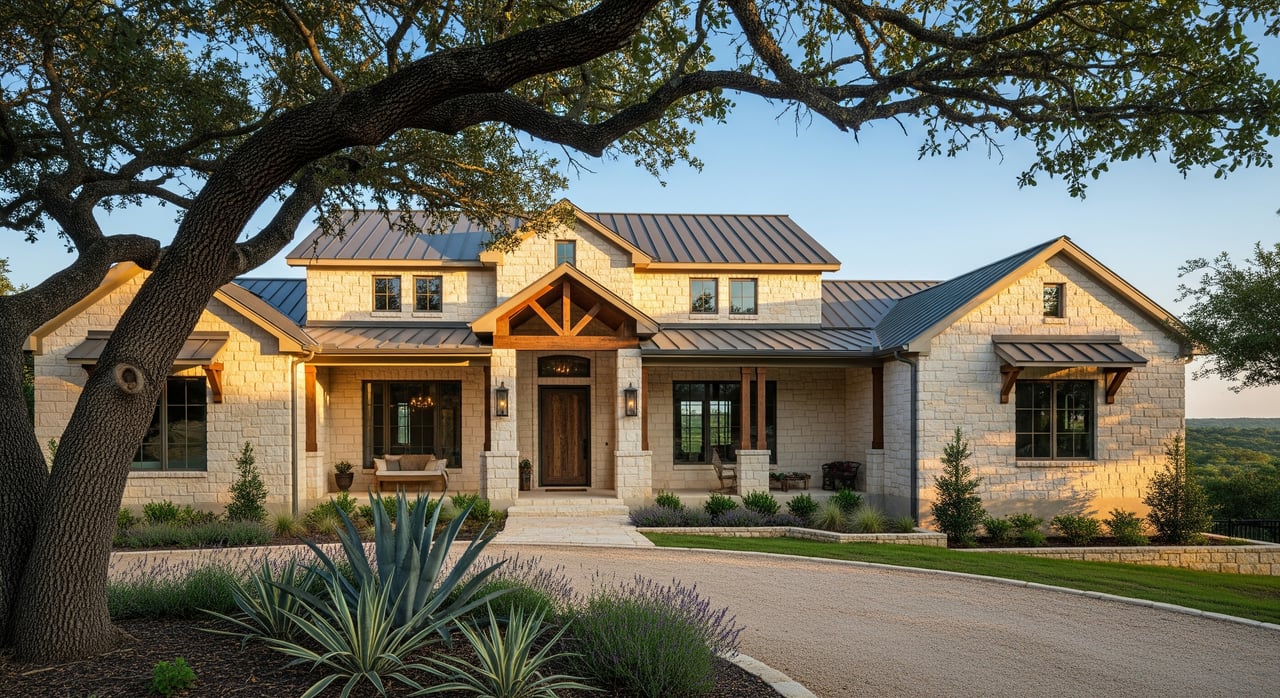
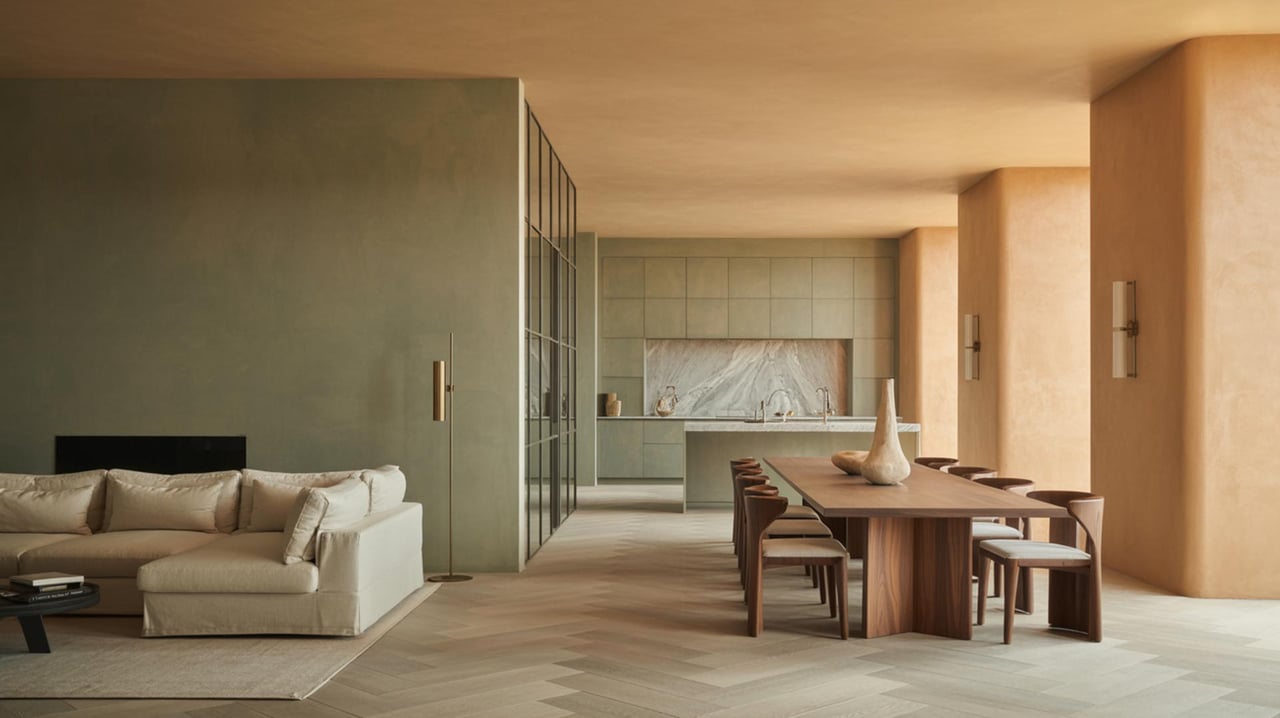
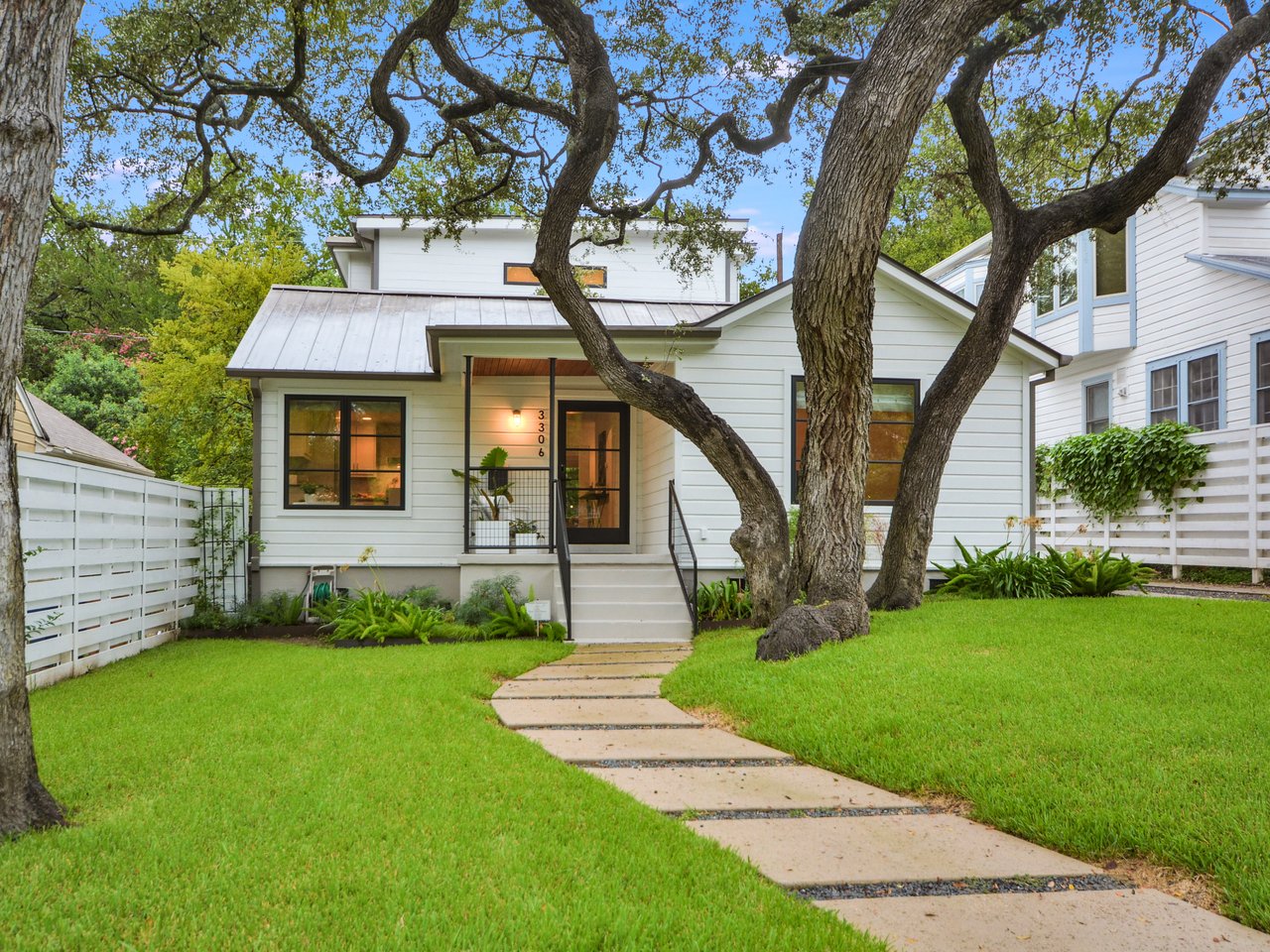
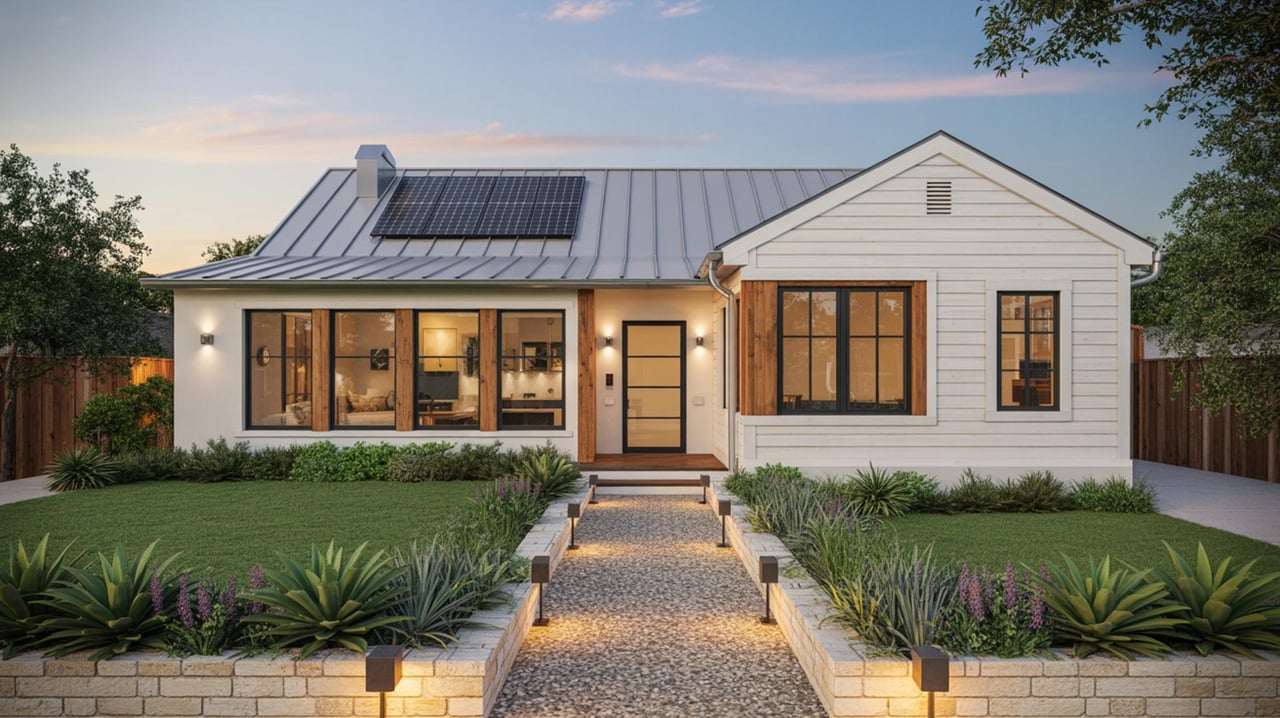
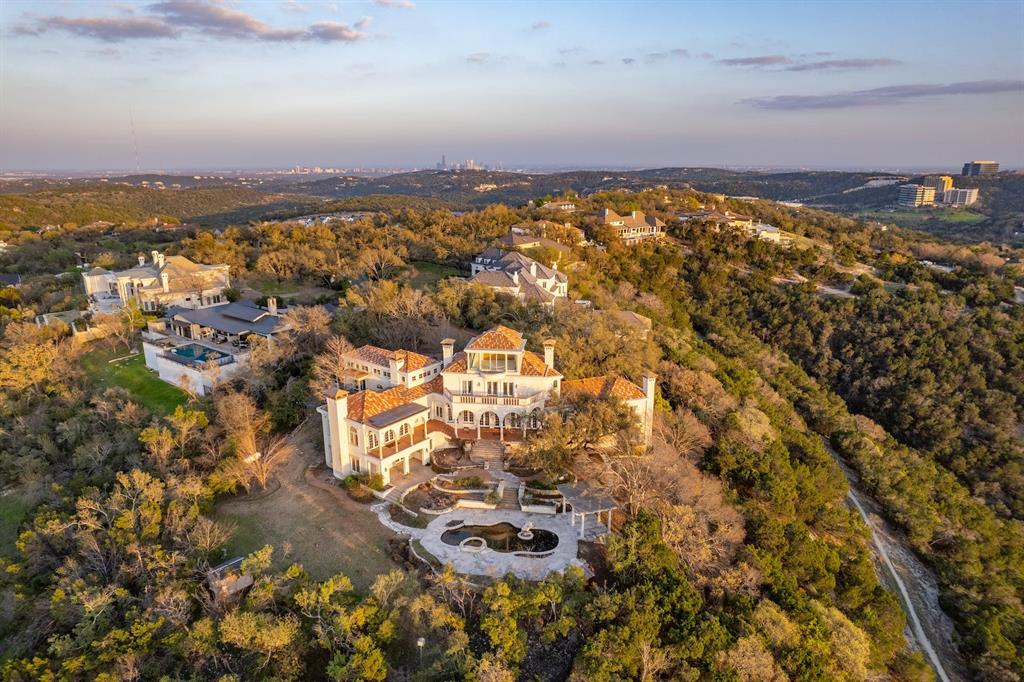
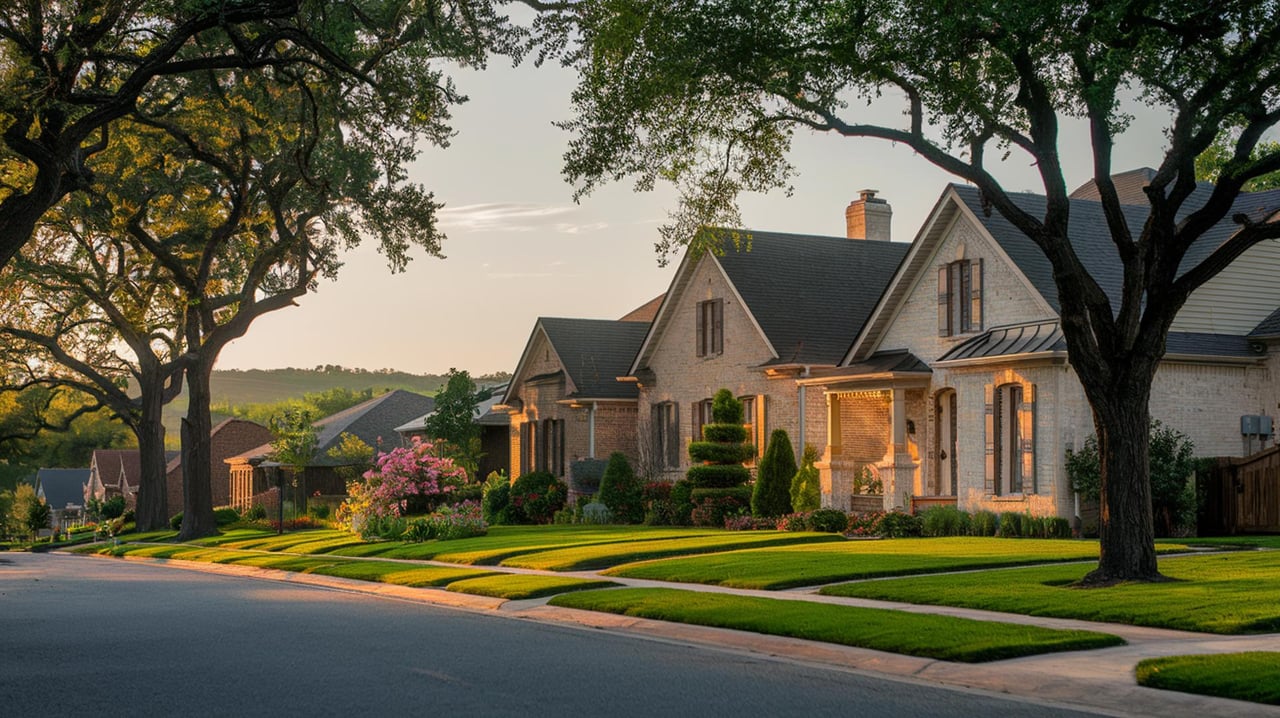
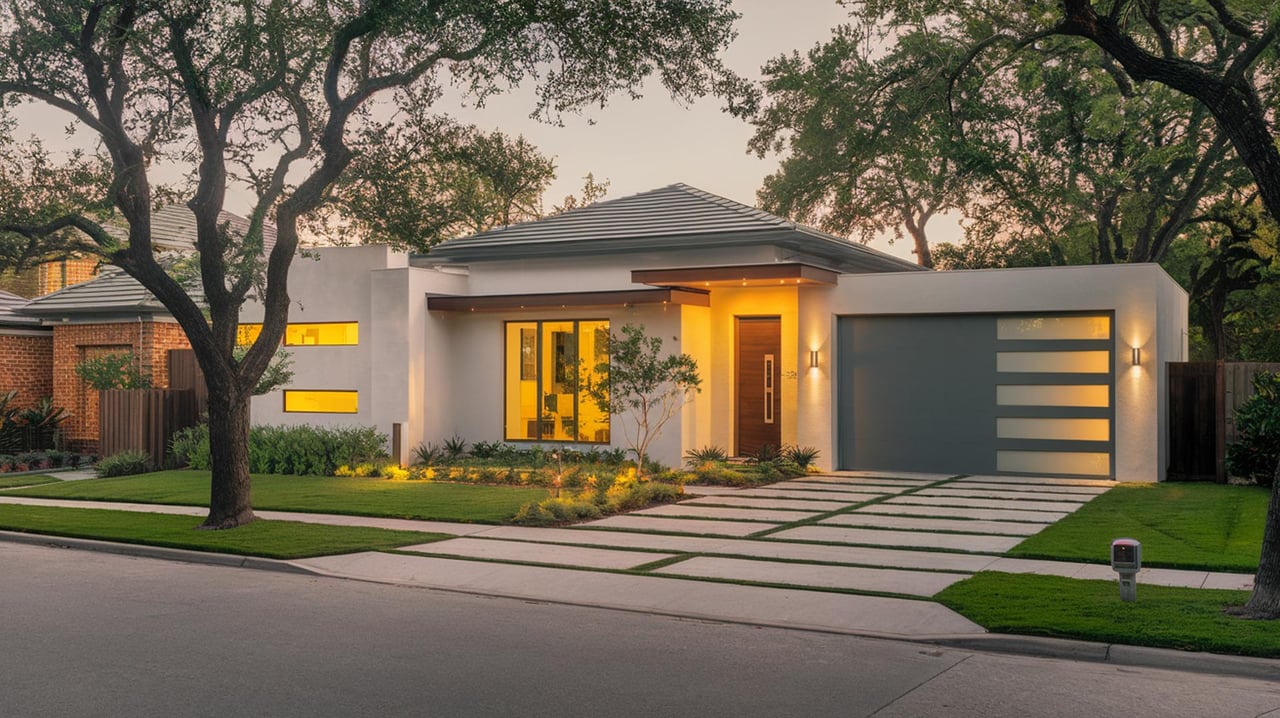
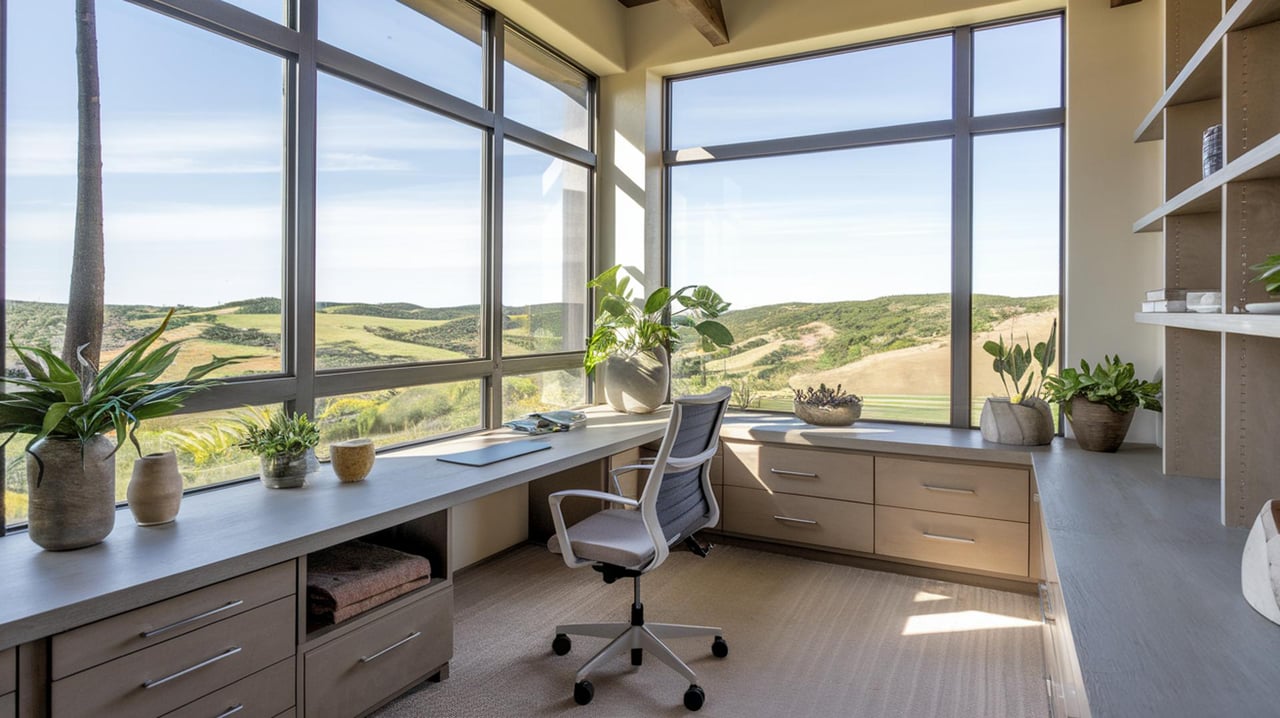
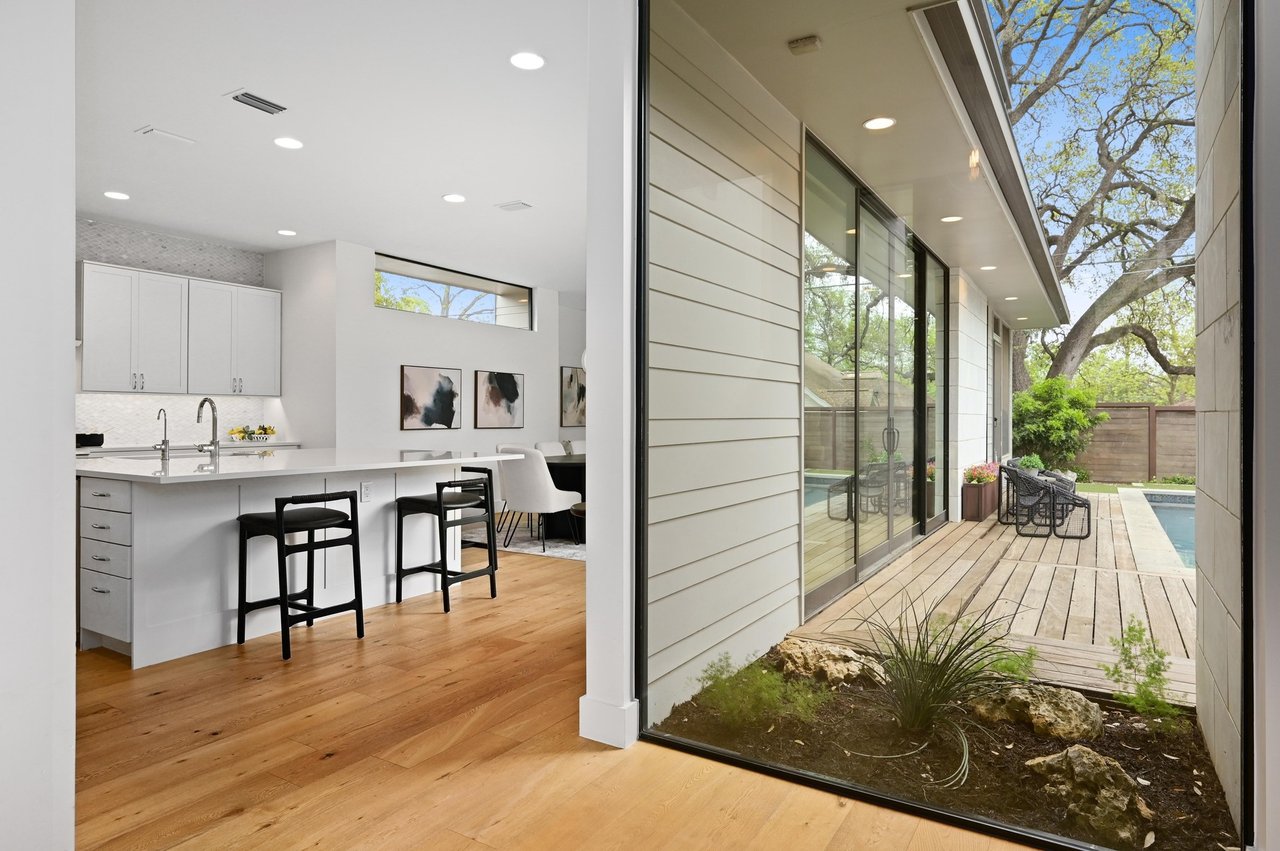
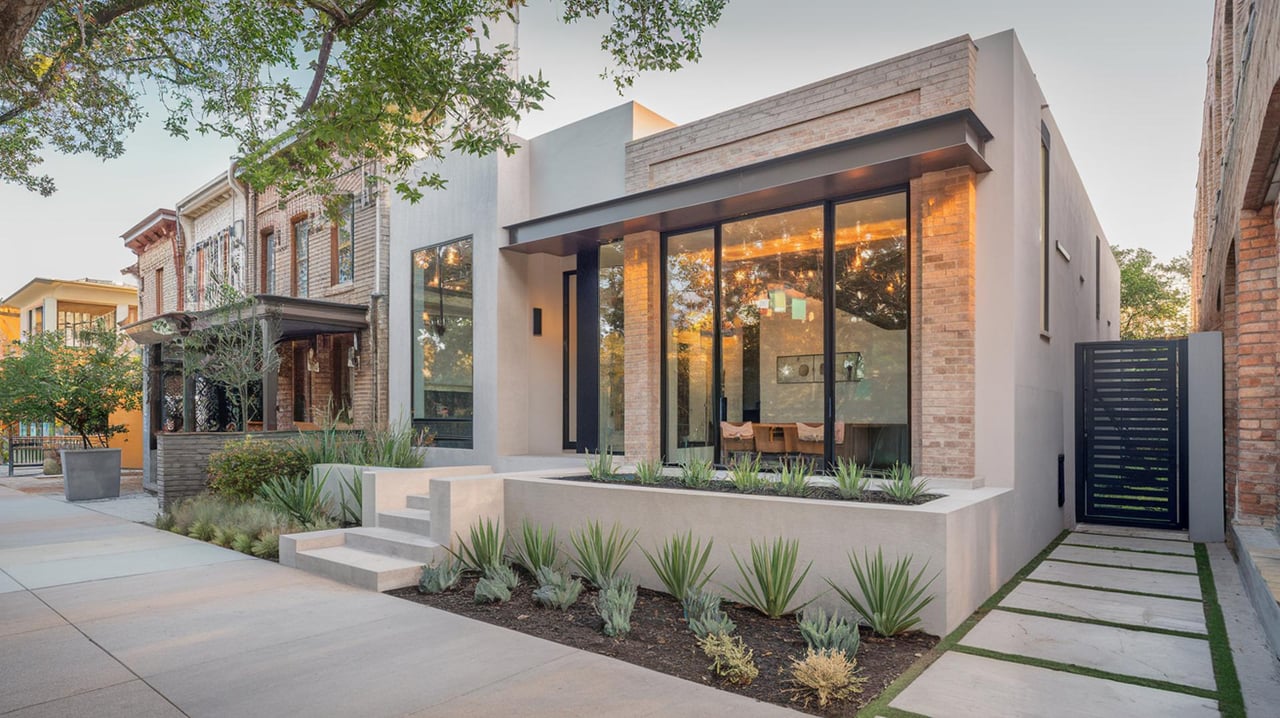
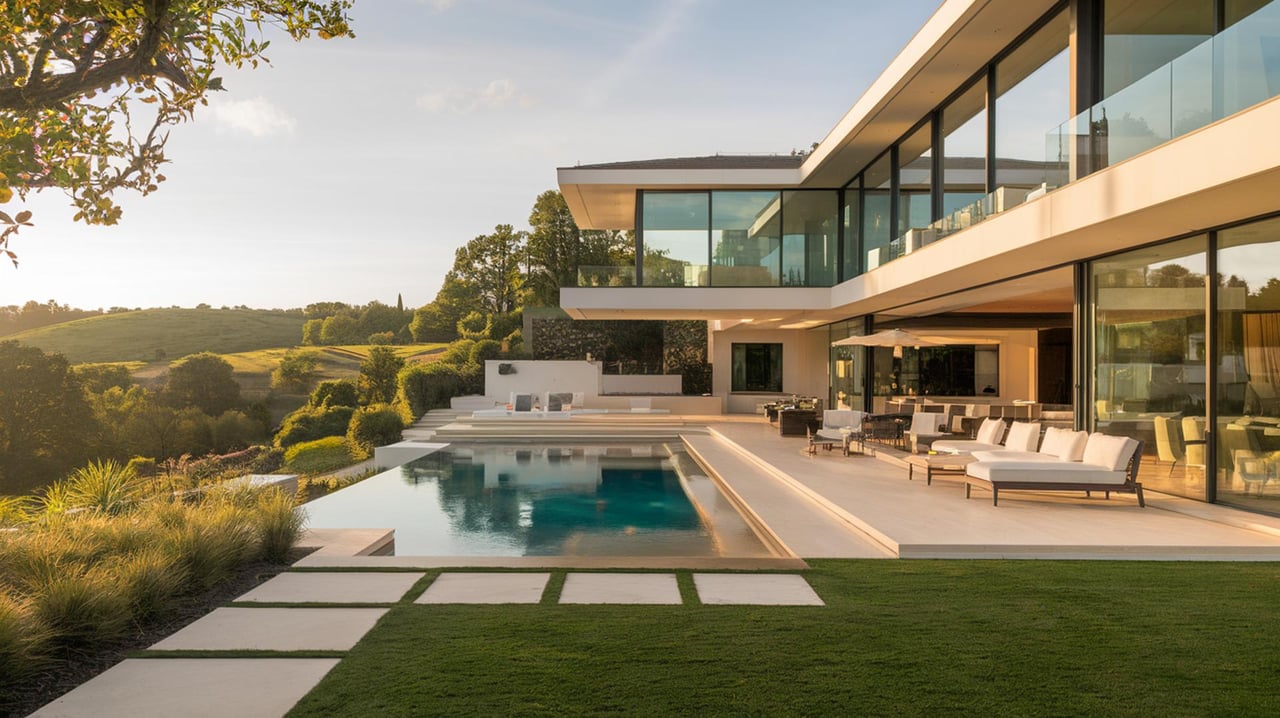
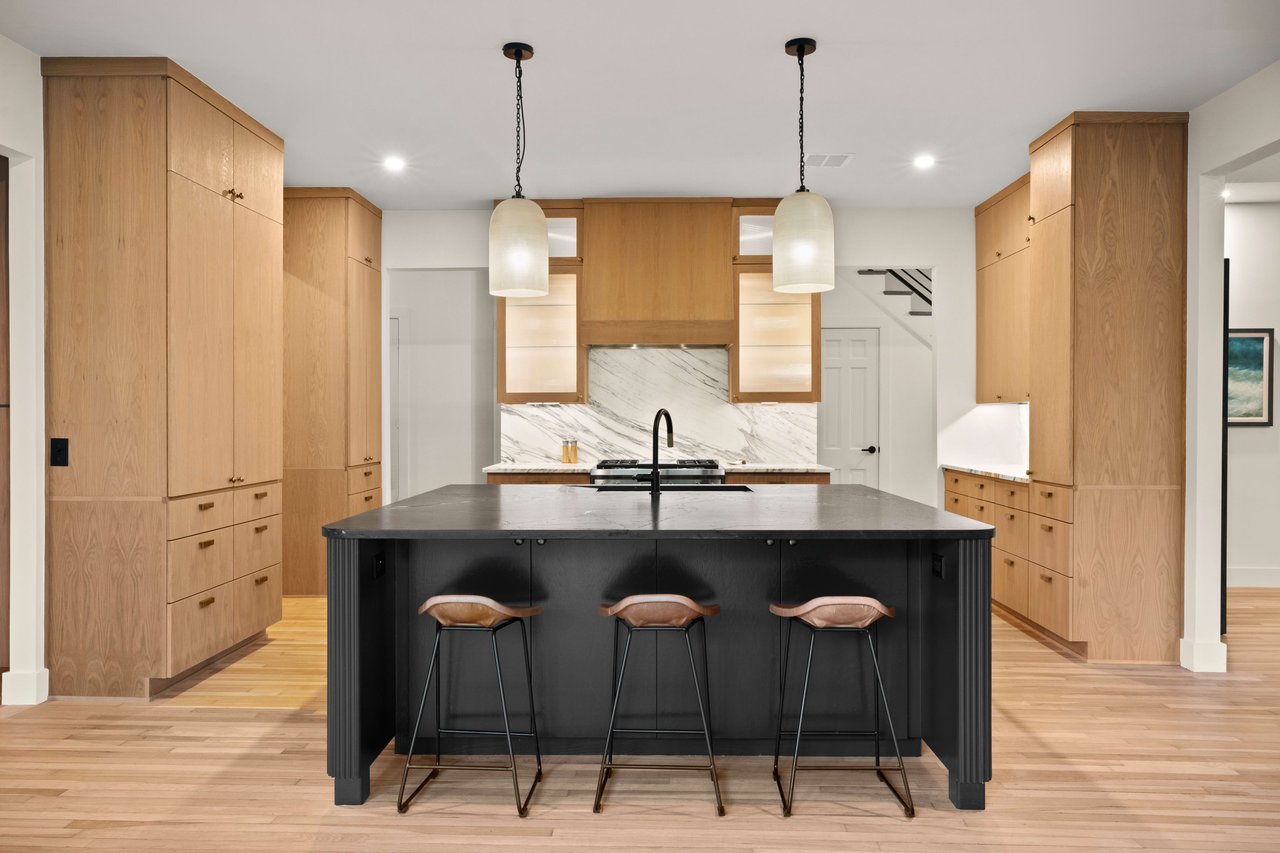
Westlake’s housing stock reflects its history and terrain. The area developed through a mix of secluded homes on acreage, Ranch-style suburban tracts, and architect-designed modern homes set into Hill Country landscapes.
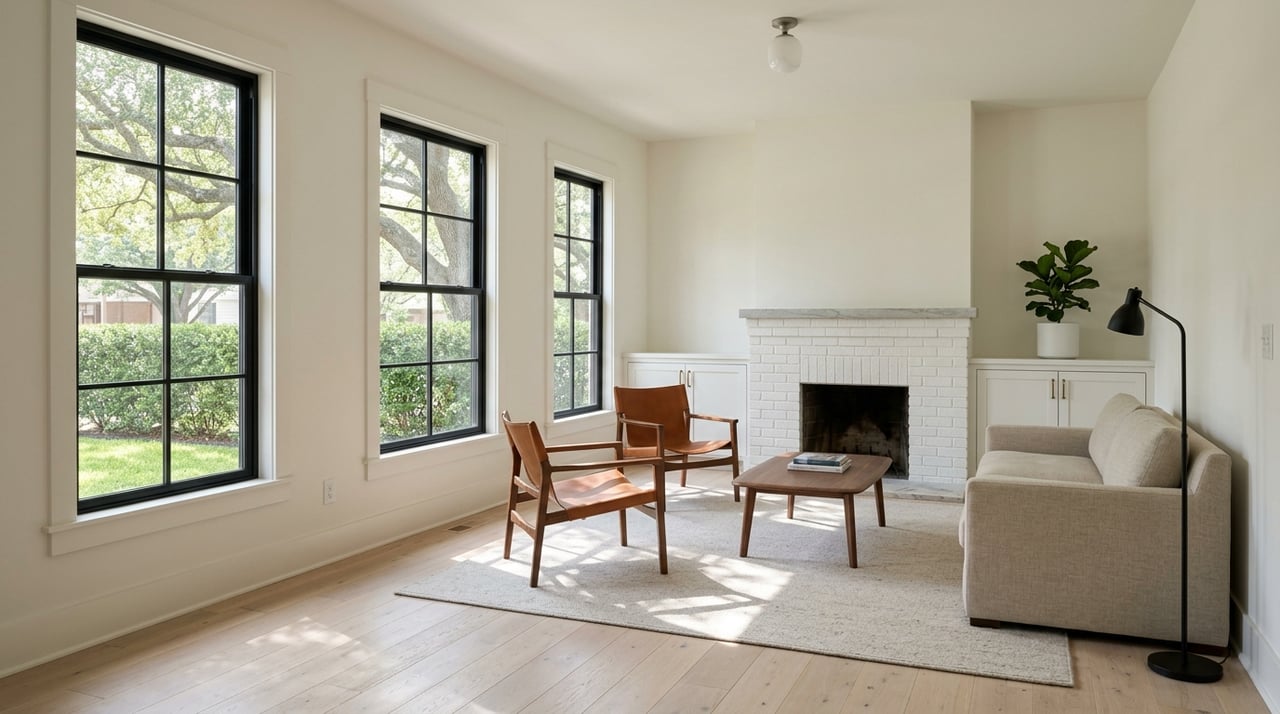
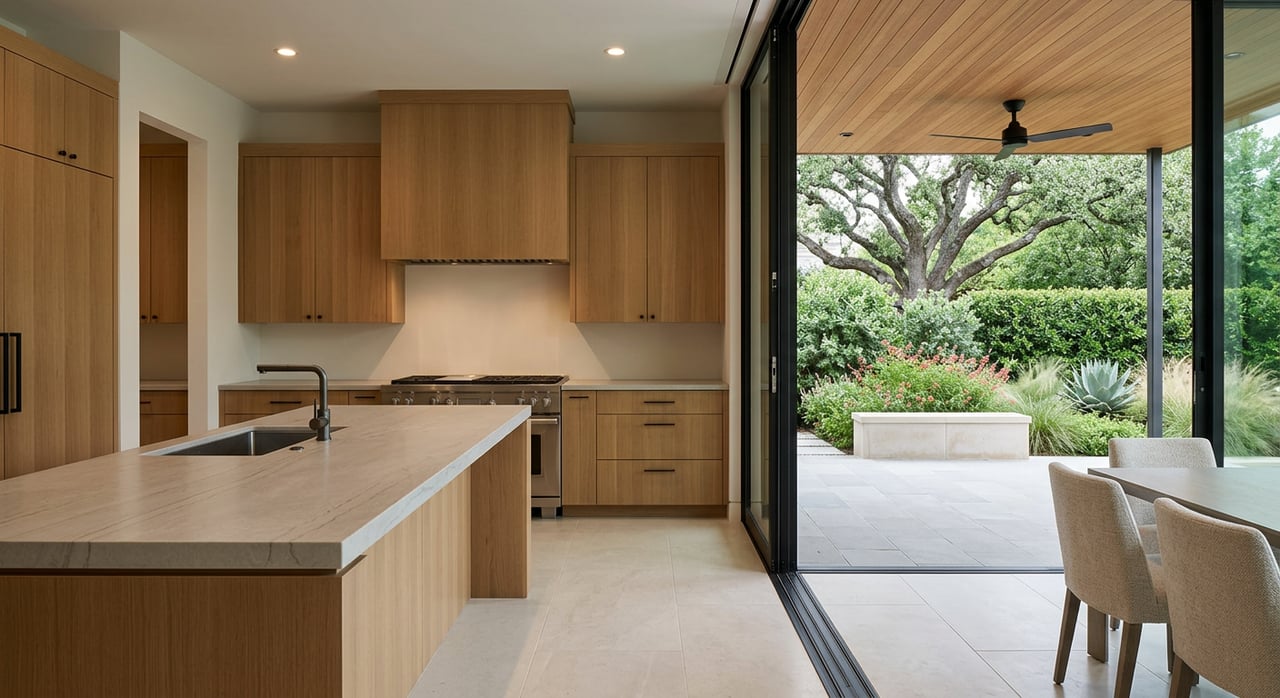
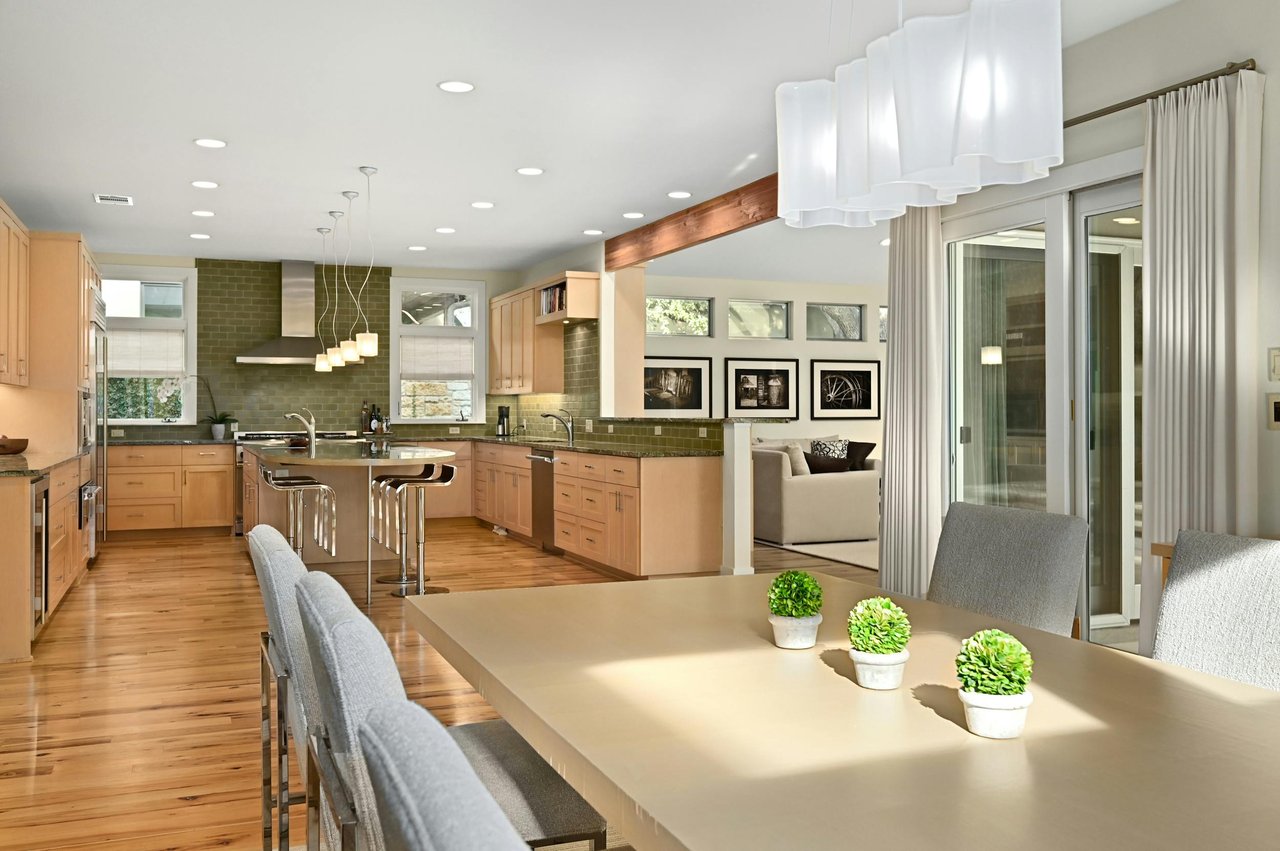
That variety gives you more than one path into the market. You may find older ranch homes ready for renovation, traditional homes on larger lots, or modern custom builds that take full advantage of views, topography, and indoor-outdoor living.
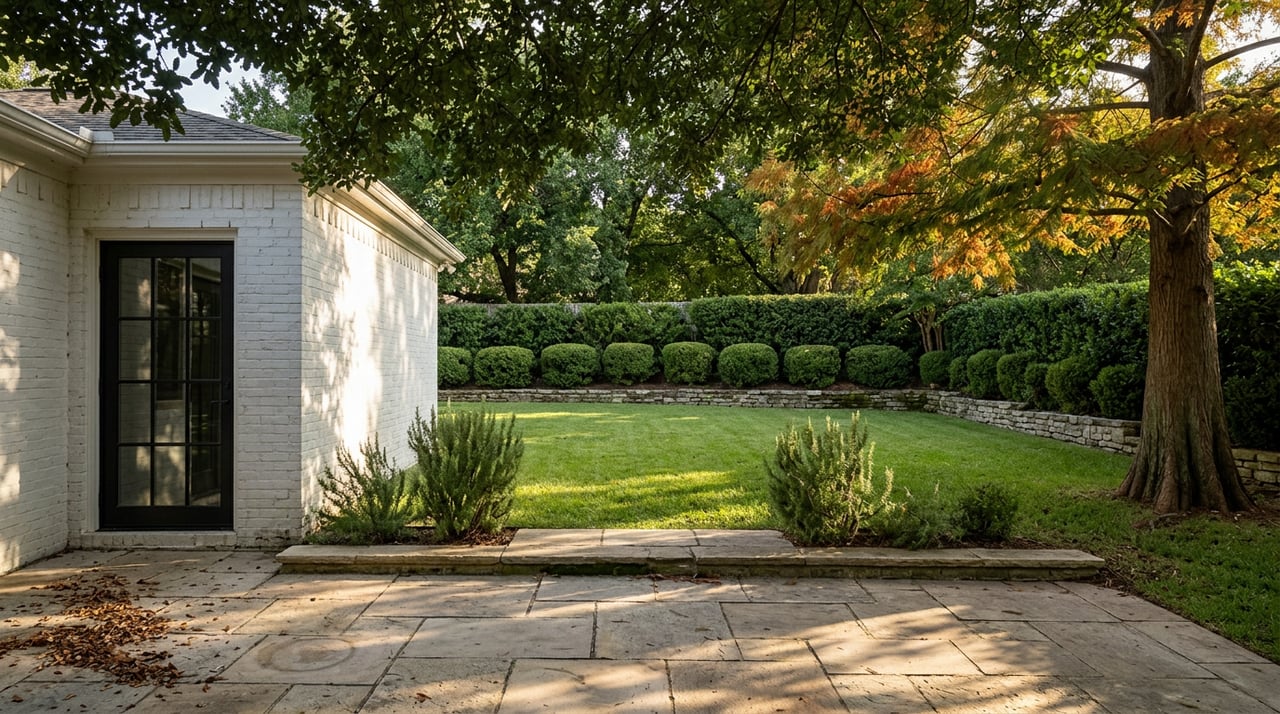
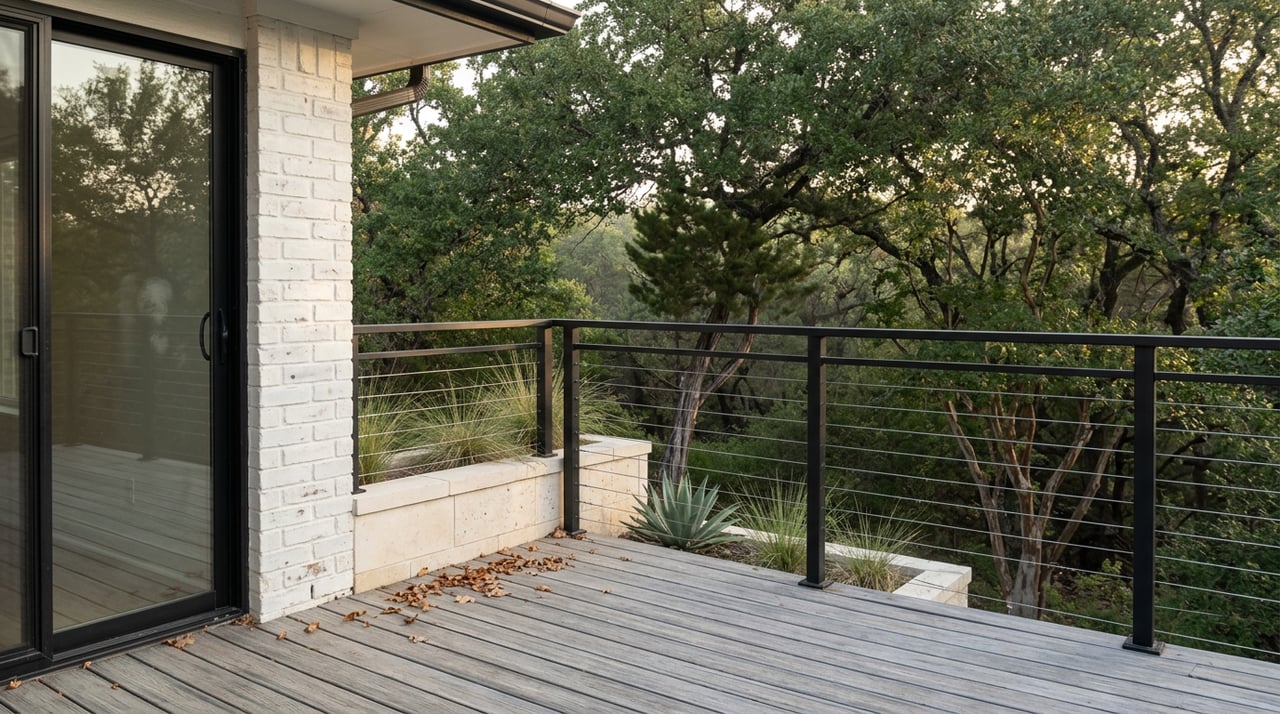
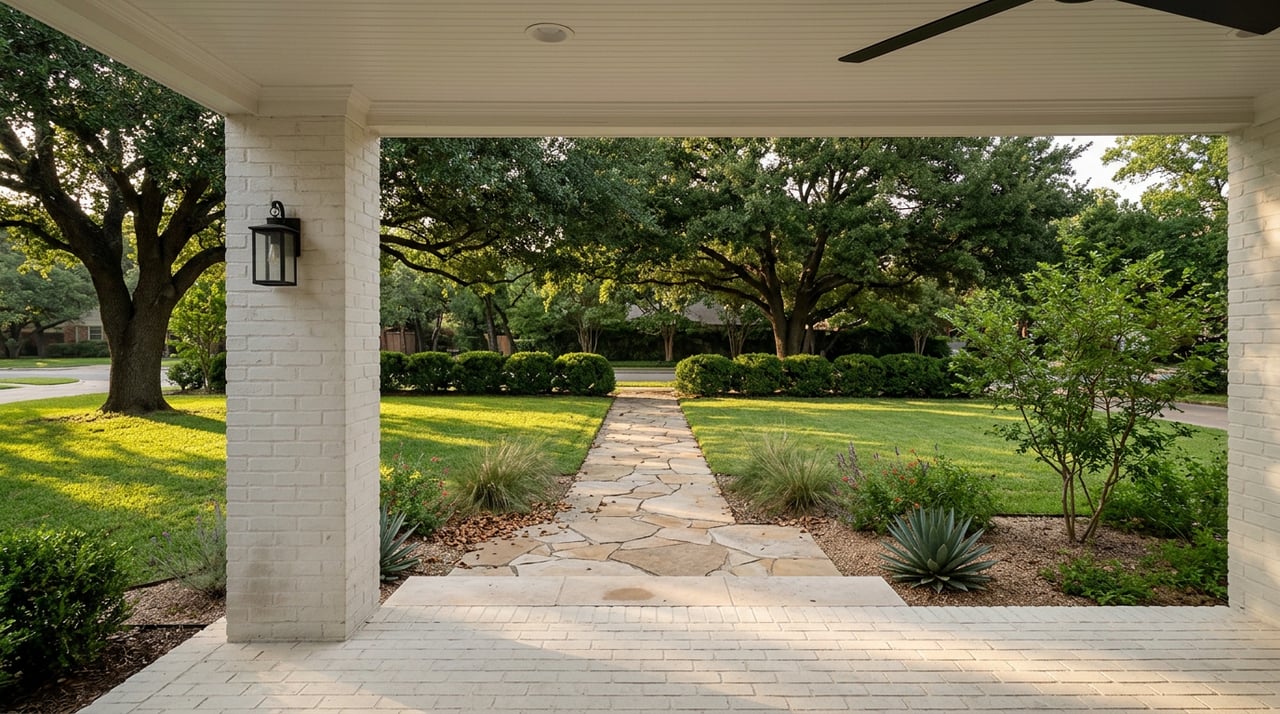
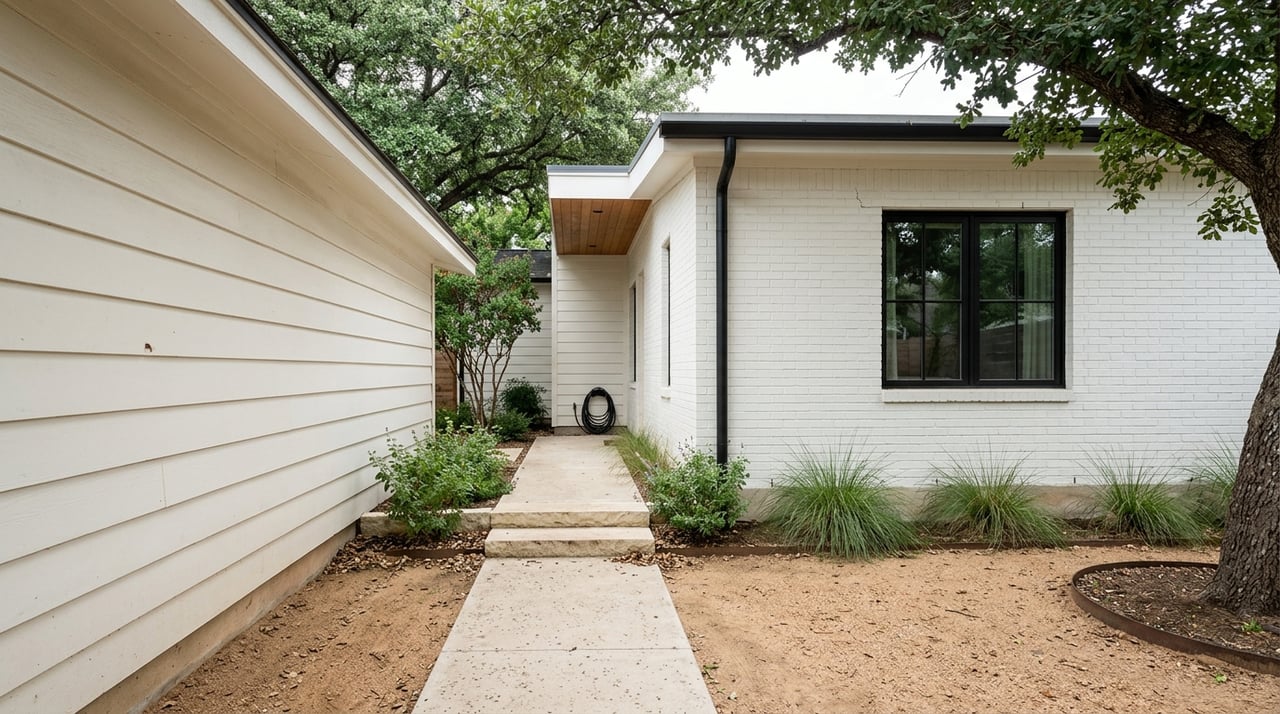
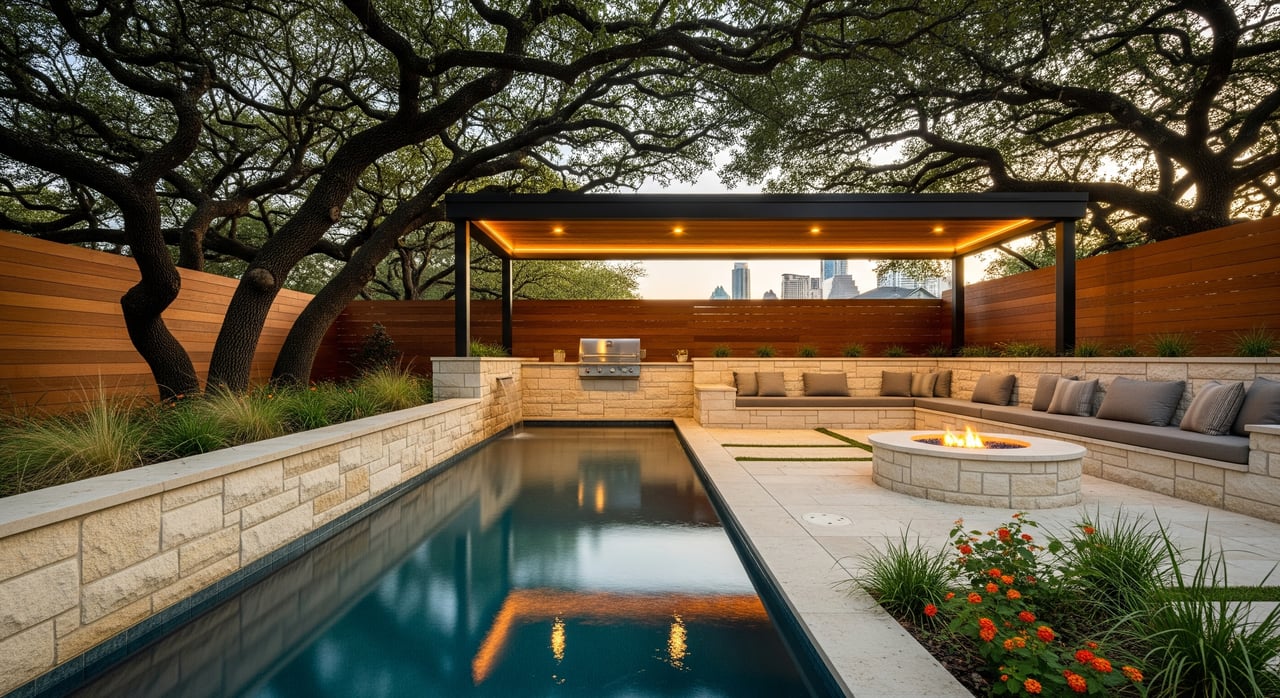
What ties much of Westlake together is the setting. Tree cover, slope, privacy, and lot shape often have a major impact on how a property lives and how it feels from the street.
In West Lake Hills, the natural setting is not just cosmetic. The city regulates tree and vegetation removal to preserve rural character, air quality, property values, and the scenic wooded environment.
For you, that means buying in Westlake can come with ongoing stewardship responsibilities. If you are considering a heavily wooded lot, you will want to understand how vegetation rules may affect future landscaping, clearing, or construction plans.
Wildfire preparedness is also part of the picture. West Lake Hills maintains Firewise resources and evacuation planning, which makes it important to think about lot maintenance and practical readiness, especially on wooded or sloped homesites.
Westlake is firmly in Austin’s luxury tier. Redfin reported a median sale price of $2.7 million in West Lake Hills in March 2026.
That is a very different pricing category from the broader Austin market. Axios, citing Unlock MLS, reported a November 2025 median home price of $565,000 within Austin city limits.
The takeaway is simple: Westlake is a premium market, and buyers are typically paying for more than square footage alone. Location, lot quality, wooded character, and access all play a large role in value.
Redfin also described West Lake Hills as somewhat competitive, with a median of 69 days on market. That can create a market pace that feels more measured than entry-level neighborhoods, while still rewarding buyers who are prepared and clear on priorities.
For many buyers, Eanes ISD is a major part of the Westlake conversation. But it is important not to assume every Westlake-area property falls within the same attendance pattern.
Eanes ISD specifically advises property owners and buyers to verify residency and zoning by exact address through TCAD and SchoolSearch. The district includes Westlake High School, Hill Country Middle School, West Ridge Middle School, and five elementary campuses: Barton Creek, Bridge Point, Cedar Creek, Eanes, and Forest Trail.
If school assignment matters to your move, one of the smartest steps you can take is confirming zoning early. In a location where boundaries can influence both lifestyle and value, address-level verification is essential.
Westlake is not a dense, amenity-packed suburb, but it does offer strong day-to-day infrastructure. The area is served by the Westbank Community Library District, which covers about 27 square miles, roughly aligns with Eanes ISD, serves about 27,000 residents, and operates two libraries.
The Westlake Athletic & Community Center adds a major recreational resource next to Westlake High School. It is a 70,000-square-foot indoor sports complex, which gives the area an unusually robust community amenity for a primarily residential district.
West Lake Hills also highlights the Village at Westlake Shopping Center, the Westlake Community Performing Arts Center, and the Westbank libraries as part of its local amenity mix. That creates convenience without changing the area’s lower-density character.
Rollingwood often gets grouped into the broader Westlake conversation, but it offers a different living experience. It is a separate city, and its location between West Lake Hills and Austin gives it a more in-town feel.
The city describes itself as walkable and notes amenities like ball fields, playgrounds, trails, a community garden, and a growing commercial district with eateries, retail, and professional offices. If your priority is being close in with more on-foot convenience, Rollingwood may feel like the better match.
If your priority is more privacy, more wooded surroundings, and a lower-density setting, West Lake Hills may feel more aligned. Both are highly desirable, but they solve for different versions of Austin living.
If you are still comparing options, it helps to place Westlake alongside Bee Cave and Lakeway. Each serves a different kind of luxury buyer.
Bee Cave is about eight miles west of Austin and describes itself as a vibrant Hill Country community with a strong retail, dining, and events scene. Lakeway, about 25 miles west of downtown Austin, leans into a lake and resort lifestyle with golf, marinas, parkland, trails, and recreation.
Westlake is the closest-in of these west-of-Austin luxury choices. In broad terms, it offers a more established and lower-density feel than Bee Cave or Lakeway, while often delivering more privacy than Rollingwood.
Westlake tends to be a strong fit if you want quiet streets, mature trees, and quick access to central Austin. It also makes sense if you value a setting where landscape and privacy are a meaningful part of the ownership experience.
Many buyers who gravitate to Westlake are comfortable paying a premium for location and environment. They are often less focused on being in a retail-heavy, walk-everywhere district and more focused on space, calm, and convenience by car.
You may be a strong match for Westlake if you want:
Westlake is not ideal for every buyer. If your top priorities are lower price, a newer master-planned feel, or a stronger retail-and-dining scene within walking distance, you may feel better served elsewhere.
Rollingwood may suit you better if you want a more walkable in-town option. Bee Cave may be a better fit if you want a more retail-driven environment, and Lakeway may be more appealing if you want a lake-centered or resort-style lifestyle.
That does not make Westlake better or worse. It simply means Westlake is a specific kind of choice, and it works best when your lifestyle priorities match what the area actually delivers.
Before you decide, it helps to be honest about how you want to live day to day. A beautiful house in the wrong setting is still the wrong move.
Ask yourself:
If you answer yes to most of these, Westlake may be a very strong fit. If not, another west Austin area may align better with your routine and priorities.
Westlake works best when you value the full package: land, landscape, location, and a more private way of living close to Austin. If that sounds like the life you want to build, it can be one of the most compelling moves in the market.
If you want help comparing Westlake to Rollingwood, Bee Cave, or other close-in Austin neighborhoods, Anna Lee offers thoughtful, neighborhood-first guidance backed by deep local roots and concierge-level service.
3825 Lake Austin Blvd Ste 501 Austin TX 78703
3825 Lake Austin Blvd Ste 501 Austin TX 78703