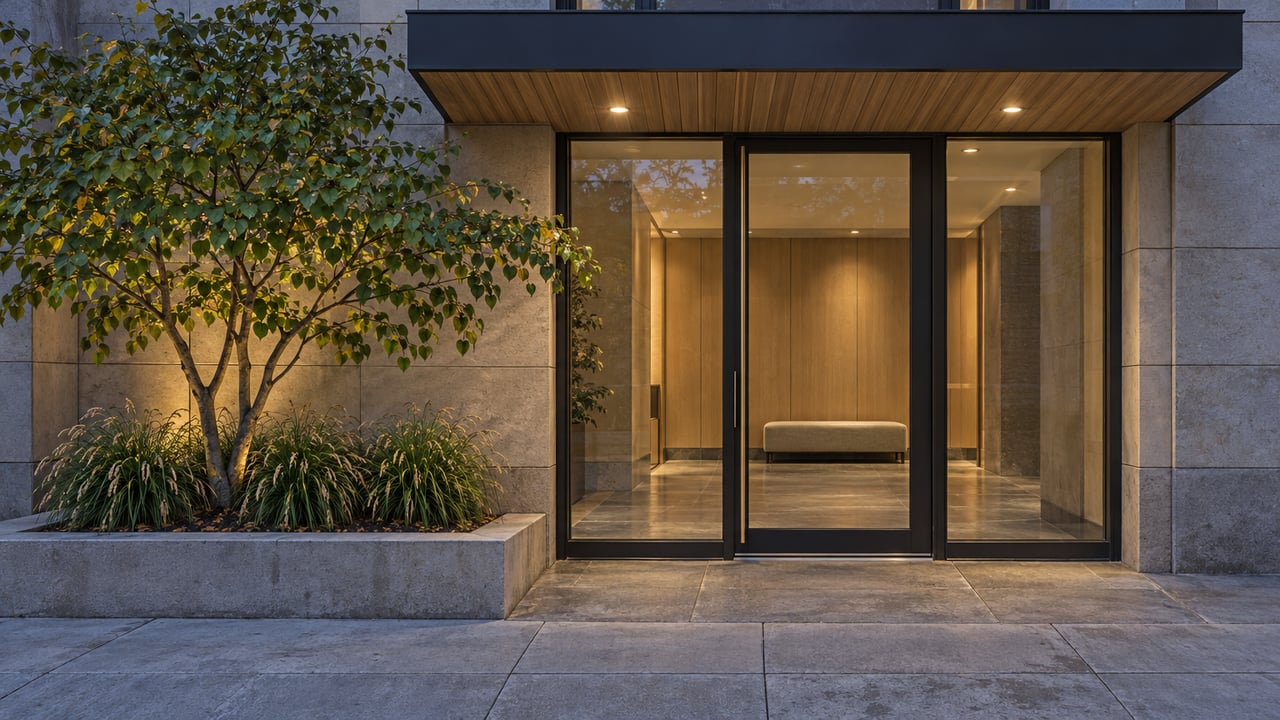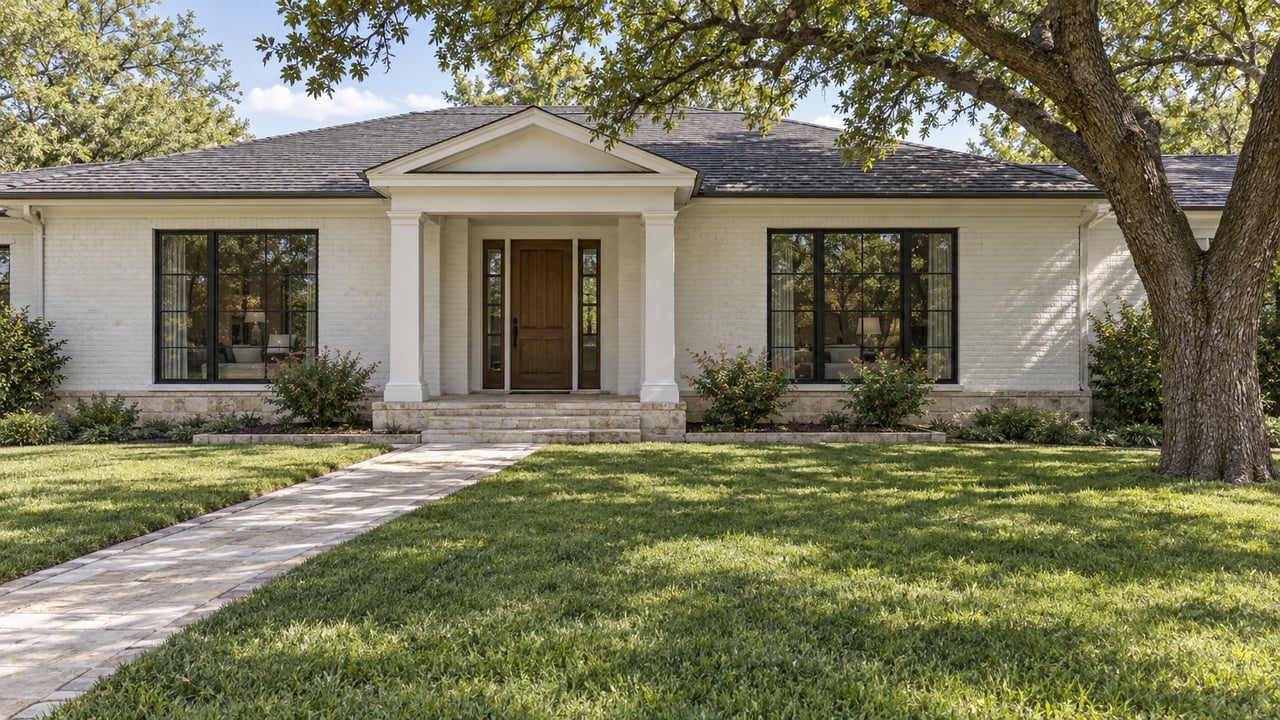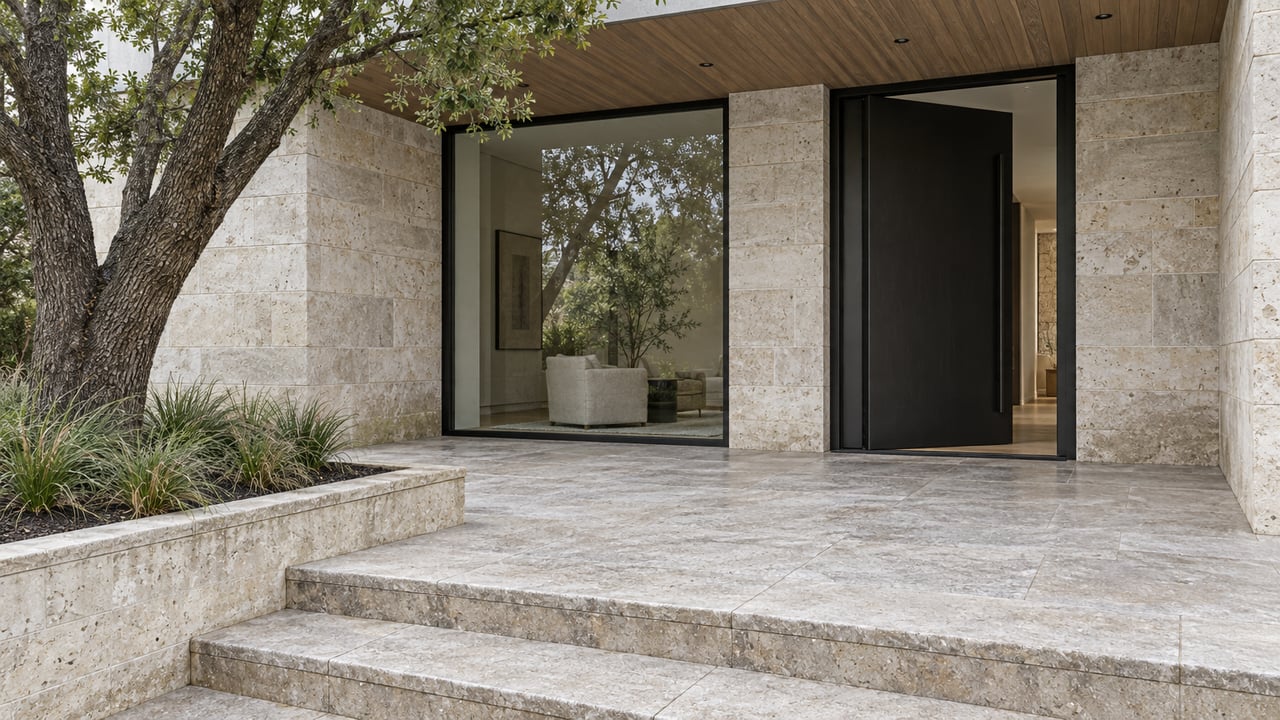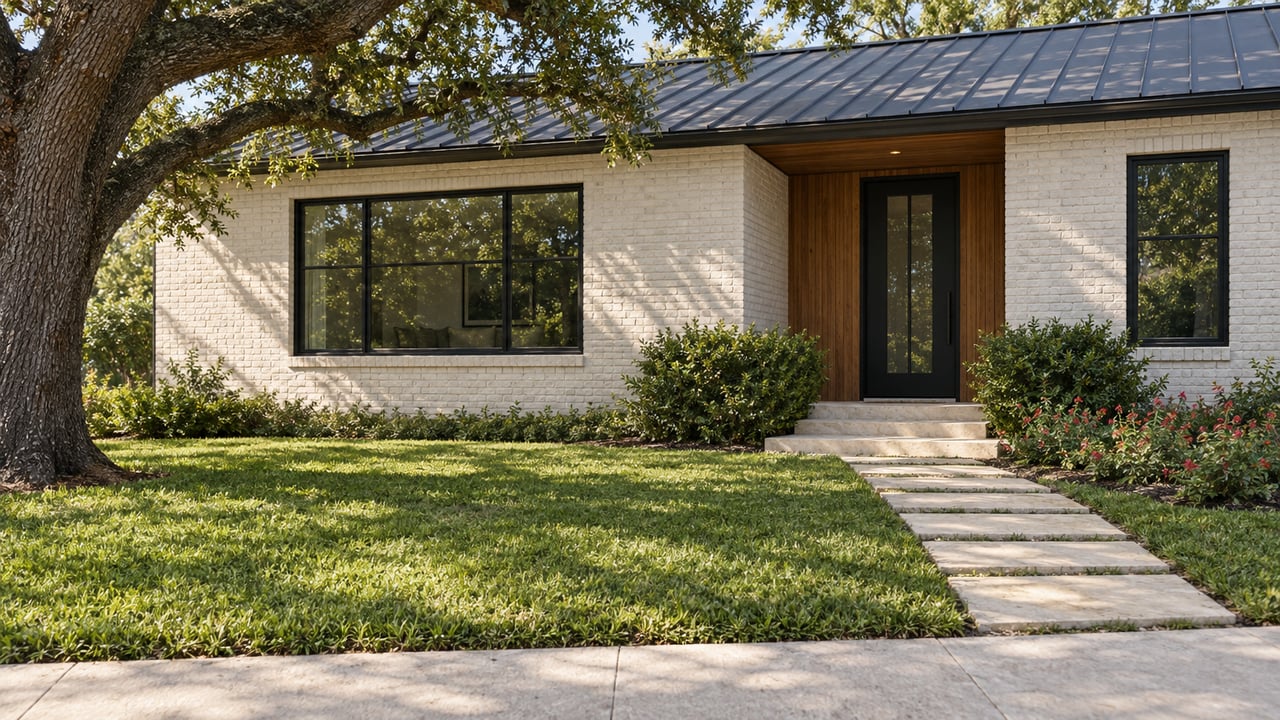
Thinking about moving up in Austin, but not ready to give up central convenience for a far-out subdivision? Northwest Hills often stands out for exactly that reason. If you want more space, a larger lot, and the feel of an established neighborhood, this area can offer a compelling next step, and knowing the trade-offs can help you buy wisely. Let’s dive in.
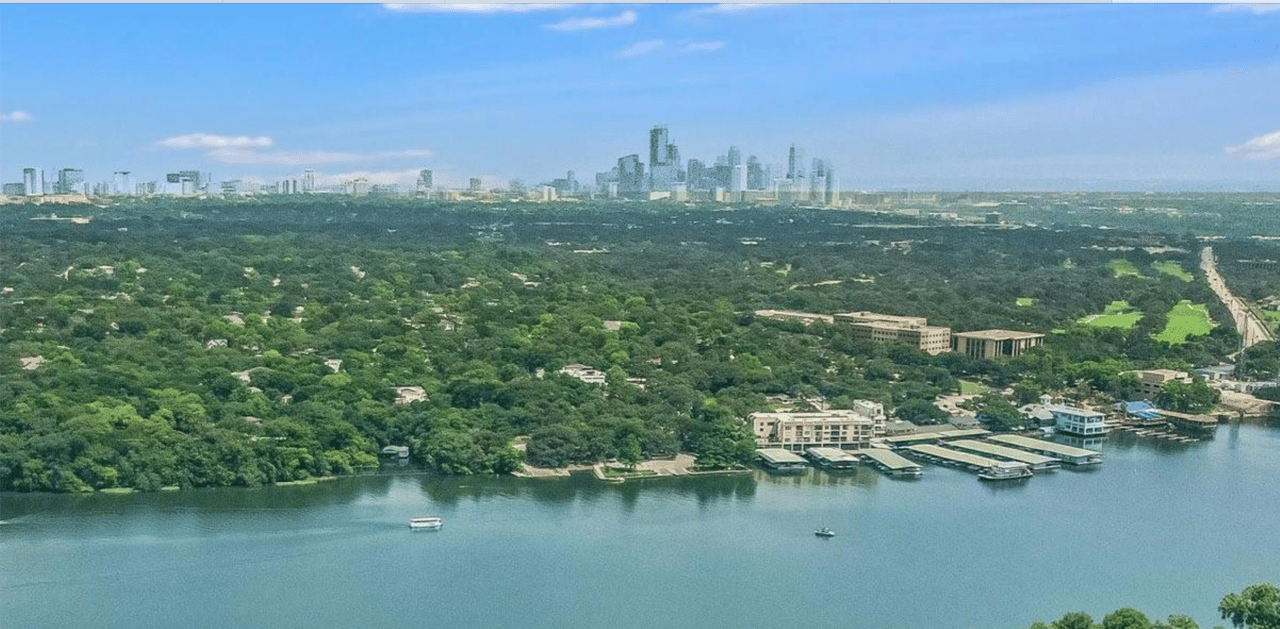
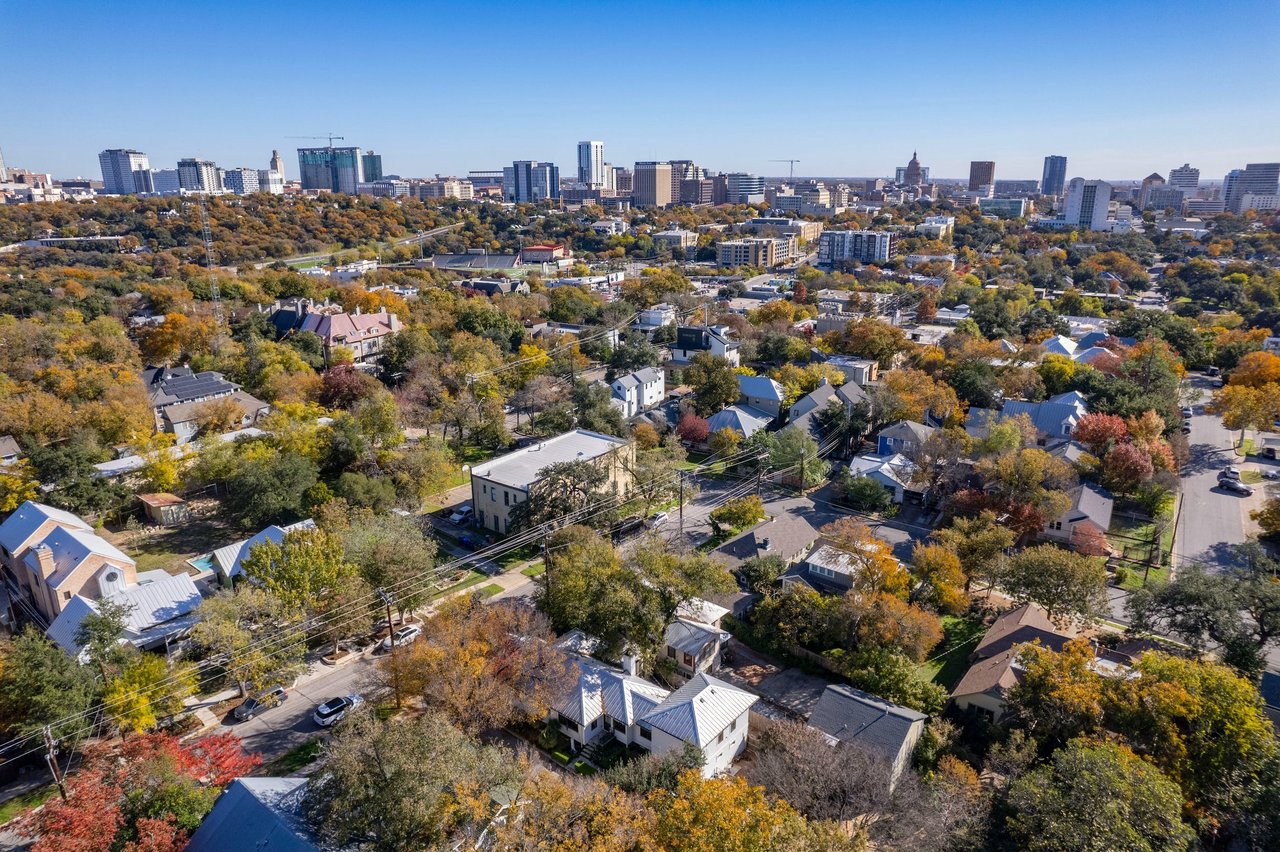
Northwest Hills gives you something many buyers struggle to find in Austin: the chance to upsize without fully leaving central Austin behind. The neighborhood is in northwest Austin and has long been part of the city’s established residential fabric, with roots in the broader northwest Austin civic community going back decades.
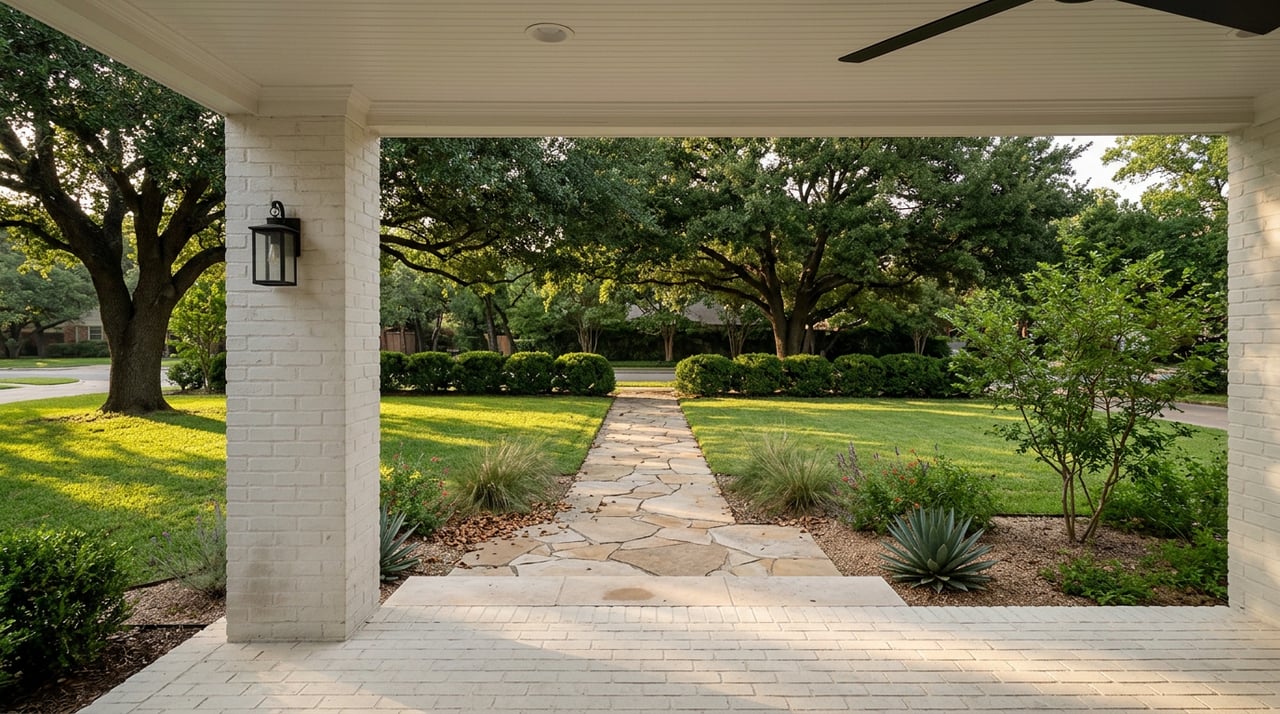
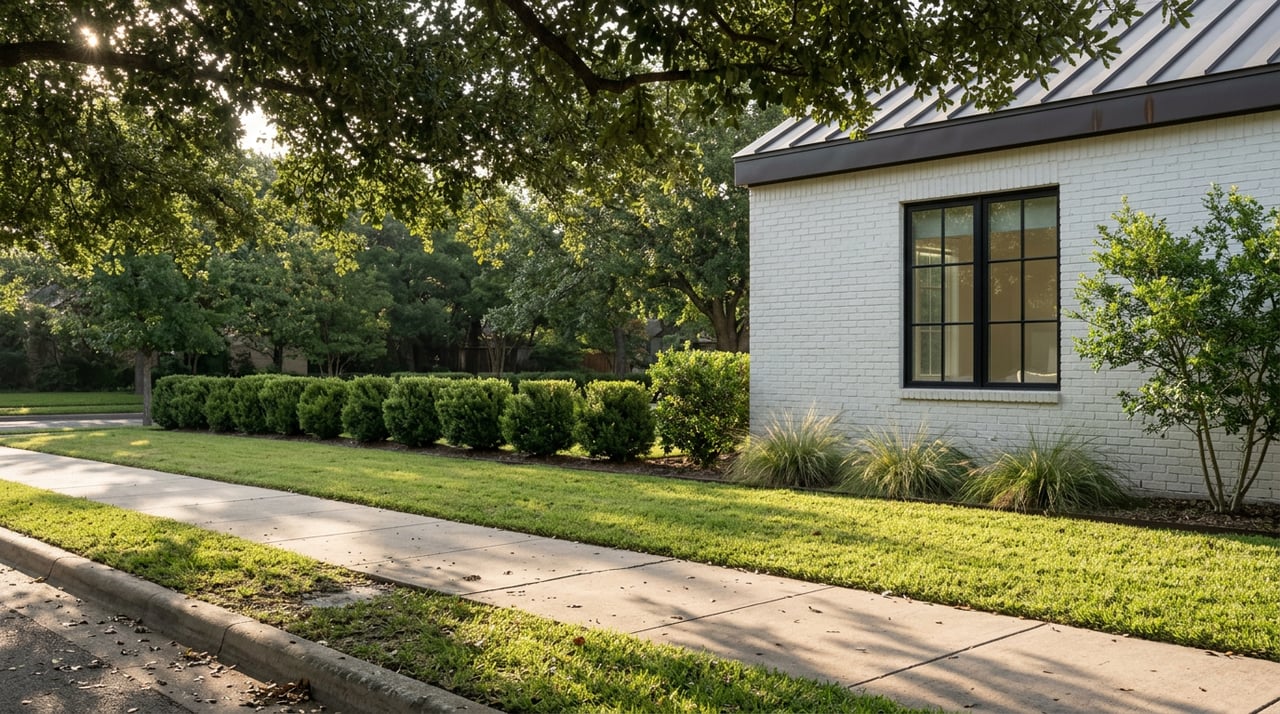
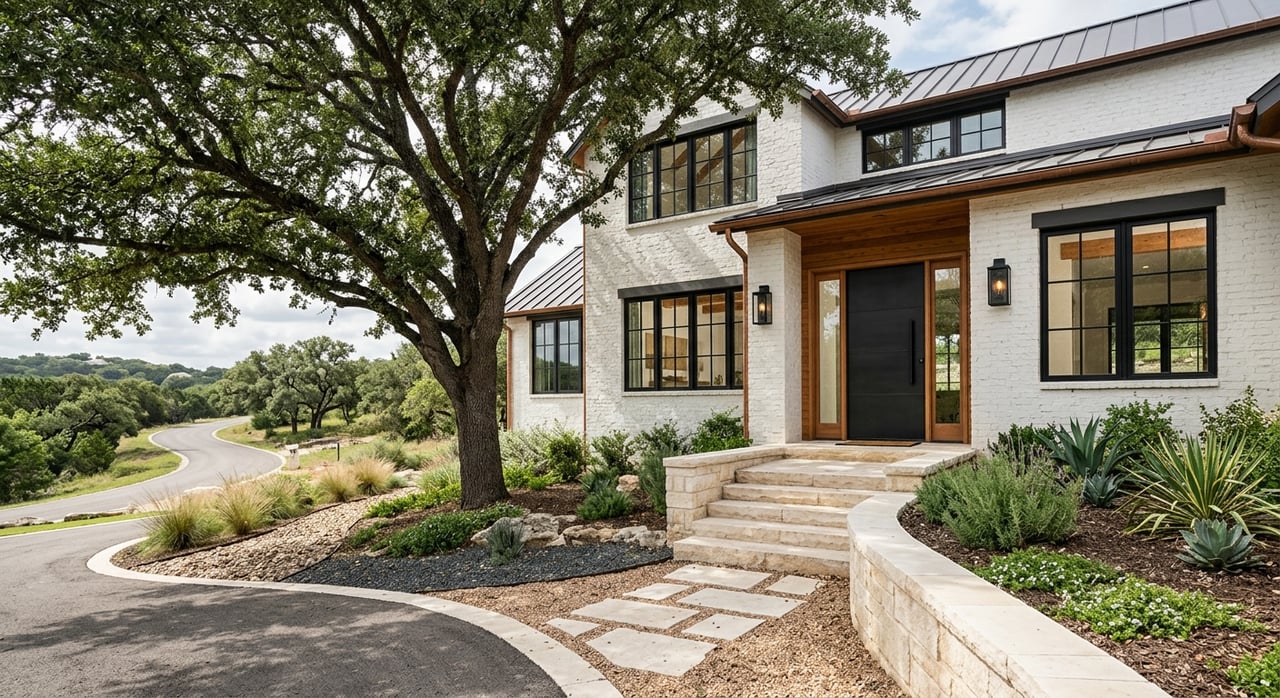
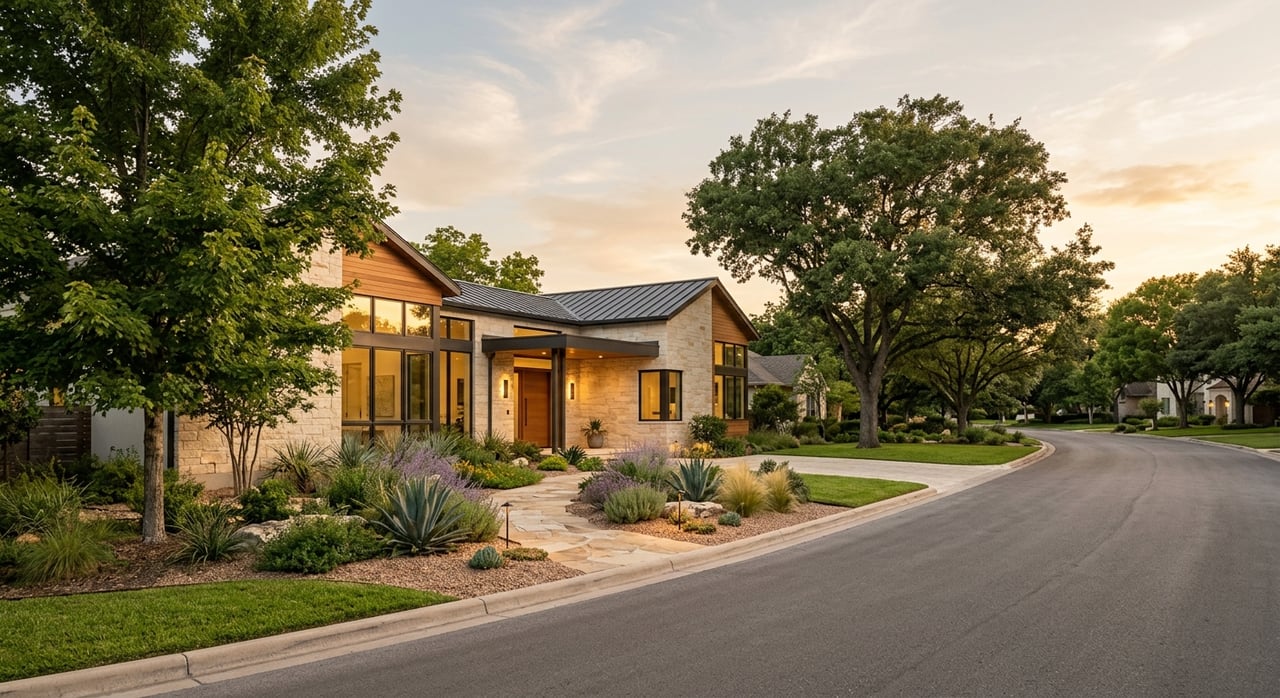
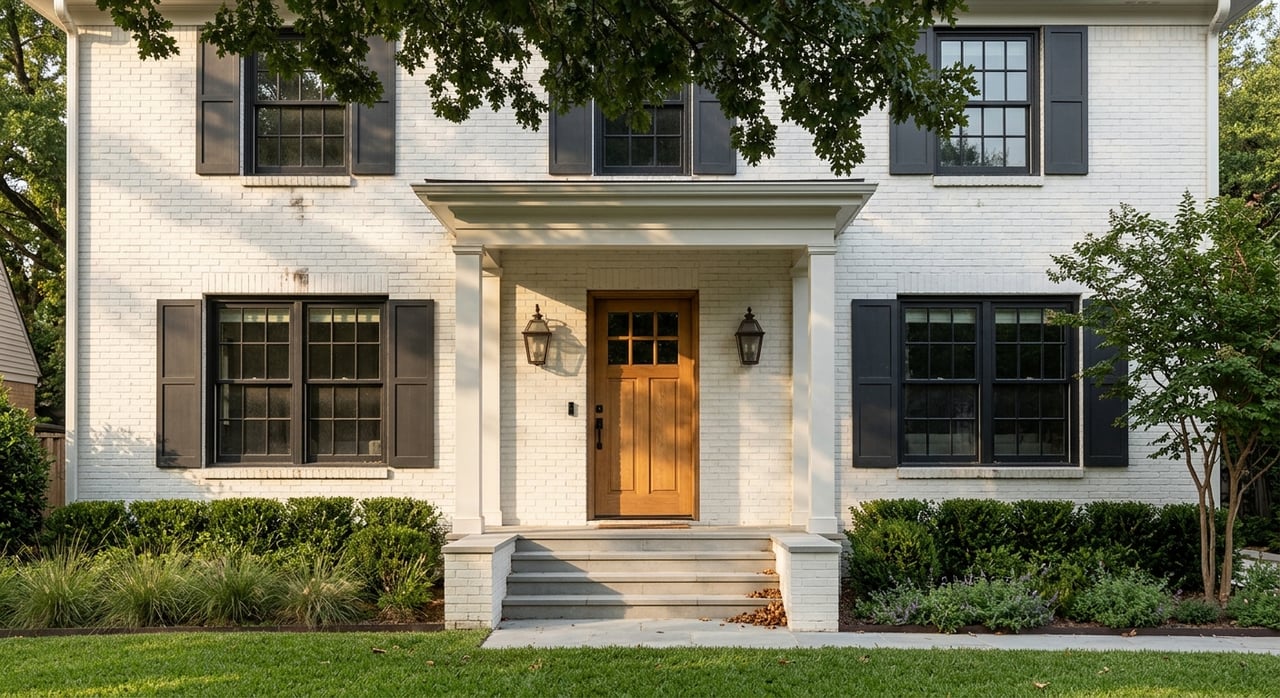
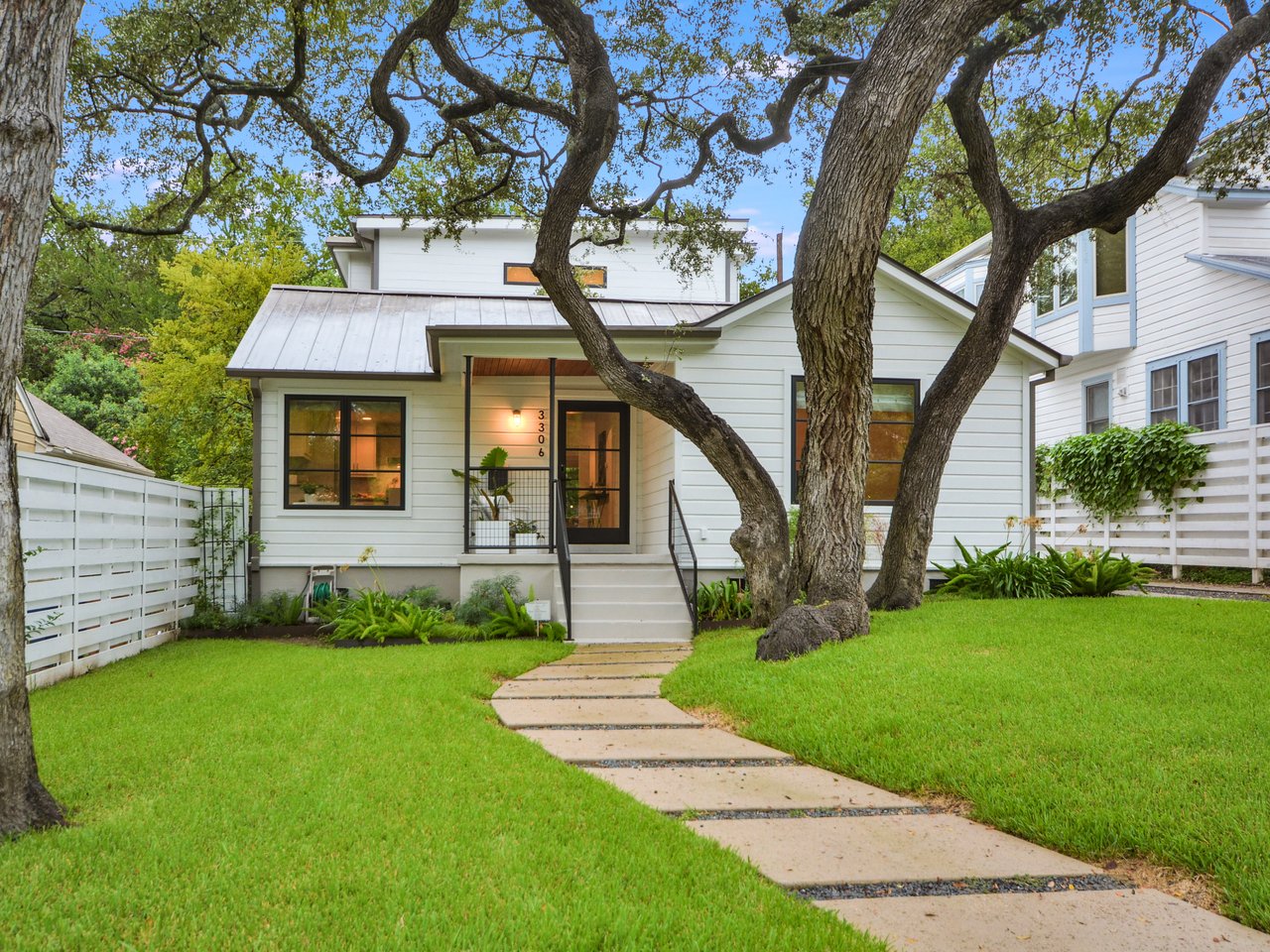
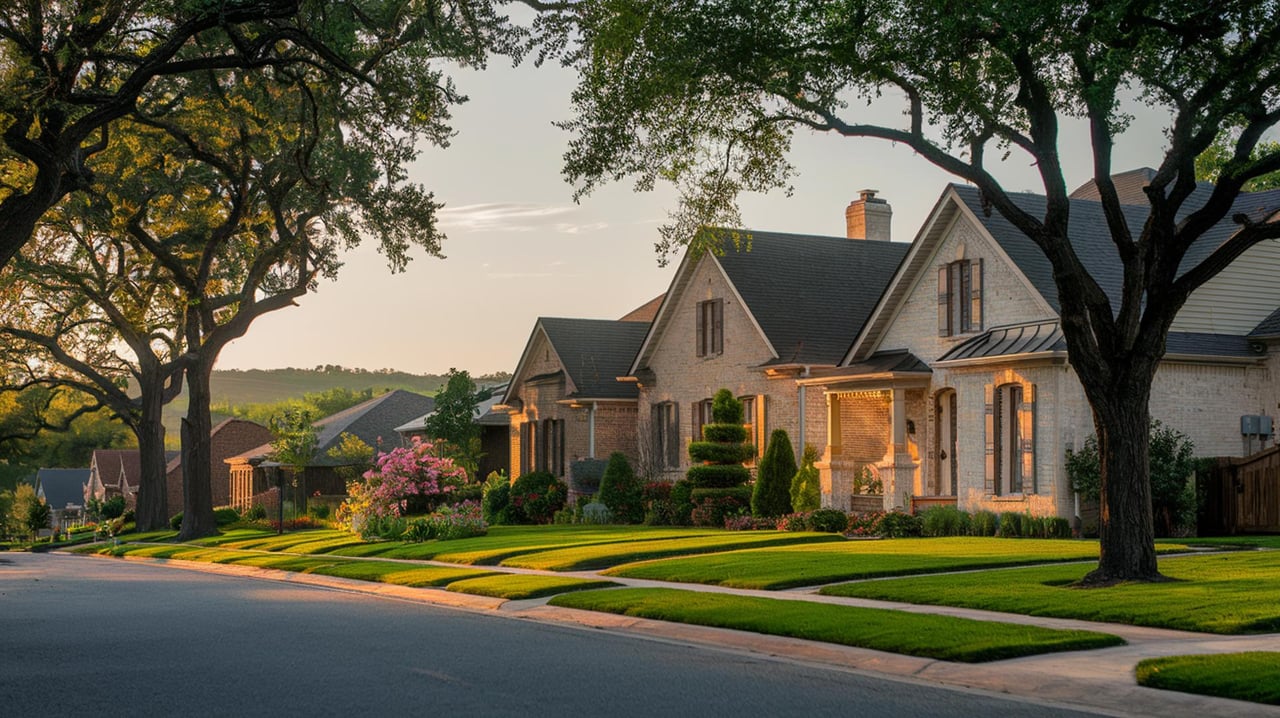
For many buyers, the draw is not just a bigger house. It is the combination of mature trees, established streets, and better odds of finding more land than you might get in denser central neighborhoods. Local housing data also points to a housing stock that tends to be older and larger, with a median year built of 1974, an average single-family size of about 2,170 square feet, and a median lot size of 7,840 square feet.
That said, upsizing here is rarely just about square footage. In Northwest Hills, buyers often weigh lot, location, and condition together, because all three can have a major impact on value and long-term ownership costs.
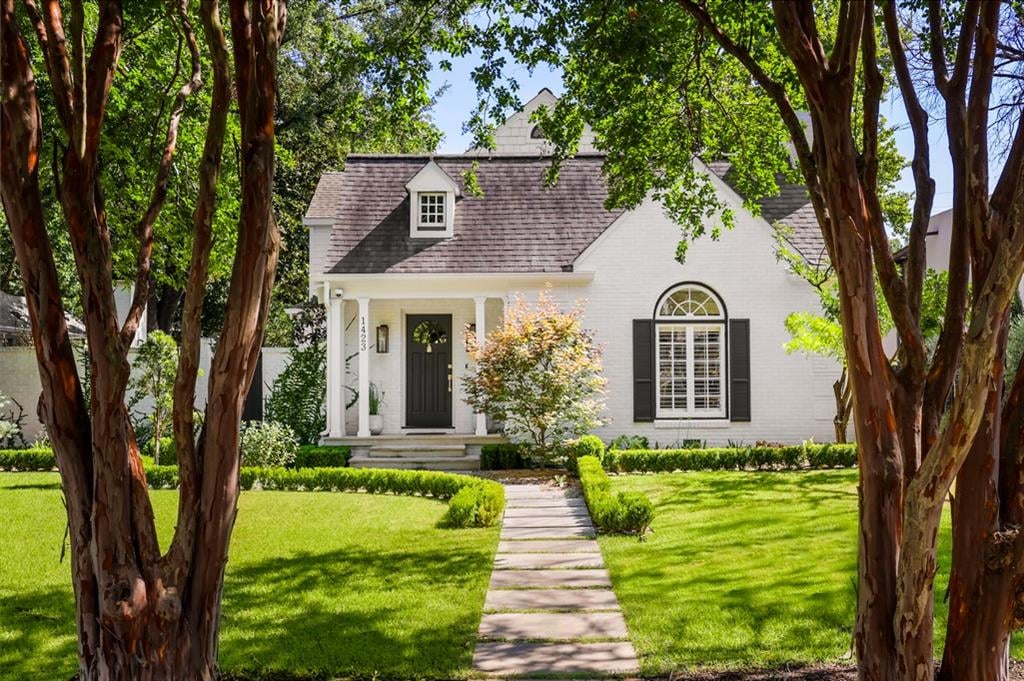
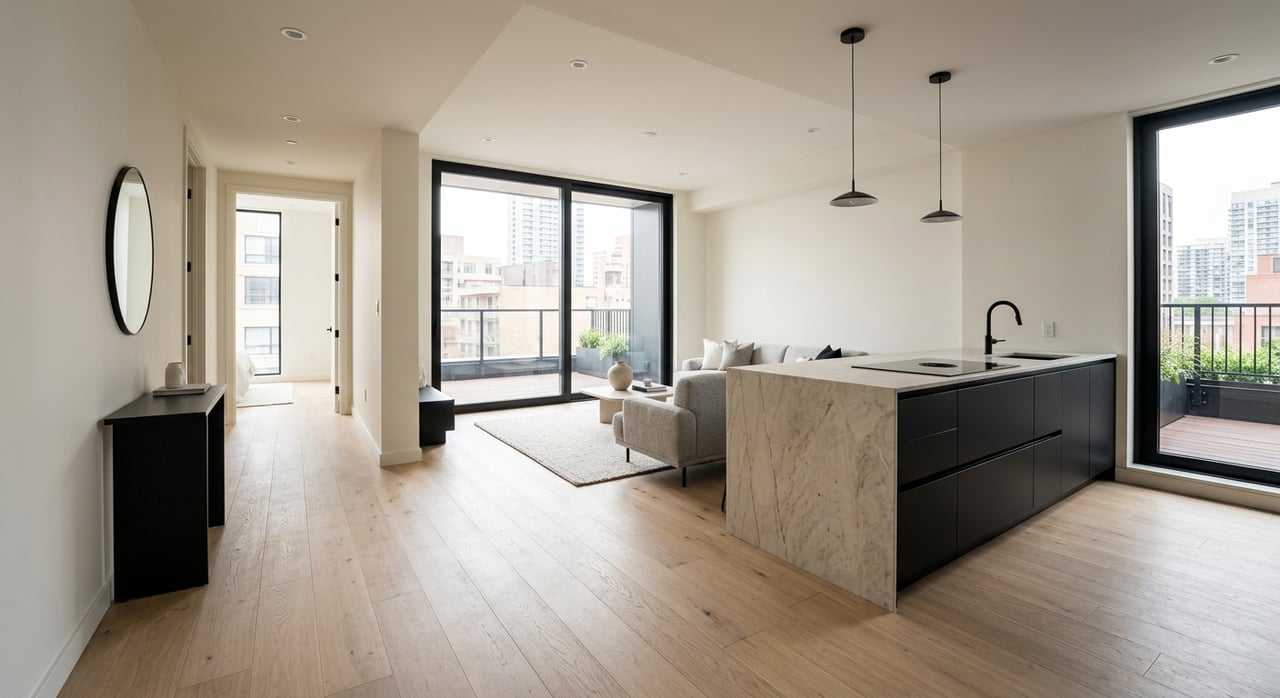
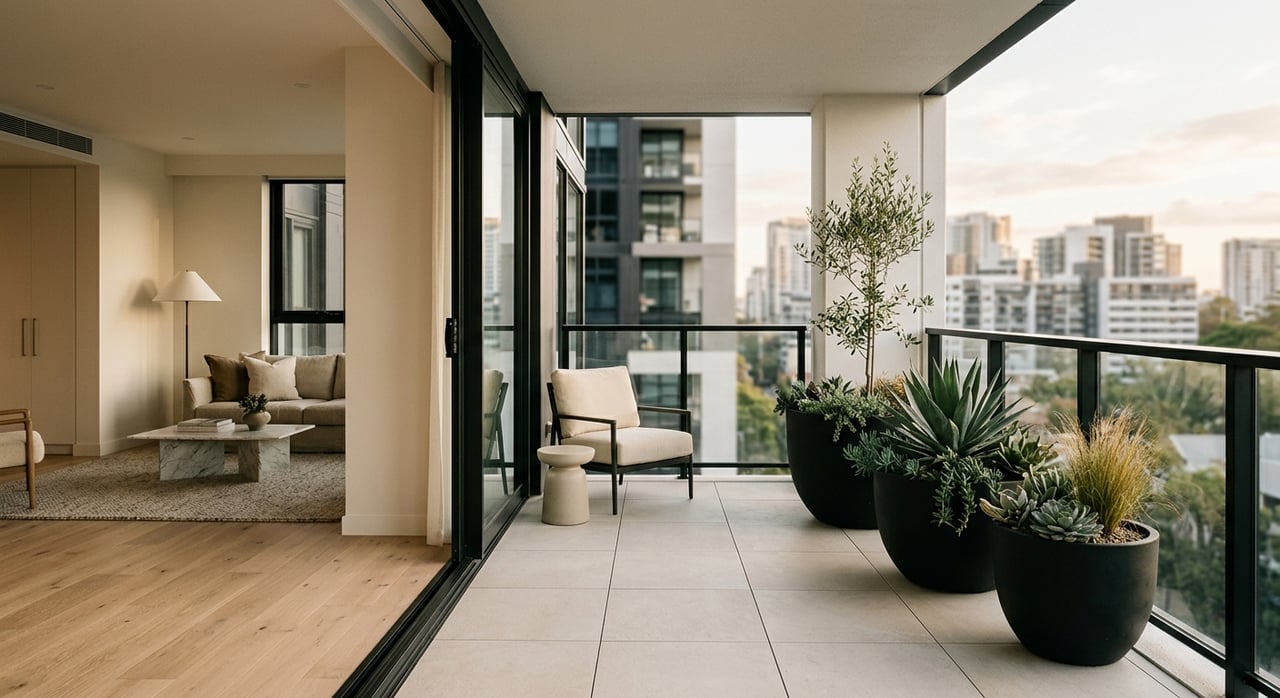
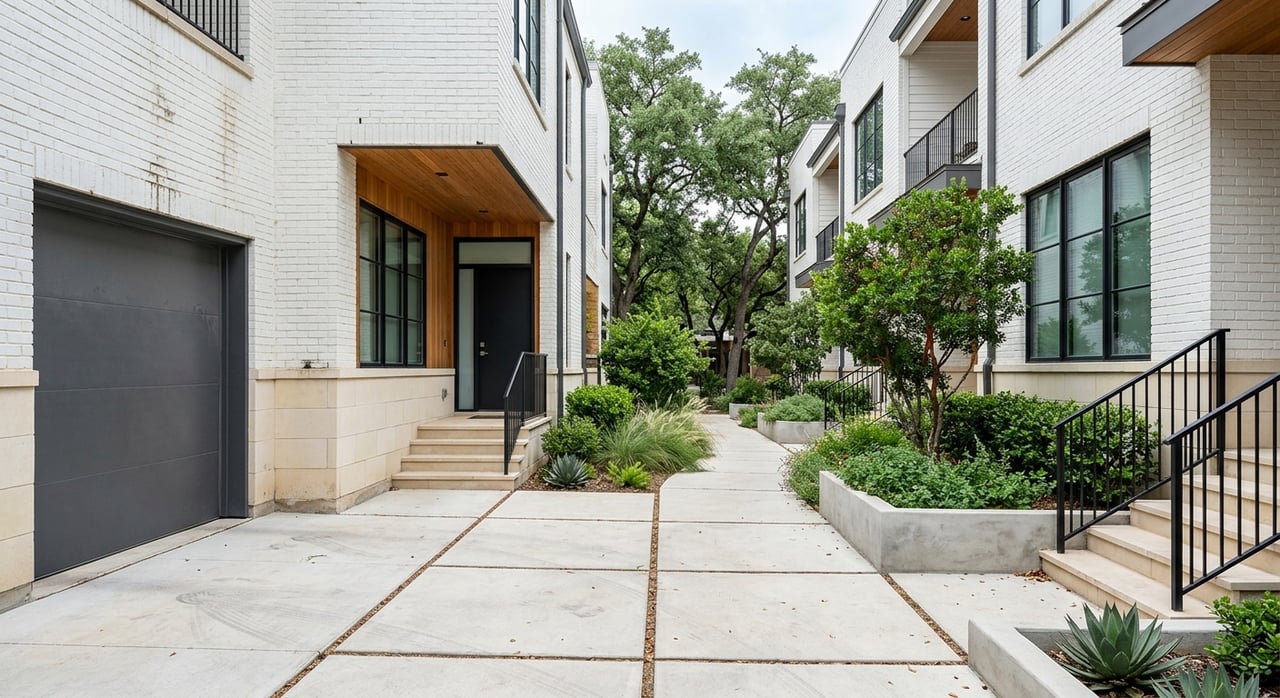
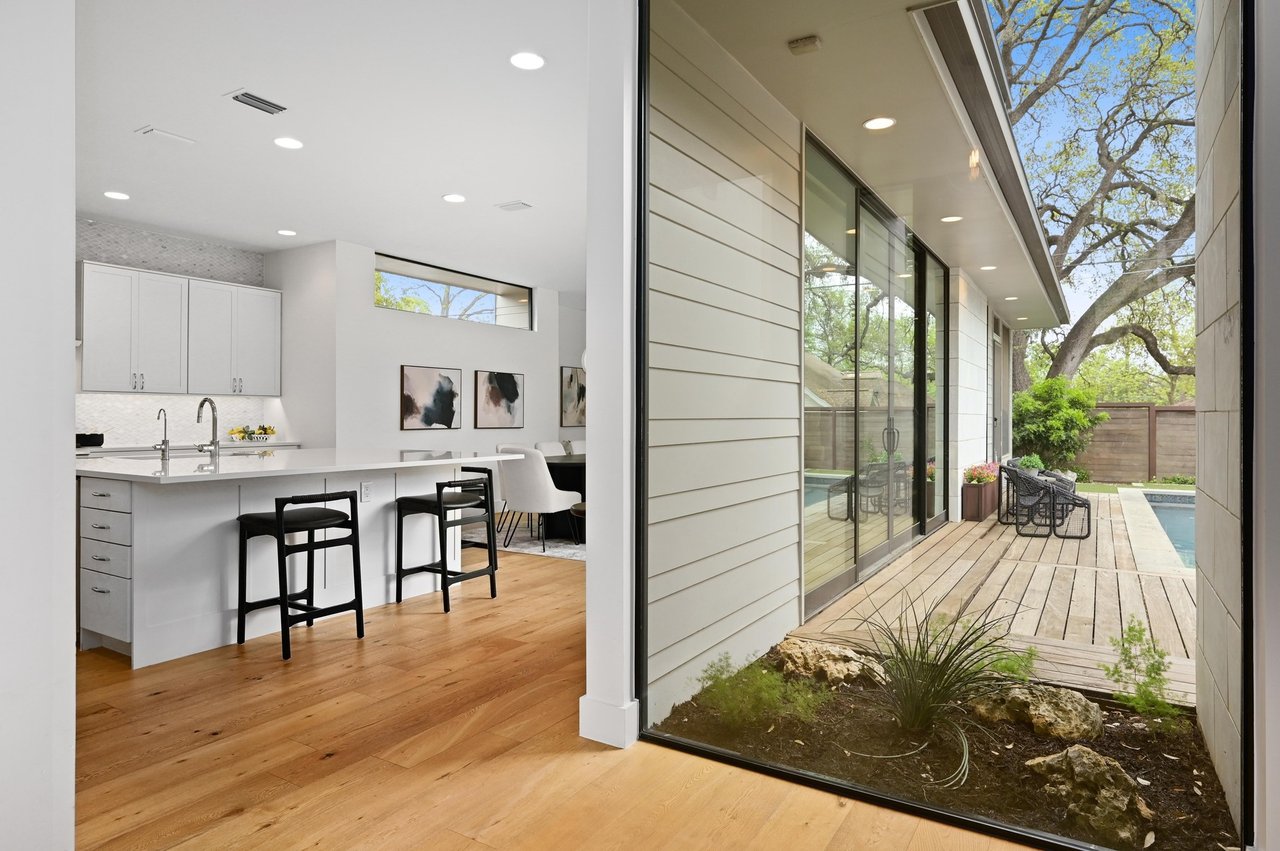
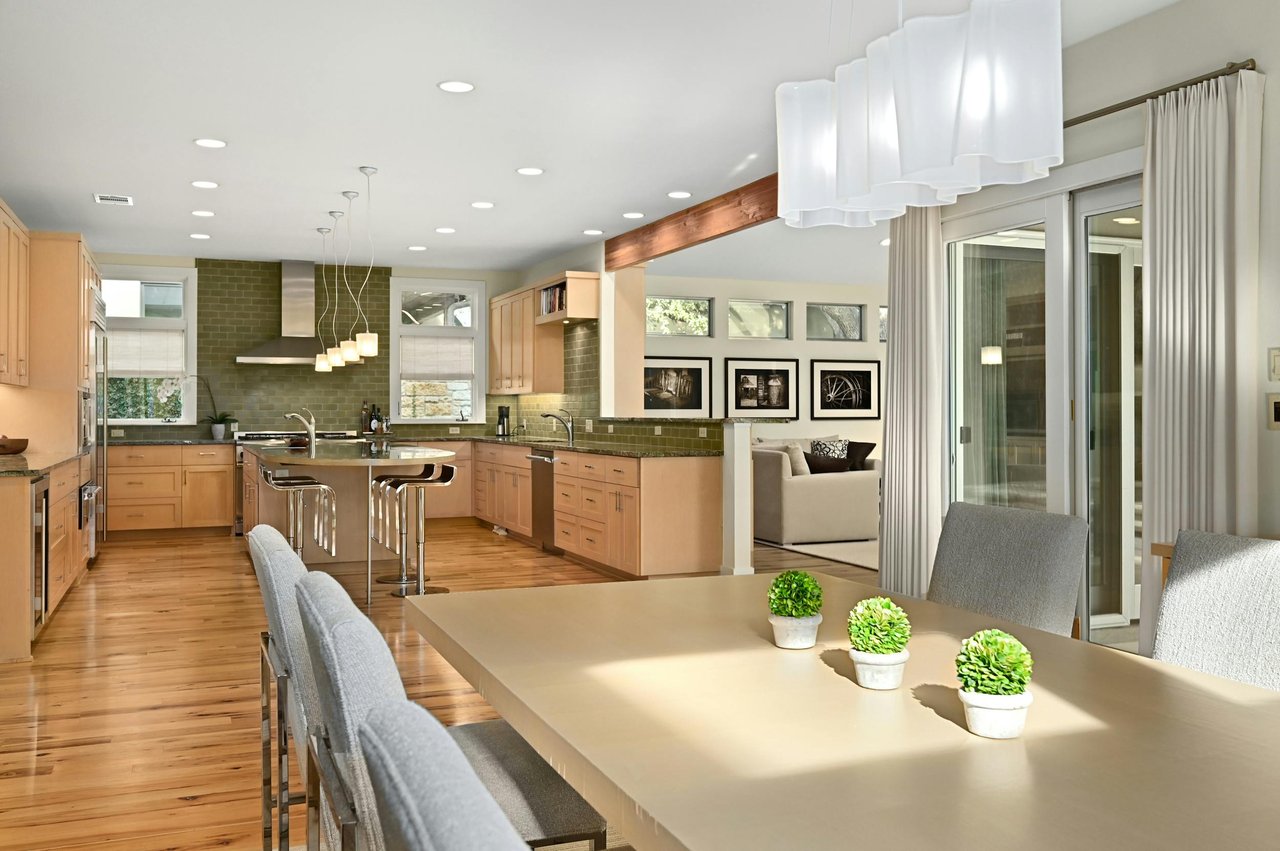
If you are coming from a condo, townhome, or smaller single-family home, Northwest Hills may open up a different set of options. The neighborhood includes detached homes, townhomes, and condos, but true move-up buyers often focus on the detached single-family inventory, especially if yard space, privacy, or renovation potential are high on the list.
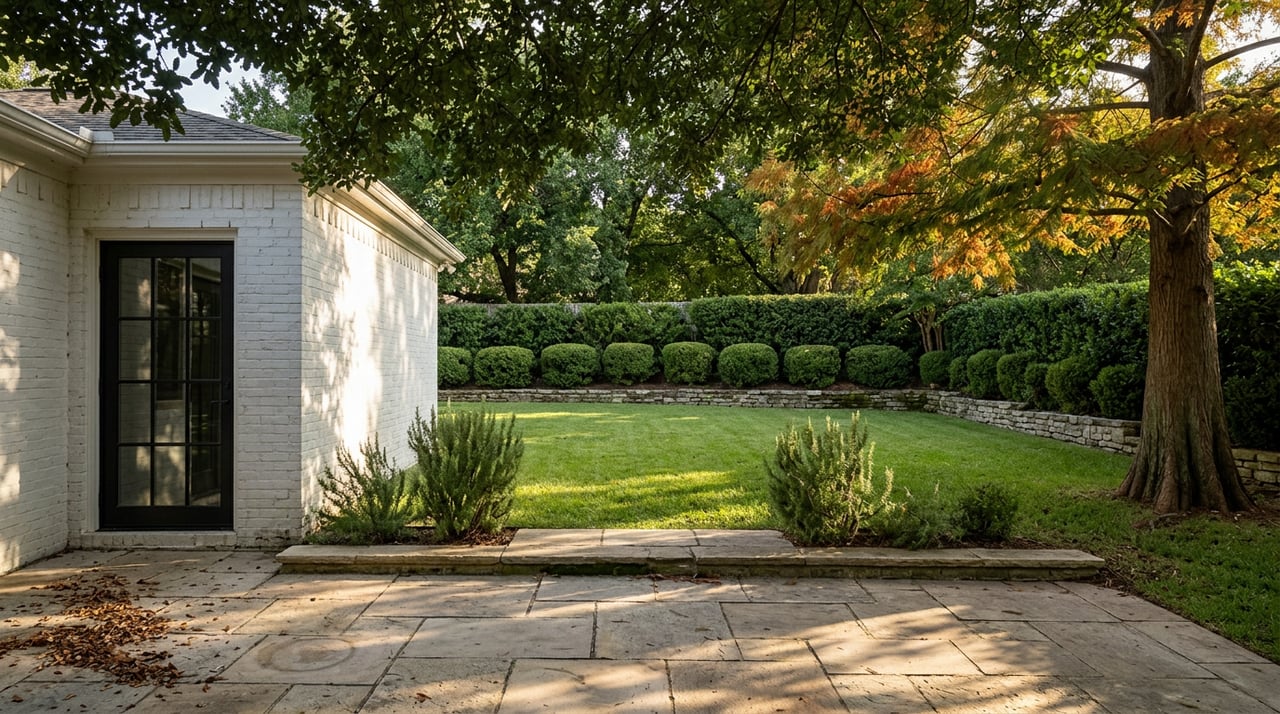
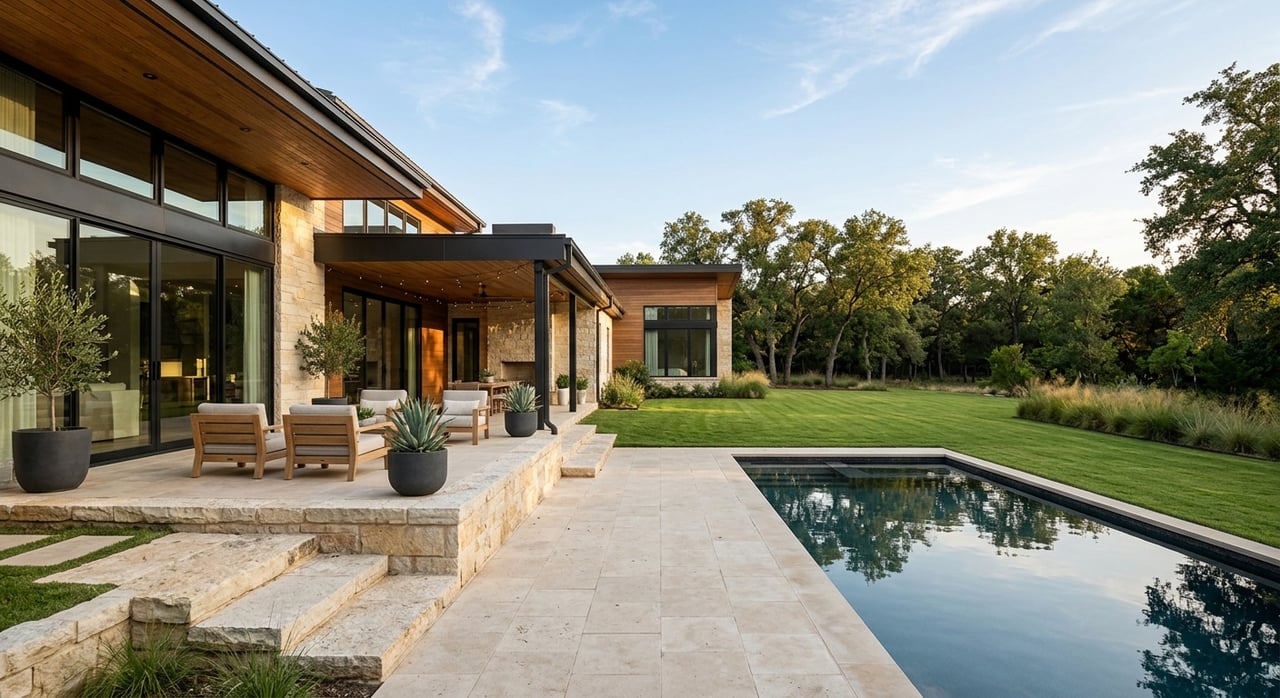
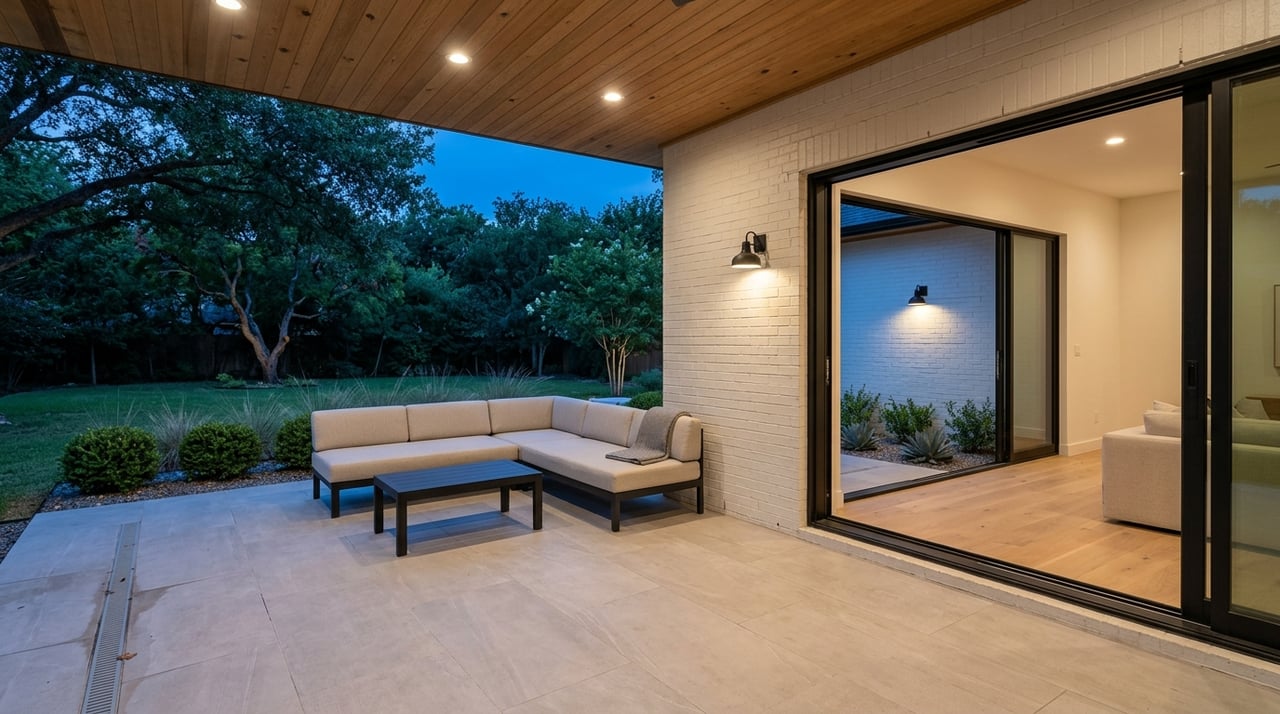
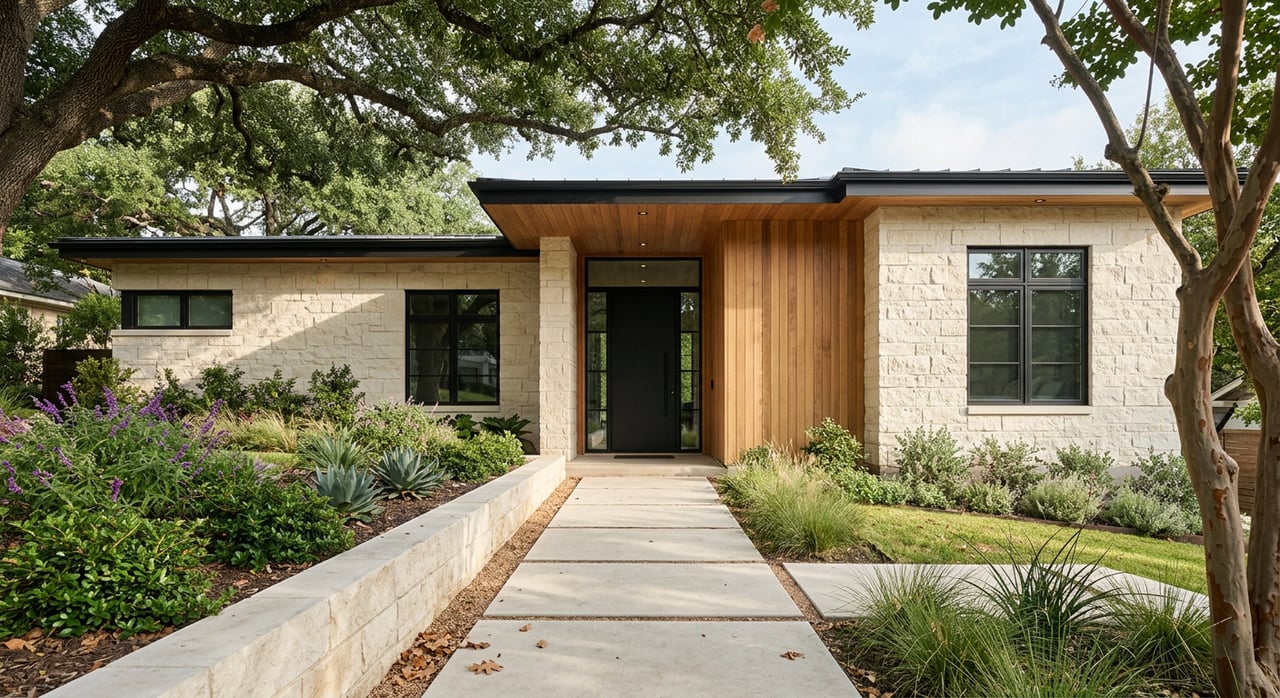
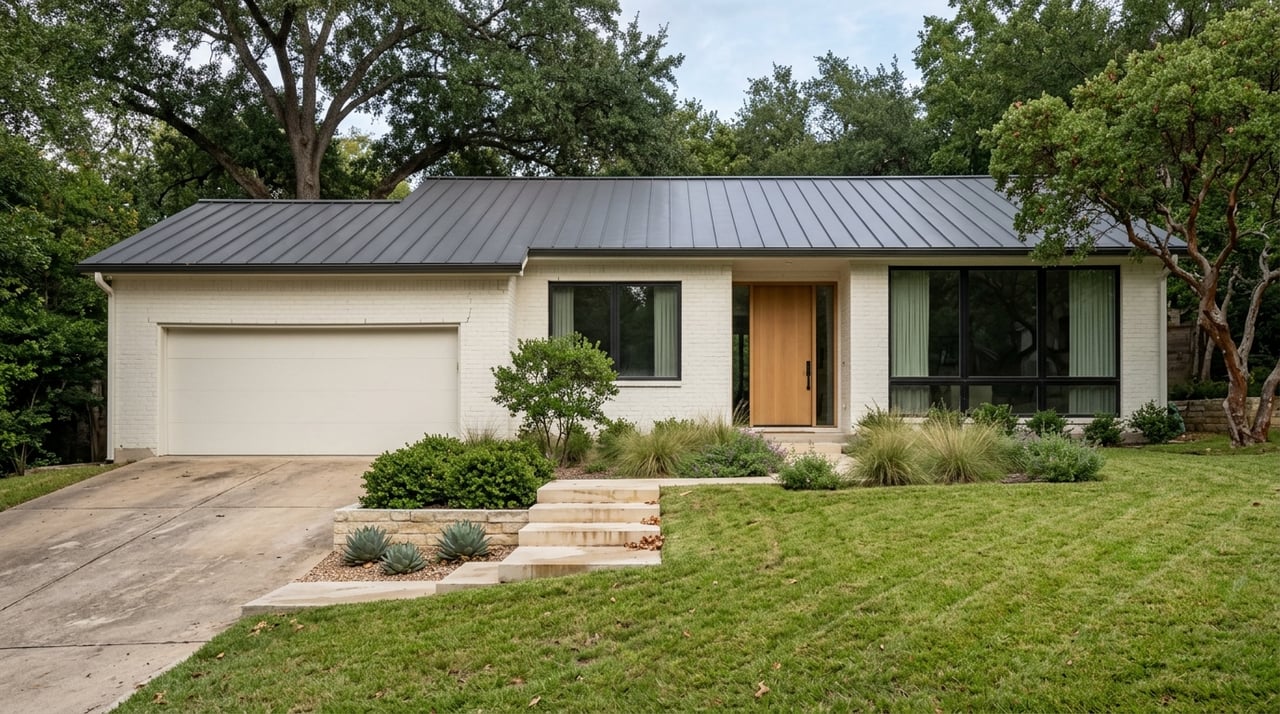
Many lots are larger than what buyers see in newer, denser parts of Austin. Local guidance describes detached lots as commonly ranging from about 0.25 to 0.5 acres, which can be a meaningful change if you are looking for outdoor space, room for an addition, or simply more breathing room between homes.
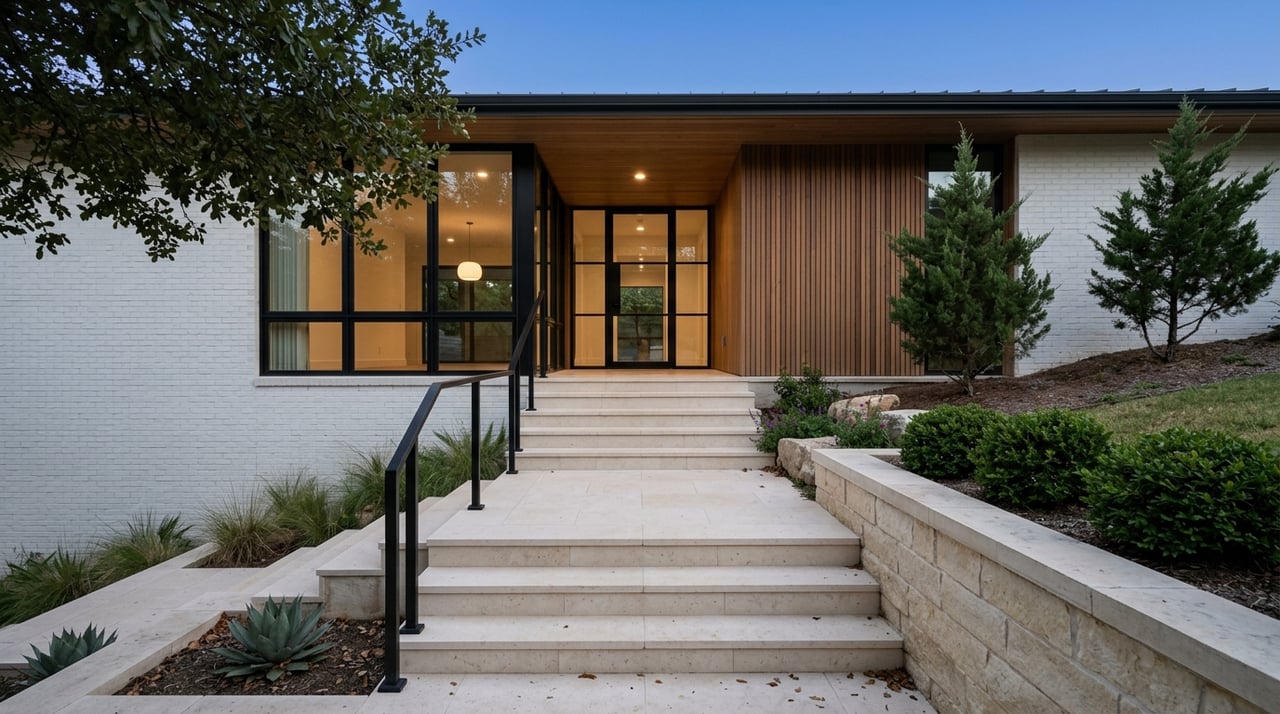
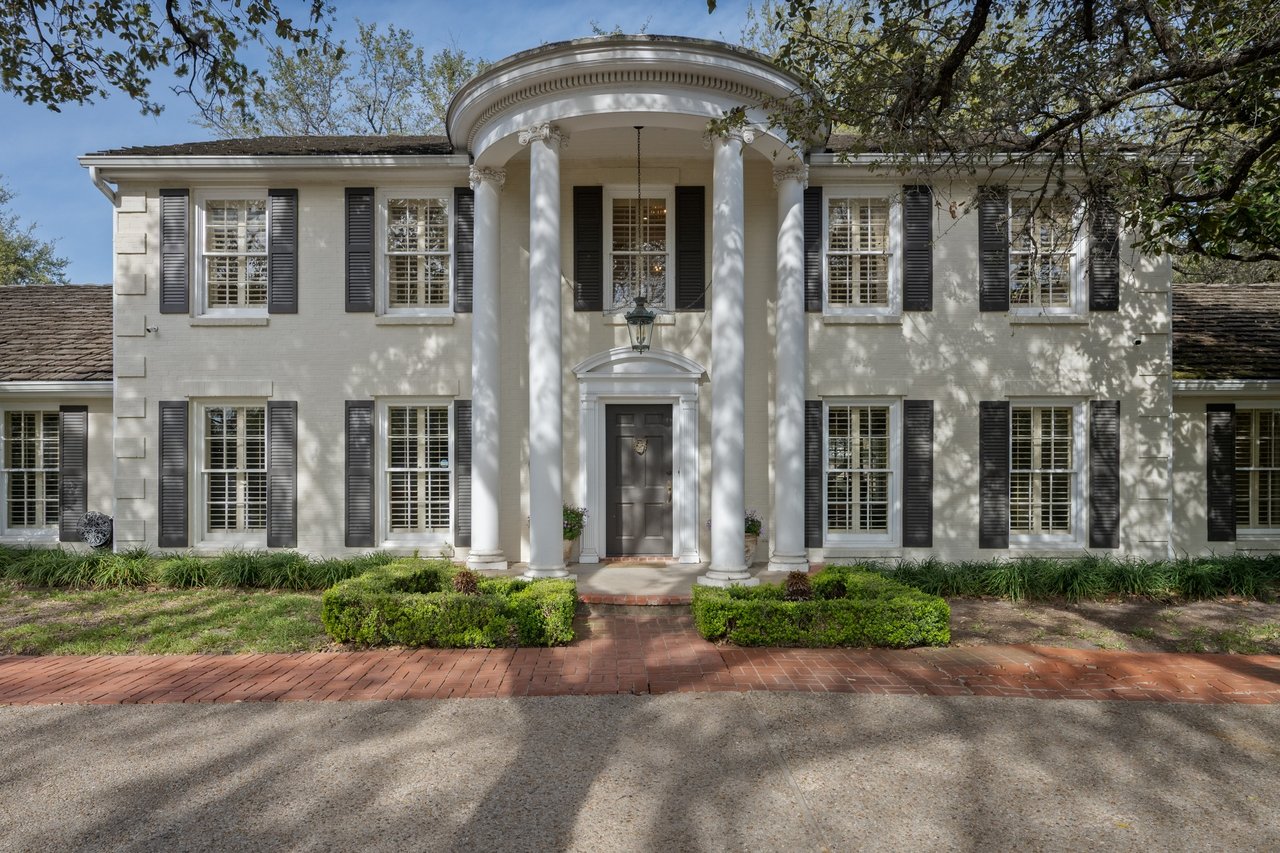
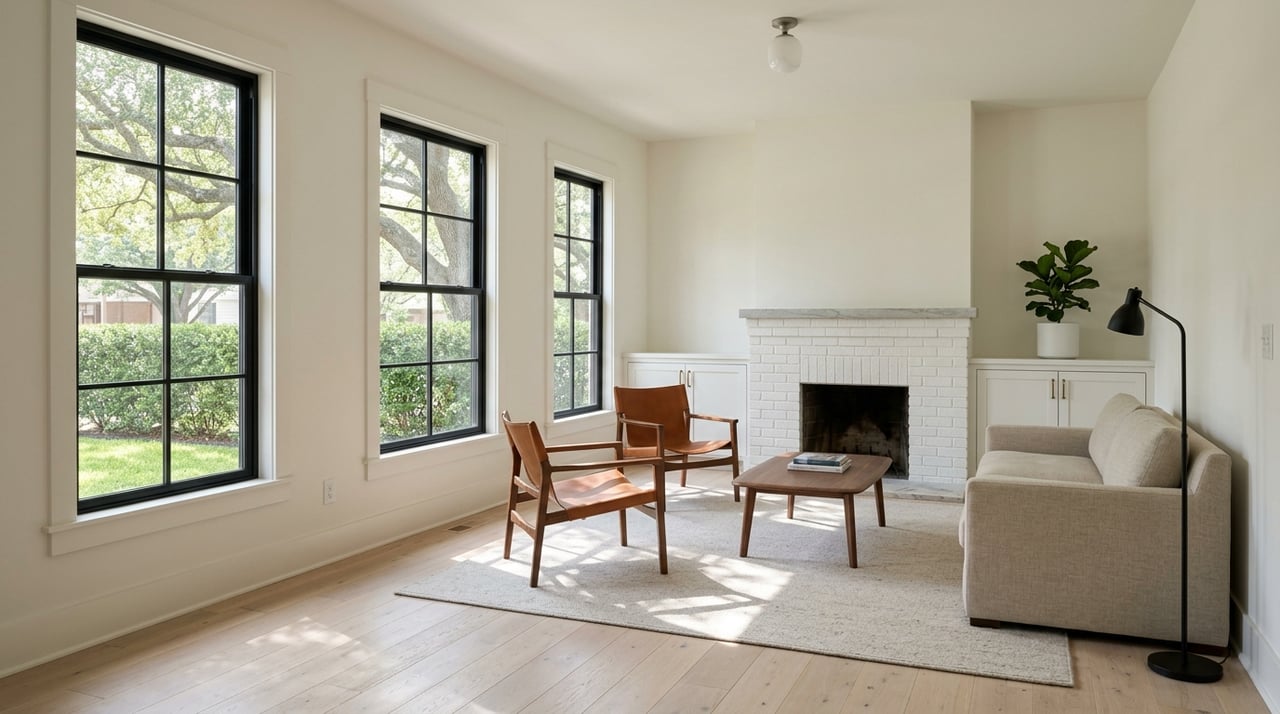
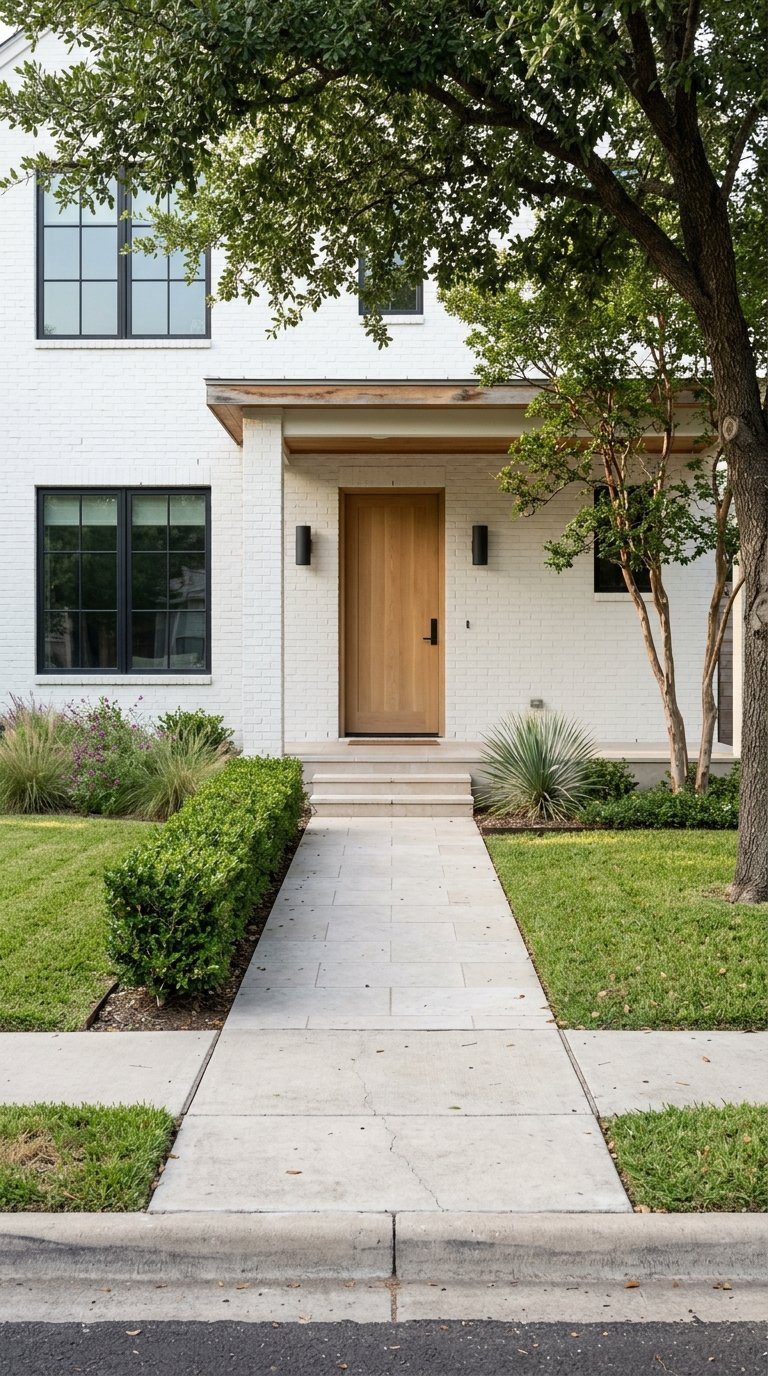
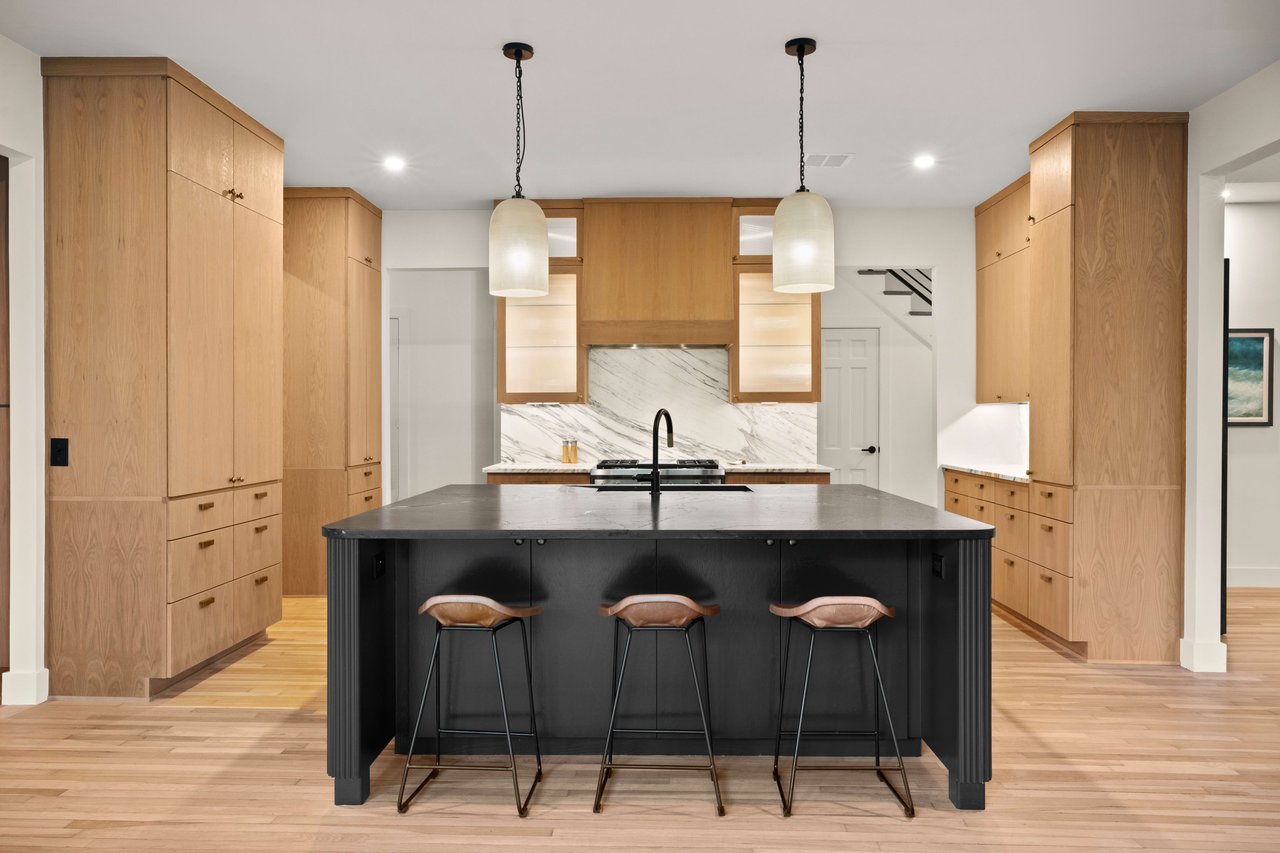
Because much of the neighborhood developed from the mid-century period through the 1980s, the move-up decision often comes with a second question: do you want a renovated home, a home to update over time, or a lot that may support a larger long-term vision? In Northwest Hills, that choice matters almost as much as budget.
One of the most important things to understand is that Northwest Hills tends to trade above Austin overall. Recent sold data showed a March 2026 median sale price of $757,500 in Northwest Hills, compared with $530,000 citywide in Austin, with a median 62 days on market and a 96.5% sale-to-list ratio.
Those numbers only tell part of the story, though. Because neighborhood data can blend condos, townhomes, and detached homes, single-family buyers should look closely at the housing type behind the headline number. Homes.com reported a much higher median single-family sale price of $1.24 million, which is often the more useful benchmark for buyers who are truly upsizing into a detached home.
Inventory also appears relatively modest. Realtor.com’s April 2026 summary showed 40 homes for sale with a median listing price of $524,450 and 47 median days on market, while Homes.com reported 29 homes for sale and about 3.3 months of supply.
For you as a buyer, that means selection may be limited at any given time, especially if you have a narrow target for lot size, condition, or architectural style. It also means the best fit may not be the newest home on the block, but the property with the right location and long-term upside.
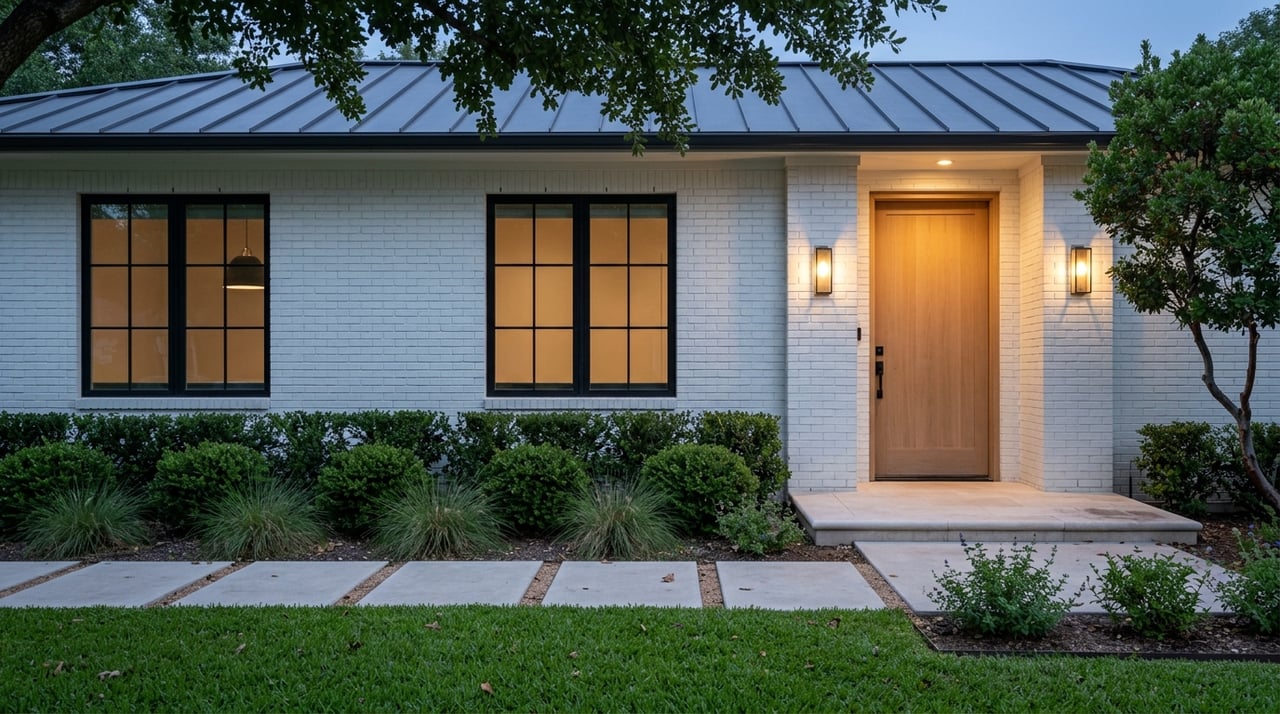
Northwest Hills is often best understood as an update-sensitive market. Many homes date to the 1960s and 1970s, and while some have been thoroughly renovated, others still carry older systems, materials, and layouts.
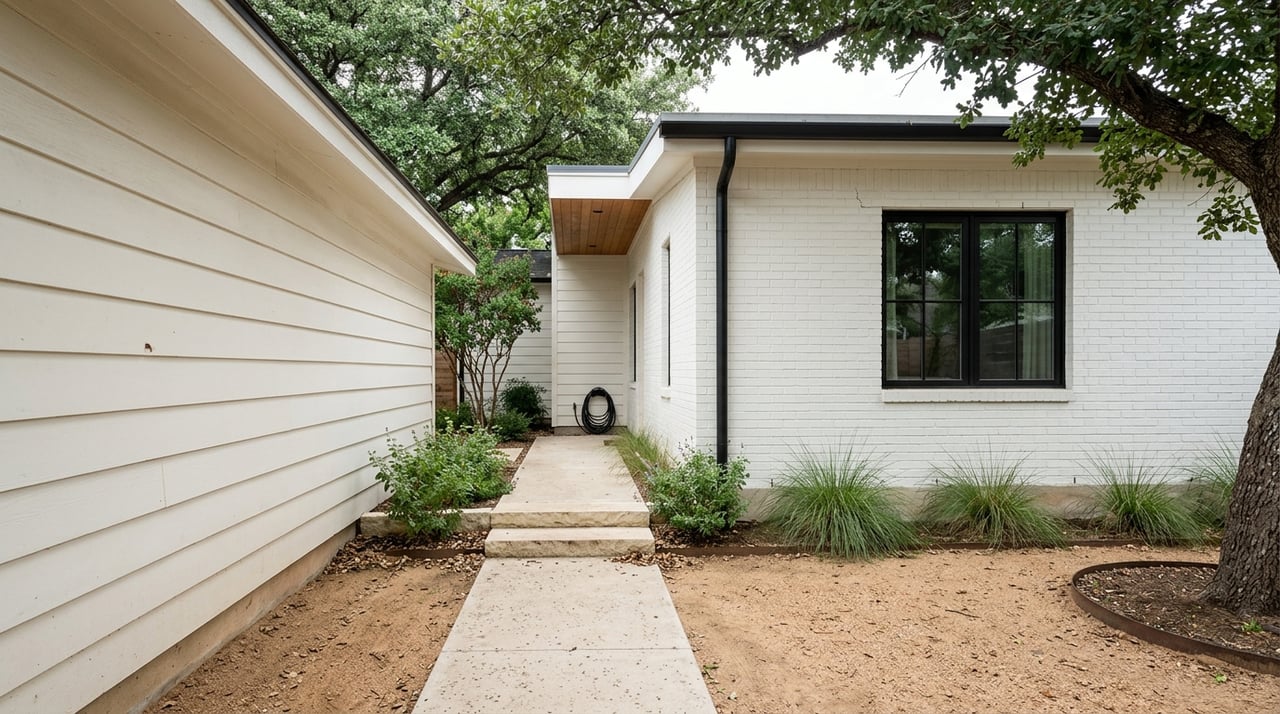
That makes inspections especially important when you are upsizing here. Local buyer guidance points to recurring issues such as foundation movement, cast-iron plumbing, older HVAC systems, roof age, and tree-root impacts. Even a home that feels cosmetically updated may still need careful review beneath the surface.
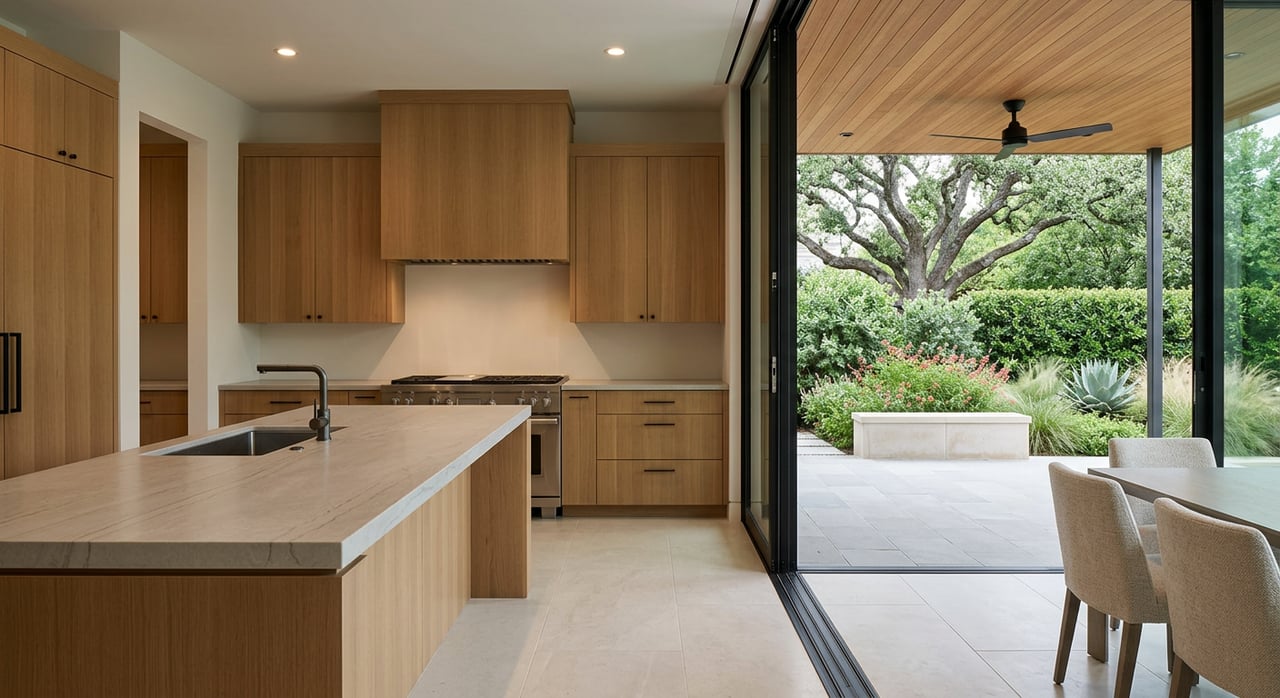
This is one reason some buyers choose to pay for lot and location first, then renovate in phases. Others decide the premium for a more comprehensively updated home is worth it if they want a smoother move and fewer near-term projects.
The neighborhood’s physical setting helps explain many of those maintenance concerns. City and Austin Water sources describe northwest Austin as an area shaped by Hill Country geology, including porous limestone, karst features, and shallow soils.
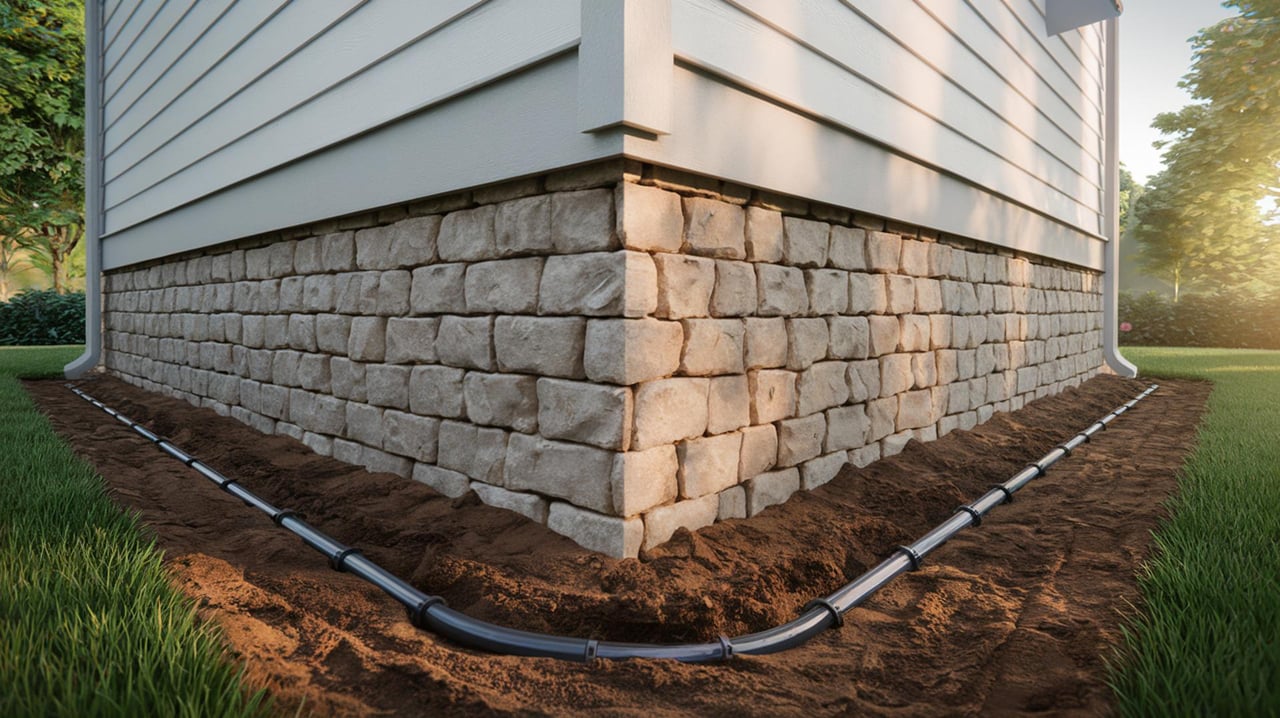
In practical terms, that can affect drainage, grading, settling, and tree-root management. For move-up buyers, this does not mean you should avoid the area. It means you should look carefully at how a property handles water, how the site is graded, and whether past repairs or improvements appear thoughtful and well maintained.
This is especially relevant if you are comparing Northwest Hills to newer construction elsewhere. In many cases, you are not just paying for a house here. You are paying for an established lot in a mature neighborhood, and ownership may come with more active maintenance than a newer home on flatter ground.
When buyers upsize in Northwest Hills, they often fall into one of two camps. The first wants a home that is largely move-in ready, with updated systems, a modernized floor plan, and fewer immediate surprises.
The second is willing to take on work in exchange for a better lot, a stronger location, or a chance to shape the house over time. In this neighborhood, both paths can make sense.
A practical way to compare properties is to ask yourself three questions:
In Northwest Hills, those answers can change which listing actually represents the best value for you.
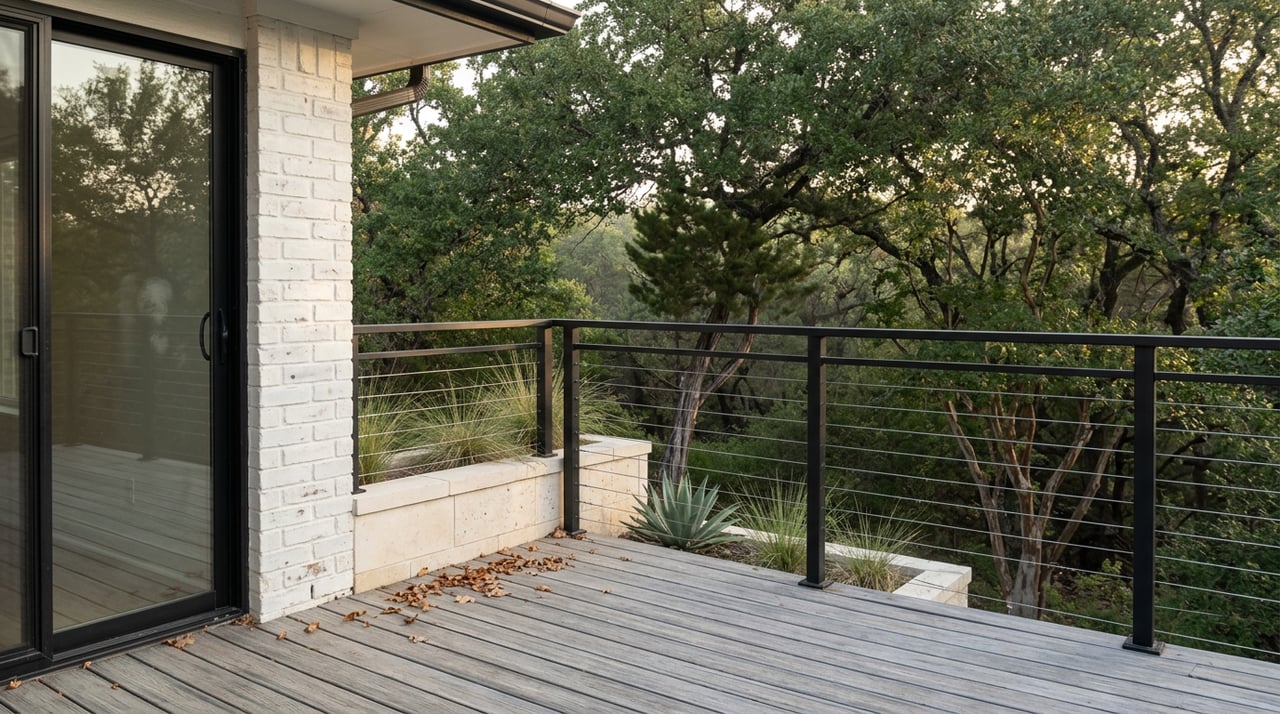
Northwest Hills is often appealing because it offers mature landscaping, larger yards, and convenient access to major routes such as MoPac and Loop 360. For buyers who want room to spread out while staying connected to central Austin, that balance can be very attractive.
At the same time, it is important to have the right expectations. Local guidance notes that the area is generally less walkable than a more urban district, so your day-to-day lifestyle may depend more on driving than it would in some closer-in neighborhoods.
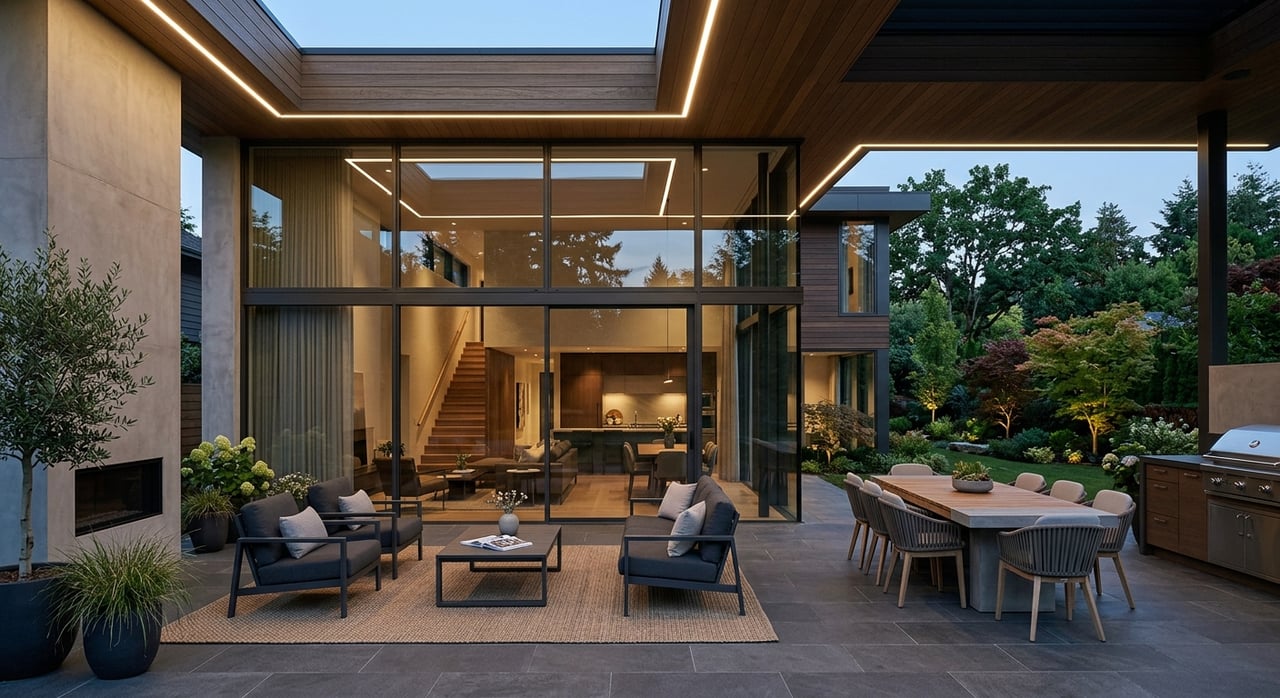
If you are upsizing for lifestyle as much as square footage, think beyond the floor plan. Consider how you want to live each day, how much outdoor maintenance you are comfortable with, and whether an established neighborhood setting fits your priorities better than newer construction in a more master-planned environment.
If school assignment is part of your home search, verify it before you make assumptions. Austin ISD states that a child’s path is determined by home address, and Eanes ISD also directs families to use its boundary map.
That means school assignment in and around Northwest Hills is not something you should generalize based on a neighborhood name alone. If this factor matters to your move, confirm the assigned schools for any specific property early in the process.
A successful Northwest Hills purchase usually starts with clarity about what you are really trying to upgrade. For some buyers, that means more square footage. For others, it means a larger lot, more privacy, or an established neighborhood feel that can be hard to replicate in newer areas.
Once you know your priorities, it helps to evaluate each listing through a practical lens. Focus on:
This kind of neighborhood rewards buyers who can look past surface-level finishes and assess the full picture. A beautifully staged home may still need major systems work, while a less polished property on a strong lot may offer better long-term value.
For that reason, local guidance matters. In a neighborhood like Northwest Hills, block-by-block context, lot characteristics, and renovation history can shape your experience as much as list price.
If you are considering a move-up purchase here, working with someone who understands Austin’s established luxury neighborhoods can help you compare not just homes, but ownership profiles. To talk through your options in Northwest Hills with a neighborhood-first approach, schedule a private consultation with Anna Lee.
3825 Lake Austin Blvd Ste 501 Austin TX 78703
3825 Lake Austin Blvd Ste 501 Austin TX 78703