Choosing between a condo and a townhome in Downtown Austin is not just about square footage or style. Your day-to-day experience can look very different depending on how the property is governed, what the rules say, and how the location connects you to parking, parks, and outdoor access. If you are weighing both options, this guide will help you understand the tradeoffs that matter most so you can make a more confident decision. Let’s dive in.
In Downtown Austin, the words condo and townhome can sound like simple marketing labels. In practice, they often point to different ownership structures, responsibilities, and living patterns.
Most downtown condominium buildings are governed under Chapter 82 of the Texas Property Code, which gives condominium associations authority over bylaws, budgets, assessments, management, and rules affecting units and common elements. Texas law also says that, unless the declaration states otherwise, the association is generally responsible for common elements while the owner is responsible for the unit itself.
Townhomes and low-rise communities can be organized in different ways. According to the Texas State Law Library’s overview of property owners associations, a townhouse community may fall under a broader POA framework, which means the name alone does not tell you exactly what you own or what rules apply. That is why your deed, resale certificate, and governing documents matter more than the listing language.
Downtown Austin tends to produce more vertical housing than many nearby central neighborhoods. A major reason is the Downtown Density Bonus Program, which was created to support a vibrant, dense, pedestrian-friendly downtown in exchange for community benefits.
That planning framework helps explain why condo towers and mixed-use buildings are so common in the urban core. If you want a more traditional, house-like setup, you may still find townhomes or low-rise communities downtown, but the overall environment naturally leans toward condo living.
Condo living usually centralizes shared life inside one building. Parking, elevators, lobbies, amenities, common areas, and exterior maintenance are typically managed through the association.
That setup can be appealing if you want a more streamlined ownership experience. With common elements maintained by the association, you may have fewer exterior maintenance tasks to think about than you would with a more house-like property.
At the same time, condo living often comes with a more structured rule set. For example, the rules at Tom Green Condominiums address balcony use and storage, vehicle placement in assigned parking, and pet behavior in common areas, including a 25-pound dog limit. Not every condo building has the same policies, but this shows how detailed building rules can be.
A downtown condo can be a strong fit if you value convenience, vertical living, and shared amenities. In many cases, your lifestyle is shaped by the building itself as much as by the surrounding neighborhood.
You may also experience more interaction with association policies in everyday life. Things like guest parking, pet movement in common areas, balcony use, and package delivery often follow building-specific procedures.
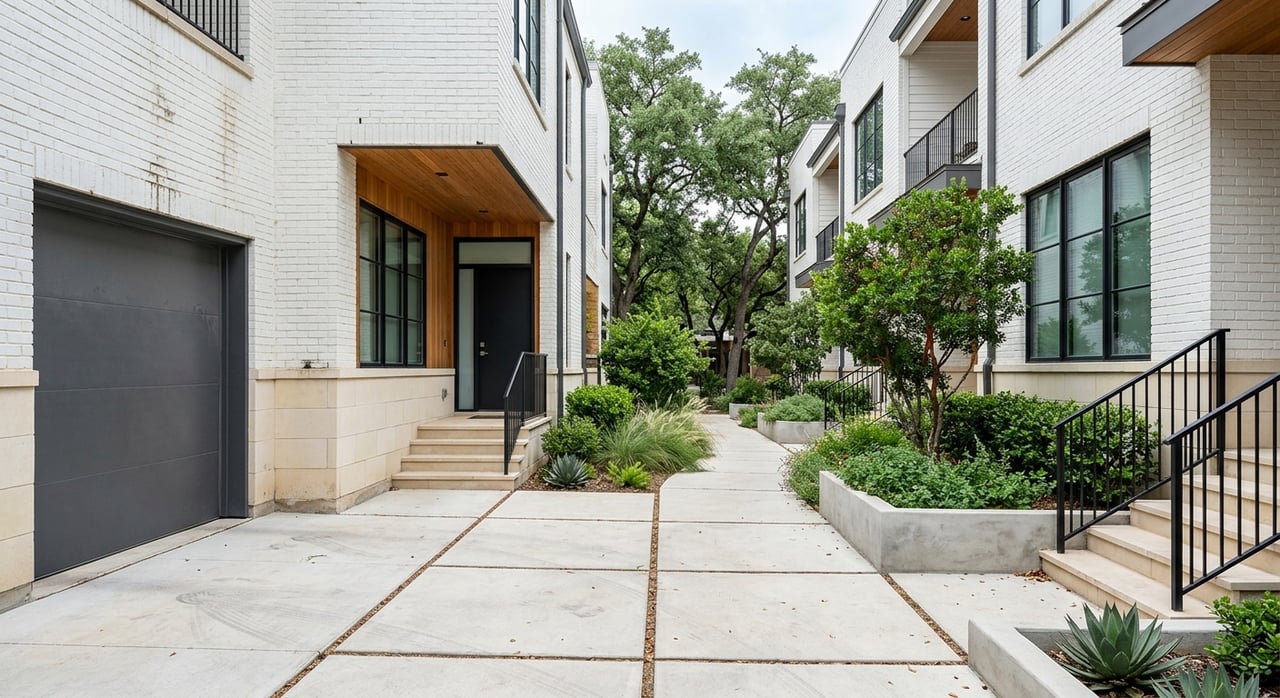
Townhomes and low-rise communities often feel more residential and a bit more spread out. Even when an association is still active and rules are still important, the living experience can feel less tower-oriented and more neighborhood-like.
That said, townhome communities can still be highly regulated. The CityPlace Townhouse POA rules summary includes requirements for vehicle registration, garage parking, pet registration, limits of two cats or dogs per household, and a 50-pound pet maximum.
This is the key point: townhome living may feel more private or house-like, but that does not automatically mean fewer rules. You still need to review the governing documents carefully before you decide.
A downtown townhome may appeal to you if you want a layout that feels closer to a single-family home. You may prefer direct entry, multiple levels, or a smaller-scale community setting.
Even so, the tradeoff can be more variation from one property to the next. Unlike many condo towers, where systems and governance are centralized, townhome communities can differ widely in how ownership and maintenance responsibilities are divided.
When buyers compare condos and townhomes in Downtown Austin, a few practical factors usually matter more than the label on the listing.
Parking is one of the clearest downtown differentiators. The City of Austin Parking Enterprise notes that the city manages public curb space and on-street parking, not private off-street garages and lots, and says downtown includes 3,000 public parking spaces along with a long-term Affordable Parking Program.
For your purchase, the more important question is how parking works at the property itself. You will want to verify whether your space is deeded, assigned, leased, or subject to specific building or community rules.
Pet rules are highly property-specific. One downtown condo example caps dogs at 25 pounds, while the townhome example above allows up to 50 pounds and requires pet registration.
That means you should never assume a property will match the broader reputation of Downtown Austin as an active, outdoor-oriented area. If you have a pet, or plan to, review the exact policies before making an offer.
With condos, associations often handle common elements, which may simplify ownership. With townhomes and low-rise communities, maintenance responsibilities can be divided in several ways depending on the governing documents.
This is one of the most important questions to clarify early. It affects not only your day-to-day responsibilities, but also how you evaluate dues, reserves, and long-term upkeep.
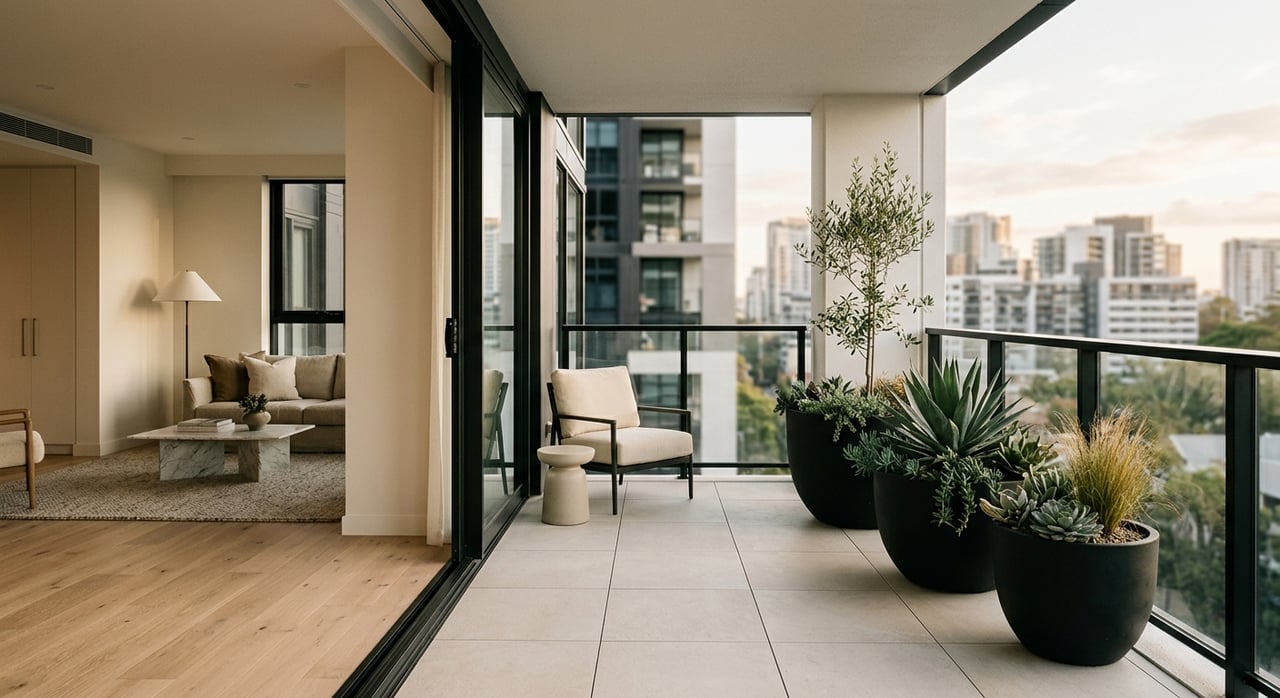
If a balcony, patio, or exterior modification matters to you, read the rules with care. Restrictions on storage, alterations, and outdoor use can vary significantly from one community to another.
This matters in Downtown Austin, where outdoor living can be part of the appeal. A property with a great view or outdoor area may still come with limits on how you can use that space.
When you compare a condo and a townhome, it helps to look beyond the front door. In Downtown Austin, your district and your access to green space can shape daily life just as much as the property type.
The Downtown Austin Alliance’s urban greenbelt vision connects major downtown destinations including Shoal Creek, Waller Creek, Lady Bird Lake, Pease Park, Waterloo Park, the Butler Hike-and-Bike Trail, Wooldridge Square, Republic Square, Brush Square, and Congress Avenue pocket parks. The same source notes that Waterloo Greenway will offer 35 acres of connected park space when complete, while the city says the Waller Creek district vision includes 37 acres of parks and open space.
For many buyers, this connected network changes the equation. A condo near a trail or park may deliver the lifestyle you want more effectively than a townhome farther from those daily-use amenities.
The City of Austin’s information on Lady Bird Lake notes that the hike-and-bike trail circles almost the entire lower two-thirds of the lake. The same city resource also highlights downtown rowing access at the Waller Creek Boathouse and the ongoing extension of the Shoal Creek Trail from Lady Bird Lake to Highway 183.
If walking, running, cycling, or dog walking are part of your routine, proximity to these corridors deserves a close look. In some cases, location within downtown matters more than whether the property is technically a condo or a townhome.
The Seaholm district is a good example of how downtown density and open space can work together. The city describes it as a revitalized district built around residences, parkland, plazas, lawns, sidewalks, trails, and an underground parking garage.
That kind of district planning can make condo living feel more balanced and connected to the outdoors. It is a reminder that your experience of downtown is shaped by the surrounding urban design, not just by the building form.
Before you move forward on either type of property, request the resale certificate and governing documents. The Texas State Law Library notes that buyers can request association documents before closing, and those materials define the rules that will affect your ownership.
As you review them, focus on:
This step is where many of the real differences come into focus. Two properties that look similar online can feel very different once you understand the governing documents.
If you want a more centralized, amenity-driven, lock-and-leave lifestyle, a downtown condo may be the better fit. If you prefer a more house-like layout or a smaller-scale setting, a townhome may feel more natural.
Still, the better question is not simply condo or townhome. It is which property gives you the right mix of governance, privacy, parking, pet flexibility, maintenance structure, and access to the parts of downtown you will actually use.
That is where local guidance can make a meaningful difference. If you are comparing downtown options and want a clear read on how a specific building, community, or micro-location may affect daily life, Anna Lee can help you evaluate the details and move forward with confidence.

3825 Lake Austin Blvd Ste 501 Austin TX 78703
3825 Lake Austin Blvd Ste 501 Austin TX 78703