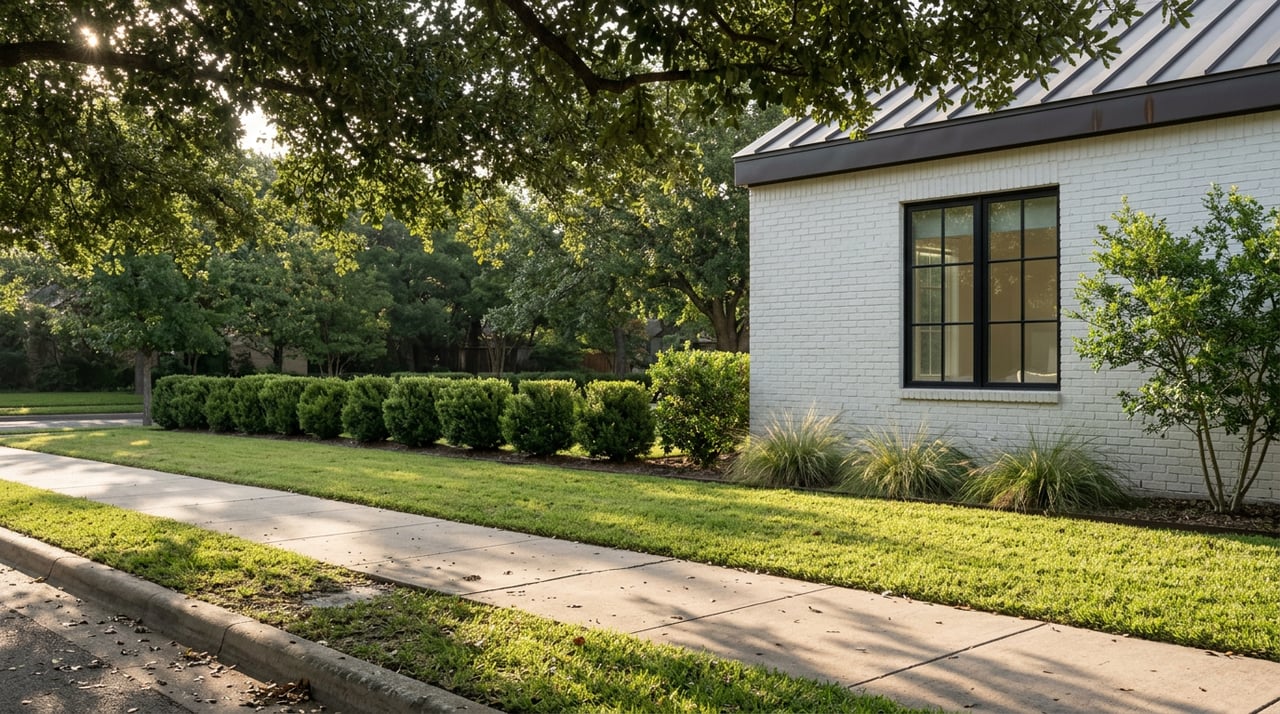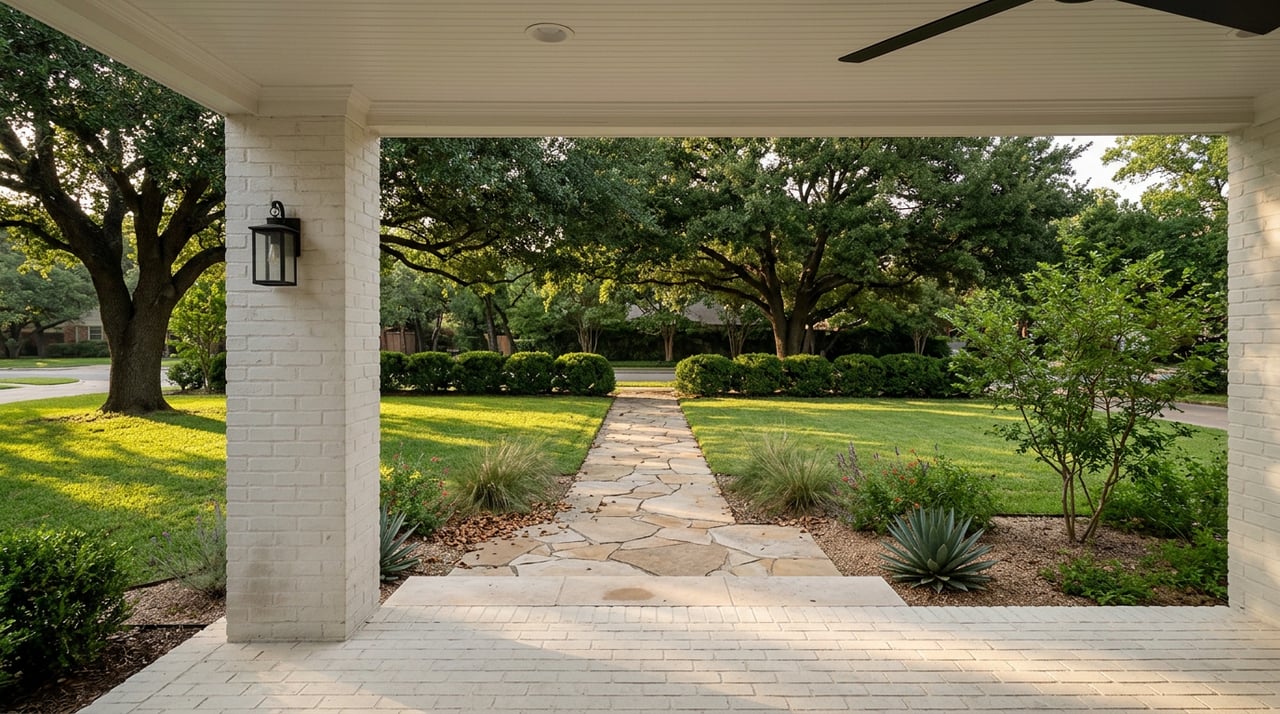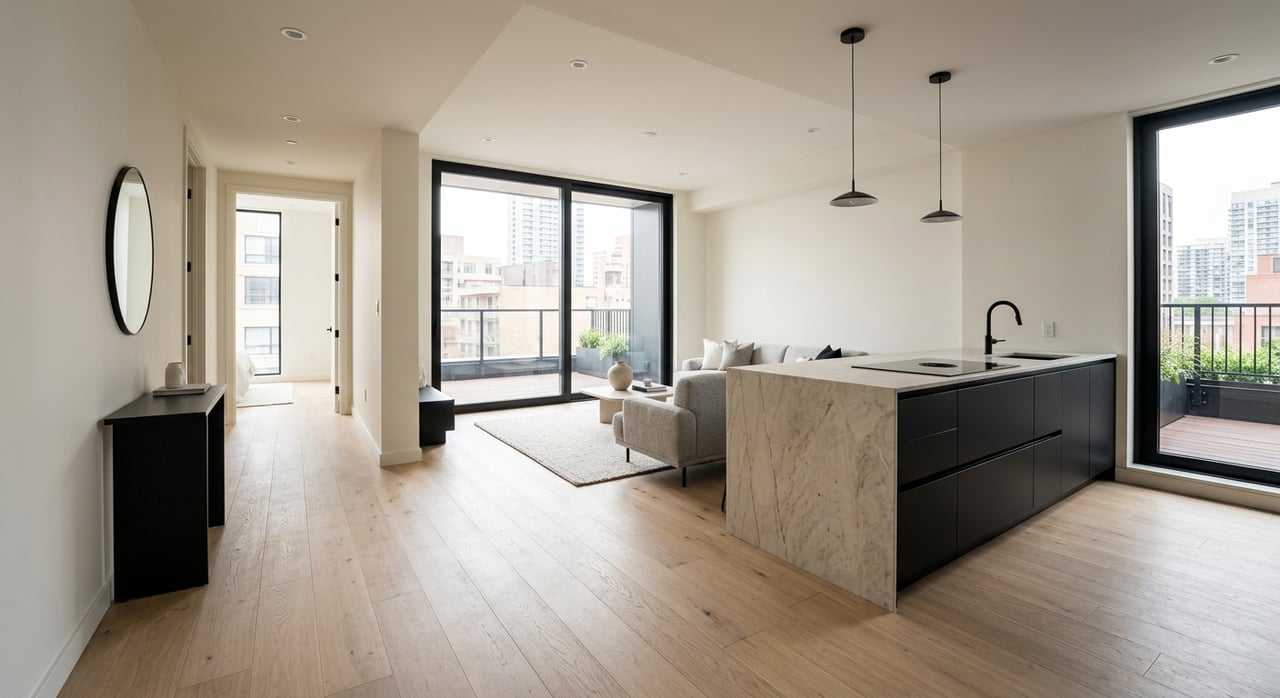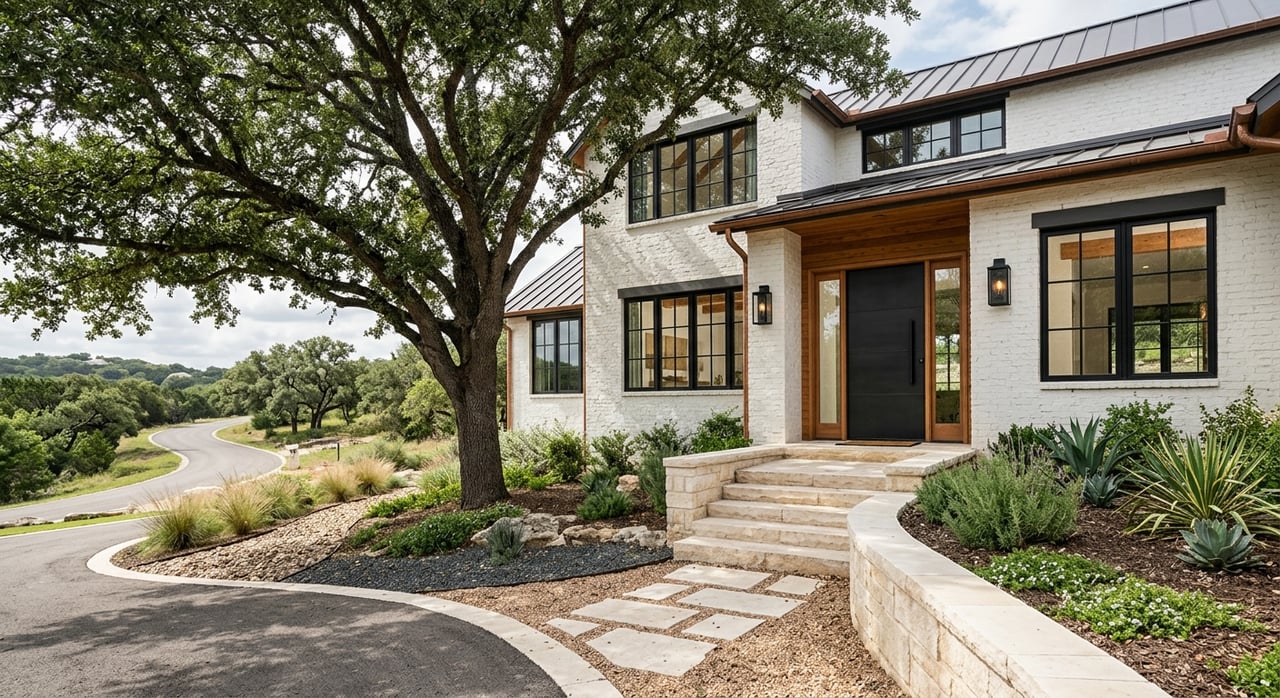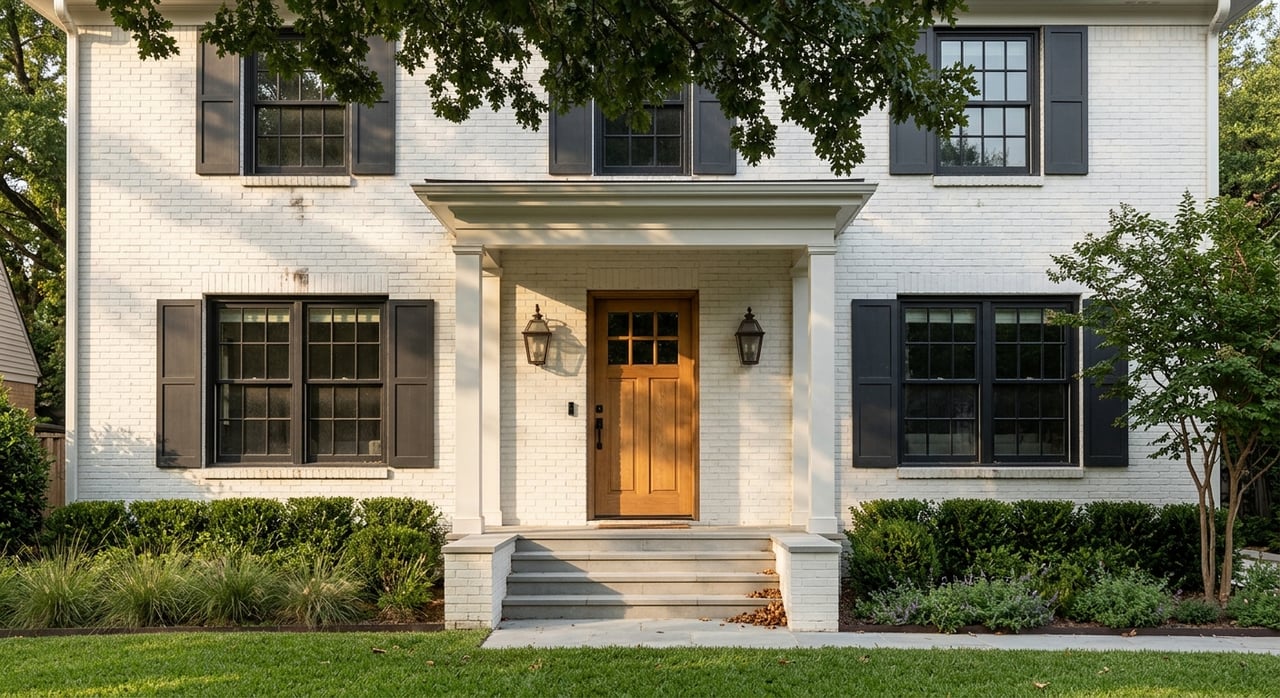
Wondering whether a historic home in Pemberton Heights can keep its architectural soul and support modern living? You are not alone. Many buyers and homeowners love the neighborhood’s established character, but they also want the comfort, efficiency, and peace of mind that smart-home features can bring. The good news is that in Pemberton Heights, thoughtful planning can help you blend both. Let’s dive in.
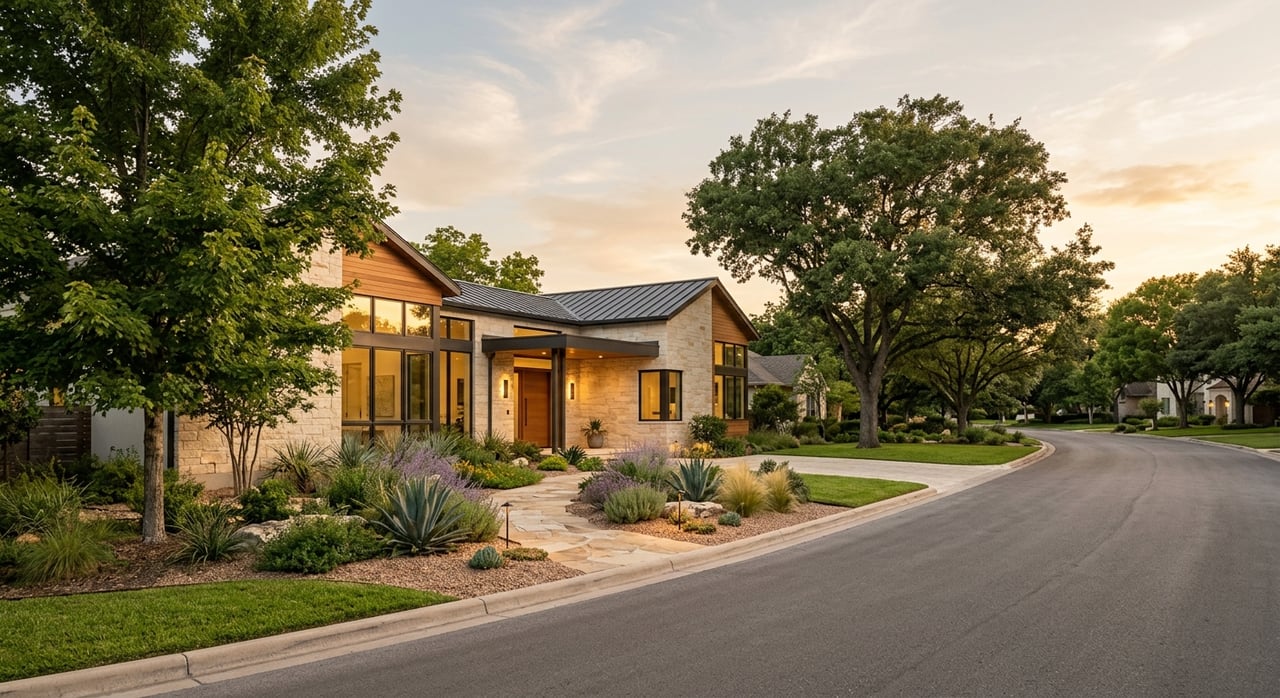
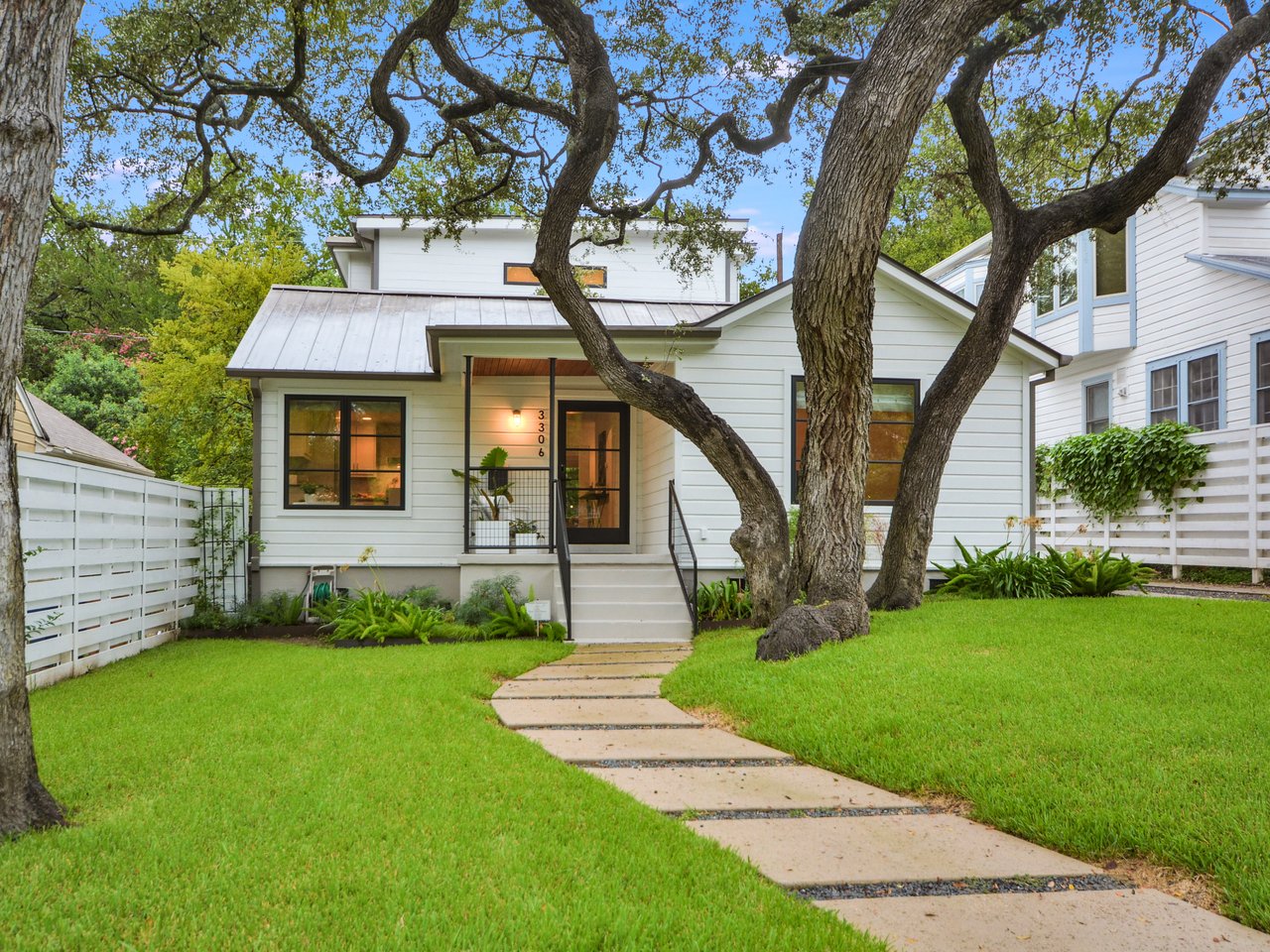
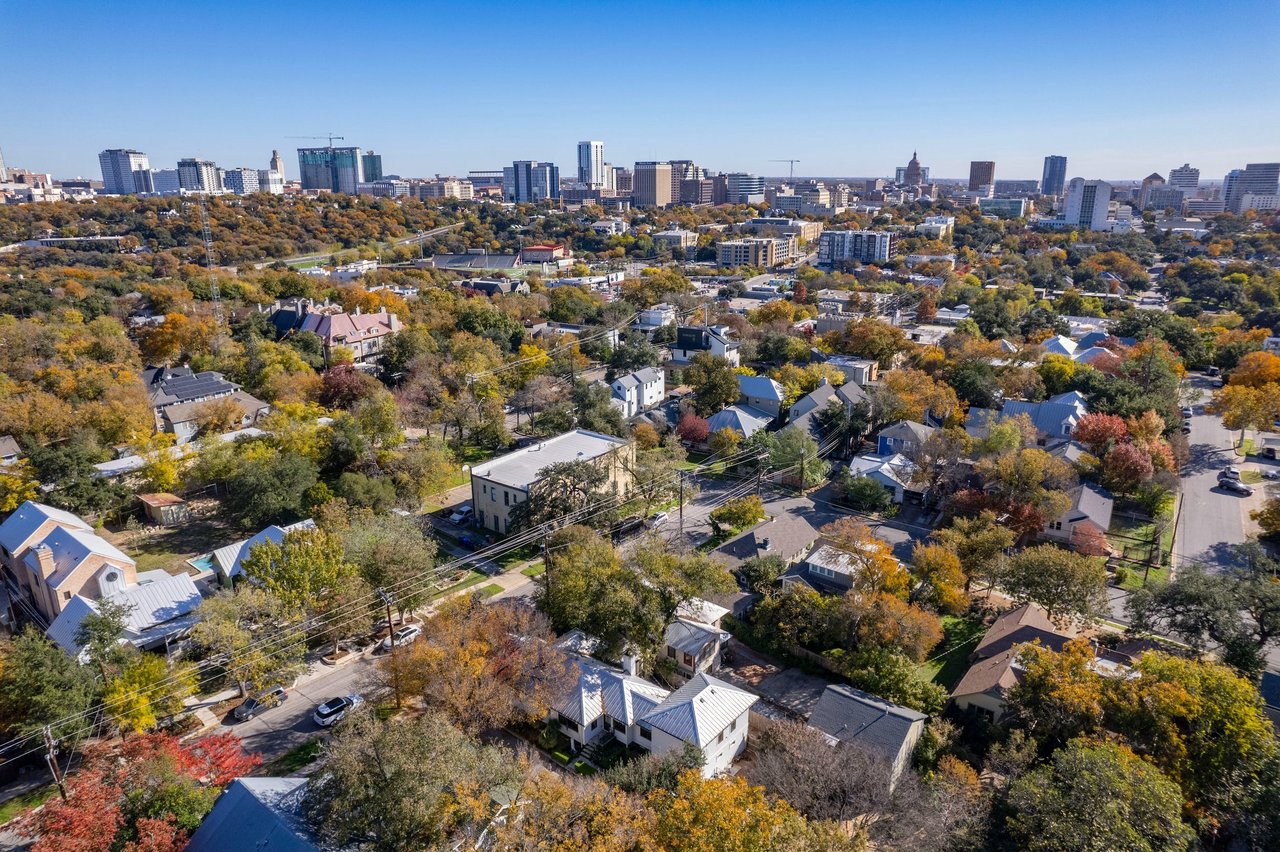
Pemberton Heights is part of Austin’s Old West Austin National Register Historic District, and that historic setting shapes how the neighborhood looks and feels today. According to the Pemberton Heights Neighborhood Association, the area includes about 613 residences and a wide mix of architectural styles, from cottages to larger estates.
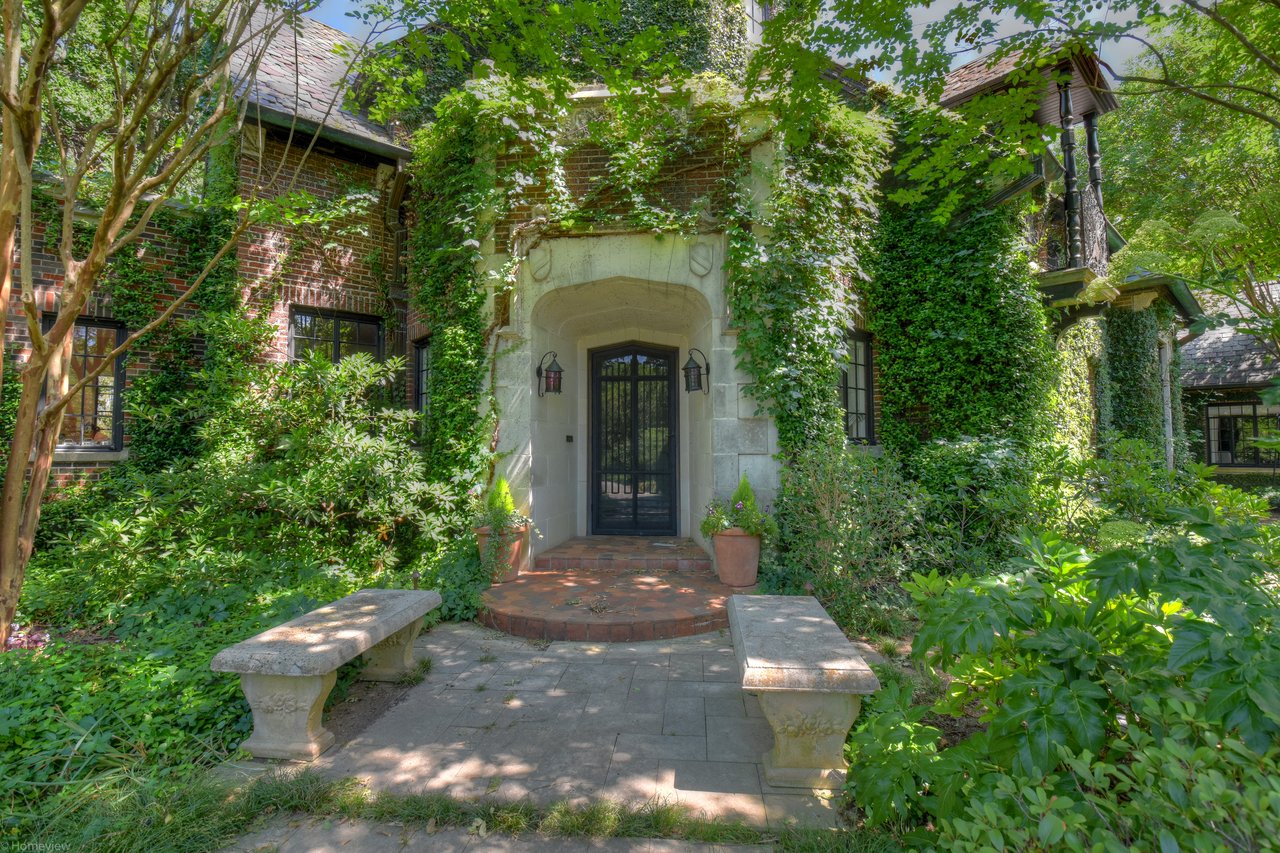
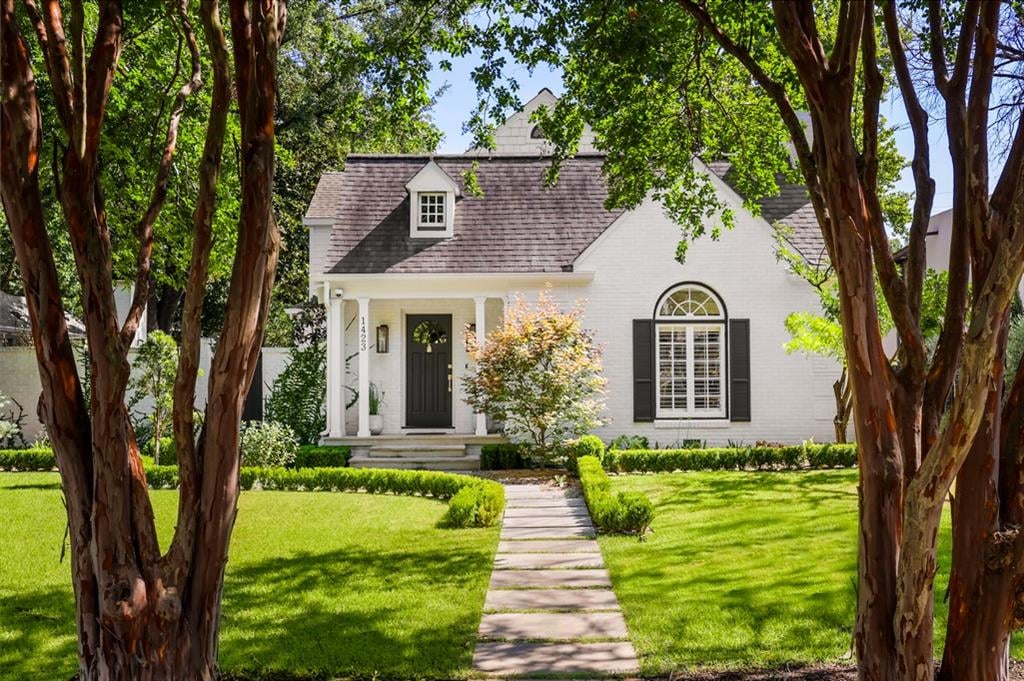
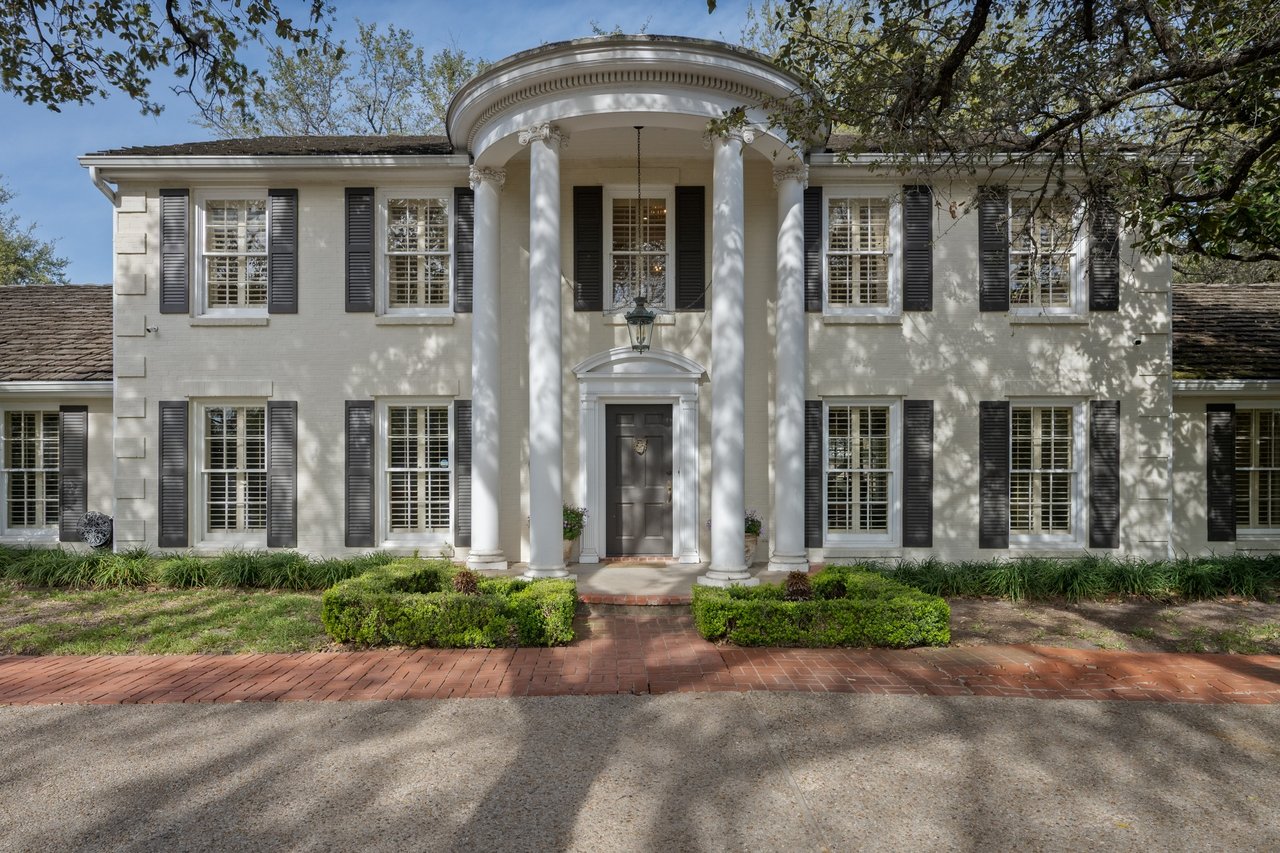
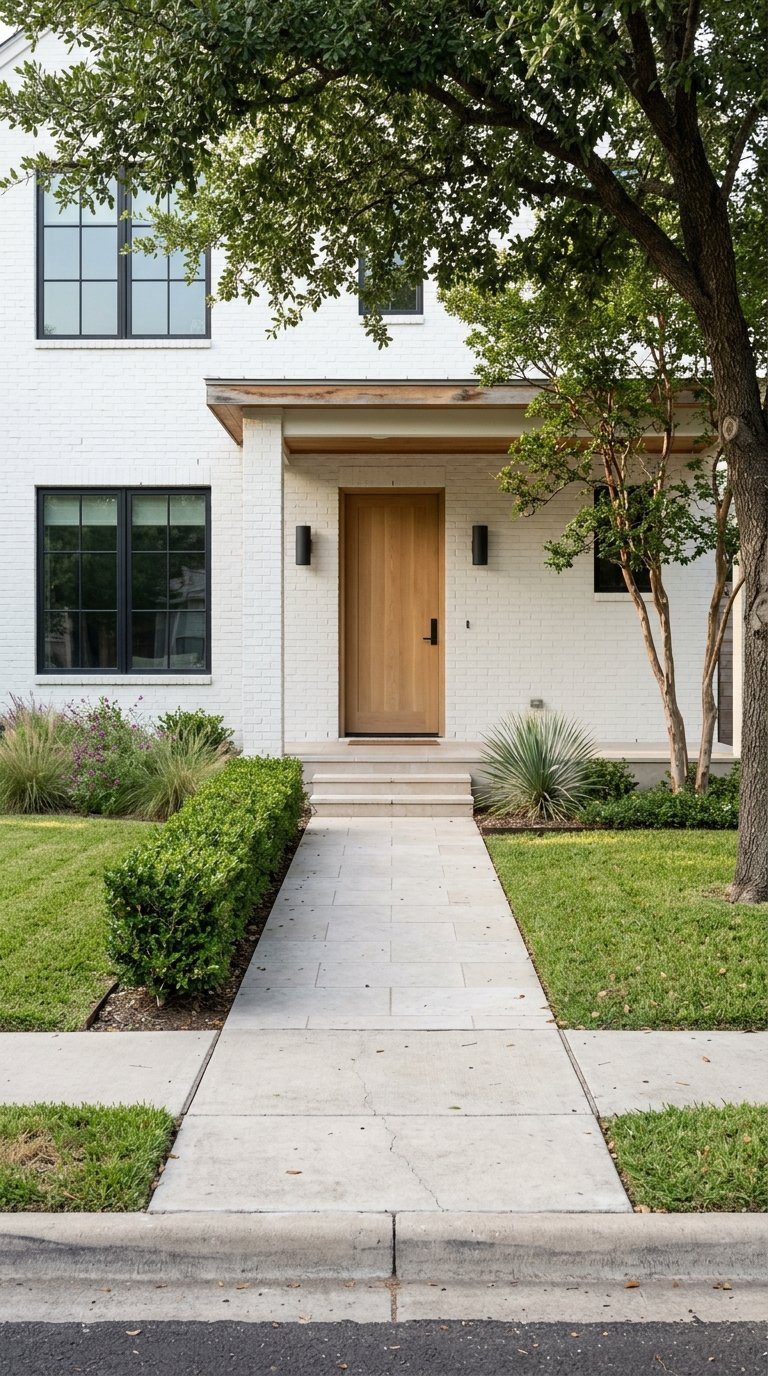
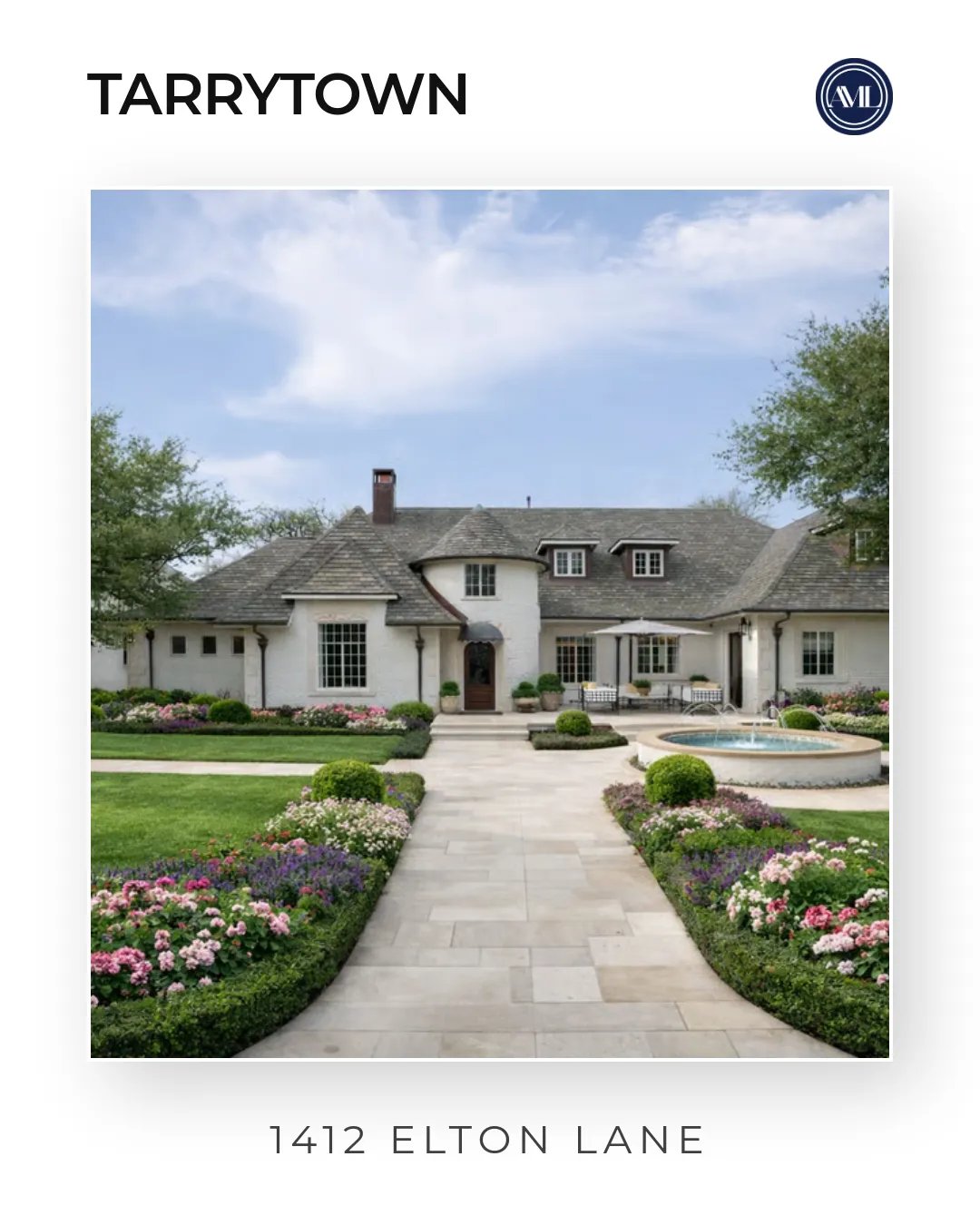
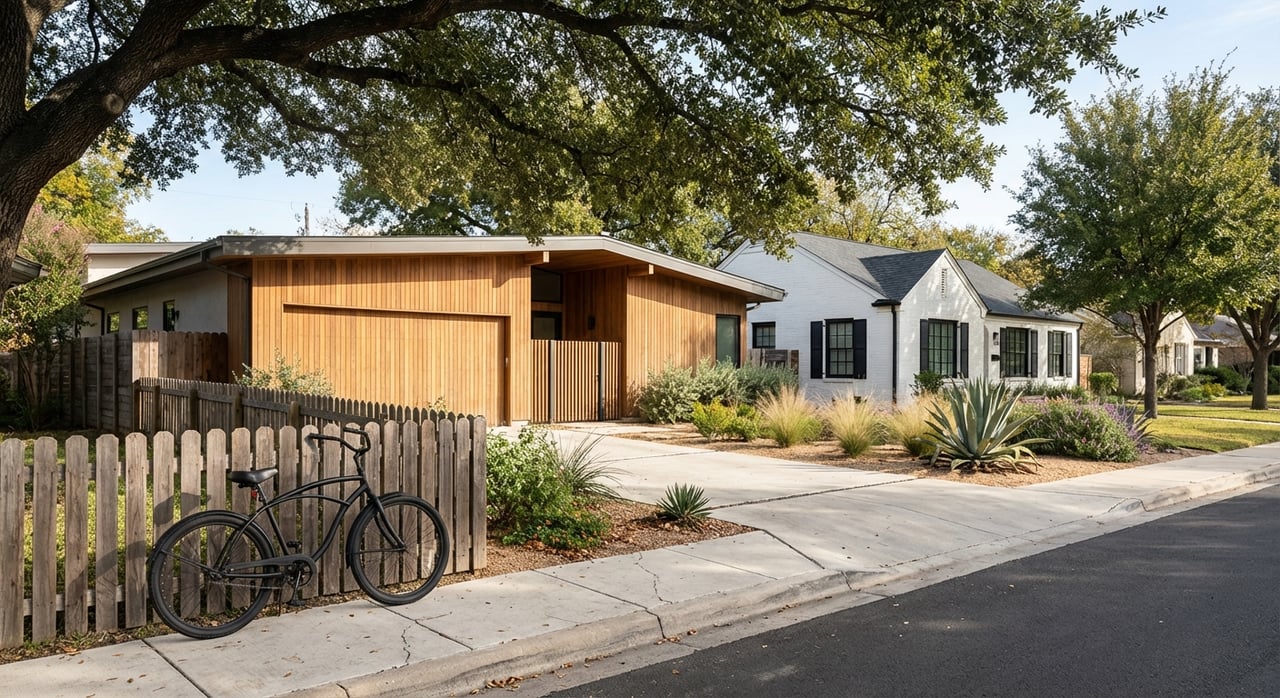
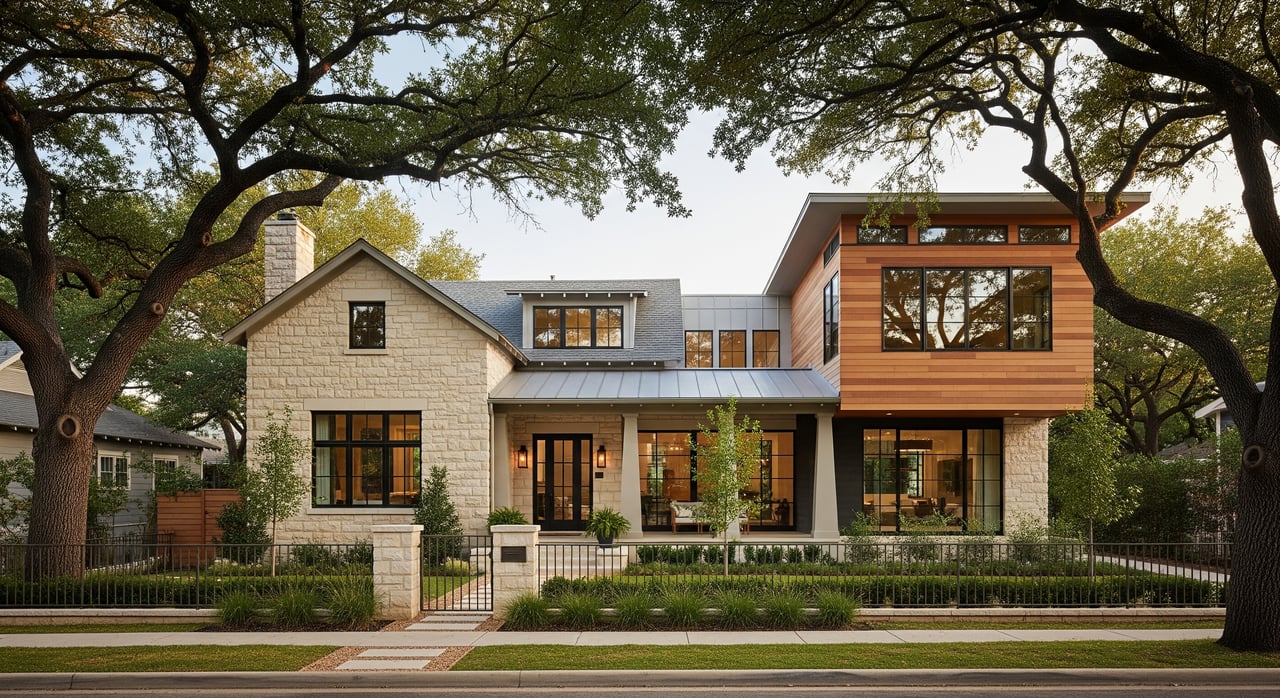
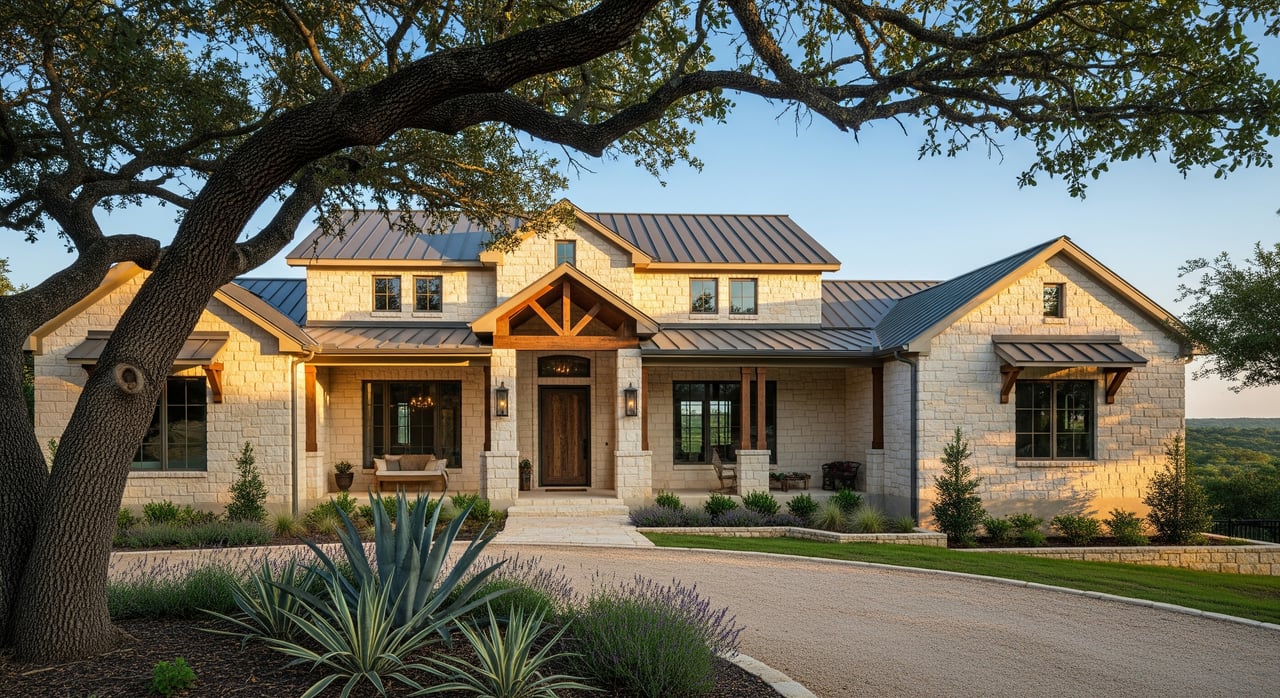
You will see Tudor Revival, Colonial Revival, Classical Revival, Spanish Colonial Revival, Italian Renaissance Revival, Craftsman, and Prairie School homes across the neighborhood. The association also points to heritage trees, landscaped traffic islands, and ceramic curb tiles as part of the streetscape, which helps explain why the area feels layered rather than uniform.
That sense of history developed over time. The neighborhood association notes that the earliest home dates to the late 1800s, while broader subdivision began in 1927 and continued through the 1940s. The City of Austin’s Old West Austin neighborhood planning materials also describe early marketing for the area that highlighted paved streets, sidewalks, and private parkland.
In a neighborhood with this level of historic character, home updates are rarely just about design preference. The City of Austin Historic Preservation Office states that properties that are landmarks, in local historic districts, or in National Register districts must submit a historic review application for exterior alterations, additions, permanent site work, signs, and new construction.
For you as a homeowner or buyer, that means even subtle changes may need review if they affect the exterior or site. This is especially important in Pemberton Heights, where preservation is part of the neighborhood’s identity and long-term appeal.
At the federal level, the Secretary of the Interior’s Standards for Rehabilitation emphasize retaining historic character, repairing rather than replacing distinctive features, and making sure additions or exterior alterations stay compatible with the home’s scale and architectural features. In practical terms, the best upgrades usually respect what is already there instead of competing with it.
The strongest smart-home updates in Pemberton Heights are often the ones you barely notice. National Park Service sustainability guidance supports carefully planned upgrades to mechanical, electrical, and plumbing systems and recommends starting with less invasive improvements such as energy-efficient lighting in existing fixtures, plus sensors and timers that help control lighting, temperature, and water use.
That approach matters in a historic home because it lets you improve function without changing the visual character that drew you to the property in the first place. It also aligns with preservation guidance that encourages analysis of original features like porches, shutters, transoms, skylights, vents, and naturally lit corridors before making bigger changes.
Lighting is one of the easiest places to begin. The National Park Service recommends energy-efficient lighting and control systems as an early, preservation-conscious step.
For many homes, that can mean:
These updates can improve everyday convenience while keeping original fixtures or architectural details in place.
Climate control deserves more caution. The National Park Service’s HVAC preservation brief warns that poorly planned systems can remove historic materials, weaken structures, and require dropped ceilings or boxed chases that damage historic finishes.
That does not mean you should avoid modern comfort. It means the most compatible path is usually to work with existing systems where possible and avoid upgrades that require major visible alterations. Smart thermostats and modern controls tend to be a more natural fit when they connect to current infrastructure instead of forcing large-scale reconfiguration.
Security is another area where discreet technology can support a historic property well. National Park Service guidance notes that battery-backed or hard-wired intrusion alarms, smoke detectors, and exterior lighting controlled by timers, photoelectric sensors, or motion detection can improve protection.
In a Pemberton Heights home, low-profile and reversible solutions are often the most practical choice. When devices are thoughtfully placed, you can improve safety and peace of mind without adding visual clutter to a carefully preserved exterior.
When you are balancing charm and technology, the biggest risks usually come from overbuilding rather than under-updating. The Secretary of the Interior’s Standards are clear that new work should not destroy historic materials and should remain compatible with the home’s existing massing, size, scale, and architectural features.
In practical terms, that means you should be cautious about:
For resale, subtlety often wins. Buyers who are drawn to a neighborhood like Pemberton Heights typically appreciate convenience, but they are also paying attention to craftsmanship, authenticity, and the overall coherence of the home.
Buyer preferences support a thoughtful middle ground. In the National Association of REALTORS® 2024 Home Buyers and Sellers Generational Trends report, 23% of buyers of previously owned homes said they chose that type of home for more charm and character.
At the same time, the same research shows that smart-home features already influence new-home decisions, and NAR’s 2025 sustainability update says cost-saving sustainable features are increasingly shaping both search and remodeling choices. That combination is important if you are preparing to buy, improve, or sell in Pemberton Heights.
The takeaway is simple: historic character and modern function do not have to compete. In many cases, the strongest resale position comes from preserving original details while quietly improving efficiency, comfort, and daily usability.
If you are considering updates to a historic home in Pemberton Heights, a measured process can help you protect both value and character. National Park Service guidance recommends involving qualified preservation professionals early in the planning stage for case-by-case decisions.
A smart starting framework often looks like this:
This type of planning can help you avoid expensive missteps and make decisions that support long-term livability.
If you are buying in Pemberton Heights, it helps to look beyond surface appeal. A beautiful historic home may offer excellent potential for modern comfort, but the best outcomes usually depend on understanding review requirements, the home’s existing systems, and which upgrades can be added with minimal disruption.
If you are selling, the presentation matters just as much. Buyers tend to respond well when a historic home feels well cared for, efficient, and easy to live in without losing the architecture that makes it special. Clear guidance around prior updates, preservation-conscious improvements, and efficiency features can strengthen buyer confidence.
In a neighborhood this established, local knowledge matters. If you want help evaluating a historic property, preparing a home for market, or understanding what today’s buyers are looking for in central Austin, connect with Anna Lee for a private consultation.
3825 Lake Austin Blvd Ste 501 Austin TX 78703
3825 Lake Austin Blvd Ste 501 Austin TX 78703