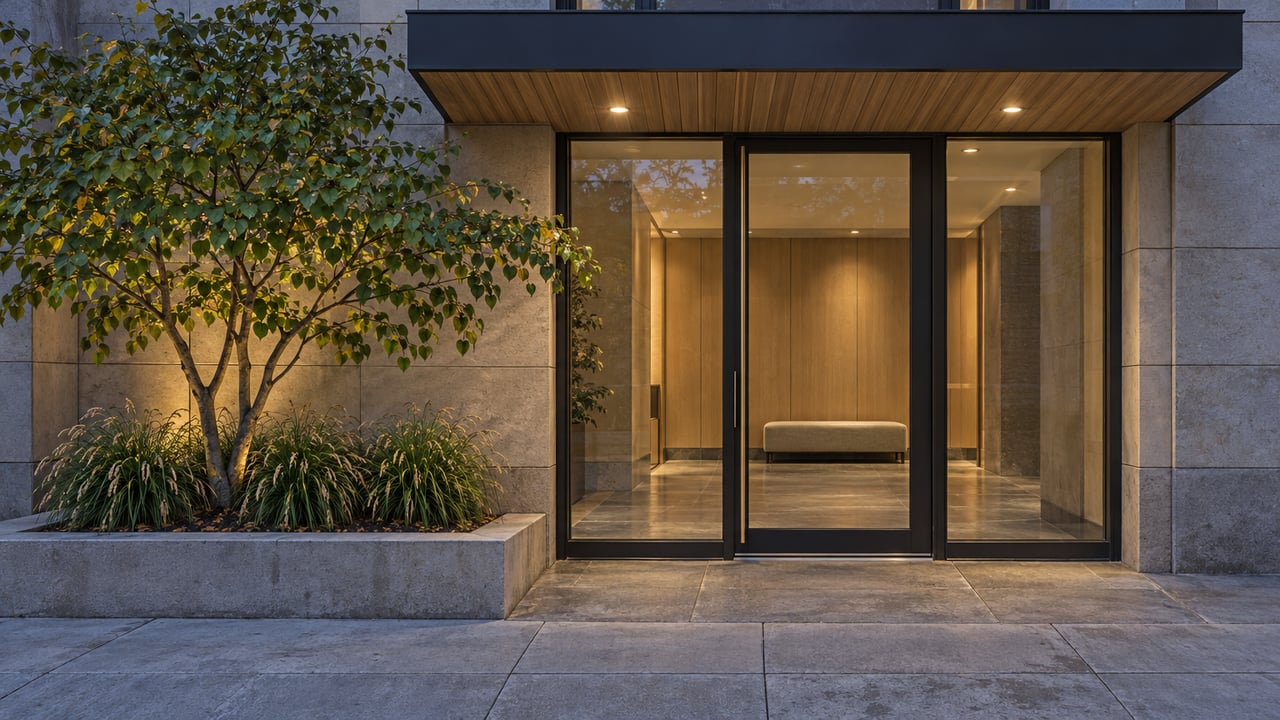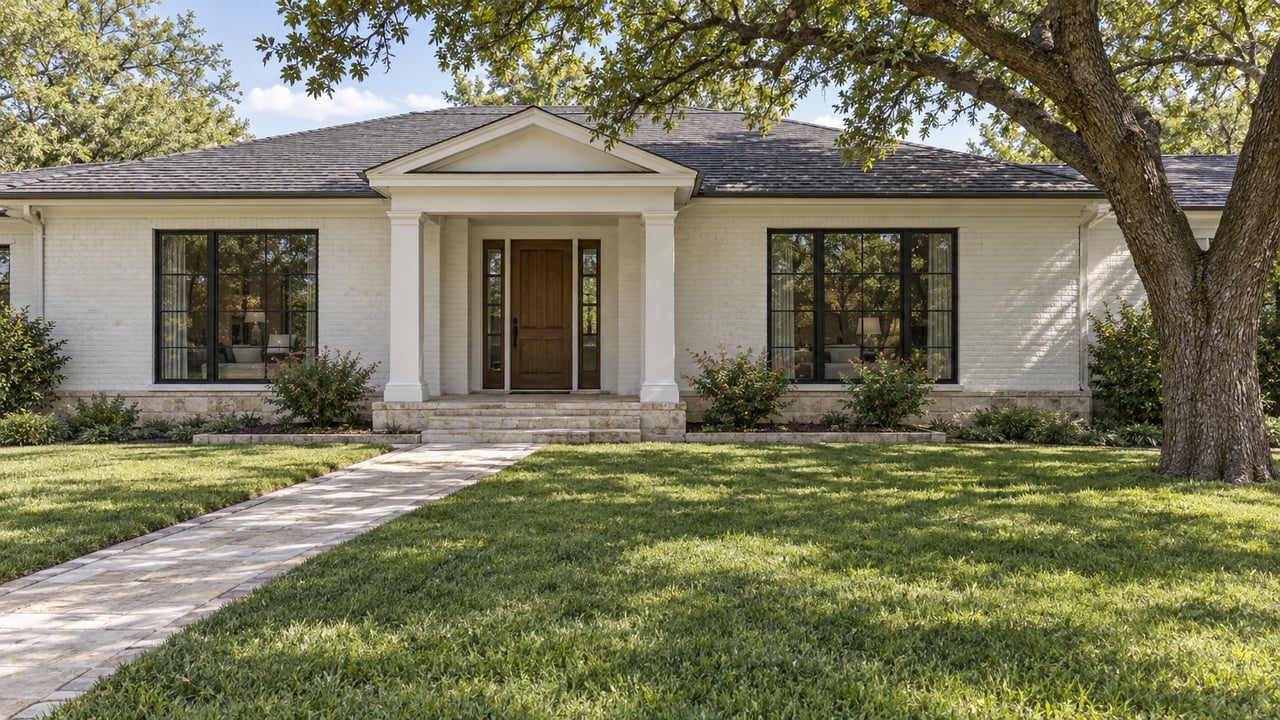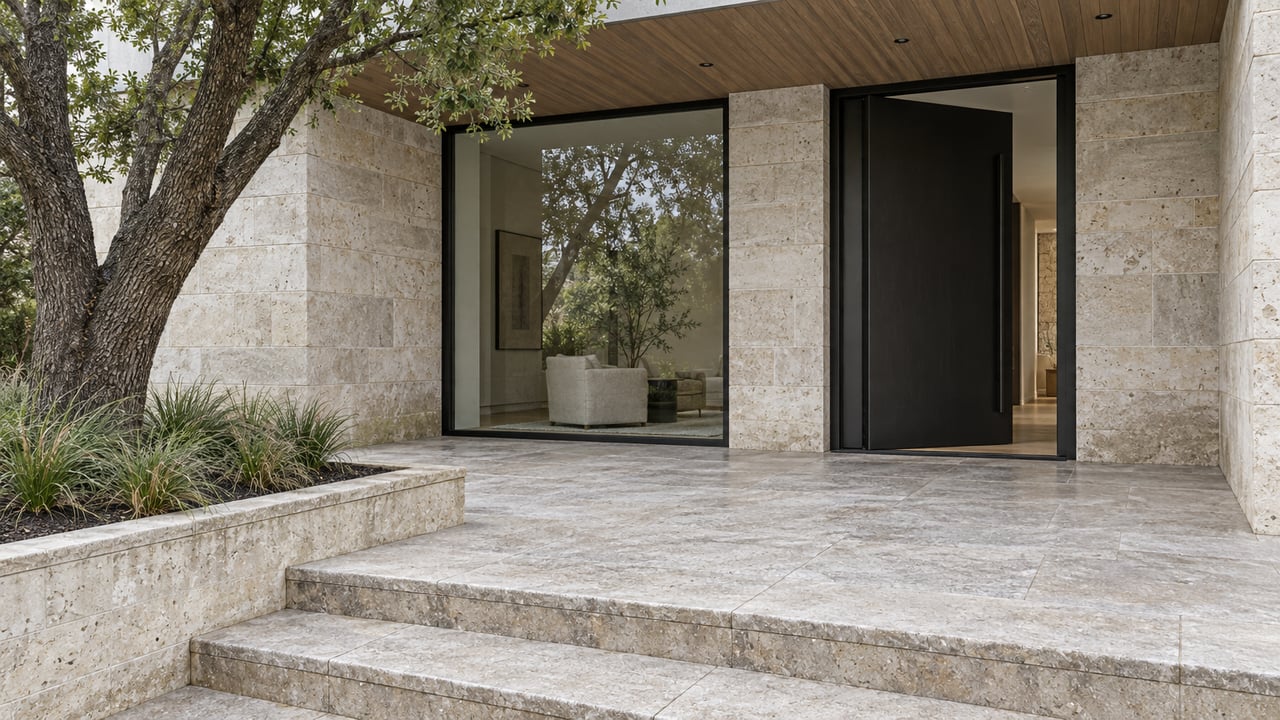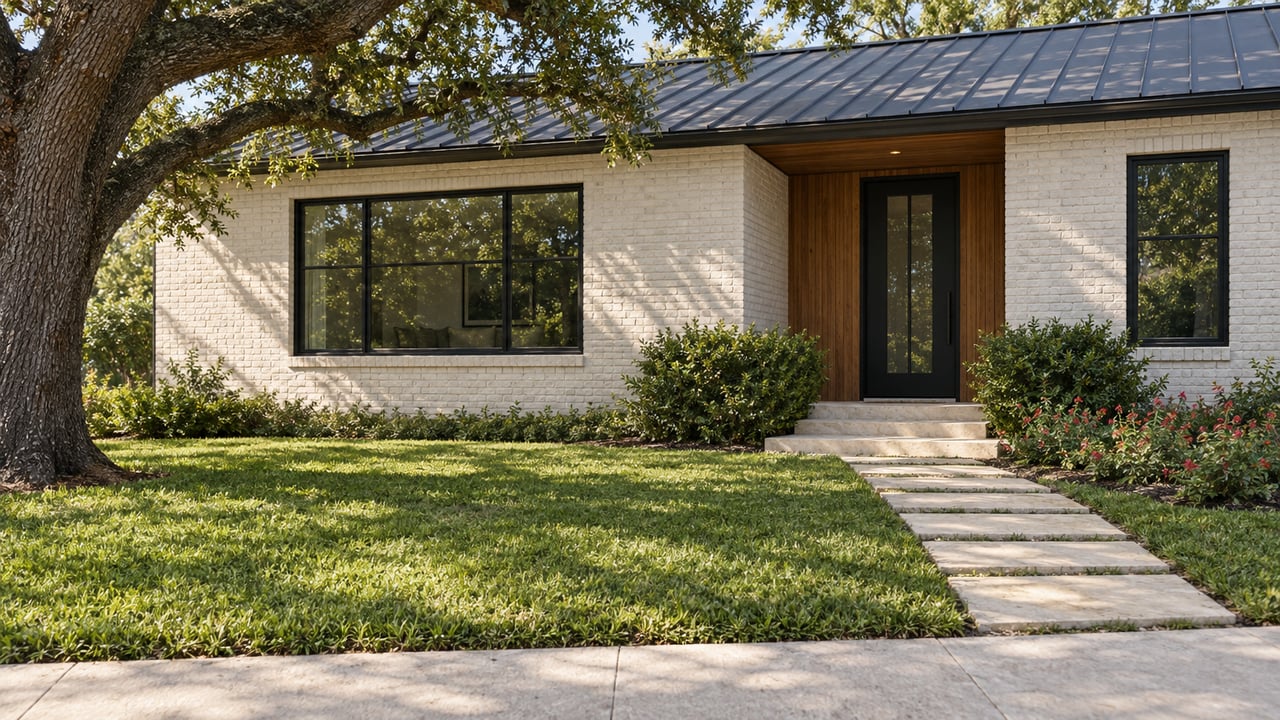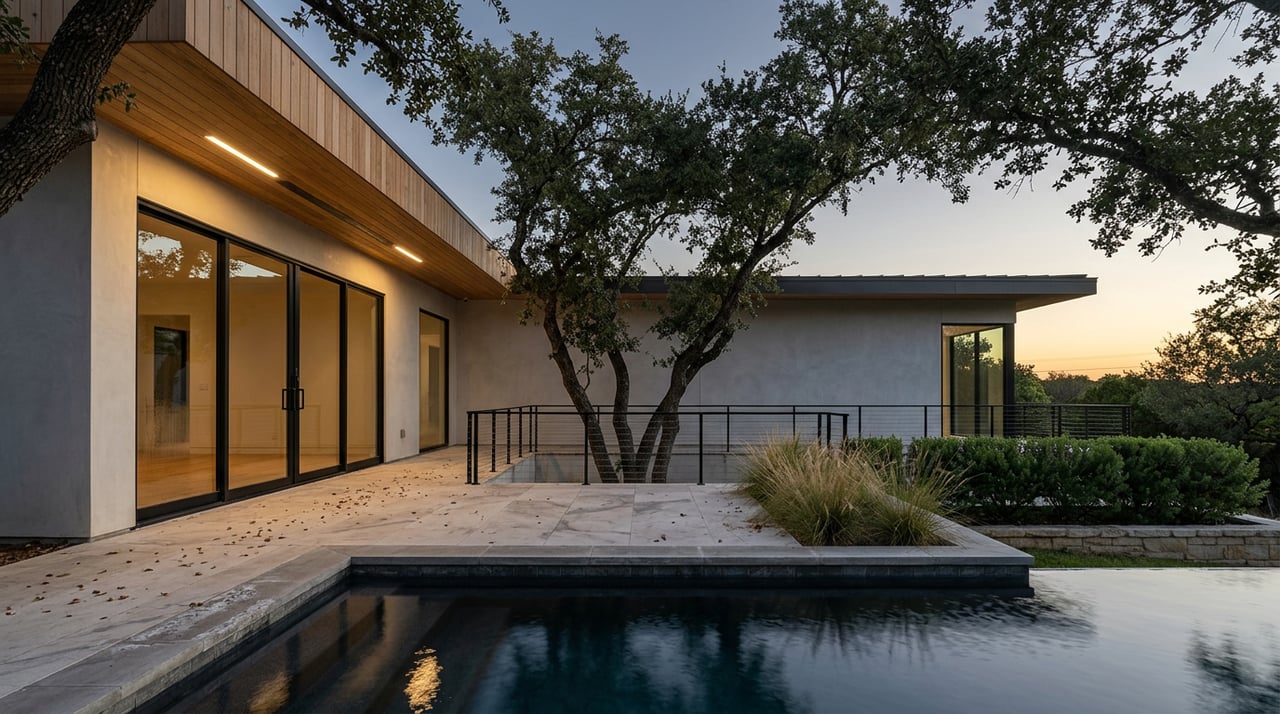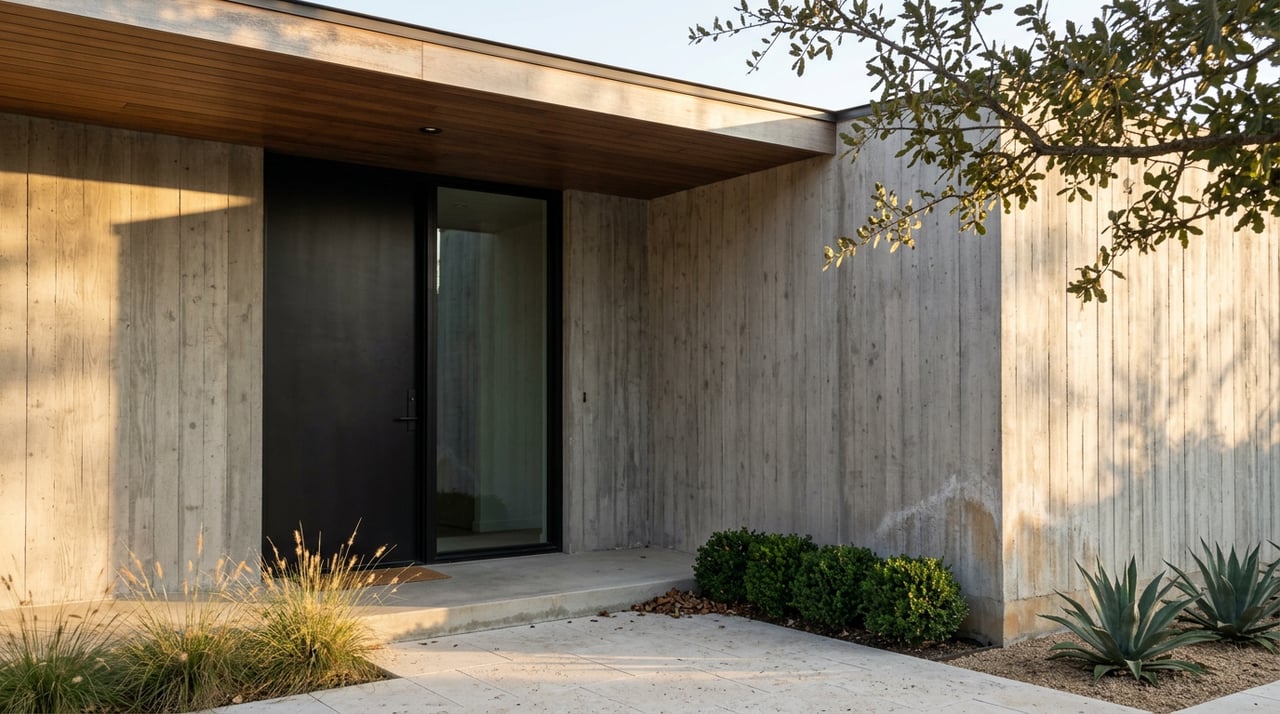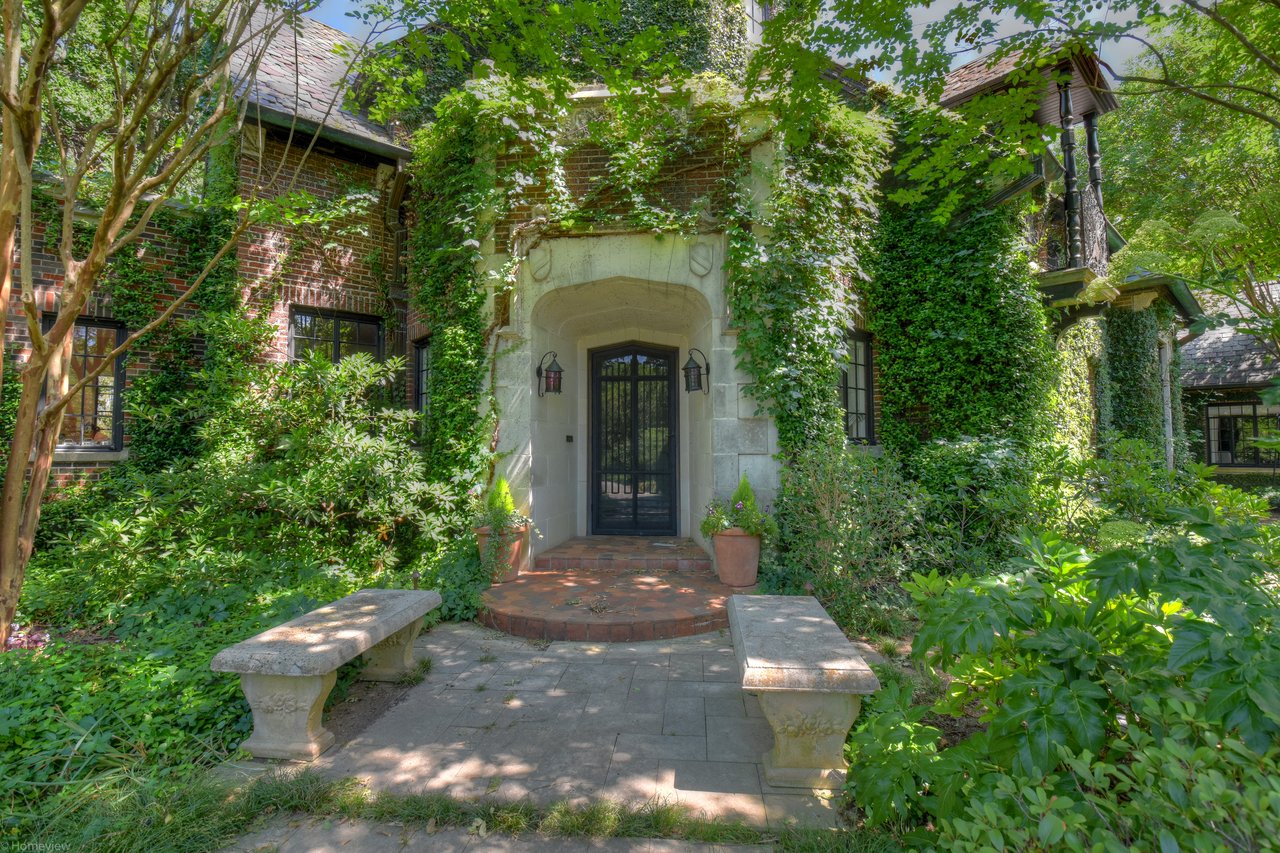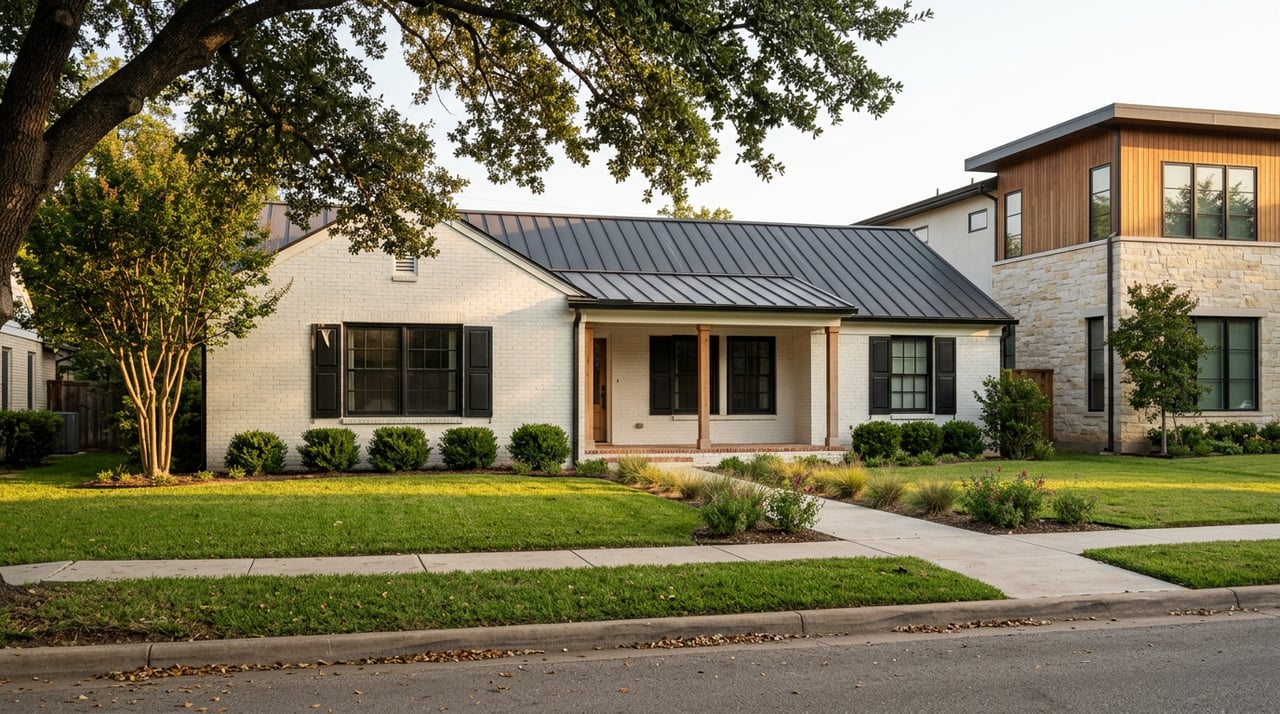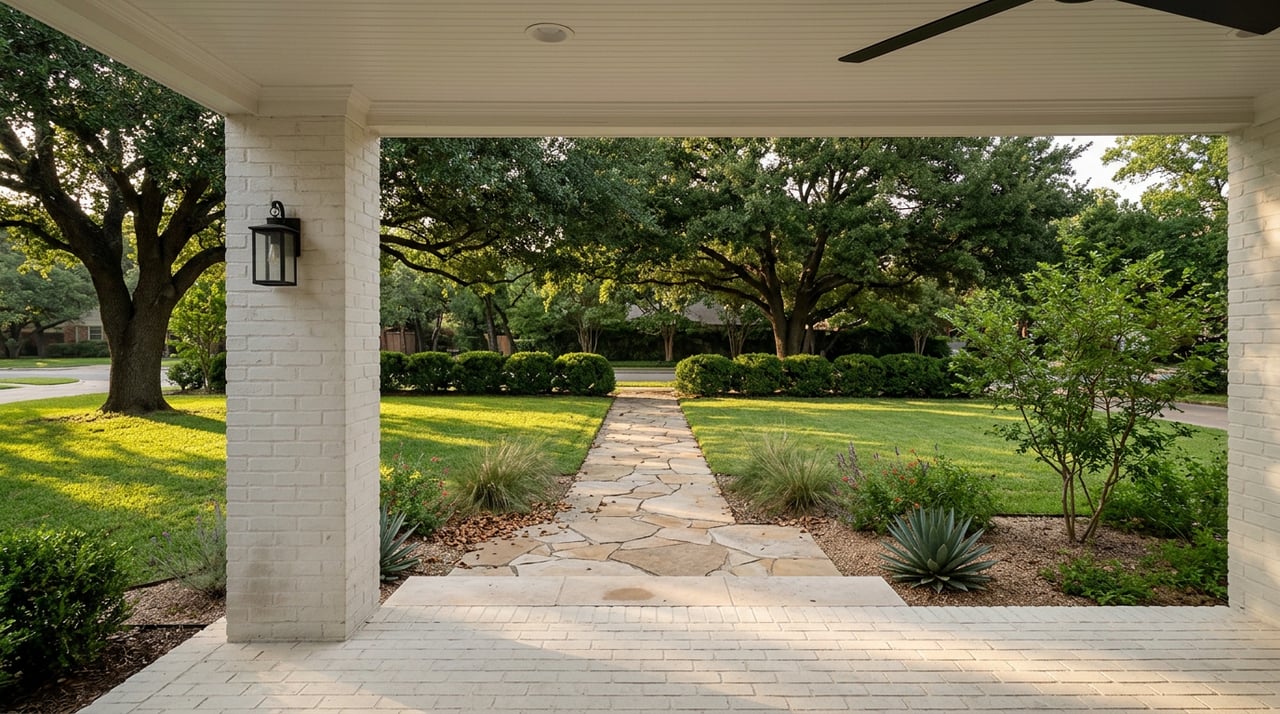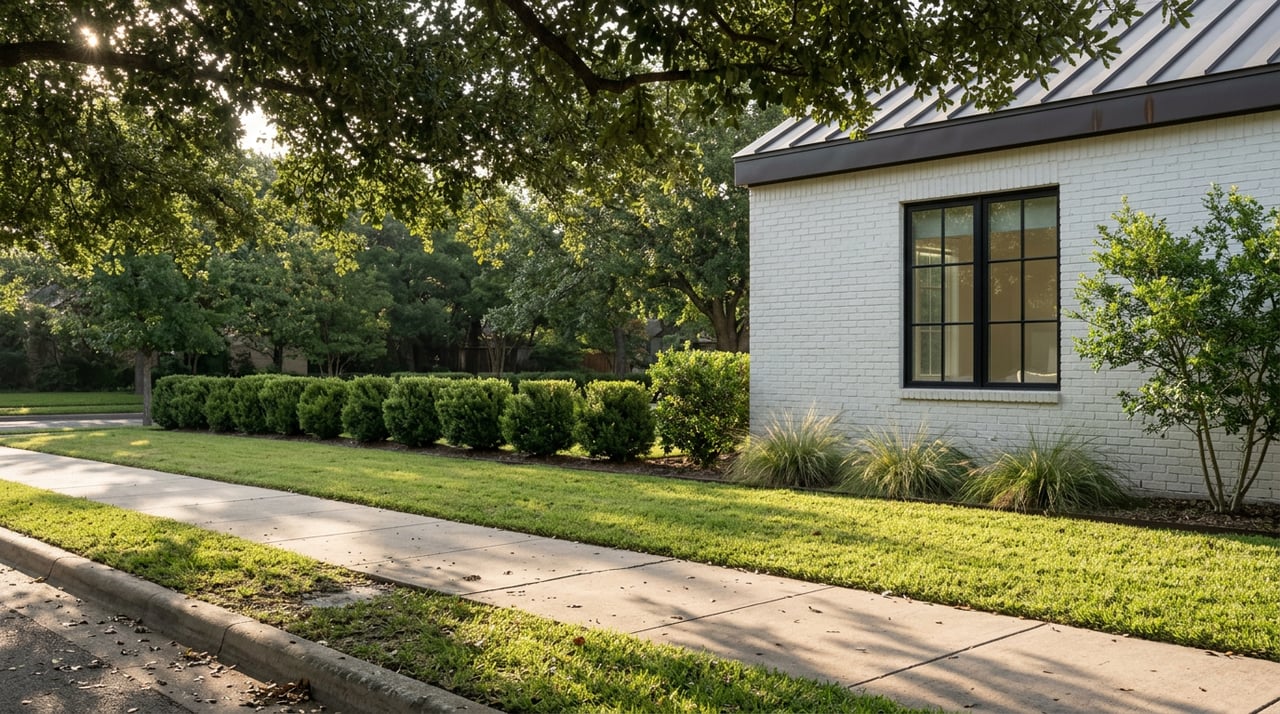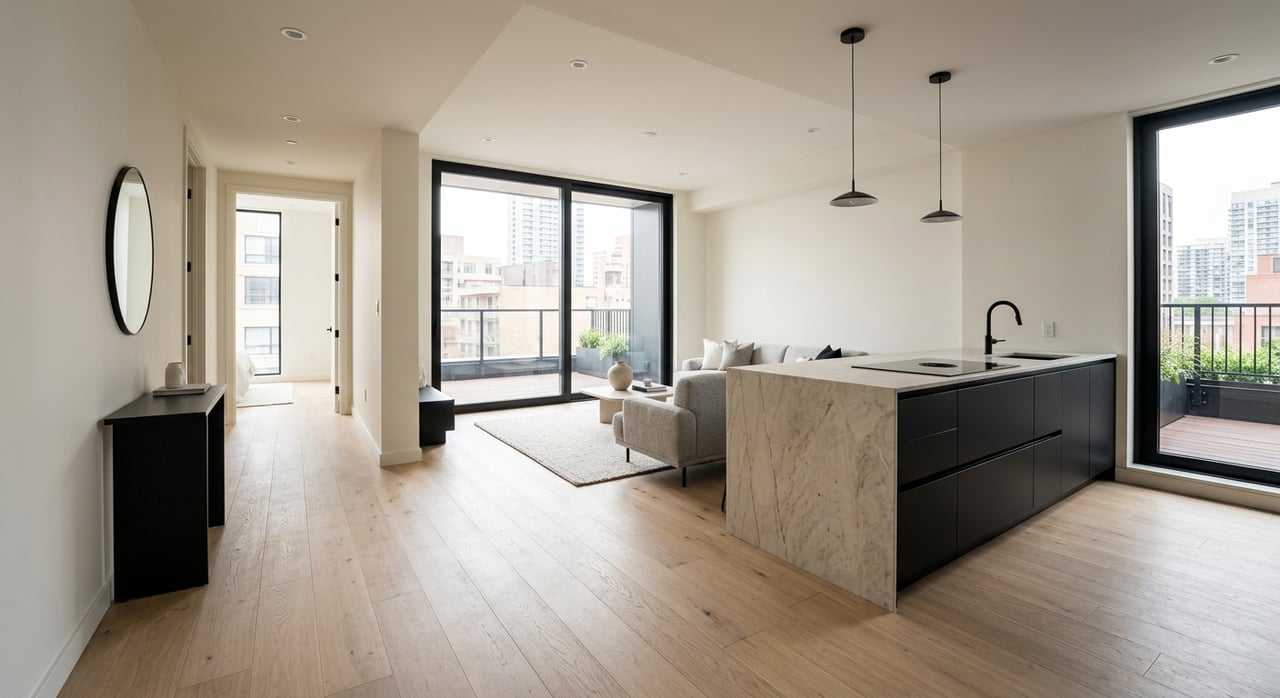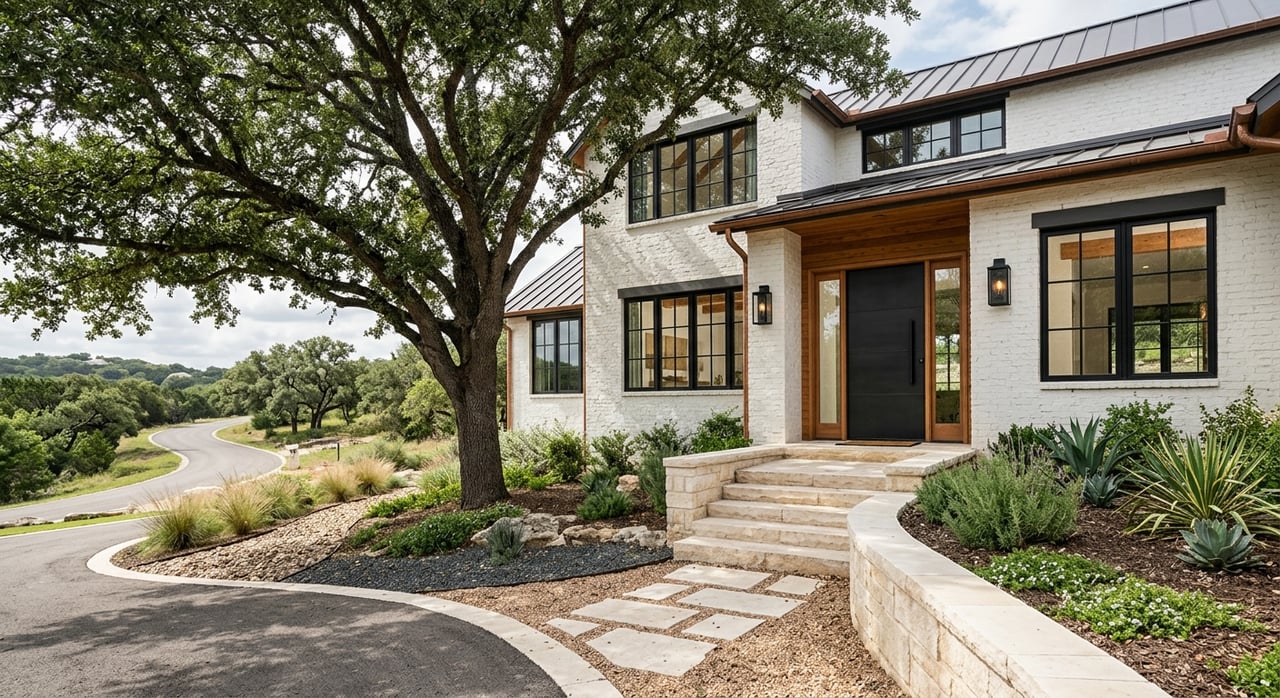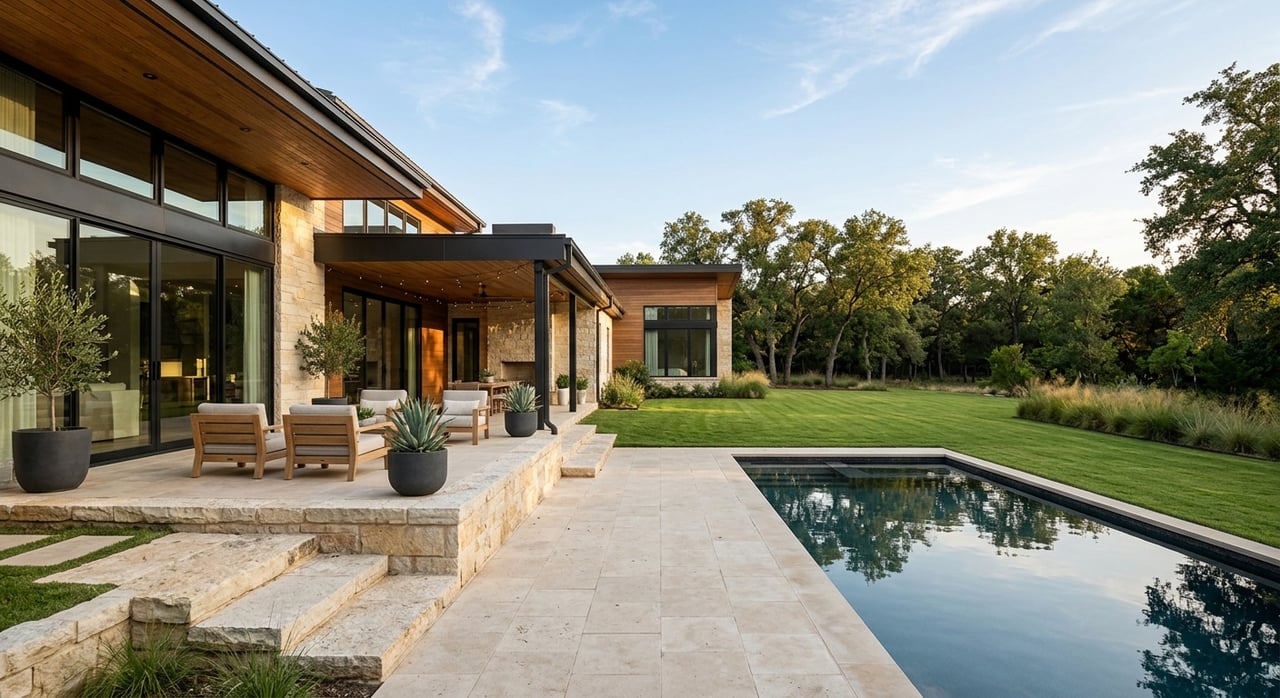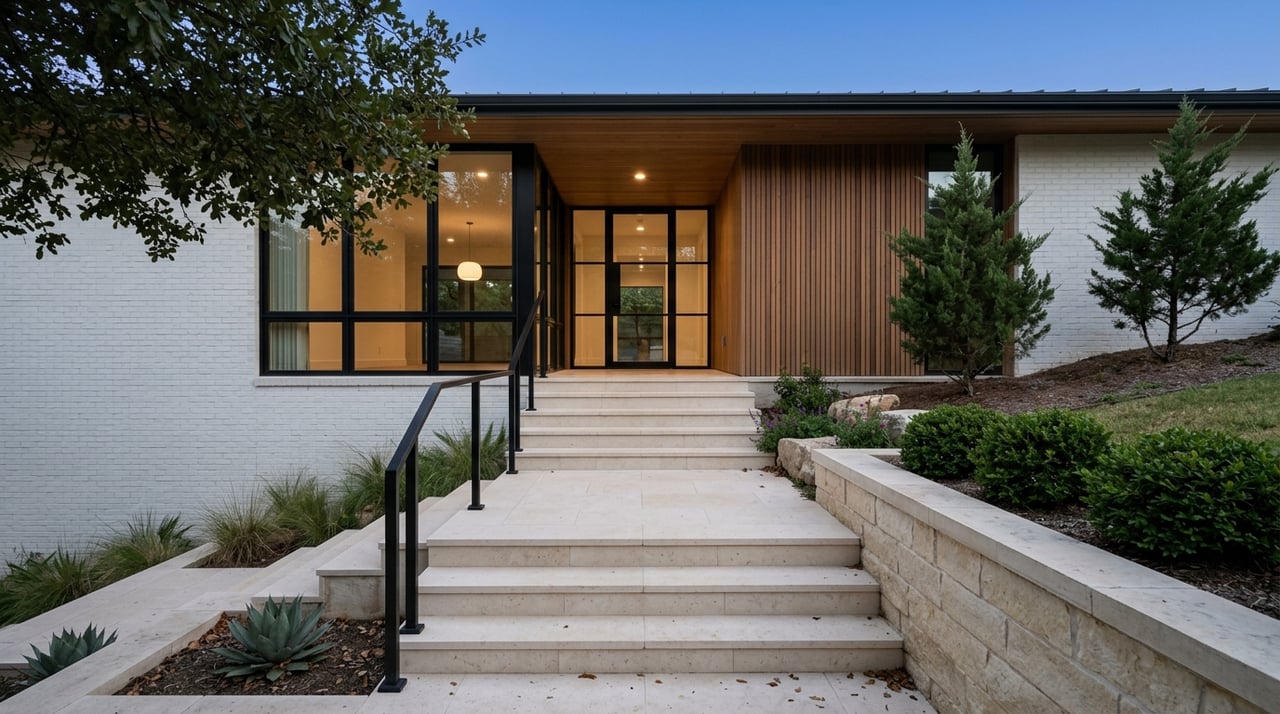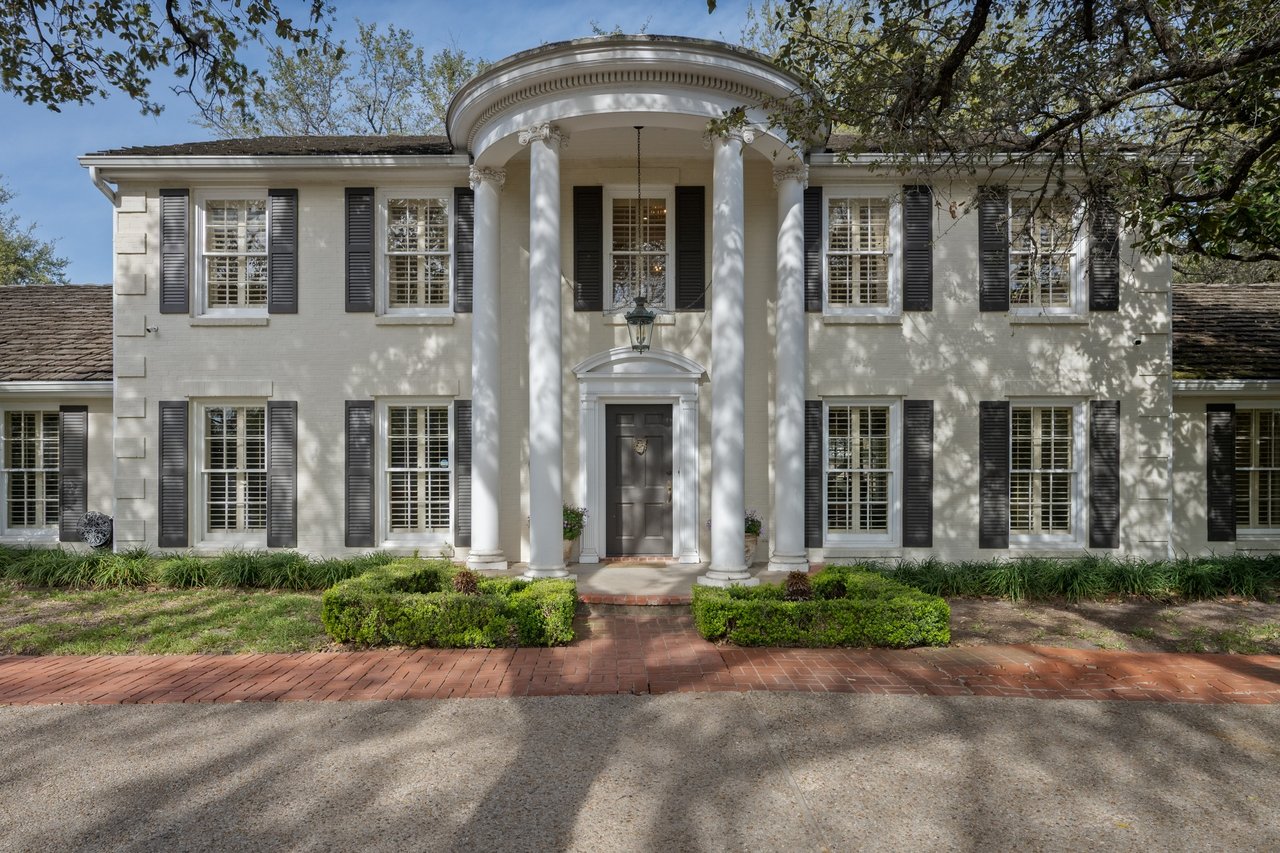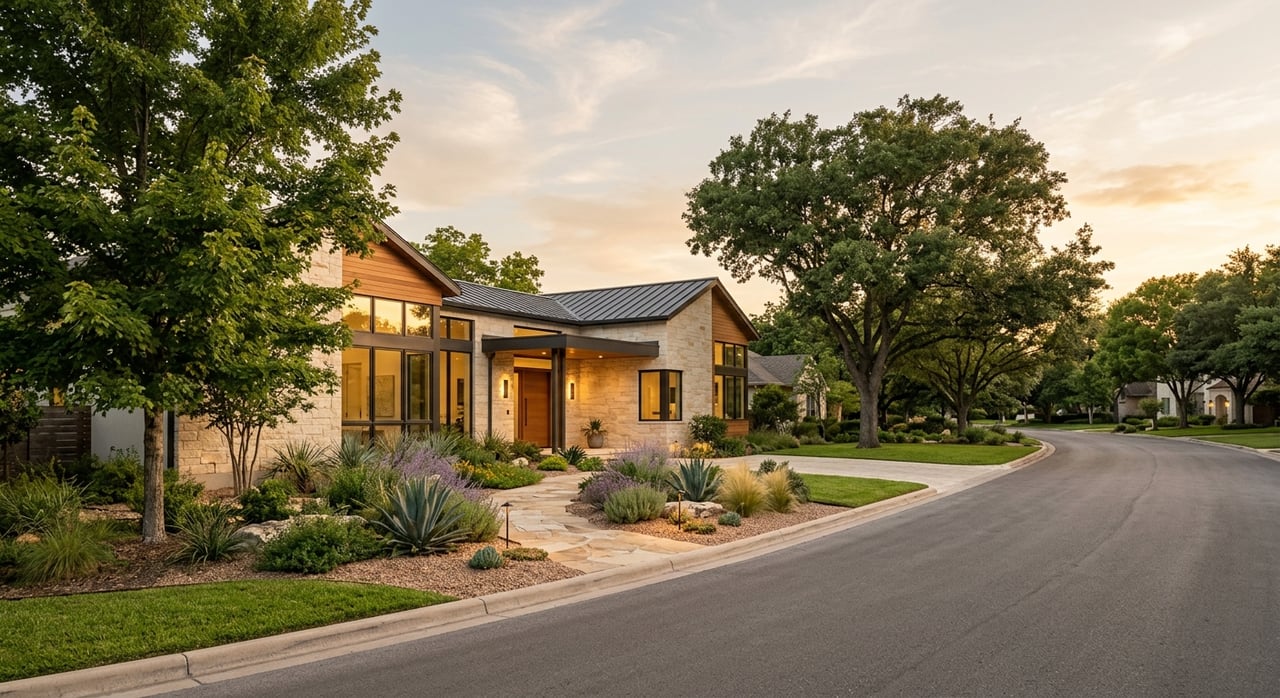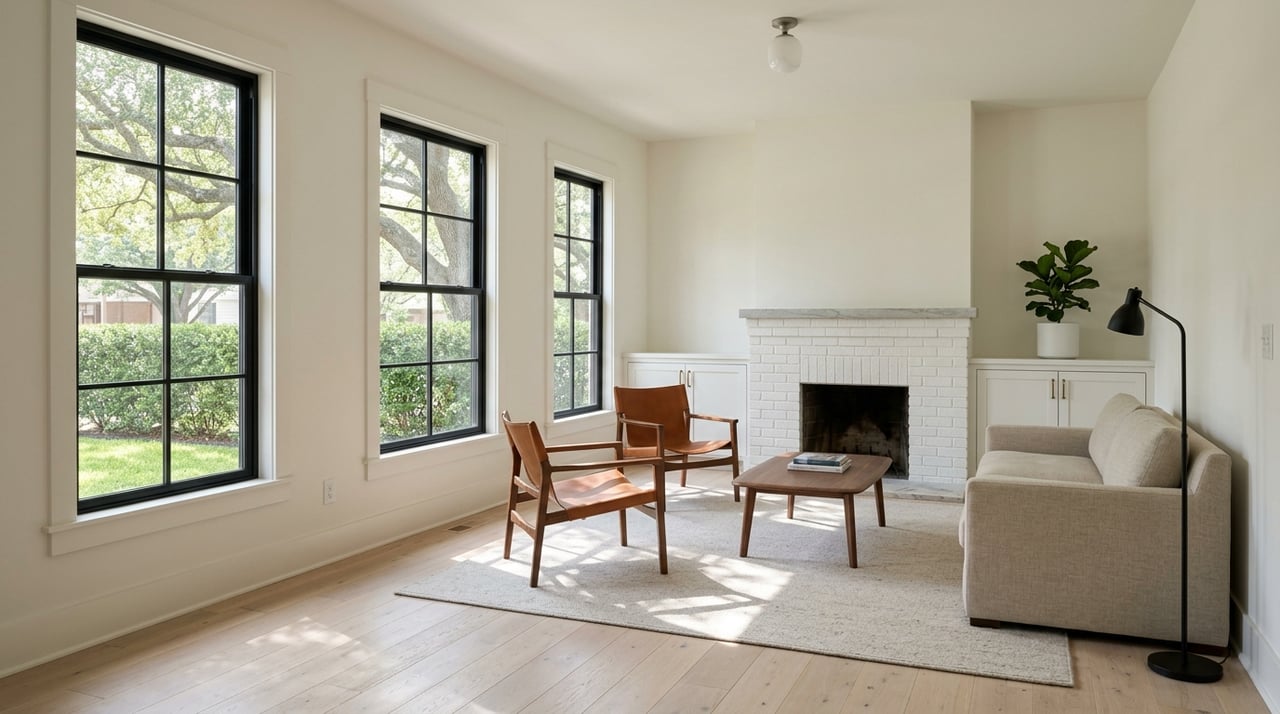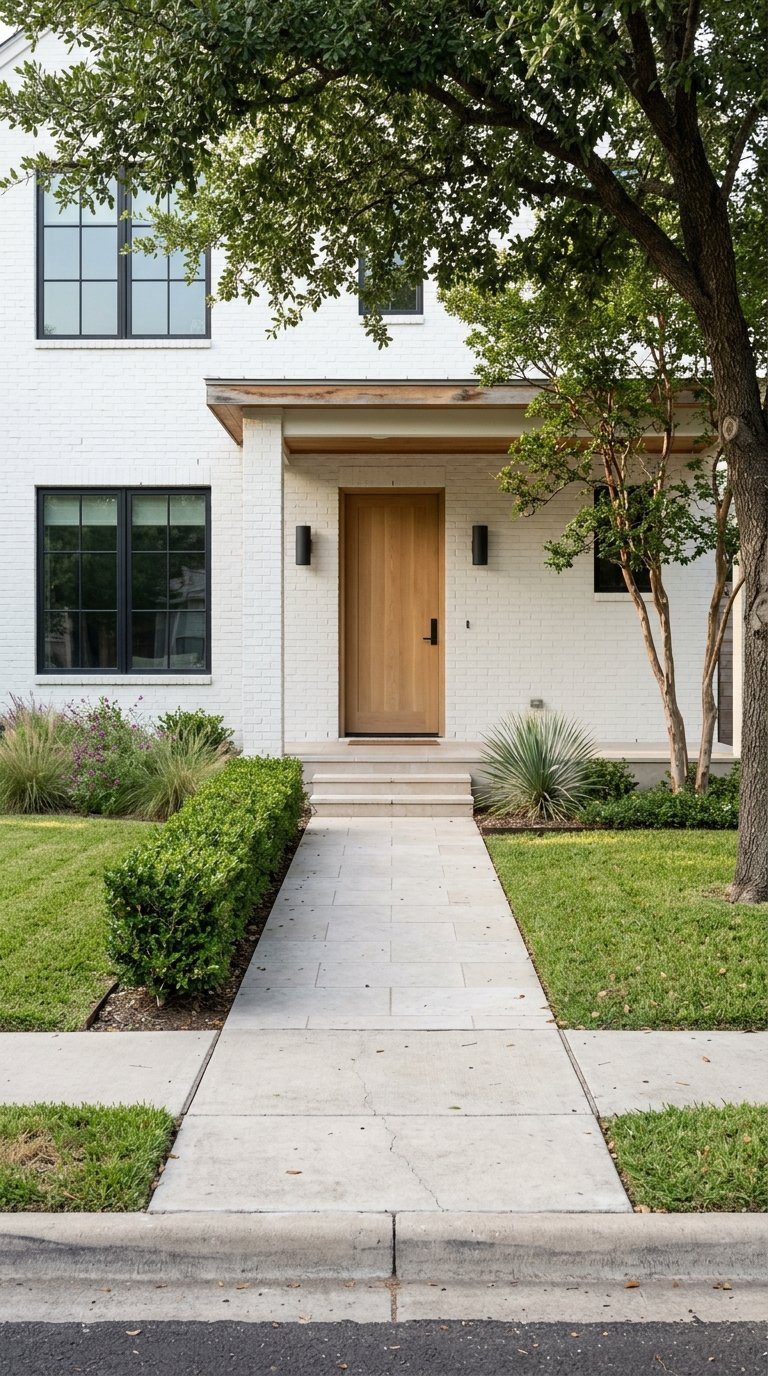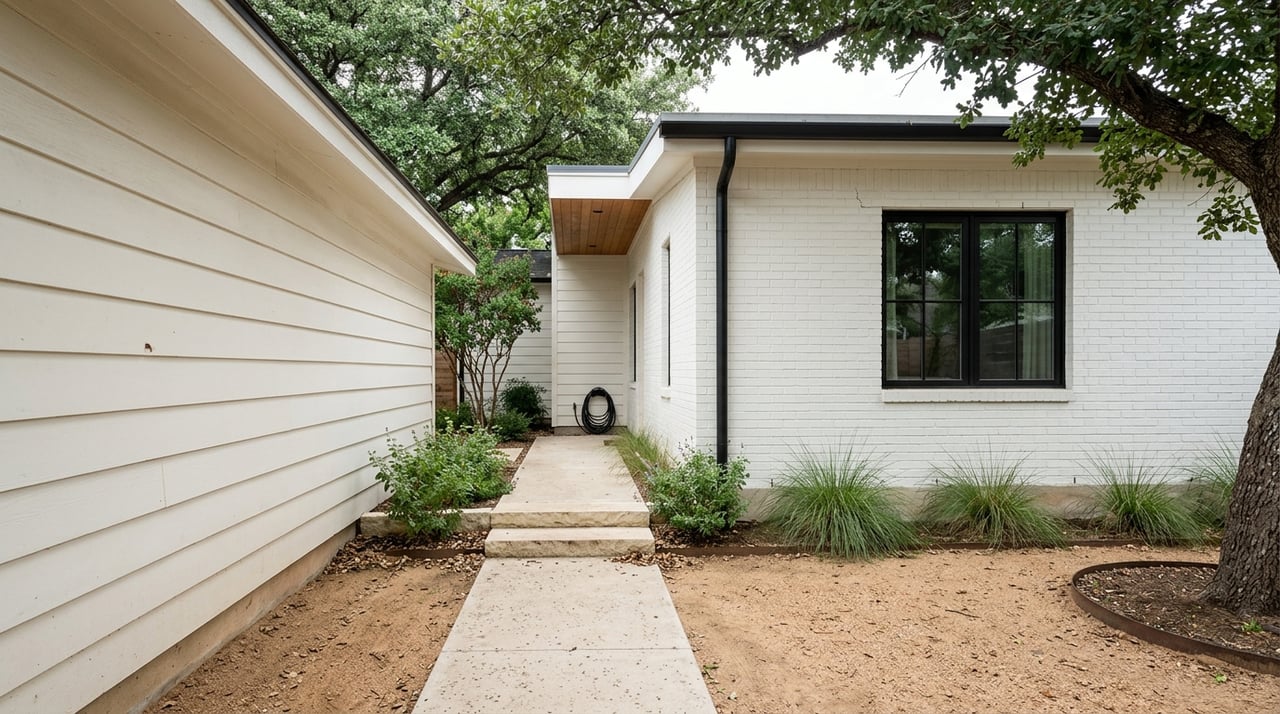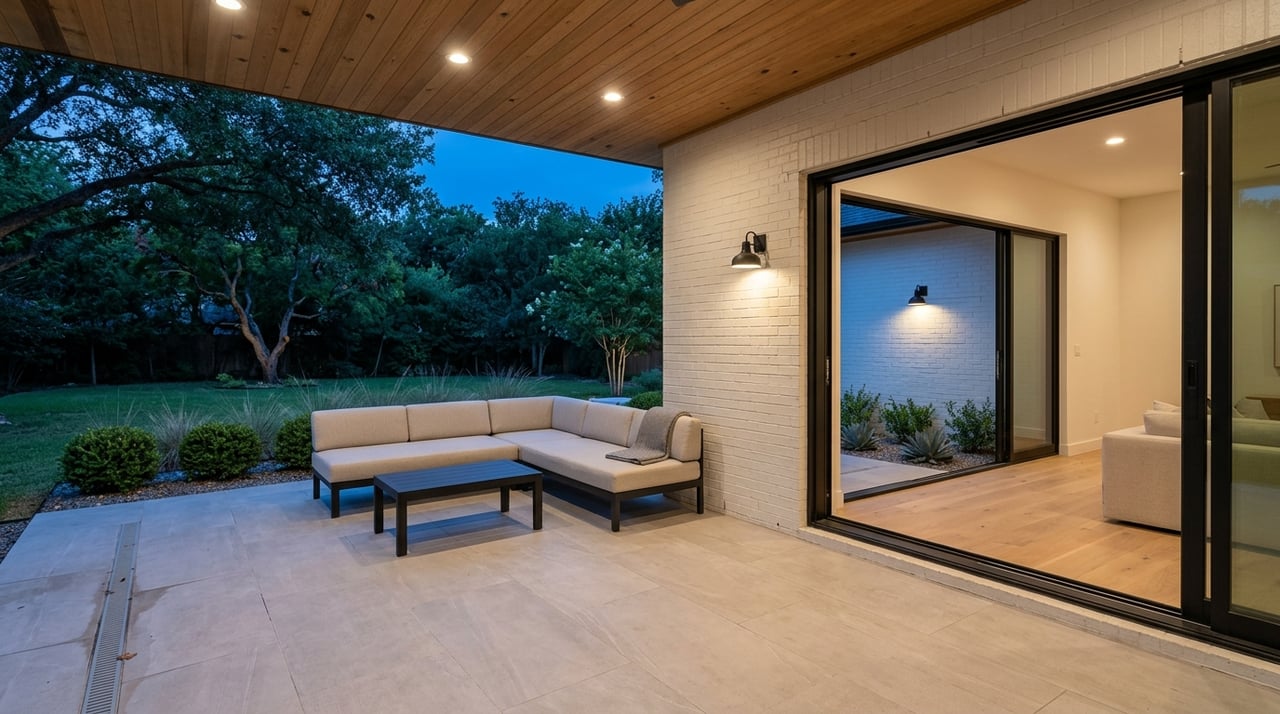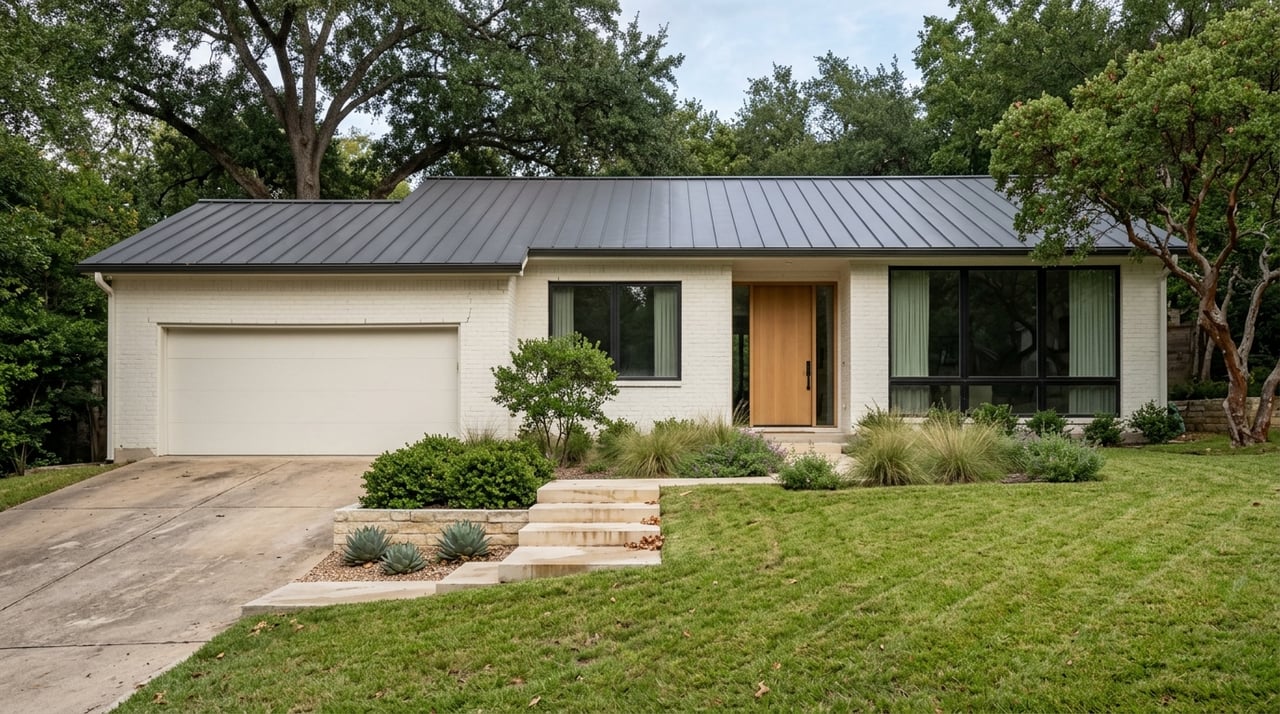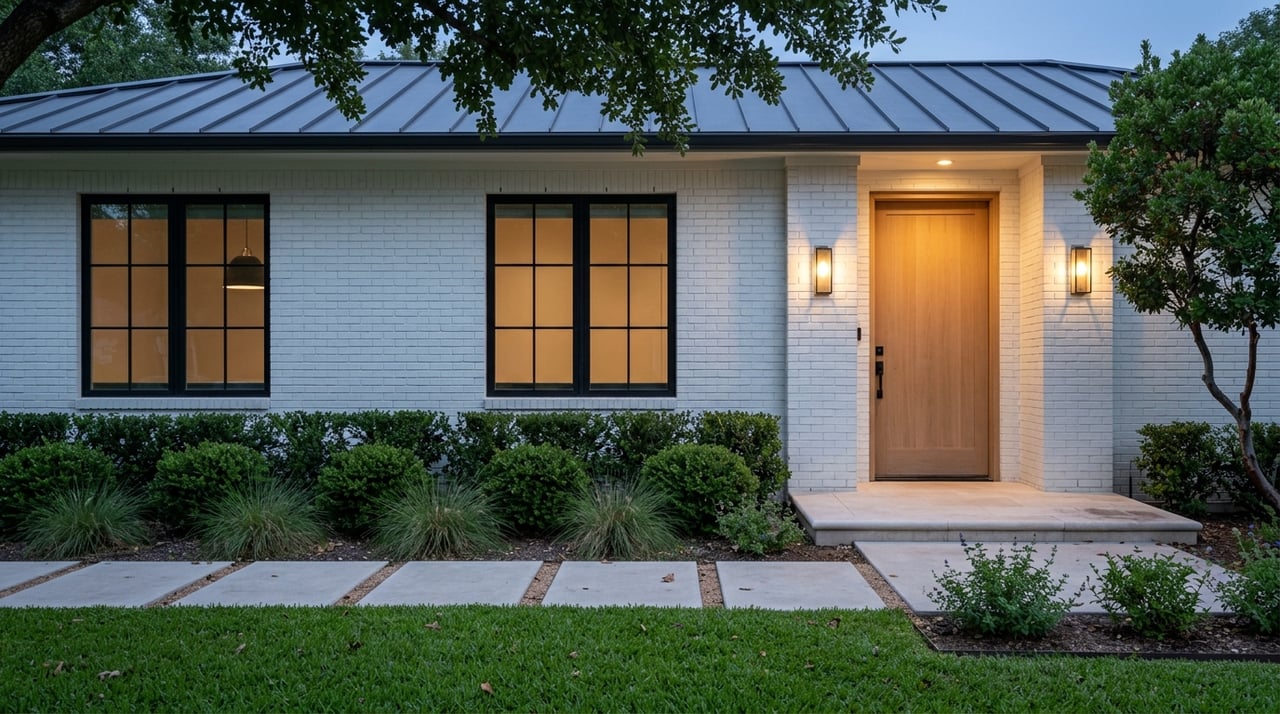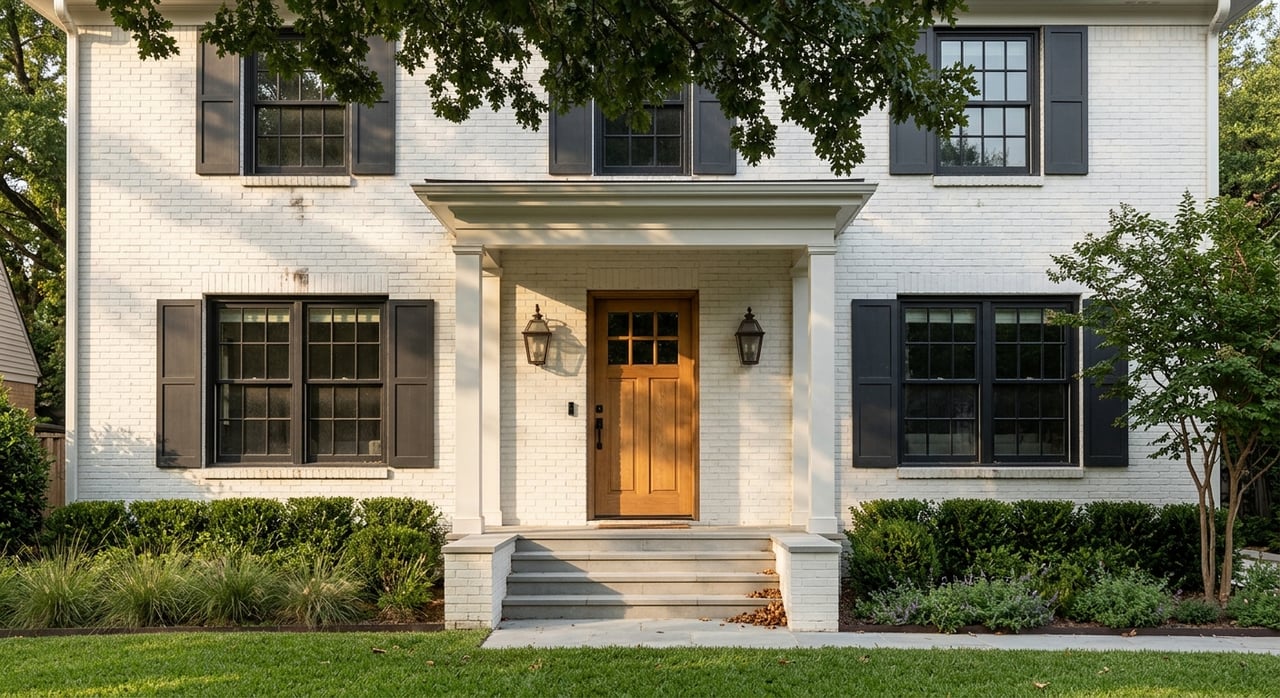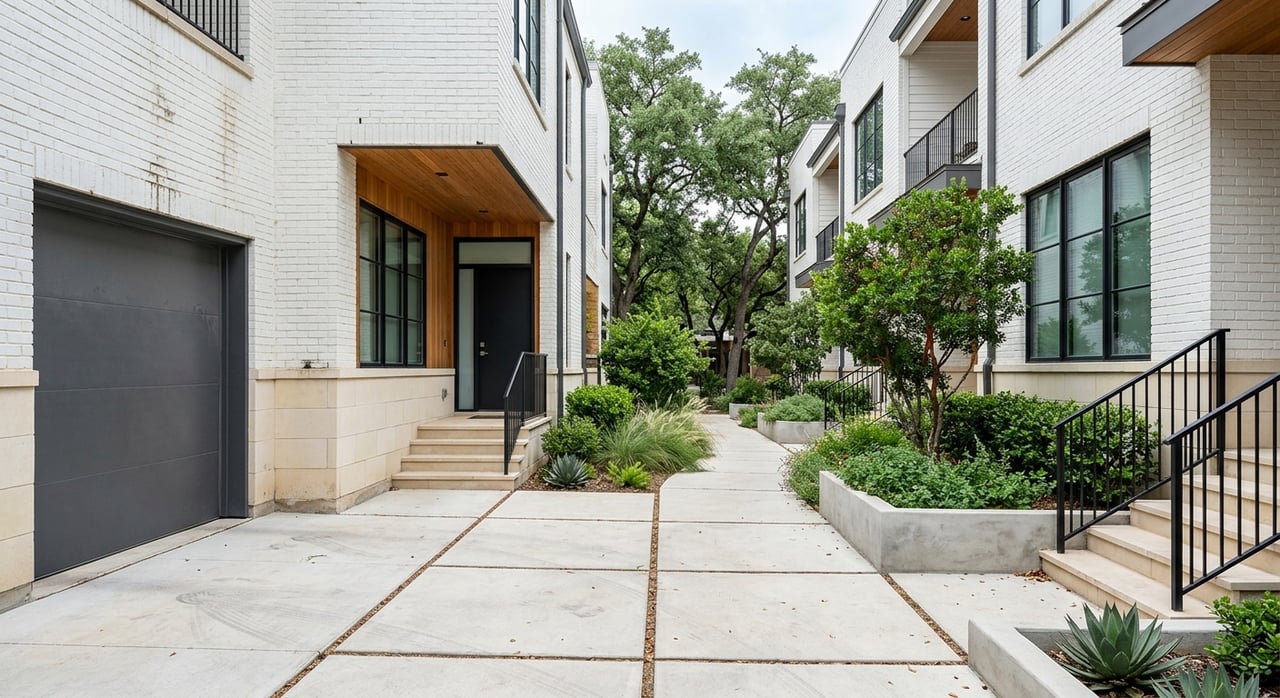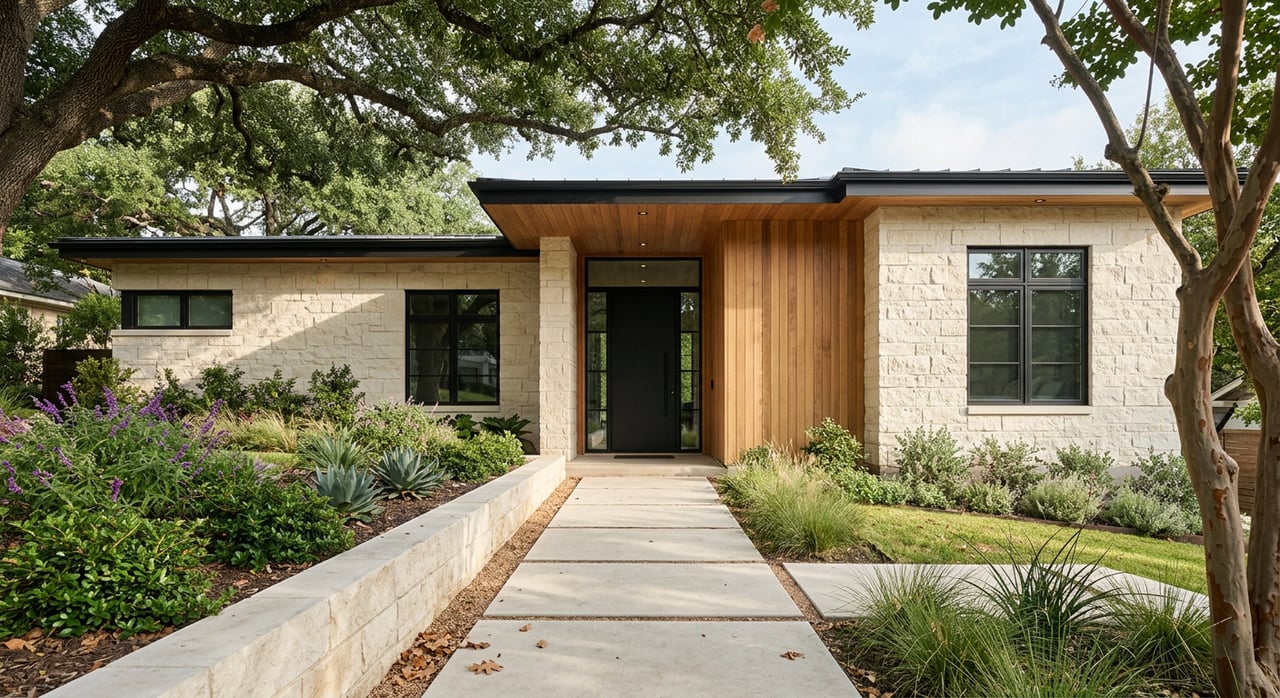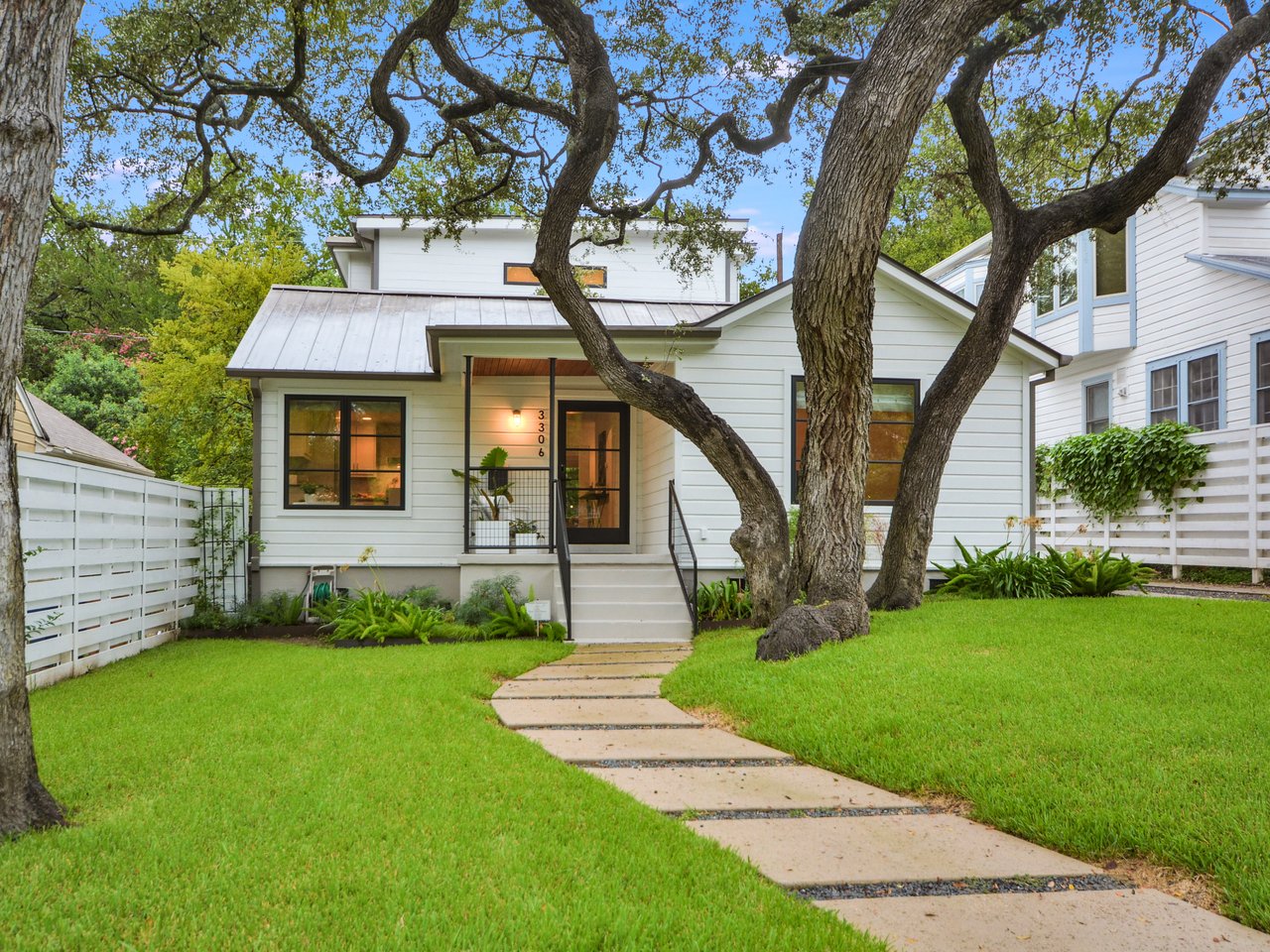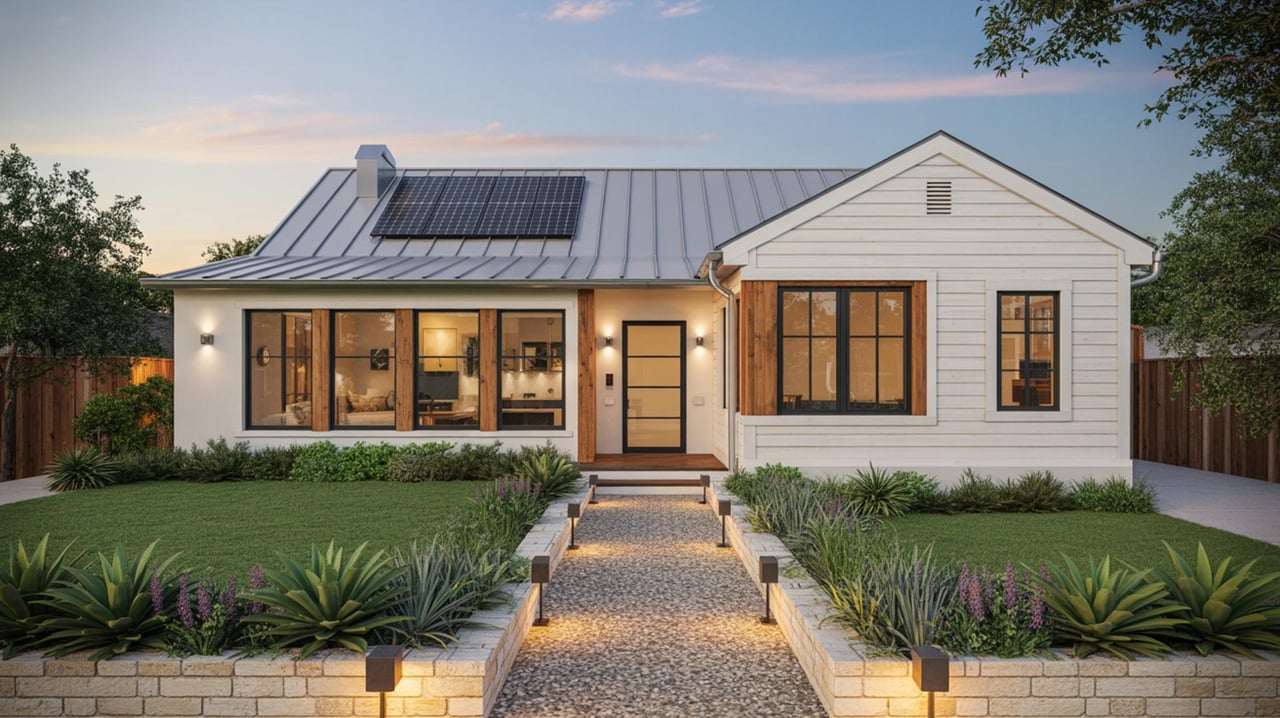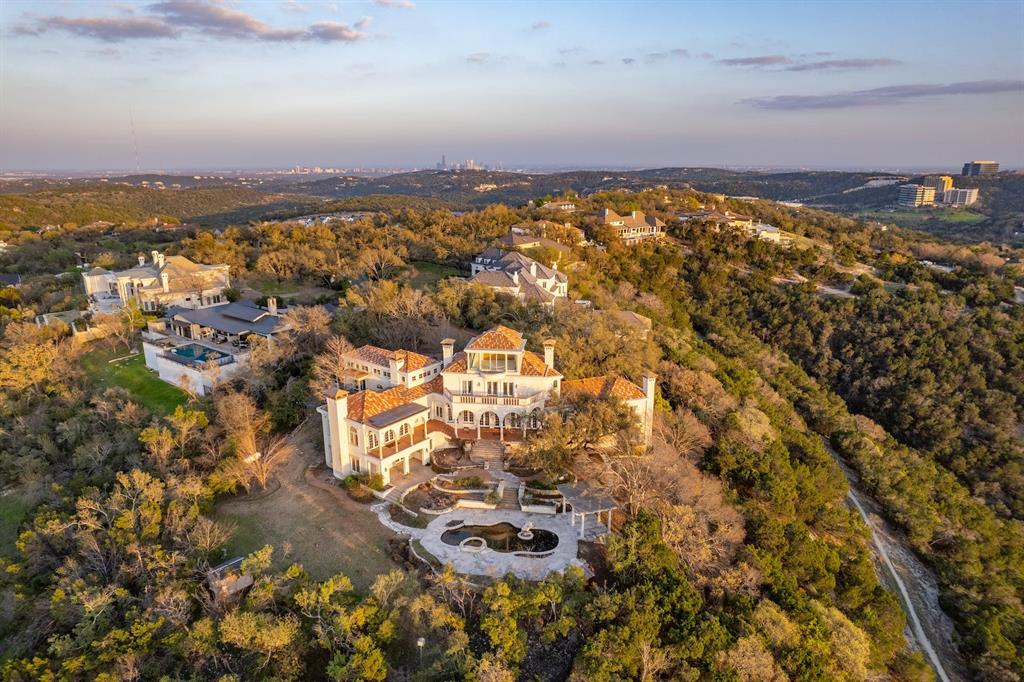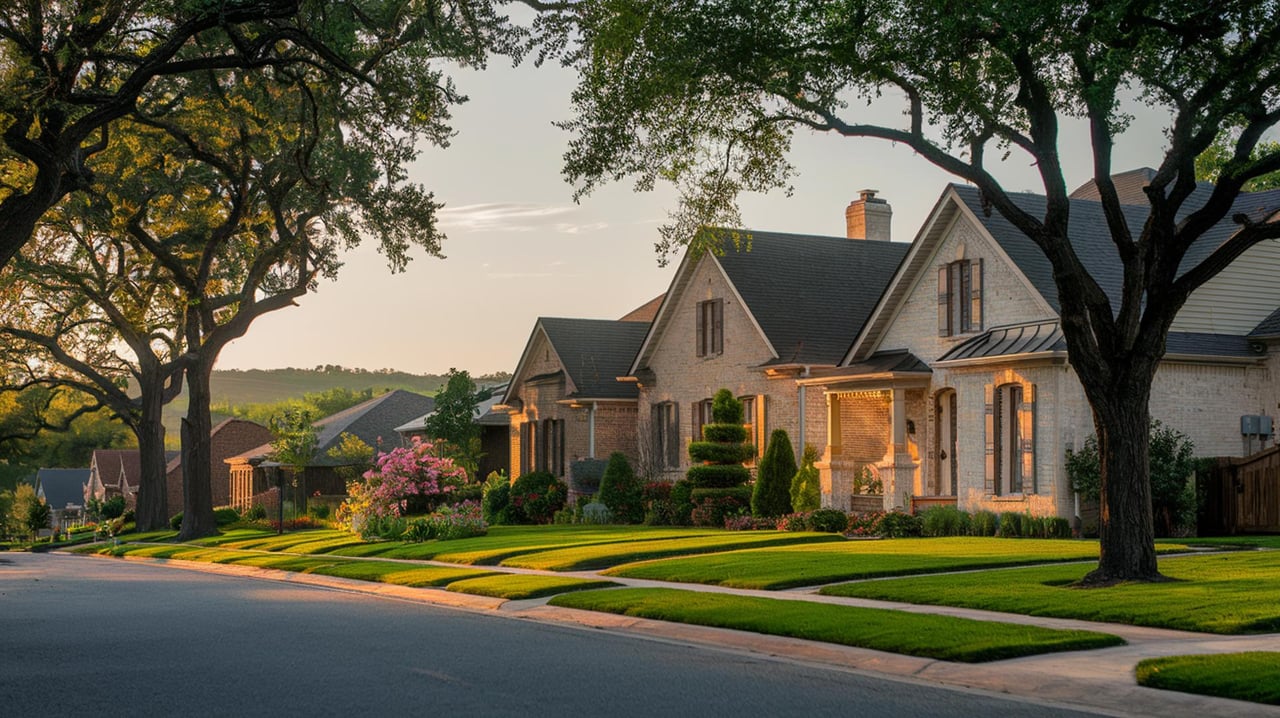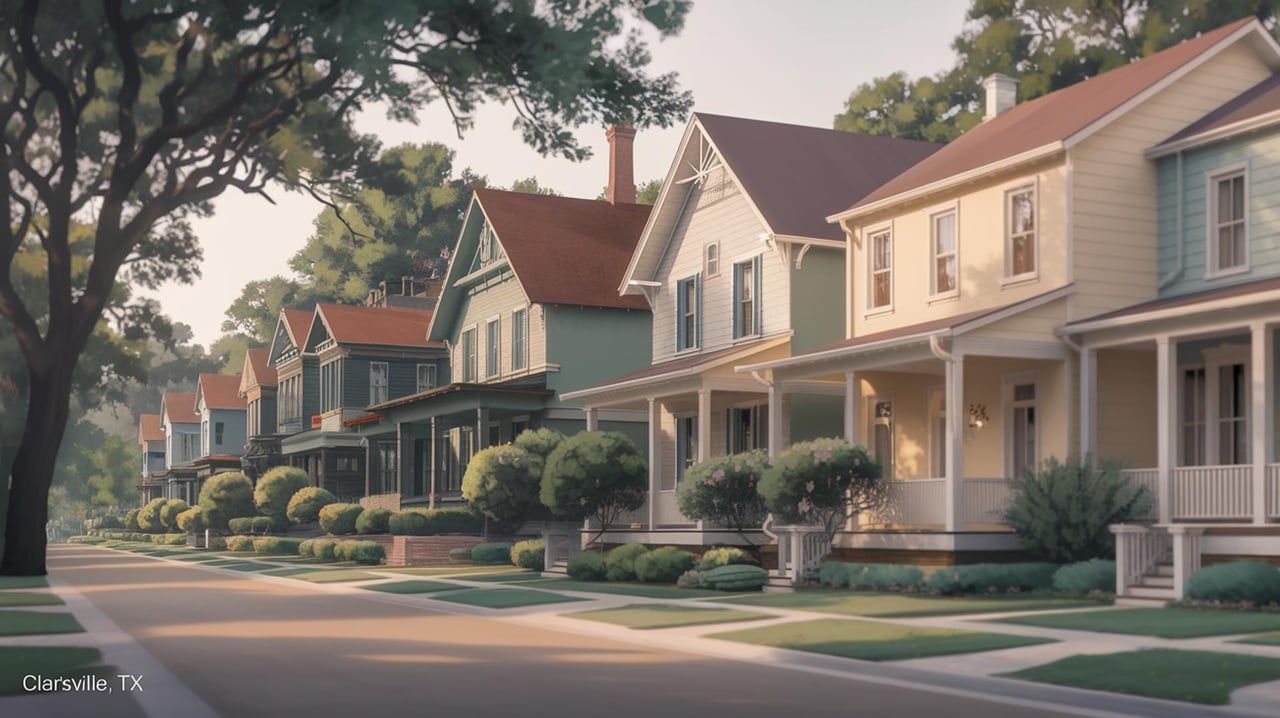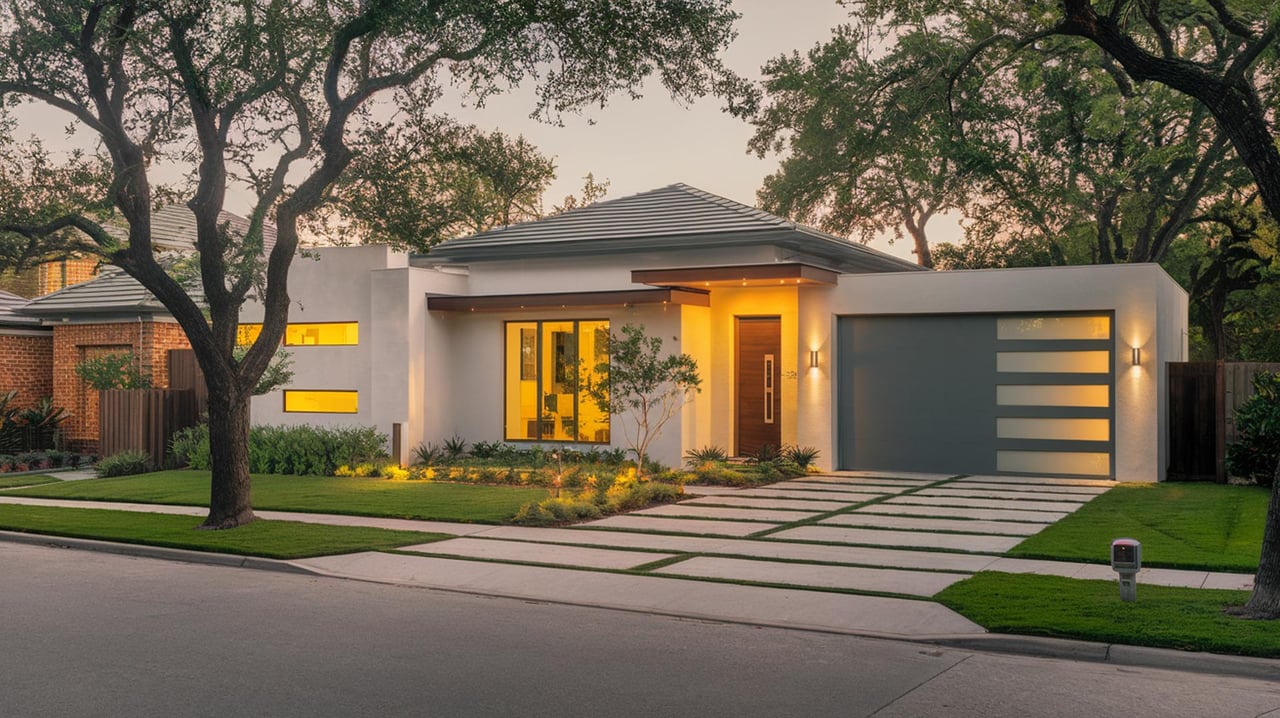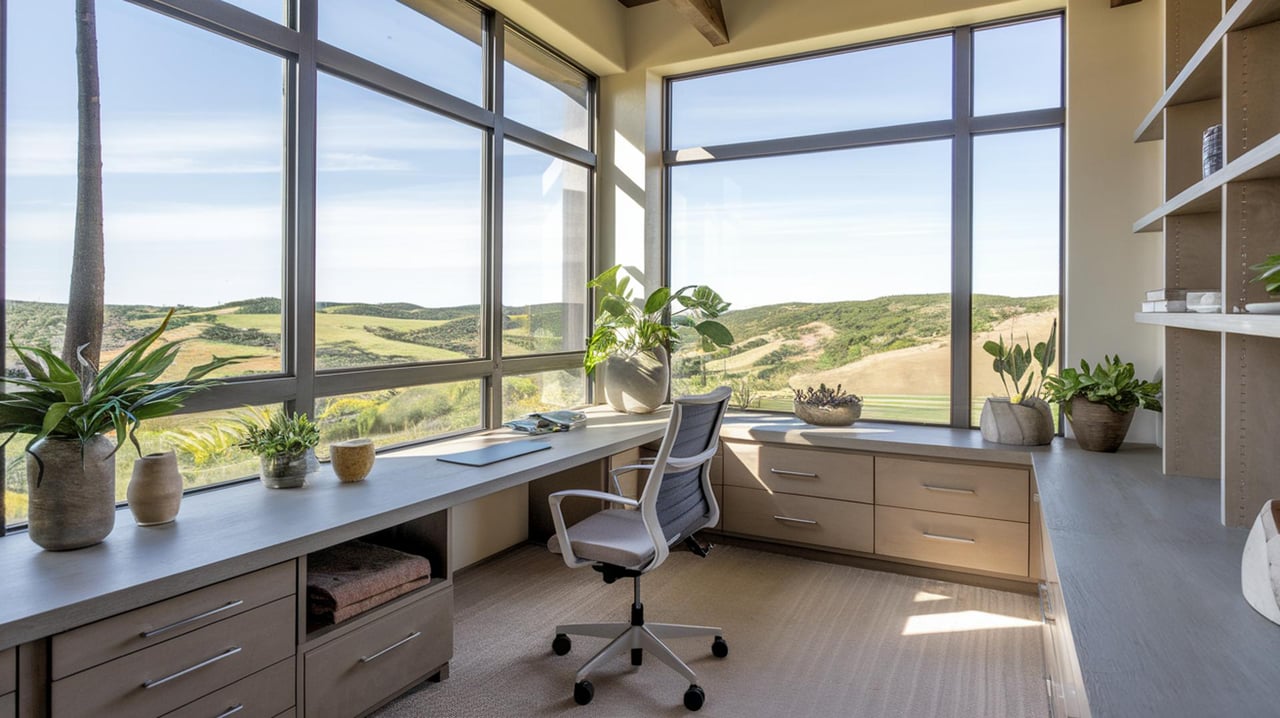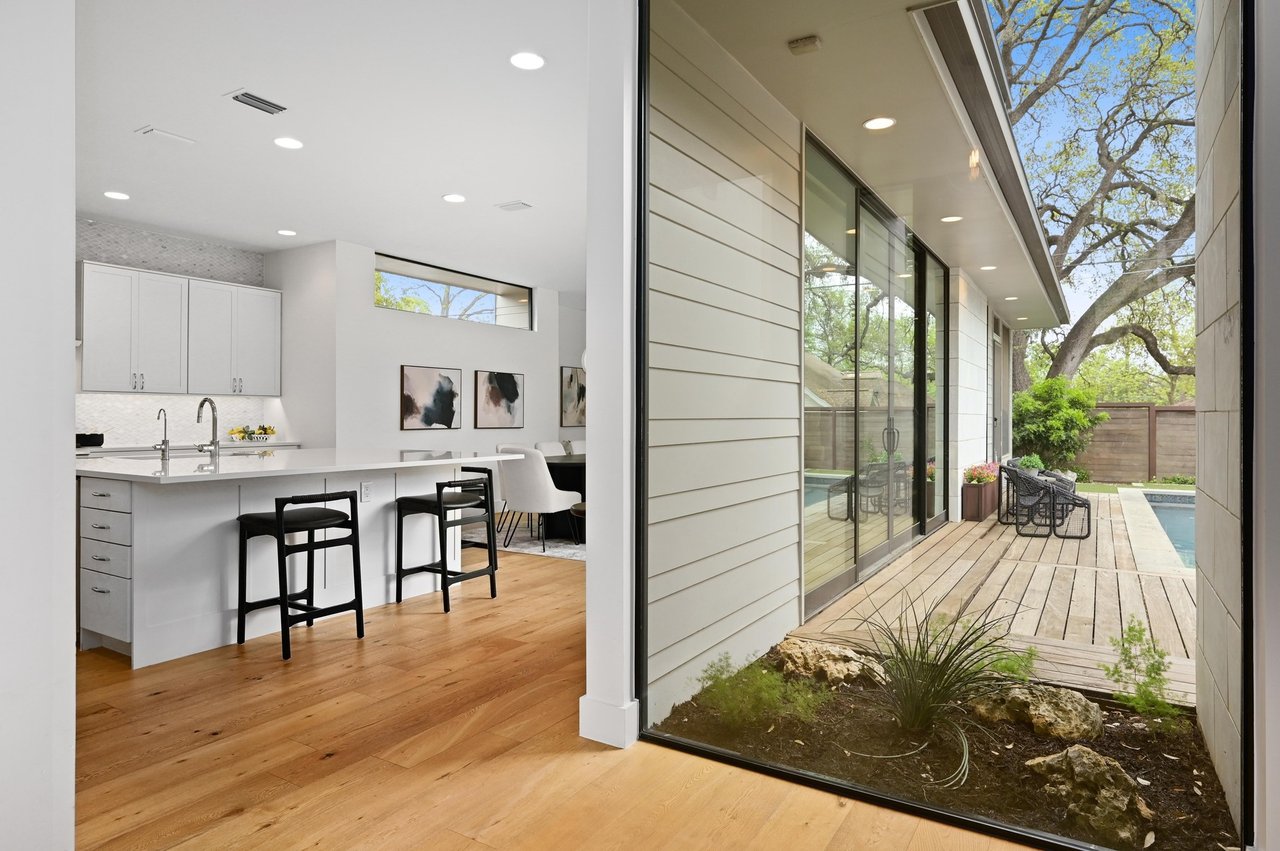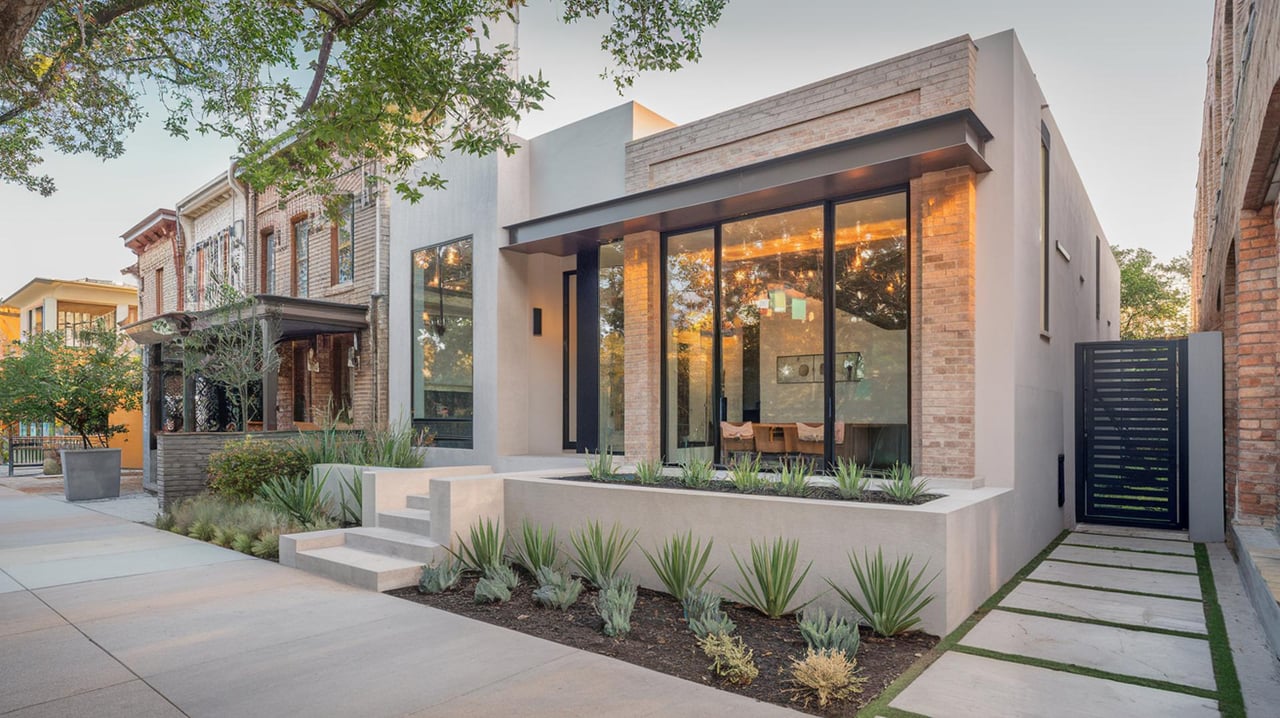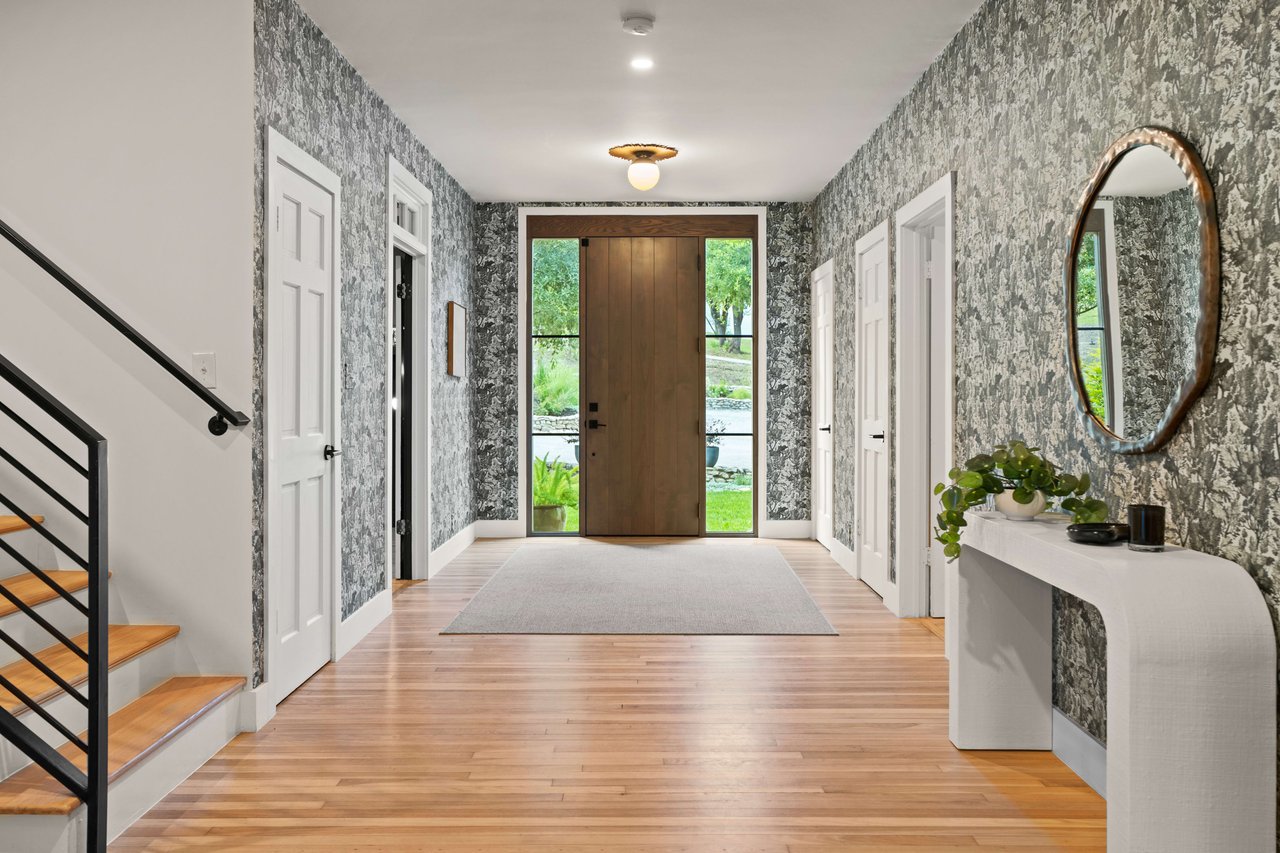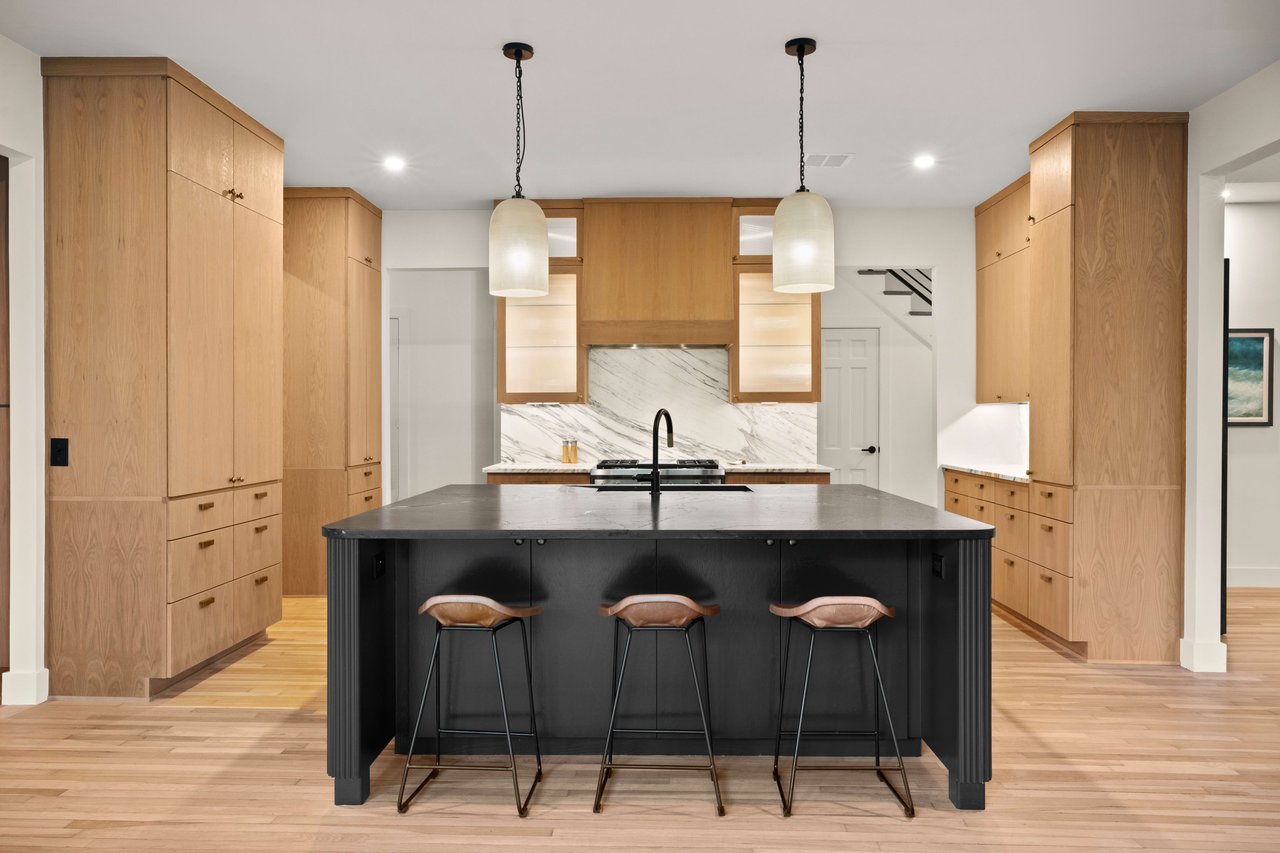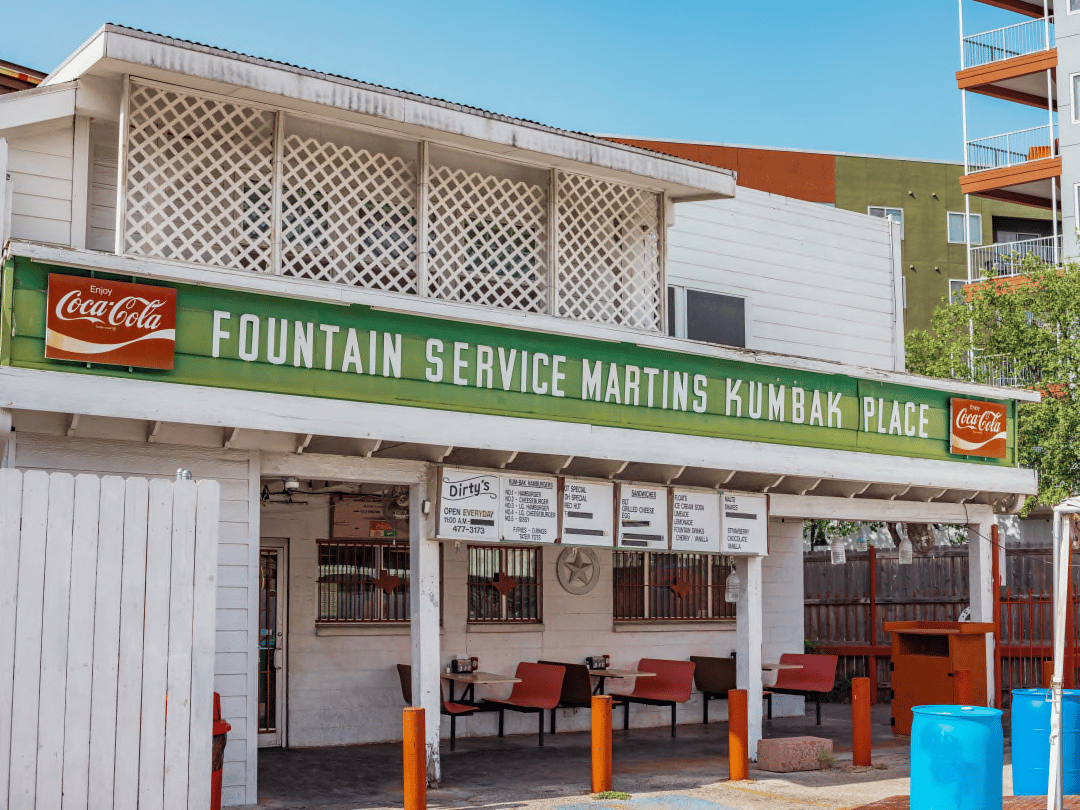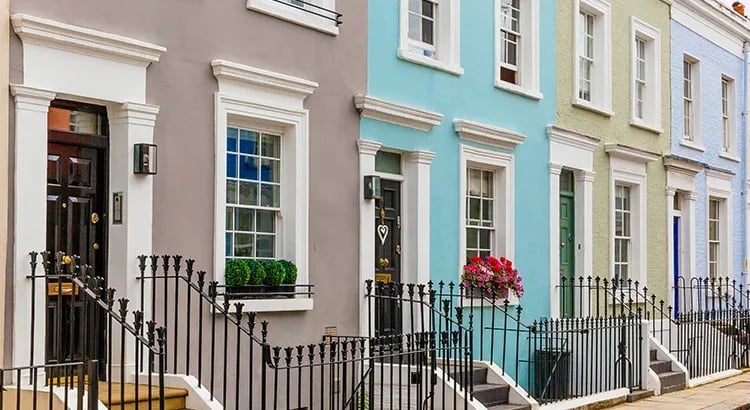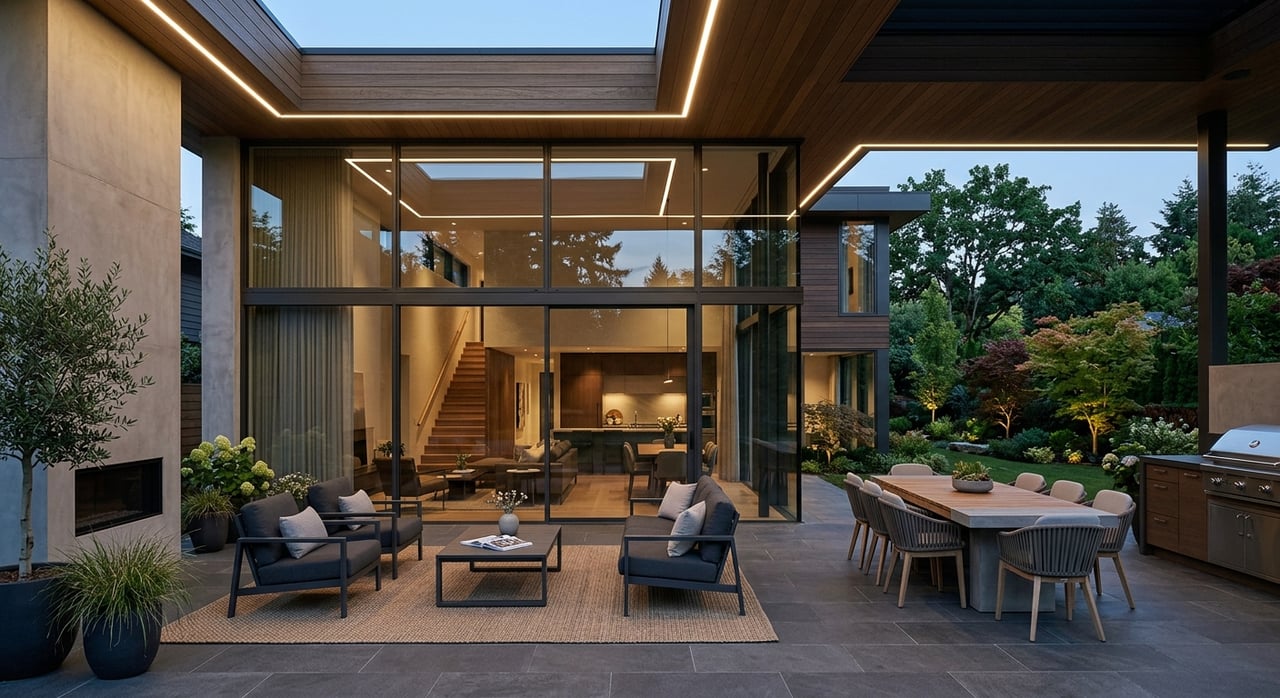
If you are shopping for a modern home in South Austin, it helps to know that “new” often does not mean what it would in a master-planned community. In Bouldin, Travis Heights, and Zilker, modern homes are often the result of infill construction, teardown-and-rebuild projects, or major remodels on older central-city lots. That can create exciting design opportunities, but it also means you need to look beyond the finishes. This guide will help you understand what modern buying looks like in these neighborhoods and what to verify before you move forward. Let’s dive in.
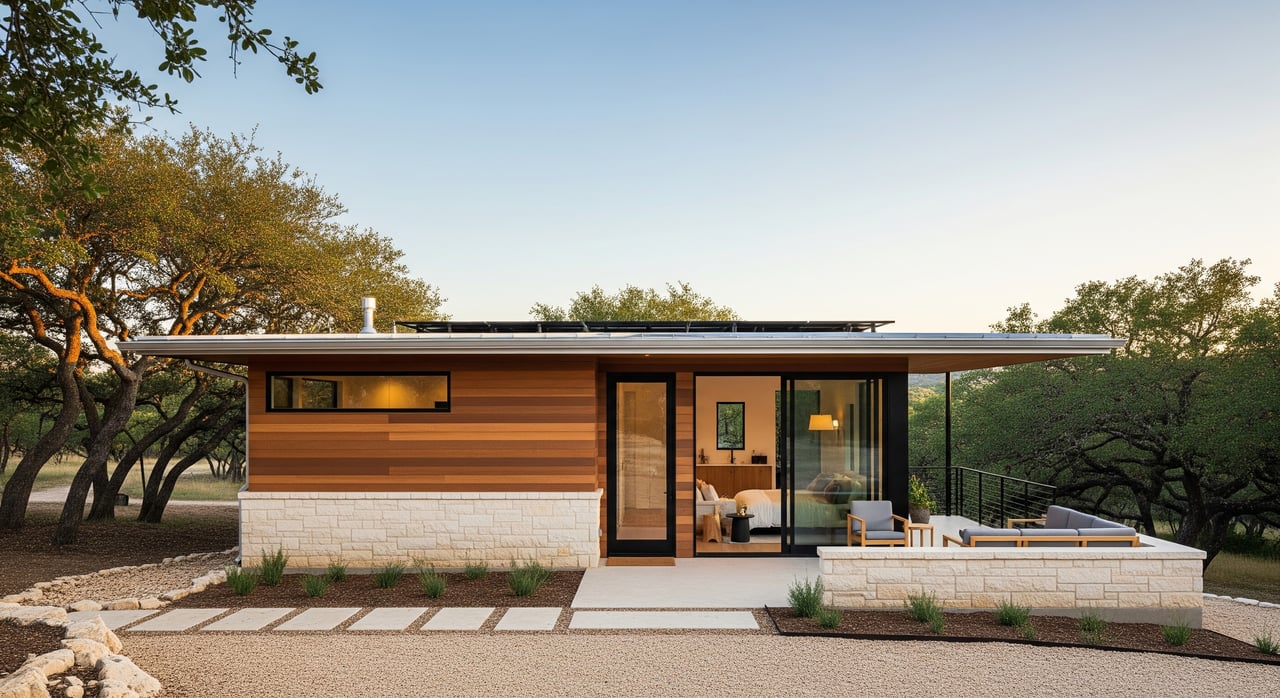
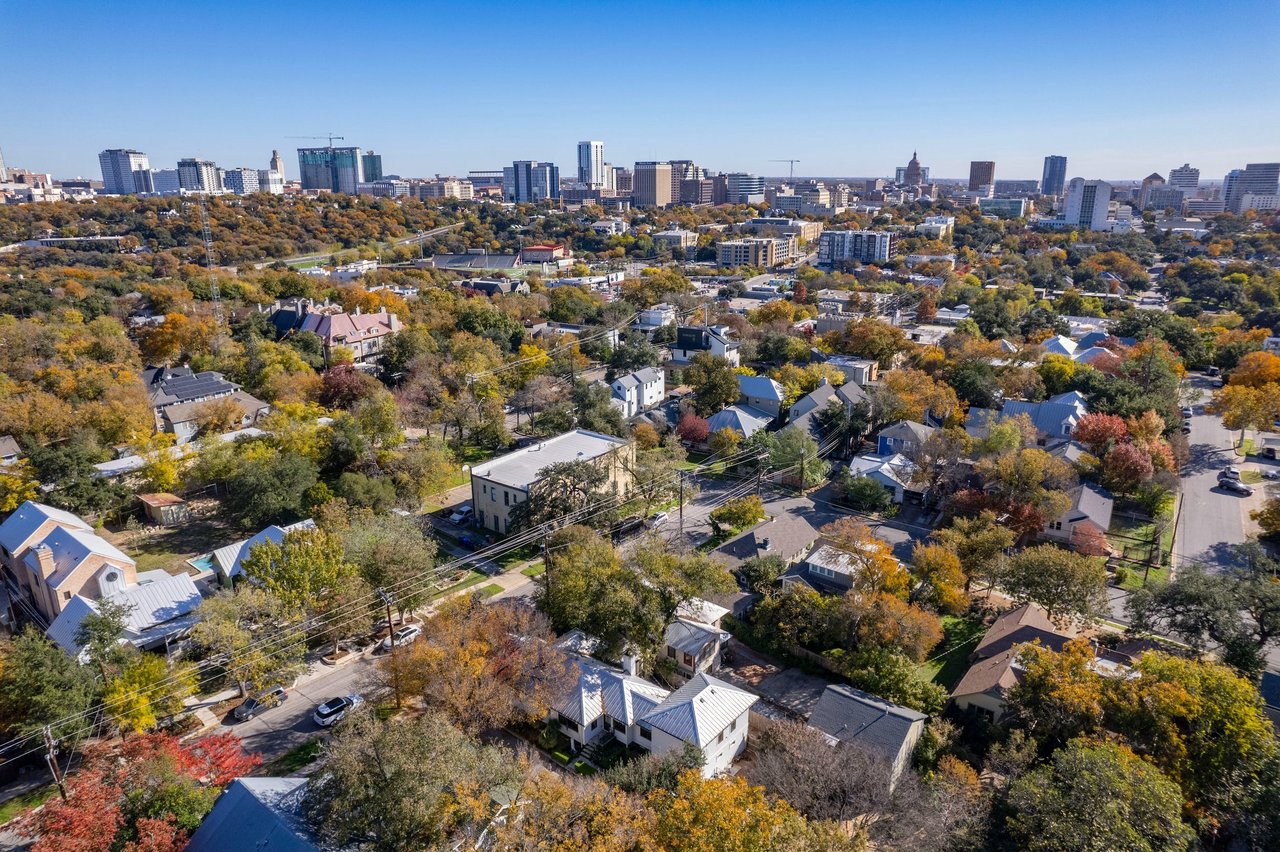
Bouldin Creek, Travis Heights, and Zilker are established South Austin neighborhoods with older housing patterns and site-specific development conditions. In these areas, modern inventory is usually shaped by redevelopment, additions, accessory units, or deep renovations rather than by rows of brand-new homes built at the same time.
Austin’s current HOME amendments allow more housing types on single-family zoned land citywide, including up to three units on SF-1, SF-2, and SF-3 lots, along with small-lot single-family use on certain parcels between 1,800 and 5,750 square feet. For you as a buyer, that means the modern home you love may sit on a lot with a more complex development history than it first appears.
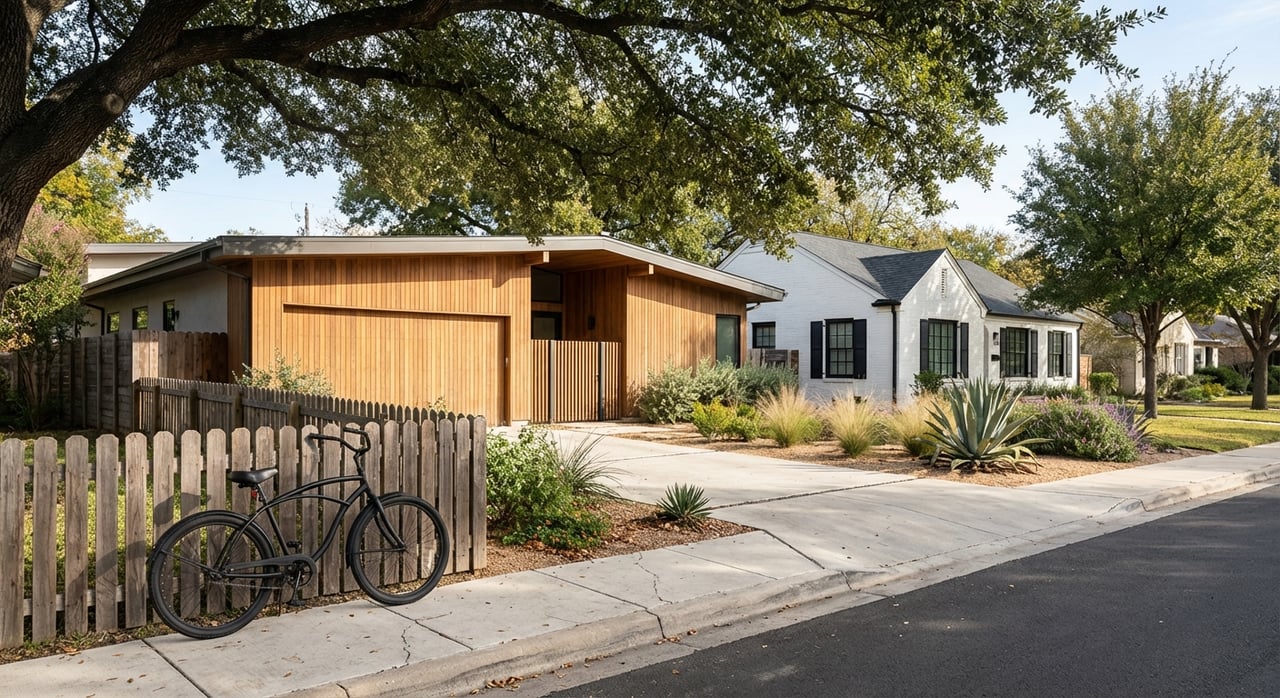
Bouldin Creek has an older housing base that includes bungalows with Craftsman characteristics, vernacular bungalow forms, modest postwar houses, and properties with accessory units. That mix gives the neighborhood much of its charm, but it also means modern homes often sit beside older structures with very different scale and architectural language.
In practical terms, buying modern in Bouldin often means evaluating how a newer home fits onto a smaller central-city parcel. Some properties are full rebuilds, while others are reconfigured homes with additions or detached units. If you are comparing options, it is wise to understand whether you are buying true new construction, a major remodel, or an older home with a newer component.
A polished design package is only part of the story in Bouldin. You will want to confirm how the property evolved over time, whether accessory structures were properly approved, and how the current layout relates to the lot’s legal and permitting status.
Travis Heights presents a similar mix of older housing styles, including symmetrical bungalows, Craftsman bungalows, Tudor Revival homes, and Minimal Traditional houses. What often sets Travis Heights apart is topography. Review documents show lots that slope toward the street or across the site, which can influence design, drainage, retaining conditions, and how a modern home sits on the block.
This is one reason modern homes in Travis Heights often look contemporary while still responding to the existing street rhythm. Additions may be pushed behind the front façade, and setbacks can be affected by heritage trees and critical root zones. For you, that means a home’s design may reflect not just aesthetics, but also site constraints that shaped what could be built.
In Travis Heights, pay close attention to the lot itself. Grade changes, tree protections, and the relationship between the house and the street can all matter as much as interior finishes when you evaluate long-term livability and future work.
Zilker is best understood as a highly site-specific market. The area’s strongest historic anchor is Zilker Metropolitan Park, Austin’s oldest metropolitan park and a National Register Historic District. On the residential side, that context supports a more nuanced approach where block face, mature trees, floodplain conditions, and property-level overlays may matter more than any one neighborhood style label.
For buyers, that means two modern homes in Zilker can have very different risk and review profiles even if they appear similar online. One may be straightforward, while another may involve more due diligence tied to site conditions or prior approvals.
Approach each Zilker property as its own case study. A thoughtful buying decision here depends on understanding the lot, the setting, and the approval path behind the finished product.
In Austin, historic-review documents commonly look at whether new work is compatible with surrounding buildings in setback, orientation, massing, roof form, proportions, fenestration, and materials. At the same time, new construction is generally expected to remain visually distinguishable rather than simply copying an older home.
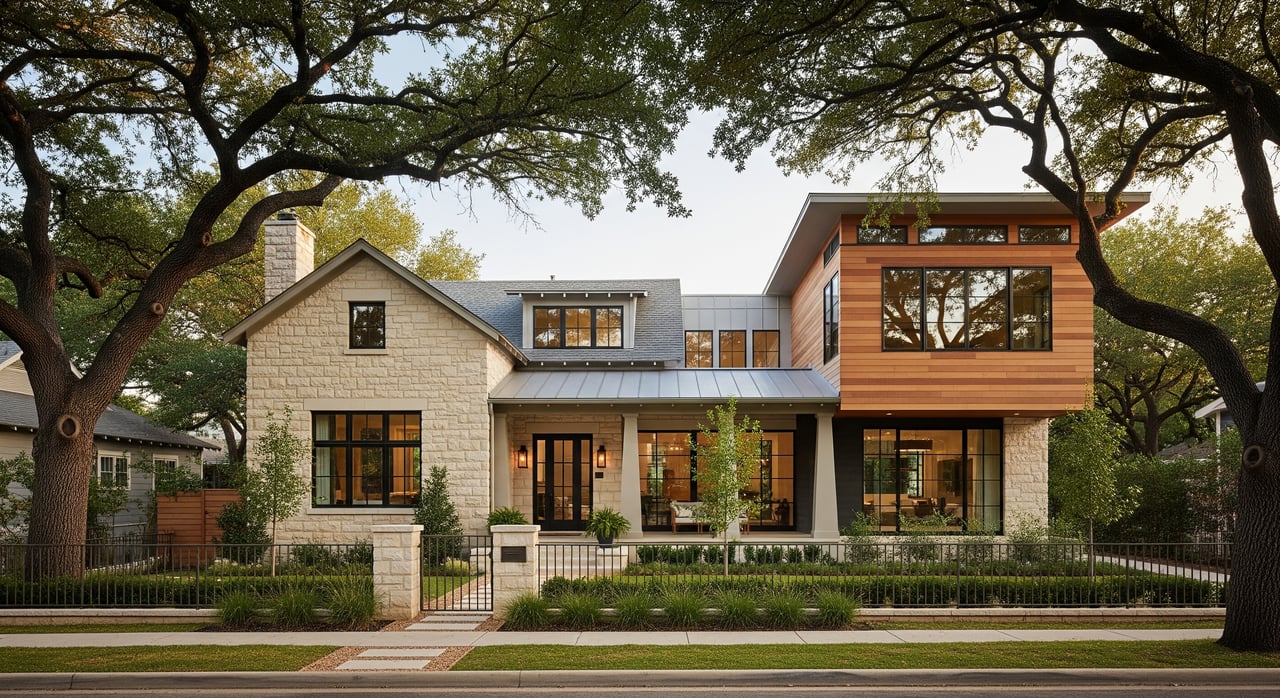
That matters in Bouldin, Travis Heights, and parts of Zilker because a strong modern home usually feels intentional within its surroundings. The best examples tend to respect the rhythm of the street, even when the design is clearly contemporary.
When a house fits its block well, it can signal a smoother path through planning and review. It can also support a more cohesive ownership experience because the home feels connected to the neighborhood context rather than imposed on it.
If you are considering a modern or heavily remodeled property in these neighborhoods, your due diligence should go beyond appliances, lighting, and staging. In central Austin, the strongest purchase candidates are often the ones with a clean paper trail and clear site compliance.
Use Austin Build + Connect to review permit history, approved plan sets, and inspection status. The City notes that failure to keep the approved plan set on-site can delay a Temporary Certificate of Occupancy or Certificate of Occupancy, and final inspections can lead to issuance of a CO.
For you, this step helps answer basic but important questions. Was the work properly permitted? Did the project reach final inspection? Is there a documented CO if one should exist?
On older central-city parcels, legal lot status matters. If a parcel was not platted in a recorded subdivision or is not considered a legal lot, Austin requires a subdivision application or land-status determination before building permits can proceed.
This is especially important in neighborhoods where lots may have been split, assembled, or reworked over time. A beautifully finished modern home can still raise concerns if the underlying lot history is unclear.
Check the Historic Property Viewer to see whether the address is a landmark, located in a local historic district, or within a National Register district. Austin has 8 local historic districts and 18 National Register historic districts. Local districts carry the strongest protections, while National Register districts are largely honorific and advisory.
Austin’s Residential Plan Review page also notes historic review for structures 45 years old or older when exteriors are being demolished or modified. If you are buying a remodel rather than a full rebuild, this context can be especially important.
In Austin, protected and heritage trees require permits to remove or impact. Floodplain maps are available through FloodPro, and the City says roughly 10% of Austin land is in floodplain.
In neighborhoods with mature trees and varied topography, this is not a minor detail. Tree constraints can shape design and future changes, while floodplain conditions can affect how you evaluate a lot and its improvements.
The current TREC Seller’s Disclosure Notice applies to previously occupied single-family residences. With recent construction or major remodels, you should confirm what was disclosed and whether any statutory exemption applied.
This step is less about checking a box and more about understanding the full story of the property. If the house changed significantly over time, clear disclosure helps you evaluate the scope and sequence of that work.
Before you write an offer, focus on these core questions:
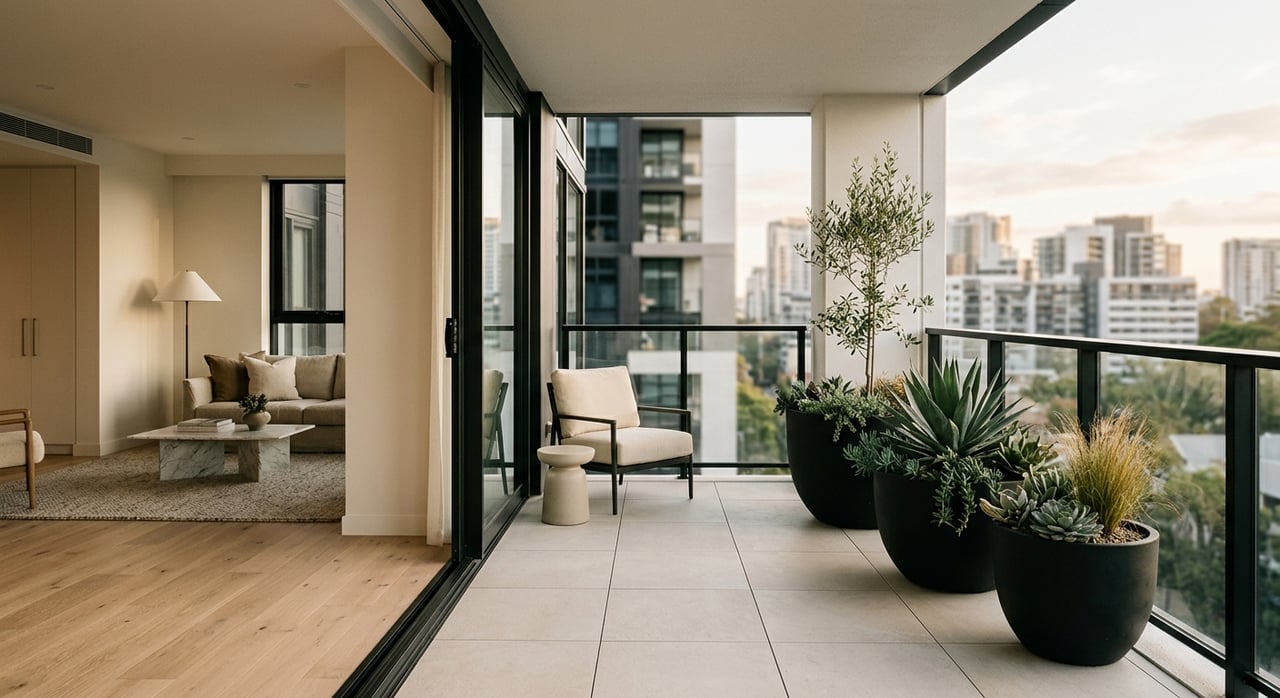
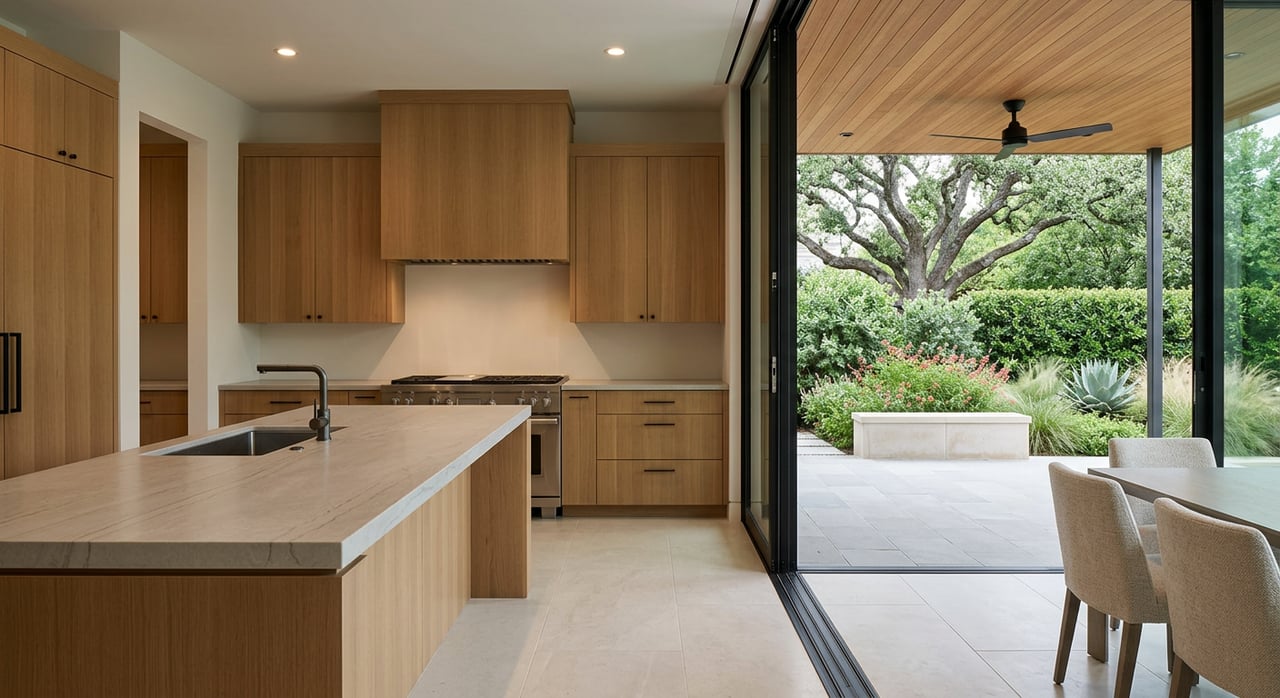
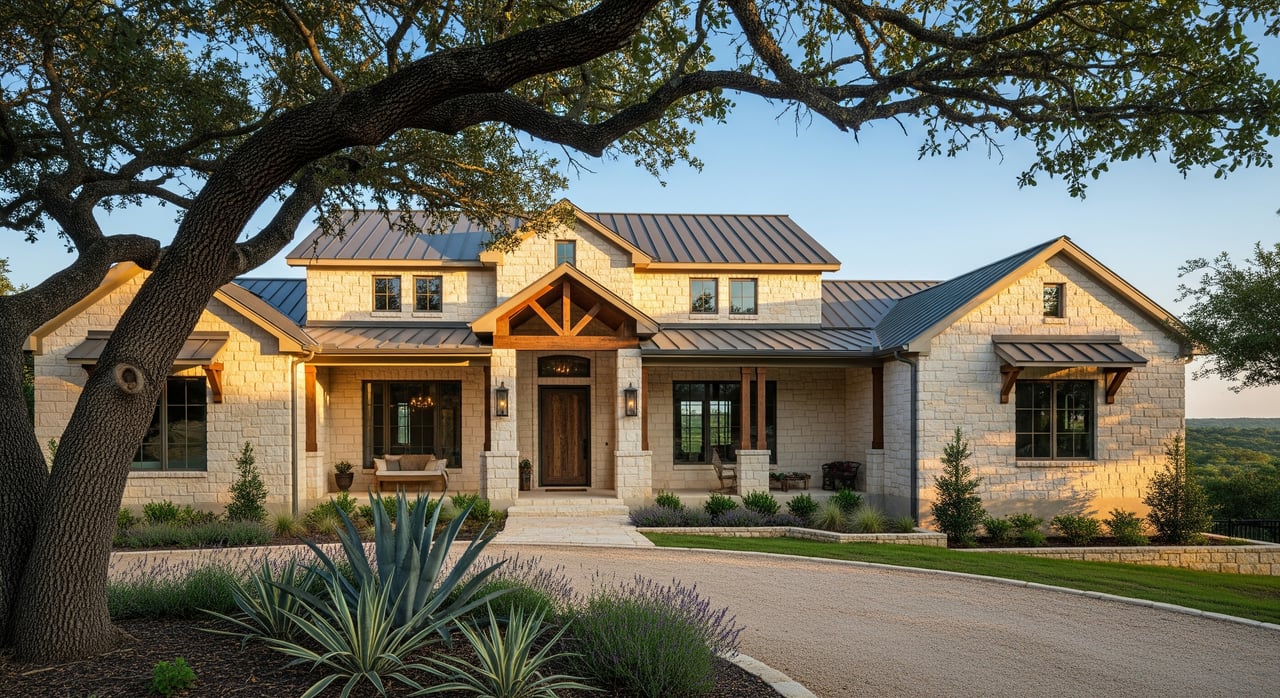
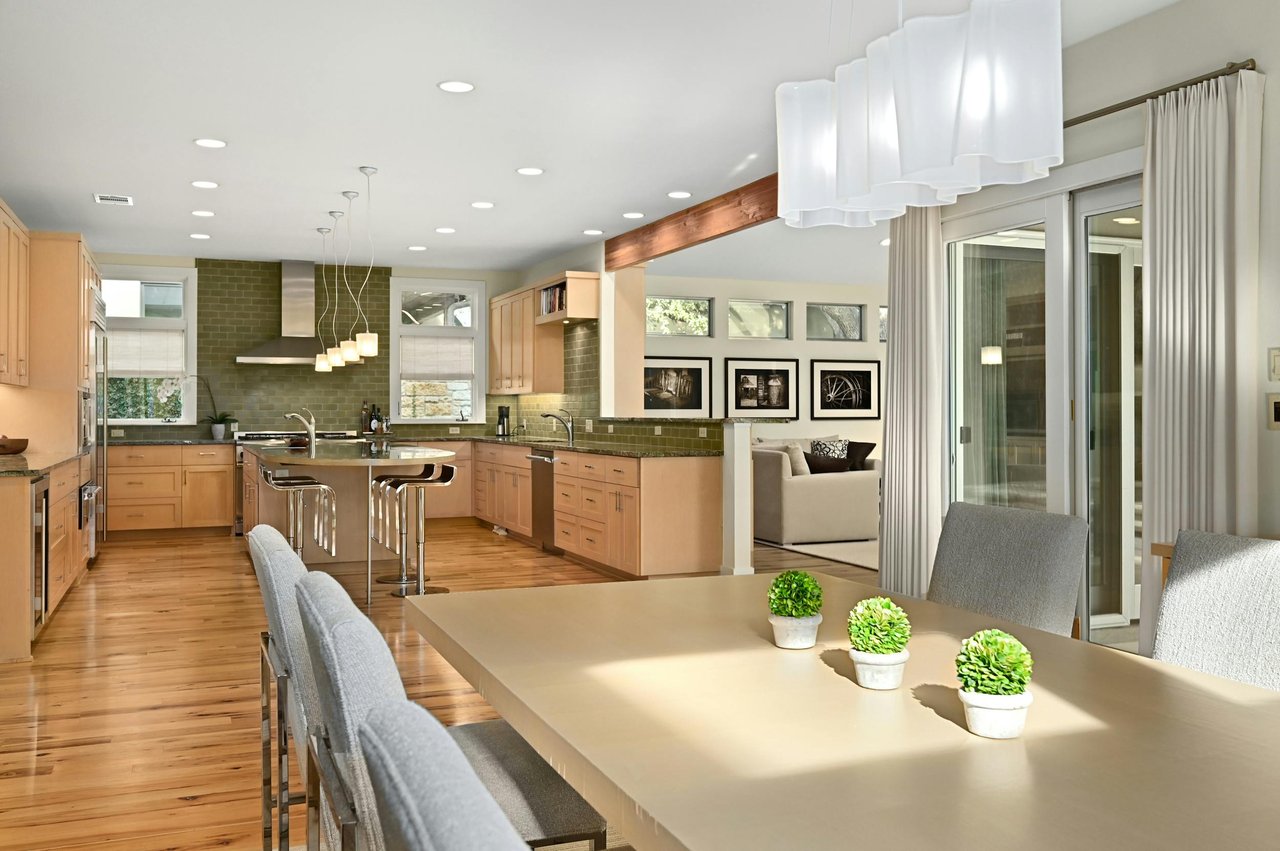
Design-forward buyers are often drawn to glass, light, ceiling height, and indoor-outdoor flow. Those features matter, especially in South Austin where modern architecture can be striking. Still, experienced buyers usually know that the strongest homes are the ones where the visible design is matched by sound planning behind the walls and across the site.
In Bouldin, Travis Heights, and Zilker, that balance is essential. A great modern purchase is not just stylish. It is also well-situated, properly reviewed, and documented in a way that gives you confidence long after closing.
If you are considering a modern home in South Austin, working with a neighborhood-focused advisor can help you compare not just style, but substance. For a private consultation and thoughtful guidance on Bouldin, Travis Heights, and Zilker, connect with Anna Lee.
3825 Lake Austin Blvd Ste 501 Austin TX 78703
3825 Lake Austin Blvd Ste 501 Austin TX 78703