If you want classic Austin energy with real day-to-day livability, the area around Zilker Park is hard to ignore. You get major green space, central-city access, and some of South Austin’s most recognizable streets, all within a tight cluster of neighborhoods that each feel distinct. Whether you are thinking about buying, relocating, or simply narrowing your search, understanding how Zilker, Bouldin Creek, and Travis Heights actually live can help you make a smarter move. Let’s dive in.
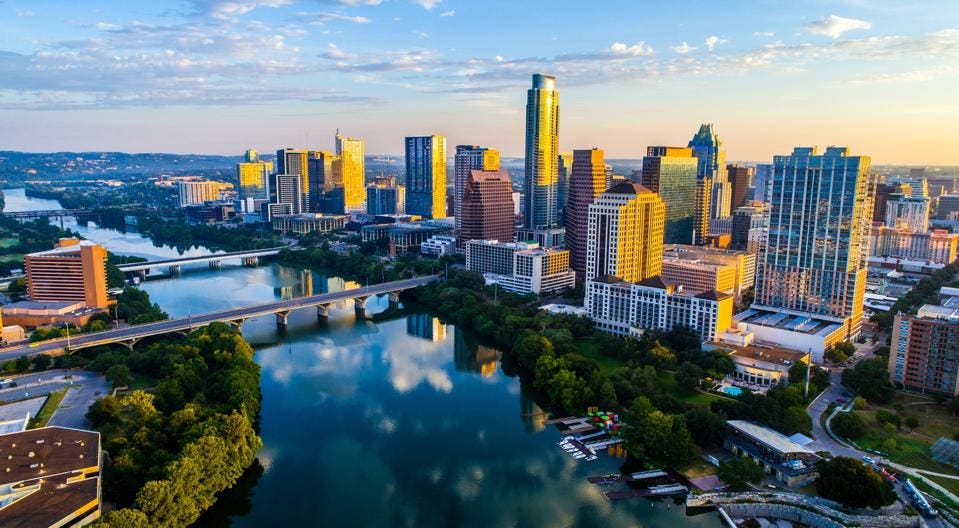
Life near Zilker Park is not just about one park address. It is really about a connected pocket of South Austin that includes Zilker, Bouldin Creek, and Travis Heights, with each neighborhood offering a slightly different experience.
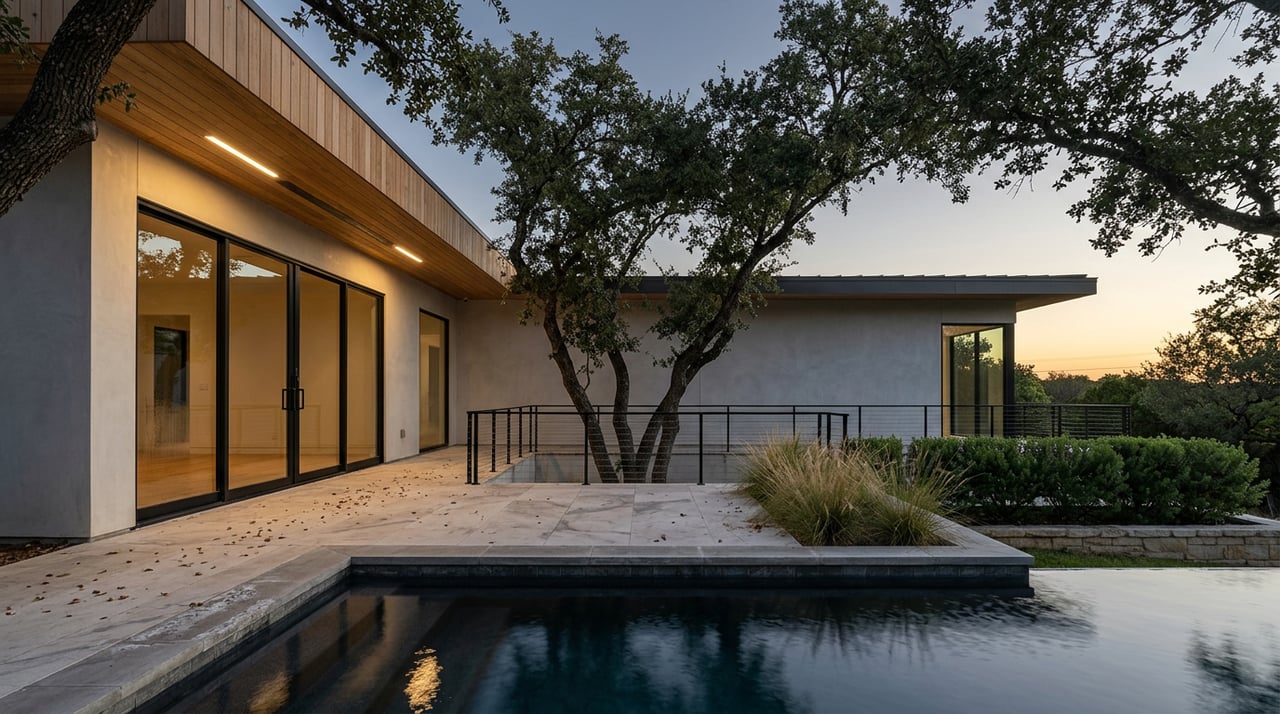
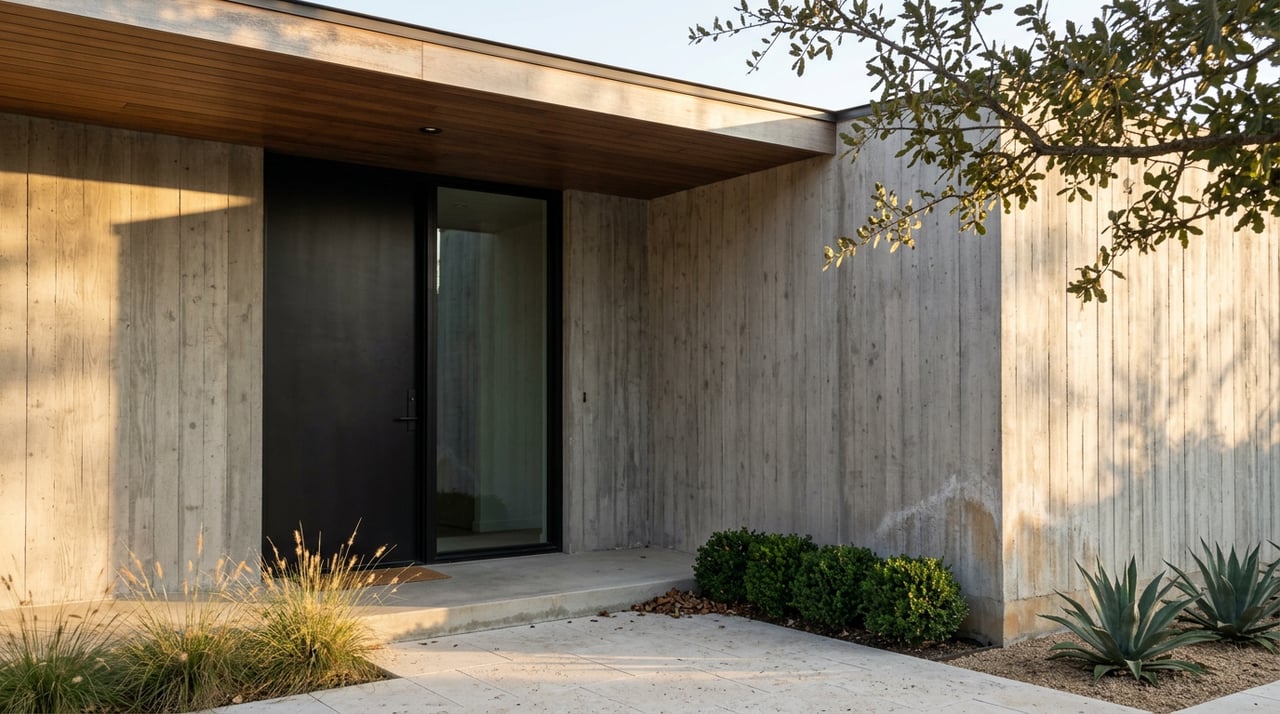
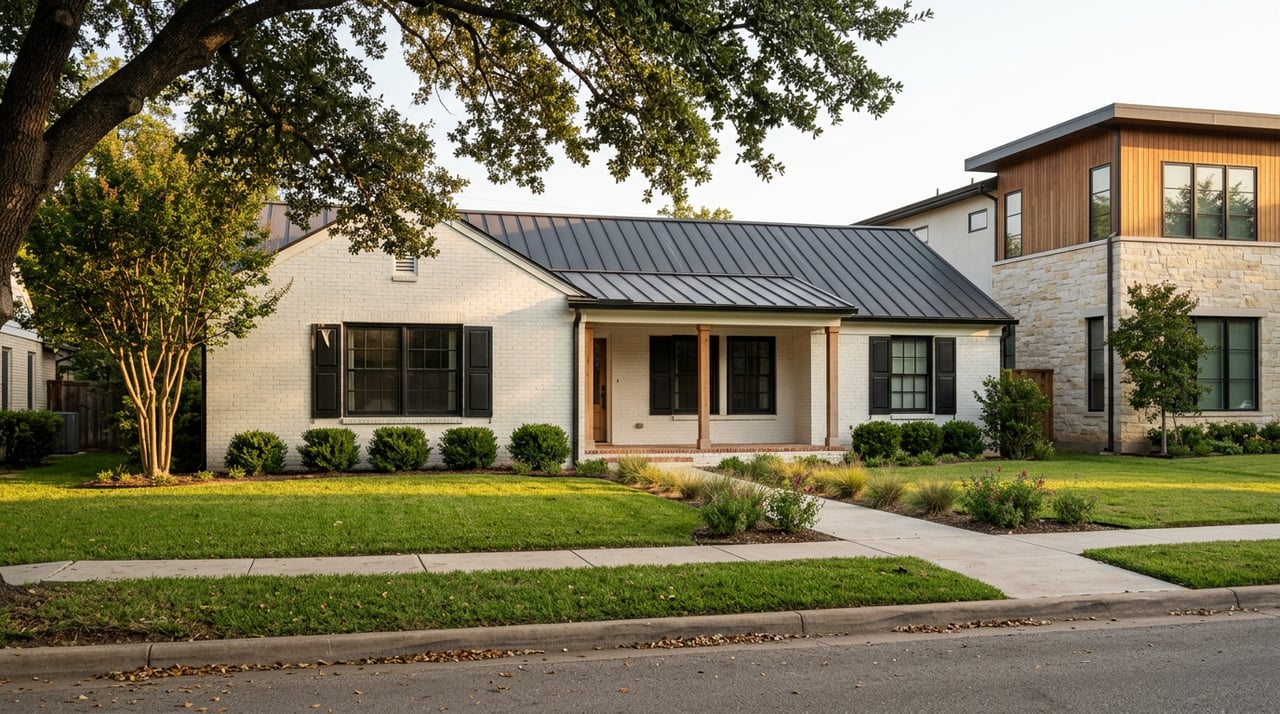
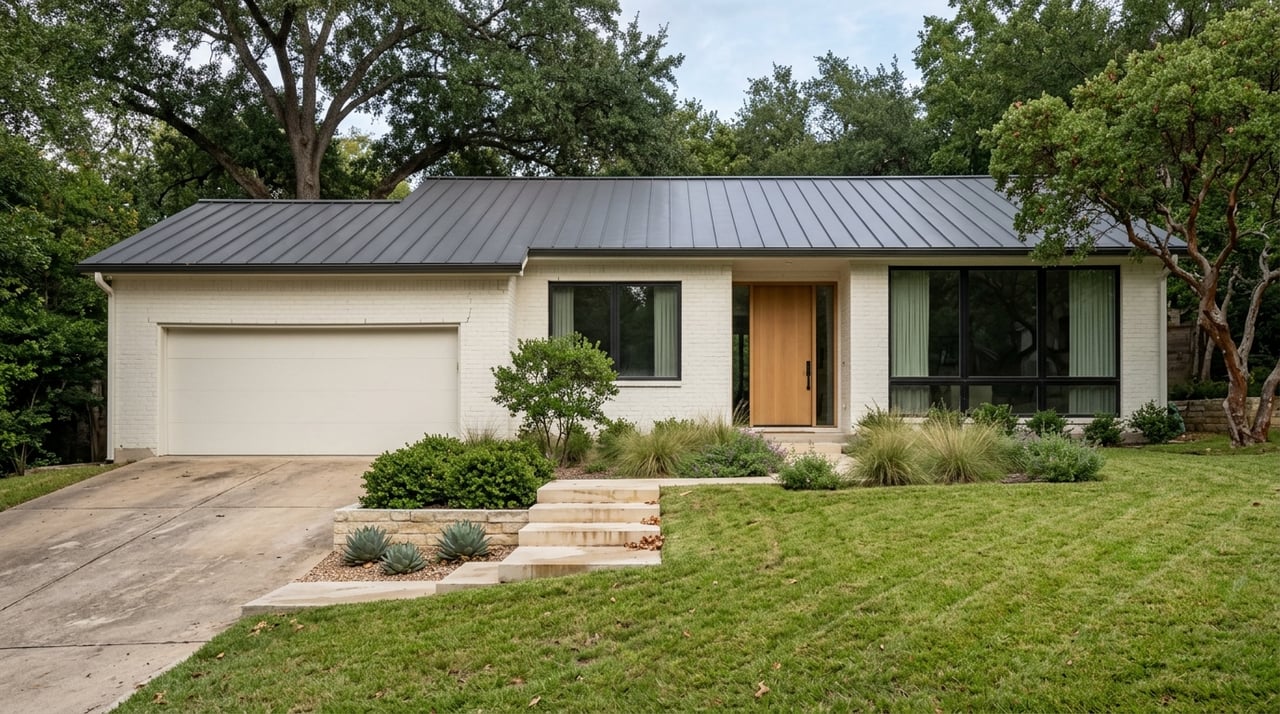
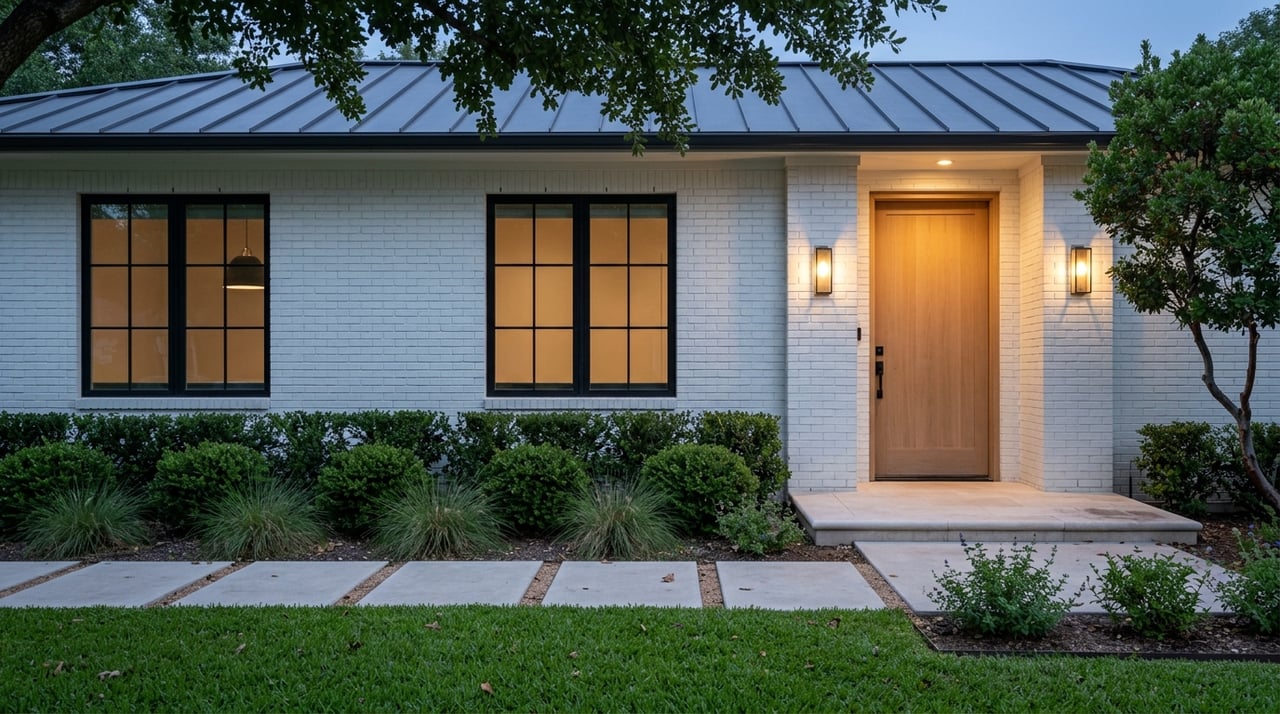
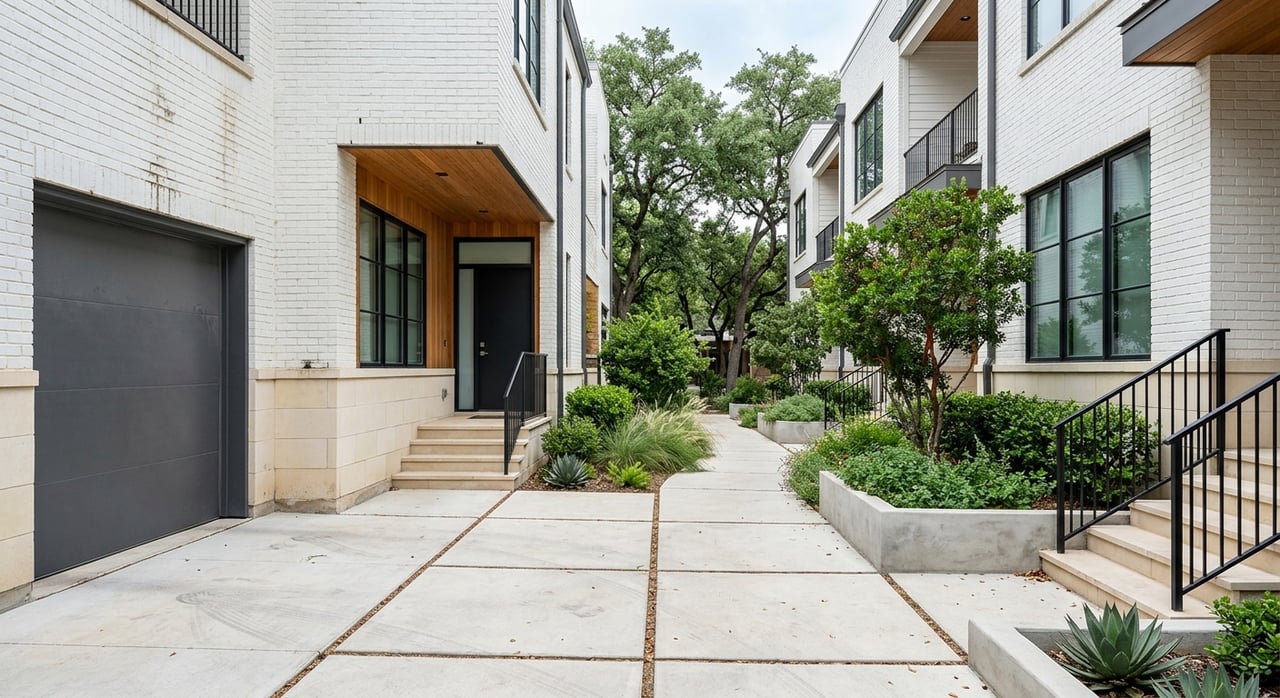
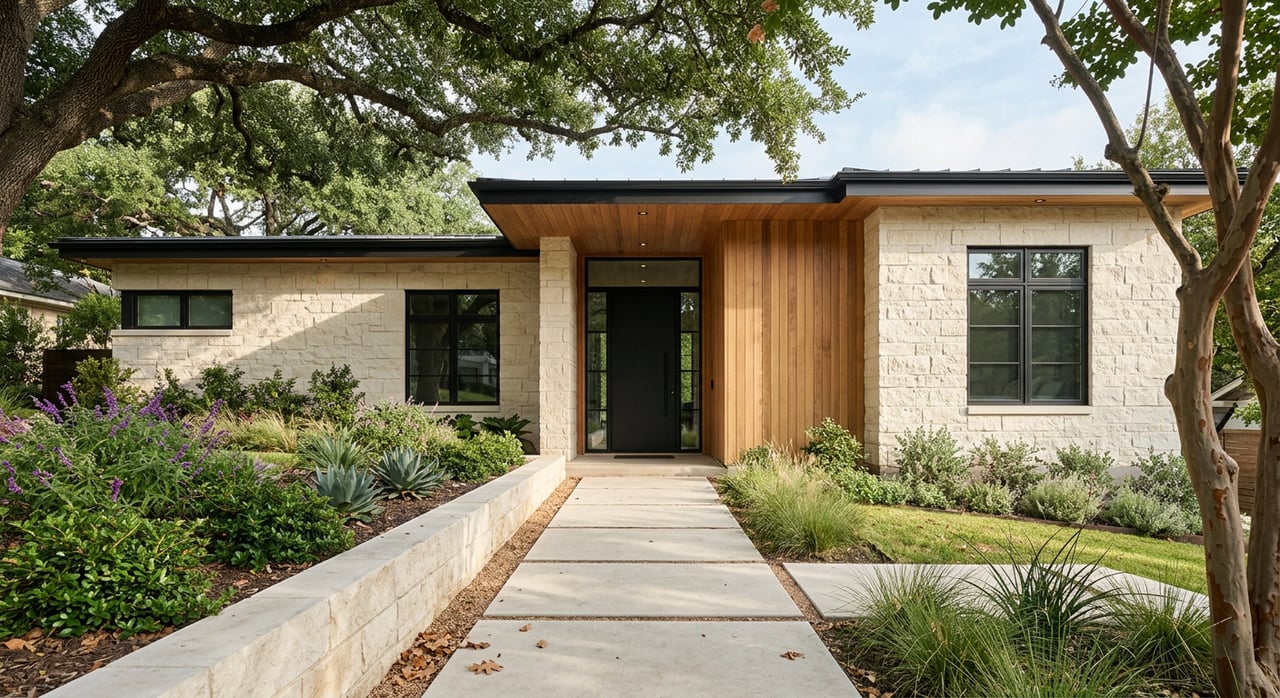
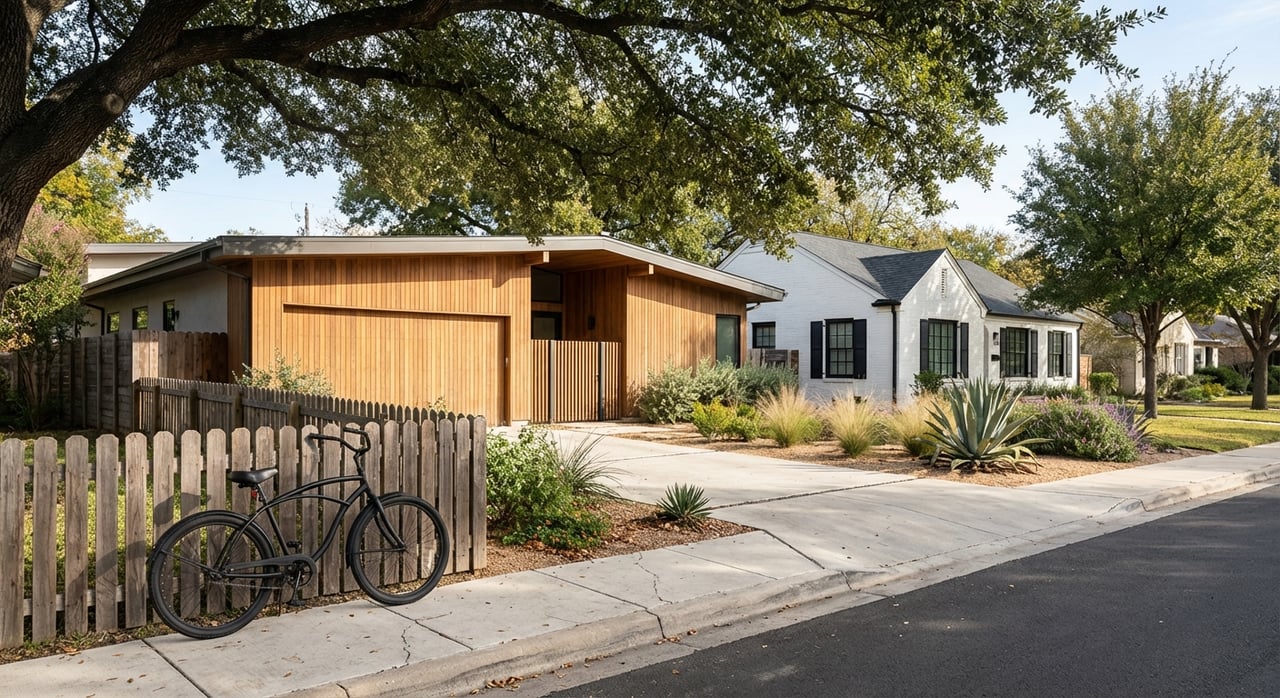
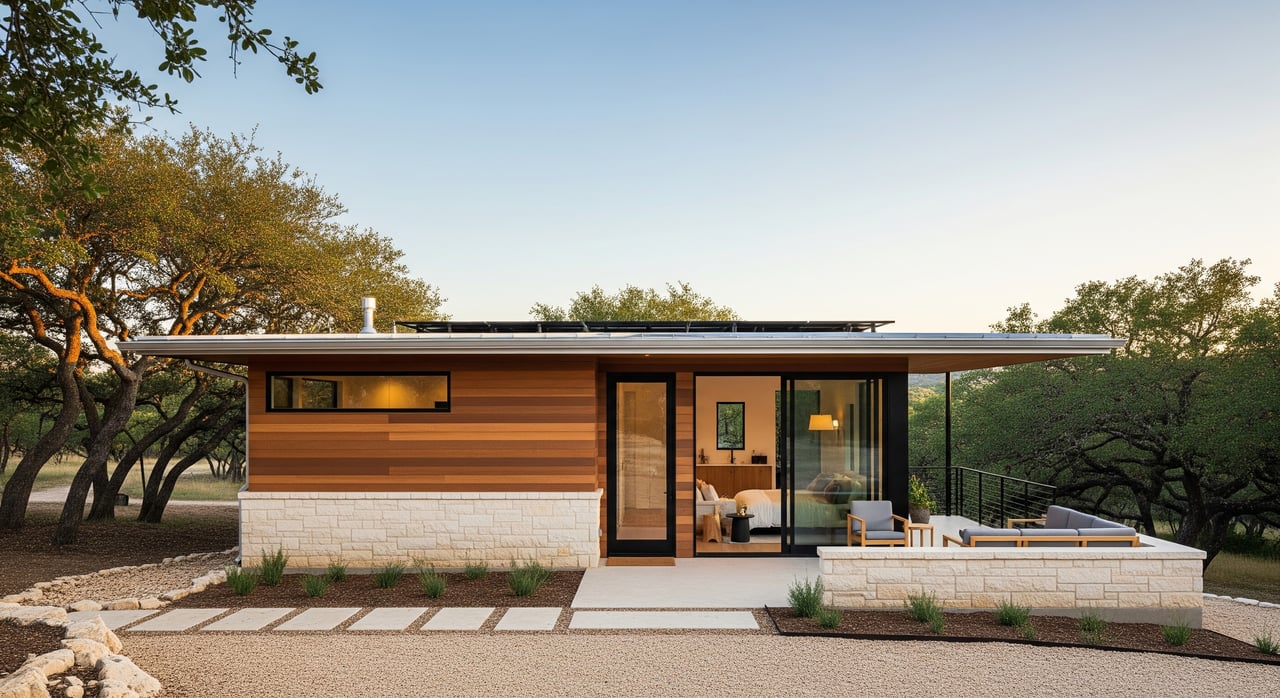
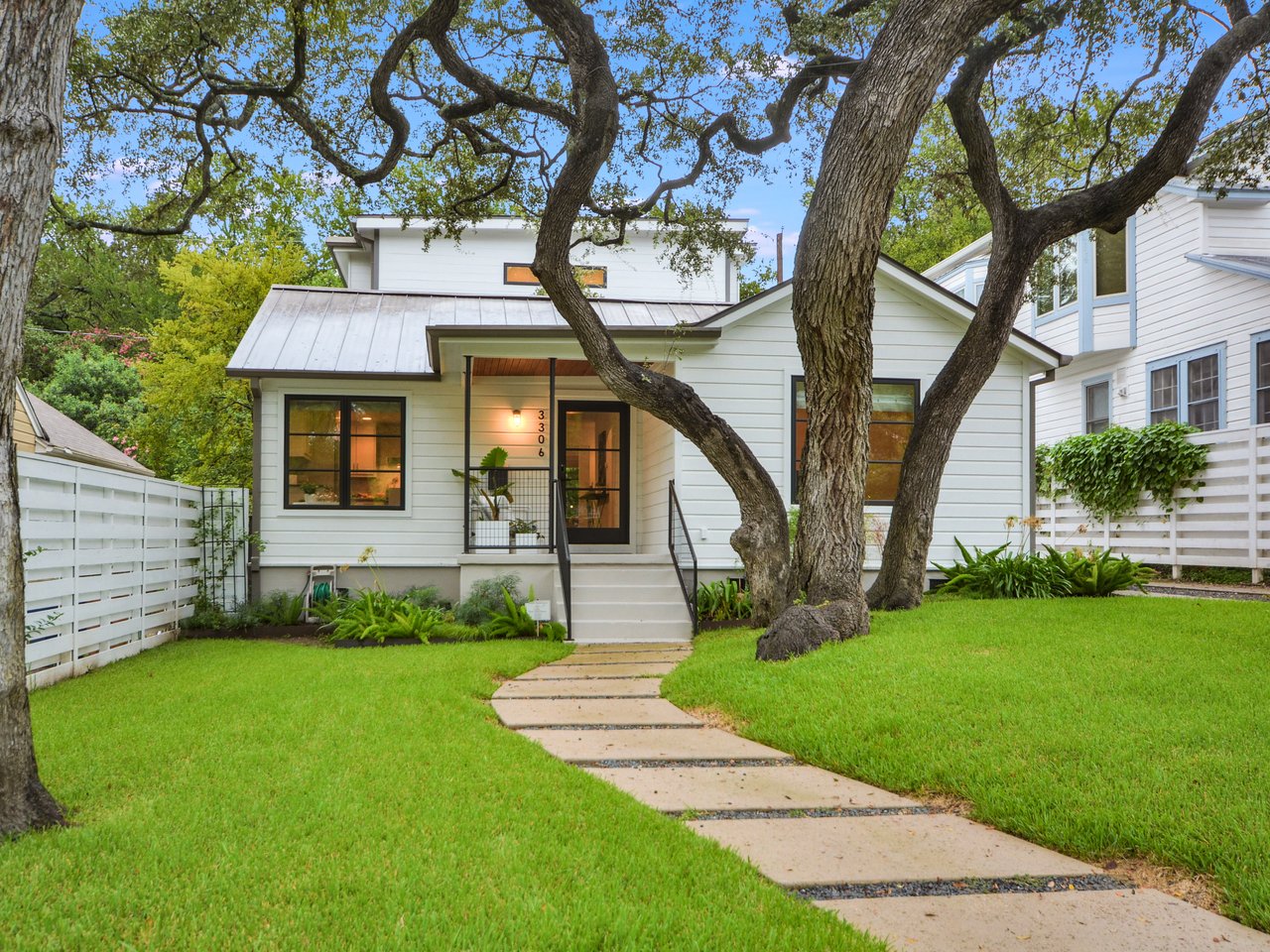
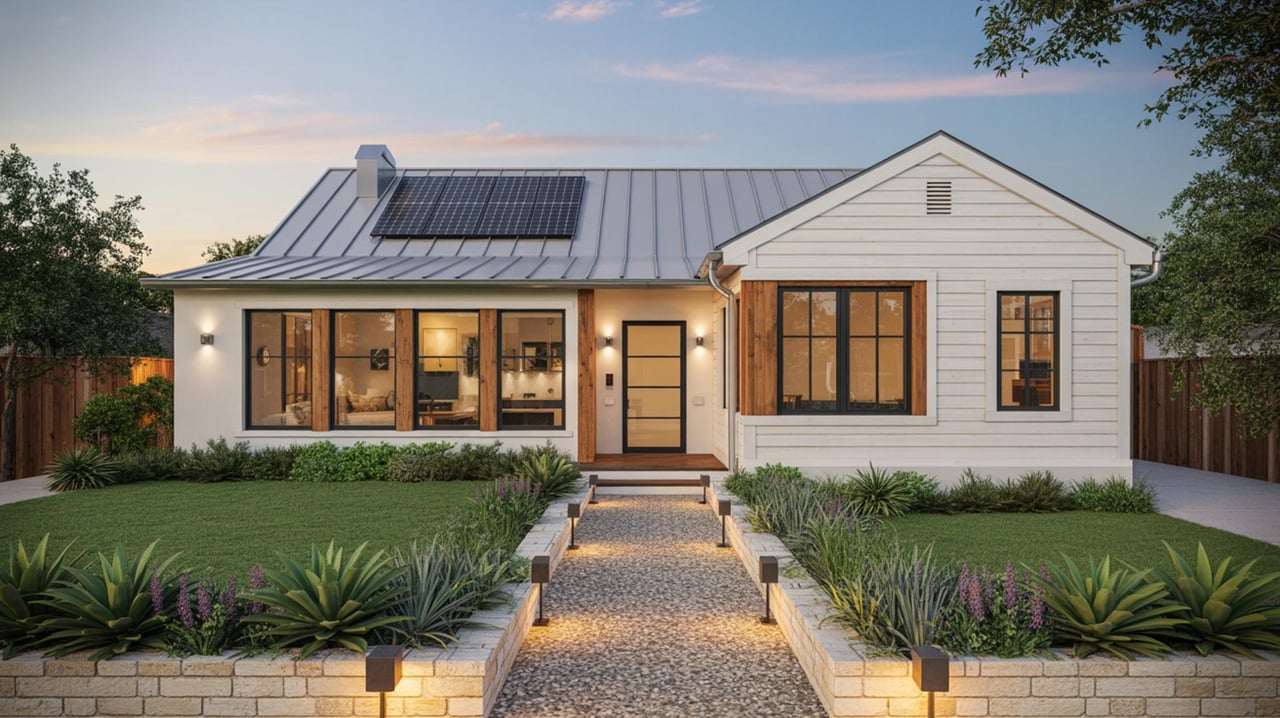
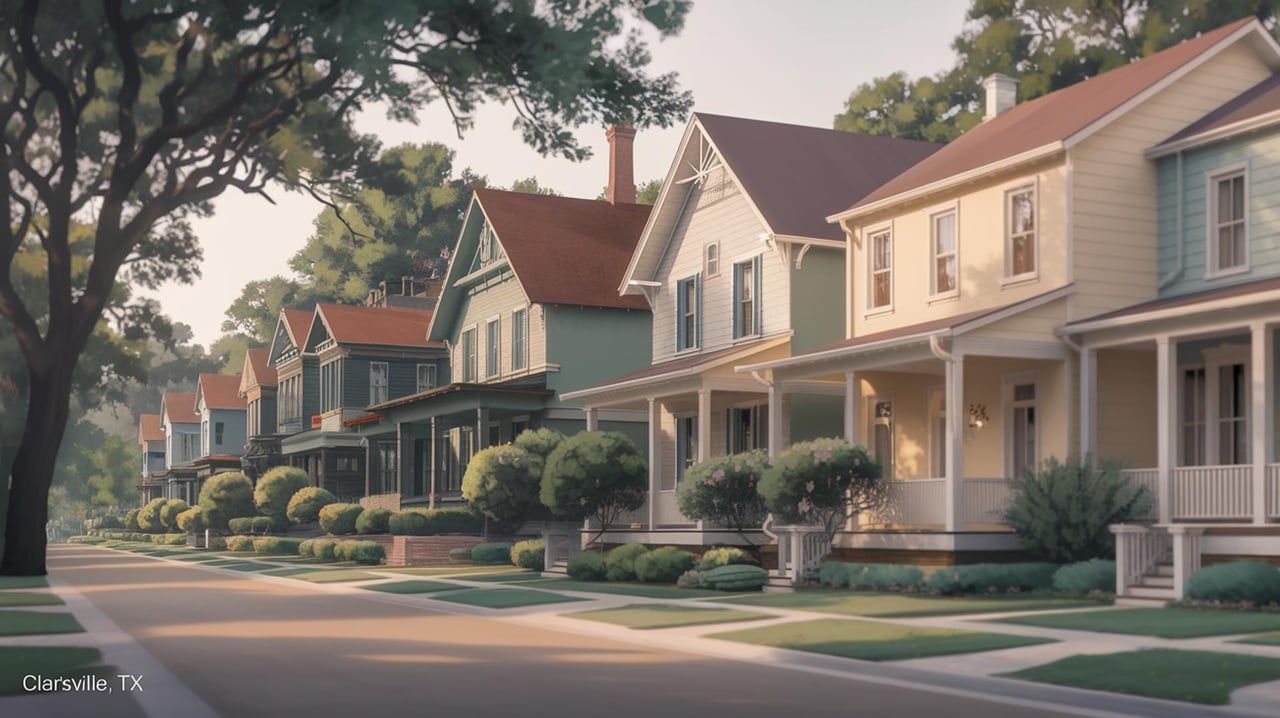
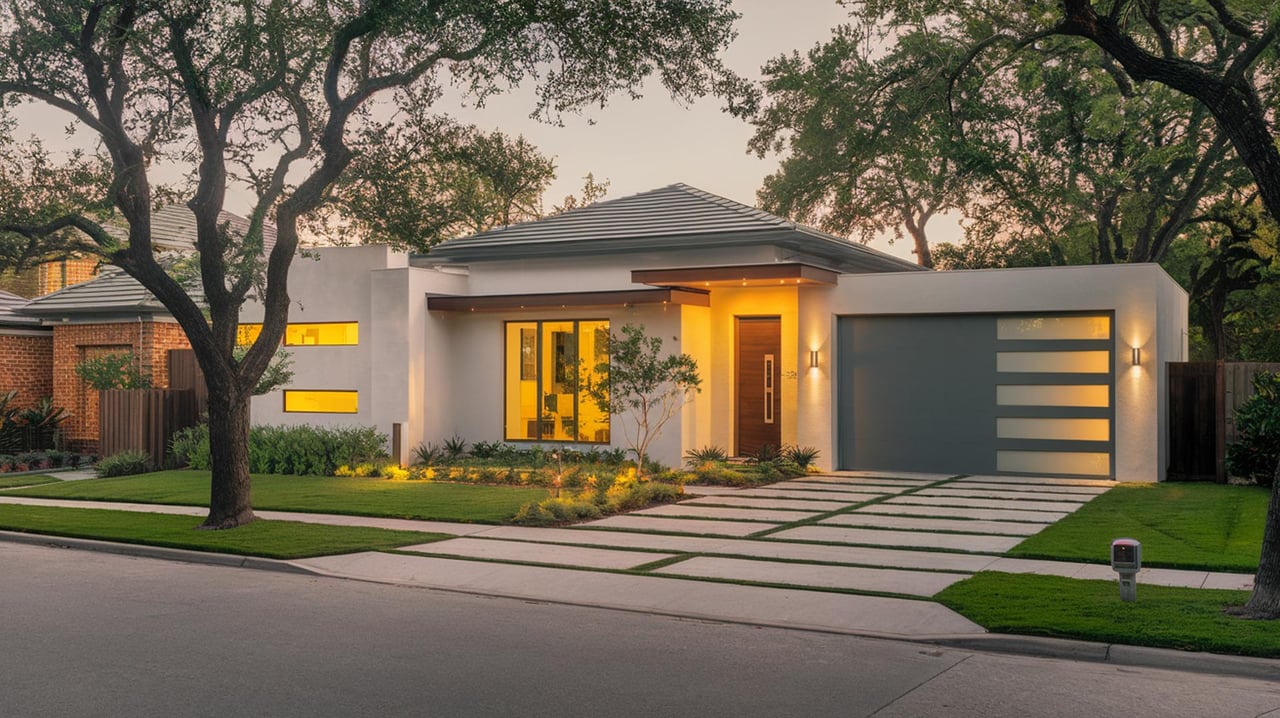
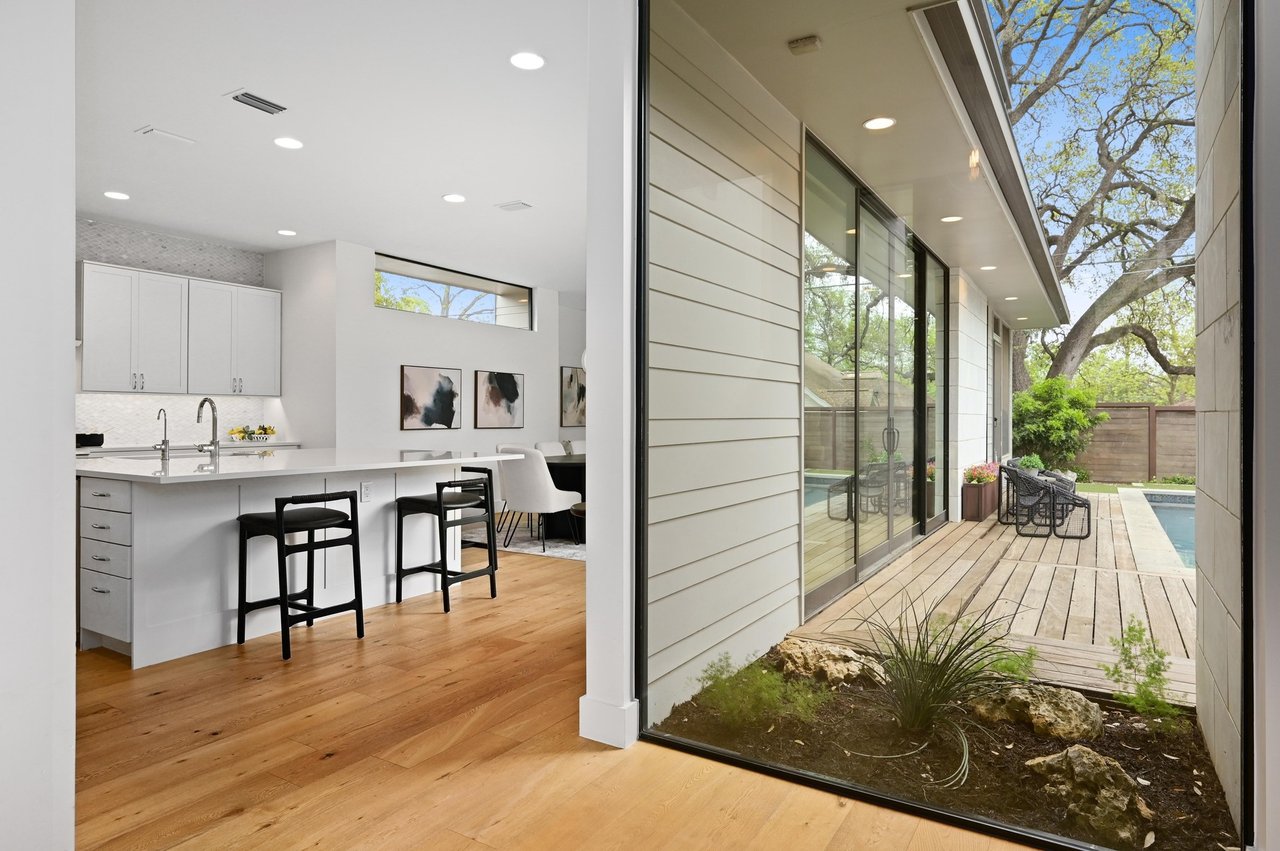
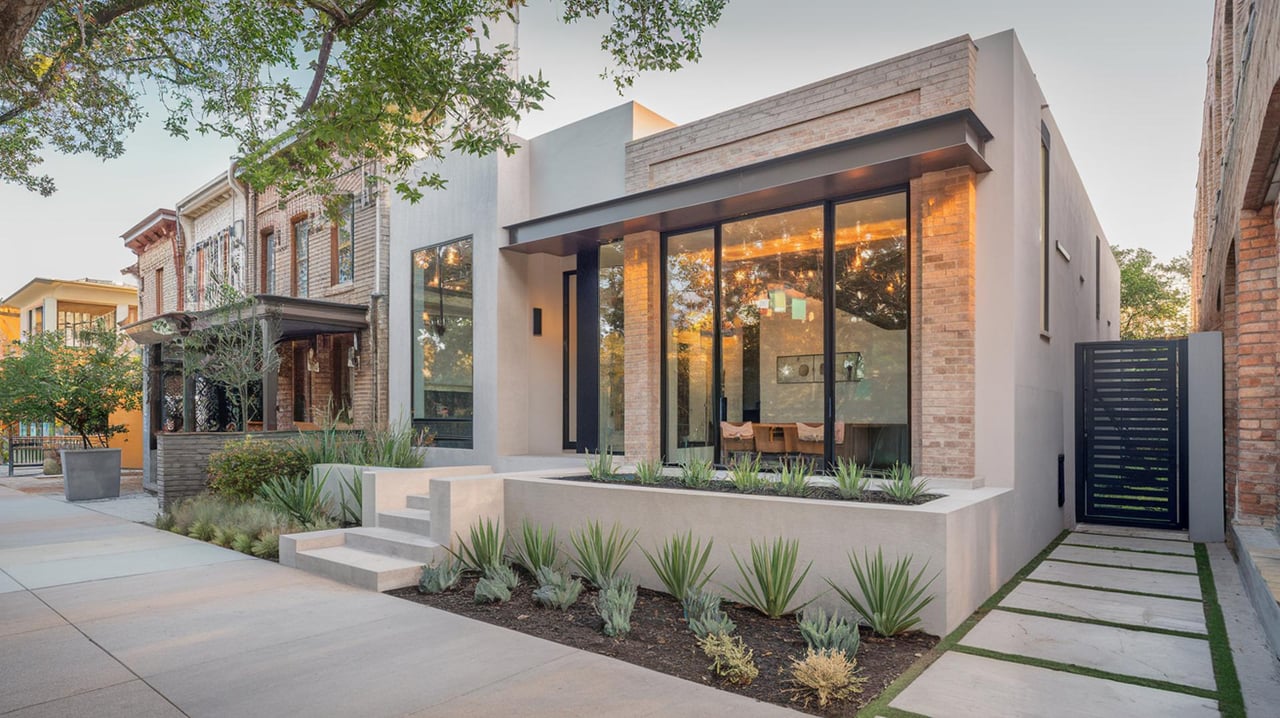
Bouldin Creek is often described by its neighborhood association as eclectic and engaged, with a mix of artists, activists, families, long-timers, and newcomers. The housing stock ranges from historic bungalows to newer modern homes, which gives the area a layered, evolving feel.
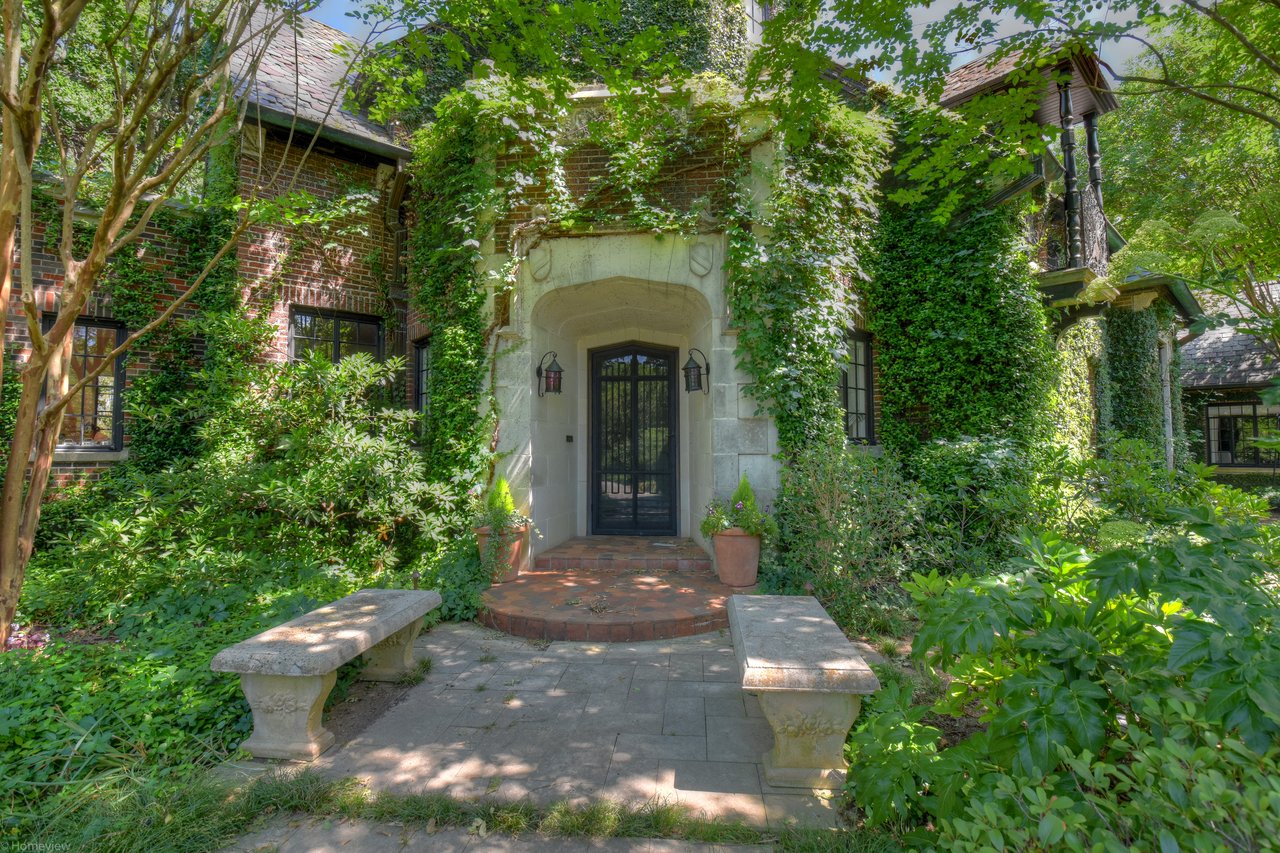
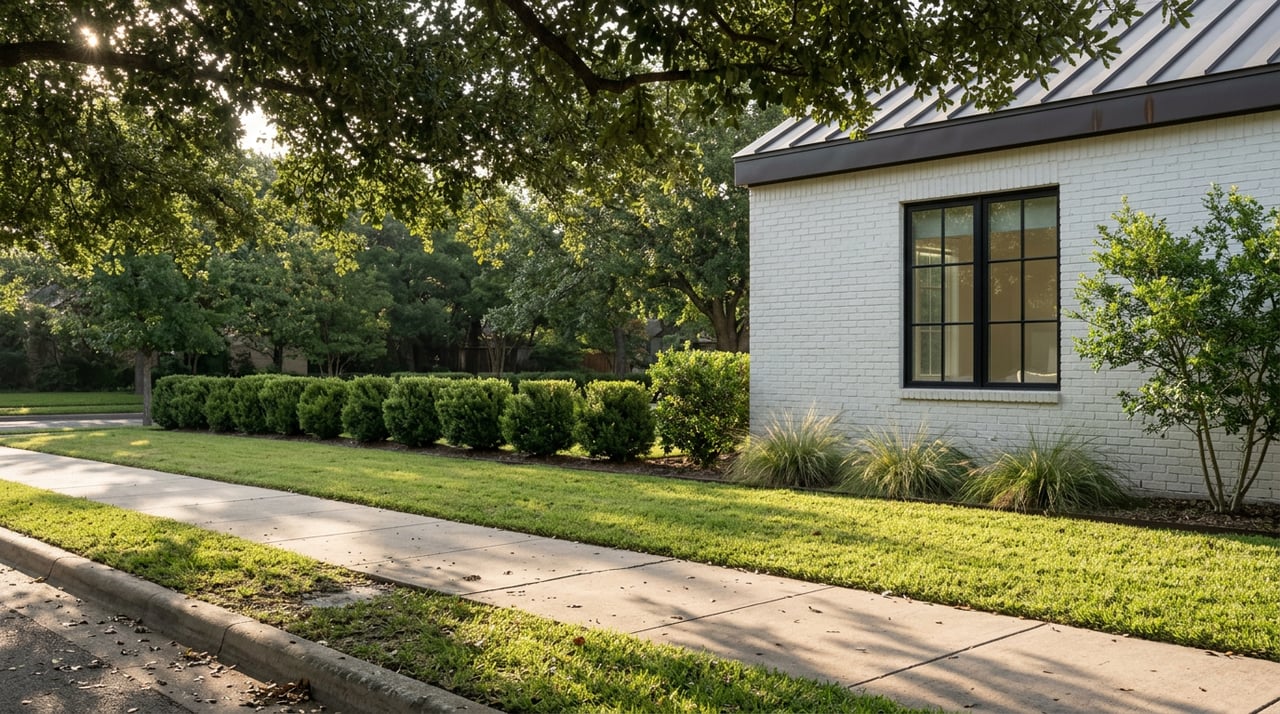
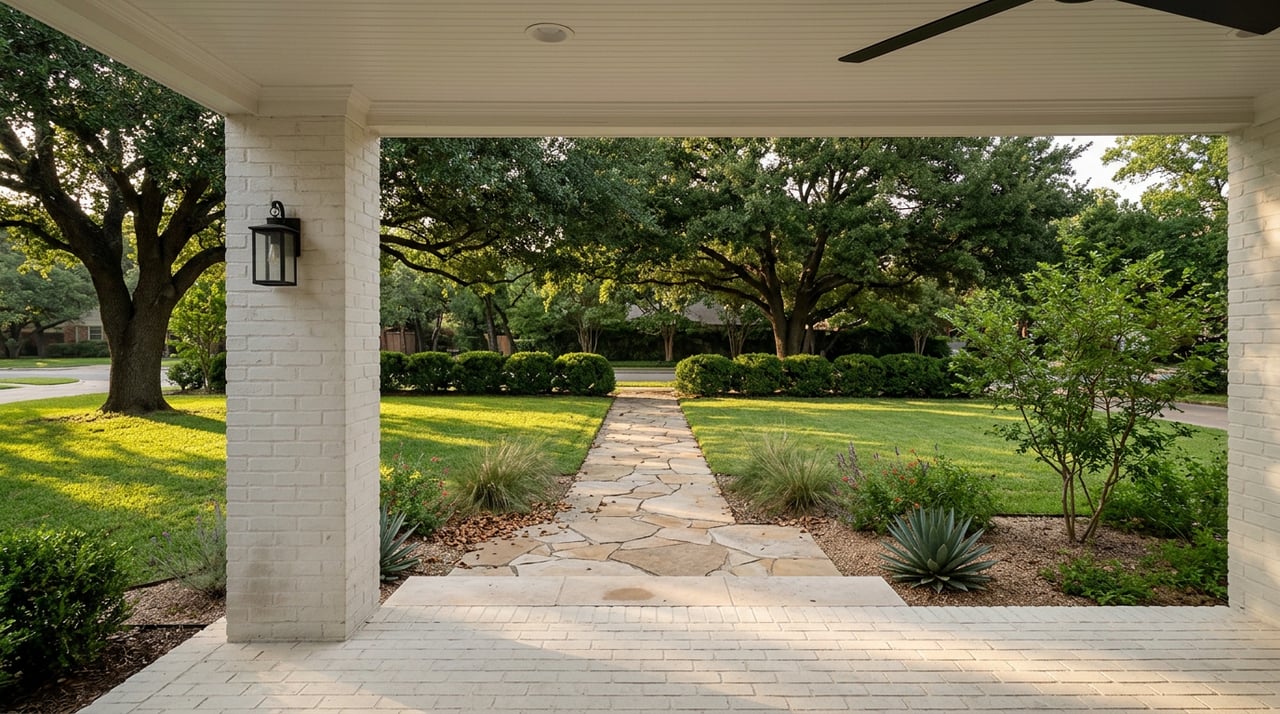
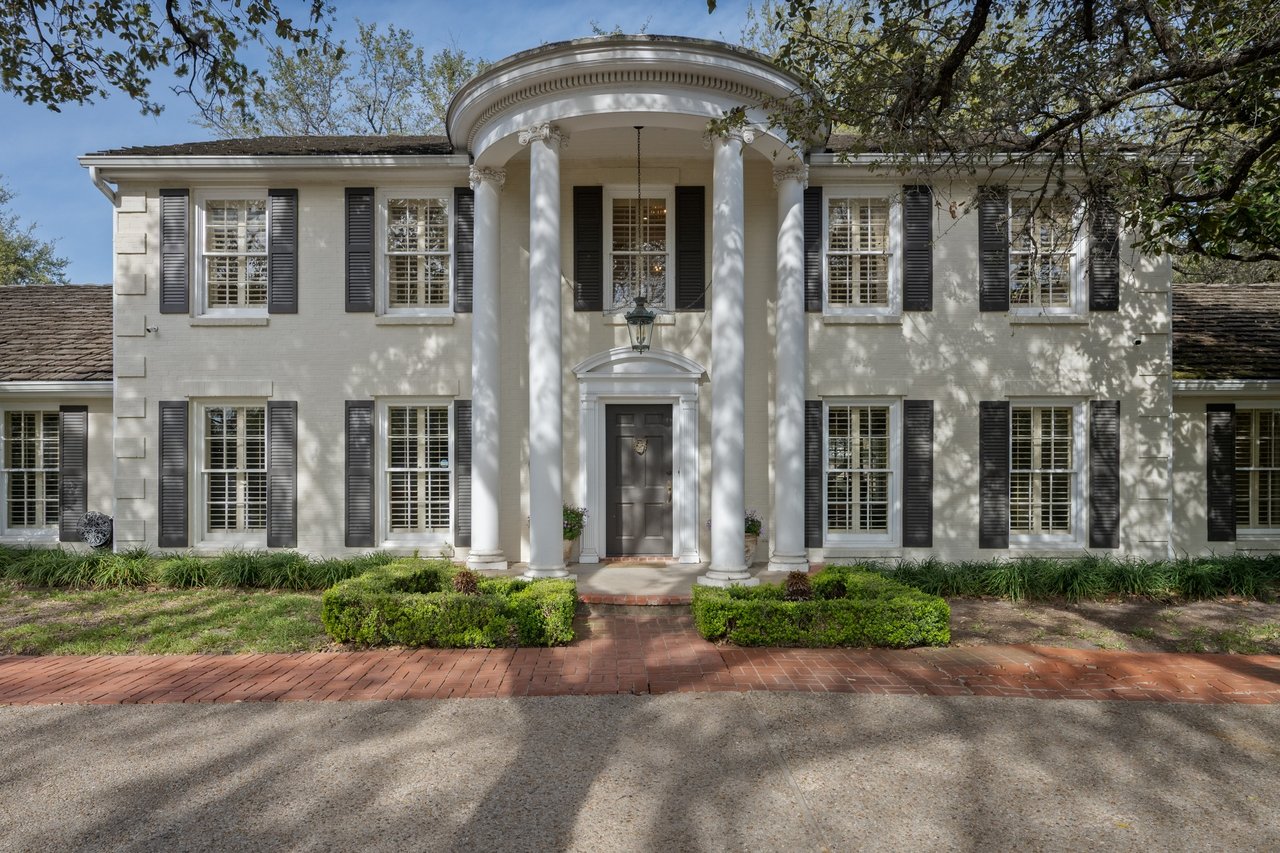
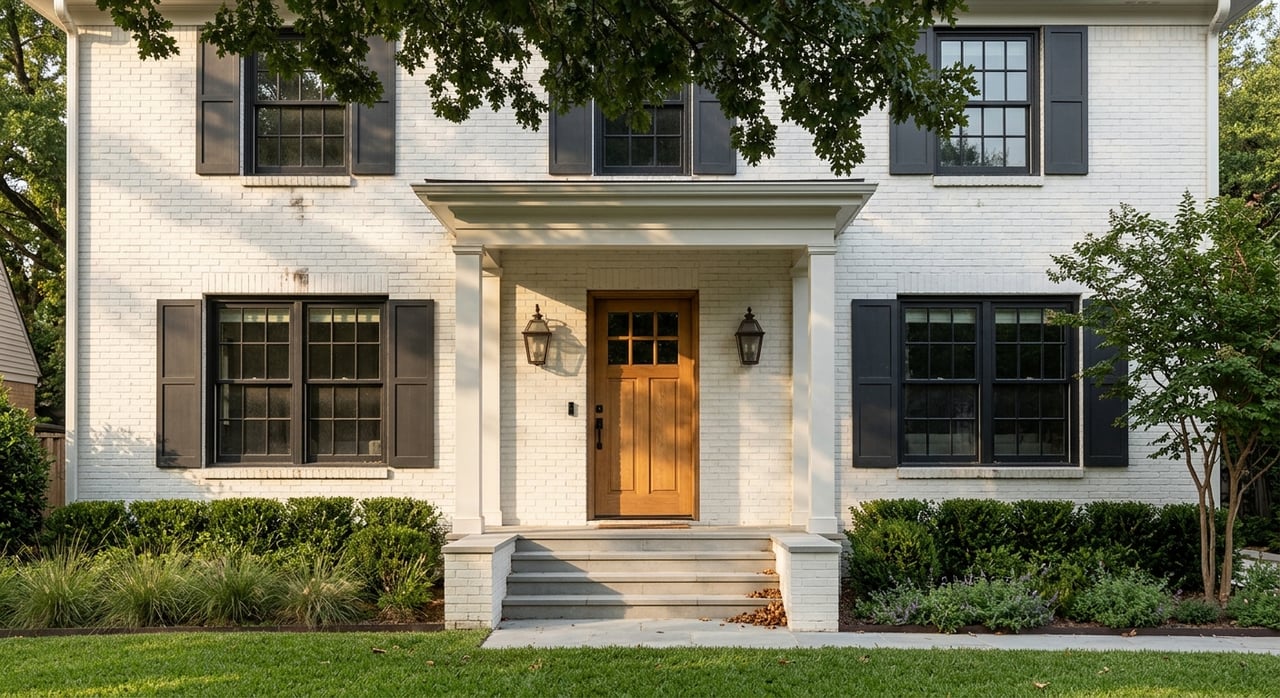
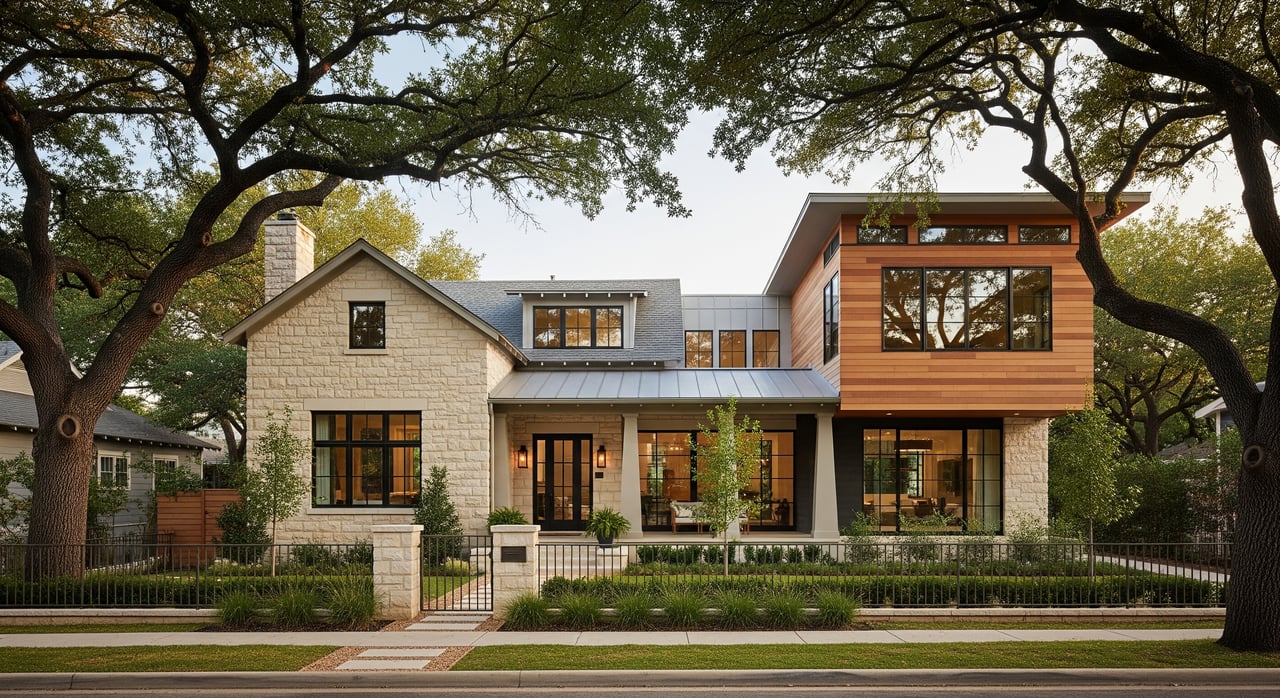
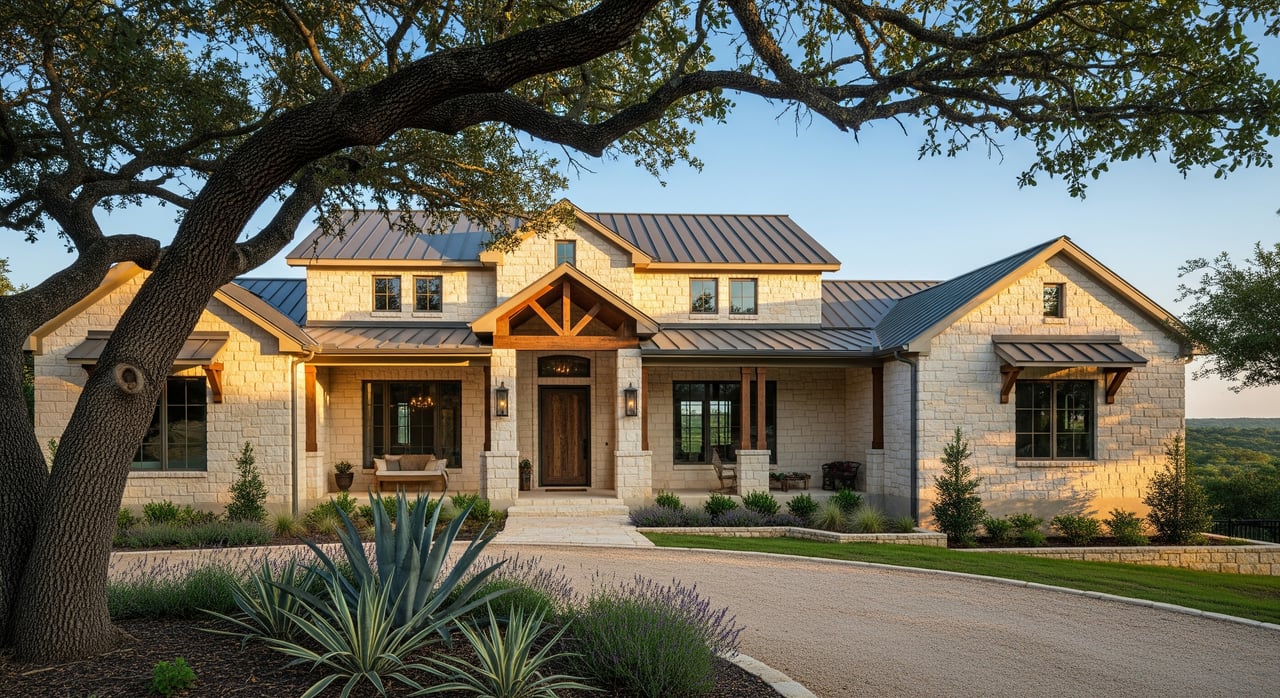
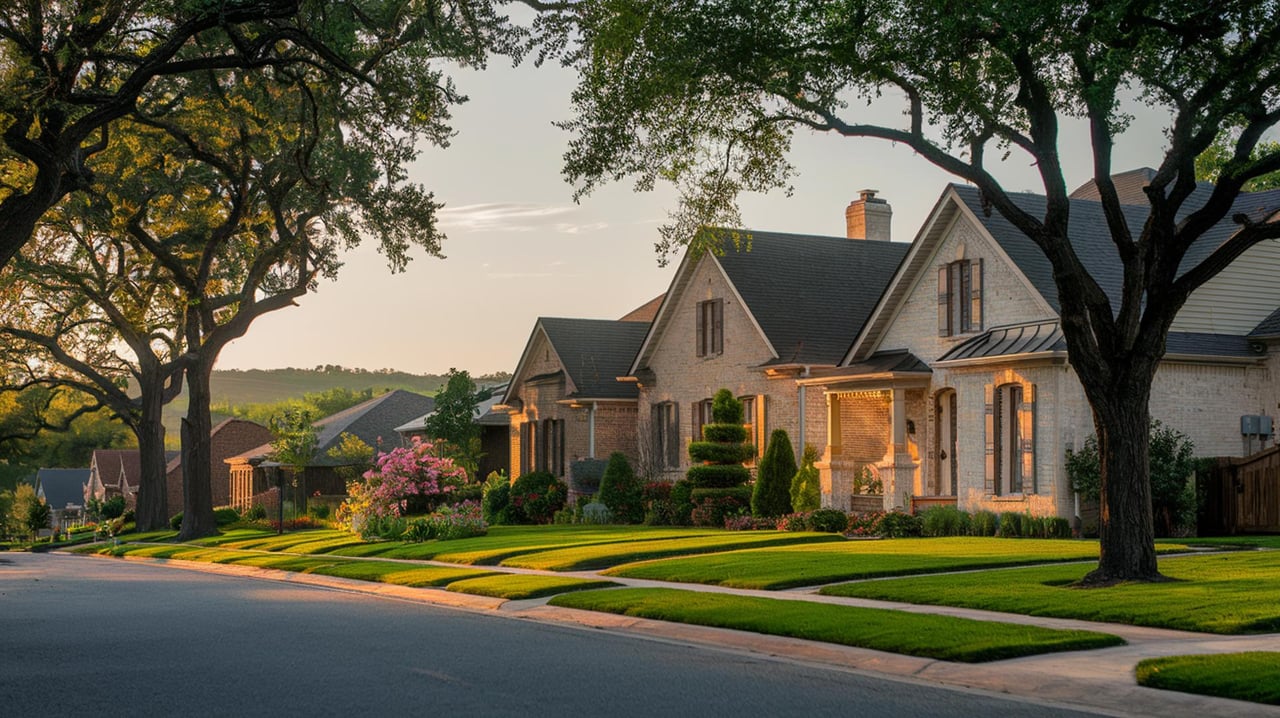
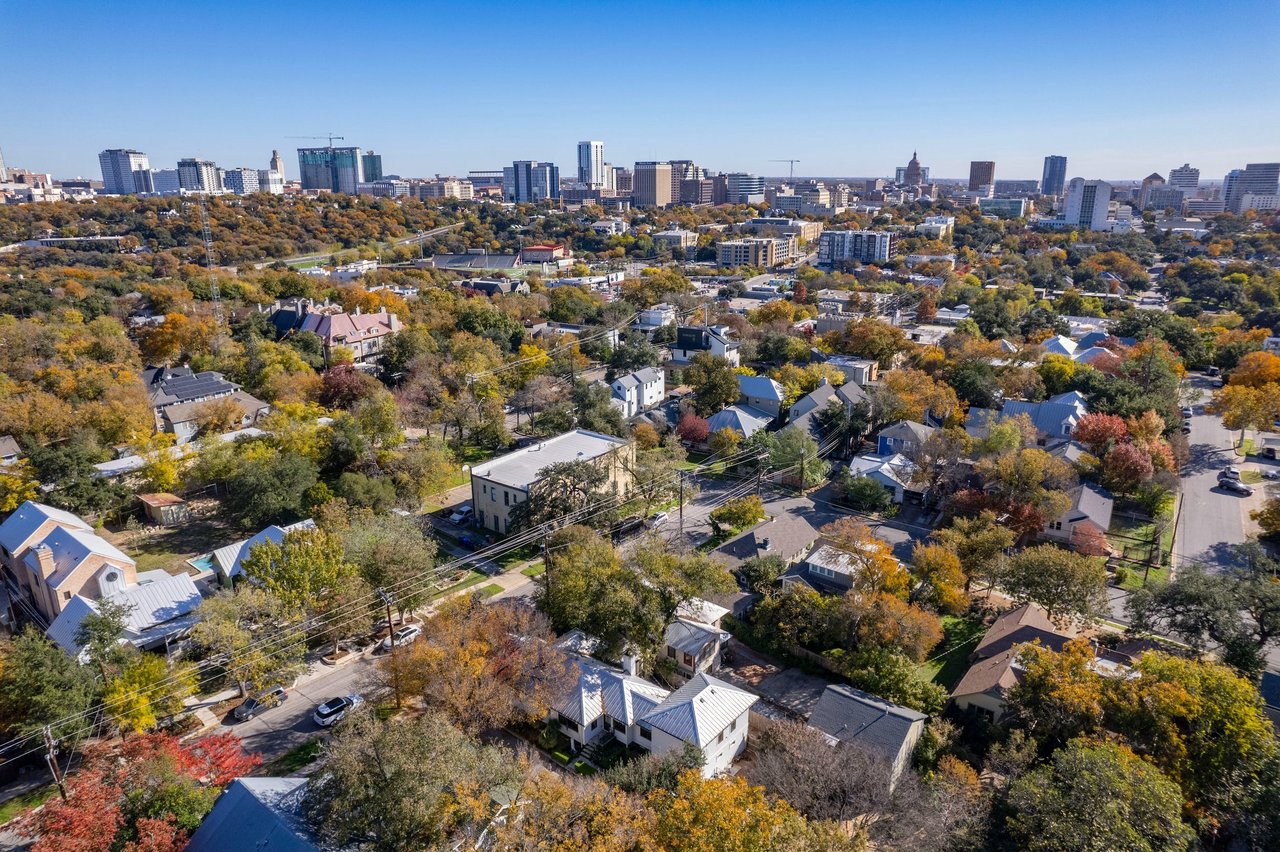
Travis Heights has a more historic identity. Its history as a streetcar-era residential district helps explain the winding streets, larger lots, and mature tree canopy that many buyers notice right away.
Zilker is more directly tied to park access and outdoor lifestyle. It is also a historic neighborhood, and the neighborhood association notes a population of roughly 9,000 residents and about 5,500 households, which gives some helpful scale when you are comparing it with other close-in Austin areas.
City planning documents also reinforce that this is a neighborhood-defined part of Austin, not just a broad label used in casual conversation. Bouldin Creek and Greater South River City/South Congress both have official neighborhood planning areas with adopted plans and implementation materials.
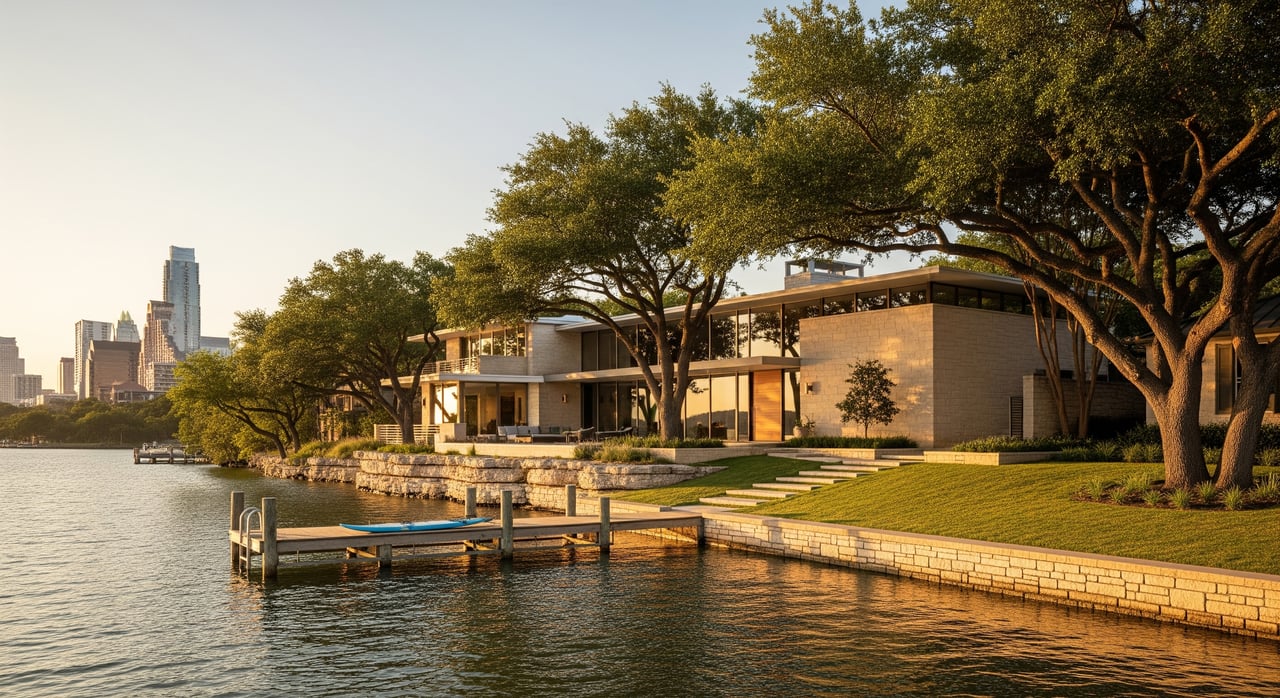
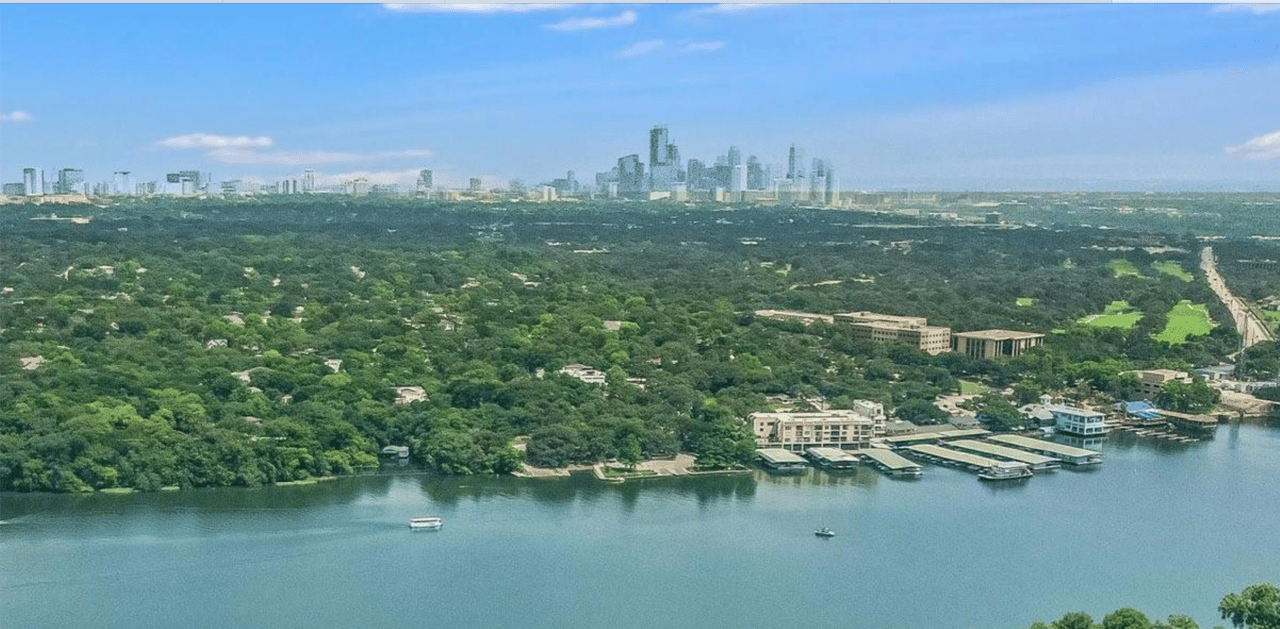
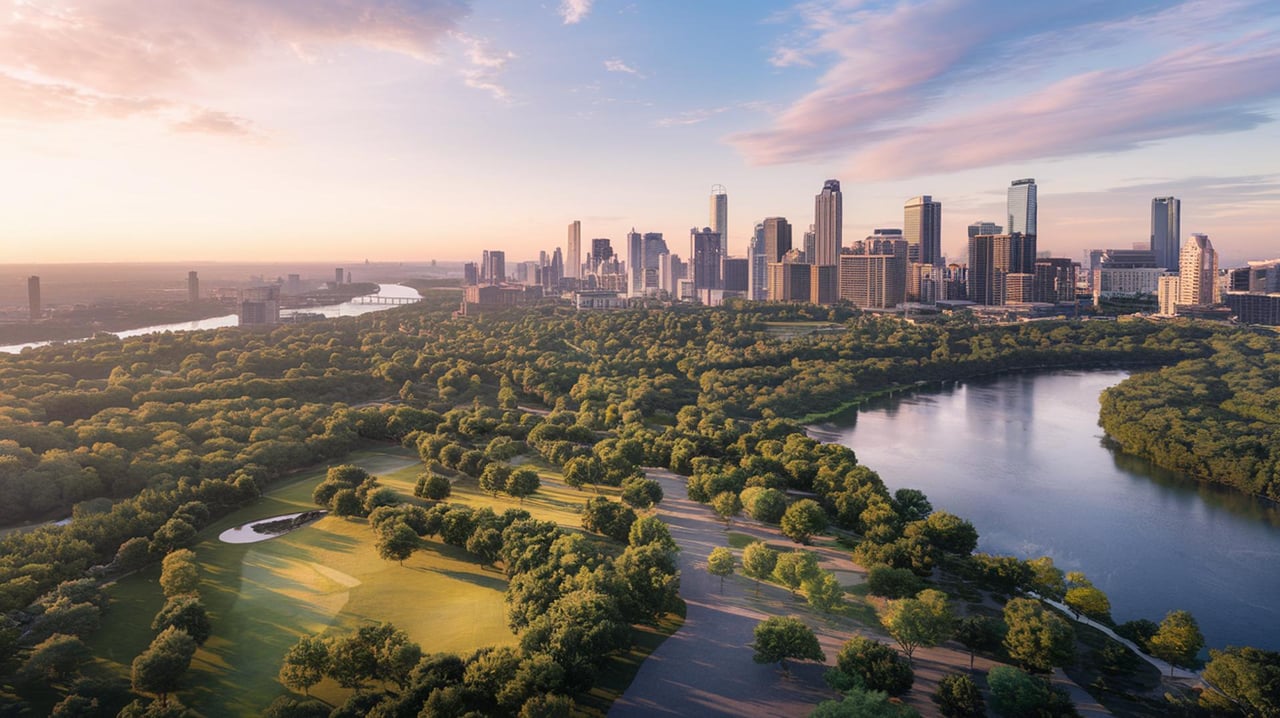
Zilker Metropolitan Park is the anchor here, and that matters in a practical way. This is Austin’s oldest metropolitan park, spanning more than 350 acres at Barton Creek and Lady Bird Lake.
For you as a resident, that means outdoor access is not a once-in-a-while perk. It can become part of your weekly routine, whether that looks like early morning runs, afternoon swims, bike rides, or evening walks.
The park includes Barton Springs Pool, Zilker Botanical Garden, the Austin Nature and Science Center, Zilker Hillside Theater, Umlauf Sculpture Gardens, the Butler Hike-and-Bike Trail, and the Barton Creek Trail. Barton Springs Pool itself is a three-acre swimming pool fed by underground springs, which helps explain why it remains such a defining Austin amenity.
The Ann and Roy Butler Hike-and-Bike Trail adds another major lifestyle benefit. It is a 10-mile loop in the heart of Austin and draws more than 2.6 million visits each year, while the Violet Crown Trail begins at Zilker Park and follows Barton Creek Greenbelt to the southwest.
That combination is a big reason this area holds long-term appeal. You are not choosing between city convenience and outdoor access. In this part of South Austin, you can often have both in the same daily orbit.
Zilker tends to attract buyers who want to stay close to the park and remain connected to the urban core. The lifestyle here is centered on movement and access, with trails, green space, and major Austin destinations all nearby.
Because of that, Zilker often feels active and highly connected. If your ideal weekend includes walking to outdoor spaces and staying close to central Austin, this neighborhood usually earns a close look.
Bouldin Creek offers a more eclectic residential texture. The mix of housing styles, established community identity, and proximity to South Congress and downtown give it a distinctly close-in South Austin feel.
For many buyers, Bouldin Creek is appealing because it feels both established and in motion. You will find older homes, updated properties, and newer construction sharing the same broader neighborhood fabric.
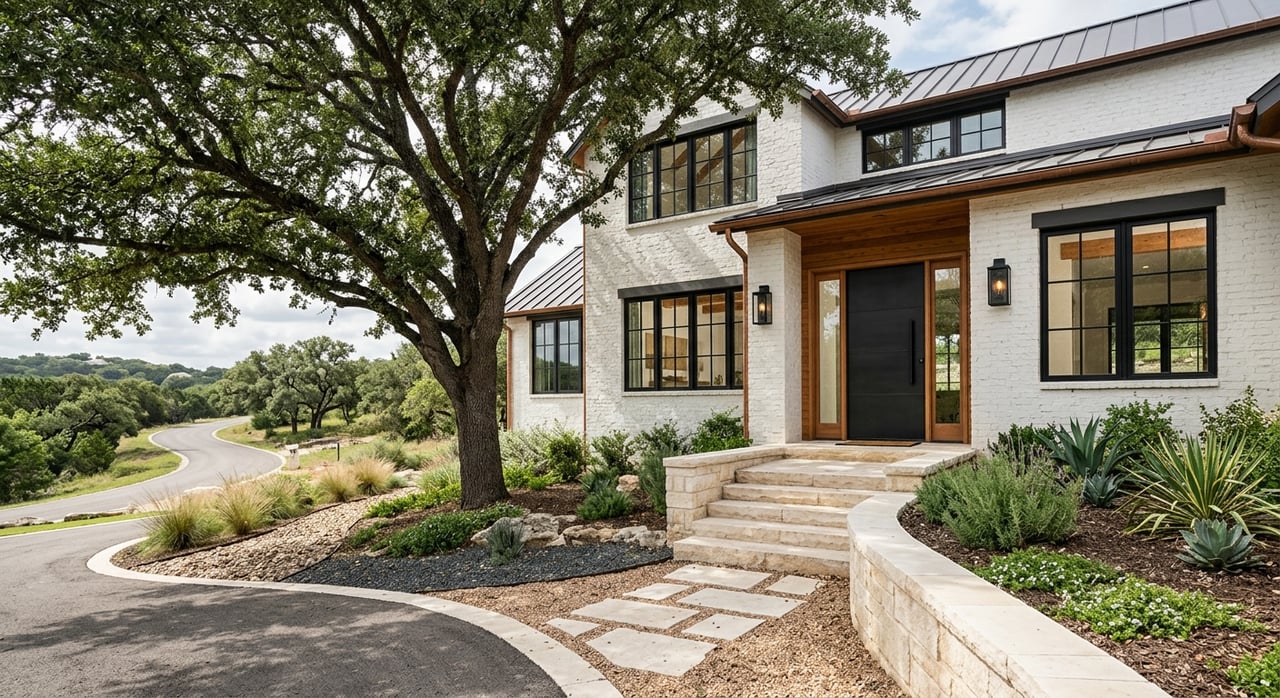
Travis Heights is often the choice for buyers who respond to architectural character and a more leafy streetscape. Its older-home setting and winding streets create a softer, more residential feel than some of the gridded areas nearby.
It also rewards buyers who appreciate history and neighborhood identity. If you are drawn to homes with character and a strong sense of place, Travis Heights often stands out.
One reason this area works so well is that the lifestyle extends past the residential streets. South Congress and South First carry much of the commercial energy, and both are woven into everyday life for nearby residents.
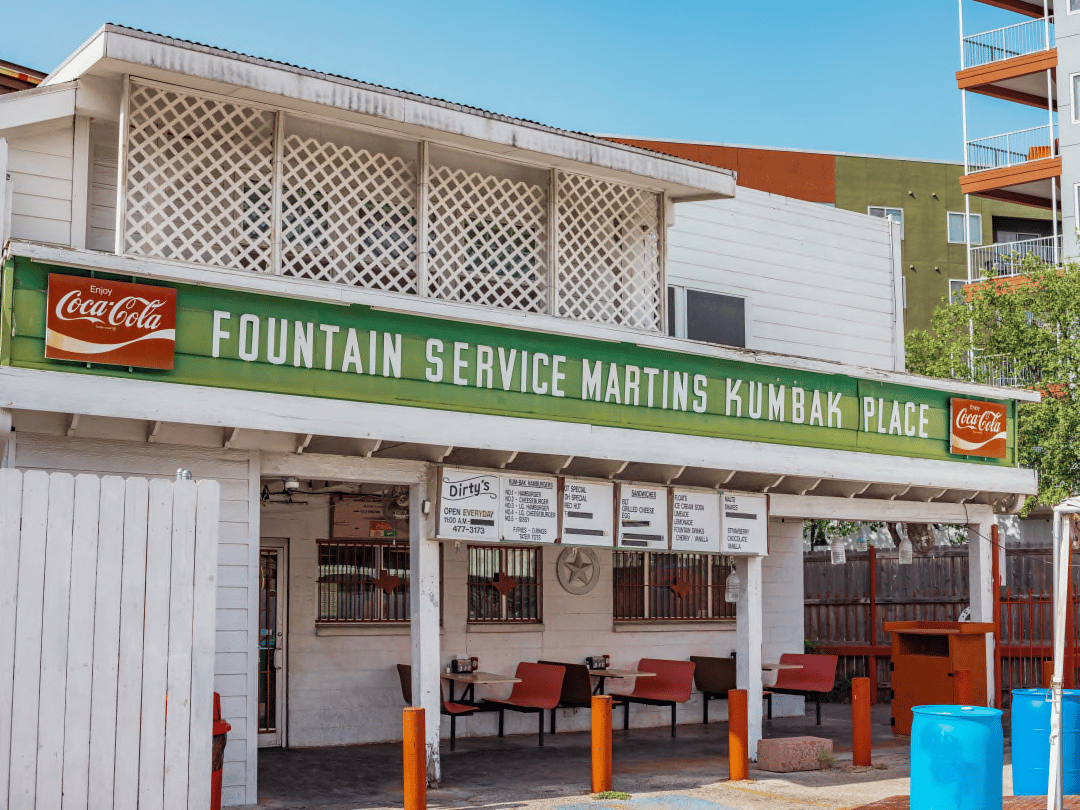
Visit Austin describes South Congress as an iconic avenue where vintage shops, local boutiques, high-end brands, cafes, and bars come together. A few blocks west, South First is known for locally owned shops and eateries, food-truck parks, coffee shops, art galleries, vintage shopping, brunch spots, and patio dining.
In practical terms, this means your daily routine can stay very local. Coffee, dinner, errands, and a walk by the park can all fit into the same part of town without requiring a long cross-city drive.
This is also an area with realistic transit support for some trips. CapMetro’s Rapid 801 line runs along the North Lamar and South Congress corridor through UT and downtown, giving South Austin residents another option for getting into the core.
The South Congress Public Improvement District adds another clue about the area’s importance. Created in 2014 and reauthorized in 2019 and 2024, it shows that South Congress is managed as a significant commercial district, not just a neighborhood street.
The appeal here is strong, but it helps to go in with clear expectations. Like many high-demand Austin neighborhoods, life near Zilker Park comes with trade-offs alongside the lifestyle benefits.
The biggest one is events. Zilker Park is not only a neighborhood amenity, it is also one of Austin’s major event venues.
The City of Austin says ACL Fest is held there each year and features more than 100 musical artists. During major events, the festival guidance states that there is no parking at Zilker Park or in the surrounding neighborhoods.
Trail of Lights creates similar traffic and parking realities. The city notes that neighborhood no-parking restrictions are enforced, pre-paid parking is required on-site, and there is no drive-up access to the Zilker Holiday Tree on event nights.
Seasonal parking management also affects everyday planning. The city operates the free Zilker Loop on weekends and holidays from Memorial Day through Labor Day, and Zilker parking is priced at $3 per hour on peak-season days.
None of this makes the area less desirable, but it does shape how it lives. If you love access to signature Austin events, this may feel like part of the appeal. If you prefer a quieter rhythm, the exact block and neighborhood pocket matter even more.
If Travis Heights is on your shortlist, preservation rules deserve special attention. This is especially true if you are considering a property with historic significance or planning exterior changes.
The City of Austin states that local historic districts share common themes, history, and or architecture. Exterior changes to contributing properties require review, and rehabilitation of contributing properties may qualify for a city tax abatement.
The Travis Heights-Fairview Park Historic District has National Register listing, and the Mary Street Local Historic District falls within its boundaries. For buyers, the practical takeaway is simple: character and stewardship can come with added review requirements.
That is not necessarily a drawback. For many buyers, it is part of what protects the setting and architectural identity they value most.
This pocket of South Austin tends to appeal to people who want a strong sense of place. You may be a fit if you value walkable errands, recognizable local streets, access to green space, and homes with personality.
It can also work especially well if you are relocating and want a neighborhood that feels distinctly Austin right away. The combination of park access, established neighborhood identity, and central location gives this area a lifestyle that is easy to picture before and after move-in.
For sellers, that same clarity of lifestyle can be a major strength. Buyers are often not just comparing square footage here. They are comparing daily experience, block-by-block setting, and proximity to the places that shape how Austin feels.
On paper, Zilker, Bouldin Creek, and Travis Heights may look close together. In person, they can feel meaningfully different in terms of streetscape, home style, event impact, and day-to-day rhythm.
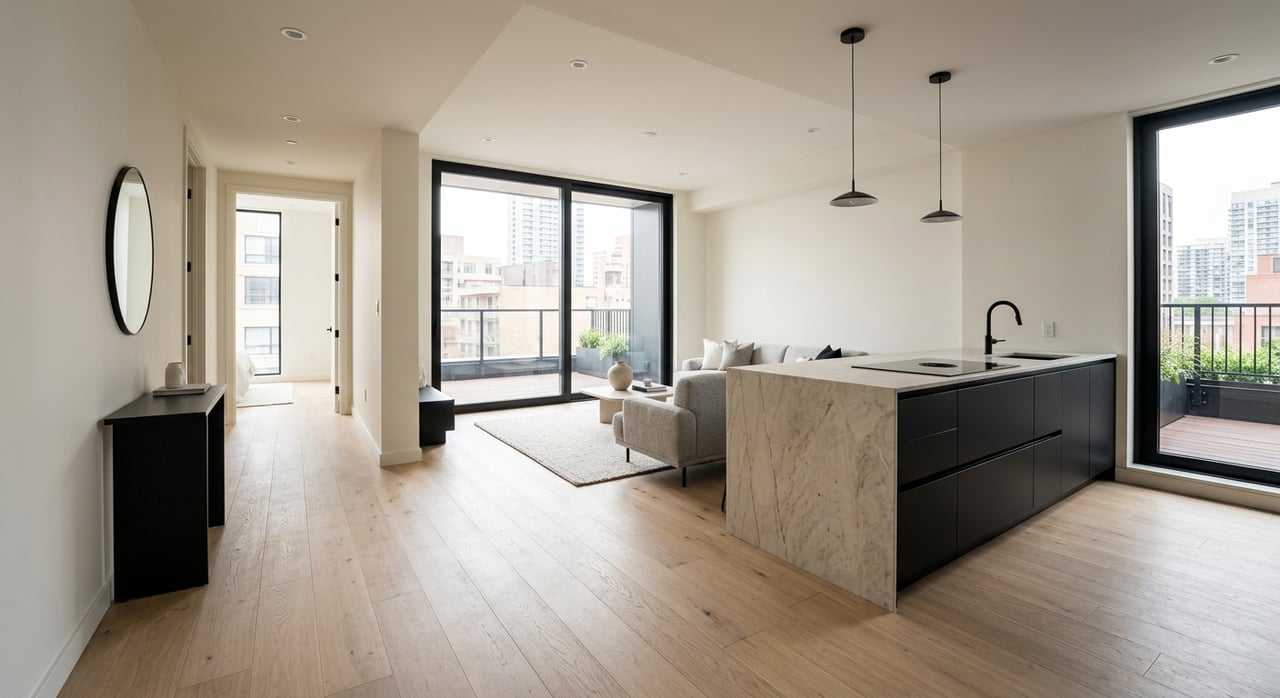
That is why neighborhood-level guidance matters. A buyer looking for a historic home on a leafy lot may prioritize one pocket, while someone focused on modern design and immediate park access may lean toward another.
For sellers, the same neighborhood nuance affects pricing, presentation, and the story your home tells in the market. In a place this location-driven, details matter.
If you are thinking about buying or selling near Zilker Park, working with someone who understands South Austin at the block and lifestyle level can help you move with more confidence. To schedule a private consultation, connect with Anna Lee.
3825 Lake Austin Blvd Ste 501 Austin TX 78703
3825 Lake Austin Blvd Ste 501 Austin TX 78703