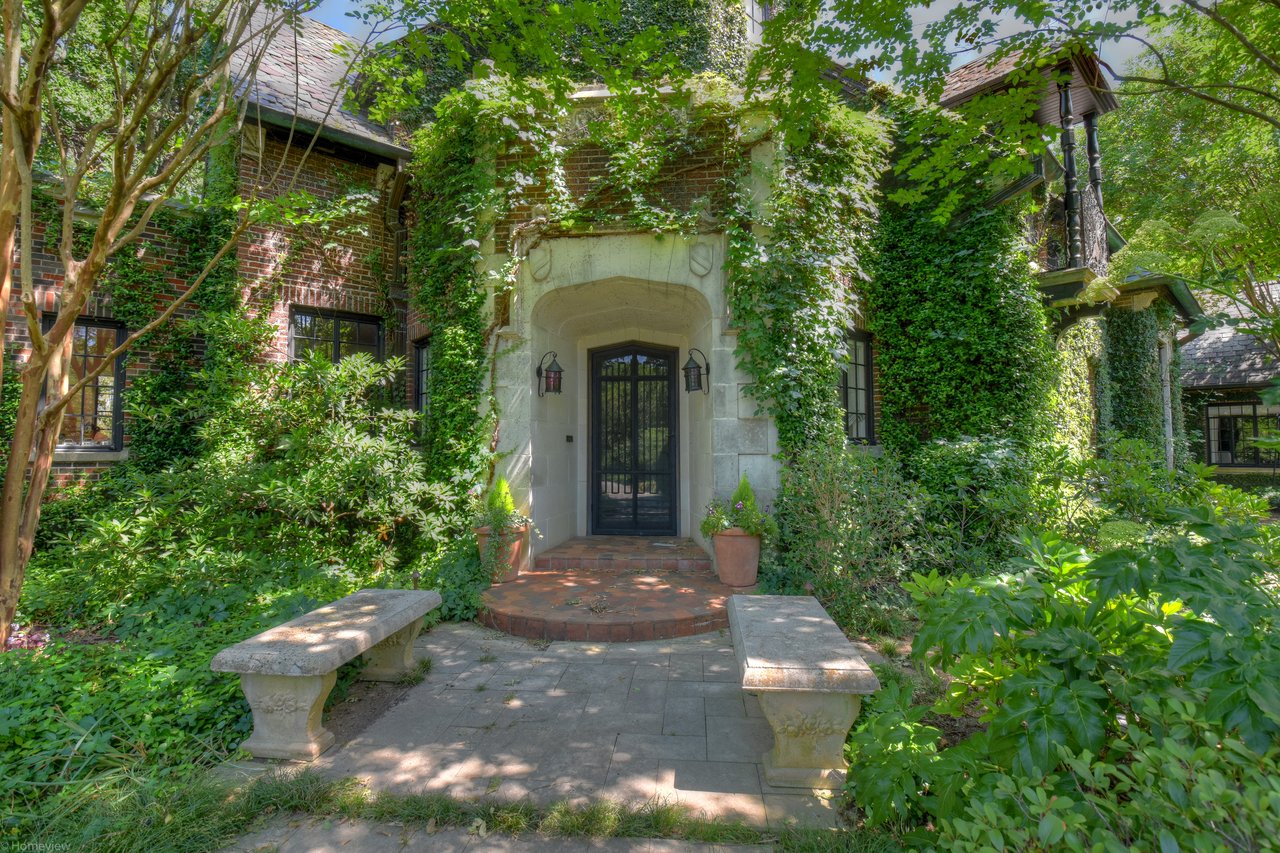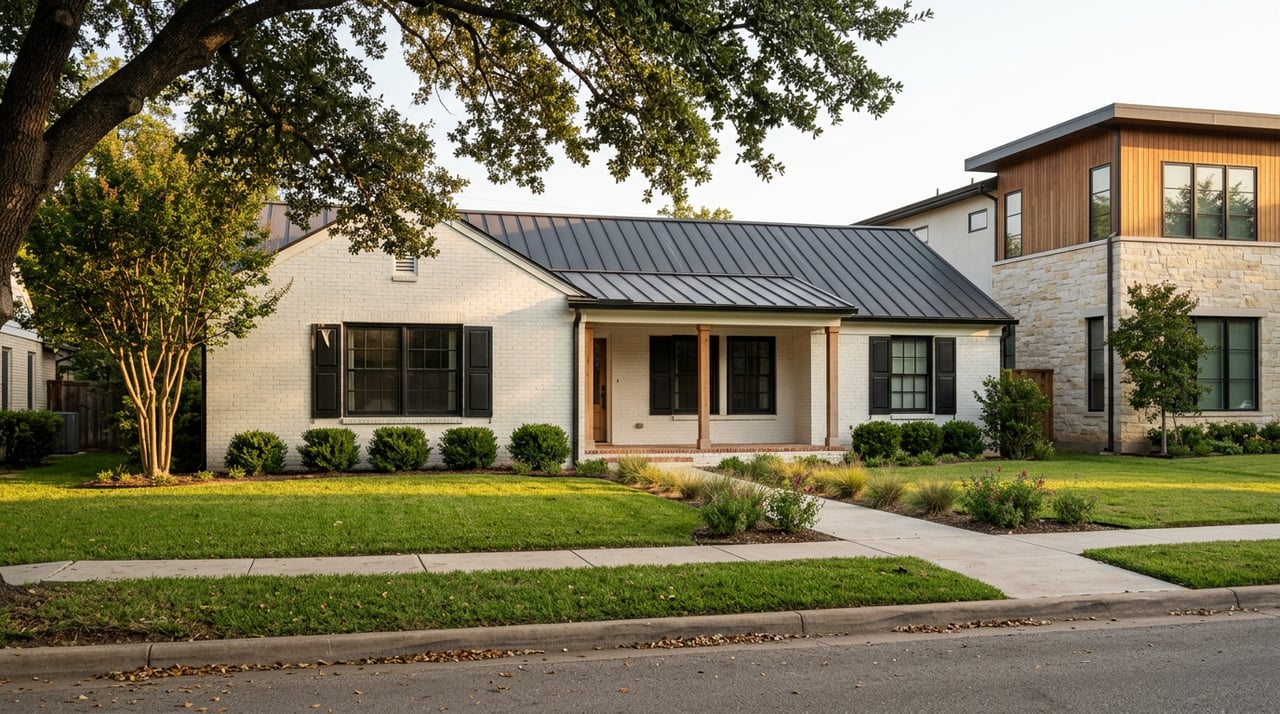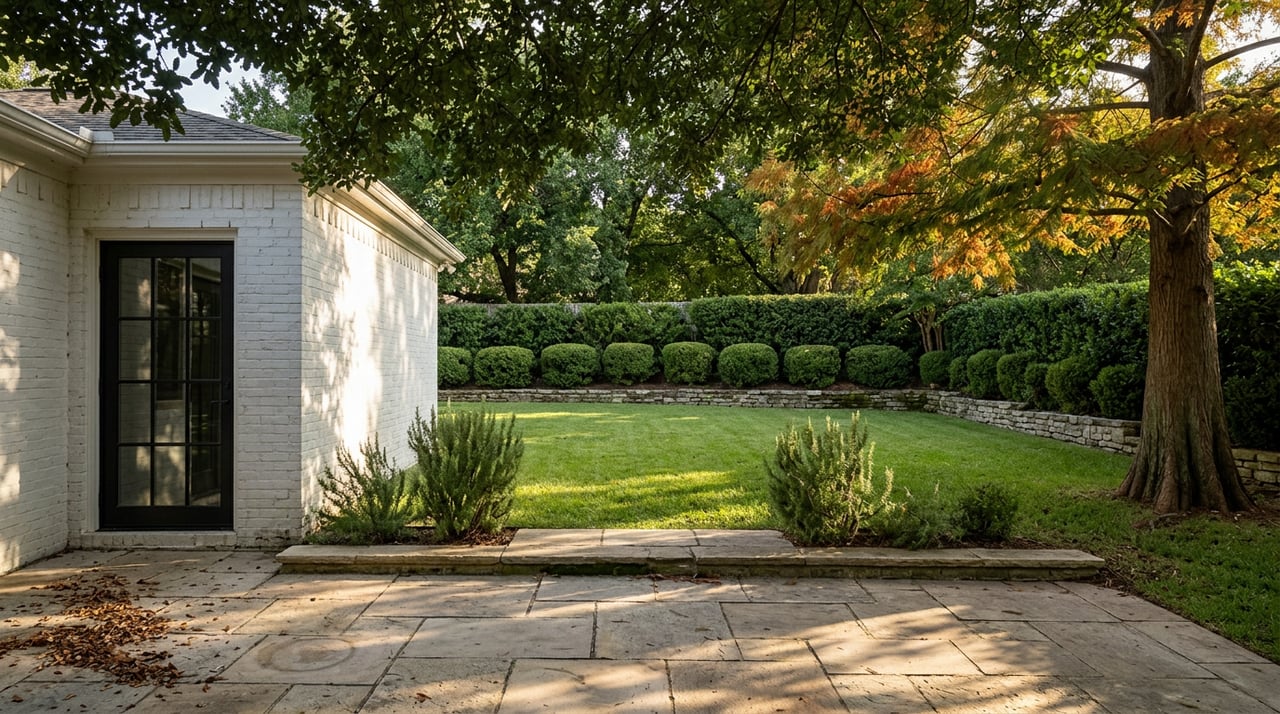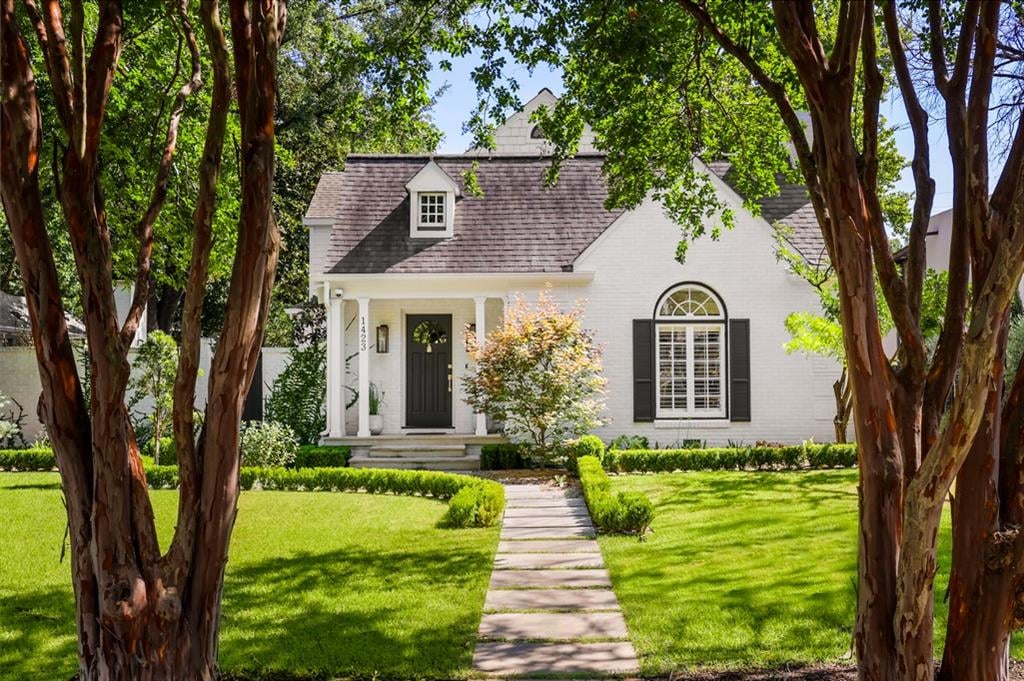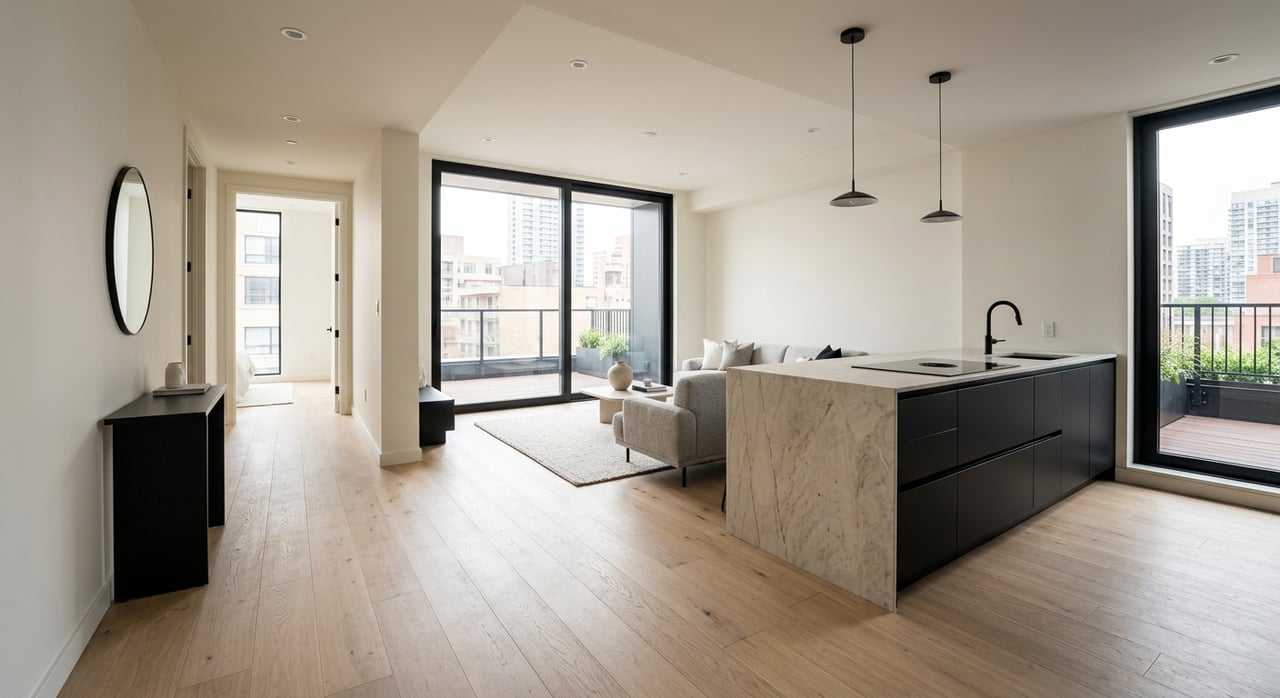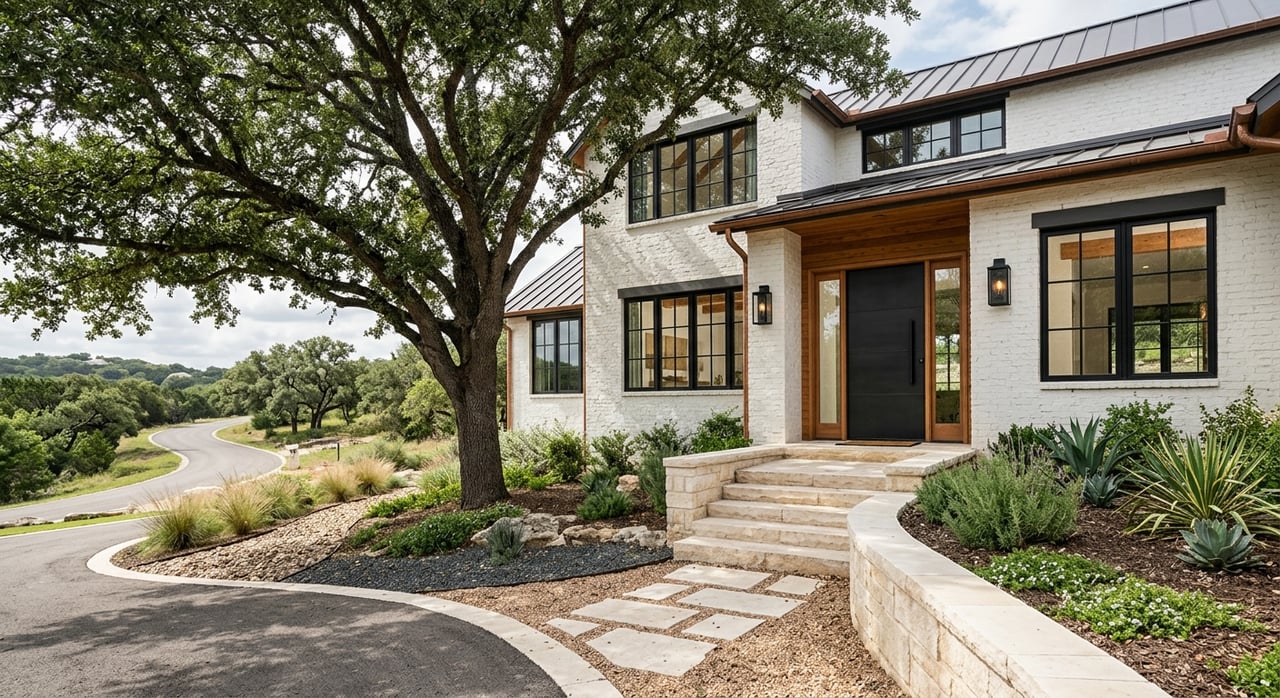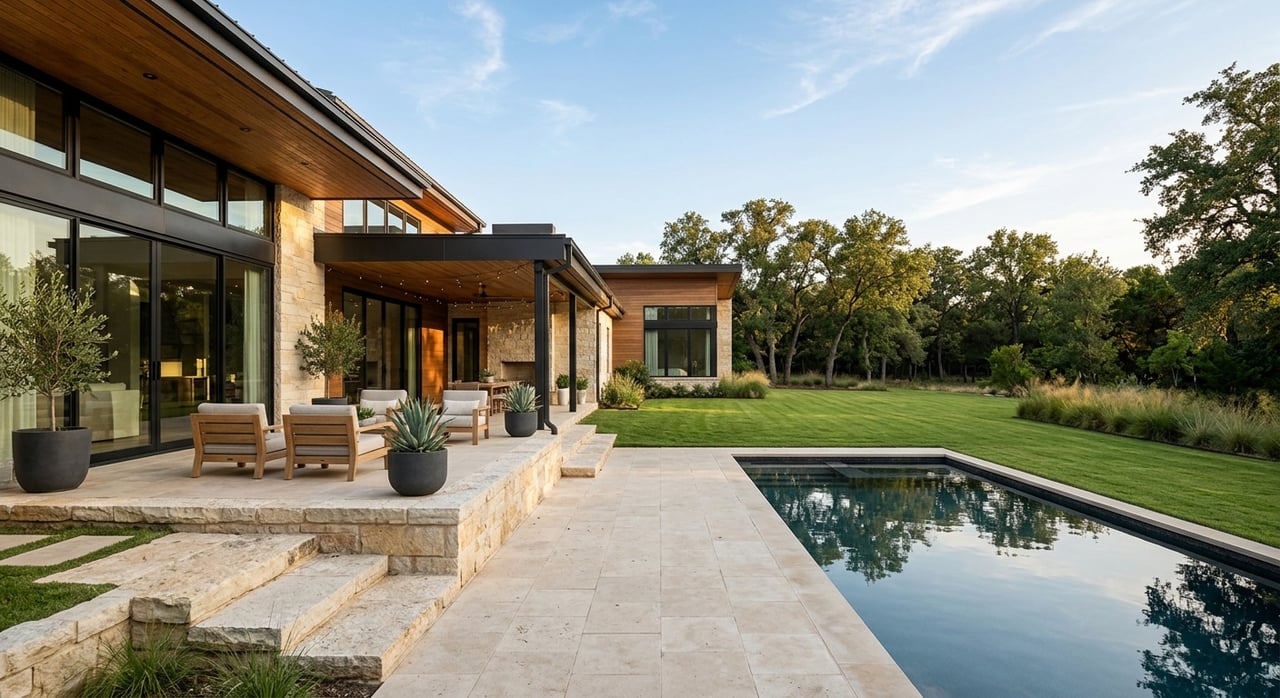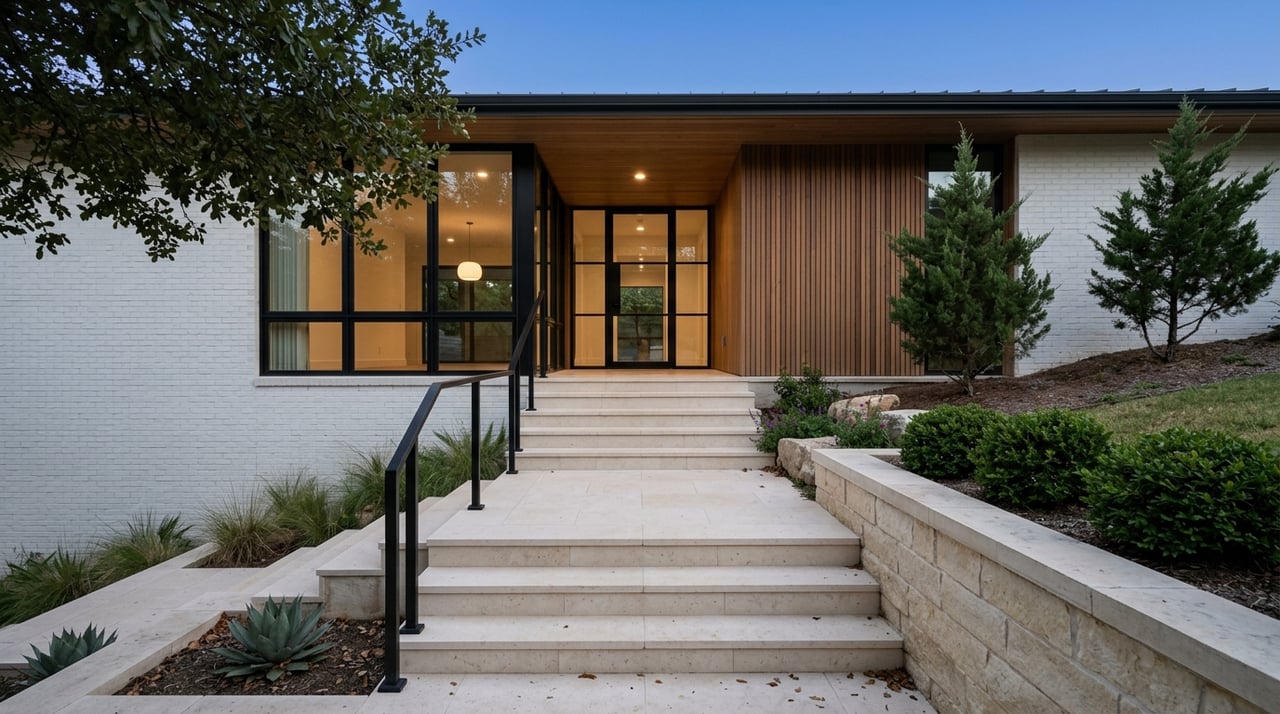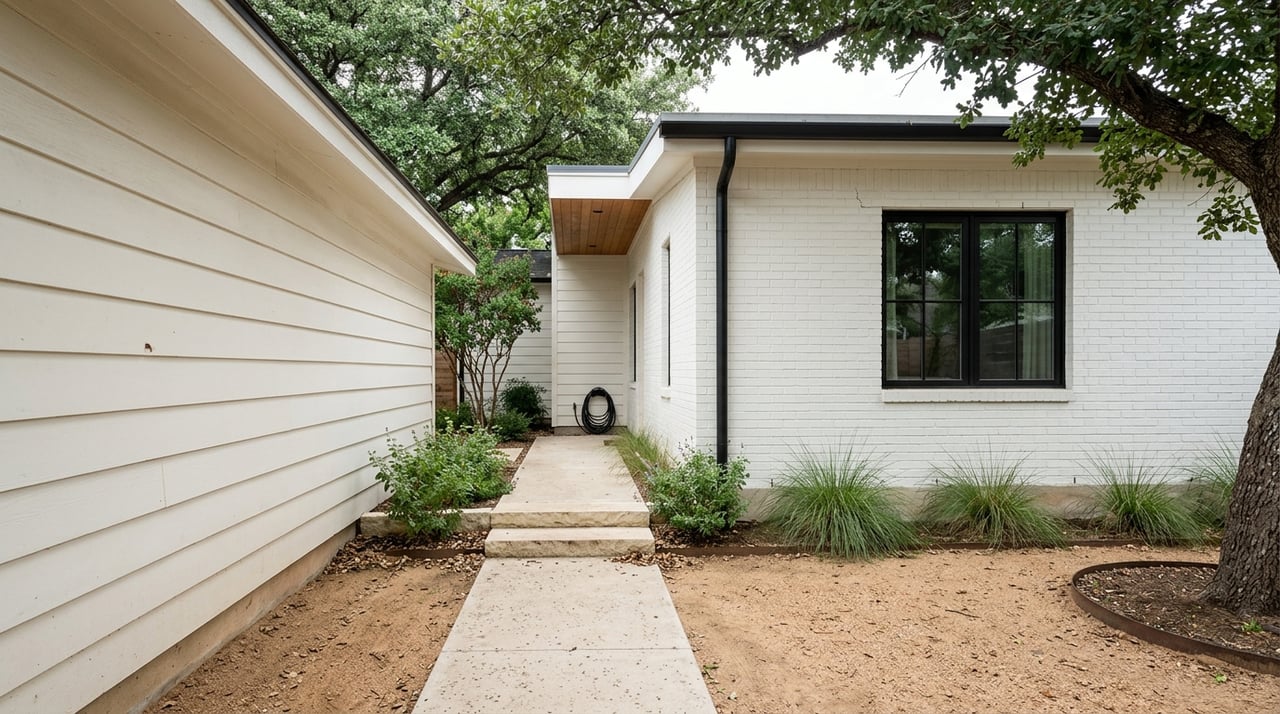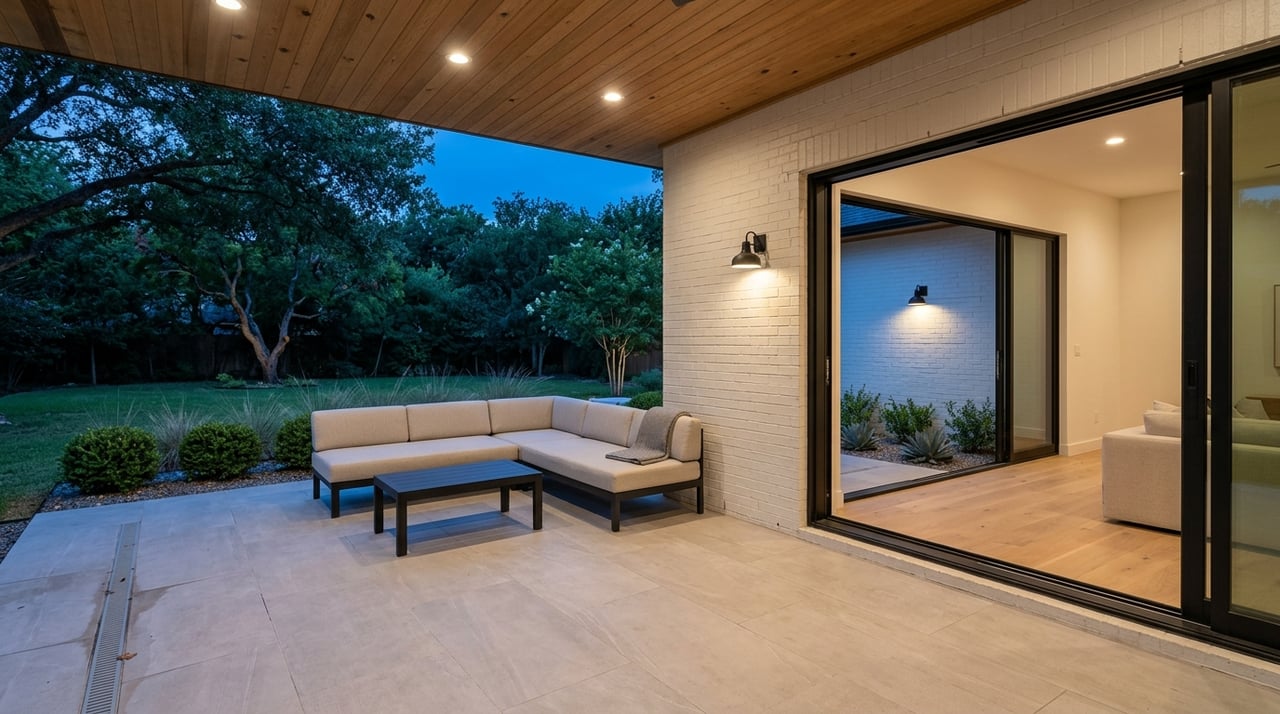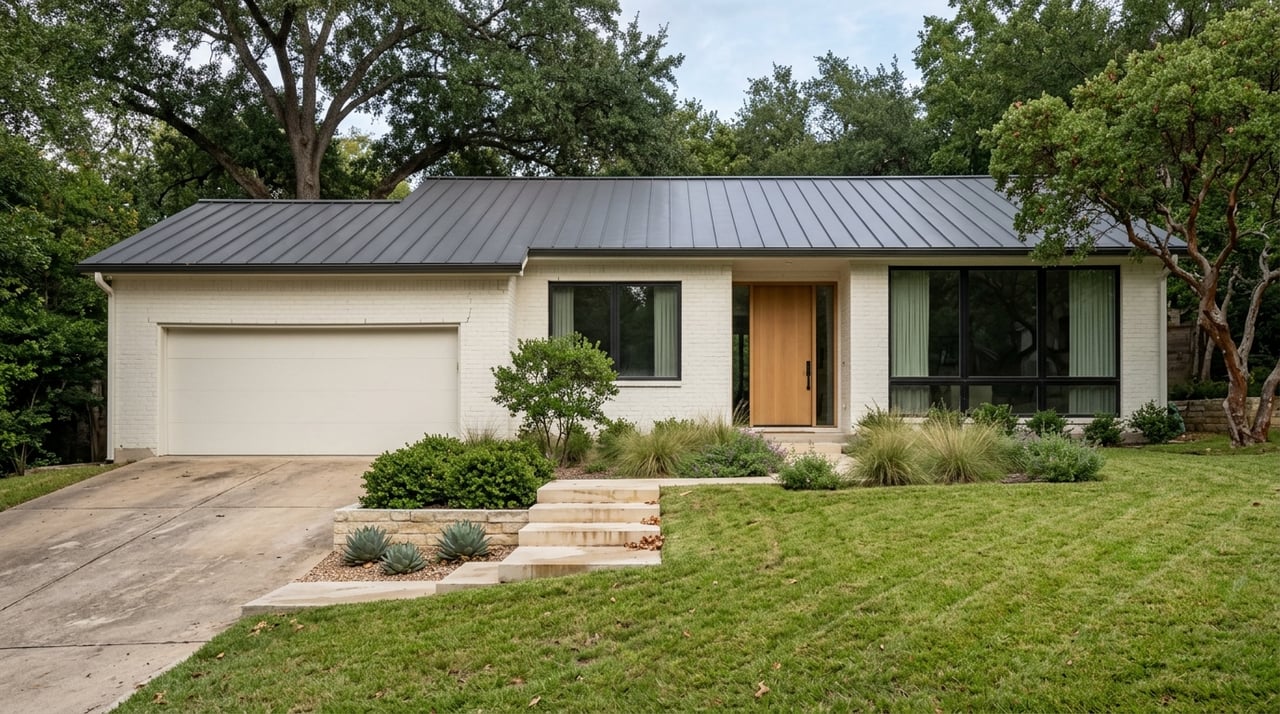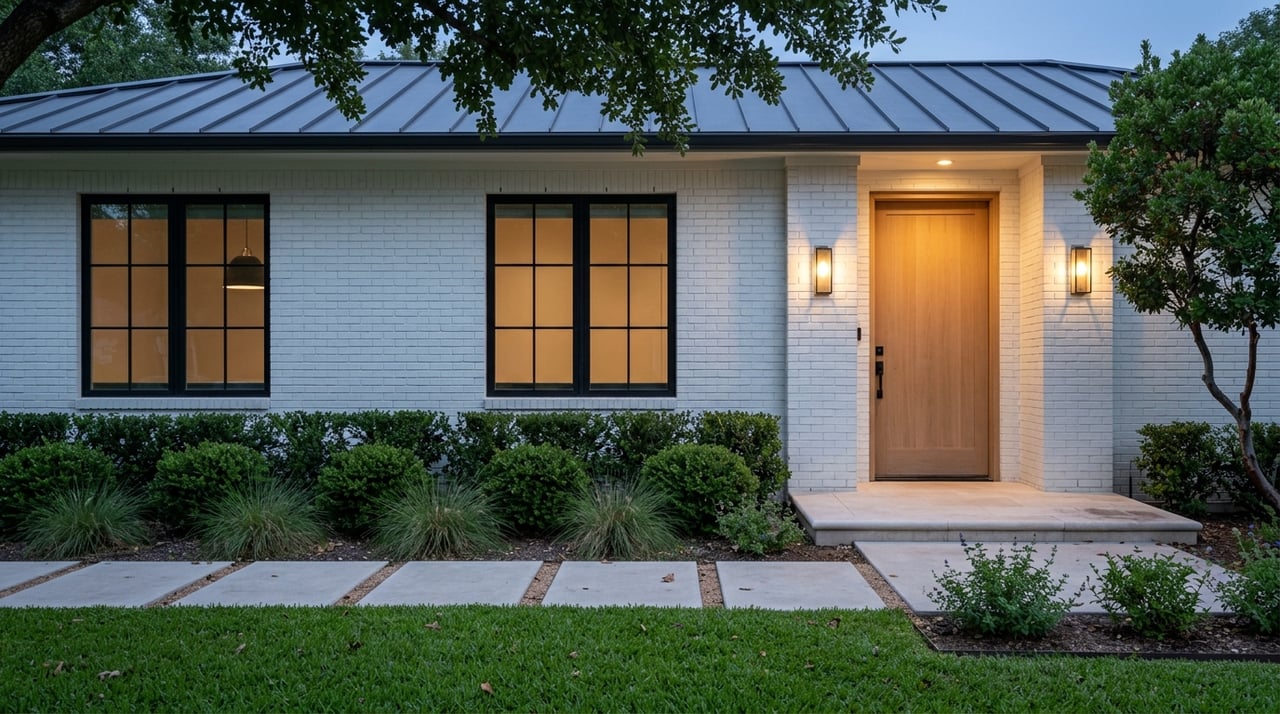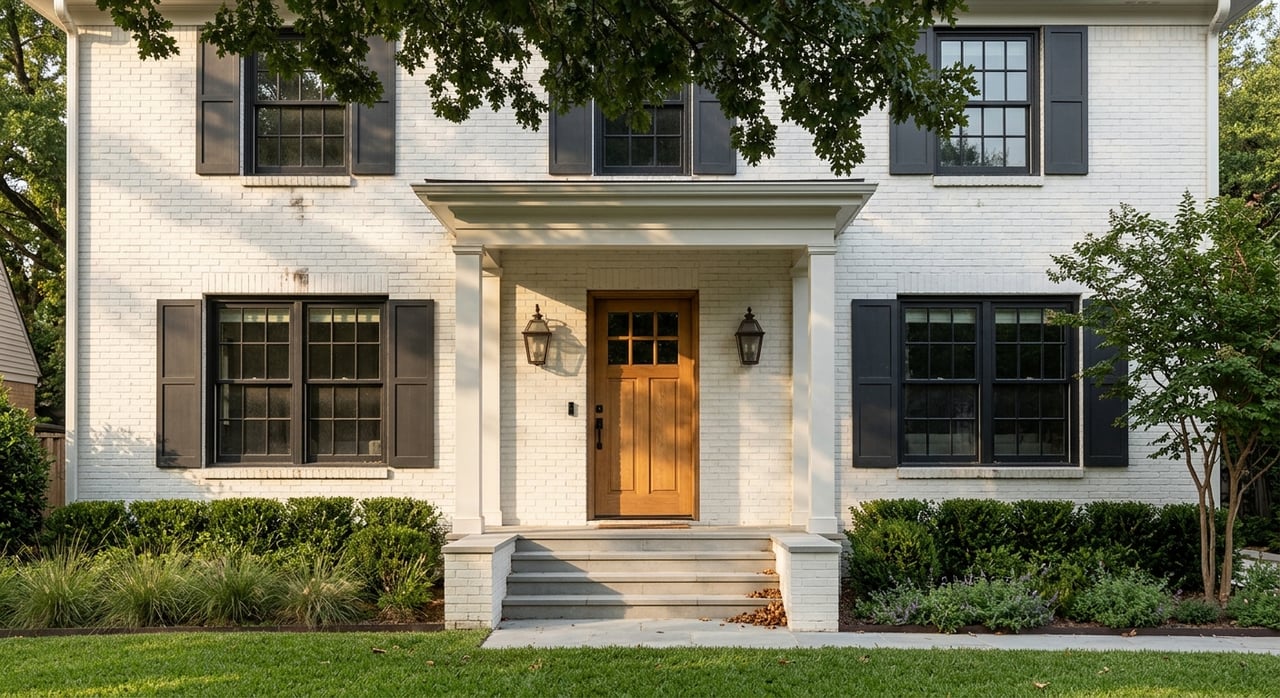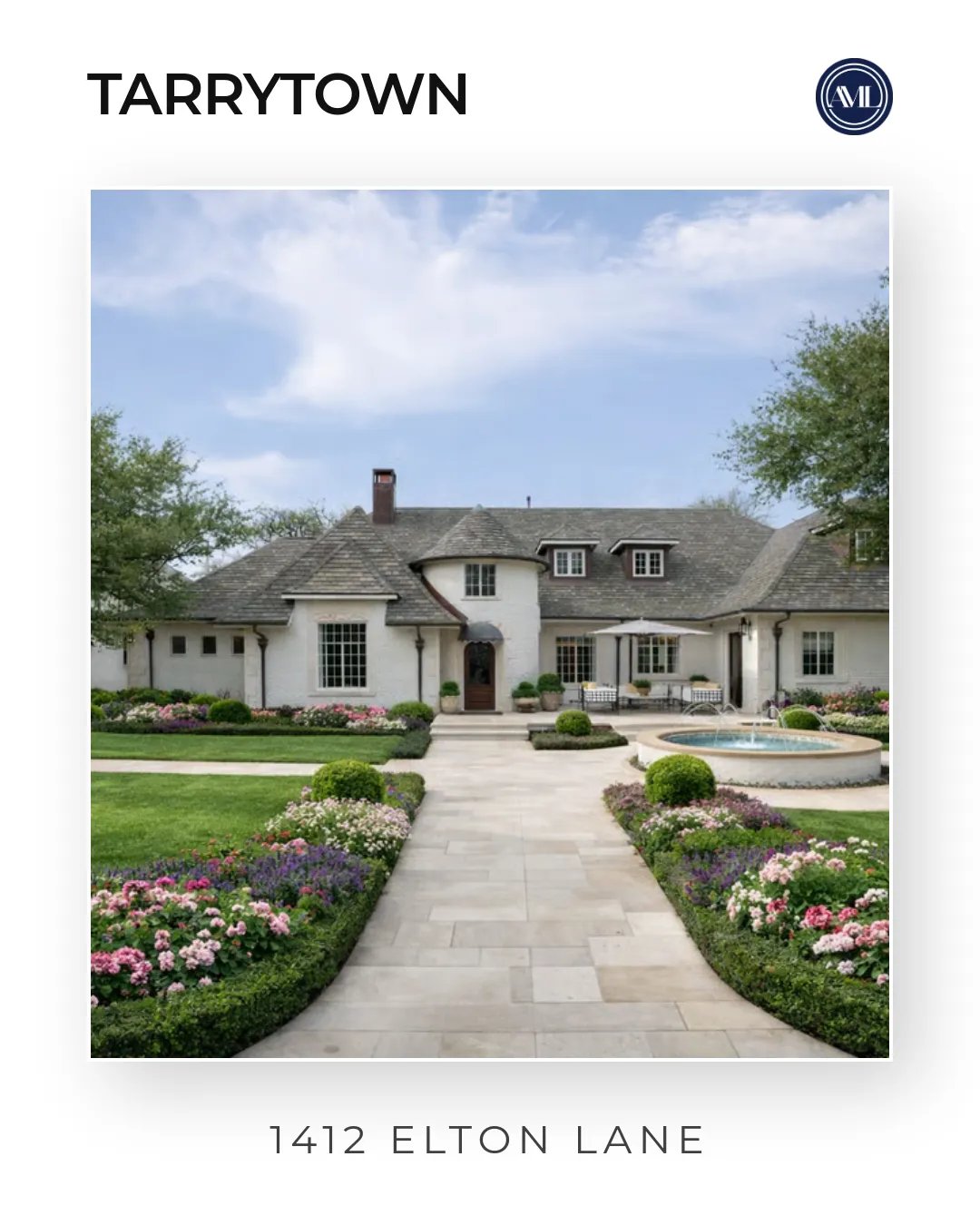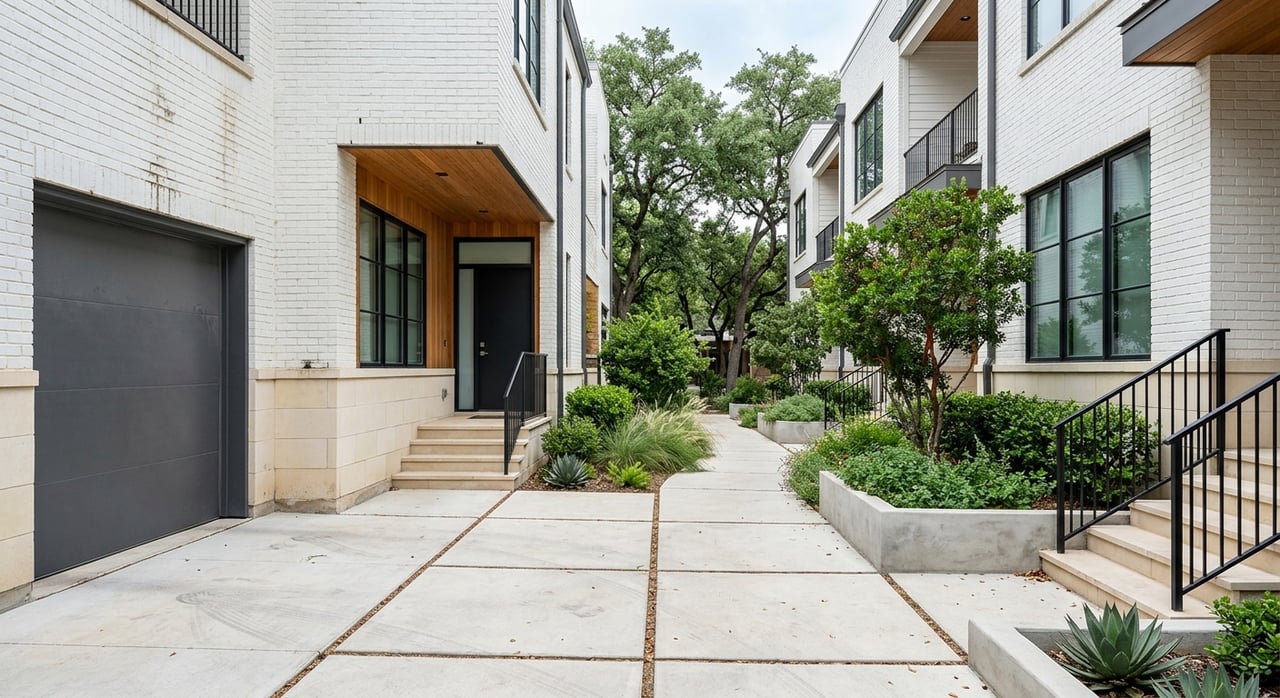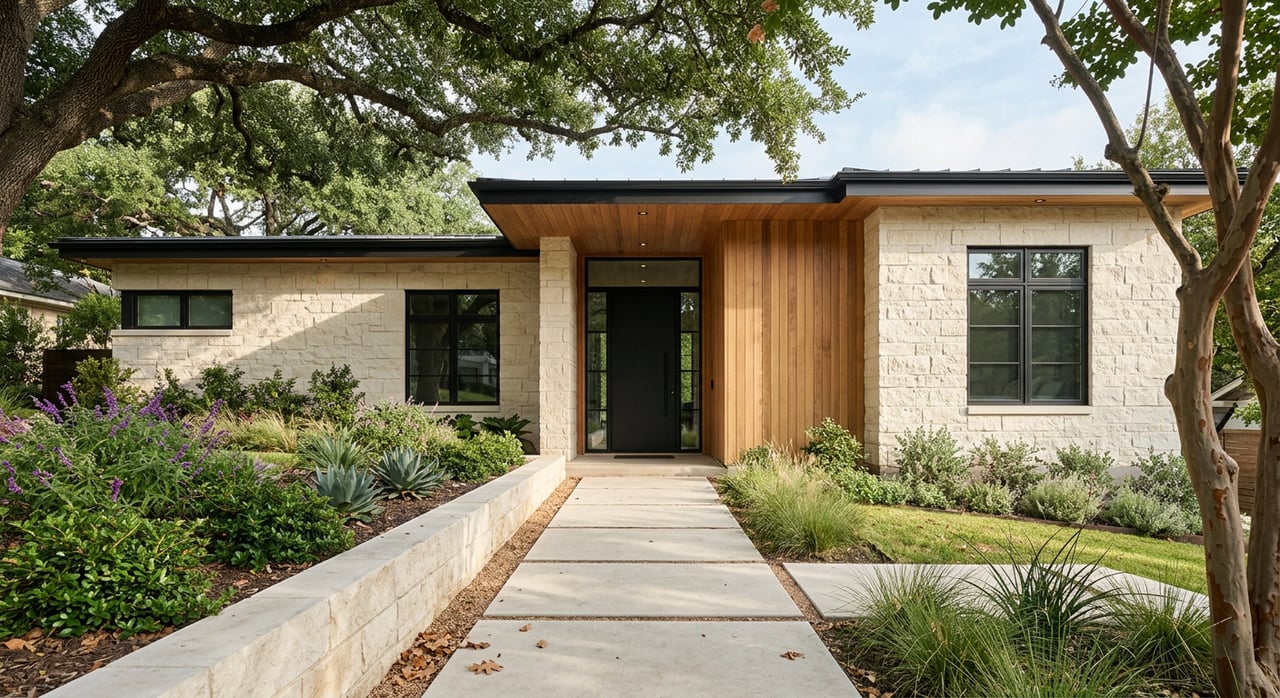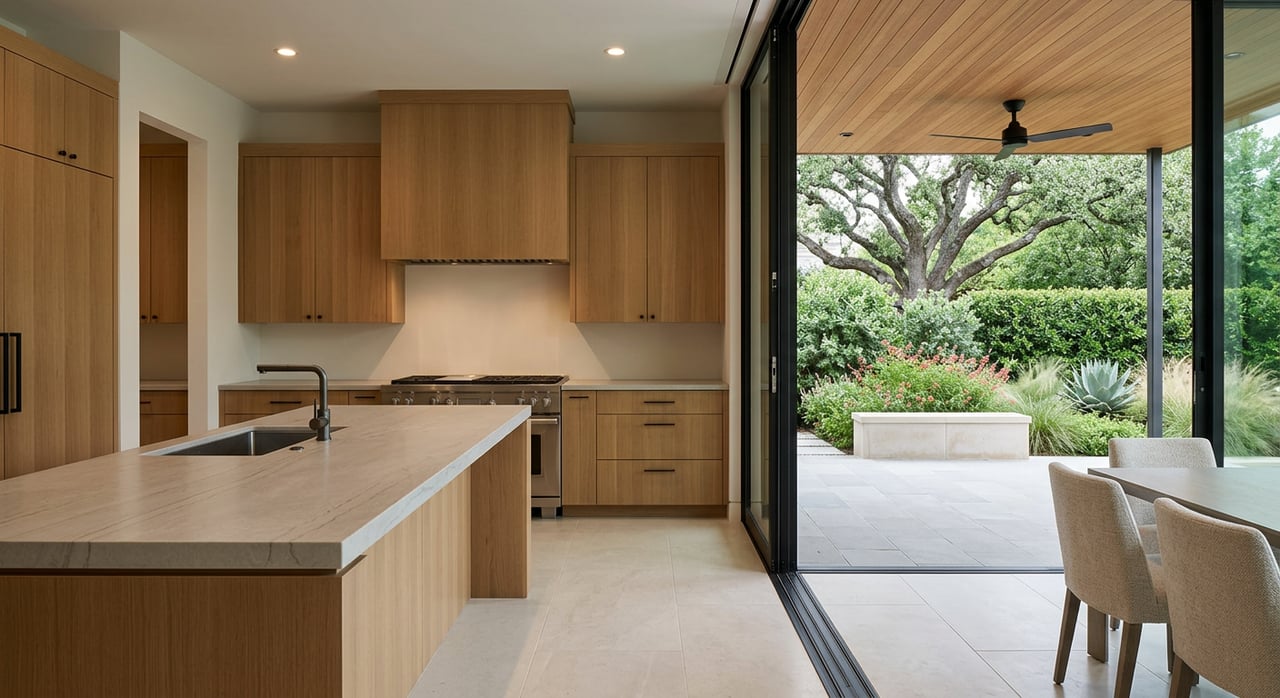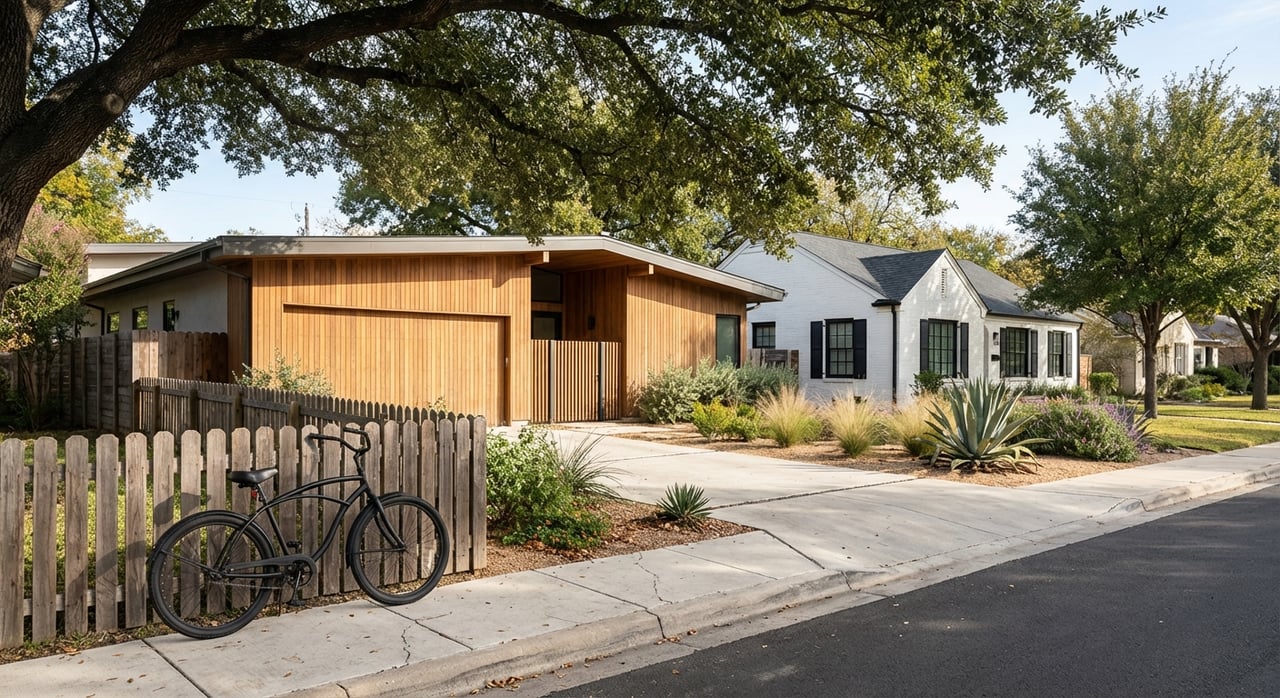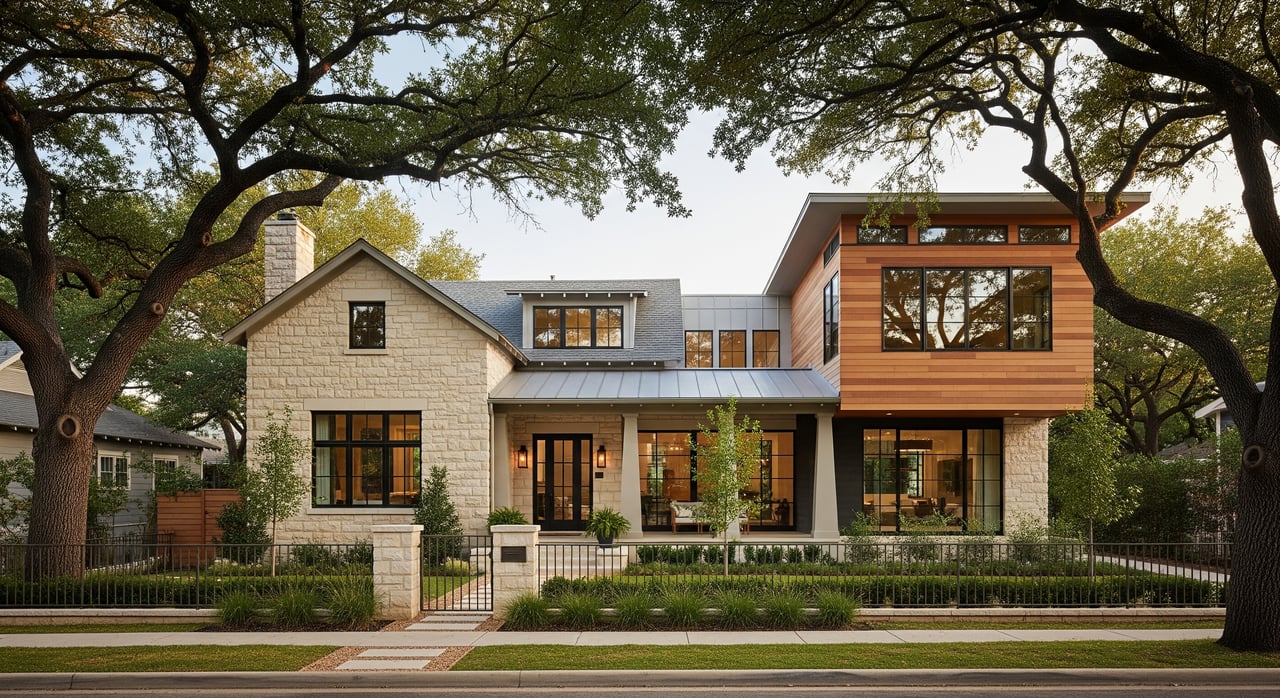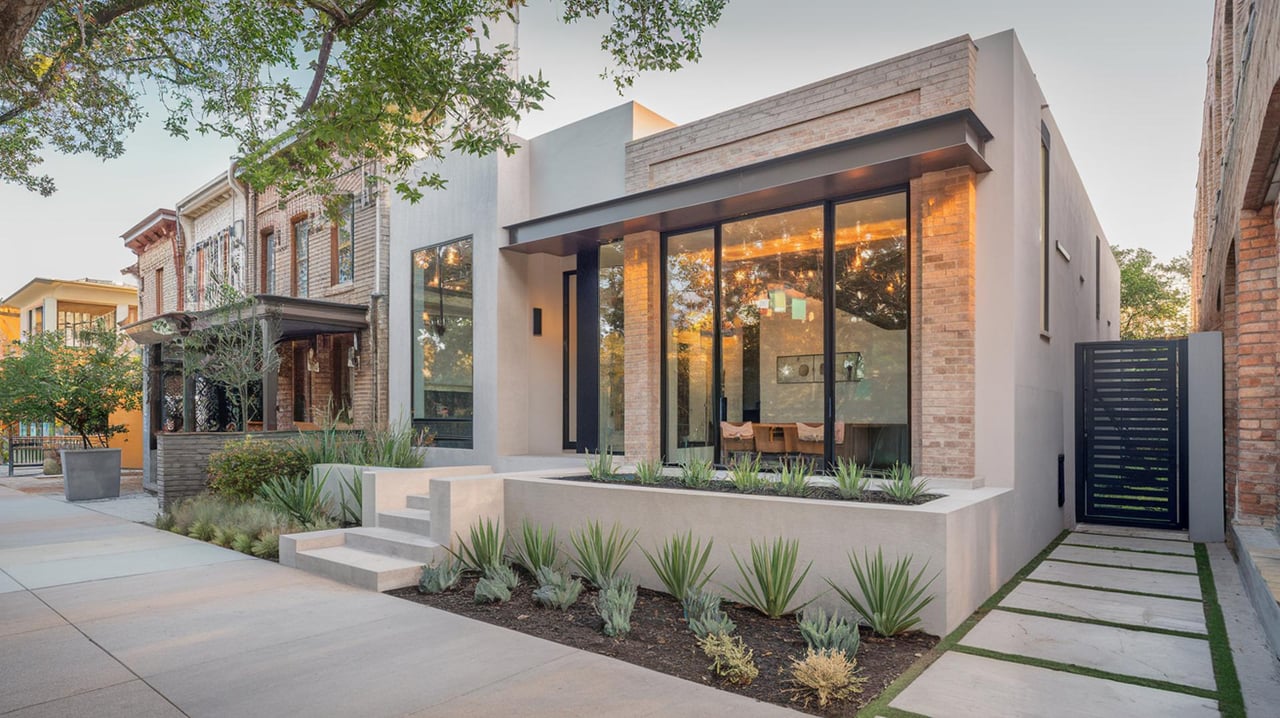
Wondering how to prepare a historic Clarksville home for sale without sanding away the very character that makes it special? If you own a home here, you are not just listing a property in central Austin. You are bringing a piece of a nationally recognized historic district to market, and that calls for a thoughtful plan. This guide will help you understand how to prep, position, and present your home so you can protect its story while maximizing its appeal. Let’s dive in.
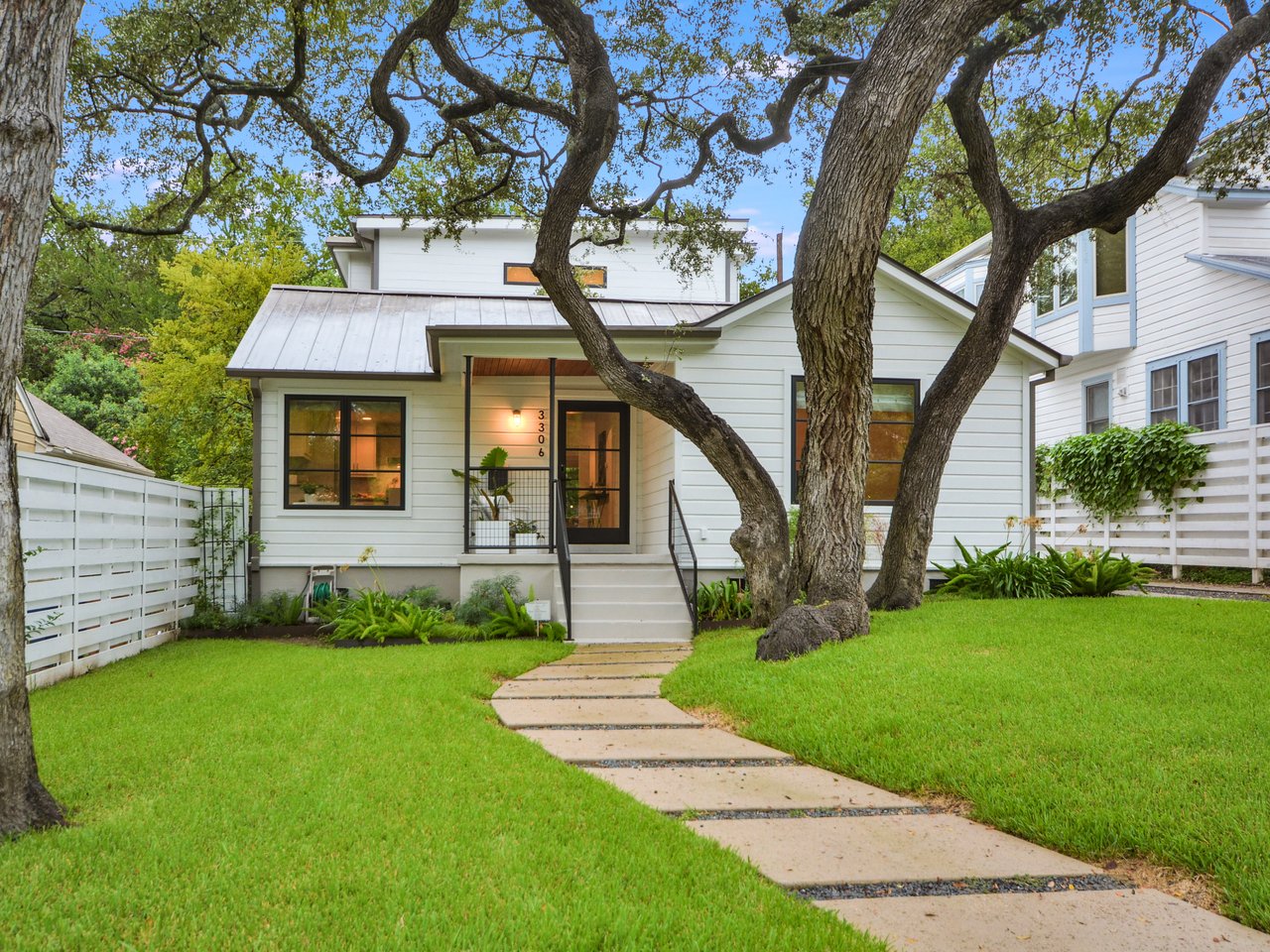
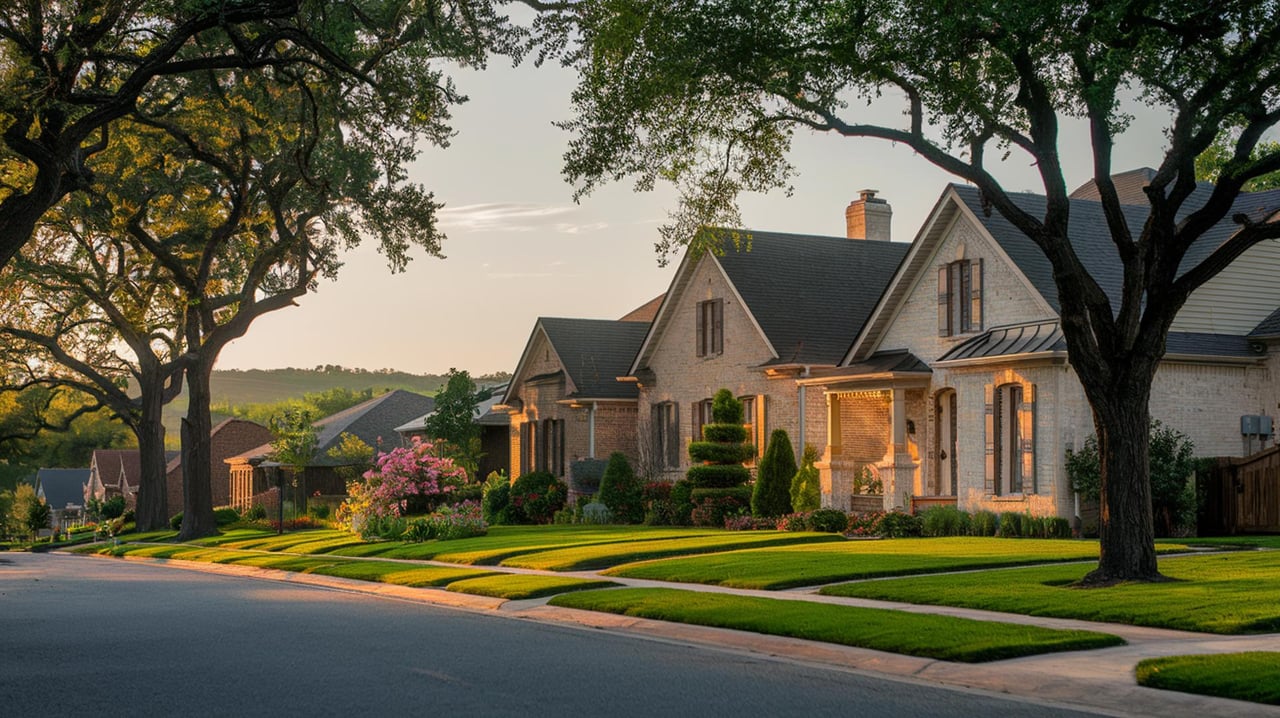
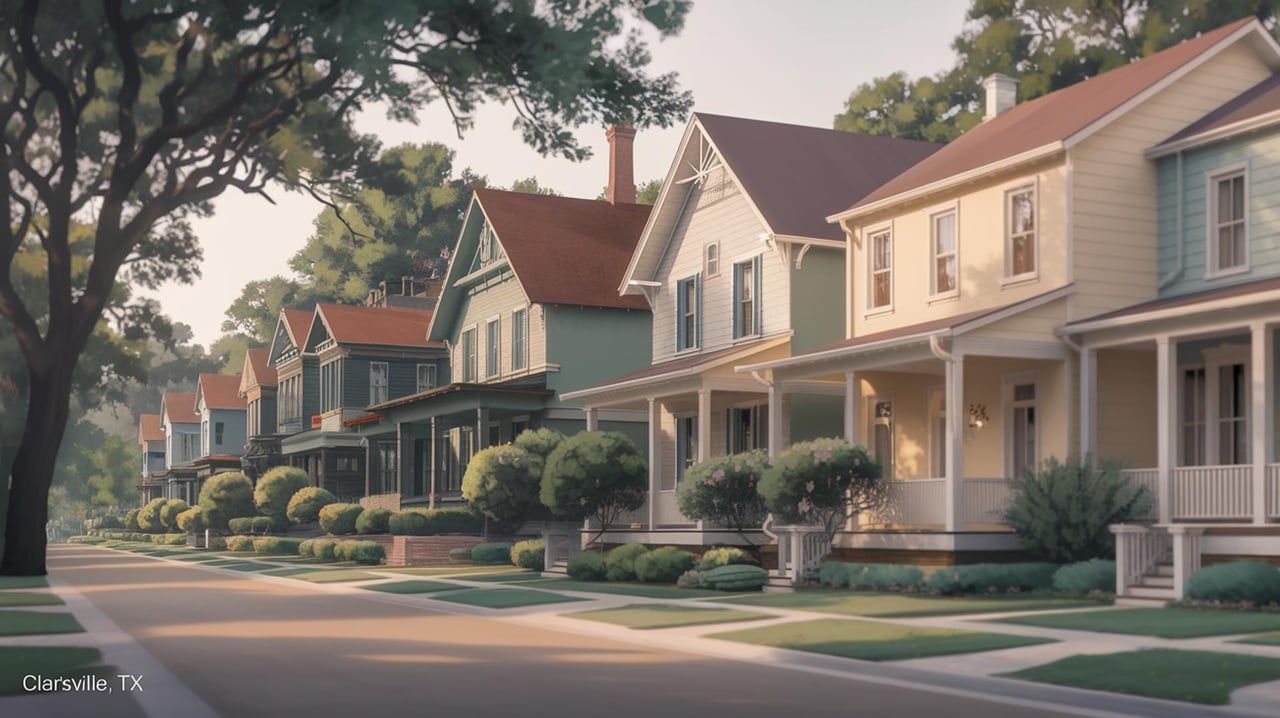
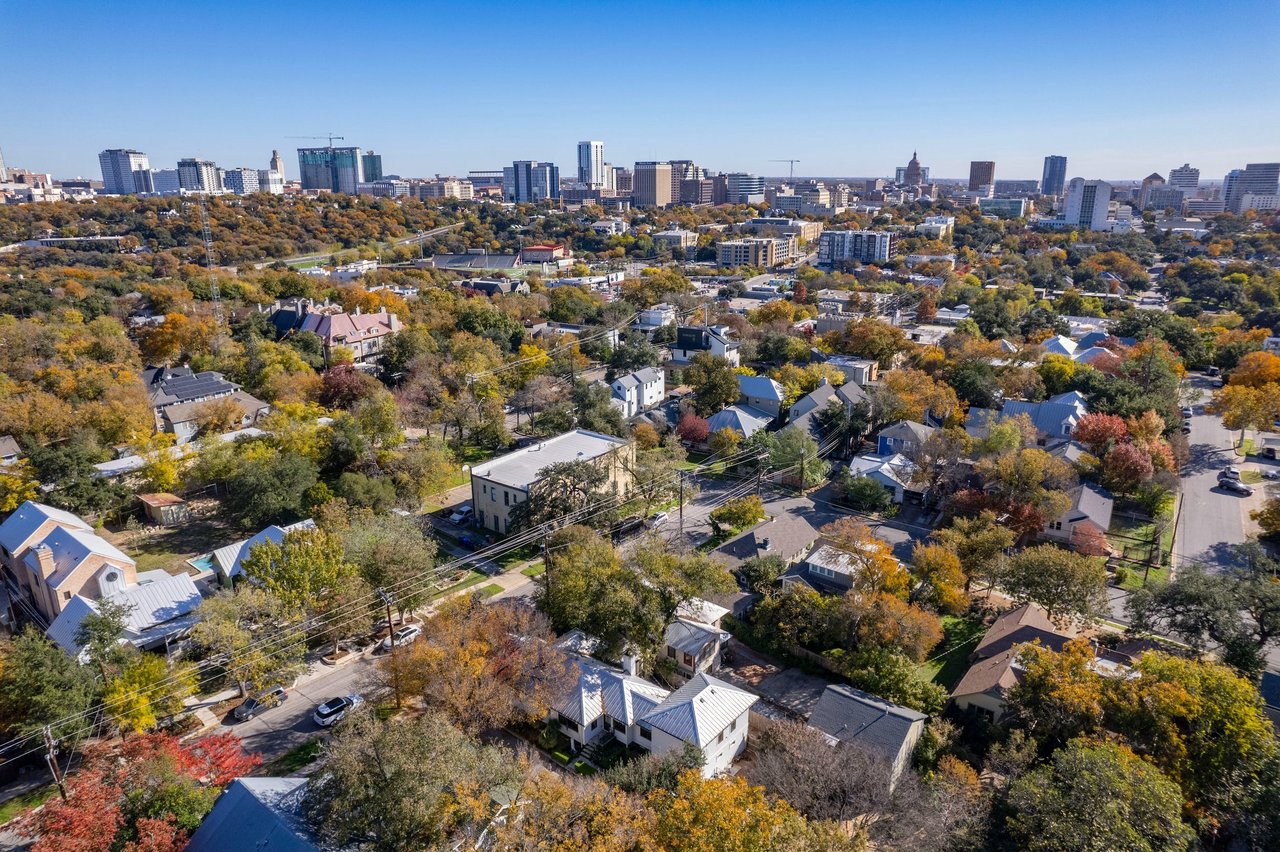
Clarksville is a National Register Historic District in Austin, bounded by W. Lynn, Waterson, W. 10th, and Mo-PAC, and it was listed in 1976. The Texas Historical Commission identifies the district’s significance in Black ethnic heritage, exploration and settlement, architecture, and social history. Documented architectural styles include Bungalow/Craftsman and Late Victorian.
Austin Parks and Recreation also describes Clarksville as a Freedom Colony established by formerly enslaved people after the Civil War. The Haskell House, built in 1879, is described by the City as the oldest registered structure in Clarksville and sits in the heart of the neighborhood. For sellers, that history matters because buyers are often responding to more than square footage. They are also responding to authenticity, original materials, and a home’s place within the neighborhood’s larger story.
If you are thinking about exterior updates before listing, timing matters. Austin’s Historic Preservation Office says properties in National Register historic districts require a historic review application for exterior alterations, additions, permanent site work, signs, and stand-alone new construction. That means even well-intended pre-sale improvements may need review before you move forward.
The City’s permit guidance also shows that replacement windows, doors, and roofing materials can require review in a National Register district, even when a building permit may not be required. At the same time, minor maintenance with no paint-color change and minor in-kind repairs are treated differently. In plain terms, some projects are straightforward, while others can affect your timeline if you wait too long to investigate them.
Before starting exterior work, it is wise to confirm whether your planned updates fall into a review category. Sellers in Clarksville should be especially careful with:
Austin publishes monthly Historic Landmark Commission deadlines, and applicants are expected to submit a complete package before the hearing. The permit is not released until review is complete. If your listing timeline is tight, this is a strong reason to sort out review questions early instead of treating them as a last-minute item.
One of the most common mistakes with historic homes is over-updating them. Austin’s National Register district guidelines emphasize preserving original qualities and avoiding changes that create a false earlier appearance. The guidance also recommends repairing deteriorated features rather than replacing them whenever possible.
When replacement is necessary, the new material should match the old in composition, design, color, texture, and other visual qualities. The City also notes that contemporary alterations and additions can be appropriate when they remain compatible with the size, scale, color, material, and character of the property and neighborhood. That means buyers are often best served by a home that feels well cared for and honest, not one that has been pushed into a generic remodel.
For many Clarksville sellers, the best pre-market strategy is selective rehabilitation. That usually means keeping what contributes to the home’s identity, repairing where you can, and making carefully chosen improvements where they add function and presentation value.
A thoughtful seller plan often includes:
This kind of restraint tends to support trust. It also helps buyers understand the home on its own terms.
Windows are a common pre-listing question in Clarksville. According to the City’s permit table, replacement windows in a National Register district may require historic review. The safer assumption is that exterior window changes should be checked before any contractor is hired or materials are ordered.
National Park Service guidance supports a repair-first mindset for historic windows. It says windows should be repaired first and replaced only when deterioration warrants it, and that documentation of condition matters. It also notes that energy or code concerns alone are not, by themselves, reasons to replace historic windows.
Not every repair leads to a hearing. The City distinguishes minor maintenance and in-kind repairs from broader exterior or site changes. If your home needs touch-up work, small repairs, or maintenance that does not alter the character of the exterior, the process may be more straightforward than you expect.
That said, clarity matters. Before listing, you want confidence that your improvements are complete, appropriate, and unlikely to surprise a buyer during due diligence.
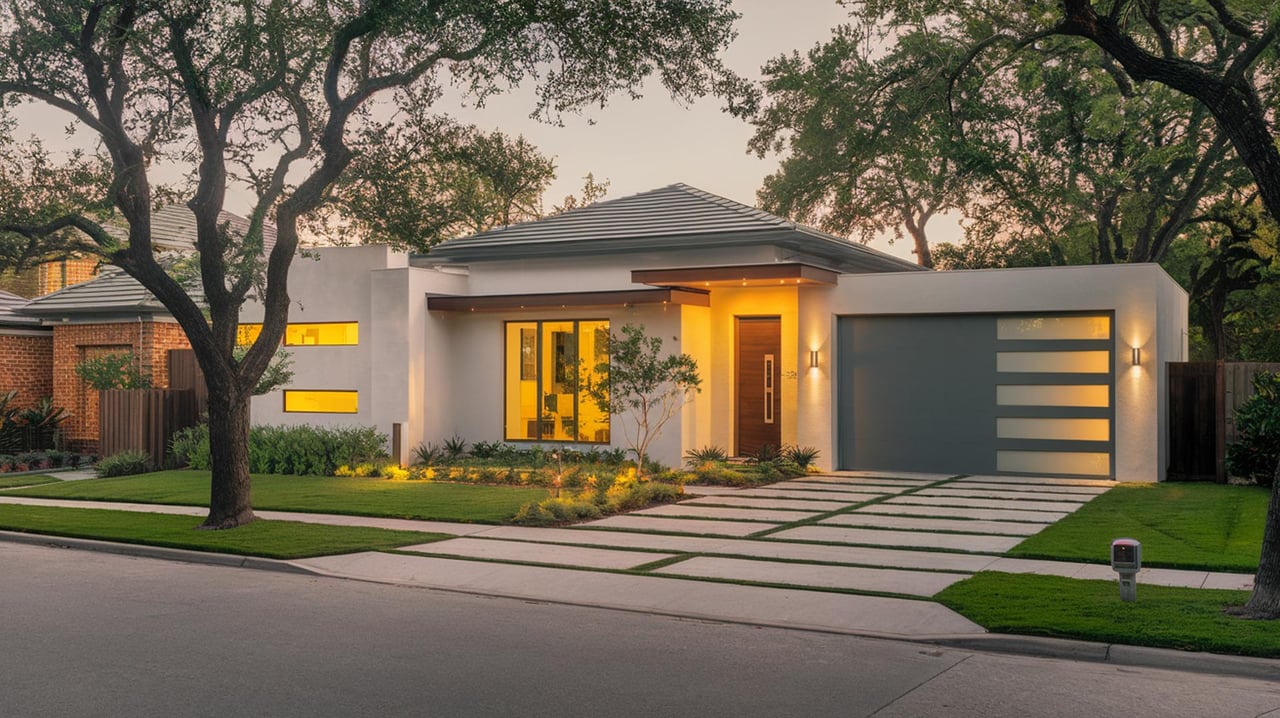
If your property includes newer work or if you are considering improvements before selling, compatibility matters. Austin’s guidelines say new work should be compatible with the historic property and neighborhood. The National Park Service similarly recommends that additions preserve significant features, remain compatible in massing, size, scale, and architectural features, and stay visually differentiated from the historic structure.
The same guidance recommends placing additions at the rear or another less conspicuous side when possible. For sellers, this is useful because it shapes how your home should be marketed. Newer work should not be presented as if it is original. Instead, it should be framed as thoughtful, compatible enhancement that respects the historic building.
Historic homes in Clarksville often have smaller or more varied footprints than newer construction. That makes staging especially important. According to the National Association of Realtors’ 2025 staging report, 83% of buyers’ agents said staging made it easier for buyers to visualize a future home, 49% of sellers’ agents said staging reduced time on market, and 29% said staging increased the dollar value offered by 1% to 10%.
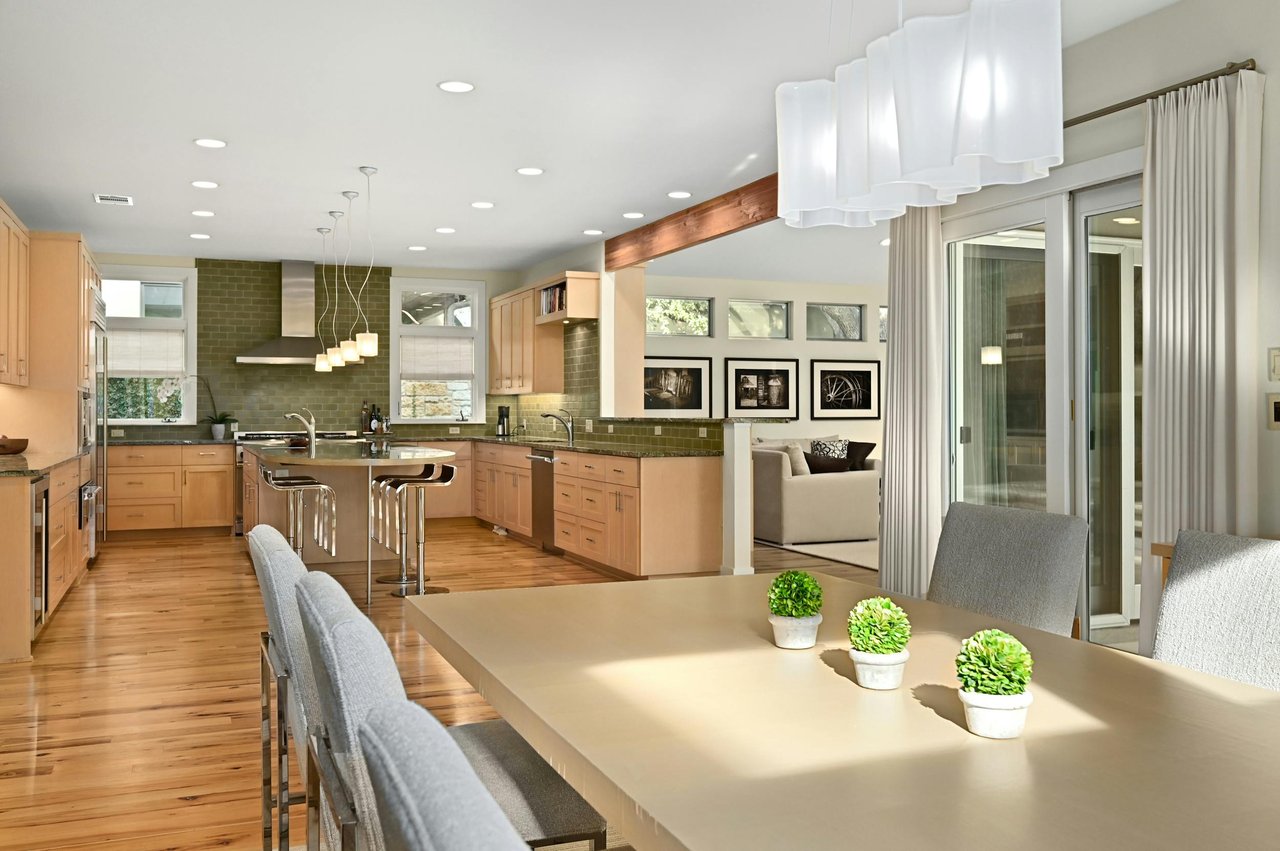
The most commonly staged rooms were the living room, primary bedroom, dining room, and kitchen. On the seller prep side, the most common recommendations were decluttering, deep cleaning, and improving curb appeal. For a Clarksville listing, those findings point toward a simple goal: help buyers read the home clearly.
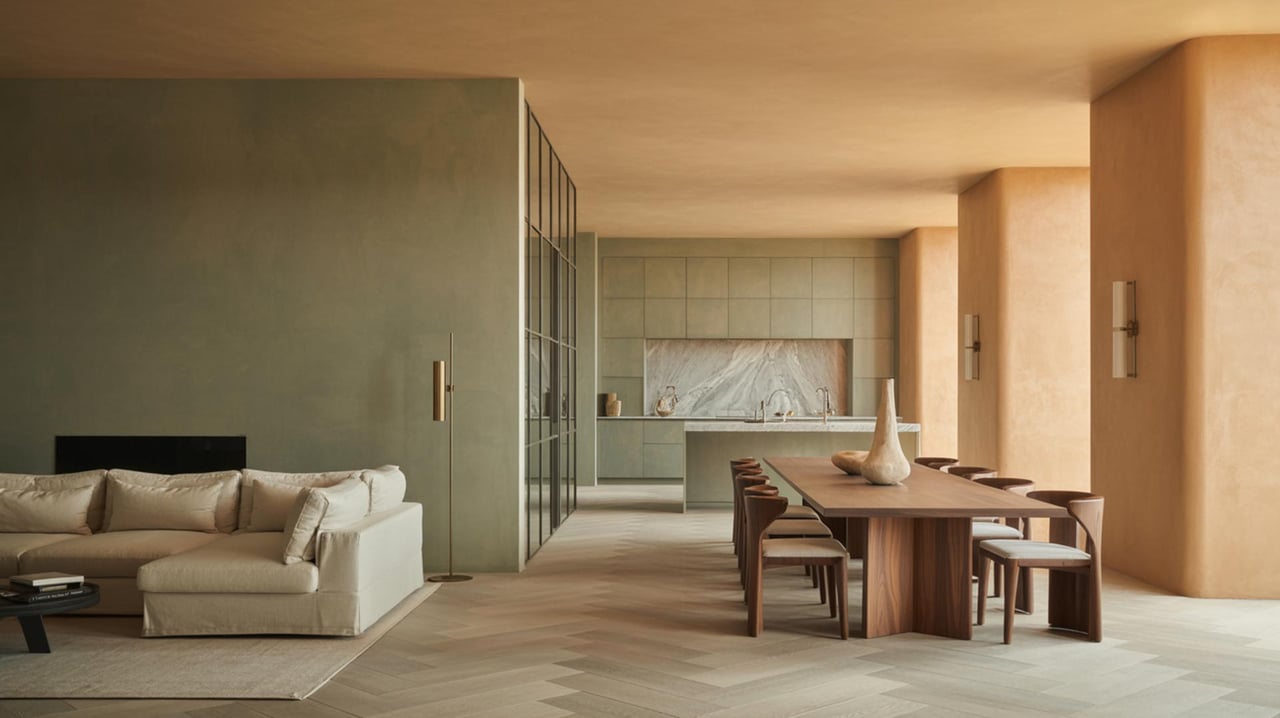
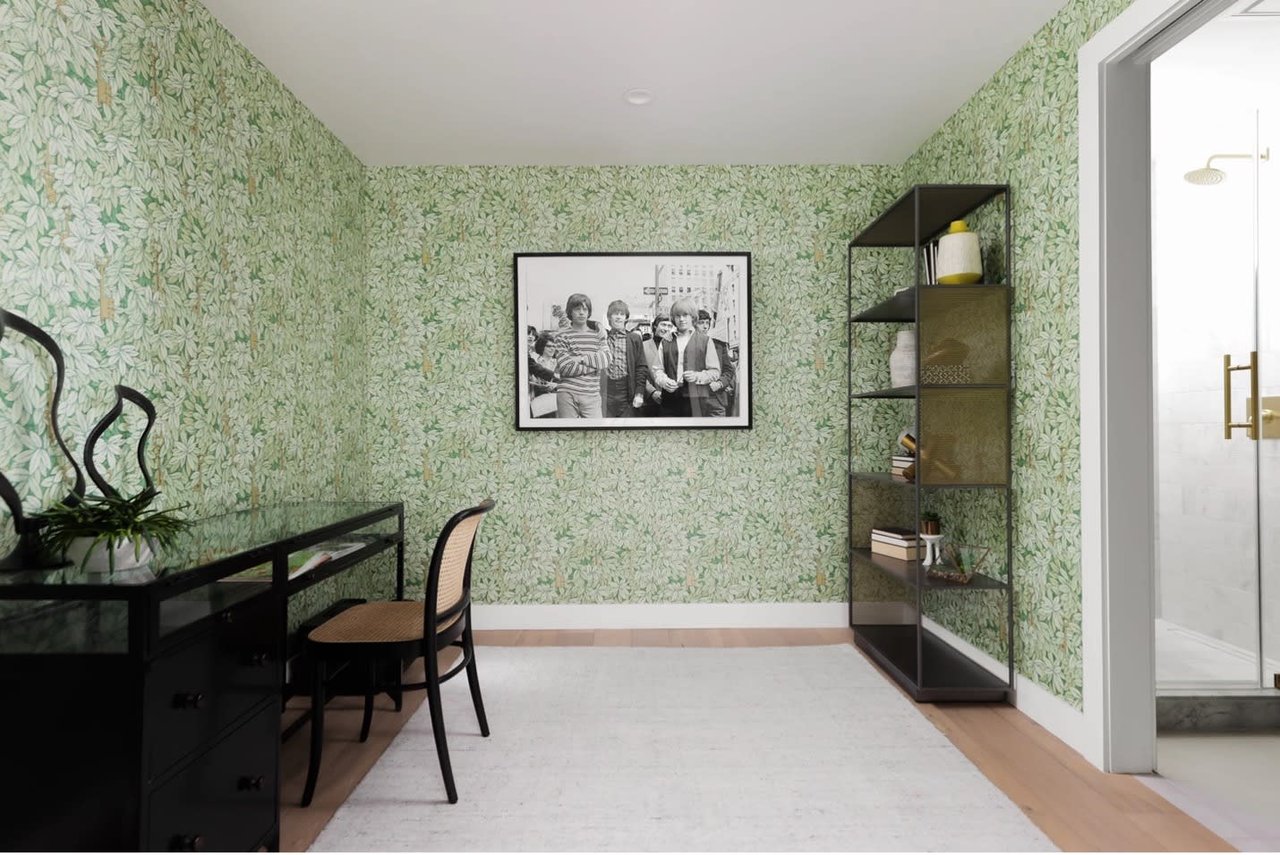
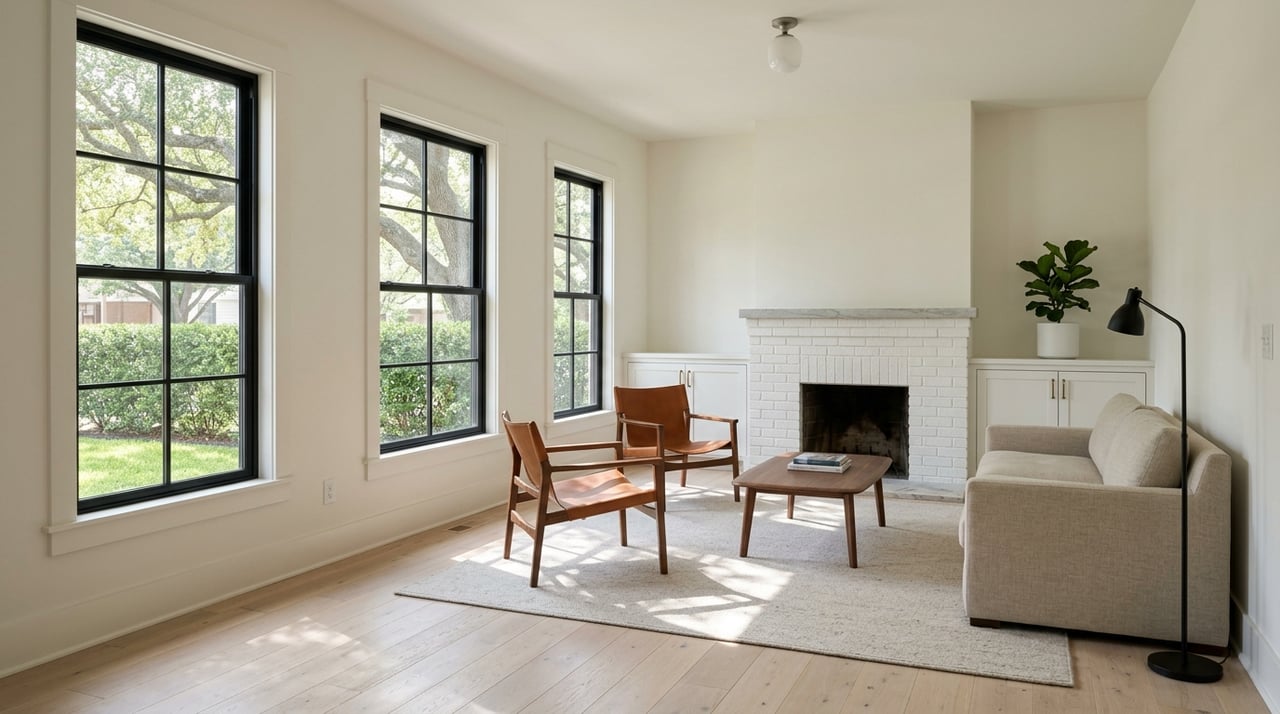
When a home has historic proportions, less is often more. A restrained furniture plan can make rooms feel more usable and can highlight original features instead of competing with them.
Focus on:
In a neighborhood known for architectural variety and historic character, clarity helps buyers connect emotionally with the home.
High-quality visuals matter in every market, but they are especially important for a home where craftsmanship and character drive interest. NAR found that photos were important to 73% of buyers’ agents, while physical staging, video, and virtual tours were also highly valued. That makes premium media an important part of the listing strategy.
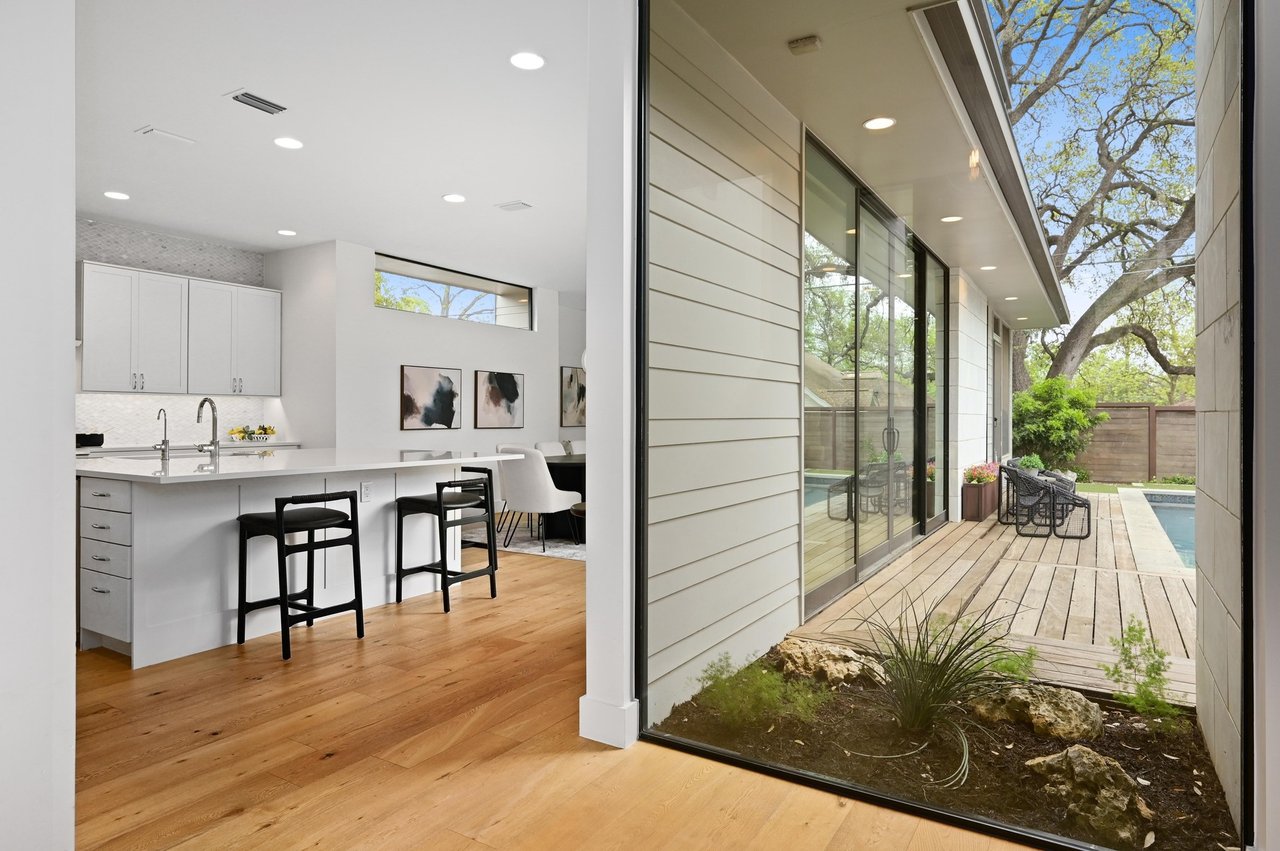
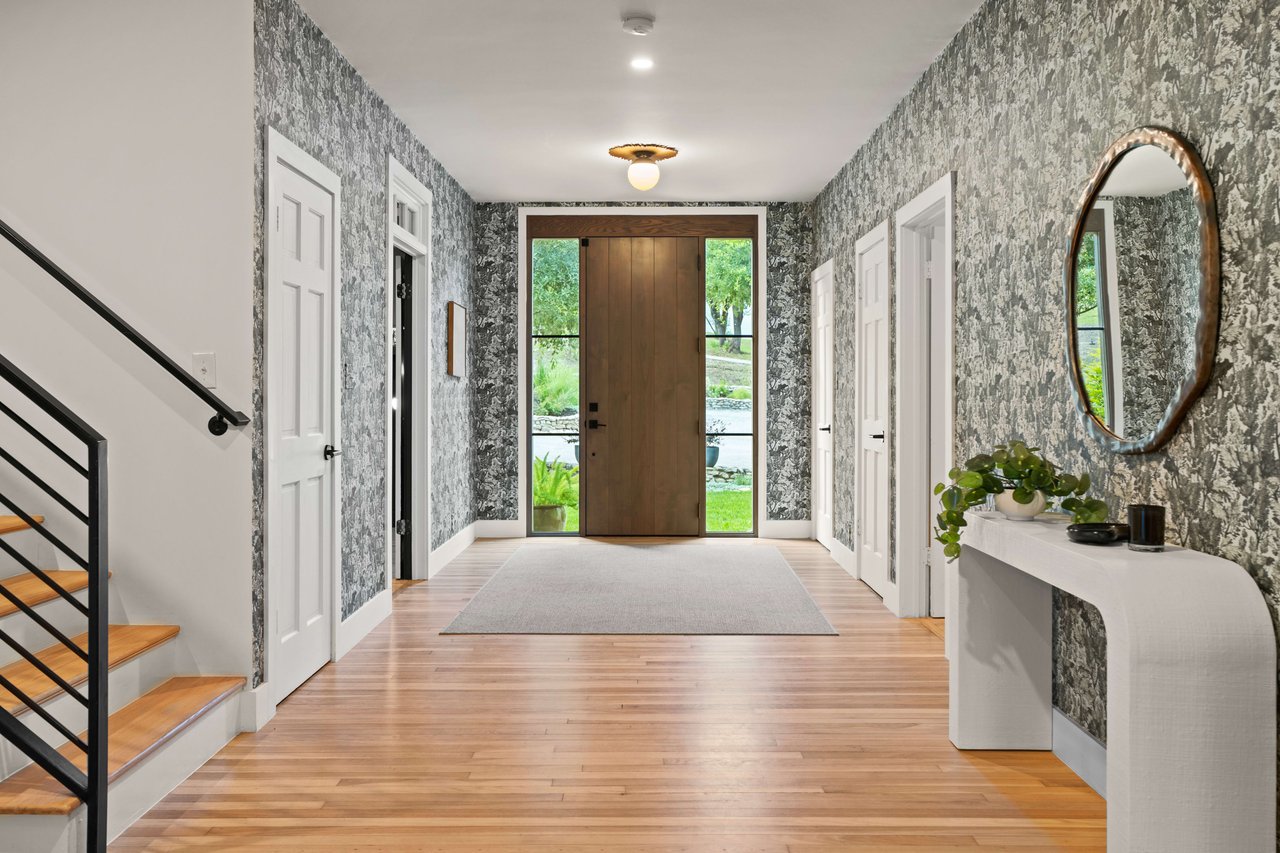
For Clarksville, strong visuals should do more than document rooms. They should show scale, original details, repaired historic elements, and the relationship between old and new features. When done well, photography and motion media help buyers understand what makes the home distinctive before they ever step inside.
The strongest marketing angle for a Clarksville home is rooted in facts. Clarksville is a Freedom Colony, a National Register historic district, and a neighborhood with documented Black heritage and 19th- and early 20th-century architecture. That history gives your listing context and depth.
Your marketing copy should also distinguish original fabric, repaired historic elements, and newer work. Both the City and the National Park Service emphasize that new work should be compatible and recognizable as new, rather than imitating historic features so closely that the distinction becomes unclear. Buyers tend to respond well to that honesty because it reads as careful stewardship.
When your home hits the market, buyers should be able to grasp three things right away:
That is where an experienced, neighborhood-focused strategy makes a real difference. A home like this deserves pricing, staging, presentation, and negotiation that reflect both its market position and its historic context.
Bringing a character home to market in Clarksville is rarely about doing the most. It is about doing the right things in the right order, with respect for the home, the district, and the buyers you want to attract. With early planning, careful pre-listing decisions, and a polished story grounded in fact, you can present your home in a way that feels both elevated and true to place.
If you are preparing to sell a historic home in central Austin, Anna Lee offers boutique, principal-led guidance with deep neighborhood knowledge, strategic presentation, and a thoughtful approach to homes with lasting character.
3825 Lake Austin Blvd Ste 501 Austin TX 78703
3825 Lake Austin Blvd Ste 501 Austin TX 78703