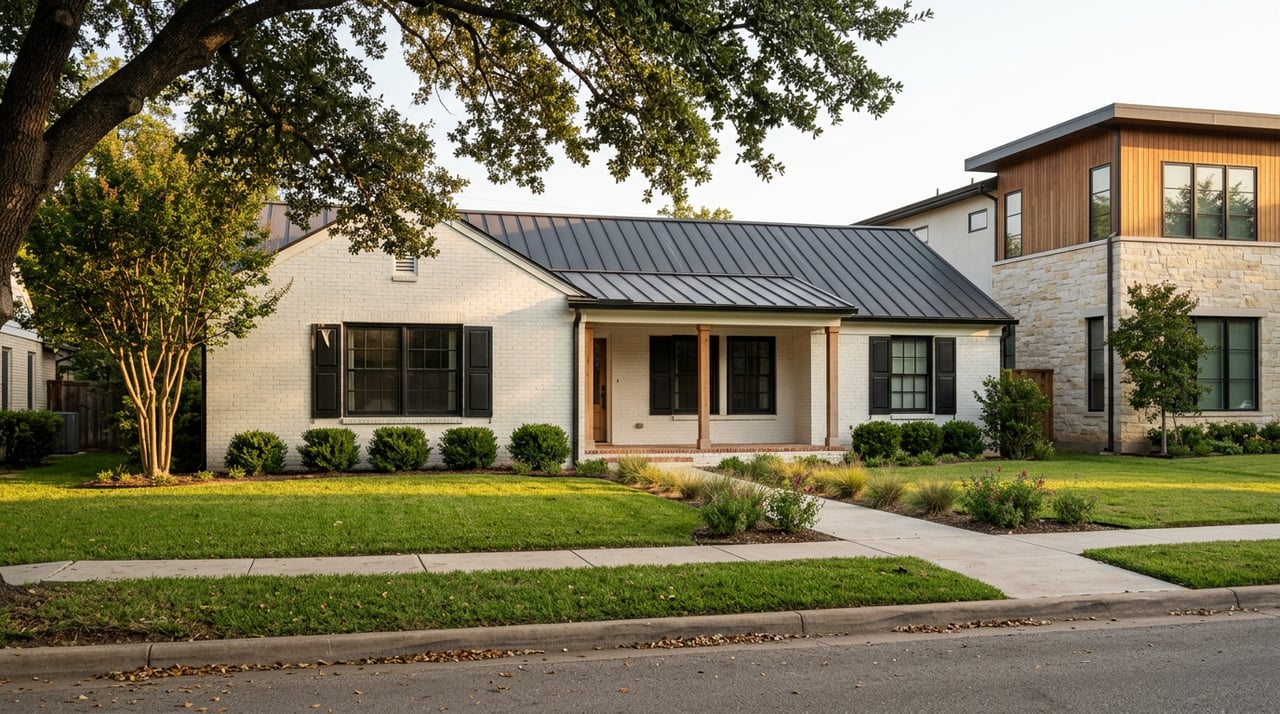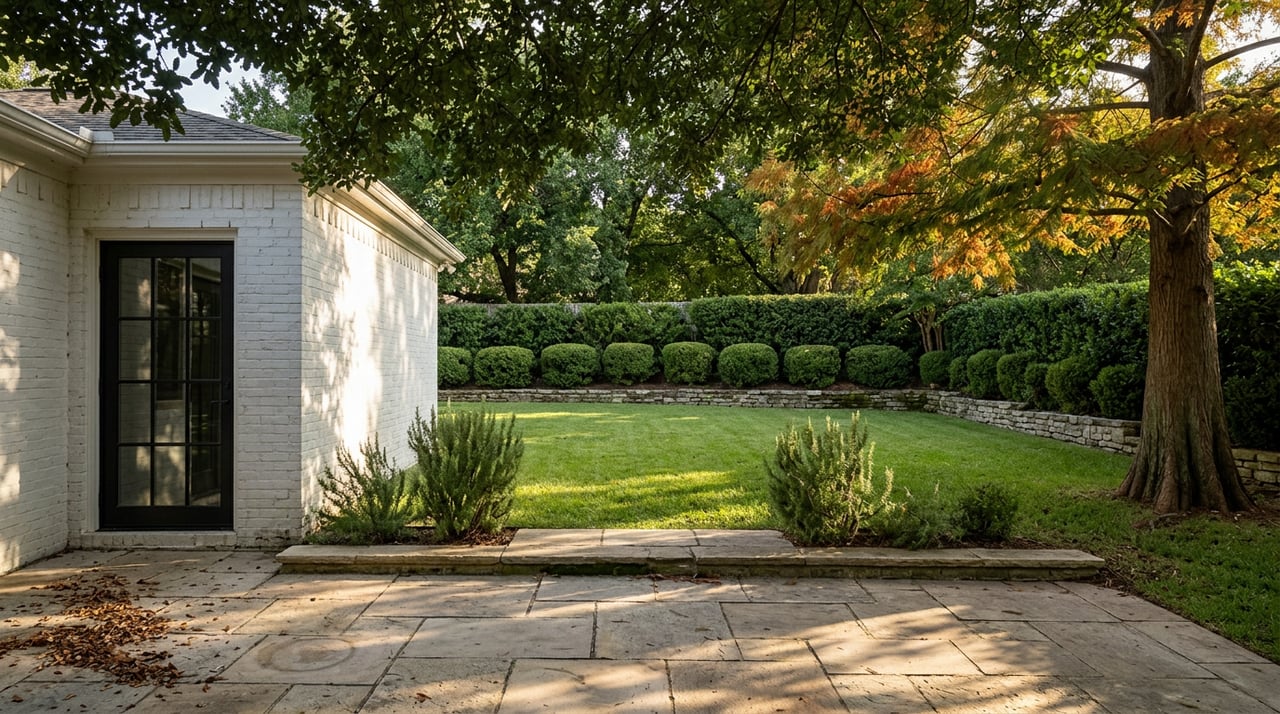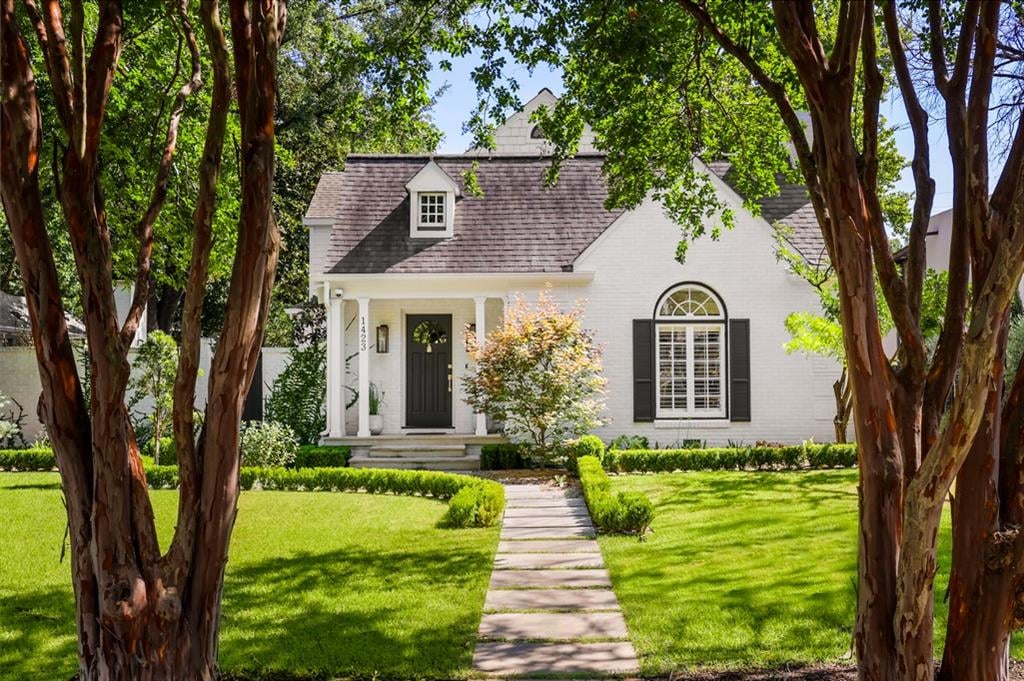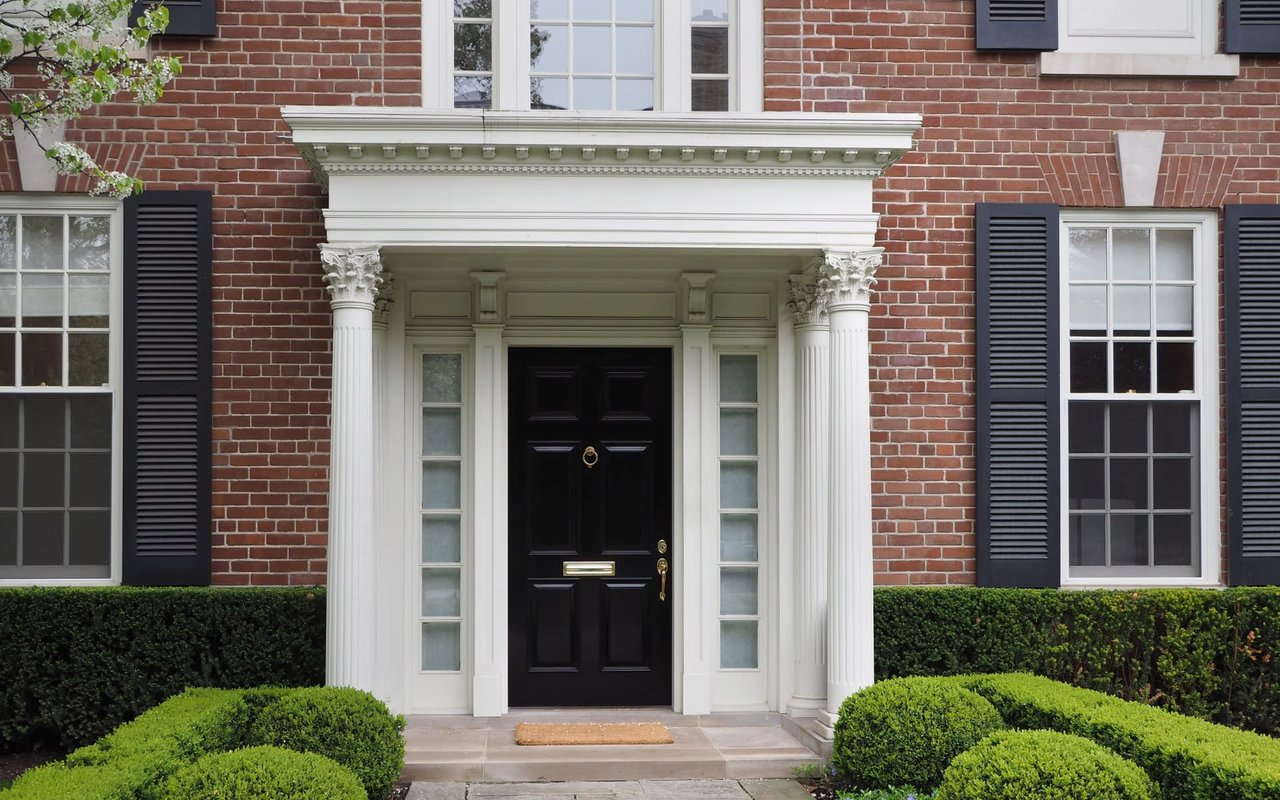
Trying to choose between Northwest Hills, Westlake, and Tarrytown? In Austin, a few miles can change your daily routine, your home style options, and even how connected or tucked away your neighborhood feels. If you are weighing these three well-known west and central Austin areas, this guide will help you compare location, housing, access, and lifestyle so you can narrow in on the one that truly fits your life. Let’s dive in.
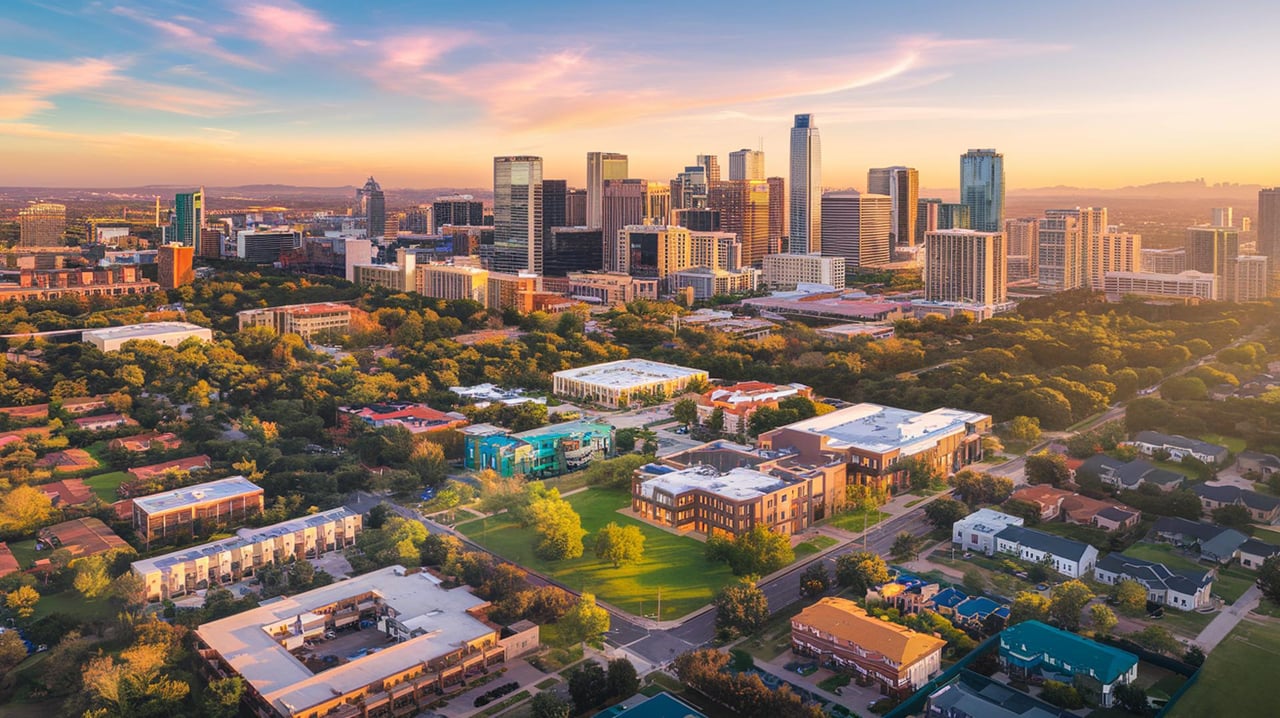
At a high level, these three areas serve very different priorities. Northwest Hills offers a hilly, residential setting with a practical neighborhood feel. West Lake Hills, often called Westlake, leans more private, lot-oriented, and landscape-driven. Tarrytown is the most central of the three, with the strongest connection to downtown Austin and a richer cluster of nearby amenities.
That difference matters because your best fit often comes down to how you want to live day to day. Some buyers want quick access and centrality. Others want seclusion, larger lots, or a quieter suburban rhythm.
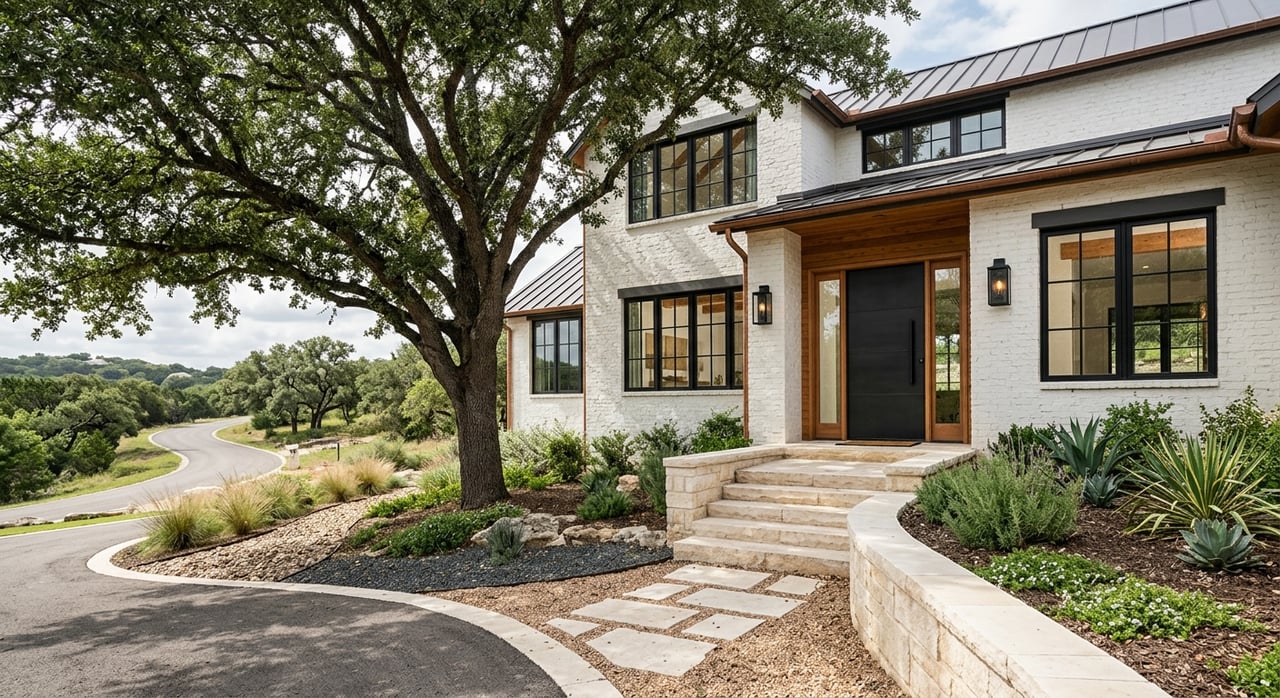
Northwest Hills sits in northwest Austin, generally bounded by Spicewood Springs Road to the north, MoPac to the east, Northland Drive and FM 2222 to the south, and Mesa Drive to the west. The area is shaped by hills and geology, which gives it a more topography-driven feel than a neat grid. In practice, that means winding streets, elevation changes, and a greener, more residential character.
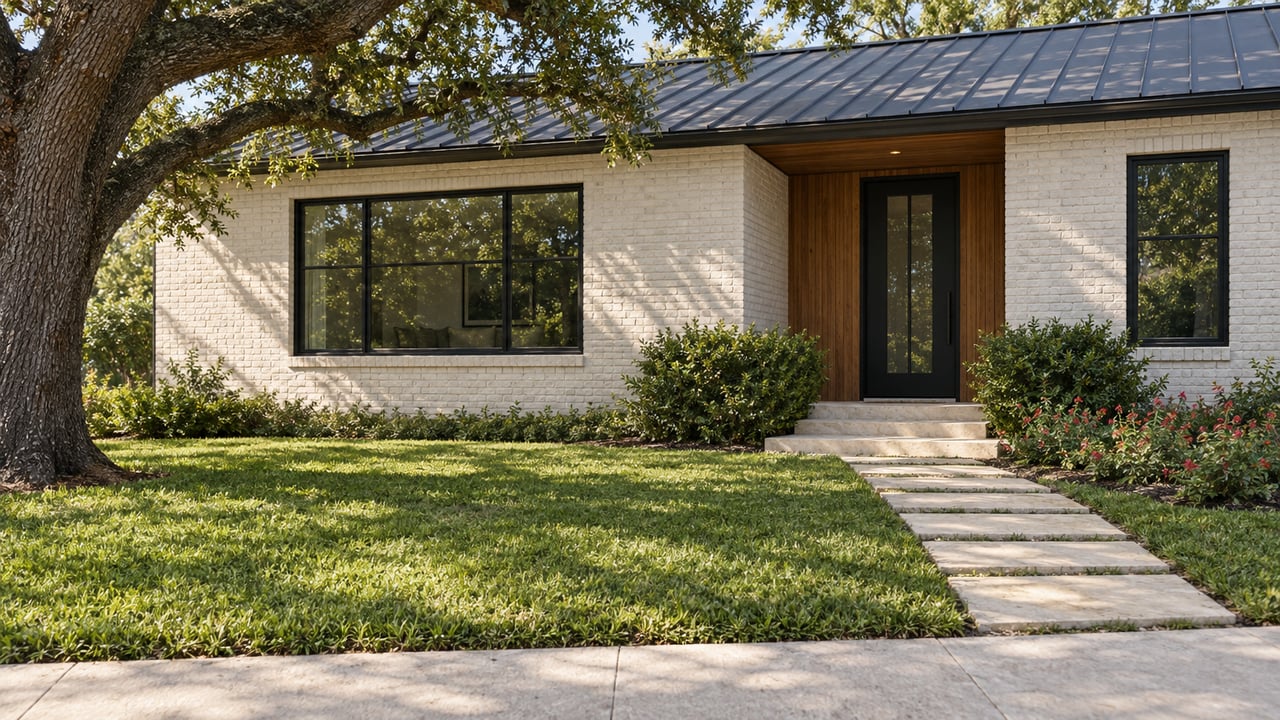
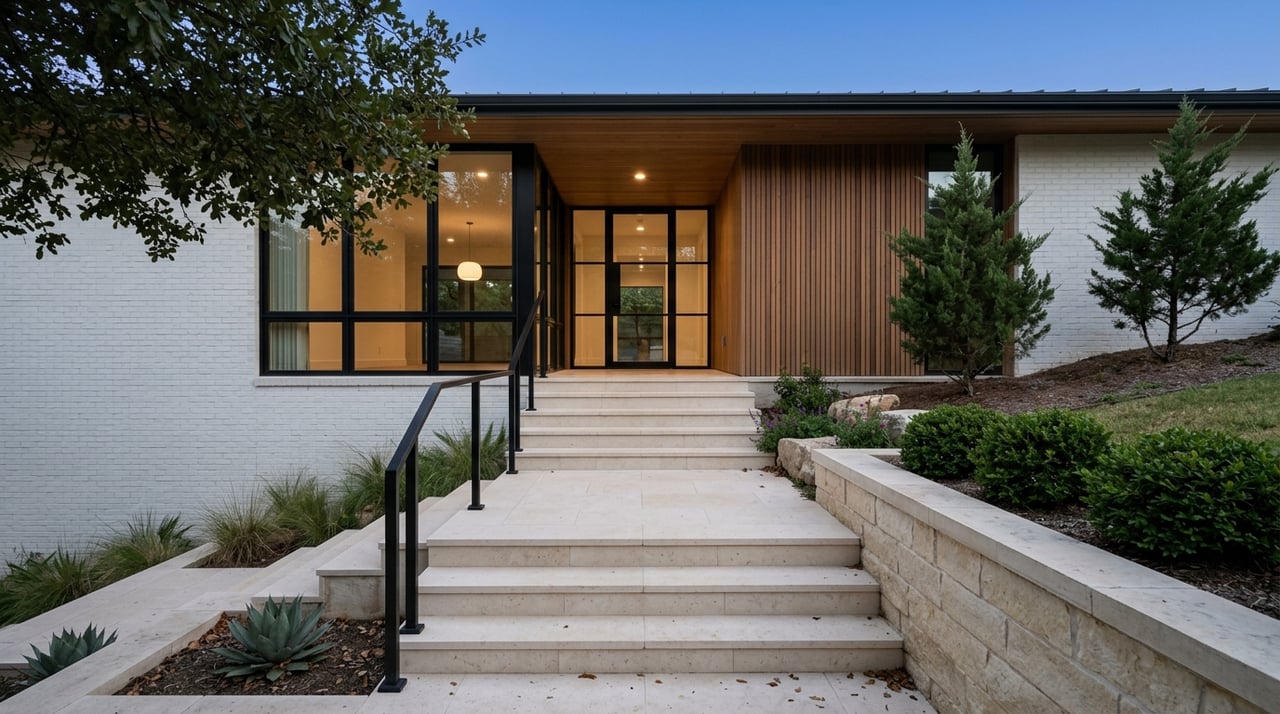
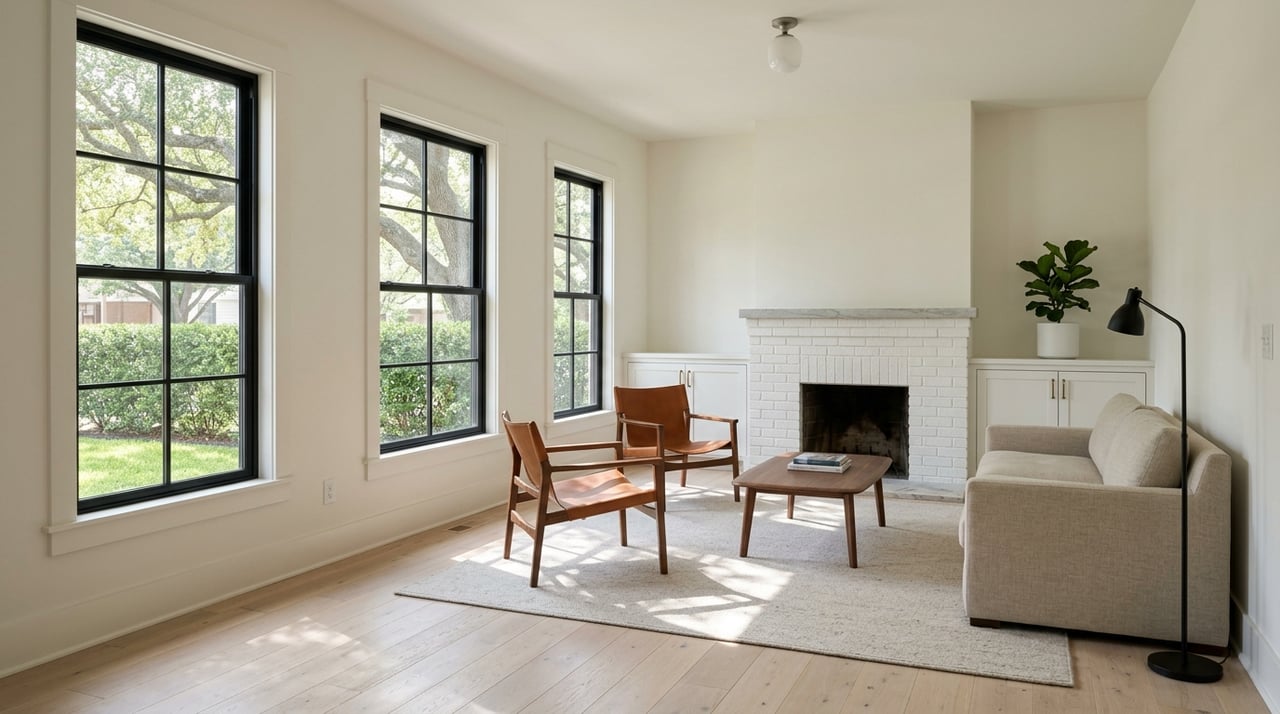
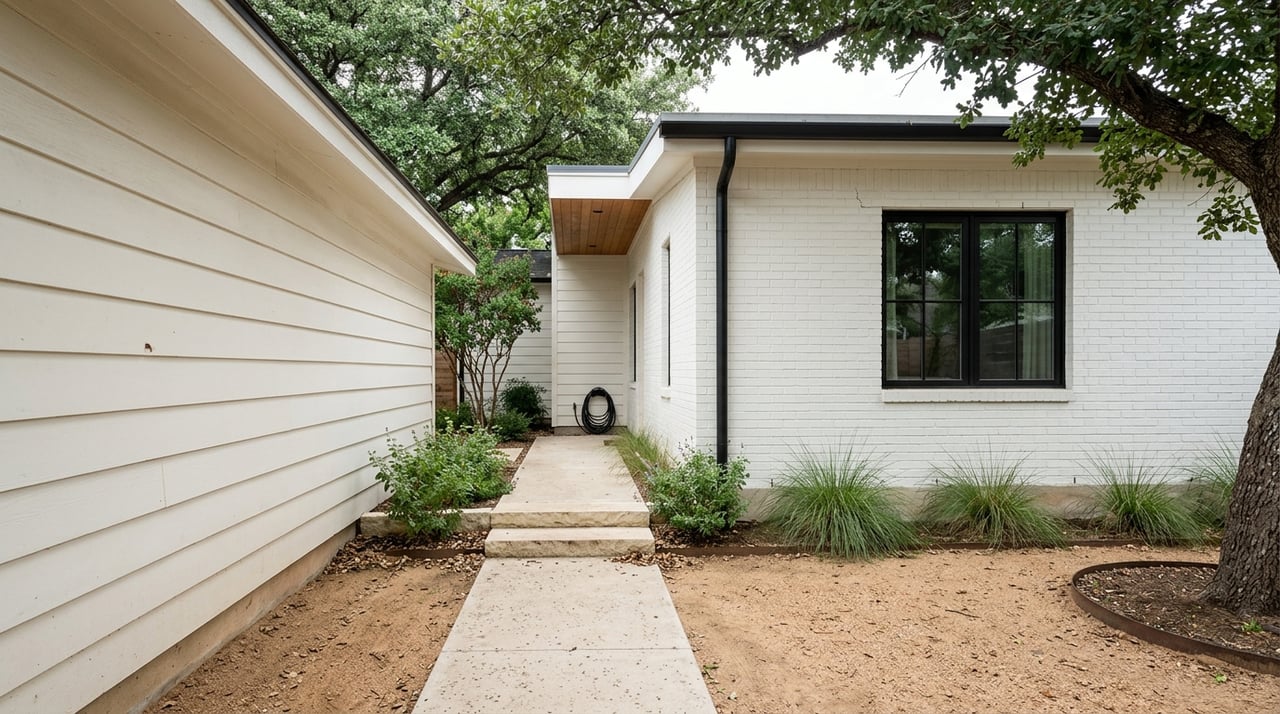
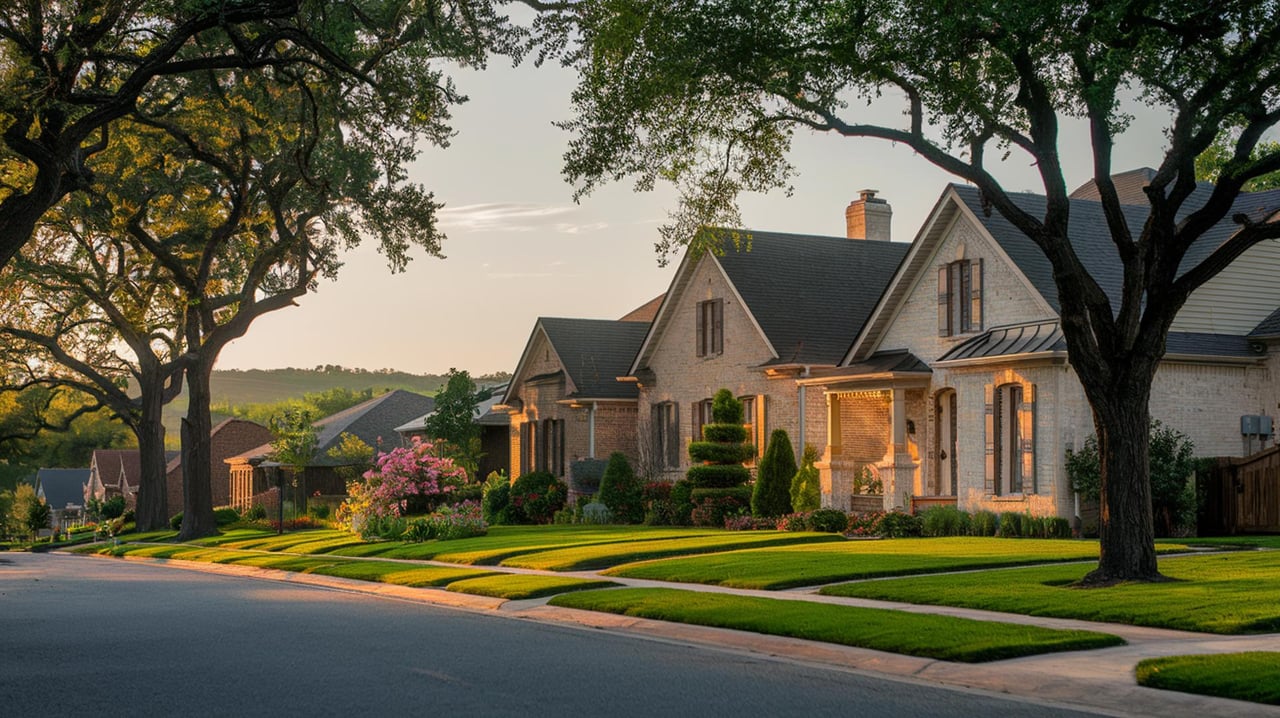
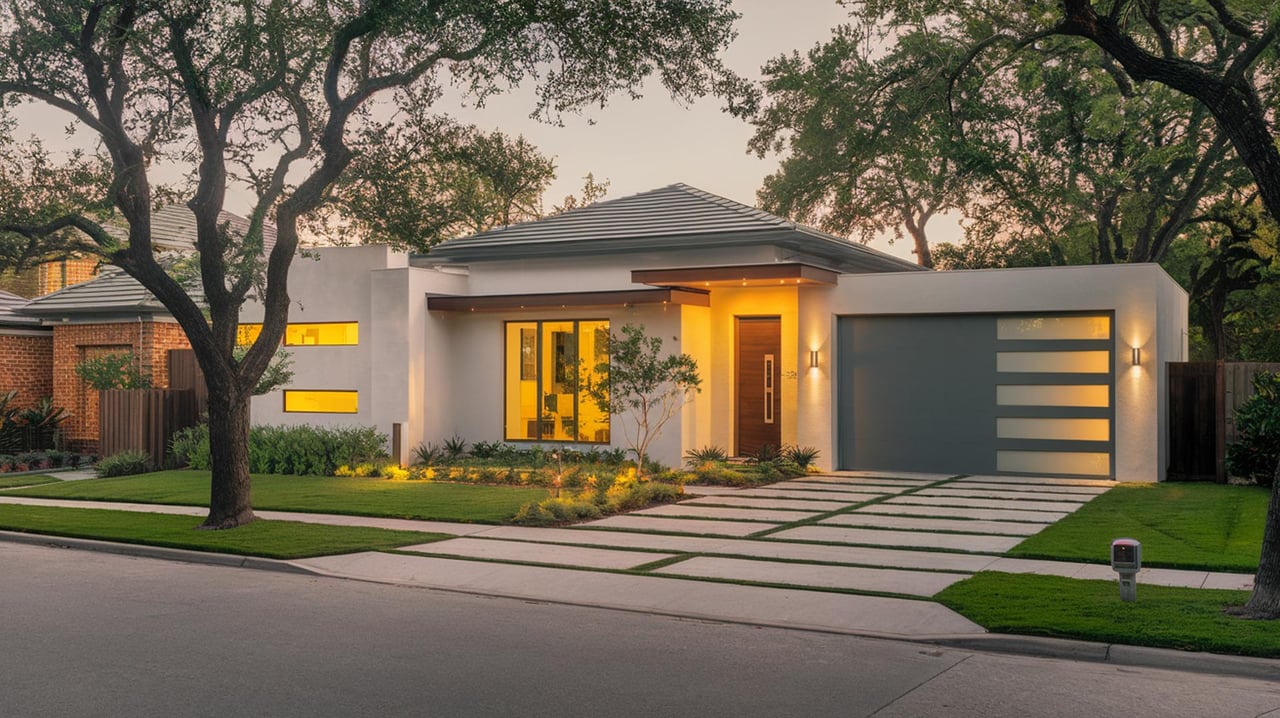
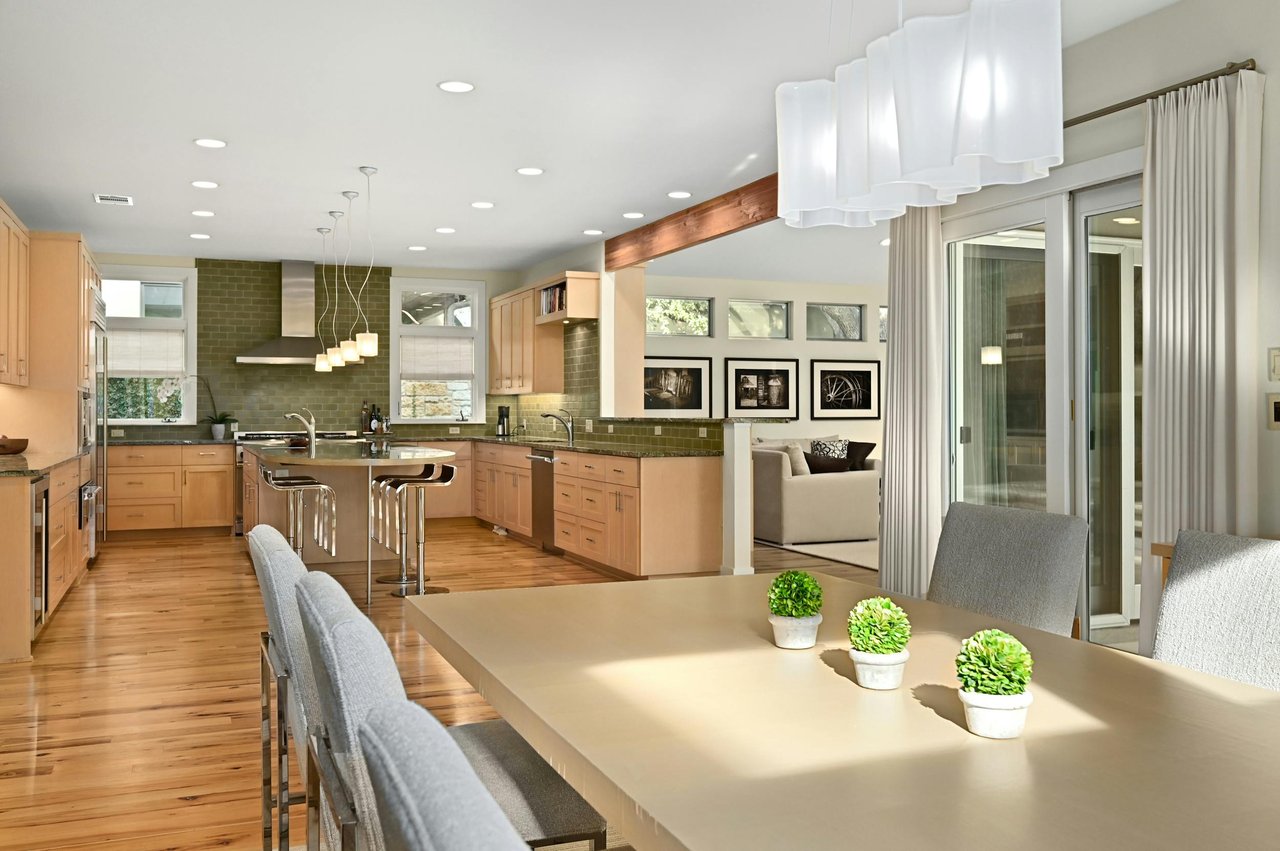
The housing stock in Northwest Hills is mixed rather than uniform. The broader area includes thousands of single-family homes and apartments, and much of the neighborhood developed from the 1960s through the 1980s. You will typically find ranch-style homes, two-story traditional houses, and some patio homes or condos around the broader area.
Daily life here tends to revolve around a few key roads and neighborhood retail nodes. Mesa Drive, Spicewood Springs Road, Far West Boulevard, and FM 2222 play a major role in how residents move through the area. Far West Boulevard has long functioned as a kind of neighborhood center, with daily-use retail and services nearby.
Northwest Hills often appeals to buyers who want:
If your ideal routine includes driving to neighborhood shopping, enjoying mature trees and rolling terrain, and living in a part of Austin that feels established but not overly urban, Northwest Hills may feel like a strong middle ground.
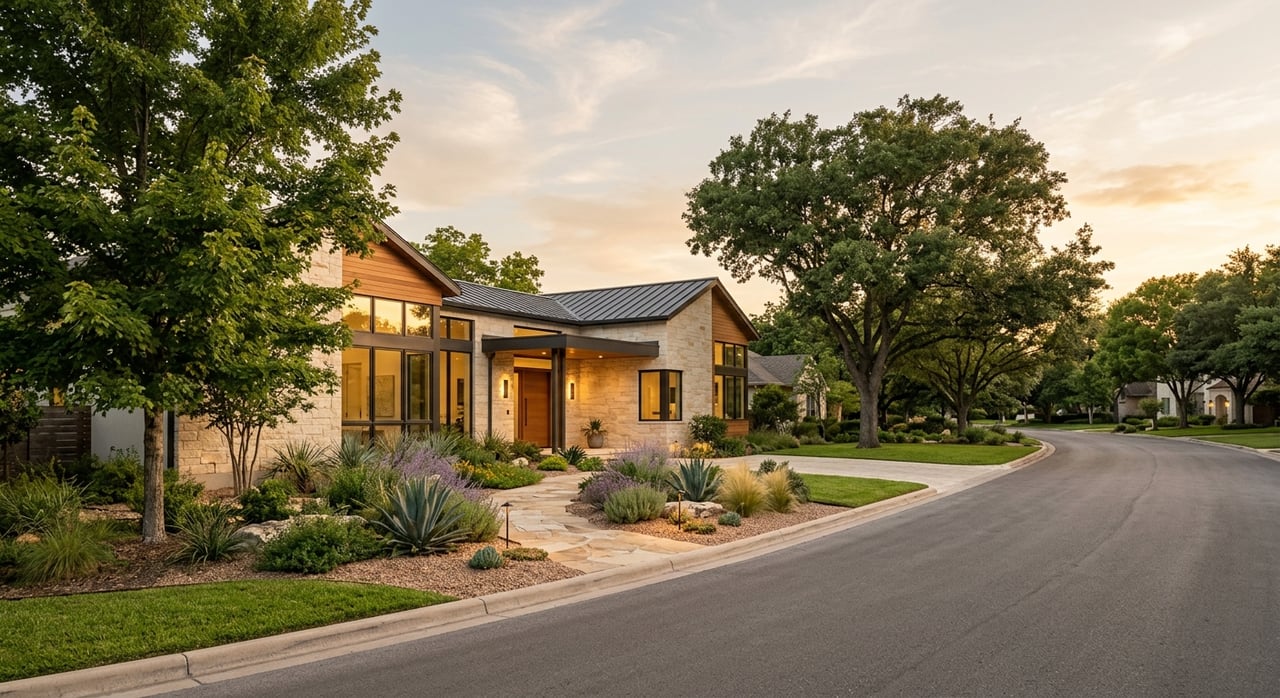
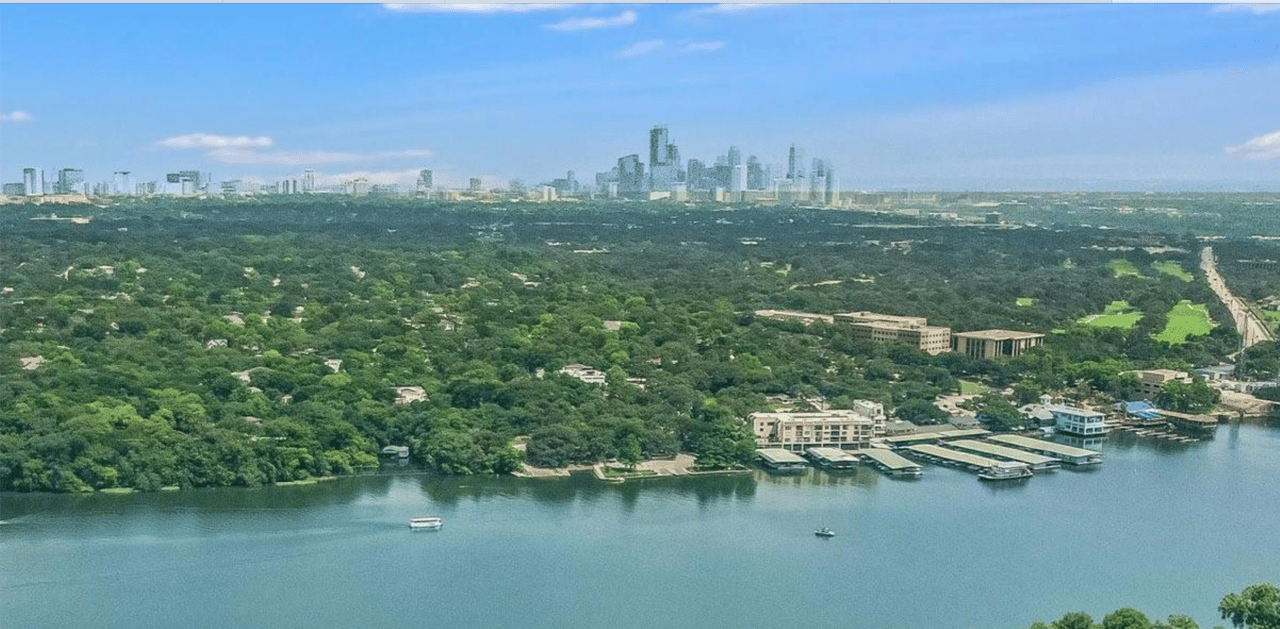
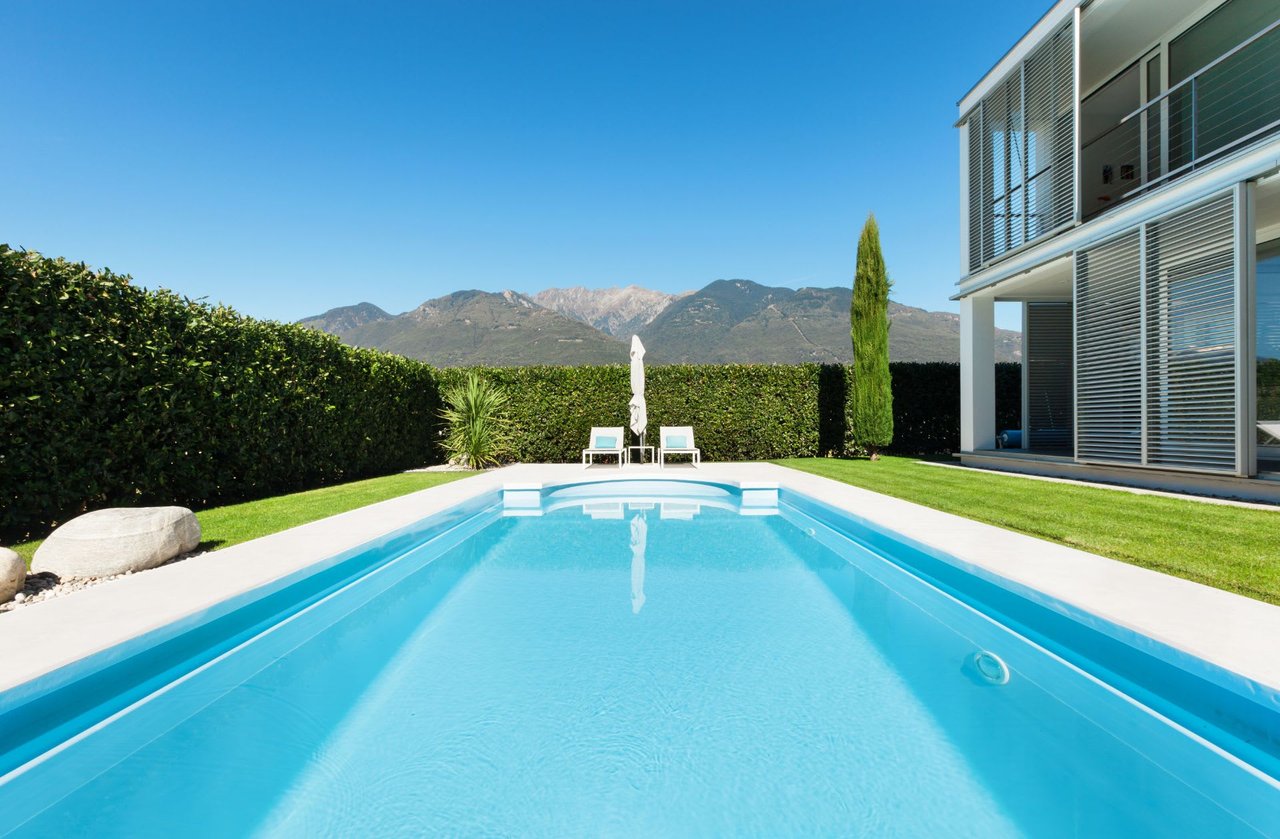
West Lake Hills stands apart because it is its own incorporated city, not just an Austin neighborhood. Founded in 1953, it covers about 4 square miles and has long emphasized preserving a rural environment and natural beauty. It sits on the west bank of Lake Austin and along the eastern edge of the Balcones Escarpment, which helps explain its steep, highly hilly terrain.
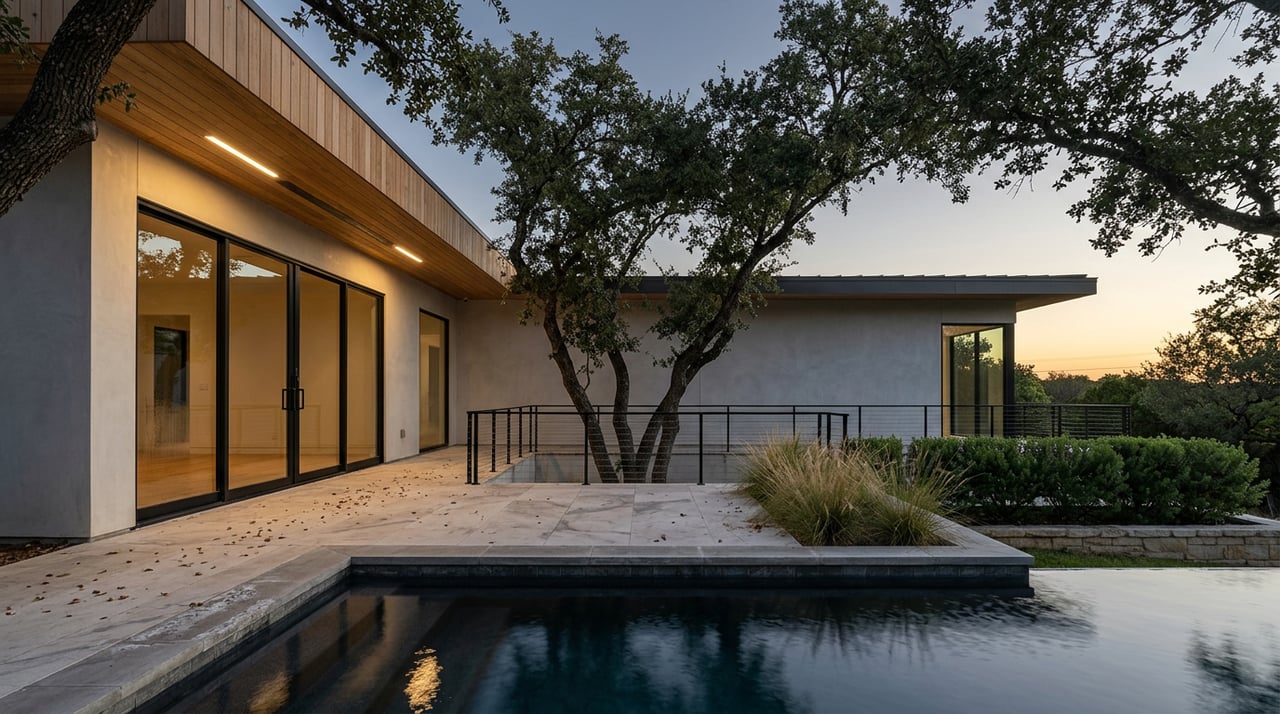
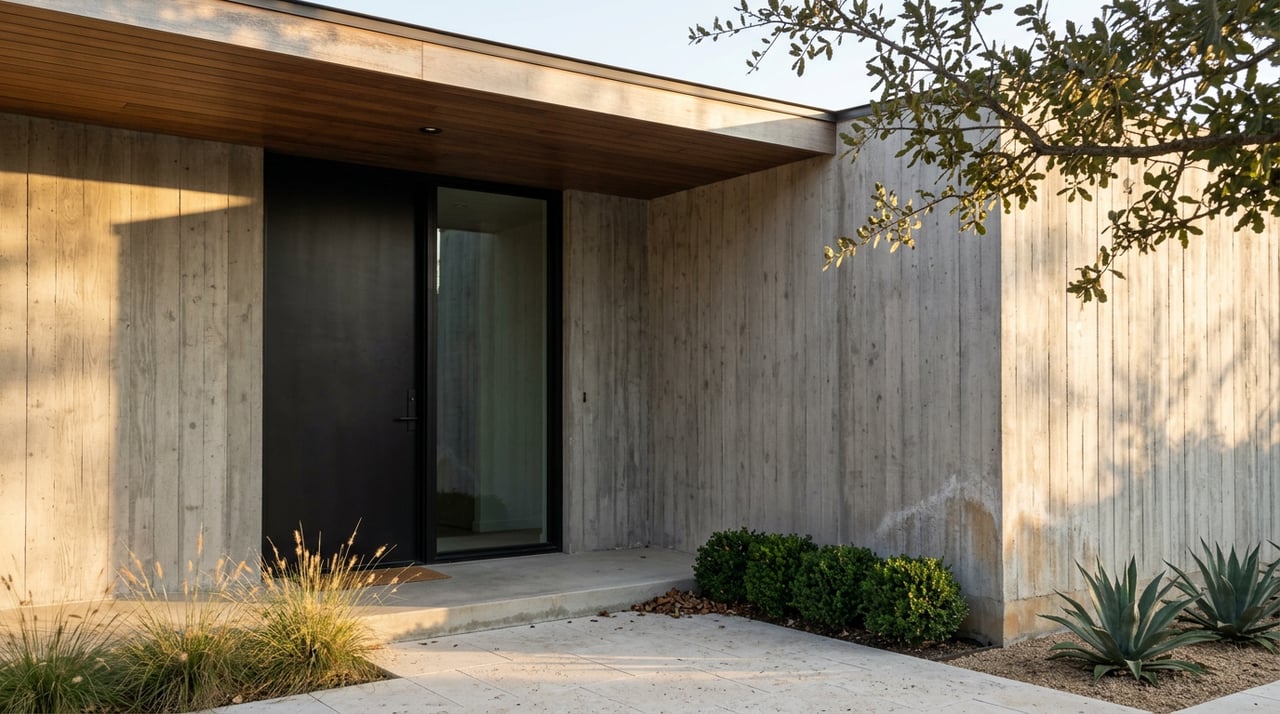
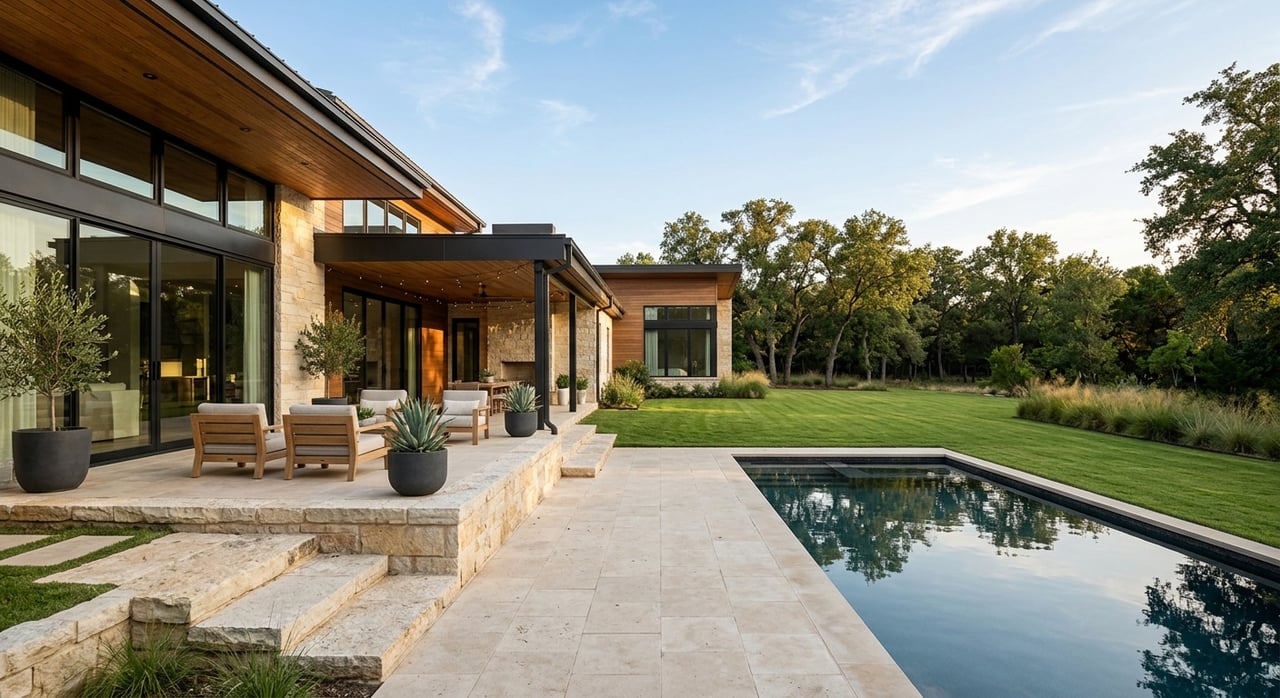
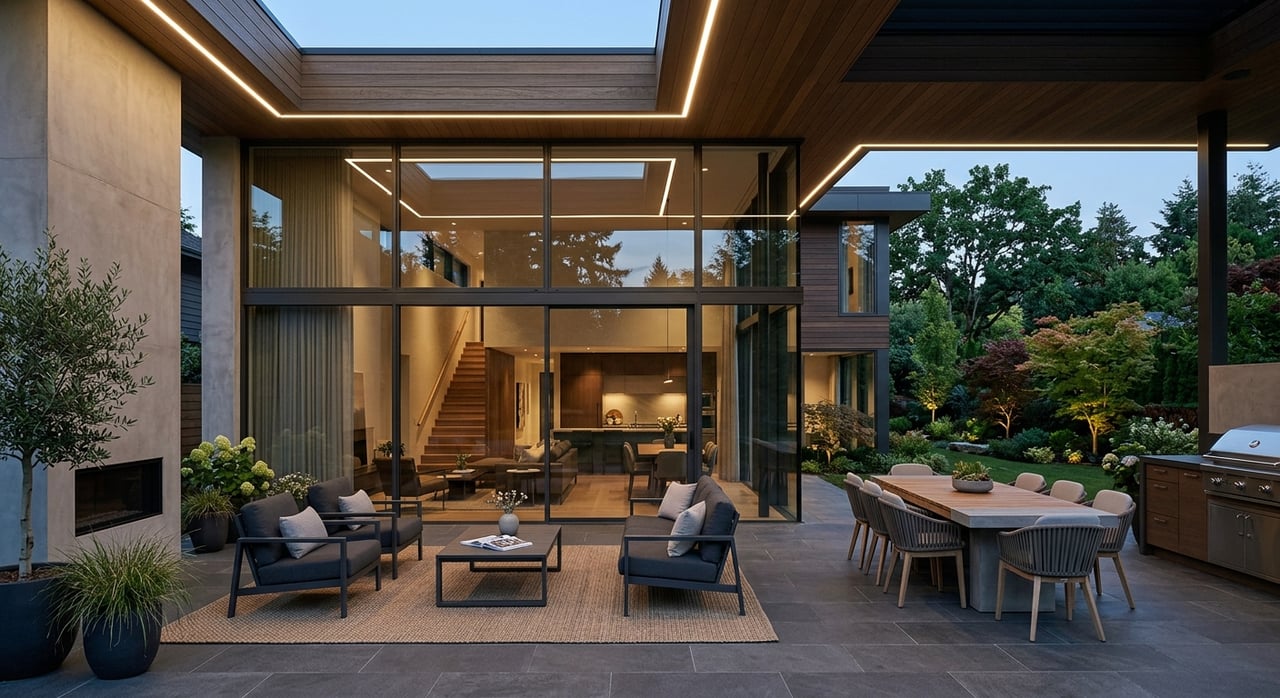
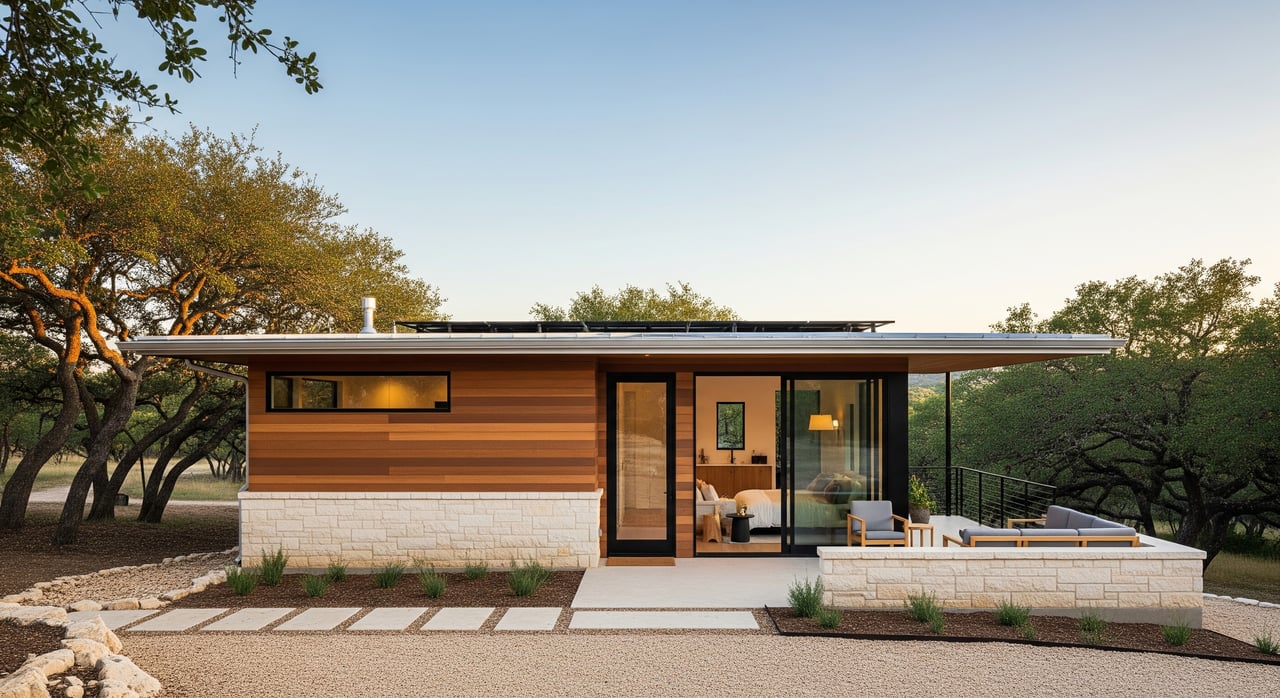
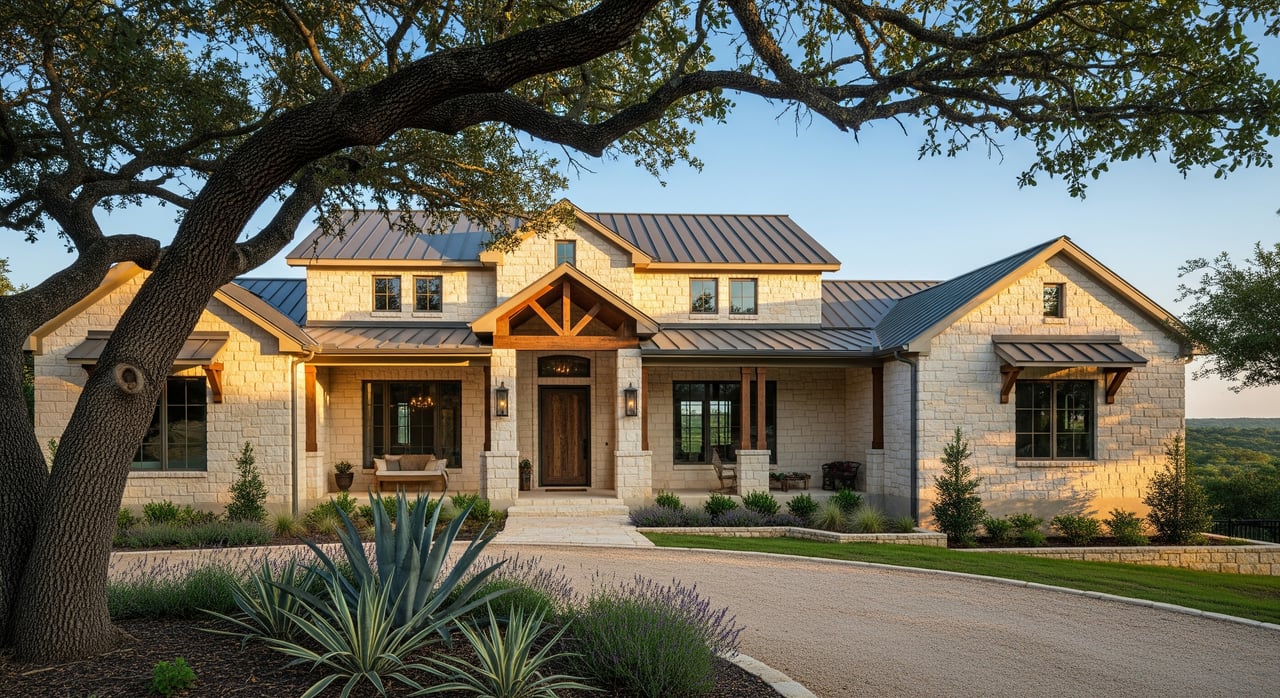
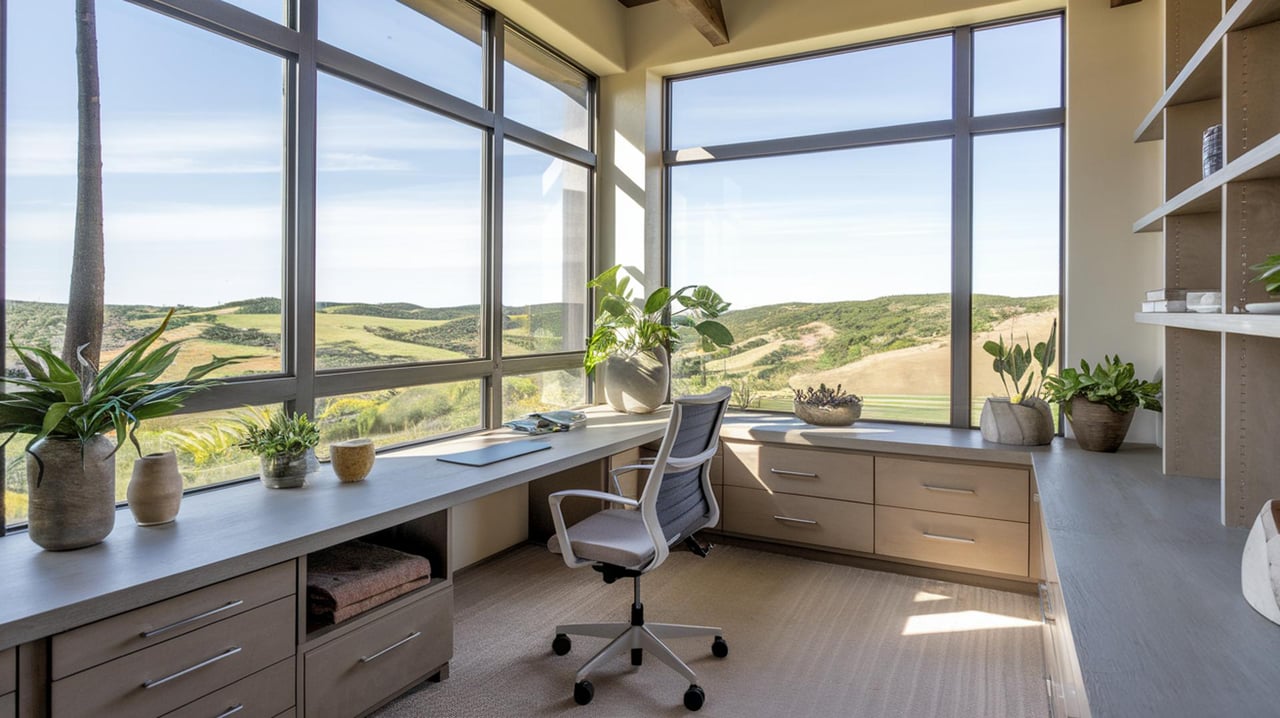
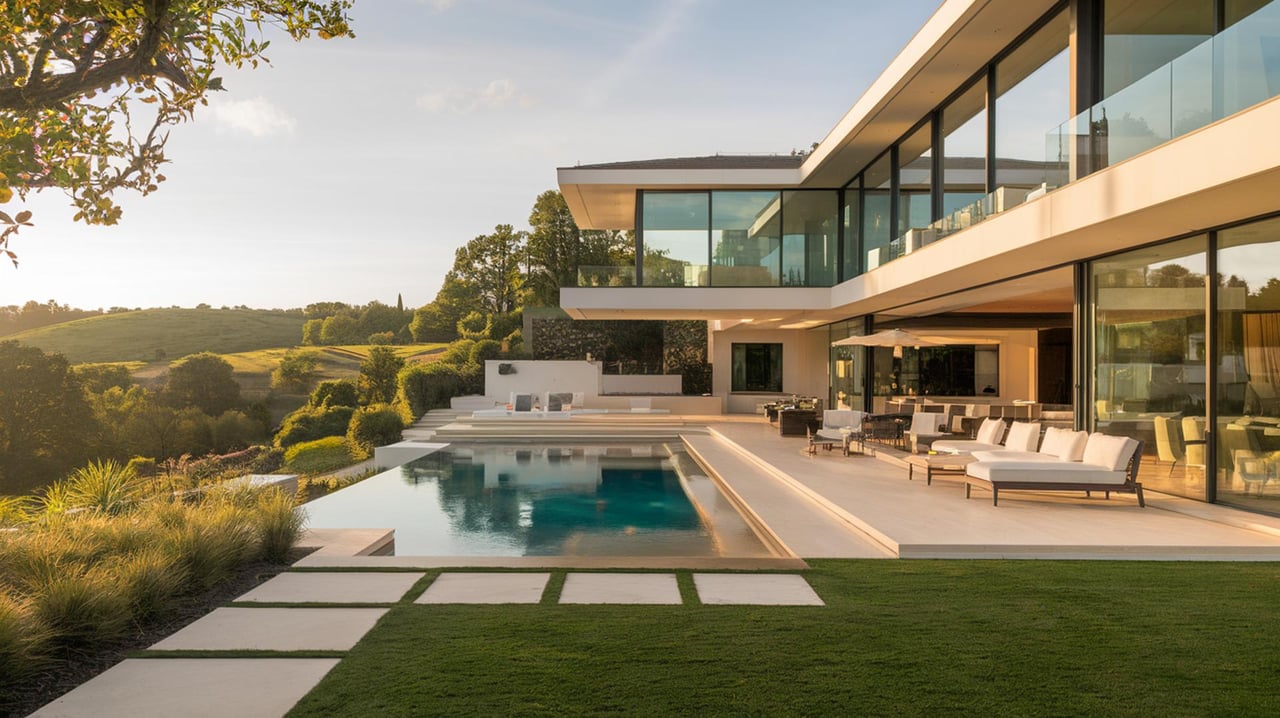
From a housing perspective, Westlake is the most lot-driven of the three. The city’s planning materials describe a mix of lot sizes, including heavily wooded and secluded residential parcels. A recent community assessment notes that many homes sit on lots ranging from roughly half an acre to more than 5 acres, with architecture spanning modern homes and mid-century ranch styles.
That physical setting shapes the lifestyle. Westlake is close to downtown in miles, but your experience of getting around is often route-specific, with travel centered on roads like Loop 360, Bee Cave Road, Westlake Drive, and Camp Craft Road. The area feels less like a compact neighborhood center and more like a residential enclave shaped by topography, privacy, and municipal self-containment.
Westlake often works well for buyers who want:
If you are drawn to homes where the setting is a major part of the value, Westlake may be the strongest fit. It is especially compelling if you want a property that feels more secluded while still being relatively close to central Austin.
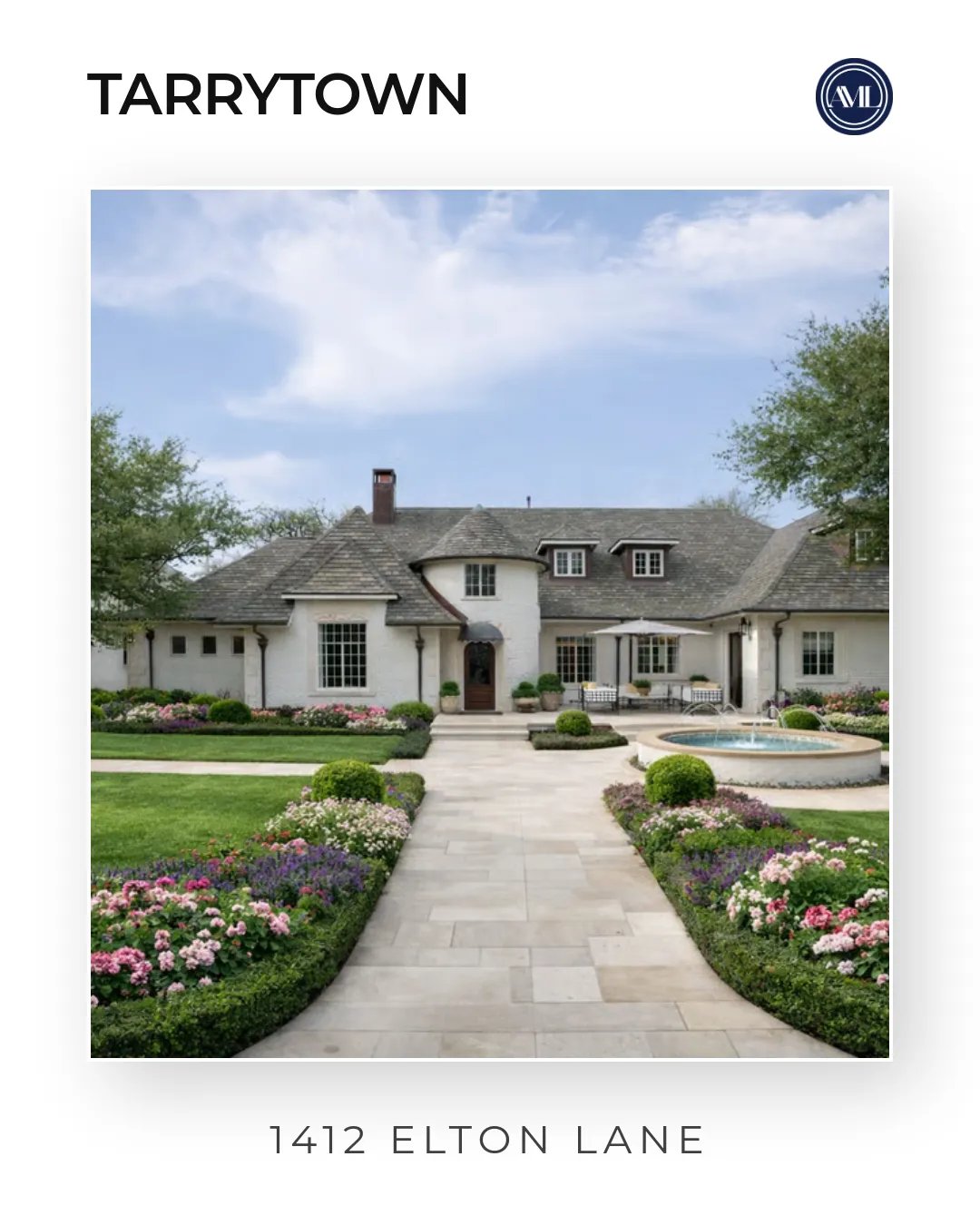
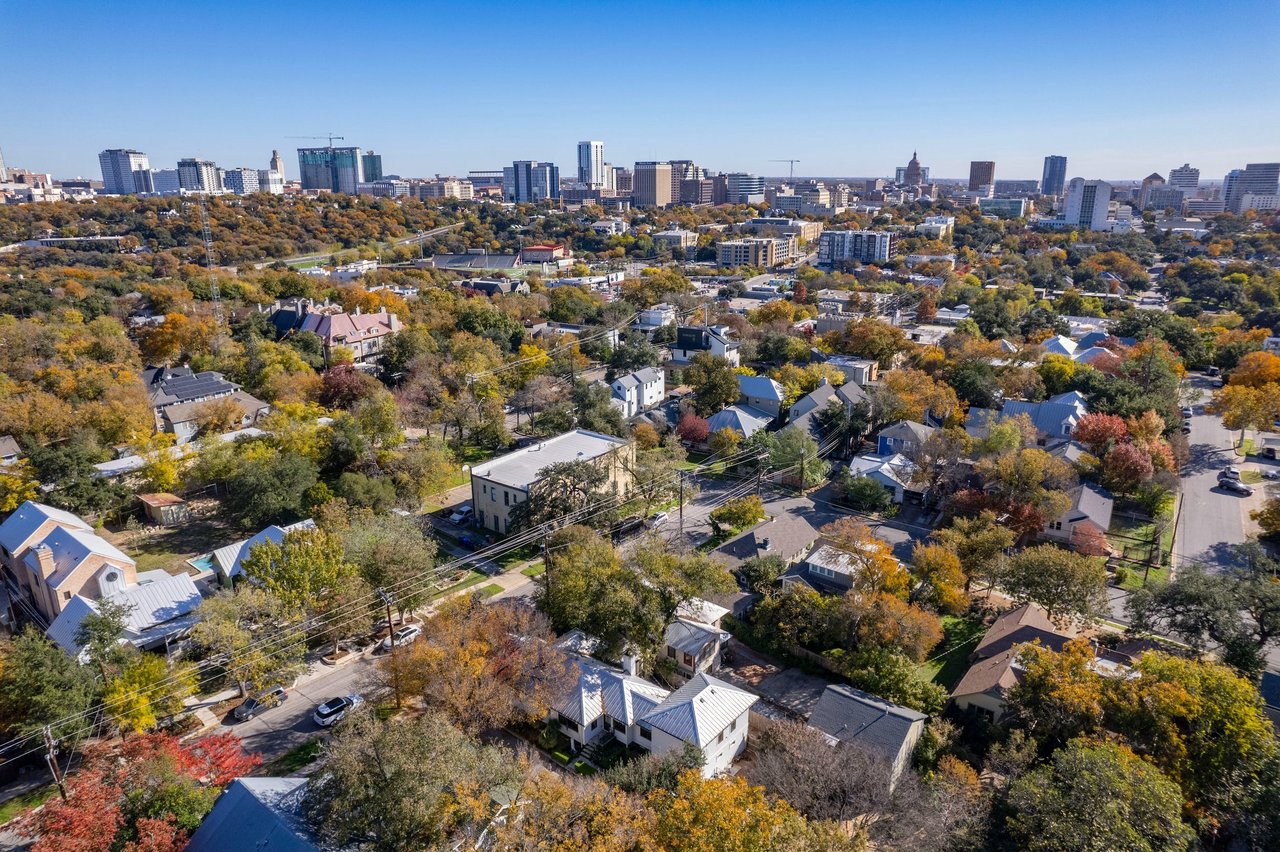
Tarrytown is the most central of the three areas. City materials place it roughly a mile or two from downtown Austin and the University of Texas, with Lady Bird Lake and Lake Austin helping define the broader area. That location gives Tarrytown a very different rhythm from Northwest Hills or Westlake.
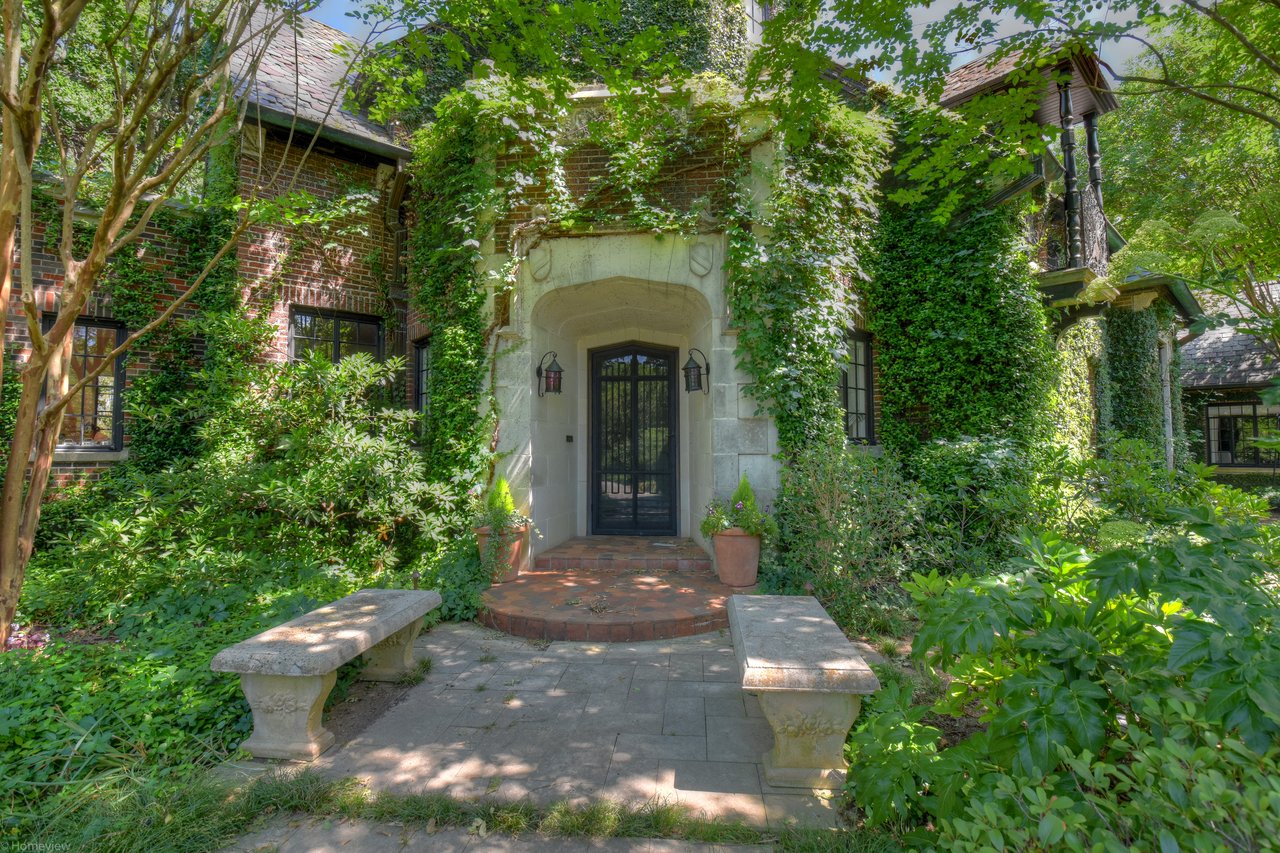
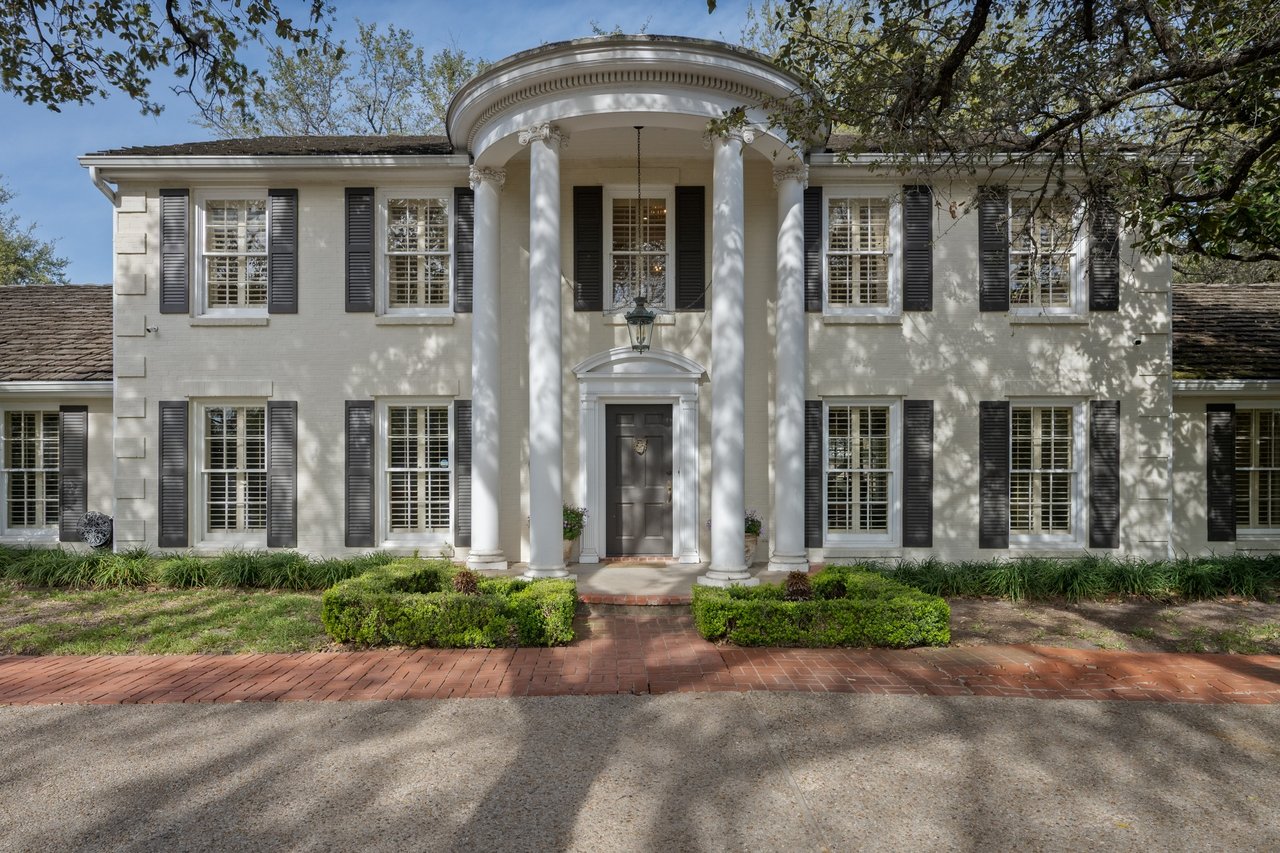
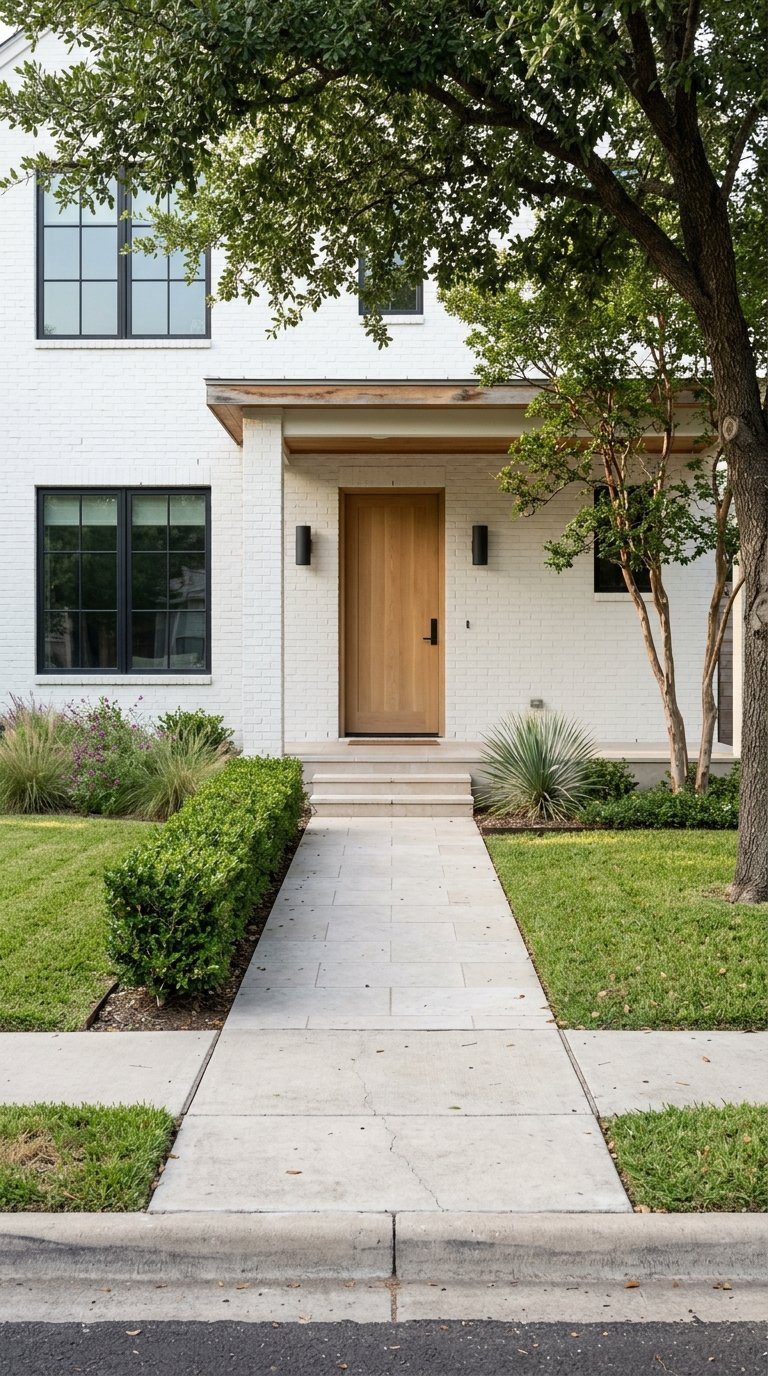
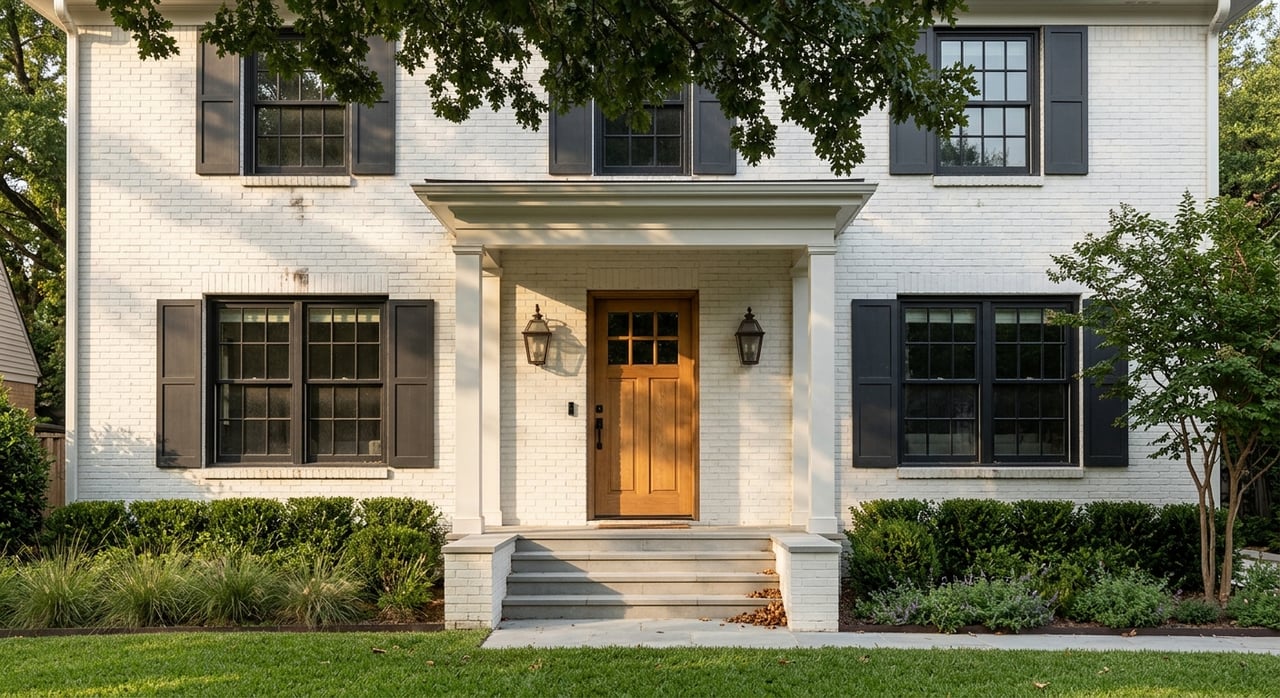
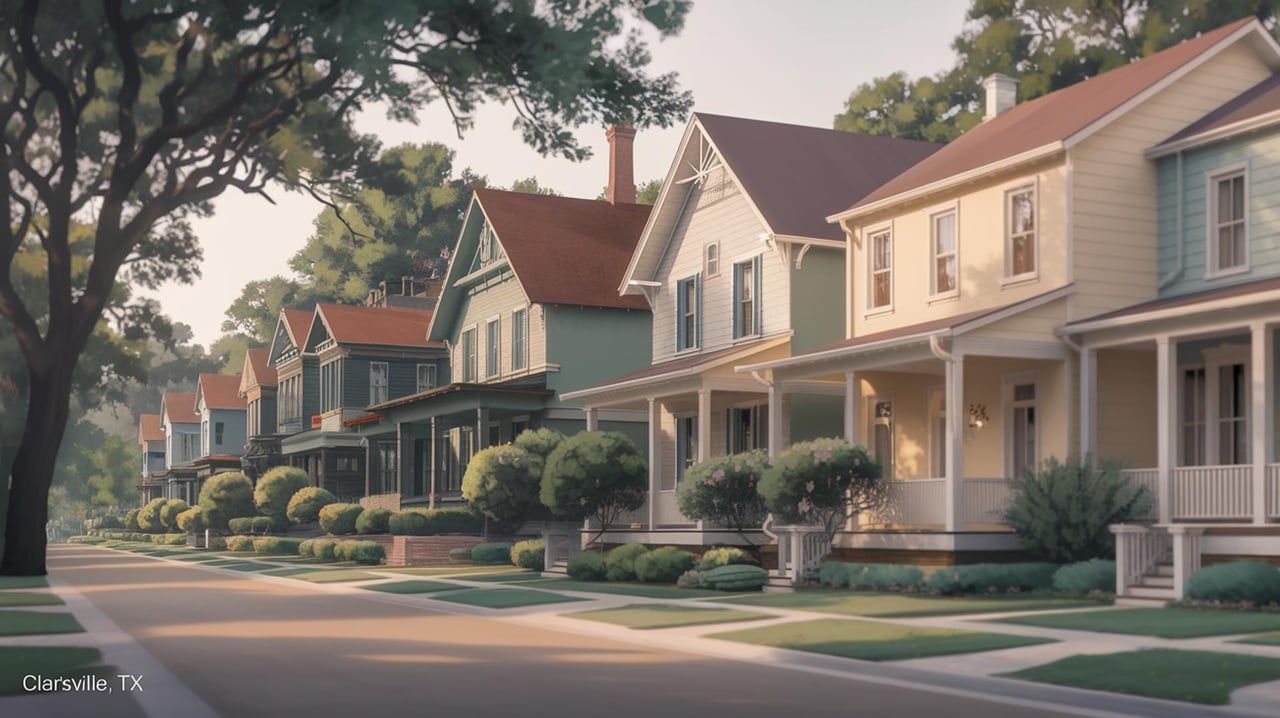
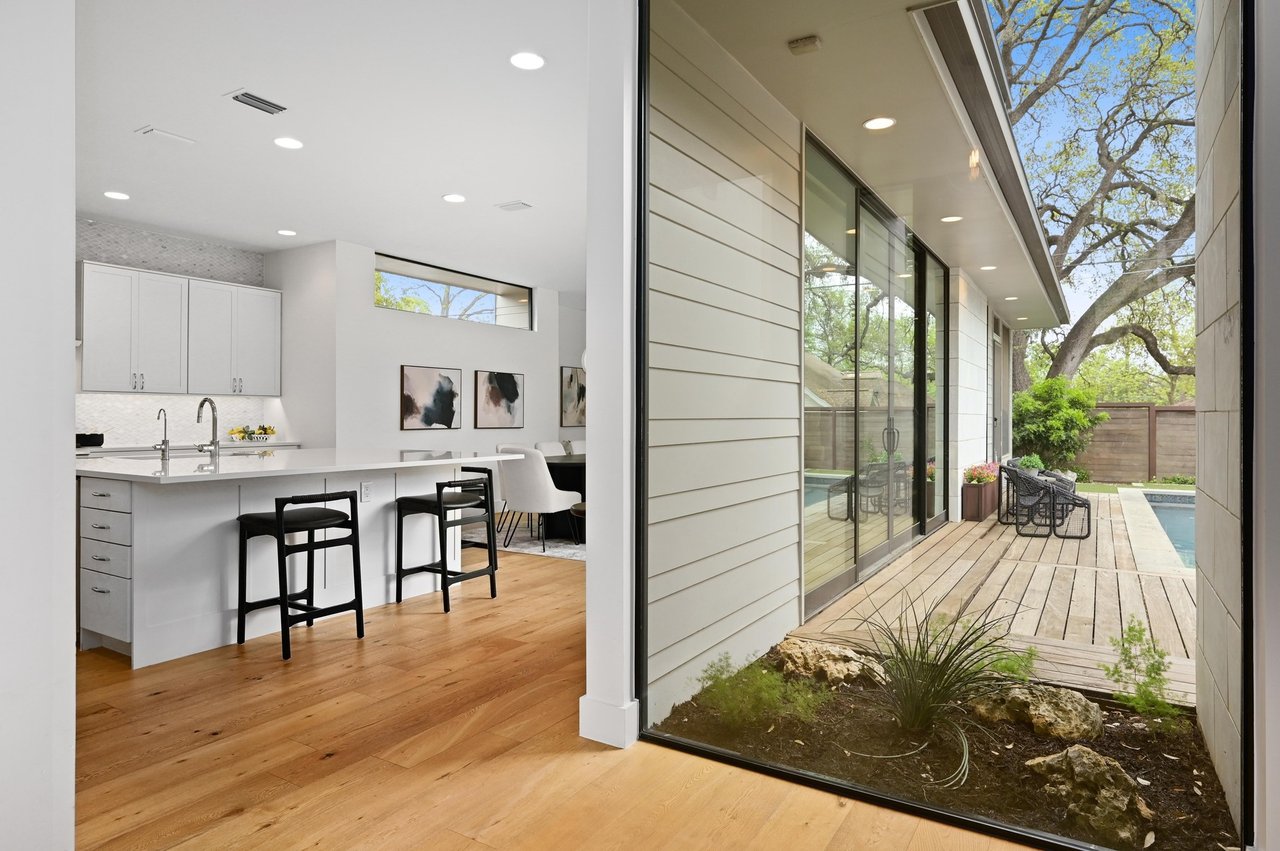
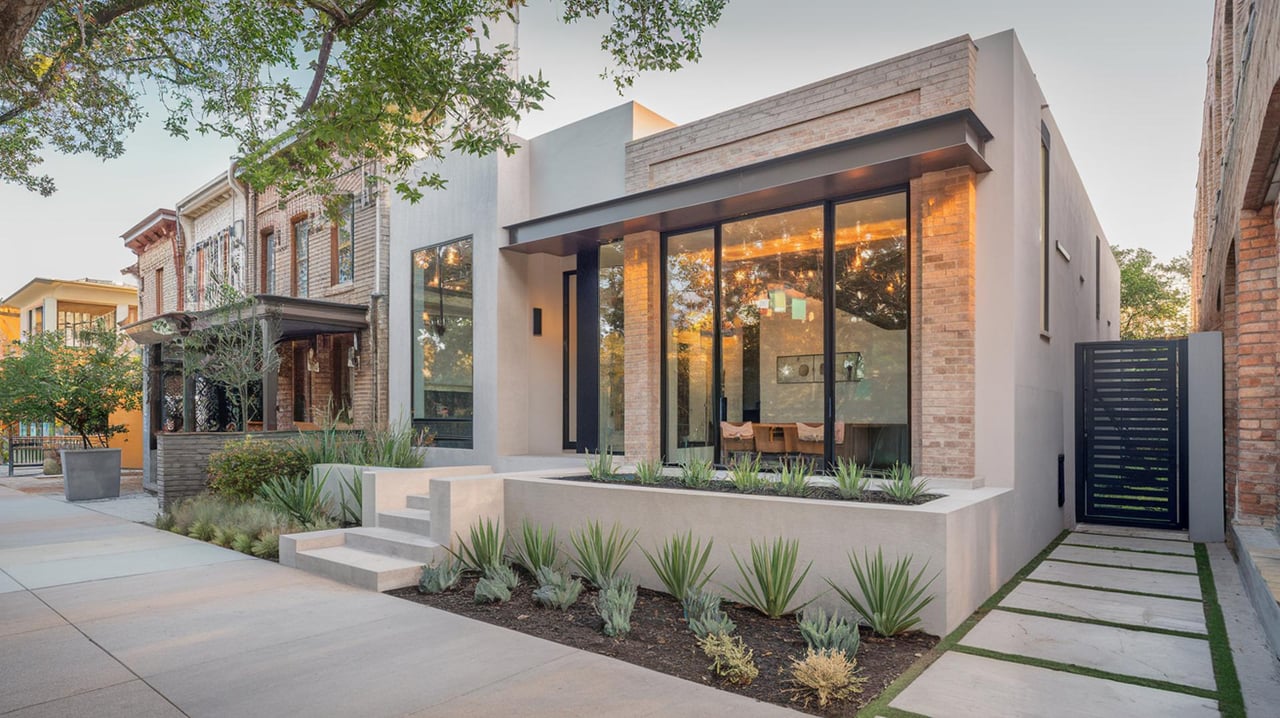
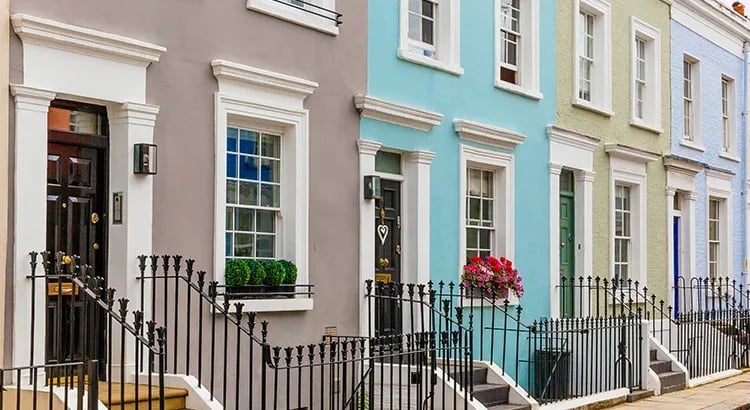
The neighborhood has an eclectic mix of architectural styles, with mostly one- to two-story single-family homes and some multifamily housing along corridors like Enfield, Exposition, and 35th Street. Tarrytown combines a grid pattern with winding streets and cul-de-sacs, largely because of the terrain. You also see older architectural character here, including period styles recognized in city historic materials.
For many buyers, the biggest advantage is everyday access. Tarrytown’s narrow streets are described in city planning materials as beneficial to pedestrians and cyclists, and its location naturally supports shorter trips into central Austin. It also has one of the strongest neighborhood-serving amenity clusters of the three.
Tarrytown often appeals to buyers who want:
If your lifestyle depends on central access, short drives, and a neighborhood that feels woven into the heart of Austin, Tarrytown is often the most natural match.
Choosing the right area is often less about the map and more about how your week actually looks. Where do you want to run errands? How much do you value privacy? How often do you head downtown?
Here is a simple way to think about the three:
| Area | Best known for | Daily feel | Housing pattern |
|---|---|---|---|
| Northwest Hills | Quiet hills and suburban balance | Practical, residential, connector-road oriented | Mixed housing, many homes from the 1960s to 1980s |
| Westlake | Privacy and larger lots | Secluded, scenic, route-specific | Primarily single-family homes on wooded parcels |
| Tarrytown | Centrality and amenity access | Close-in, connected, neighborhood-oriented | Older, eclectic homes with some corridor multifamily |
If you are still deciding, it helps to rank your priorities before you start touring homes. A neighborhood can look perfect on paper but feel wrong if it does not support your actual routine.
Ask yourself:
Your answers often point clearly in one direction. Buyers who value central access and amenity density often gravitate toward Tarrytown. Buyers focused on privacy, topography, and larger parcels often prefer Westlake. Buyers looking for an established, hilly residential setting with practical conveniences often find Northwest Hills to be a very comfortable fit.
For buyers, these three areas can look similar from a distance because all sit within Austin’s desirable west and central orbit. Once you get into the details, though, they offer very different living experiences. Touring with a clear framework can save you time and help you focus on the homes that truly align with your goals.
For sellers, understanding these distinctions matters just as much. Positioning a home in Northwest Hills, Westlake, or Tarrytown requires a neighborhood-specific strategy that reflects what buyers in each area are actually looking for, whether that is central convenience, lot privacy, architectural character, or a practical residential setting.
When you want a nuanced read on where you will feel most at home, local context makes all the difference. As a fourth-generation Austinite with deep experience in west and central Austin neighborhoods, Anna Lee offers the kind of tailored guidance that helps buyers and sellers move with clarity and confidence.
3825 Lake Austin Blvd Ste 501 Austin TX 78703
3825 Lake Austin Blvd Ste 501 Austin TX 78703